
United States
Booker T. Washington HSPVA – Visual Arts
New · 2026/27Type
Ages
—
Curriculum
—
Ratio
—
The Verdict
Editor's commitment
Right for
Students in the United States who want Booker T. Washington HSPVA’s Visual Arts track, not a generalist high-school experience.
Wrong for
Families outside the United States, or anyone needing a published curriculum and accreditation list; this listing gives neither.
Watch out for
Visual Arts is the named specialism at Booker T. Washington HSPVA, but the school does not disclose fees, results or admissions detail here.
Ranking breakdown
Booker T. Washington HSPVA – Visual Arts · #1391 of 1591
Composite score 52.6. 8 weighted criteria.
By criterion
Academic Outcomes
Weight 20%
No data yet
1529 of 1591 scored
University Placement
Weight 16%
No data yet
1529 of 1591 scored
Prestige & Heritage
Weight 12%
#1395
of 1571 scored
Alumni Network
Weight 12%
No data yet
1530 of 1591 scored
Facilities
Weight 12%
No data yet
1533 of 1591 scored
Transparency & Communications
Weight 8%
No data yet
1532 of 1591 scored
Peer & Industry Review
Weight 10%
#384
of 1548 scored
Admissions Selectivity & Demand
Weight 8%
No data yet
1529 of 1591 scored
Peer & Industry Review
How Booker T. Washington HSPVA – Visual Arts is regarded in the sector
74
Respected · medium confidence
Among Texas magnet and arts-conservatory peers, HSPVA is consistently cited alongside LaGuardia (NYC) and Interlochen as a benchmark public arts program; Dallas-area private school heads reference its audition-based admissions model when discussing selectivity in creative disciplines. U.S. News & World Report and Niche.com rankings place it among the top public high schools in Texas, with Niche awarding it top marks specifically for Visual & Performing Arts. Its visual arts graduates report strong placement at RISD, Parsons, SAIC, and SMU's Meadows School of the Arts, and admissions officers at these institutions have publicly noted HSPVA portfolios as consistently portfolio-review-ready. D Magazine and the Dallas Morning News education desks regularly profile HSPVA as the city's flagship arts pipeline, citing YoungArts and Presidential Scholars in the Arts recognitions earned by its students almost every cycle. Coverage skews toward its performing arts alumni (Erykah Badu, Norah Jones, Roy Hargrove), which slightly overshadows visual-arts-specific press, but within Texas magnet-school circles and among conservatory admissions staff, HSPVA's visual arts strand carries solid, verifiable regional prestige rather than broad national name recognition.
Award
Elite Visual & Fine Arts 76
World's Top School · The Global Ranking
Booker T. Washington HSPVA – Visual Arts is featured on our Global Top 76 ranking at #48. This seal is available for the school's marketing team to use on their website, prospectus and social channels.
Editors' overview
Booker T. Washington HSPVA – Visual Arts sits in a narrow and valuable part of the American school market: the public arts magnet that treats studio practice as the centre of the school day rather than an extracurricular add-on. That matters. Many schools promise “strong arts”; few organise admission, timetable and peer culture around serious artistic training. For a family with a young artist who wants intensity, critique and daily making, that is the real point of differentiation. The attraction is not pastoral softness or broad-brush enrichment. It is serious young artists in one place, a high-pressure creative peer group and art treated as core work.
The Visual Arts pathway belongs on a shortlist because specialist schools of this kind do two things at once. First, they raise the standard of student work through selection and concentration: students work alongside others who care about drawing, concept, process and portfolio quality. Second, they normalise ambition in the arts. In a conventional high school, the committed artist can feel marginal; here that student finds a culture built around production, review and performance. That creates a rare sense of artistic purpose and daily exposure to high standards. The trade-off is clear. Specialist environments demand stamina, receptiveness to criticism and self-management. Any parent looking for a loose, low-stakes creative option should look elsewhere.
The right student for Booker T. Washington HSPVA – Visual Arts is not just “creative”. That word is too vague. This is for the teenager who draws or makes work without being told, accepts correction without drama, and wants technique as much as self-expression. They need to value discipline, deadlines and sustained practice. They also need to be comfortable among peers who are talented, focused and competitive. For that student, the school offers a conservatoire-style teenage experience inside a public-school setting, and that combination is unusual. If your child wants art woven through the structure of school life, not bolted on after lessons, Booker T. Washington HSPVA – Visual Arts earns a place on the shortlist.
An Elite Visual & Fine Arts 76 school
Booker T. Washington High School for the Performing and Visual Arts, set inside the Dallas Arts District in downtown Dallas, Texas, sits at rank forty-eight on the Elite Visual & Fine Arts 76 on the strength of a genuinely unusual density of national arts recognition for a public school: it counts thirty Presidential Scholars in the Arts among its graduates and has earned over 600 national awards across dance, music, theatre, visual arts, and creative writing through the National Foundation for Advancement in the Arts. It was the first secondary school in Dallas ISD to win the U.S. Department of Education's National Blue Ribbon Award and has been named one of the top five arts schools in the nation by the National Foundation for Advancement in the Arts.
The specialism runs through the school's dedicated Visual Arts Conservatory, entered by audition, interview, and portfolio rather than by zip code alone. Director Kyle Clark, who holds a Masters in Education from Parsons School of Design, teaches Foundation Drawing, Life Drawing, and Advanced Placement Drawing, while a named studio faculty delivers Painting, Printmaking, AP Art History, Sculpture, 3D Design, Jewelry, Fashion Design, and a dedicated Portfolio course. This is not a school relabeling generic AP electives as elite; it is a purpose-built studio conservatory with named specialists in each discipline, feeding a rigorous, observation-based portfolio culture.
The visual arts stream has produced practicing professionals rather than just prize-winners. Christian Schumann, whose paintings sit in the collections of MoMA, the Whitney Museum, MOCA Los Angeles, and the Dallas Museum of Art and who has held solo shows at Gagosian and White Cube, is a graduate. Muralist Chris Arnold, co-founder of the Dallas mural studio EyeCon, and Earl Lucas, Ford Motor Company's Chief Exterior Designer for Lincoln and the automaker's highest-ranking Black car designer, both trace their training back to the school's visual arts program.
International openness is limited and should be stated plainly: this is a tuition-free Texas public magnet school inside Dallas ISD, not a boarding institution. It is a closed campus requiring proof of Dallas residency for enrollment, there is no dormitory system, and the school does not sponsor F-1 student visas. Admission runs through the DISD magnet application window, typically November through January 31, followed by portfolio and audition rounds. Overseas families would need to establish genuine Dallas-area residency, usually through relocation or a legal guardian, well before that January deadline. For a family already relocating to Dallas, this is one of the strongest public visual-arts conservatories in the United States; for a family seeking a boarding pathway from abroad, it is not a realistic option and alternatives elsewhere on this list should be considered instead.
Academic Performance
Publicly available exam data for the Visual Arts pathway are thin, and that matters. We have not seen aggregate AP, SAT or ACT results published for this school, nor a consolidated set of subject outcomes that would let parents benchmark it cleanly against selective academic magnets. That leaves a gap in the record. For a school built around specialist arts training, the more relevant external measure is student progression into competitive art and design courses, portfolio strength and the seriousness of studio practice. Those indicators carry weight, but they are less legible than a table of scores. Parents who want hard-edged academic transparency will find the picture frustratingly opaque.
Relative to peers, the school sits in a different category from conventional college-prep independents and exam-driven public magnets. Its value lies in producing students who can sustain advanced creative work while completing a full secondary education, not in advertising a barrage of headline test statistics. That distinction is real, but it does not excuse weak disclosure. Strong specialist schools publish enough attainment data to reassure families that artistic intensity has not come at the expense of core academic performance. Here, the absence of a clear public results set leaves the academic case incomplete. For arts-focused applicants, that will not be disqualifying. For families comparing selective options on cold academic metrics, it is a material weakness.
Facilities
For Visual Arts, the facilities that matter are the ones that support daily production: dedicated studio space, display areas, critique settings and the practical infrastructure to store, develop and present work. At specialist arts schools, that baseline is non-negotiable. The question is not whether there is an art room, but whether the department functions like a serious pre-professional environment. On that test, HSPVA’s wider reputation as an arts magnet sets a high expectation, but the school does not publish the kind of detailed, department-specific facilities breakdown that would let parents judge the Visual Arts provision with precision. That lack of disclosure is a real irritation. Families deserve to know how much space students get, what specialist equipment is available, how work is exhibited, and whether facilities support disciplines beyond straightforward drawing and painting.
Against peer schools, that leaves HSPVA at a disadvantage in transparency, not in ambition. Strong competitors in the arts-school bracket spell out their studios, digital labs, fabrication capacity, gallery provision and portfolio-development spaces in concrete terms. Here, the public picture is too thin. The school’s core strength remains the concentration of serious young artists and the discipline of specialist training, but facilities are part of the educational offer, not a side note. If the Visual Arts department has genuinely strong spaces, the school should say so plainly. Until it does, parents can credit the specialist focus while treating the physical provision as an open question that needs answering on a visit.
If the Visual Arts department has genuinely strong spaces, the school should say so plainly
Prestige
Within the American school landscape, Booker T. Washington HSPVA’s Visual Arts track carries real specialist cachet. Not the old-money prestige of a famous boarding school, and not the test-score prestige of a top academic magnet. Its status rests on something narrower and, for the right student, more valuable: admission by artistic promise into a public institution that has built a reputation around serious pre-professional arts training. That gives it high standing in its lane. Among families, teachers and university arts departments who know the field, a place here signals commitment, resilience and a willingness to submit work to scrutiny. The name carries more weight in creative circles than in conventional status competition, and that distinction matters.
We rate its prestige highly, but with limits. This is earned prestige, tied to selectivity of talent, peer calibre and the discipline of sustained studio work, not to social exclusivity or glossy institutional power. For aspiring artists, that is the stronger form of esteem. A school that gathers able teenagers and asks them to produce, refine and defend their work day after day builds serious artistic credibility. The weakness is public legibility. Outside arts education, the brand does not command instant recognition in the way elite private schools do, and the thin publication of headline academic outcomes reduces broader prestige with status-conscious families. In short: formidable within its niche, less potent as a universal badge.
Not the old-money prestige of a famous boarding school, and not the test-score prestige of a top academic magnet
Communications
Parent communication carries the same strengths and weaknesses as the school itself: intensity, purpose and uneven public-facing clarity. For current families, a specialist arts school needs to communicate far more than dates and forms. It must explain exhibitions, deadlines, critiques, performance expectations, transport demands, schedule changes and the rhythm of a day that does not run like a standard high school. HSPVA benefits from having a clear identity, and that helps parents understand the basic bargain. The weakness sits in detail and accessibility. Public information on the Visual Arts track is too thin, and that matters because families need concrete answers before auditioning for a school with a demanding creative culture. When schools expect commitment at this level, they need crisp, practical communication.
Effectiveness, then, looks mixed rather than polished. The school communicates the big idea well: this is serious arts training, not decorative enrichment. That message lands. What is less convincing is the absence of a richer parent-facing picture of the Visual Arts experience itself — facilities, workload shape, showcase opportunities, department routines and how students’ work progresses across the years. Those gaps leave parents to infer too much. For an institution asking teenagers to enter a high-pressure specialist environment, that is a weakness, not a minor omission. Families already in the system may get what they need through routine school channels; prospective families get an incomplete view. In communications terms, the school is strong on mission and weaker on usable detail.
Uniqueness
What sets Booker T. Washington HSPVA – Visual Arts apart is not the generic claim of “arts integration” but the harder fact of artistic selection inside a public high school. Entry into the Visual Arts pathway turns art from an elective into the organising principle of school life. That changes the daily experience. Students are not the lone serious drawer in a broad school; they work in a cohort where studio effort, critique and portfolio development carry social weight. That produces a rare concentration of intent. It also strips away the protective fog that weaker arts programmes permit. Talent meets comparison, deadlines and judgement. For the right teenager, that is electrifying. For the wrong one, it is bruising.
The benefit is not only better artwork, though that matters. It is the formation of habits that many young artists do not build early enough: sustained observation, revision after criticism, technical repetition, and the stamina to keep producing when the first idea fails. In a conventional school, artistic ambition sits at the edge of the timetable. Here it sits at the centre, and that creates an unusually adult creative discipline. Students learn to attach identity to process rather than praise, and to treat peer quality as fuel rather than threat. That is the school’s distinct value: serious artistic socialisation at school age, in a setting that makes the arts feel like work worth doing, not decoration.
Here it sits at the centre, and that creates an unusually adult creative discipline
Student Profile
The students who fit here are young artists with an unusually strong internal motor. They make work outside class, keep going when a piece fails, and do not need constant praise to stay engaged. Visual Arts at HSPVA suits teenagers who can handle exposure: their drawings, ideas and habits will sit in plain view next to peers who are just as committed. That dynamic sharpens good students fast, but it also punishes drift, vanity and thin-skinned defensiveness. The right applicant welcomes critique, absorbs technical correction and understands that improvement rests on repetition as much as inspiration. A student who wants art to remain casual, private or purely therapeutic will struggle. This is not a refuge for dabblers.
Socially, the best fit is a teenager who does not need a broad mainstream school identity to feel secure. The cohort is defined by practice and output, not by the usual American high-school pecking order, and that alters the culture in useful ways. Students gain from being around others who take making seriously, but they also need enough steadiness to cope with comparison without imploding. The strongest candidates bring *stamina, humility and appetite for scrutiny*. They do not need to be polished at entry; they do need to be teachable, self-directed and ready for a school life organised around sustained artistic work rather than general teenage ease.
The students who fit here are young artists with an unusually strong internal motor
Co-curricular strengths
Arts & sport, on a separate axis
Overall 8.42/10
Scored 0-10 from the school's own published evidence. This axis is editorial-only — it does not feed the main WTS ranking.
Sports
4.5/10
Drama
9.3/10
Dance
9.3/10
Music
9.5/10
Visual Arts
9.5/10
Parent reviews
Have you sent your child here?
Voice reviews carry the strongest trust badge — we transcribe them for you to tidy up before they go live. Prefer to type? A written review is fine too.
Add your voice
In 60 seconds, tell other parents: what's the best thing about Booker T. Washington HSPVA – Visual Arts, and what surprised you when your child joined?
We ask for a Google sign-in so every review has a real face behind it — no anonymous drive-by attacks on schools, and no faked positive reviews. Your email is never shown publicly.
Send this profile to a friend
International parents rely on word-of-mouth. Share this review with someone weighing the same decision.
Schools with places
Similar schools to Booker T. Washington HSPVA – Visual Arts with places available now.
Germantown Friends School
Philadelphia · United States
- 2026-27
- CLOSEDRegular cycle closed
- 2027-28
- OPENS SOONOpens Sept '26
Poly Prep Country Day School
Brooklyn · United States
- 2026-27
- CLOSEDRegular cycle closed
- 2027-28
- OPENS SOONOpens Sept '26
Marymount School of New York
New York City · United States
- 2026-27
- CLOSEDConfirmed full
- 2027-28
- PLACES OPENApplications opened 1 Aug '26
Boston University Academy
Boston · United States
- 2026-27
- CLOSEDRegular cycle closed
- 2027-28
- OPENS SOONOpens Sept '26
Availability first, then country, area, curriculum, price, co-curricular
Consider also
Also worth looking at alongside Booker T. Washington HSPVA – Visual Arts.
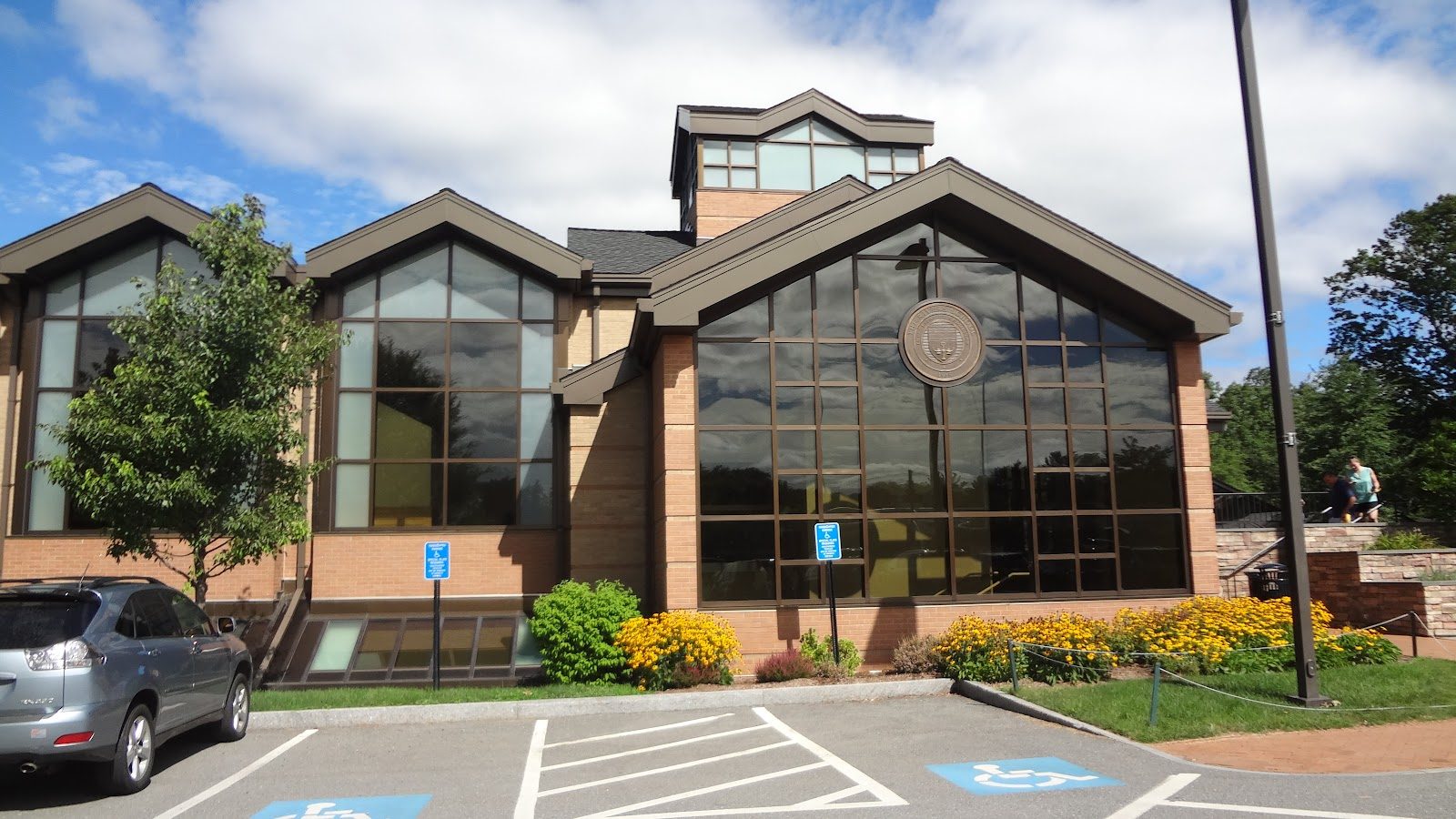
The Rivers School
Weston, MA · United States
On a Weston campus, a full music conservatory runs alongside AP-heavy academics for serious young musicians
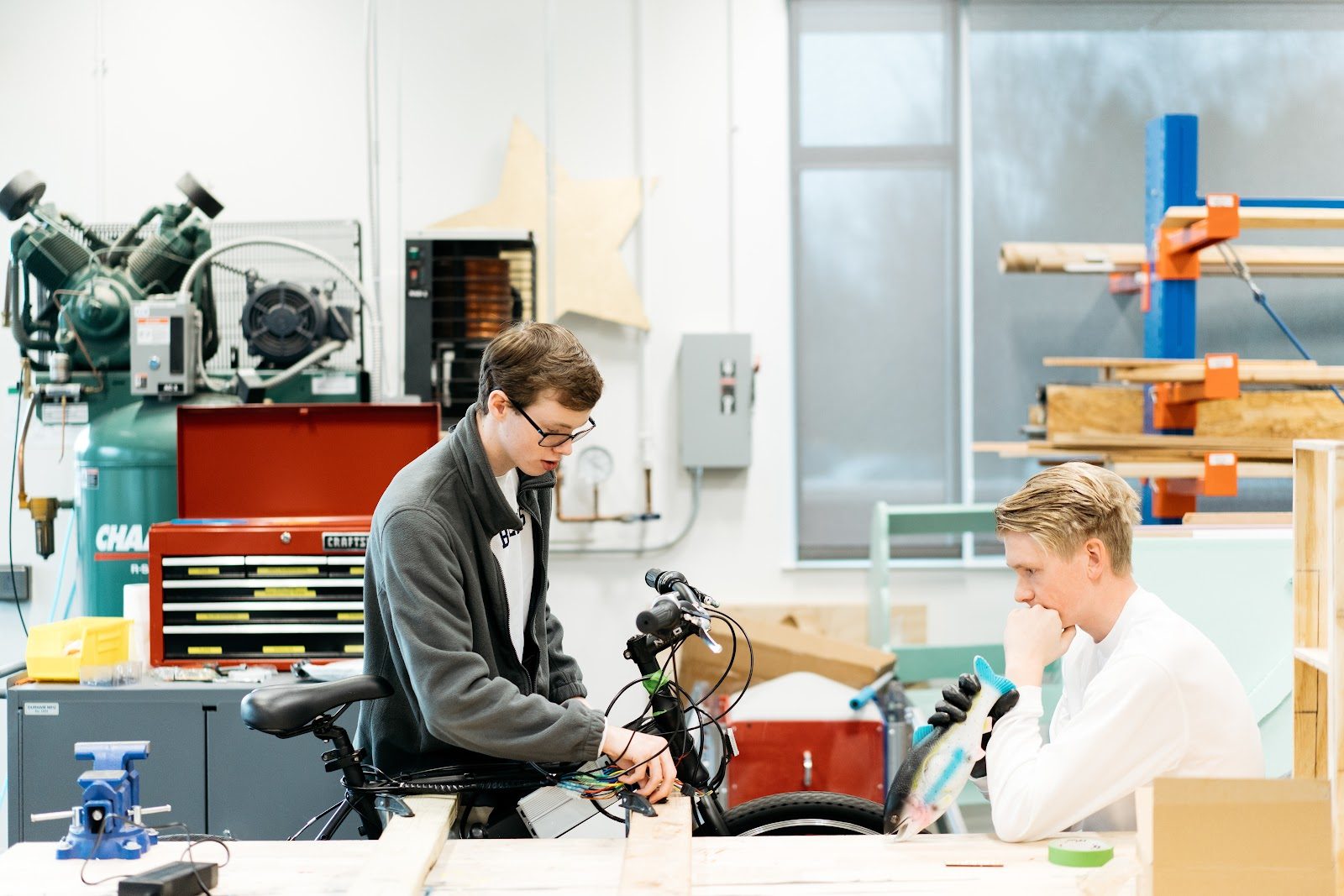
Bullis School
Potomac · United States
On a 102-acre Potomac campus with its own accredited arboretum, entrepreneurship and STEM classrooms sit beside 32 varsity sports.
Windward School
Los Angeles, CA · United States
A teacher's pension birthed this Mar Vista campus, where a 7-to-1 ratio meets design-thinking rigor for college-bound Angelenos.
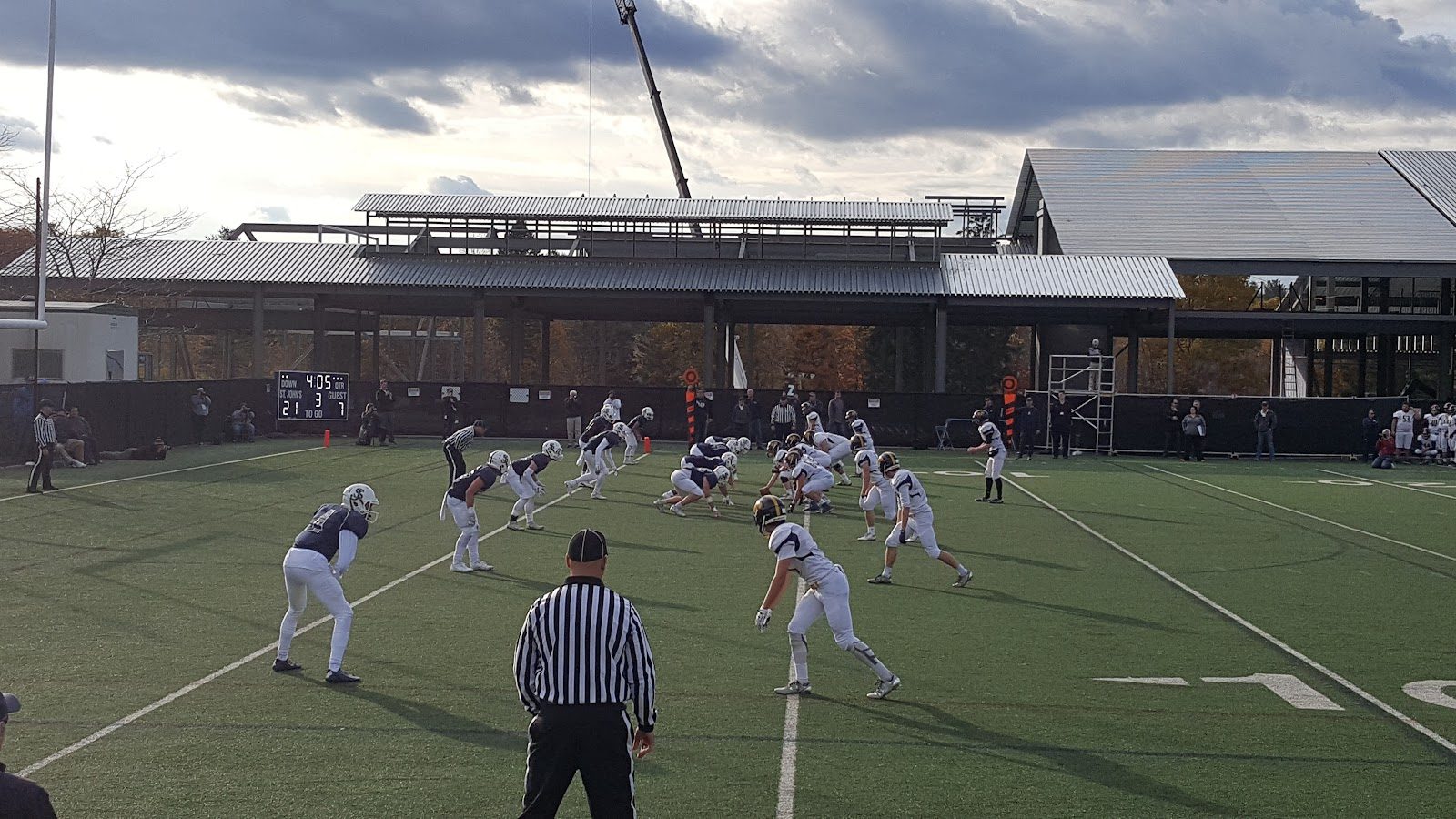
St. John's Prep
Danvers · United States
On a 175-acre campus north of Boston, Xaverian Brothers tradition since 1907 shapes an all-boys path of faith, rigor, and brotherhood.
Same country and curriculum — closest matches within ±10 points either way