
South Australia
Pembroke School
low confidence· 1/6 cats · 2 avg sourcesForged in 1974 from two century-old rivals, this eastern-suburbs campus became South Australia's first IB World School in 1989.
Type
Both
Ages
3–18
Curriculum
Australian · IB
Qualifications
SACE · IB Diploma
Ratio
—
The Verdict
Editor's commitment
Right for
Families wanting a 3–18 co-educational day-and-boarding school with Australian and IB pathways, plus 98 students at ATAR 90+ in 2024.
Wrong for
Parents after a faith school, a single-curriculum route, or a smaller setup: Pembroke runs 3–18, teaches Australian and IB, and 1,096 study languages.
Watch out for
The school trades hard on results and breadth: 100% of 2023 tertiary applicants received offers, but AHISA status and boarding bring a polished, competitive culture.
Ranking breakdown
Pembroke School · #562 of 1591
Composite score 62.2. 8 weighted criteria.
By criterion
Academic Outcomes
Weight 20%
#668
of 1529 scored
University Placement
Weight 16%
#736
of 1529 scored
Prestige & Heritage
Weight 12%
#608
of 1571 scored
Alumni Network
Weight 12%
#1313
of 1530 scored
Facilities
Weight 12%
#406
of 1533 scored
Transparency & Communications
Weight 8%
#456
of 1532 scored
Peer & Industry Review
Weight 10%
#533
of 1548 scored
Admissions Selectivity & Demand
Weight 8%
#1156
of 1529 scored
Peer & Industry Review
How Pembroke School is regarded in the sector
70
Respected · medium confidence
Within Adelaide's tightly clustered independent sector, Pembroke is generally regarded as a solid, improving second-tier school rather than a peer of St Peter's College, Prince Alfred College or Walford, the city's more historically dominant names. It competes in the same AGSSA sporting and cultural circuit, giving it visibility among rival heads without displacing the established hierarchy. Its offering of both SACE and the IB Diploma is noted locally as a point of differentiation, and its graduates proceed in reasonable numbers to the University of Adelaide, Flinders University and UniSA, without evidence of markedly stronger Group of Eight placement than comparable schools. Independent education commentary on Pembroke is thin compared to Sydney or Melbourne institutions; it rarely features prominently in Good Schools Guide-style national coverage, reflecting Adelaide's smaller, less scrutinised private school market. Coverage in South Australian press (notably ATAR result summaries in The Advertiser) situates it consistently mid-table among the state's fee-charging schools, respected but not benchmark-setting.
- Christopher Pyne — Politician, Federal Government
- Basil Sellers — Businessman/Philanthropist, Finance
- Michael Abbott QC — Barrister, Law
Editors' overview
Pembroke occupies a rare lane in Adelaide: a long-established, non-denominational school in the eastern suburbs with both Australian and IB pathways, day and boarding provision, and a through-school span from age 3 to 18. The school was created in 1974 from Girton Girls’ School and King’s College, and it still uses the language of those two founding campuses. Its sharpest point of distinction is historical and practical: Pembroke was South Australia’s first IB World School in 1989, and that international academic strand still sits at the centre of its identity. For parents, the attraction is not mystique but range: broad subject choice, visible investment in languages, and enough scale to run serious co-curricular programmes without losing the structure of a single-school community. The headline numbers are strong: 98 students achieved an ATAR above 90 in 2024, 100% of 2023 tertiary applicants received offers, and 1,096 students are learning a language.
What is special here is the combination of academic ambition with breadth that extends beyond the standard private-school checklist. Pembroke pushes hard on languages, offers a French semi-immersion route for students with a French background, and makes a public case for multiple definitions of success through sport, arts and school-based apprenticeships. The Athlete Development Program for Years 9 and 10 gives committed young sportspeople a formal pathway; the Resident Creatives programme points to a school that treats the arts as live practice rather than decoration. There is also a clear social register in parts of the senior school language — concerned with social justice, active citizenship, respectful relationships — which gives Pembroke a more outward-facing tone than schools that frame success only through scores and university destinations. Intellect with range, serious without being doctrinaire, and *ambitious without a narrow academic monoculture* is the proposition.
Pembroke belongs on a shortlist for families who want a high-functioning, academically strong independent school without religious framing, and who value optionality at the top end. It suits students who thrive in a busy, opportunity-rich environment: the all-rounder who wants strong academics and major co-curricular access, the linguist, the artist, the athlete who needs a school to accommodate performance demands, and the boarder who wants a substantial metropolitan school rather than a small boarding enclave. It also fits students who benefit from a school culture that treats adolescence as a phase to be actively managed rather than simply endured. The caveat is straightforward: this is not a boutique or minimalist school. Pembroke is best for children ready to use a large, complex institution well — students with curiosity, stamina and enough self-direction to make the breadth count.
Academic Performance
Pembroke publishes enough headline outcomes to place itself in the upper tier of Adelaide independents, but not enough granular data to support a forensic comparison with the city’s most transparent academic operators. The public numbers that matter are strong: 98 students above a 90 ATAR threshold in the most recent cohort, and 100% of tertiary applicants receiving offers in the prior admissions cycle. Those are serious outcomes in any market. They indicate a school with depth at the top end and no visible weakness in post-school placement. The dual SACE and IB structure also matters competitively: families get two established senior pathways inside one institution, which strengthens fit for different academic profiles and helps Pembroke hold ambitious students who might otherwise move.
The limit is disclosure. Pembroke does not publish aggregate IB averages, top IB scores, median ATAR, subject-by-subject results, or the proportion of the year group included in its headline attainment figures. That leaves a real gap between strong promotional statistics and a full academic account. Relative to peers, Pembroke sits with the city’s high-performing all-round independent schools rather than the small cluster built around raw examination theatre alone. Parents who want proof of consistent academic strength have it; parents who want hard-edged transparency on every exam metric do not.
Facilities
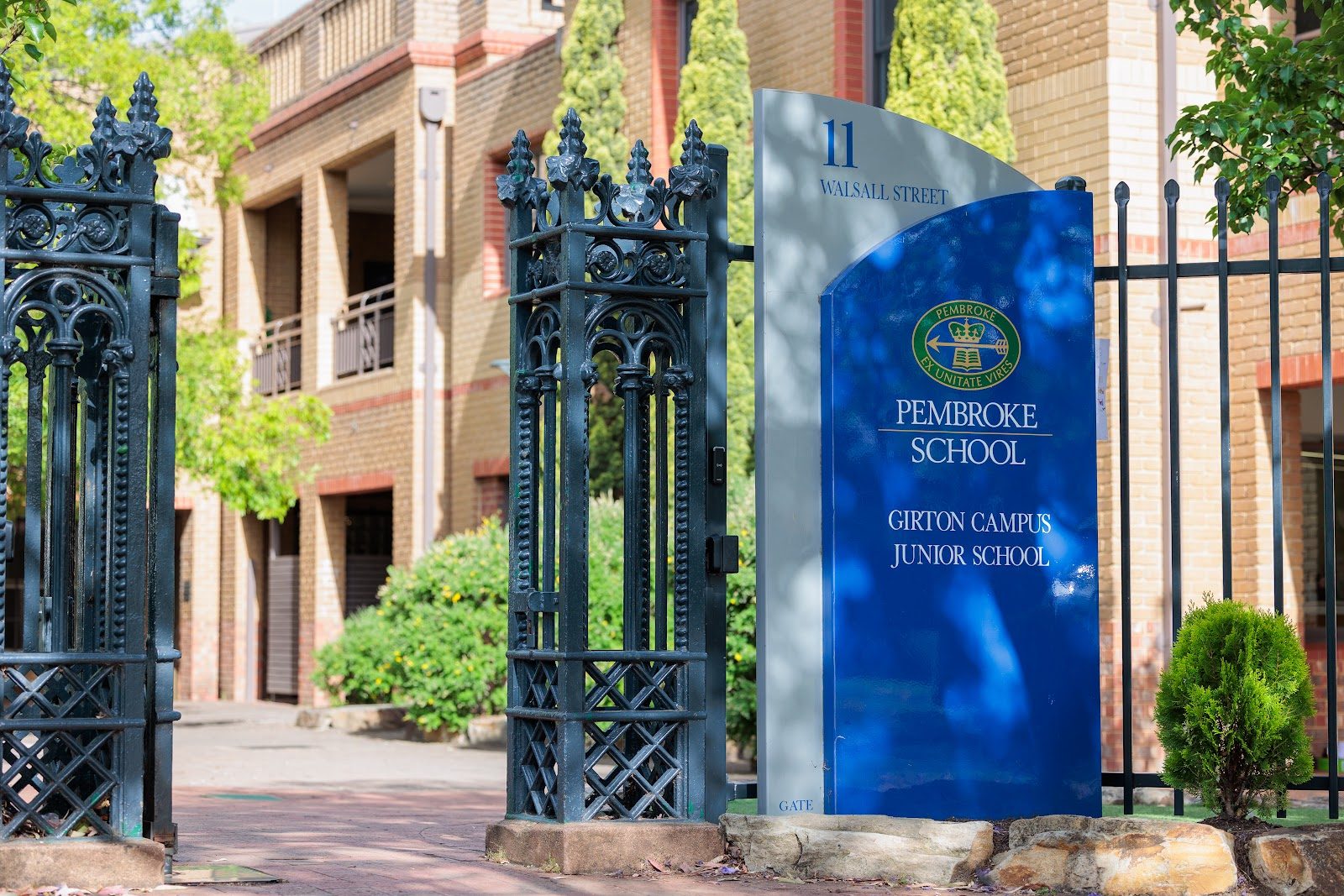
Pembroke’s physical layout has a practical advantage that many through-schools lack: distinct junior, middle and senior zones, split across the old Girton and King’s campuses, with the middle years also using a newer Art, Science and Technology building on Shipsters Road. That matters. It gives each phase room to operate without forcing small children and sixth-form-age students into the same daily environment, while still keeping the school integrated enough to feel like one institution. The arts and sciences get explicit space in the built estate, which places Pembroke ahead of peers that talk about breadth but house it in generic, hard-worked classrooms. For a large independent school, that is a serious functional strength.
The limits are also clear. Pembroke does not publish the kind of detailed facilities inventory that top-fee competitors now use to prove edge: no public rundown of specialist labs, theatres, libraries, boarding houses, indoor sports provision or performance venues, and no campus masterplan detail beyond the named buildings. That leaves families with a sound outline, not a forensic picture. Against Adelaide peers, Pembroke reads as well equipped and properly scaled, with enough infrastructure to support its academic, creative and sporting ambitions; against the most heavily capitalised independent schools, the public case is thinner than it needs to be. The school has the bones of a substantial multi-site campus; it has not published enough to show every muscle.
They indicate a school with depth at the top end and no visible weakness in post-school placement
Prestige
Pembroke carries real local prestige and a degree of national credibility, but its reputation rests on substance rather than social theatre. The school has been part of Adelaide’s independent-school top tier for decades, and the merger heritage still matters: families read Pembroke as an institution with old roots, established networks and durable confidence. The old scholars count — more than 17,000 — reinforces that reach. So does its standing as an early adopter of the IB in South Australia, which gives it a serious academic identity beyond the standard private-school formula. In practical terms, this is the kind of school that commands attention from professional families who want both status and intellectual range, without the religious framing that shapes many competitors.
The prestige is strengthened by visible breadth. Pembroke does not trade on one narrow badge of excellence; it fields a broad programme across academics, languages, arts and sport, and it has enough scale to host major events and specialist pathways. More than 1,000 students learning a language is not a decorative statistic; it points to institutional capacity. The same goes for public-facing initiatives such as the Athlete Development Program, the Resident Creatives scheme and student-led work on respectful relationships. That combination gives Pembroke a high-functioning, well-connected profile: not a cult school, not a finishing school, and not a pure exam factory. The limit to its prestige is visibility beyond its home market. Within Adelaide, it is firmly established; outside South Australia, the name carries less automatic force than the biggest east-coast brands.
The school was created in 1974 from Girton Girls’ School and King’s College, and it still uses the language of those two founding campuses
Communications
Pembroke communicates like a large, organised independent school that expects parents to stay in close touch with school life. The public-facing site is active and busy: open days and tours are easy to find, admissions calls to action are prominent, and news is updated across school stories and social posts rather than left to stagnate. That matters, because it signals administrative discipline. The school also uses its website to show parents what it values in practice, not just in slogans: early career teacher support, student-led respectful relationships work, expanding apprenticeship pathways, and high-profile sport all get space. The result is a clear institutional voice with a strong sense of motion. Parents who want to know whether the school is alive to current issues get an answer quickly.
The weakness is density. Pembroke’s homepage carries a lot at once — recruitment messaging, programme promotion, community news, giving, alumni, and social feeds — and that creates a crowded user experience. There is also an immediate technical warning about an old browser, which is minor but not elegant. More important, the school communicates breadth well but publishes less operational detail than exacting parents may want. We have not seen a deep public archive of handbooks, policies, academic reporting detail or campus guides that would make communication feel fully transparent rather than polished. So the verdict is positive with limits: strong on energy, access and institutional narrative; less strong on hard-edged clarity for families who want every practical detail upfront.
Uniqueness
Pembroke’s distinctiveness lies in combination, not gimmick. Few schools knit together a merger heritage, a through-school structure, metropolitan boarding and two senior academic pathways without tipping into institutional sprawl. Here, that breadth is tied to a clear operating idea: students do not need to fit one model of success. The school backs that claim with infrastructure around actual pathways, from the French semi-immersion route for children with a French background to an athlete programme built into the school week, a resident creatives scheme, and an expanded school-based apprenticeship offer. The result is a school that treats adolescence as a period for active formation, not passive sorting. For students, that brings genuine room to specialise without early foreclosure. A strong linguist, a committed player, a serious artist and a practical, employment-minded teenager can all find a route that carries status inside the same institution.
What sharpens the picture is scale with purpose. Pembroke has more than 1,000 students learning a language and an old scholars’ network above 17,000; those are not decorative counts but signs of a school with reach, continuity and enough internal demand to sustain specialist provision. The student-led respectful relationships symposium adds another point of difference: this is not just a school of polished outcomes and co-curricular abundance, but one willing to give students public responsibility for culture. That brings a broader education than exam training. The trade-off is plain. Students who want a tight, minimalist school life will find Pembroke busy, layered and demanding.
What is special here is the combination of academic ambition with breadth that extends beyond the standard private-school checklist
Student Profile
Pembroke suits students who want a full school life and have the appetite to use it. The best fit is the child who likes choice, copes well with movement between subjects and activities, and does not need a stripped-back environment to stay grounded. This is a school for the high-capacity all-rounder, the student who can handle academic pressure while also committing to sport, music, languages or the arts. It also works well for children with a defined strength that needs institutional backing: a serious athlete in the formal development pathway, a young linguist with access to the French semi-immersion offer, or an artist who values contact with practising creatives. The language-learning scale — 1,096 students involved — tells you something important about the student body: this is not a narrow cohort built around one idea of achievement.
Socially, Pembroke fits students who are comfortable in a busy, socially fluent independent-school setting. They do not need to be extroverts, but they do need enough self-possession to navigate a school with many moving parts and a visible culture of participation. The senior-school emphasis on active citizenship and respectful relationships points to a community that expects students to engage, not just attend. Children who thrive in structured breadth will do well here. Children who need close containment, constant prompting or a small-scale, intimate atmosphere will find the school harder work.
Intellect with range, serious without being doctrinaire, and ambitious without a narrow academic monoculture is the proposition
Co-curricular strengths
Arts & sport, on a separate axis
Overall 8.64/10
Scored 0-10 from the school's own published evidence. This axis is editorial-only — it does not feed the main WTS ranking.
Sports
9/10
Highly active in South Australian inter-school leagues, utilizing top-tier indoor swimming pavilions and rowing boat sheds on the Torrens.
Drama
8.5/10
The magnificent performing arts centers anchor an ambitious dramatic tracking program, mounting complex classical and modern plays.
Dance
8.4/10
Formal intensive dance track offering technical contemporary, jazz, and classical ballet choreography modules.
Music
8.8/10
Staggering musical breadth; supports a world-famous music department, multiple symphony orchestras, and extensive musical ensembles.
Visual Arts
8.5/10
Features custom exhibition galleries alongside massive digital imaging labs, industrial ceramics, and fine art studios.
Strengths
- +Offers both SACE and International Baccalaureate pathways
- +Day and boarding options from ages 3–18
- +Non-denominational school; suits secular international families
- +Strong swimming and rowing programmes in Adelaide
Considerations
- −Boarding details are not published in these sources
- −Australian curriculum may not suit frequent relocations
- −English-medium teaching may limit non-English-speaking entrants
Availability
Primary entry gate & tests
Academic Record + Interview
Gallery
Parent reviews
Have you sent your child here?
Voice reviews carry the strongest trust badge — we transcribe them for you to tidy up before they go live. Prefer to type? A written review is fine too.
Add your voice
In 60 seconds, tell other parents: what's the best thing about Pembroke School, and what surprised you when your child joined?
We ask for a Google sign-in so every review has a real face behind it — no anonymous drive-by attacks on schools, and no faked positive reviews. Your email is never shown publicly.
Send this profile to a friend
International parents rely on word-of-mouth. Share this review with someone weighing the same decision.
Schools with places
Similar schools to Pembroke School with places available now.
Pymble Ladies' College
Sydney · Australia
- 2026-27
- WAITPOOLVacancy-dependent
- 2027-28
- PLACES OPEN
Ivanhoe Grammar School
Melbourne · Australia
- 2026-27
- WAITPOOLVacancy-dependent
- 2027-28
- PLACES OPEN
Ascham School
Sydney · Australia
- 2026-27
- WAITPOOLVacancy-dependent
- 2027-28
- PLACES OPEN
Wesley College
Melbourne · Australia
- 2026-27
- WAITPOOLVacancy-dependent
- 2027-28
- PLACES OPEN
Availability first, then country, area, curriculum, price, co-curricular
Consider also
Also worth looking at alongside Pembroke School.
Pymble Ladies' College
Sydney · Australia
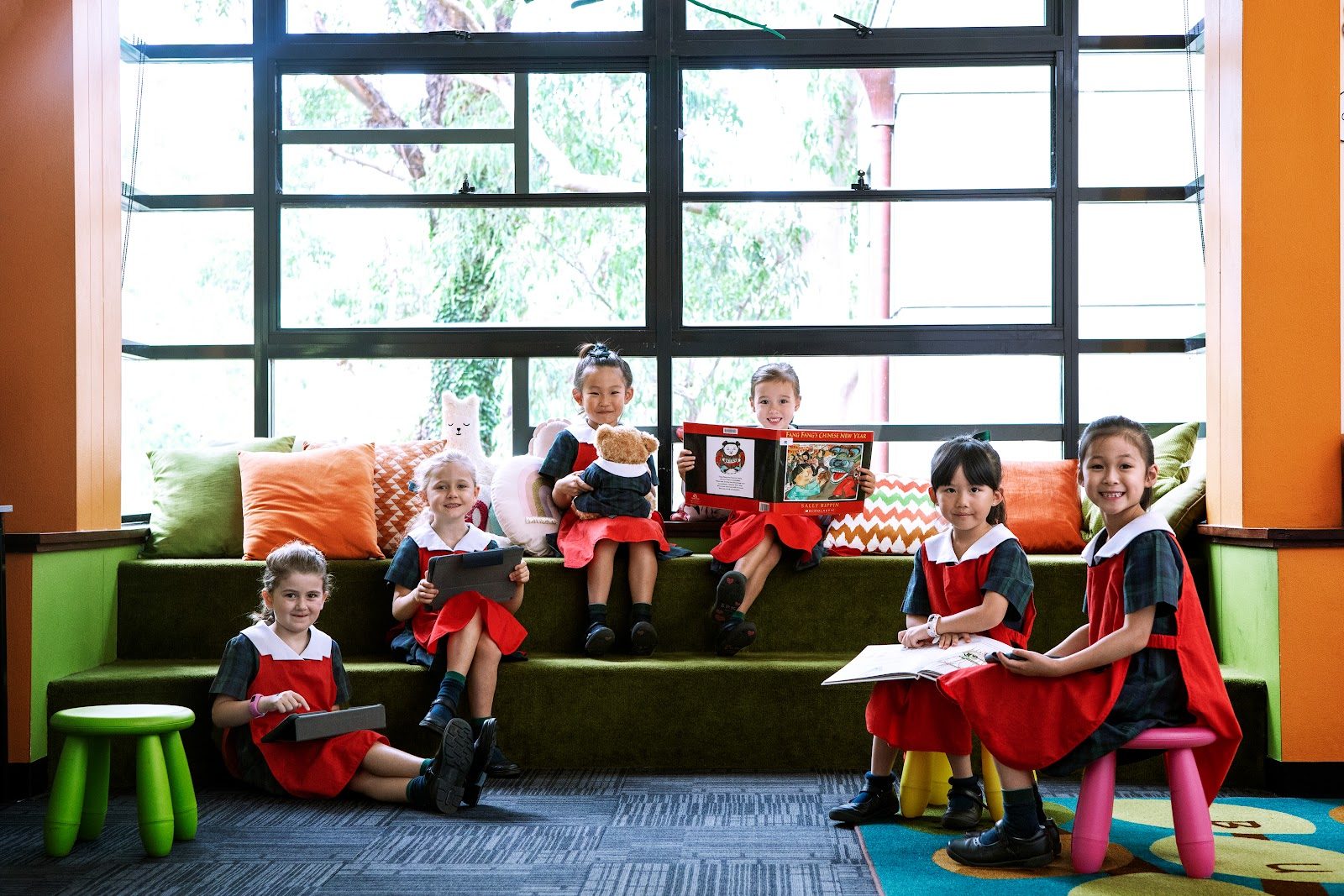
On Sydney's Upper North Shore, a non-selective campus of five schools lets girls choose between the IB and HSC pathways.
Ivanhoe Grammar School
Melbourne · Australia
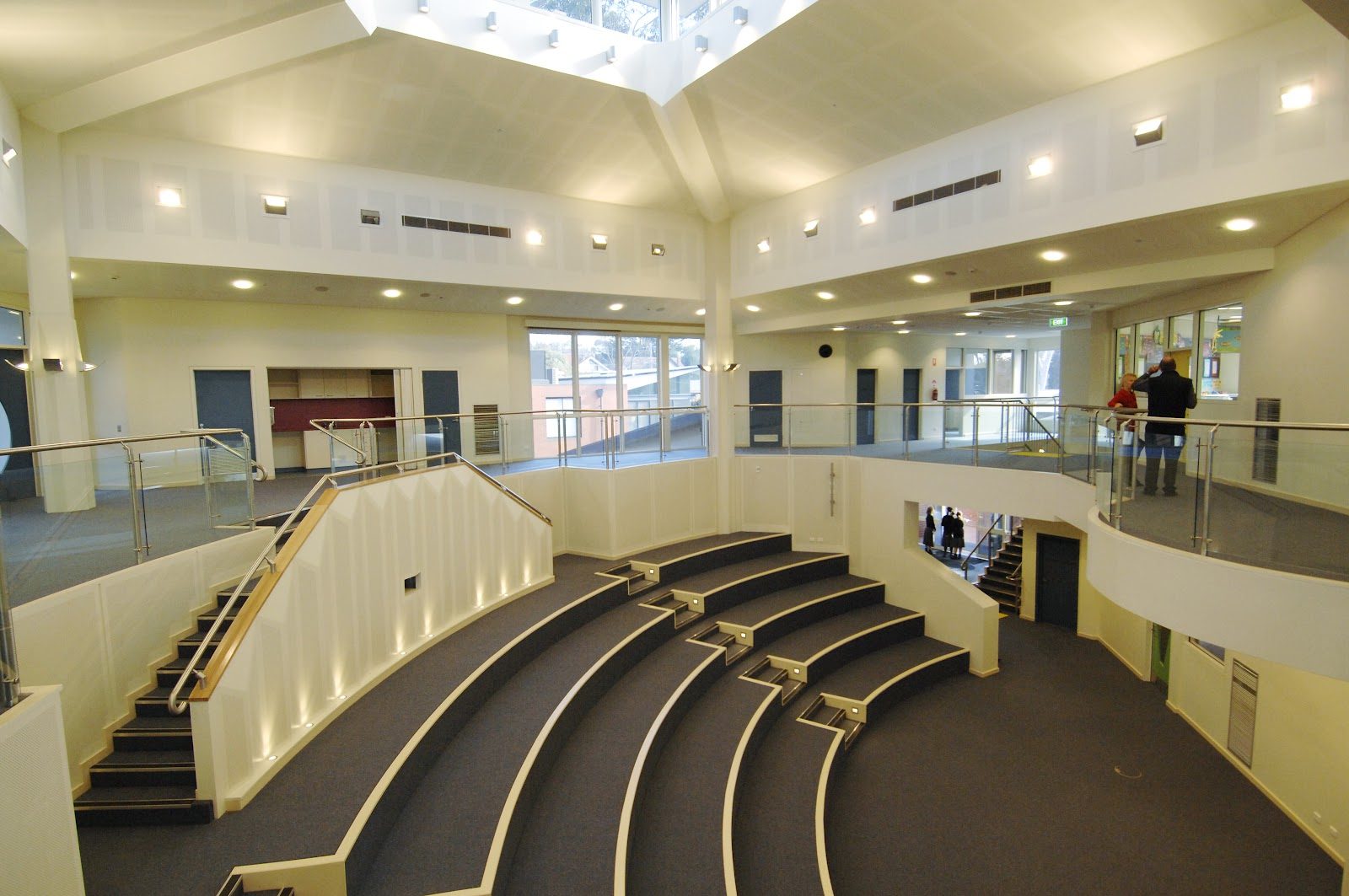
A Year 9 campus embedded at La Trobe University anchors a Round Square network across Melbourne's north, offering both VCE and IB pathways.
Ascham School
Sydney · Australia
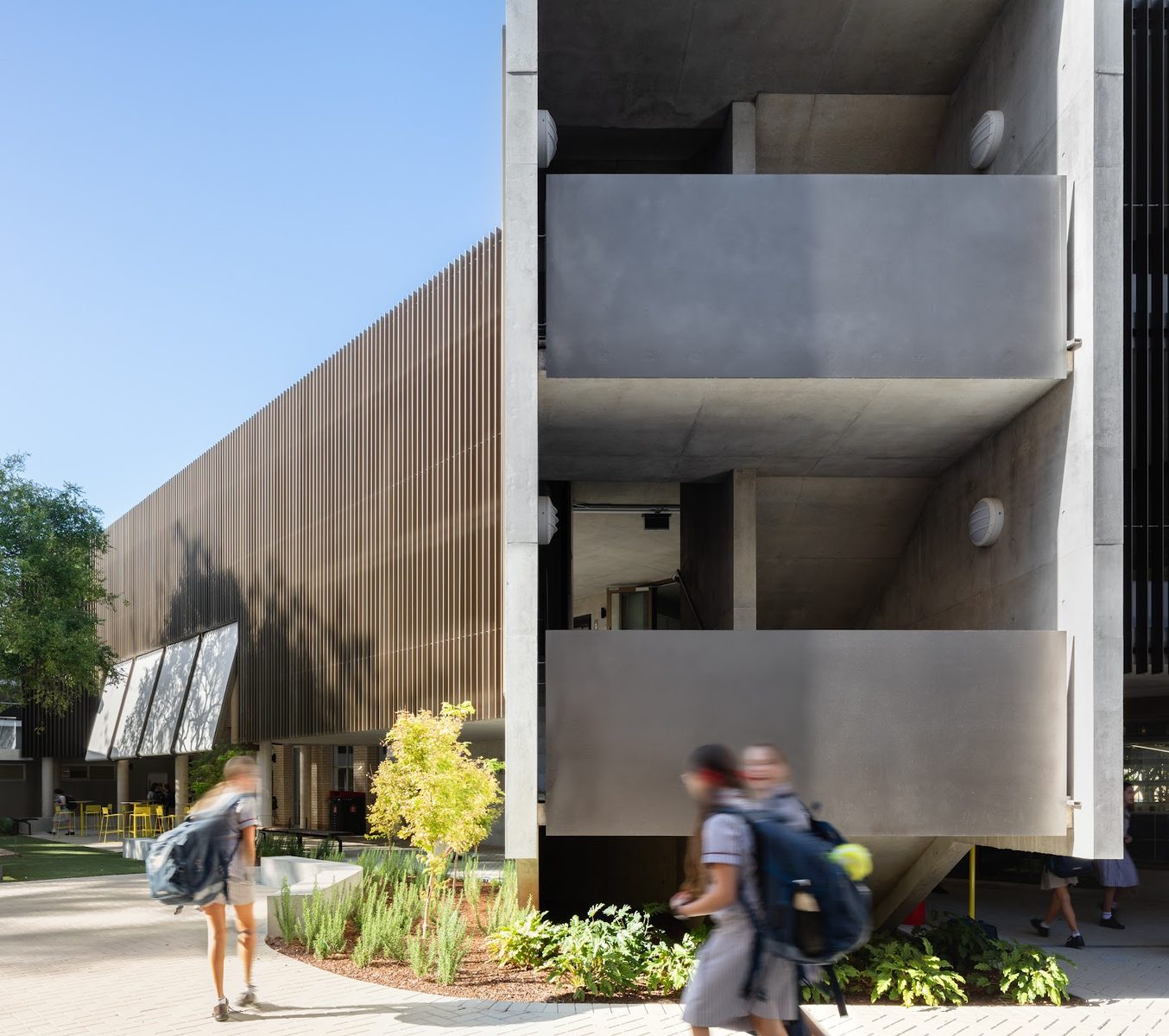
Sydney's storied girls' boarding school, pairing the Dalton Plan with a rigorous HSC pathway.
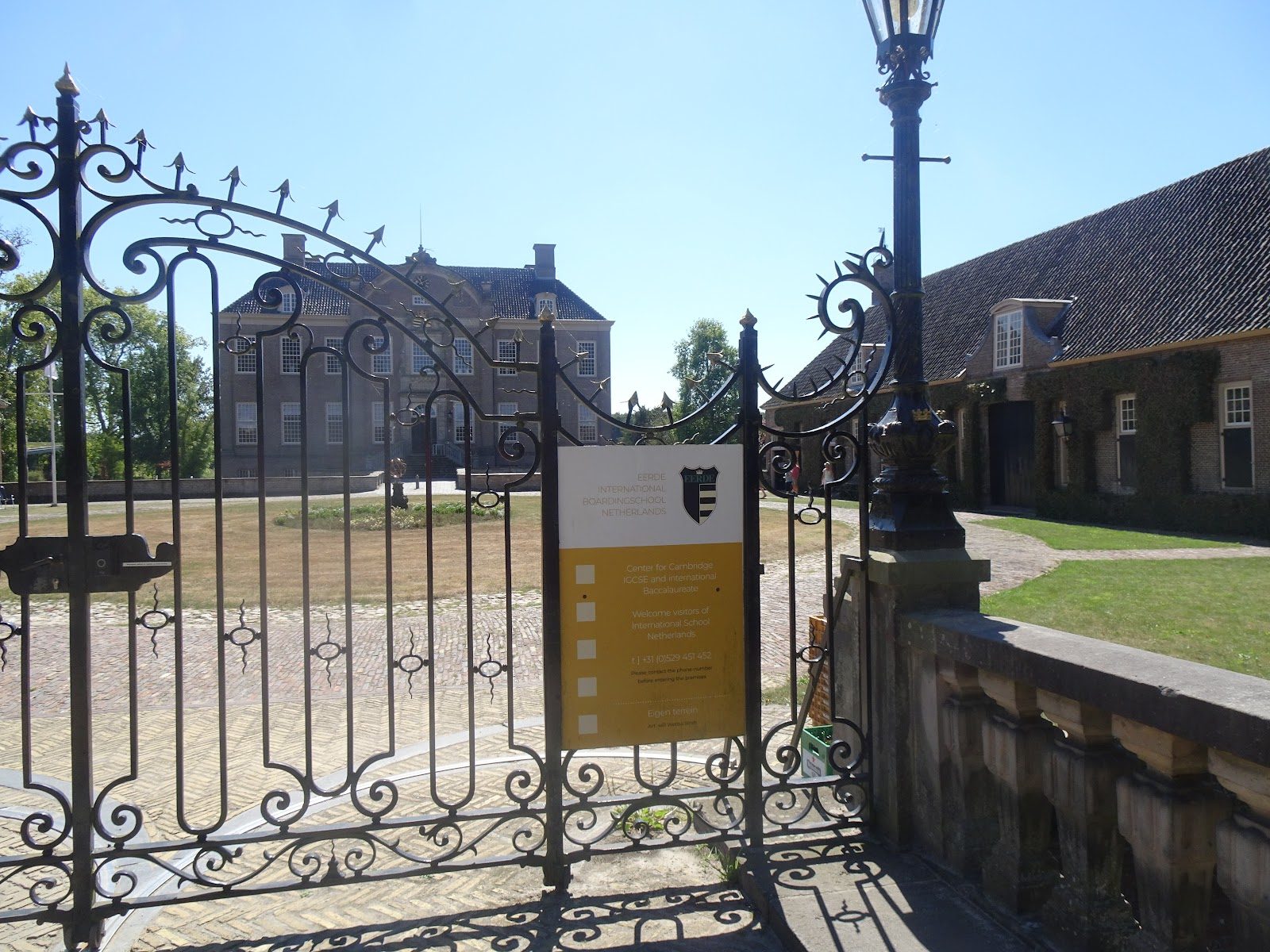
International School Eerde
Ommen · Netherlands
A moated 1715 castle that once sheltered Jewish refugee children now anchors an IB boarding community of 25-plus nationalities.
Same country and curriculum — closest matches within ±10 points either way