
City of Edinburgh
The Edinburgh Academy
low confidence· 6/6 cats · 0 avg sourcesFounded in 1824 with Sir Walter Scott's blessing, this Edinburgh day school still plays rugby's oldest continuous school fixture.

Photo © Lita Jeffrey via Google Maps
Type
Day
Ages
13–18
Curriculum
British
Ratio
—
The Verdict
Editor's commitment
Right for
Families who want an Edinburgh day school founded in 1824, English-medium and non-religious, with a serious senior focus from ages 13–18.
Wrong for
Parents seeking boarding, a through-school from nursery to sixth form, or anything other than a British curriculum in Edinburgh.
Watch out for
The school trades heavily on heritage — Sir Walter Scott and rugby lore included — but this listing publishes no fee or exam data.
Ranking breakdown
The Edinburgh Academy · #432 of 1591
Composite score 71.3. 8 weighted criteria.
By criterion
Academic Outcomes
Weight 20%
#449
of 1529 scored
University Placement
Weight 16%
#459
of 1529 scored
Prestige & Heritage
Weight 12%
#393
of 1529 scored
Alumni Network
Weight 12%
#306
of 1529 scored
Facilities
Weight 12%
#502
of 1529 scored
Transparency & Communications
Weight 8%
#554
of 1529 scored
Peer & Industry Review
Weight 10%
#595
of 1529 scored
Admissions Selectivity & Demand
Weight 8%
#369
of 1529 scored
Peer & Industry Review
How The Edinburgh Academy is regarded in the sector
60
Respected · medium confidence
The Edinburgh Academy holds a solid, long-standing place among Edinburgh's cluster of historic independent day schools, sitting alongside Fettes, Stewart's Melville and George Heriot's in most local comparisons. The Good Schools Guide's independent verdict is notably warm, praising a leadership team that has "swept away the old silverback chest beating academy of old" in favour of a friendlier, less cookie-cutter culture, with particular praise for the junior school and art provision. That current standing sits alongside a serious and well-documented reputational overhang: the Scottish Child Abuse Inquiry heard extensive evidence of historic physical and sexual abuse at the school between the 1950s and 1990s, prompting a formal public apology. Parent-community sentiment, reflected in forums such as Mumsnet, remains cautiously positive about the present-day school, but industry perception is inevitably coloured by that historical record even as the Academy modernises.
Evidence sources
Editors' overview
The Edinburgh Academy trades on two things that still carry weight in Edinburgh: age and continuity. Founded in 1824 with Sir Walter Scott’s blessing, it has the sort of institutional confidence that younger schools spend decades trying to manufacture, and it still plays rugby’s oldest continuous school fixture. That matters because EA is not built around novelty. It is a deep-rooted, tradition-conscious British day school in Edinburgh, non-religious, English-medium, and serving pupils aged 13–18 in its senior phase. Parents who want a school with a settled identity, visible civic history and a strong sense of belonging will find that here; parents chasing educational fashion will not.
What lifts it above mere old-school prestige is breadth. The school’s own public architecture gives equal billing to “Learn More than Grades”, “Life at EA”, “Academic Results”, “The Next Step” and a conspicuously extensive co-curricular offer across art and design, design technology, drama and music, alongside sport and career guidance. There is also a developed support structure rather than a token nod to wellbeing: individual support is named at multiple points across the school, as are pupil guidance, equity, diversity and inclusion, and a formal parent partnership. That combination — serious academics, organised pastoral systems and a large menu beyond the classroom — puts EA in the market occupied by established, high-expectation independent day schools that want to produce polished, busy, university-bound teenagers rather than exam machines.
The school will suit a pupil who wants structure, pace and participation. This is not the place for a child who wants anonymity or a narrow school day. The calendar is crowded, the co-curricular spine is strong, and the culture reads as high-engagement and full-programme. Sport matters, music matters, drama matters, and institutional life matters. A self-starting teenager who enjoys being drawn into teams, productions, societies and the rituals of a historic school will thrive. So will families who value a non-religious setting without sacrificing the codes and confidence of the British independent sector. The Edinburgh Academy belongs on a shortlist because it offers something scarce: genuine heritage matched with a broad modern school life, not heritage used as a decorative sales line. What it does not publish here, however, are the hard metrics a critical parent will want next — exam outcomes, destination data and any aggregate measures of academic performance. That opacity is the main gap in the case it makes for itself.
Academic Performance
This is the weakest part of The Edinburgh Academy’s public case. The school gives “Academic Results” and “The Next Step” prominent navigation, which signals that attainment and destinations matter, but we have not seen any published aggregate exam outcomes for the senior school: no headline pass rates, no grade distribution, no subject-by-subject table, and no university destination breakdown. For a school trading on seriousness and breadth, that is a material omission. Independent schools competing at the top end of the market do not need to publish every metric, but they do need to give parents enough hard data to judge academic traction. EA does not do that here.
That leaves its academic standing relative to peers hard to verify in public. The structure around academics looks organised: learning and teaching has its own section, careers and further education guidance is visible, and individual support is built into the senior-school offer rather than bolted on. That points to a school with a full academic infrastructure, not a casual approach to results. But infrastructure is not performance. Against direct competitors, the absence of published A-level or GCSE summary data is a handicap, because critical parents cannot test whether the school is merely well-programmed or genuinely high-performing. Until EA publishes clear external examination results and destination data, its academic reputation rests more on heritage and confidence than on verifiable public proof.
Facilities
Facilities are strongest where school life is busiest: sport, music, drama and the practical creative subjects. The public-facing offer points to a senior school with a serious co-curricular plant rather than a token hall-and-pitches set-up. AccessEA alone advertises a Gym & Sports Hub and The Henry Marsh Golf Centre with Trackman iO, which is a more specialised sporting asset than many city day schools can offer. Add the visible infrastructure for band, orchestra and drama trips, and the picture is of a campus built to keep pupils occupied well beyond lessons. The split between Henderson Row and Arboretum Road also gives the institution room to separate phases cleanly, which matters in a school that trades on order and progression. What we do not see published is the hard inventory a critical parent wants: no library detail, no science-lab count, no theatre specifications, no art-studio depth, no sixth-form study-centre detail.
Against peer schools in the independent day sector, that leaves EA in a strong but not fully evidenced position. The named facilities beat the thin, generic claims many rivals make, and the golf provision is distinctive. But top competitors now publish floorplans, specialist-room counts and sharper photography of labs, performance spaces and maker facilities because parents expect proof. EA gives enough to infer breadth, not enough to judge whether the academic estate matches the sporting and co-curricular one. For families prioritising an all-round, high-participation school day, the facilities case is solid. For families scrutinising science, tech and senior study space, the school needs to show more.
The Edinburgh Academy trades on two things that still carry weight in Edinburgh: age and continuity
Prestige
The Edinburgh Academy carries real local prestige and a recognisable old independent-school cachet. In Edinburgh, that matters. This is not a school borrowing grandeur from branding; it has a long civic footprint, an active alumni apparatus, a governing structure that reads like an established institution, and the confidence to foreground its archives, bicentennial activity and donor culture without apology. The split-site set-up near the city centre reinforces that sense of permanence. So does the breadth of school life on public display: orchestras, pipe band, drama productions, Duke of Edinburgh activity, sports fixtures, holiday camps, venue hire and an alumni club that extends beyond school years. Prestige here rests on *continuity, visibility and social embeddedness*, not on glossy reinvention.
I rate it as high-prestige within its home market, but not untouchable. The school has the markers affluent Edinburgh families recognise: heritage, ritual, co-curricular scale and an old-school social network. Its senior school address on Henderson Row still carries weight, and the institution’s bicentenary language tells you it knows exactly what it is selling. The limitation is public proof. A school with this level of status ought to publish stronger academic and destination evidence if it wants its prestige to read as more than inherited authority. At present, EA’s standing looks strongest as a *socially established, culturally confident* school with deep roots and a full student life, rather than as a publicly transparent academic powerhouse.
This is the weakest part of The Edinburgh Academy’s public case
Communications
Parent communication is more structured than flashy. The school runs a clear digital spine: iSams Parent Portal, SOCS Sport, AccessEA, a parent guide, useful contacts, dates and fees, term dates, a school calendar, fixtures, forms, bus information, technology guidance, procedures and timings, and a dedicated “Problems or Concerns” route. That matters because it tells parents where operational information lives instead of burying everything in news posts. The calendar is dense and public-facing, with open days, concerts, information evenings, trips and Duke of Edinburgh activity all visible at a glance. Contact details are also explicit, with separate numbers for the senior school, junior school and nursery, admissions, and AccessEA. For a busy day school, that is competent, well-signposted communication architecture rather than improvisation. The split across 4 distinct contact lines and multiple portals is efficient, but it also demands that parents learn the system.
Effectiveness looks strongest on logistics and routine school life, weaker on strategic transparency. Parents get regular signals about events, staffing, holiday camps, performances and fixtures; the school does not hide the machinery of day-to-day operations. The inclusion of parent partnership, equity, diversity and inclusion, pupil guidance and concern-reporting also points to a serious, process-driven culture. But the same communication apparatus stops short where scrutiny matters most. The school publishes plenty about activity and belonging, and too little about outcomes. That makes communications orderly and reassuring for existing families, yet selective for families still testing the school’s claims.
Uniqueness
What sets The Edinburgh Academy apart is not heritage on its own, but heritage that still structures daily school life. Plenty of old schools trade on portraits and anniversaries; EA still runs on institutional memory, ritual and a strong sense that joining the school means joining something already in motion. The clearest symbol is its claim to rugby’s oldest continuous school fixture: not a decorative fact, but evidence of a culture that prizes continuity, teams and intergenerational belonging. Add the active archives, the alumni machinery, the donor culture and the bicentennial programme, and you get a school with a thick corporate identity. For pupils, that brings confidence, networks and a ready-made place in a long story. It also brings pressure. Teenagers who dislike tradition, ceremony or being folded into a strong house style will find it constraining.
The other point of difference is the school’s refusal to narrow itself to academics alone, even while maintaining a serious senior-school frame. The public offer gives unusual weight to music, drama, pipe band, sport, outdoor activity, careers guidance and individual support, alongside the formal academic core. That creates a full-spectrum education with many routes to status inside the school; the pupil on stage, on the pitch or in an ensemble has visible standing, not second-tier status. For the right child, that is formative and energising. For the wrong child, it is a lot. EA’s distinctiveness lies in producing young people through participation, loyalty and institutional life, not through classroom performance alone.
The Edinburgh Academy carries real local prestige and a recognisable old independent-school cachet
Student Profile
The pupil who fits here is busy, outward-facing and willing to join in. This is a school for teenagers who want more than a timetable of lessons and home again. The public life of the place is crowded with concerts, drama, sport, Duke of Edinburgh activity, pipe band, trips and a steady rhythm of events. A pupil who likes being known by staff, drawn into teams and expected to contribute will do well. So will the child with multiple interests who wants academic work to sit alongside rehearsal, training or performance rather than replace it. The school’s repeated emphasis on individual support and careers guidance also suits families who want structured adult oversight rather than benign neglect.
The weaker fit is just as clear. A teenager who wants anonymity, resists school ritual or dislikes being folded into a strong institutional culture will find EA constraining. The social life reads as high-participation and the tempo as full-programme; pupils who prefer a loose, low-commitment environment will tire of it. This also looks like a place where confidence in public settings counts: assemblies, fixtures, performances, open events and the daily visibility of school life are built into the experience. For the right pupil, that produces polish, stamina and a strong sense of belonging. For the wrong one, it feels too managed and socially exposing. Families choosing EA need to want that level of involvement, not just tolerate it.
What sets The Edinburgh Academy apart is not heritage on its own, but heritage that still structures daily school life
Co-curricular strengths
Arts & sport, on a separate axis
Overall 8.56/10
Scored 0-10 from the school's own published evidence. This axis is editorial-only — it does not feed the main WTS ranking.
Sports
9.2/10
Drama
8.8/10
Dance
6.5/10
Music
9.3/10
Visual Arts
9/10
Strengths
- +One of Scotland's oldest independent schools, established in 1824 with backing from Lord Cockburn and Sir Walter Scott, and now fully co-educational (a transition begun in 2008).
- +Notable alumni span literature, science and sport, including Robert Louis Stevenson, James Clerk Maxwell, Nicky Campbell, Magnus Magnusson, Baron Falconer of Thoroton, Mike Blair, and Iain Glen, plus Nobel laureate J. Michael Kosterlitz and nine recipients of the Victoria Cross.
- +World-class co-curricular provision in sport, music and visual arts, with a strong rugby and rowing tradition and dedicated art, design technology, drama and music departments.
- +Small class sizes and a favourable 10:1 student-teacher ratio support close teaching in the day-school model.
- +Sixth-form pupils can mix Scottish Highers and A-Levels, giving flexibility for university entry across UK systems.
- +The school publishes an Academic Results page and careers guidance on its own website.
Considerations
- −Fees are substantial for a day school, with day fees per term ranging from £3,238 to £6,166 (excl VAT), before extras, lunches and the now-standard VAT charge on UK independent school fees.
- −It is a day school, so relocating families must secure local housing within commuting distance of Edinburgh rather than relying on the school for accommodation.
- −The school operates across two sites, with the Senior School on Henderson Row and the Junior School on Arboretum Road, meaning families with children of different ages face two drop-off points.
- −Its editorial ranking (536, challenger tier) places it below the handful of UK schools with the highest global name-recognition, reflecting a solid regional reputation rather than an elite international profile.
Availability
Primary entry gate & tests
Written Exams + Interview
Gallery
Photo © Oliver Brown via Google Maps
Photo © Wojciech Szczerek via Google Maps
Photo © Wojciech Szczerek via Google Maps
Photo © Wojciech Szczerek via Google Maps
Photo © Wojciech Szczerek via Google Maps
Photo © Wojciech Szczerek via Google Maps
Photo © Phill Gillespie via Google Maps
Parent reviews
Have you sent your child here?
Voice reviews carry the strongest trust badge — we transcribe them for you to tidy up before they go live. Prefer to type? A written review is fine too.
Add your voice
In 60 seconds, tell other parents: what's the best thing about The Edinburgh Academy, and what surprised you when your child joined?
We ask for a Google sign-in so every review has a real face behind it — no anonymous drive-by attacks on schools, and no faked positive reviews. Your email is never shown publicly.
Send this profile to a friend
International parents rely on word-of-mouth. Share this review with someone weighing the same decision.
Schools with places
Similar schools to The Edinburgh Academy with places available now.
Availability first, then country, area, curriculum, price, co-curricular
Consider also
Also worth looking at alongside The Edinburgh Academy.
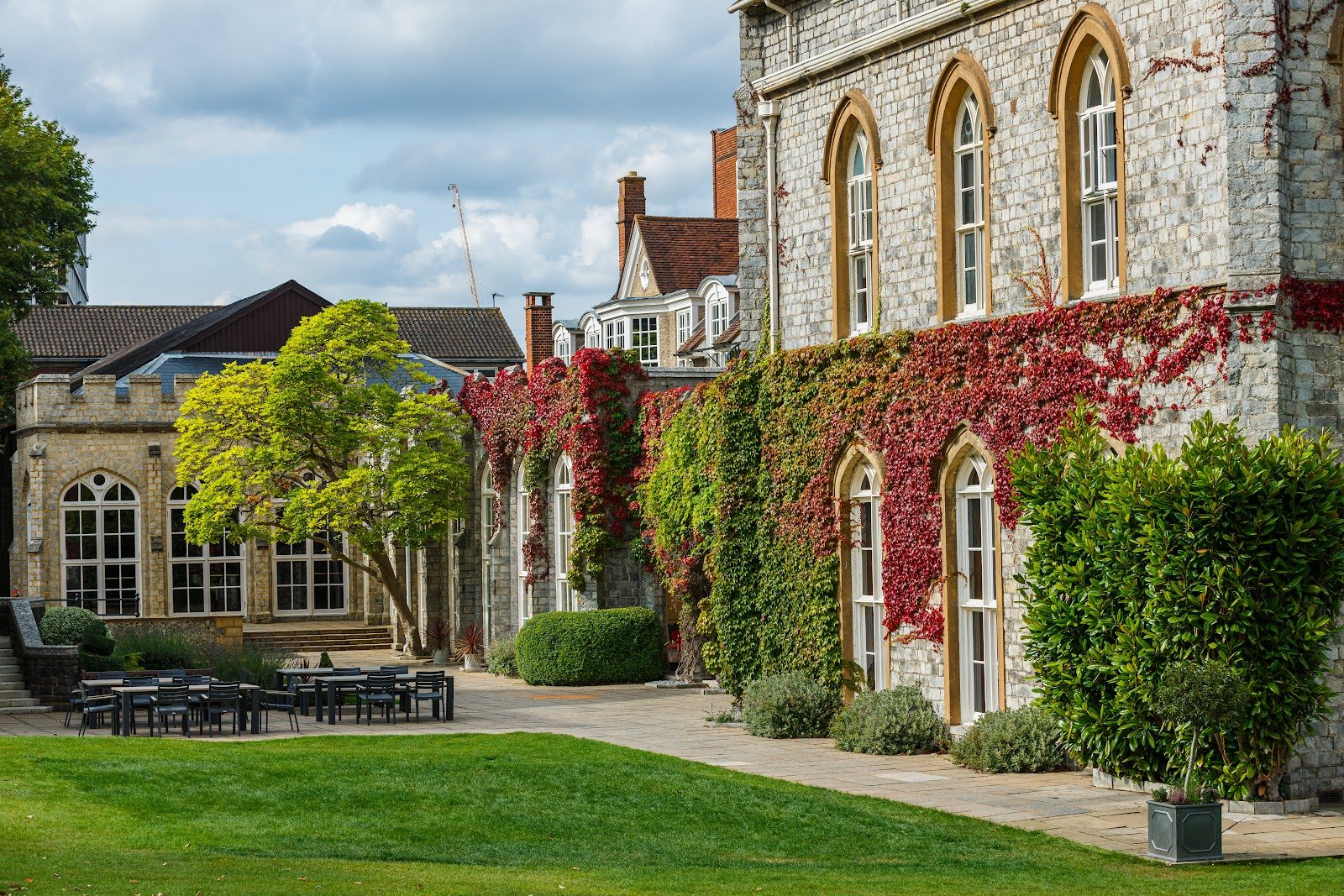
Wycombe Abbey
High Wycombe · United Kingdom
A Victorian pioneer's 1896 foundation, this Chiltern hills estate blends mixed-age boarding houses with one-in-five Oxbridge offers.

Badminton School
Bristol · United Kingdom
On a Bristol campus where girls have played cricket since 1858, science labs for women followed decades ahead of the curve
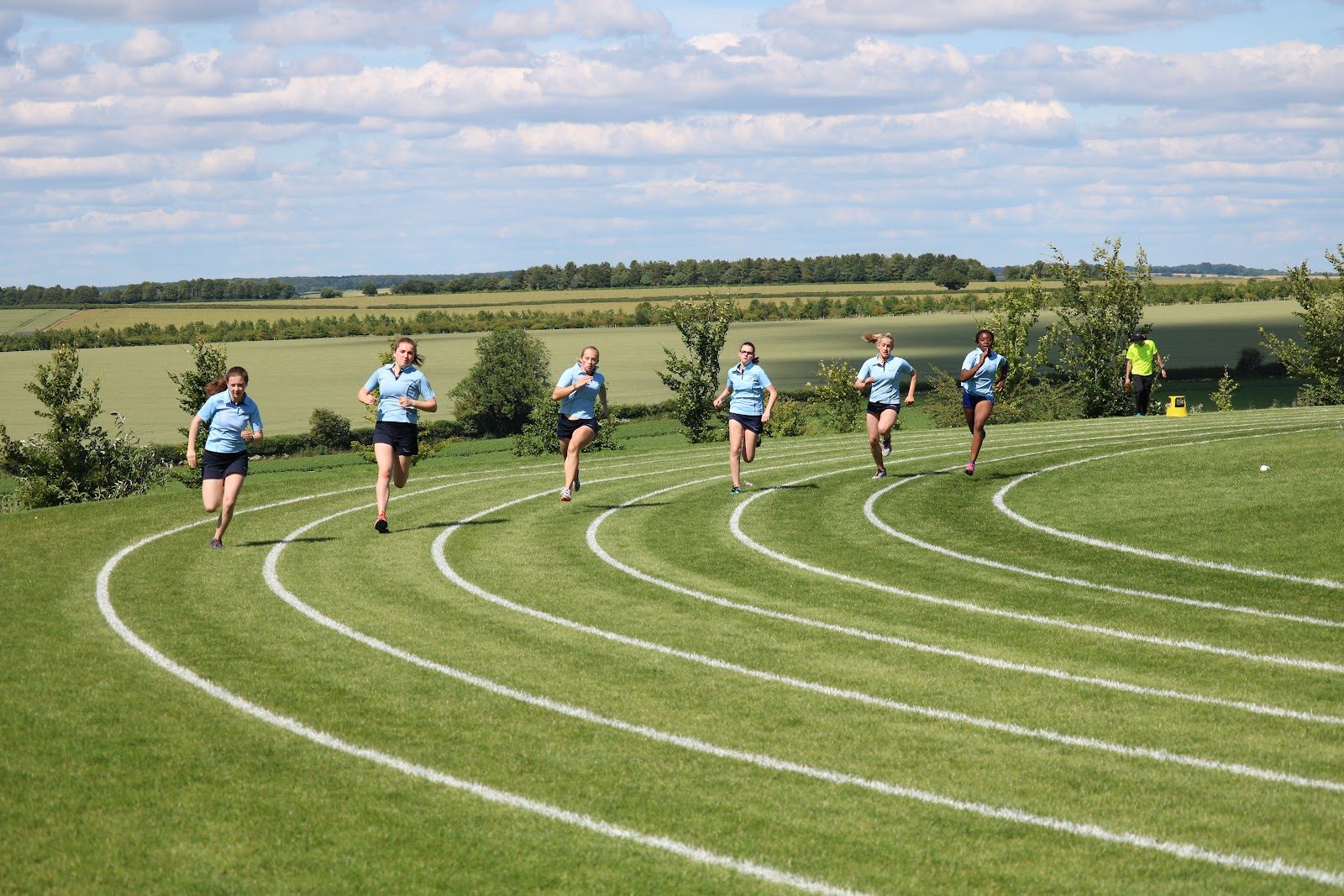
St Swithun's School
Winchester · United Kingdom
Perched above Winchester's chalk downs, this girls' school pairs cathedral choir tradition with a serious grounding in the sciences.
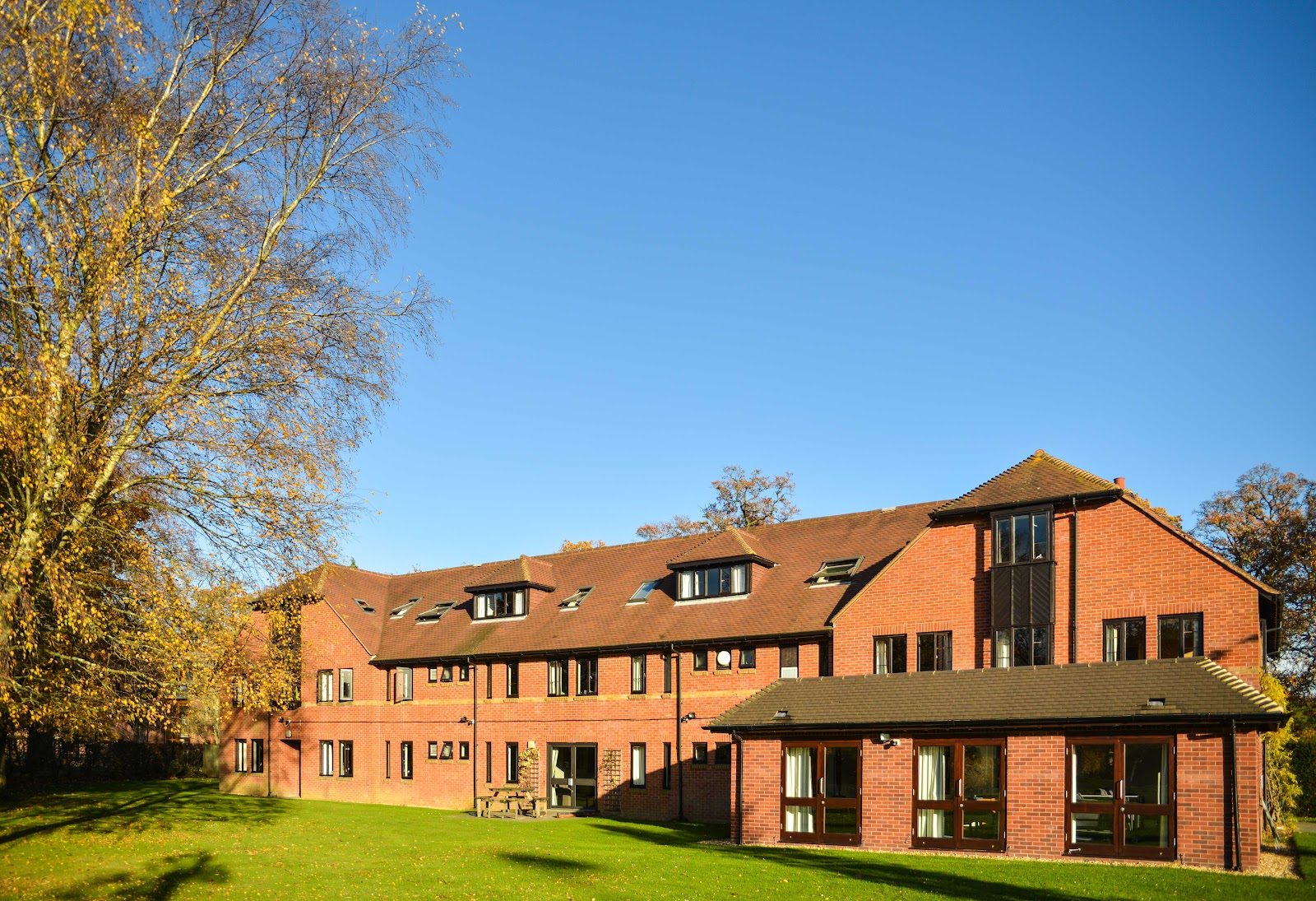
Canford School
Wimborne Minster · United Kingdom
A Sir Charles Barry-designed Grade I manor on the River Stour, home to one of England's last two working real tennis courts.
Same country and curriculum — closest matches within ±10 points either way