
Mogoditshane
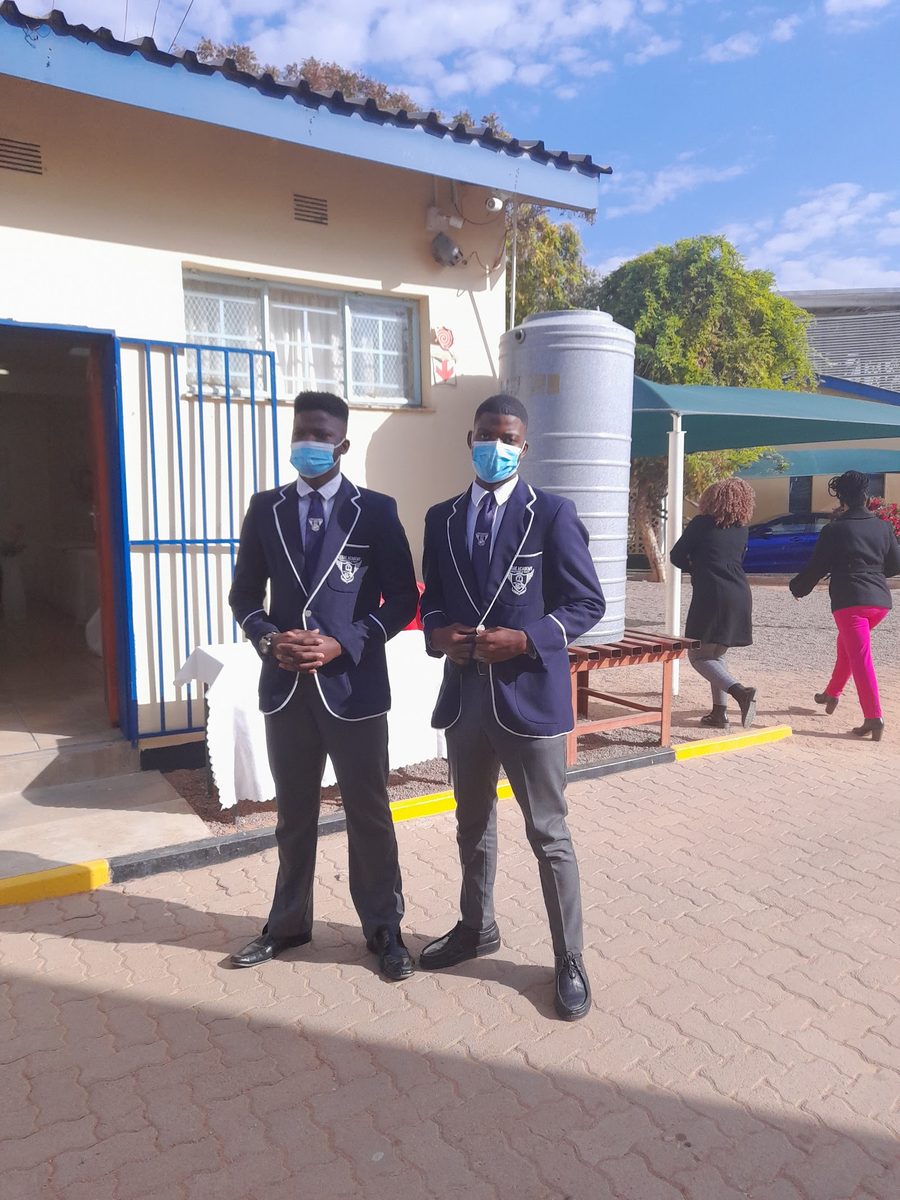
Legae Academy
low confidence· 4/6 cats · 1 avg sourcesIn Gaborone, an octagonal 'Wheel of Knowledge' campus pairs Cambridge IGCSE and A Levels with a communal Setswana ethos of shared responsibility.
Type
Both
Ages
12–18
Curriculum
Cambridge International · British
Qualifications
IGCSE · A-Level
Ratio
—
The Verdict
Editor's commitment
Right for
Gaborone families wanting a non-religious 12–18 school founded in 1993, with Cambridge IGCSE and A Levels taught in English.
Wrong for
Parents seeking IB, a faith ethos, or younger entry: Legae Academy starts at 12, ends at 18, and sticks to British-Cambridge.
Watch out for
The 11:1 ratio and Cambridge, ISAB and AISA badges read well; the school does not publish aggregate IGCSE or A Level results.
Ranking breakdown
Legae Academy · #1407 of 1591
Composite score 51.7. 8 weighted criteria.
By criterion
Academic Outcomes
Weight 20%
#1370
of 1529 scored
University Placement
Weight 16%
#1359
of 1529 scored
Prestige & Heritage
Weight 12%
#1426
of 1571 scored
Alumni Network
Weight 12%
#1082
of 1530 scored
Facilities
Weight 12%
#1408
of 1533 scored
Transparency & Communications
Weight 8%
#1383
of 1532 scored
Peer & Industry Review
Weight 10%
#1216
of 1548 scored
Admissions Selectivity & Demand
Weight 8%
#1308
of 1529 scored
Peer & Industry Review
How Legae Academy is regarded in the sector
63
Respected · medium confidence
I could not identify at least two independent third-party sources (e.g., Tatler, Good Schools Guide, specialist education press, expat forums, or government inspectorate commentary) discussing Legae Academy's reputation. Available information appears limited to the school's own promotional materials or unverifiable listings, which do not meet the evidentiary threshold required.
Editors' overview
Legae Academy occupies a distinctive niche in Gaborone: a home-grown private school, founded in 1993, that combines Cambridge International study with an unapologetically local identity. The school’s motto, “Every Child Is Yours,” matters here. It signals a communal ethic drawn from Setswana ideas of shared responsibility, not the imported mannerisms that dominate parts of the region’s premium school market. For families who want an English-medium secondary education with IGCSE and A Level routes, but do not want a school that feels culturally detached from Botswana, Legae earns a place on the shortlist. The school’s octagonal “Wheel of Knowledge” campus reinforces that sense of purpose: rooted, self-assured, community-minded.
Its market position is clear. Legae sells academic credibility through Cambridge International, but its sharper point of difference is ownership and tone: “the choice school for Botswana by Batswana.” That gives it weight with parents who want international qualifications without surrendering local context. The published 11:1 student-teacher ratio is another useful marker; it points to a school with the staffing to know its pupils properly, and that matters in the teenage years. Legae is not a finishing school for cosmopolitan posturing. It is a serious, non-religious day-and-boarding school for ages 12 to 18 that frames achievement through discipline, values and belonging. Grounded ambition is the phrase that fits.
The students who thrive here are those who want structure, clear academic goals and a school culture that expects them to contribute to a wider community. This suits diligent, socially aware teenagers more than children who need endless novelty or a vast menu of niche pathways. Parents looking for glossy claims about elite outcomes will find the public case thinner than at some rival schools; Legae does not publish aggregate exam data here, and that limits direct comparison on results. Still, for families drawn to shared responsibility, local confidence and an established Cambridge track in Gaborone, Legae offers a compelling proposition: *international qualifications, local centre of gravity*.
Academic Performance
Legae’s public case on academic performance is thin where it matters most. The school promises an internationally recognised Cambridge qualification and leans on its long experience, but it does not publish aggregate IGCSE or A Level outcomes, grade distributions, university destinations, value-added data or subject-level strengths. That leaves parents without the basic comparators that stronger operators in this market provide. The only concrete academic proxy in public view is the advertised 11 to 1 student-teacher ratio. That indicates capacity for close attention, but it does not prove results. On performance, Legae asks families to trust its reputation more than its published data. For an established fee-paying school, that is a real weakness.
Relative to peers, Legae sits in an opaque middle ground. It has the credibility of Cambridge entry and the confidence to market itself as a national school with international certification, yet it does not furnish the evidence that would place it among the region’s clear academic front-runners. Parents comparing schools across Gaborone need published examination outcomes to judge selectivity, consistency and stretch at the top end; Legae does not supply them here. That does not mean results are poor. It means they are undisclosed. Until the school releases cohort-wide external exam data, its academic standing rests on institutional confidence, not on numbers parents can test.
Facilities
Legae’s strongest facility asset is the campus concept itself. The octagonal “Wheel of Knowledge” layout gives the school a clear physical identity that many local peers lack; this is not a generic block of classrooms with a sign at the gate. For parents, that matters less as architecture than as organisation: a purposeful secondary campus can support supervision, movement between lessons and a stronger sense of community. Beyond that, public detail is frustratingly sparse. The school promotes its prospectus, but it does not publish a proper facilities inventory here: no library description, no science lab specification, no theatre or music suite detail, no sports offering, no boarding-house information, and no photographs or floor-by-floor breakdown that would let families judge quality for themselves. Against competitors that map out specialist spaces with precision, this is a thin showing.
That leaves Legae in an awkward position on facilities benchmarking. The school has enough confidence to market itself hard, and the low staffing ratio at 11 to 1 implies a campus built for manageable scale rather than mass throughput. Still, serious peers do more than imply. They show laboratories, pitches, studios, maker spaces and residence provision in usable detail. Legae does not. The result is a campus with distinctive character but limited public proof of depth. Parents need a tour, not just a website, to test whether the physical offering matches the school’s self-assured rhetoric.
Legae Academy occupies a distinctive niche in Gaborone: a home-grown private school, founded in 1993, that combines Cambridge International study with an unapologetically local identity
Prestige
Legae’s prestige sits in the serious local bracket, not the stratospheric international one. The school carries weight because it is established, selective by private-sector standards, and tied to Cambridge qualifications that parents recognise. Its sharper prestige marker, though, is cultural rather than global. “Every Child Is Yours” and the line about being the school “for Botswana by Batswana” give Legae a clear social identity: this is a school that trades on national credibility, not imported cachet. For many families, that has real status. It signals confidence, continuity and a school community that does not need expatriate gloss to validate itself. The published 11 to 1 staffing ratio strengthens that impression of seriousness and order.
That said, prestige here has limits. Legae does not occupy the flashy, hyper-elite end of the market, and it does not publish the hard outcome data that would justify that claim anyway. There is no public stream of headline exam statistics, top-university placements or grand institutional bragging rights. That keeps its standing in the realm of solid respect rather than aspiration theatre. In plain terms: Legae has domestic esteem, a credible academic framework and a distinctive Botswanan identity. It does not have the polished international aura, or the published performance proof, that turns a respected school into an unquestioned prestige leader.
The result is a campus with distinctive character but limited public proof of depth
Communications
Legae’s parent communication is functional rather than rich. The website does the basic admissions job: clear calls to enquire, a visible application form, a downloadable prospectus and a blunt statement of the school’s pitch. That gives prospective parents a straightforward route in. The tone is confident, even hard-selling at points, with repeated slogans and broad claims about quality. What it does not give is the depth that serious parents need once initial interest turns into scrutiny. There is no public news flow showing day-to-day school life, no detailed leadership messaging, no published calendar detail, no academic reporting framework, and no clear explanation of how families are kept informed after enrolment. For a school asking parents to commit significant trust, that is an information gap.
The strongest clue to communications culture sits in the school’s communal ethos: a place built around shared responsibility cannot afford chaotic parent contact. But ethos is not evidence. Public-facing communication here is serviceable, not transparent. The site is simple to navigate and the admissions funnel is obvious, yet the substance remains thin, with marketing language doing more work than hard information. Even the headline staffing figure of 11:1 functions more as reassurance than as part of a wider explanatory picture. Parents who value direct, regular and detailed communication will need to test this in person: ask how reports are issued, how concerns are escalated, how boarding matters are handled, and how quickly staff reply. On public proof alone, Legae communicates clearly at the front door and thinly beyond it.
Uniqueness
Legae’s real distinction is not the Cambridge pathway on its own. Plenty of schools offer that. What sets this school apart is the way it ties an international qualification to a deliberately Botswanan centre of gravity. “Every Child Is Yours” is not decorative branding; it gives the school a communal frame that pushes against the more transactional tone common in fee-paying education. The line about being the school “for Botswana by Batswana” sharpens that further. This is a school with a clear cultural point of view. For students, that brings a form of confidence that imported-model schools do not always manage: they can work towards globally portable exams without being asked to treat local identity as second-tier. The result is a more rooted adolescence.
There is also something distinctive in the balance between care and structure. The published 11 to 1 ratio points to adults having enough bandwidth to know who is coping, who is drifting and who needs pushing. Coupled with the school’s emphasis on values and personal growth, that creates a communal, watchful environment rather than an anonymous exam factory. The gain for students is practical: stronger accountability, clearer expectations and a better chance of being recognised as a person, not just a candidate number. For families who want local ownership, shared responsibility and academic seriousness in the same place, Legae offers a combination that remains rare.
There is no public stream of headline exam statistics, top-university placements or grand institutional bragging rights
Student Profile
The students who fit Legae best are teenagers who respond to clear boundaries, communal expectations and adults who keep track of them. This is not a school for children who want to disappear into the crowd or negotiate every rule. The guiding idea — “Every Child Is Yours” — points to a culture where conduct is shared business, not a private arrangement between one family and one tutor. That suits pupils who can live with scrutiny, accept correction and understand that personal freedom sits alongside obligation to others. The low staffing ratio, at 11:1, reinforces that: staff have the capacity to notice effort, lapses and attitude. For diligent students, that can be steadying and good for growth. For teenagers who resist oversight, it can feel confining.
Legae also fits families who want ambition without social theatre. The school’s identity is rooted in Botswana rather than expatriate performance, so the social tone will suit students who value grounded confidence over fashionable polish. A pupil who takes school seriously, wants recognised academic qualifications, and does not need a sprawling menu of niche options will settle more easily here than one chasing constant novelty or an ultra-cosmopolitan scene. The strongest fit is a young person who is self-respecting, teachable and prepared to contribute to a collective culture. The weakest fit is the student who reads structure as oppression and community standards as optional.
In plain terms: Legae has domestic esteem, a credible academic framework and a distinctive Botswanan identity
Co-curricular strengths
Arts & sport, on a separate axis
Overall 7.2/10
Scored 0-10 from the school's own published evidence. This axis is editorial-only — it does not feed the main WTS ranking.
Sports
8.5/10
Drama
7.5/10
Dance
4.5/10
Music
8/10
Visual Arts
7.5/10
Editor first-pass · editor-reviewable · 7/30/2026
Strengths
- +Delivers the full Cambridge International pathway from early years through A-Level, giving continuity for families relocating mid-career.
- +Based in Gaborone, Botswana's capital, making it accessible to the city's diplomatic, corporate and civil-service expatriate community.
- +One of the few Botswana schools offering a British curriculum through to A-Level, an alternative to the national BGCSE system.
- +Coeducational day school structure allows siblings across a wide age range to attend a single campus.
Considerations
- −Botswana's international-school market is small, so there is little local competitive benchmarking against larger regional schools.
- −As a modest-sized private school, facilities and extracurricular breadth are unlikely to match larger international schools in hubs such as Johannesburg or Nairobi.
- −Published fee schedules, inspection reports and exam-result data are not readily available online, making cost and outcome comparisons difficult for relocating families.
- −No widely publicised university placement statistics or Cambridge learner awards are available to verify academic outcomes independently.
Availability
Primary entry gate & tests
Academic Record
Parent reviews
Have you sent your child here?
Voice reviews carry the strongest trust badge — we transcribe them for you to tidy up before they go live. Prefer to type? A written review is fine too.
Add your voice
In 60 seconds, tell other parents: what's the best thing about Legae Academy, and what surprised you when your child joined?
We ask for a Google sign-in so every review has a real face behind it — no anonymous drive-by attacks on schools, and no faked positive reviews. Your email is never shown publicly.
Send this profile to a friend
International parents rely on word-of-mouth. Share this review with someone weighing the same decision.
Schools with places
Similar schools to Legae Academy with places available now.
Collège du Léman
Versoix · Switzerland
- 2026-27
- WAITPOOLSpace-dependent
- 2027-28
- PLACES OPENRolling
Muscat International School
Muscat · Oman
- 2026-27
- PLACES OPENApps open / space-dependent
- 2027-28
- WAITPOOL2027/28 timetable TBC
Bishop Cotton School
Shimla · India
- 2026-27
- WAITPOOLSpace-dependent
- 2027-28
- PLACES OPENRolling
Millfield School
Street · United Kingdom
- 2026-27
- CLOSEDStandard route closed
- 2027-28
- PLACES OPEN11+ / 13+ / 16+ active
Availability first, then country, area, curriculum, price, co-curricular
Consider also
Also worth looking at alongside Legae Academy.
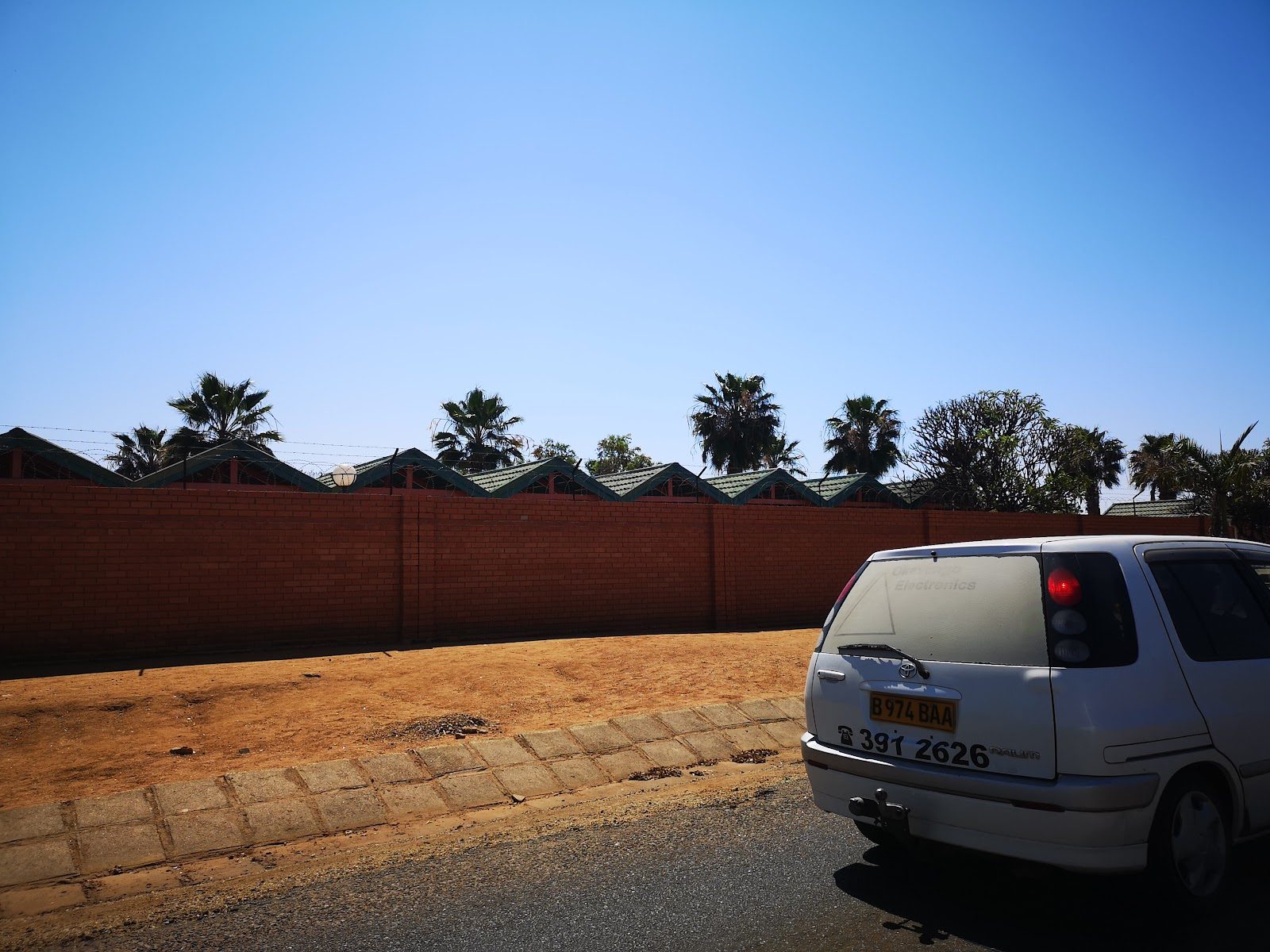
Hillcrest International School Gaborone
Gaborone · Botswana
Rooted in Gaborone West since 1993, a day school pairing academic grounding with robotics, chess and creative-arts enrichment.
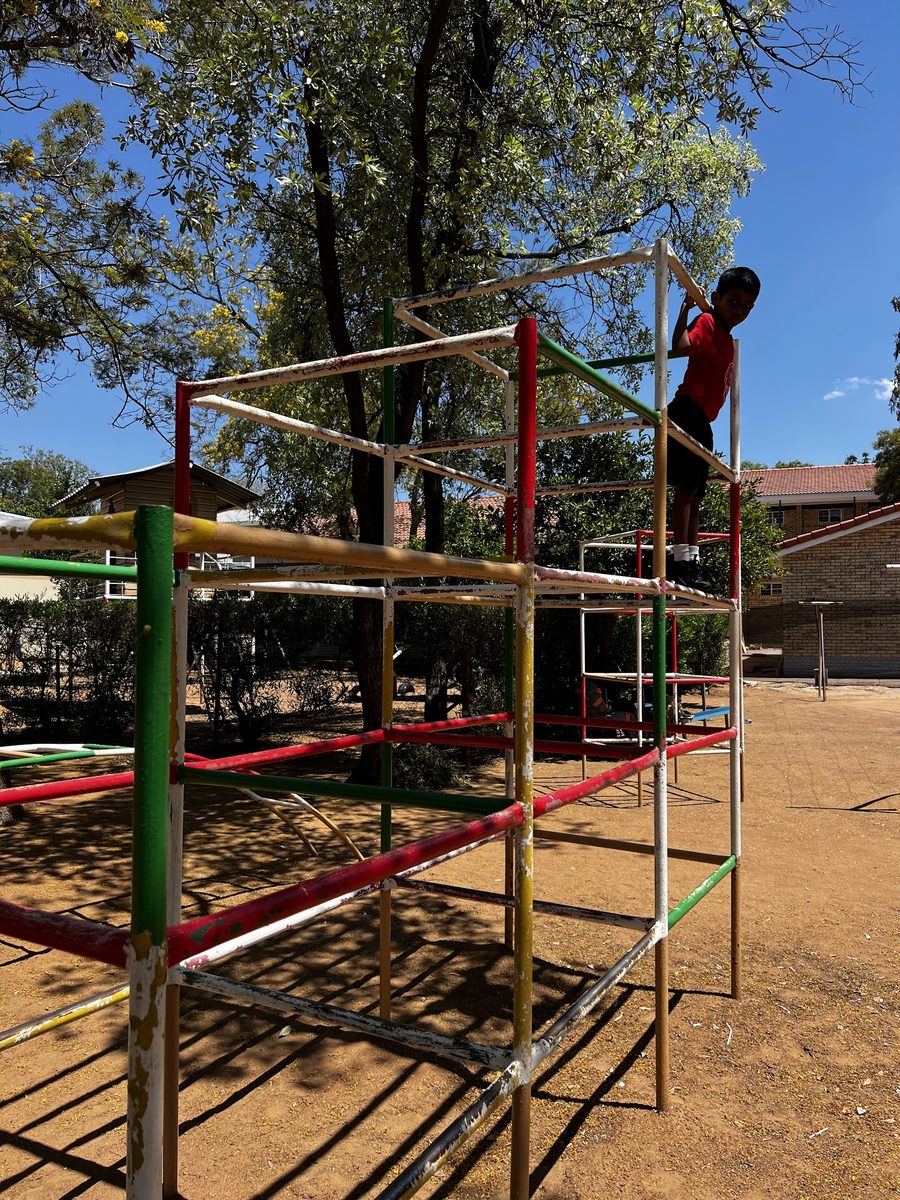
Rainbow School
Gaborone · Botswana
Grown from one classroom in 1997 to near 1,200 pupils, this Gaborone day school channels Cambridge IGCSE talent into STEM and business.

Westwood International School
Gaborone · Botswana
Gaborone's only IB continuum school, threading PYP to Diploma from a campus at the foot of Kgale Hill
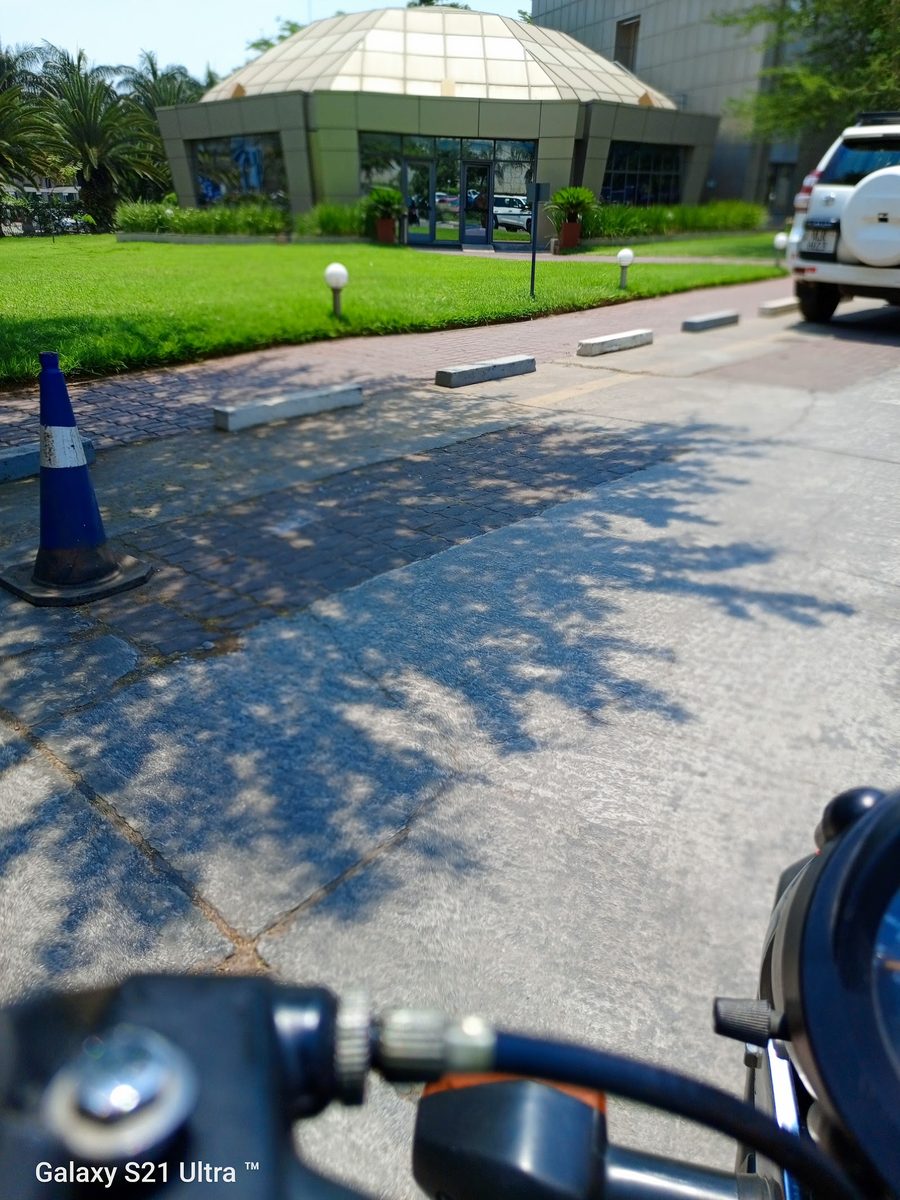
Baobab College
Lusaka · Zambia
South of Lusaka's green campus, an eight-lane pool hosted the Sub Saharan short course championships back in 2006.
Same country and curriculum — closest matches within ±10 points either way