
Bogotá D.C
Gimnasio Femenino
Founded in 1927 to break Bogota's confessional mould, this Montessori-rooted IB campus for girls unfolds across 74 hectares of eastern forest reserve.
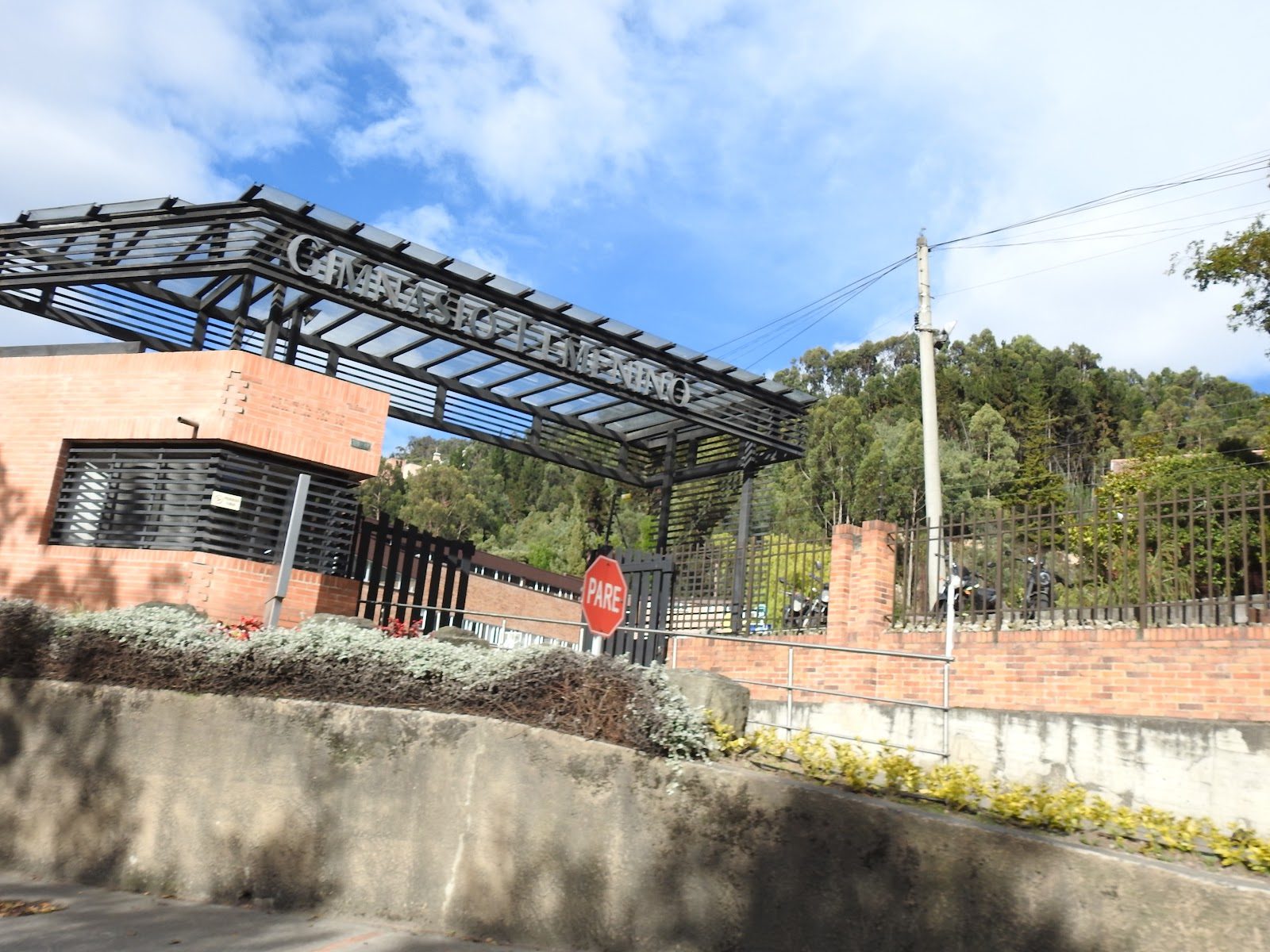
Photo © Luis Miguel Tamayo Gaviria via Google Maps
Type
Day
Ages
3–18
Curriculum
Colombian
Qualifications
Colombian national curriculum · IB Diploma
Ratio
—
The Verdict
Editor's commitment
Right for
Girls aged 3–18 who want a Catholic day school in Bogotá with IB accreditation, bilingual Spanish-English teaching and real physical scale.
Wrong for
Families wanting co-education, boarding or a non-Catholic ethos; Gimnasio Femenino is girls-only, day-only, founded in 1929 and explicit about it.
Watch out for
The 74-hectare eastern forest reserve campus and Montessori roots give character, but the school does not publish public outcome data here.
Ranking breakdown
Gimnasio Femenino · #921 of 1591
Composite score 63.4. 8 weighted criteria.
By criterion
Academic Outcomes
Weight 20%
#792
of 1529 scored
University Placement
Weight 16%
#1089
of 1529 scored
Prestige & Heritage
Weight 12%
#296
of 1571 scored
Alumni Network
Weight 12%
#900
of 1530 scored
Facilities
Weight 12%
#857
of 1533 scored
Transparency & Communications
Weight 8%
#1151
of 1532 scored
Peer & Industry Review
Weight 10%
#1319
of 1548 scored
Admissions Selectivity & Demand
Weight 8%
#489
of 1529 scored
Peer & Industry Review
How Gimnasio Femenino is regarded in the sector
62
Respected · medium confidence
Gimnasio Femenino is consistently grouped by Colombian education commentators with the small cluster of historic Bogota 'gimnasios' (Gimnasio Moderno, Gimnasio Campestre, Colegio San Carlos) that anchor the country's private-school hierarchy, a status reinforced by its founding-era adoption of the Decroly method, which peer institutions and education journalists cite as its defining pedagogical differentiator rather than exam-drilling. National press coverage, notably El Tiempo's annual analysis of ICFES/Saber 11 results, regularly places the school among Bogota's top-performing girls' institutions, and this exam standing is the main quantitative signal cited when Colombian outlets compare it to rival gimnasios. Universidad de los Andes, Universidad Nacional and Universidad Javeriana admissions patterns are informally referenced by Bogota counselors as evidence of strong university uptake, though no independent admissions-officer commentary specific to the school is publicly documented. International guides such as WhichSchoolAdvisor and the Good Schools Guide, which focus on globally networked international schools, do not currently profile Gimnasio Femenino, so its reputational footprint remains primarily domestic and press-driven rather than international-press-verified.
Editors' overview
Gimnasio Femenino occupies a distinctive niche in Bogotá: an old, established girls’ day school with Catholic roots, a Colombian curriculum and the IB, set on an unusually large 74-hectare campus in the eastern forest reserve. That setting matters. In a city where many schools trade on urban convenience, Gimnasio Femenino offers space to think, room to roam and a daily experience shaped by woodland, not traffic. The school’s Montessori inheritance also sets it apart. Parents looking for a rigid, exam-drilled environment should look elsewhere; this is a school built around autonomy, self-possession and the expectation that girls will learn to direct their own work.
Its market position rests on that combination: tradition without the stale conservatism that marks parts of Bogotá’s old-school sector, religious identity without total cultural narrowness, and academic breadth without the industrial feel of some large bilingual schools. Founded in 1929, it carries real institutional weight, and that matters in Colombia’s status-conscious market. Yet the stronger case for the school is not pedigree but atmosphere: serious without chill, cultured without fuss, disciplined without noise. Families who want a high-gloss international brand with a transient expatriate mix will find other options more fitting. Gimnasio Femenino speaks first to Colombian and internationally minded local families who value continuity, girls’ education and a campus life that feels grounded and calm.
Why put it on a shortlist? Because few schools in Bogotá combine girls-only education from ages 3–18, bilingual instruction in Spanish and English, Catholic formation, and the IB within a campus of this scale. That mix gives it a clear identity. The girls who will thrive here are not those who need constant external pressure or a theatrical school culture. This school suits students who enjoy independence, respond to responsibility, and want an education that prizes intellectual self-command as much as credentials. It will also suit girls who want the confidence that comes from an all-female environment, where leadership, academic ambition and public voice are not filtered through co-ed dynamics.
Academic Performance
Gimnasio Femenino publishes a clear headline on IB Diploma outcomes: an average of 35.3 points and a bilingual diploma rate of 100%. Those figures place it in respectable company. A mid-30s IB average signals a school with solid academic control, not an exam-factory chasing inflated top-end numbers. In the Latin American market, that average sits above the global IB mean and gives the school credibility with families who want external validation rather than internal rhetoric. The bilingual result is the sharper point: for a school working across two teaching languages, a clean sweep there reflects serious academic organisation and consistent language preparation.
What remains less clear is depth at the top end. The school does not publish a multi-year IB trend, score distribution, subject-by-subject results, or university destinations in enough detail to judge whether the strongest pupils reach the most selective international benchmarks year after year. Nor have we seen published national exam data that would allow a direct comparison with Colombia’s most results-driven private schools. That leaves Gimnasio Femenino in a credible but not fully transparent bracket: strong enough to reassure, not open enough to dominate the conversation on raw outcomes. Parents who prioritise pastoral coherence and intellectual maturity will find the numbers sufficient; parents chasing elite-score bragging rights will want more disclosure.
Facilities
The campus is the story. In Bogotá, where many private schools operate on tight urban plots, Gimnasio Femenino has the rare advantage of real physical breadth: woodland, open air and the kind of circulation space that changes the rhythm of a school day. That matters more than glossy architecture. Girls get room for sport, outdoor learning and simple uncompressed movement between lessons. The school also highlights specialist spaces for science, arts and technology, alongside libraries, chapels and sports areas, which puts it in line with the expectations of established upper-tier Colombian day schools. What lifts it above many peers is not one signature building but the scale and calm of the estate itself. Few schools offer a protected natural setting on 74 hectares; fewer still integrate that setting into daily school life rather than treating it as backdrop.
Against Bogotá peers, this is a campus with substance rather than spectacle. It does not trade on the hyper-designed, hotel-lobby look that newer international schools favour. Parents who want cutting-edge architectural theatre or a heavy public emphasis on elite sports complexes will find stronger contenders elsewhere. Parents who value *space, air and a less crowded way of living at school* will rate Gimnasio Femenino highly. The facilities support the school’s wider educational character: not flashy, not cramped, and well matched to students who benefit from independence and a quieter physical environment.
That makes Gimnasio Femenino a distinctive fit, not a universal one
Prestige
Gimnasio Femenino carries real social and educational cachet in Bogotá’s private-school market. The source of that prestige is not flash. It lies in durability, a clear institutional identity and a constituency that values old-established girls’ education over trend-driven international branding. In a city where status still attaches to school names, Gimnasio Femenino has the advantage of recognition across generations. The school’s Catholic roots, all-girls structure and protected-campus setting give it a distinctive old-Bogotá stamp that many newer bilingual schools cannot replicate. That matters with local families who want a school that feels anchored, serious and culturally legible, not imported or transactional.
Its prestige, though, sits in a measured bracket rather than the very top tier of Latin America’s globally mobile elite. The published IB average of 35.3 gives it academic credibility, but not the sort of results profile that turns a school into a regional trophy brand. Nor does the school project the high-volume university placement machinery or relentless public self-advertisement that define more status-aggressive competitors. That leaves Gimnasio Femenino with a prestige profile that is quiet, established and socially solid: strong among Colombian families who value continuity, manners and substance, weaker among parents who equate prestige with international name recognition, aggressive outcomes marketing and a pipeline to a narrow set of headline universities.
Gimnasio Femenino publishes a clear headline on IB Diploma outcomes: an average of 35.3 points and a bilingual diploma rate of 100%
Communications
Parent communication is competent, structured and more traditional than slick. The school uses a standard institutional mix: website notices, social media, contact channels for admissions and general enquiries, and routine updates tied to school life, events and student activity. That gives families a clear basic line into the school, but not a strong sense of information architecture. The public-facing communication does the essentials without much polish. It tells you what the school values, and it shows school life with consistency, but it does not give parents the kind of hard-edged transparency that reduces follow-up questions. Key practical and performance information sits in a thinner layer than at the best-run schools in this market, which means parents who want immediate clarity on outcomes, processes and decision-making will need to ask directly.
That matters because communication is not only about warmth; it is about disclosure, cadence and trust. Here, the school projects institutional steadiness rather than high-spec parent service. For many established local families, that will suffice. The tone fits the school: formal, contained, low-drama. For internationally mobile parents, or anyone comparing schools with more sophisticated parent portals and more granular public reporting, the experience will feel underpowered. The school communicates enough to function well day to day. It does not communicate with the sharpness, depth or openness that marks the strongest operators.
Uniqueness
What sets Gimnasio Femenino apart is not one badge or programme but an unusual educational blend that few schools hold together convincingly: a girls-only setting, Catholic formation, a Montessori inheritance and a serious academic track, all housed in a school culture that values self-direction over noise. That combination gives the place a clear inner logic. The all-girls environment removes the social competition and performative posturing that can distort classroom dynamics in co-ed adolescence. Girls get more room to occupy authority, argue publicly, lead visibly and fail without the same audience pressure. The Montessori legacy sharpens that advantage. This is not a school built to micromanage every minute; it expects students to organise themselves, take ownership of work and develop real internal discipline rather than dependence on adult prompting.
The physical setting reinforces that identity. A campus spread across 74 hectares of protected land gives students daily contact with scale, quiet and nature that urban schools cannot fake. That changes the tone of school life: less compressed, less frantic, more conducive to reflection and independence. For the right student, the result is strikingly coherent: an education that builds confidence without swagger, ambition without frenzy, and intellectual seriousness without the hard-edged culture of a results factory. That makes Gimnasio Femenino a distinctive fit, not a universal one. Girls who need constant external pressure or crave a louder, more competitive social atmosphere will find it too restrained. Girls who value autonomy and steady self-possession will do well here.
Parents who value space, air and a less crowded way of living at school will rate Gimnasio Femenino highly
Student Profile
The girls who fit best here are self-directed, verbally capable and comfortable in a culture that asks for composure rather than performance. This is not the right school for a child who needs constant prodding, heavy external competition or a big social stage to stay engaged. It suits girls with strong inner drive, good habits and the confidence to work independently without treating every task as a public event. The all-girls setting will appeal to families who want ambition and leadership normalised rather than negotiated. Students with intellectual curiosity, patience and a taste for low-drama seriousness will find a good match; girls who thrive on bustle, speed and overt status display will not.
Socially, the school fits families who value manners, continuity and a more contained, old-guard culture than the louder international market offers. There is room here for artistic students, reflective students and girls who prefer depth to spectacle. The campus scale also matters: children who benefit from air, movement and a less compressed day will gain from it. For the right student, this school builds quiet confidence and durable self-command over time. For the wrong one, it will feel restrained, formal and short on adrenaline. The strongest fit is a girl whose family wants education to shape character as much as credentials, and who can use that environment well from the early years through to 18.
Gimnasio Femenino carries real social and educational cachet in Bogotá’s private-school market
Co-curricular strengths
Arts & sport, on a separate axis
Overall 8.84/10
Scored 0-10 from the school's own published evidence. This axis is editorial-only — it does not feed the main WTS ranking.
Sports
8.8/10
Drama
8.8/10
Dance
9/10
Music
8.8/10
Visual Arts
8.8/10
Strengths
- +Founded in 1927, Gimnasio Femenino is one of Bogota's most traditional girls' schools and marked its 90th anniversary with the Colombian Ministry of Education's Cruz de Oro decoration for its educational contribution.
- +The school runs the full continuum of International Baccalaureate programmes (PYP, MYP and DP) and is a member of the IB Organization, the Andean Association of IB Schools and UNCOLI.
- +Students are bilingual in English from an early age and add a third language, French or Portuguese, from fourth grade, taught by staff described as highly qualified in second or third-language instruction.
- +The school maintains an international dimension not always found at single-sex Bogota schools, with close to 10% of its student body being foreign nationals and about 8% of teaching staff drawn from abroad.
- +It has a long-standing sister-school relationship with the all-boys Gimnasio Moderno, giving girls structured co-educational contact through shared academic, cultural, sporting and environmental activities rather than total isolation from boys.
Considerations
- −It is a single-sex, girls-only institution from Premontessori through Grade 11, which will not suit families seeking a co-educational environment.
- −Editorial ranking places it at 252 within the best_300 tier, indicating it sits in the lower half of Colombia's top-ranked schools rather than among the country's academic front-runners.
- −Fees sit in the upper-middle band of Bogota's bilingual private schools (monthly tuition and fees in the low millions of pesos) rather than at the budget end, without being among the very highest-priced options in the city.
- −The campus is located in Usaquen in northern Bogota, which can mean a longer commute for expat families settling in other parts of the city.
Availability
Primary entry gate & tests
Academic Record + Interview (Girls)
Gallery
Photo © Luis Miguel Tamayo Gaviria via Google Maps
Photo © Yudy Tapiero via Google Maps
Photo © Gimnasio Femenino via Google Maps
Photo © Gimnasio Femenino via Google Maps
Photo © Luis Angel Medina Guzmán via Google Maps
Photo © Robinson Martin via Google Maps
Photo © Gimnasio Femenino via Google Maps
Parent reviews
Have you sent your child here?
Voice reviews carry the strongest trust badge — we transcribe them for you to tidy up before they go live. Prefer to type? A written review is fine too.
Add your voice
In 60 seconds, tell other parents: what's the best thing about Gimnasio Femenino, and what surprised you when your child joined?
We ask for a Google sign-in so every review has a real face behind it — no anonymous drive-by attacks on schools, and no faked positive reviews. Your email is never shown publicly.
Send this profile to a friend
International parents rely on word-of-mouth. Share this review with someone weighing the same decision.
Schools with places
Similar schools to Gimnasio Femenino with places available now.
Colegio Nueva Granada
Bogotá · Colombia
- 2026-27
- WAITPOOLVacancy-dependent
- 2027-28
- WAITPOOLVacancy-dependent
The English School
Bogotá · Colombia
- 2026-27
- CLOSEDStandard route closed
- 2027-28
- WAITPOOL2027/28 enquiries underway
Availability first, then country, area, curriculum, price, co-curricular
Consider also
Also worth looking at alongside Gimnasio Femenino.
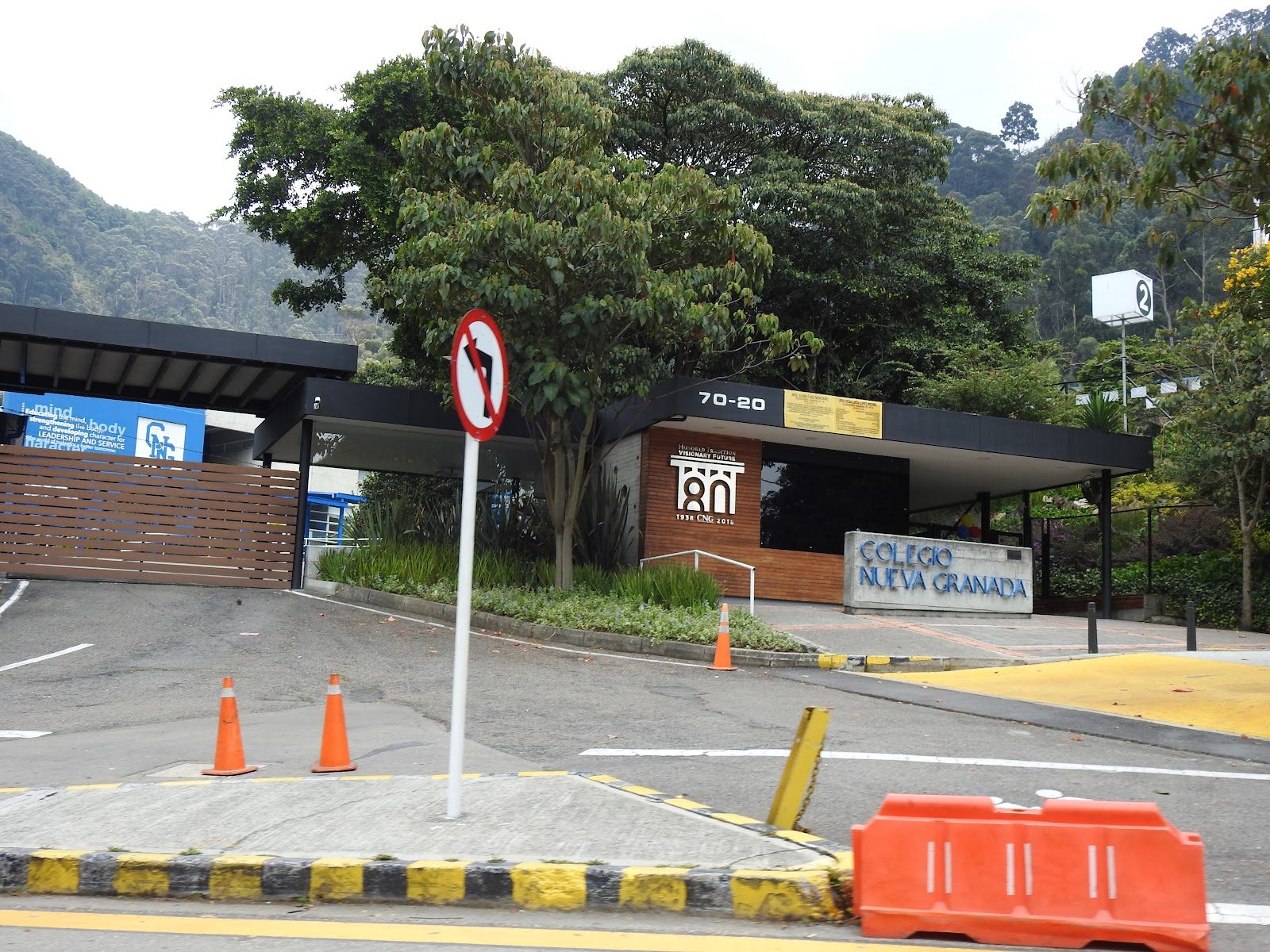
Colegio Nueva Granada
Bogotá · Colombia
A 1938 foothills campus in Bogota pairing dual US-Colombian diplomas, 32 AP courses and a four-house tradition.
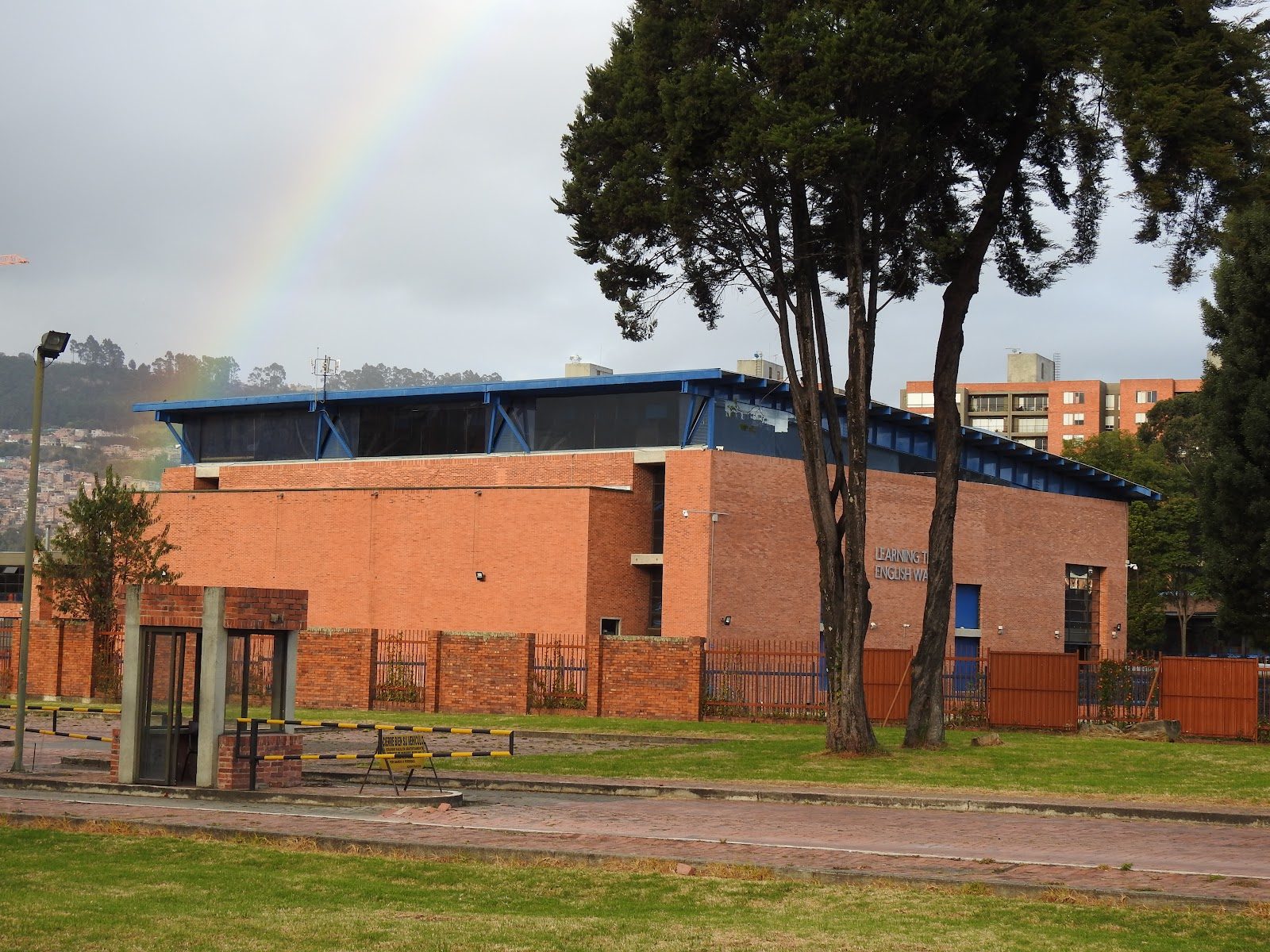
The English School
Bogotá · Colombia
Founded in 1961 as a bilingual British-style day school, now the first in Colombia authorized for all four IB programmes
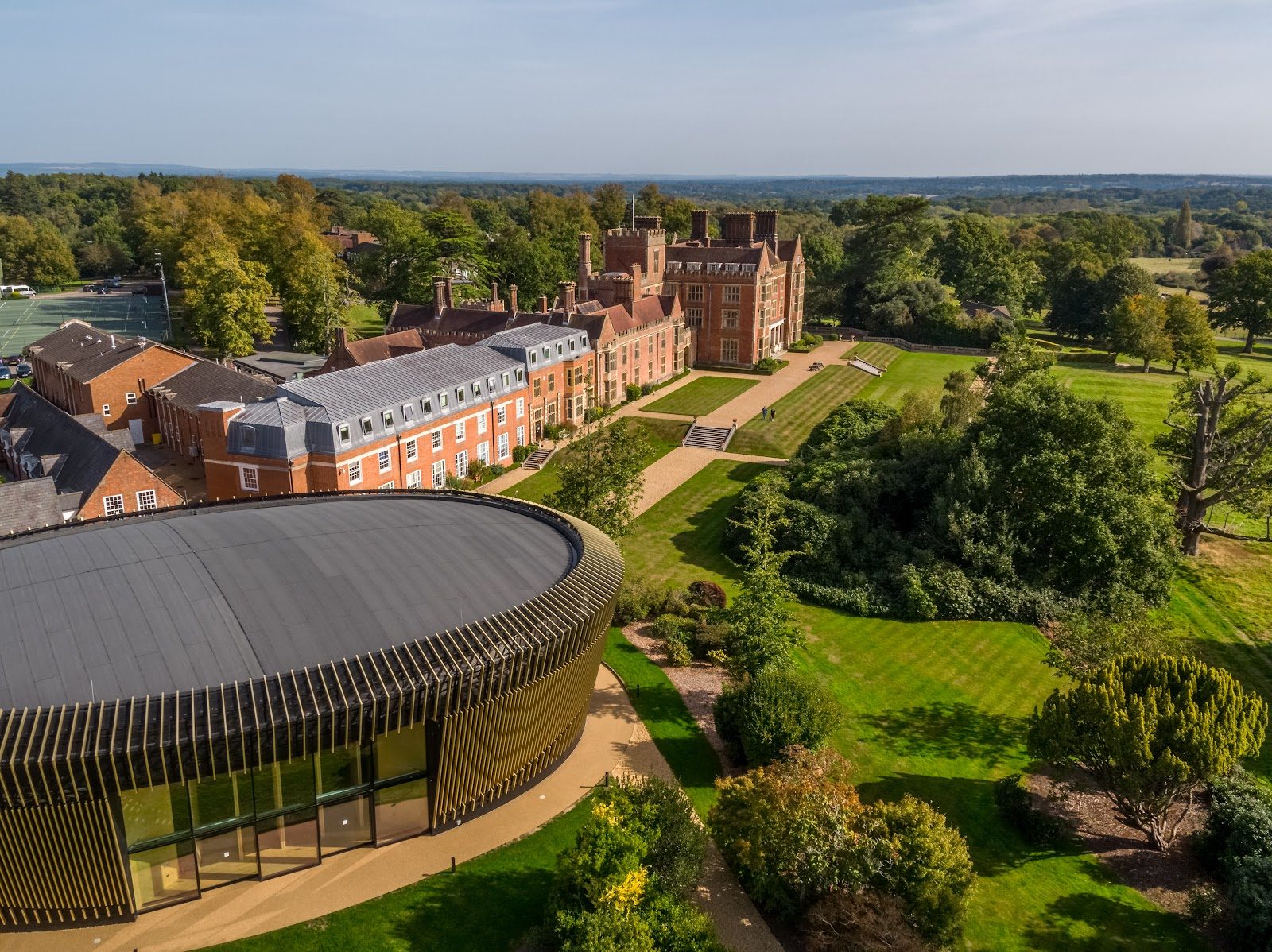
Benenden School
Cranbrook · United Kingdom
Amid 250 acres of Wealden parkland, the full-boarding spirit that inspired Malory Towers still runs through ten close-knit houses

Greenwich Academy
Greenwich · United States
Connecticut's oldest all-girls school pairs single-sex grounding with coeducational upper-school classes shared alongside Brunswick's boys.
Same country and curriculum — closest matches within ±10 points either way