
Lima
Colegio de la Inmaculada
Ignatian pedagogy traced to a 1582 royal charter shapes a Surco campus built on service and rigor.
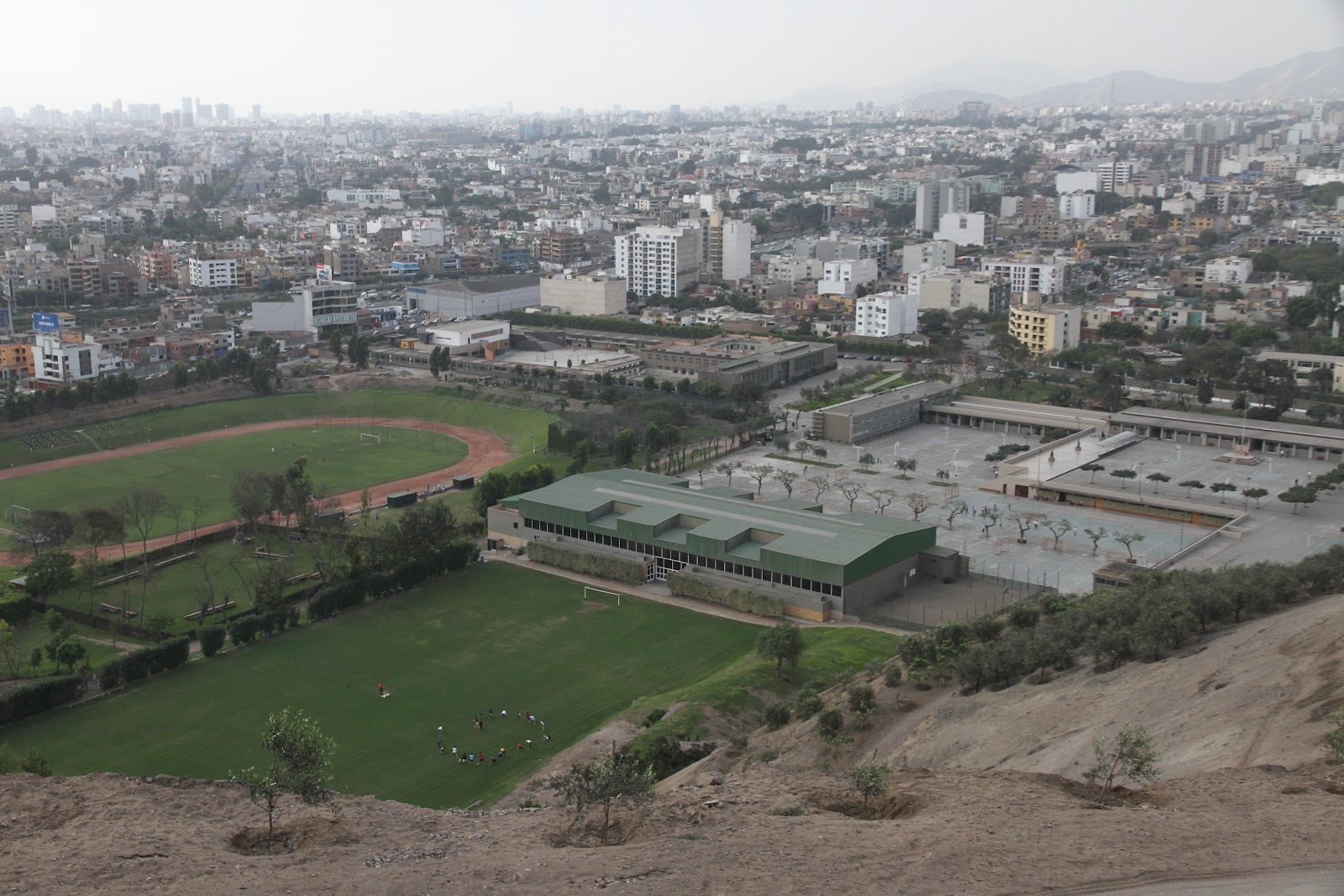
Photo © Colegio de la Inmaculada, Jesuitas - Lima via Google Maps
Type
Day
Ages
5–18
Curriculum
Peruvian
Qualifications
Peruvian national curriculum
Ratio
—
The Verdict
Editor's commitment
Right for
Families in Lima who want a Jesuit day school for ages 5–18, with Spanish and English on a Peruvian curriculum.
Wrong for
Anyone seeking boarding, a secular setting, or an international programme: this is a Catholic Jesuit day school founded in 1878.
Watch out for
The 1582 heritage line and 1878 founding carry weight, but the school does not publish public outcome data here.
Ranking breakdown
Colegio de la Inmaculada · #922 of 1591
Composite score 63.4. 8 weighted criteria.
By criterion
Academic Outcomes
Weight 20%
#902
of 1529 scored
University Placement
Weight 16%
#911
of 1529 scored
Prestige & Heritage
Weight 12%
#188
of 1571 scored
Alumni Network
Weight 12%
#721
of 1530 scored
Facilities
Weight 12%
#1164
of 1533 scored
Transparency & Communications
Weight 8%
#1151
of 1532 scored
Peer & Industry Review
Weight 10%
#1216
of 1548 scored
Admissions Selectivity & Demand
Weight 8%
#837
of 1529 scored
Peer & Industry Review
How Colegio de la Inmaculada is regarded in the sector
63
Respected · medium confidence
Colegio de la Inmaculada is consistently ranked among Lima's most academically demanding Jesuit institutions, grouped with peers such as Colegio Santa Maria Marianistas, San Agustin, and Markham in local press comparisons of top private schools. Peruvian outlets like El Comercio and Semana Economica periodically cite its graduates' admission rates to Pontificia Universidad Catolica del Peru (PUCP) and Universidad de Lima, reflecting strong regional university recognition rather than international league-table presence. As part of the global Jesuit education network (Fe y Alegria/AUSJAL-linked schools), it participates in regional Ignatian education conferences alongside other Latin American Jesuit colegios, reinforcing peer credibility within that specific network rather than broader independent-school circuits. However, it lacks meaningful visibility in international review platforms such as WhichSchoolAdvisor or the Good Schools Guide, which focus primarily on UK/Gulf/Asia markets, and there is no verifiable evidence of rival heads' public commentary or independent education press coverage outside Peru. Its reputation is therefore best characterized as strong and well-established domestically among Catholic and Jesuit school networks, with limited documented international peer or press recognition beyond regional Latin American academic circles.
Editors' overview
Colegio de la Inmaculada sits in a rare position in Lima’s school market: a long-established Jesuit day school with a declared Peruvian curriculum, bilingual instruction in Spanish and English, and an identity anchored in Ignatian formation rather than in imported branding. Founded in 1878 and serving ages 5–18, it offers continuity, scale and a clear moral framework. The school’s distinction lies in that Jesuit inheritance: a serious sense of purpose, moral discipline, and an expectation that service is part of education rather than an extracurricular ornament. Parents looking for a Catholic school in Lima with intellectual weight, institutional memory and a durable social reputation will keep it high on a shortlist.
What marks it out is not novelty but coherence. Many schools talk about values; Jesuit schools have a defined educational tradition and a record of applying it. That matters for families who want more than safe supervision and polished facilities. Colegio de la Inmaculada promises a formation that binds academic effort to conscience, reflection and responsibility to others. The trade-off is clear. This is not the right fit for families who want a loose culture, a lightly worn religious identity or an aggressively global curriculum menu. It suits parents who value high expectations, structured seriousness and a school culture where faith still has institutional force.
Its market position is therefore strong but specific: a premium local choice for Lima families who want rootedness over fashion and formation over marketing gloss. The bilingual offer widens access without diluting its Peruvian base. For the right student, that balance is powerful: a child who works well within structure, responds to adult direction, and can thrive in a culture of duty, reflection and service. The student who will want this school is not the one searching for maximum flexibility or a buffet of educational options. It is the one who wants a demanding community, a strong moral centre and the confidence that comes from belonging to a school with 147 years of history and a clear idea of what education is for.
Academic Performance
Academic performance is hard to judge from published evidence because the school does not disclose aggregate external exam data. We have not seen cohort pass rates, national benchmark comparisons, university placement tables, average subject scores or any breakdown that would let parents measure attainment against Lima competitors. That gap matters. A school with this level of institutional confidence and social standing should publish hard outcomes. Without them, any claim of academic strength rests on reputation, selectivity and the discipline associated with Jesuit schooling rather than on verifiable results. For parents who want a clean, comparative read on exam performance, this is a real weakness.
That does not place the school in an academically weak tier; it places it in an opaque one. In Peru’s private-school market, some peers now understand that families expect numbers, trend lines and destination evidence. Colegio de la Inmaculada does not meet that standard in the public domain. The school’s seriousness of purpose and long-established culture point to high internal expectations, but expectations are not results. Until the school publishes exam outcomes in a consistent format, it sits in a category familiar across old, prestigious Catholic schools: respected, demanding and socially trusted, yet guarded where evidence counts.
Facilities
Publicly available detail on facilities is thin, which limits any hard ranking against Lima’s best-resourced private schools. That matters because campus quality is one of the easiest things for a school to show. Here, the school trades on institutional reputation more than on published evidence of specialist spaces. Parents can still infer the core shape of the estate from the school’s age range and market position: classrooms for the full school, sports provision, spaces for worship and religious life, and the standard administrative and student-support infrastructure of a large Catholic day school. What we have not seen is the level of disclosure that lets families judge whether science labs, libraries, arts rooms and indoor sports facilities sit in the top tier or merely meet the expected baseline.
Against peer schools, that places Inmaculada at a disadvantage in presentation, not necessarily in substance. Many competitors now publish detailed campus photography, room lists, performance spaces, maker facilities and technical specifications. Inmaculada does not give parents that clean visual audit. For a school with this status, the omission is striking. It leaves the impression of a campus built to serve a serious educational mission rather than to sell itself through architecture. Some families will welcome that restraint. Others will read it as unhelpful opacity, especially if facilities for sport, arts or laboratory work are central to the decision.
Colegio de la Inmaculada promises a formation that binds academic effort to conscience, reflection and responsibility to others
Prestige
Colegio de la Inmaculada carries serious prestige in Lima’s Catholic-school hierarchy because its name signals more than age or social familiarity. It sits inside the Jesuit tradition, and that matters. In Latin America, Jesuit schools carry a reputation for intellectual discipline, moral formation and institutional gravitas that many newer private schools cannot manufacture with facilities or branding. That inheritance gives Inmaculada a weighty social standing among families who value structure, faith and academic intent in the same package. The school’s prestige also rests on durability: 147 years in operation gives it a level of intergenerational recognition that few competitors can match. This is the kind of school parents know, grandparents know, and professional networks know.
That prestige has limits, and they are important. It is not the glossy international prestige attached to schools that trade on global exam data, overseas university pipelines or aggressive public relations. Its status is older, more local and more cultural than that. For many Lima families, that makes it more credible, not less: the school does not need to reinvent itself every admissions cycle. But prestige without transparency has a cost. Because the school does not publish the hard academic outcomes that would justify its reputation in measurable terms, part of its standing rests on history, Jesuit identity and social trust rather than on public proof. That still places it in the upper rank of local esteem, but not in the most evidence-rich tier.
Colegio de la Inmaculada does not meet that standard in the public domain
Communications
Parent communication reflects the school’s wider character: formal, institutional and built to instruct rather than charm. The public-facing channels do the basics, but they do not offer the high-clarity, parent-first standard that stronger schools now treat as routine. We have not seen the kind of open, data-rich communication that helps families understand academic performance, campus provision or the practical detail of school life at a glance. That matters because communication is not just about notices; it is about whether a school respects parents enough to explain itself plainly. Here, the tone reads as one of authority and continuity rather than accessibility. For families already comfortable with the school’s culture, that will feel orderly and reassuring. For parents comparing options carefully, it can feel guarded.
The weakness is not noise but scarcity. A school with this stature should publish more than the minimum and should make key information easier to find, compare and trust. The absence of public outcome data weighs heavily here, because exam reporting is one of the clearest tests of institutional candour. Without that, communication remains competent but controlled: enough to support an existing community, not enough to satisfy a parent who expects full daylight before enrolment. That does not signal confusion or disorder; it signals a school that still communicates on its own terms. Some families will accept that without complaint. Others will read it, correctly, as an old-school opacity problem.
Uniqueness
What makes Inmaculada distinct is not novelty, scale or international packaging. It is the way a Jesuit school can turn formation into the organising principle of daily life. At many faith schools, religion sits alongside the timetable. Here, it sits inside the school’s idea of what a pupil is for: disciplined study, examination of conscience, responsibility to others and service that carries moral weight rather than public-relations gloss. That gives the school a rare institutional coherence. Children do not get a menu of loosely connected experiences; they get a sustained message about duty, conduct and intellectual seriousness across roughly 13 years of schooling. For students who need structure, that consistency can be deeply formative.
The gain is clear. Pupils grow up in a culture that asks for more than grades: self-command, reflection, resilience and a readiness to work for people beyond their own circle. That can produce young adults with a strong inner compass and a sturdier sense of obligation than schools built around choice, comfort and constant affirmation. The cost is just as clear. This is a tradition-bound institution with a demanding moral centre, and that narrows the fit. Students who chafe at authority, want a lighter-touch environment or prefer identity to stay private will find the culture constraining. For the right child, though, Inmaculada offers something many schools cannot: education with conviction, not just organisation.
Colegio de la Inmaculada carries serious prestige in Lima’s Catholic-school hierarchy because its name signals more than age or social familiarity
Student Profile
The student who fits here is compliant without being passive, academically steady, and comfortable in a culture where adults set the terms. This school suits children who do not need constant novelty or personalisation to stay engaged. It rewards routine, respect for authority, and a willingness to take collective expectations seriously. Pupils who respond well to clear moral boundaries, structured seriousness and a sense that school life carries obligations beyond individual preference will settle more easily. So will families who want faith to shape conduct, not sit in the background as branding. Over roughly 13 years of schooling, that kind of environment can build strong habits of discipline and responsibility.
The weaker fit is just as clear. Highly independent students who want to negotiate rules, test institutional boundaries or treat school as a platform for self-expression first and community second will find the culture restrictive. Children who need a visibly informal atmosphere, broad curricular experimentation or a low-pressure relationship with authority are not the natural constituency here. This is a school for pupils who can absorb correction, work within hierarchy and accept that service, reflection and discipline are part of the deal. For the right child, that creates a deeply anchored education and a serious sense of purpose. For the wrong one, it feels tight, moralistic and hard to inhabit.
Founded in 1878 and serving ages 5–18, it offers continuity, scale and a clear moral framework
Co-curricular strengths
Arts & sport, on a separate axis
Overall 7.02/10
Scored 0-10 from the school's own published evidence. This axis is editorial-only — it does not feed the main WTS ranking.
Sports
7.4/10
Drama
6.8/10
Dance
6.2/10
Music
7.8/10
Visual Arts
6.9/10
Strengths
- +Run by the Jesuit order (Compania de Jesus), giving it a long-established, values-based educational tradition in Lima.
- +All-boys day school with a settled reputation among Lima's traditional private school circuit, alongside peers such as San Ignacio de Recalde and other Jesuit institutions.
- +Follows the Peruvian national curriculum, giving graduates a straightforward path into local university entrance exams (e.g. PUCP, UNI).
- +Part of a global Jesuit school network, which can offer some continuity of pedagogical philosophy for Catholic families moving between countries.
- +Located in Lima, offering access to the city's established expat and diplomatic community infrastructure.
Considerations
- −Single-sex (boys only), which rules it out for families wanting co-education or with daughters to place.
- −Instruction is in Spanish under the Peruvian curriculum, with no IB, A-level or bilingual international track on offer.
- −Day school only, so it does not serve as a self-contained option for relocating families needing boarding or residential support.
- −As a Catholic Jesuit institution, religious formation is embedded in daily school life, which may not suit strictly secular families.
Availability
Primary entry gate & tests
Academic Record
Gallery
Photo © Colegio de la Inmaculada, Jesuitas - Lima via Google Maps
Photo © Colegio de la Inmaculada, Jesuitas - Lima via Google Maps
Photo © Colegio de la Inmaculada, Jesuitas - Lima via Google Maps
Photo © Colegio de la Inmaculada, Jesuitas - Lima via Google Maps
Photo © Colegio de la Inmaculada, Jesuitas - Lima via Google Maps
Photo © Colegio de la Inmaculada, Jesuitas - Lima via Google Maps
Photo © Colegio de la Inmaculada, Jesuitas - Lima via Google Maps
Parent reviews
Have you sent your child here?
Voice reviews carry the strongest trust badge — we transcribe them for you to tidy up before they go live. Prefer to type? A written review is fine too.
Add your voice
In 60 seconds, tell other parents: what's the best thing about Colegio de la Inmaculada, and what surprised you when your child joined?
We ask for a Google sign-in so every review has a real face behind it — no anonymous drive-by attacks on schools, and no faked positive reviews. Your email is never shown publicly.
Send this profile to a friend
International parents rely on word-of-mouth. Share this review with someone weighing the same decision.
Schools with places
Similar schools to Colegio de la Inmaculada with places available now.
Markham College
Lima · Peru
- 2026-27
- WAITPOOLVacancy-dependent / enquire
- 2027-28
- PLACES OPEN
Colegio Roosevelt — The American School of Lima
Lima · Peru
- 2026-27
- WAITPOOLSpace-dependent
- 2027-28
- PLACES OPENRolling
Availability first, then country, area, curriculum, price, co-curricular
Consider also
Also worth looking at alongside Colegio de la Inmaculada.
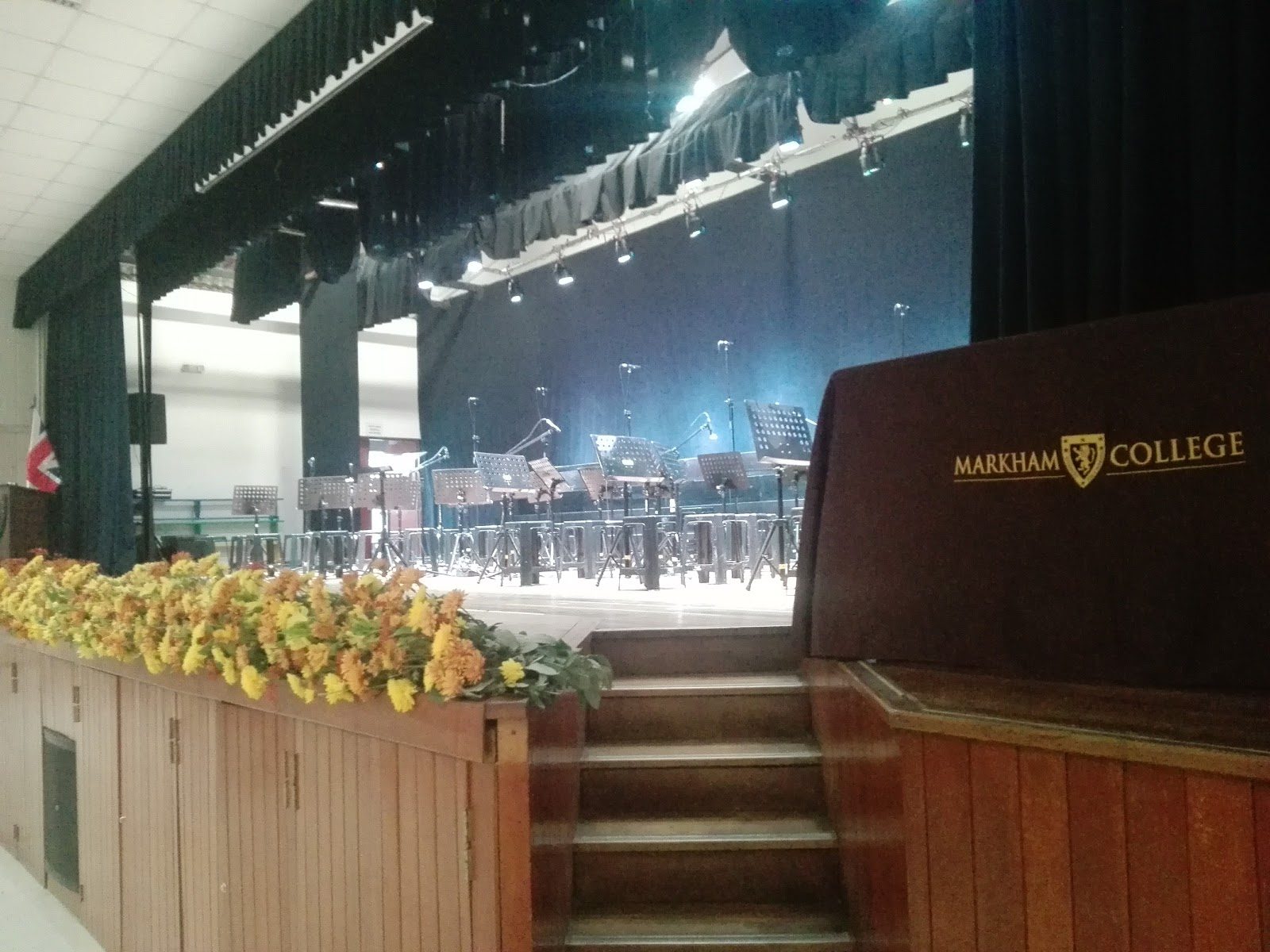
Markham College
Lima · Peru
Founded in 1946 by British expatriates, this Lima day school pairs house traditions with a bilingual IB-British curriculum.
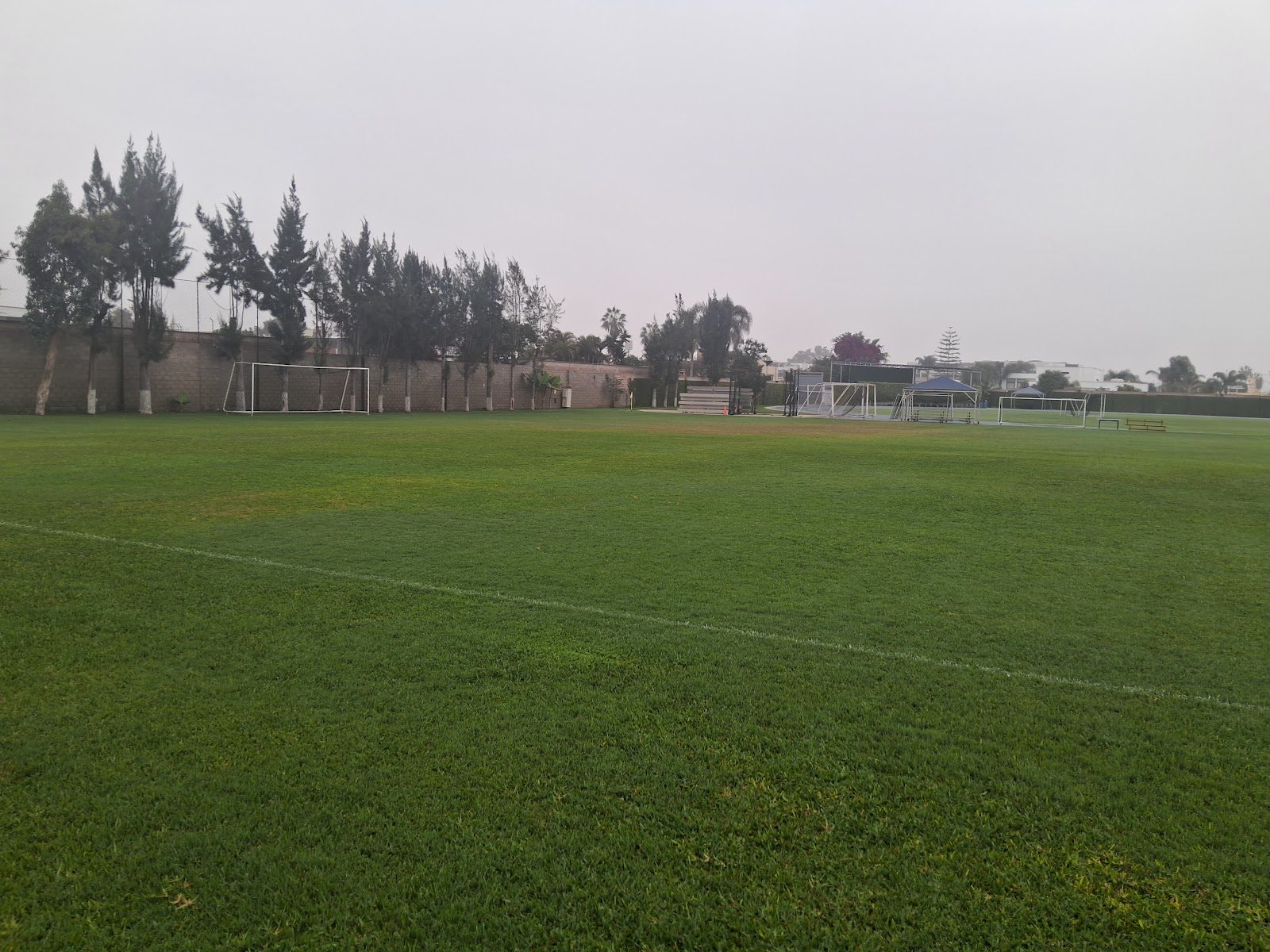
Colegio Roosevelt — The American School of Lima
Lima · Peru
Named for a wartime American president, this La Molina campus layers an FDR diploma with IB and Peru's own official credential.
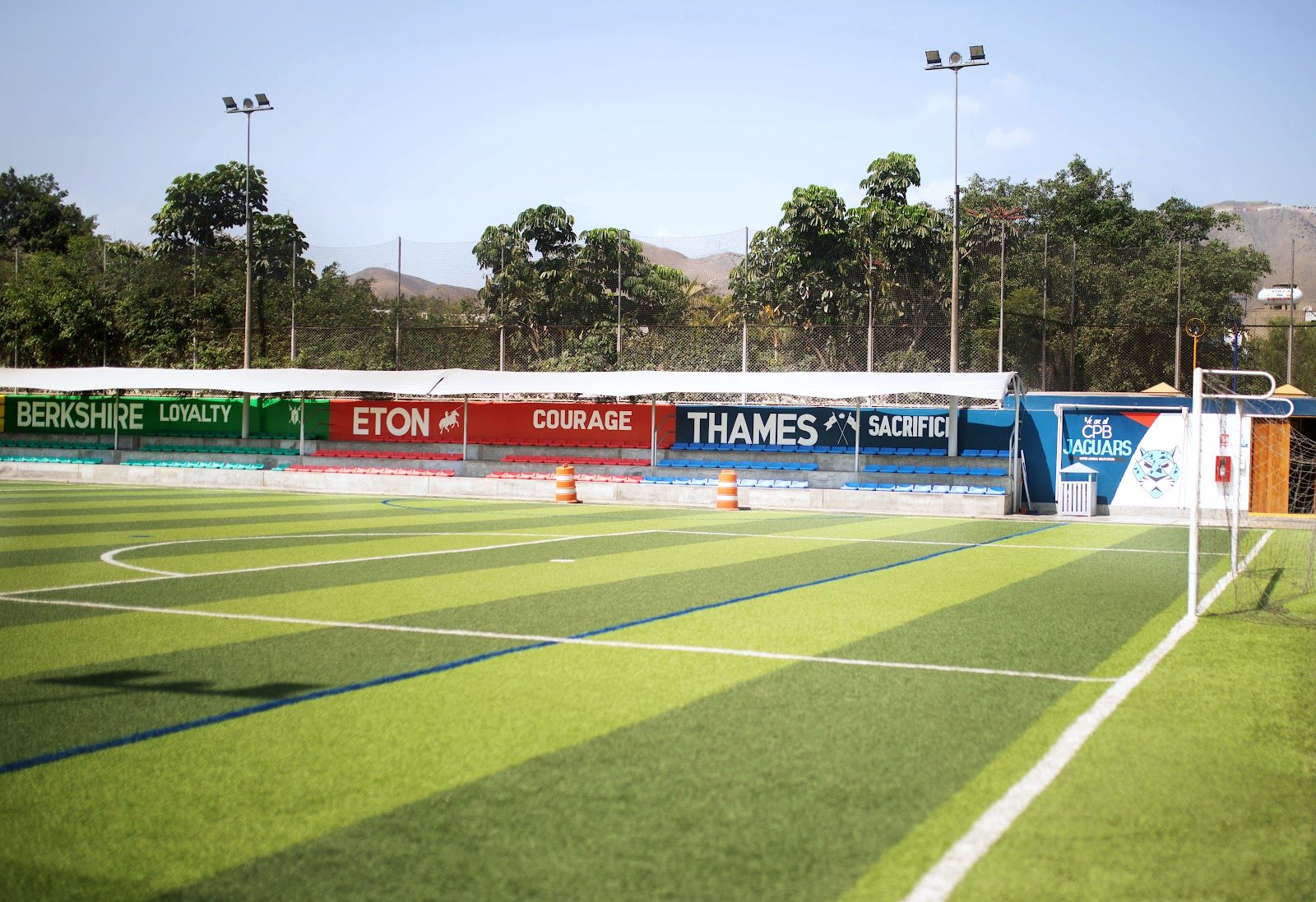
Colegio Peruano Británico
Lima · Peru
Trilingual since 1963, this Monterrico campus blends a Juilliard-shaped arts curriculum with IB rigor as Nord Anglia's first Peruvian school.
Benenden School
Cranbrook · United Kingdom
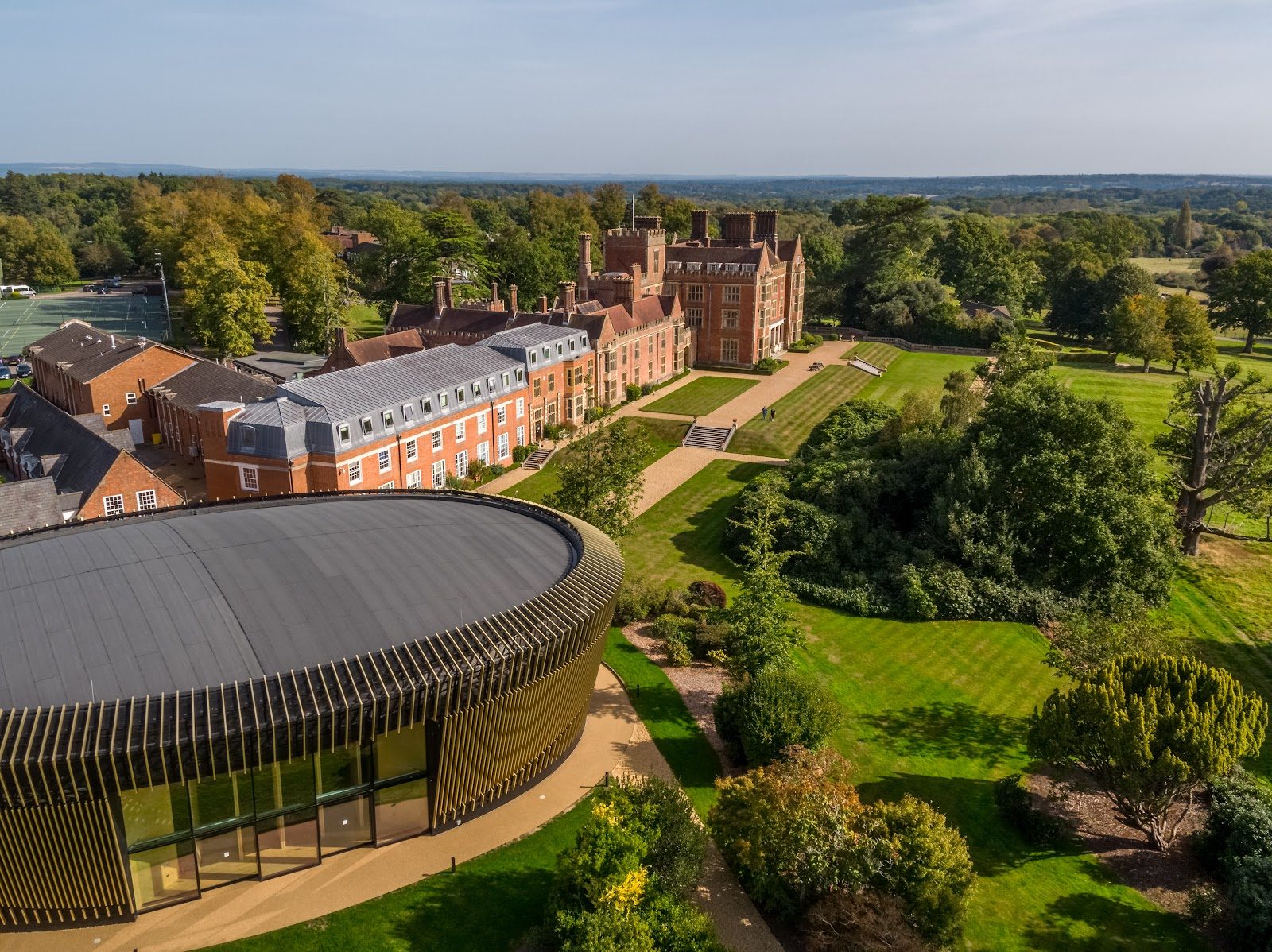
Amid 250 acres of Wealden parkland, the full-boarding spirit that inspired Malory Towers still runs through ten close-knit houses
Same country and curriculum — closest matches within ±10 points either way