
Eastern Province
British International School Al Khobar
low confidence· 4/6 cats · 1 avg sourcesGoverned with the British Embassy since 1977, this not-for-profit Gulf school earned exemplary marks in its 2025 BSO inspection.
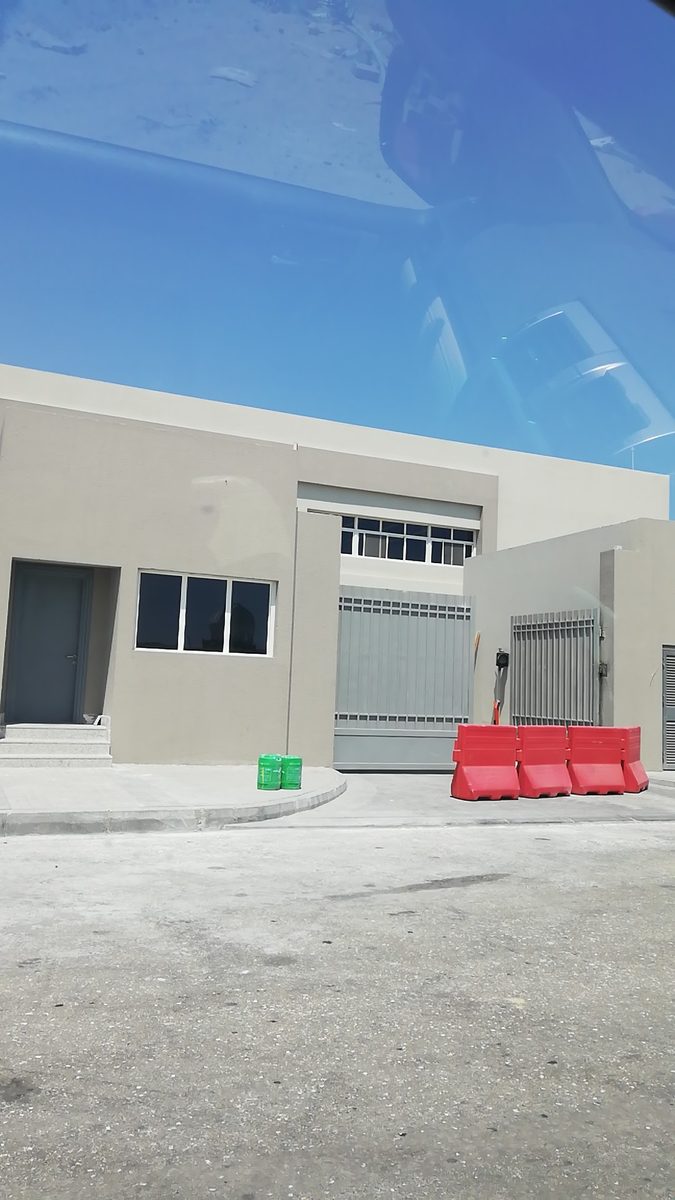
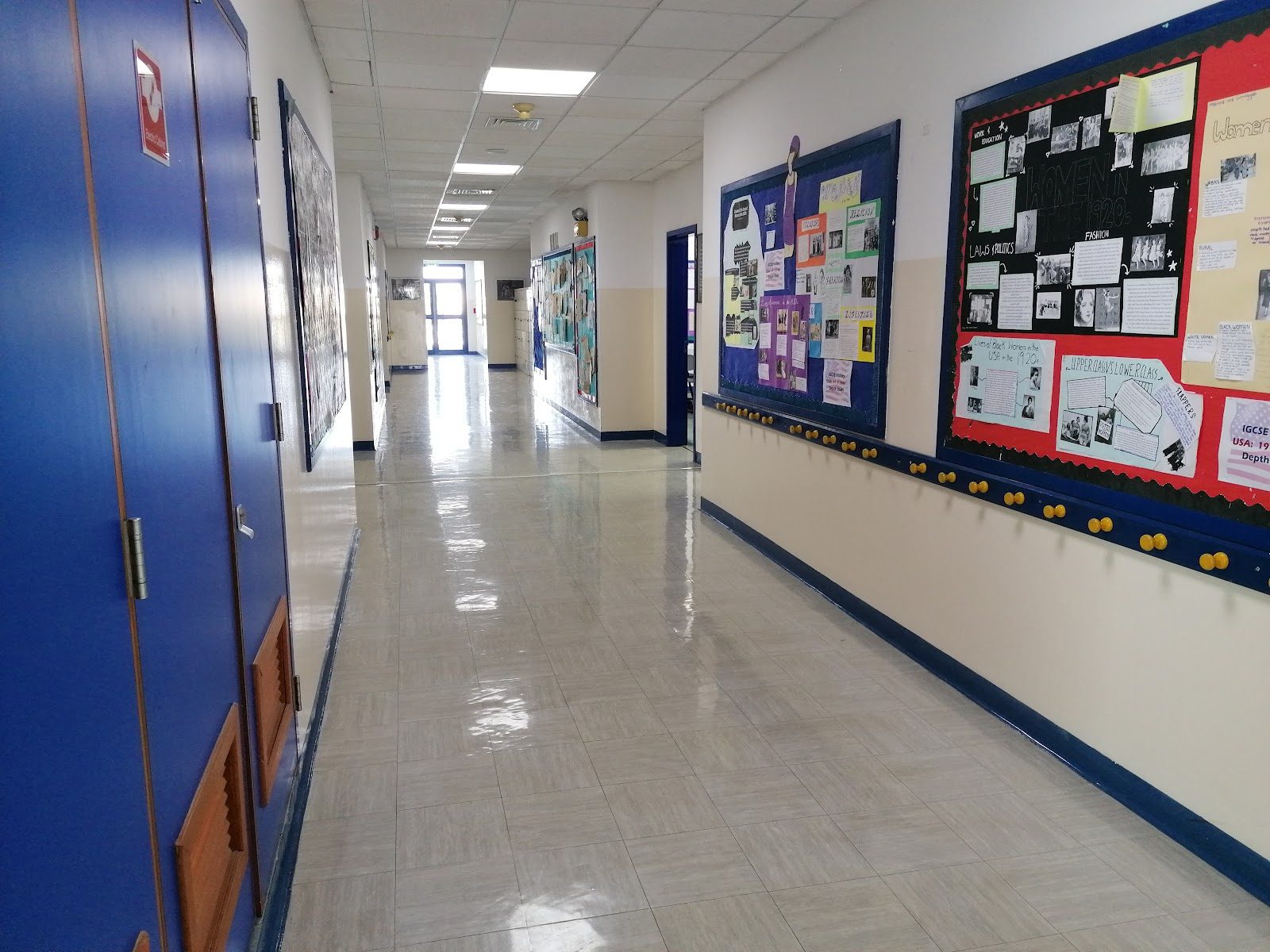
Photo © Reyaz Khan via Google Maps
Type
Day
Ages
3–18
Curriculum
British
Qualifications
IGCSE · A-Level
Ratio
—
The Verdict
Editor's commitment
Right for
Families wanting a British day school, ages 3–18, with BSO, COBIS and Cambridge International behind a long-standing Al Khobar fixture.
Wrong for
Parents seeking boarding, religious framing or a cheap option; BISAK is non-religious, day-only, and averages SAR 64,440 a year.
Watch out for
The 2025 BSO inspection was exemplary and demand is high; extra Year 1 and Year 4 classes signal pressure on places.
Ranking breakdown
British International School Al Khobar · #416 of 1591
Composite score 70.3. 8 weighted criteria.
By criterion
Academic Outcomes
Weight 20%
#512
of 1529 scored
University Placement
Weight 16%
#516
of 1529 scored
Prestige & Heritage
Weight 12%
#377
of 1571 scored
Alumni Network
Weight 12%
#234
of 1530 scored
Facilities
Weight 12%
#280
of 1534 scored
Transparency & Communications
Weight 8%
#388
of 1532 scored
Peer & Industry Review
Weight 10%
#480
of 1548 scored
Admissions Selectivity & Demand
Weight 8%
#1232
of 1529 scored
Peer & Industry Review
How British International School Al Khobar is regarded in the sector
68
Respected · high confidence
British International School Al Khobar has built a genuinely distinctive sector profile as the first school in Saudi Arabia to achieve an "Outstanding" rating across all areas in a British Schools Overseas inspection, a milestone reported not just by the school but picked up in independent regional press. WhichSchoolAdvisor's review confirms the 2025 BSO verdict verbatim, noting inspectors found BISAK is "highly respected within the community" with only three schools in the Kingdom of Saudi Arabia to have been inspected by British Schools Overseas. The Good Schools Guide's independent verdict is more measured but equally credible, describing it as "a school without showiness and no shortage of heart" where parents offered three words to sum it up: 'caring', 'supportive' and 'community', with pupils settled and teaching steady. This is a solidly respected, community-rooted regional player with a rare formal accreditation to point to, though its peer reputation remains largely confined to the Eastern Province rather than national "best schools" conversations.
Editors' overview
British International School Al Khobar has two features that matter in this market: governance tied to the British Embassy since 1977, and a 2025 BSO inspection that graded it exemplary. That combination gives the school unusual weight. Plenty of Gulf schools sell a British identity; fewer have that level of external scrutiny and institutional continuity behind it. BISAK is also a not-for-profit day school for ages 3 to 18, teaching in English and accredited by BSO, COBIS and Cambridge International. For parents who want a British school with proper oversight rather than glossy branding, that alone puts it firmly on the shortlist.
The school’s appeal rests on stability, seriousness and a broad community role in Al Khobar. Its own language leans heavily on community and global citizenship, but the more telling detail sits elsewhere: it publishes inspection reports, academic results and a clear whole-school structure from pre-prep to sixth form. The website also flags high demand for places, with extra Year 1 and Year 4 classes opened to absorb pressure. That points to a school with real local pull, not one padding out numbers. At an average annual day fee of SAR 64,440 across the full age range, BISAK sits in the upper-middle to premium bracket for the Eastern Province: expensive, but not at the speculative luxury end of the market.
This is the right school for families who value a settled, academically anchored British education and who want a school that reads more like an institution than a franchise. It will suit students who thrive in a structured environment, want a conventional school journey through to sixth form, and benefit from a community that prizes belonging as much as attainment. It is less compelling for families chasing an ultra-boutique campus, a progressive educational experiment or a visibly high-gloss brand proposition. BISAK’s strength is different: substance over display, backed by 3–18 continuity and a governance model that remains rare in the Gulf school market.
Academic Performance
BISAK signals academic seriousness by giving exam results a dedicated place on the site rather than burying them under marketing copy. That matters. In this market, many schools trade on vague claims of excellence and publish little that a parent can test. BISAK does the opposite in structure, even if the key aggregate numbers are not visible in the excerpts here. We have not seen whole-cohort IGCSE or sixth-form score data, grade distributions, university destinations or subject-by-subject breakdowns, so no honest editor can place it in the Gulf’s top exam bracket on published outcomes alone. What can be said with confidence is narrower but still important: the school treats results as something to disclose, inspection as something to face, and academic organisation as a whole-school priority. That is a serious institutional signal.
Relative to peers, BISAK sits above the large tranche of British schools whose academic claims outstrip their transparency, but short of the results-first elite that publish headline attainment metrics prominently and in detail. Its advantage lies in credibility rather than hard public bragging rights. For families, that translates into a school that feels academically grounded and properly accountable, but not one that hands you an immediate spreadsheet proving dominance. Until full public results are on the table, the fairest judgement is clear: BISAK belongs in the credible upper tier of British schools in the region, without the published exam data needed for a stronger ranking.
Facilities
BISAK’s campus story is harder to pin down than its governance or inspection story, because the school does not put the same level of public detail behind its buildings. What it does show is a full all-through structure split clearly between prep, senior and sixth form, with extra-curricular provision, wellbeing, a house system and a dedicated campus section rather than a single token page. That points to a school designed for day-to-day use across the age range, not a stripped-back operation renting credibility from one strong headline. The recent expansion of Year 1 and Year 4 classes also tells you something practical: capacity is under pressure, so core teaching space matters and is being used hard. Against peer British schools in the Eastern Province, that reads as functional and established rather than architectural theatre.
What BISAK does not advertise is just as important. We have not seen the kind of facility inventory that premium Gulf competitors now publish as standard: no public drumbeat around performing arts venues, specialist sports complexes, design labs, innovation suites or resort-style add-ons. That does not mean those spaces are weak; it means the school is strikingly unflashy about them. Parents choosing between BISAK and newer rivals should read the campus offer in that light. If you want high-gloss hardware as proof of value, other schools make that pitch more aggressively. If you want a campus that supports a serious all-through school without empty spectacle, BISAK holds up well.
British International School Al Khobar has two features that matter in this market: governance tied to the British Embassy since 1977, and a 2025 BSO inspection that graded it exemplary
Prestige
BISAK carries real prestige, but not the brittle, status-signalling kind that depends on marble foyers and imported branding. Its standing comes from governance, inspection and durability. A school overseen in partnership with the British Embassy commands a different level of confidence from a standard private operator, and the recent BSO verdict strengthens that further. In practical terms, this is prestige built on institutional credibility and external accountability, not on marketing theatre. The not-for-profit model helps too: it tells parents that the school’s claim to seriousness rests on educational purpose rather than shareholder return. In Gulf terms, that is genuinely rare.
That does not put BISAK in the same prestige category as the handful of globally recognisable British names whose cachet travels instantly across continents. Its reputation is stronger locally and regionally than internationally, and that distinction matters. Families in the Eastern Province will read the school as established, trusted and selective enough to attract pressure on places; families moving between London, Singapore and New York will not get the same instant brand recognition they would from a famous UK export. So the rating lands in the upper tier: substantial prestige, earned the hard way, with an average annual fee of SAR 64,440 that reinforces its premium status without pushing it into the flashy luxury bracket.
Plenty of Gulf schools sell a British identity; fewer have that level of external scrutiny and institutional continuity behind it
Communications
Parent communication looks structured, frequent and more transparent than the regional norm. The site gives parents clear routes into the school: admissions contacts, a receptionist number, a named campus address, newsletters, news and events pages, an academic calendar, policies and expectations, a learning portal, inspection reports, academic results and a dedicated open-day pathway. That is a proper communication stack, not a token contact form and a few glossy photos. The school also uses social channels and, strikingly, posts practical demand updates in plain language — including the creation of extra places in 2 year groups and a direct warning to register early. That matters because it tells parents something useful about access rather than feeding them promotional fog. The tone across the public-facing channels is clear-eyed, serviceable and institutional.
The weakness is polish. Parts of the website feel cluttered, with repeated menu layers, stray pop-ups and uneven presentation that dilute the school’s message. For a school with this level of credibility, the digital experience is untidy in places. But effectiveness matters more than elegance, and on that test BISAK performs well. Parents can find the essentials, track school life through newsletters and events, and access the documents that govern how the place runs. The inclusion of policies is a strong signal: schools that publish expectations openly tend to deal with families in a more adult, accountable way. This is not slick communication. It is useful communication, and that counts for more.
Uniqueness
What sets BISAK apart is not novelty. It is institutional depth. In a Gulf market crowded with expansion-minded operators, BISAK functions more like a long-settled civic school: embassy-linked governance, not-for-profit status, and a public architecture that includes inspection reports, policies, academic results pages, open-day admissions and even demand notices about extra classes. That combination is unusually mature. It gives parents a school that treats accountability as routine rather than optional. For students, that matters in direct ways: rules are clearer, expectations hold across phases, and school life sits inside a recognisable framework rather than a brand exercise. The slogan-heavy language about community and global citizenship is easy to dismiss; the more convincing point is that BISAK has the machinery of a school built to endure, not just to recruit.
That brings a student experience with more continuity than theatre. Children can move from the early years to sixth form inside one settled culture, with house systems, wellbeing structures and extra-curricular life tied into the whole school rather than bolted on. The recent addition of new classes in 2 year groups also tells you something important: families are voting for the school in significant numbers, and the school has responded by expanding core provision, not by selling scarcity. Students benefit from that grounded, community-heavy environment. They get a school with social coherence, institutional memory and adult oversight that carries weight beyond the campus gates. In this region, that is genuinely distinctive.
BISAK is also a not-for-profit day school for ages 3 to 18, teaching in English and accredited by BSO, COBIS and Cambridge International
Student Profile
The best fit here is the student who values structure, belonging and adults who mean what they say. BISAK reads like a school for children who do well with clear routines, steady expectations and a community that treats school life as more than a transaction. The public emphasis on wellbeing, house identity, extra-curricular life and behaviour policy points to a pupil culture that prizes participation and conduct, not just grades. That suits families who want their child known across an all-through school rather than processed through a large, impersonal system. The broad age range, 3–18, also matters: pupils who join early and stay tend to benefit most from that continuity, while older entrants need to be comfortable joining a community with an established internal culture.
This is not the obvious choice for students who want a looser, trend-driven environment or who need a school to dazzle them with image. It fits children who are comfortable in a settled, community-heavy setting and who can handle expectations that carry from classroom to corridor to co-curricular life. Families chasing relentless public trophy culture will find the school more restrained than some rivals. Families who want a serious, socially coherent school with proper adult oversight will find a strong match, even at an average annual fee of SAR 64,440. The pressure on places in 2 year groups also tells its own story: this is a school other families commit to for the long haul.
For parents who want a British school with proper oversight rather than glossy branding, that alone puts it firmly on the shortlist
Co-curricular strengths
Arts & sport, on a separate axis
Overall 8/10
Scored 0-10 from the school's own published evidence. This axis is editorial-only — it does not feed the main WTS ranking.
Sports
8.5/10
Drama
7.8/10
Dance
7/10
Music
8.5/10
Visual Arts
8.2/10
Editor first-pass · editor-reviewable · 7/30/2026
Strengths
- +Rated Outstanding in all areas by a February 2025 British Schools Overseas inspection carried out on behalf of the UK Department for Education, making it the first British school in Saudi Arabia to achieve this across every category.
- +Long-established provider of British education in the Eastern Province, operating continuously since 1977 with an active British Embassy presence on its governing board.
- +Purpose-built campus completed in 2019 at a reported cost of 20 million SAR, replacing older premises.
- +Not-for-profit structure governed by elected British-passport-holding parent volunteers, meaning fee income is reinvested in the school rather than distributed to shareholders.
- +Broad international intake drawn from around 50 nationalities, offering GCSE/IGCSE and A Level pathways through to Year 13.
Considerations
- −Admissions explicitly prioritise British passport holders ahead of other nationalities on the waiting list, which structurally disadvantages non-British applicants seeking places in oversubscribed year groups.
- −Several year groups (e.g. Reception and Year 7 in 2025-26) operate on waiting lists with no guaranteed places, so families relocating on short notice may struggle to secure a specific entry point.
- −Fees vary widely by year group (published ranges cited around SAR 46,500 to over SAR 90,000 per annum) plus a separate capitation/registration fee of SAR 16,000 per child, adding to relocation costs.
- −Non-British and Saudi national applicants face additional bureaucratic hurdles, including mandatory Ministry of Education approval documentation before an application can even be processed.
Availability
Primary entry gate & tests
Academic Record + Assessment
Gallery
Photo © British International School Of Al Khobar via Google Maps
Photo © F B via Google Maps
Photo © F B via Google Maps
Photo © F B via Google Maps
Photo © F B via Google Maps
Parent reviews
Have you sent your child here?
Voice reviews carry the strongest trust badge — we transcribe them for you to tidy up before they go live. Prefer to type? A written review is fine too.
Add your voice
In 60 seconds, tell other parents: what's the best thing about British International School Al Khobar, and what surprised you when your child joined?
We ask for a Google sign-in so every review has a real face behind it — no anonymous drive-by attacks on schools, and no faked positive reviews. Your email is never shown publicly.
Send this profile to a friend
International parents rely on word-of-mouth. Share this review with someone weighing the same decision.
Schools with places
Similar schools to British International School Al Khobar with places available now.
British International School Riyadh
Riyadh · Saudi Arabia
- 2026-27
- WAITPOOLSpace-dependent
- 2027-28
- PLACES OPENRolling
Jeddah Prep and Grammar School
Jeddah · Saudi Arabia
- 2026-27
- WAITPOOLAdmissions open / availability-dependent
- 2027-28
- PLACES OPENMarketed as open for 2027
Misk Schools
Riyadh · Saudi Arabia
- 2026-27
- PLACES OPENApps open / space-dependent
- 2027-28
- WAITPOOL2027/28 timetable TBC
The British International School of Jeddah
Jeddah · Saudi Arabia
- 2026-27
- PLACES OPENApps open / space-dependent
- 2027-28
- WAITPOOL2027/28 timetable TBC
Availability first, then country, area, curriculum, price, co-curricular
Consider also
Also worth looking at alongside British International School Al Khobar.
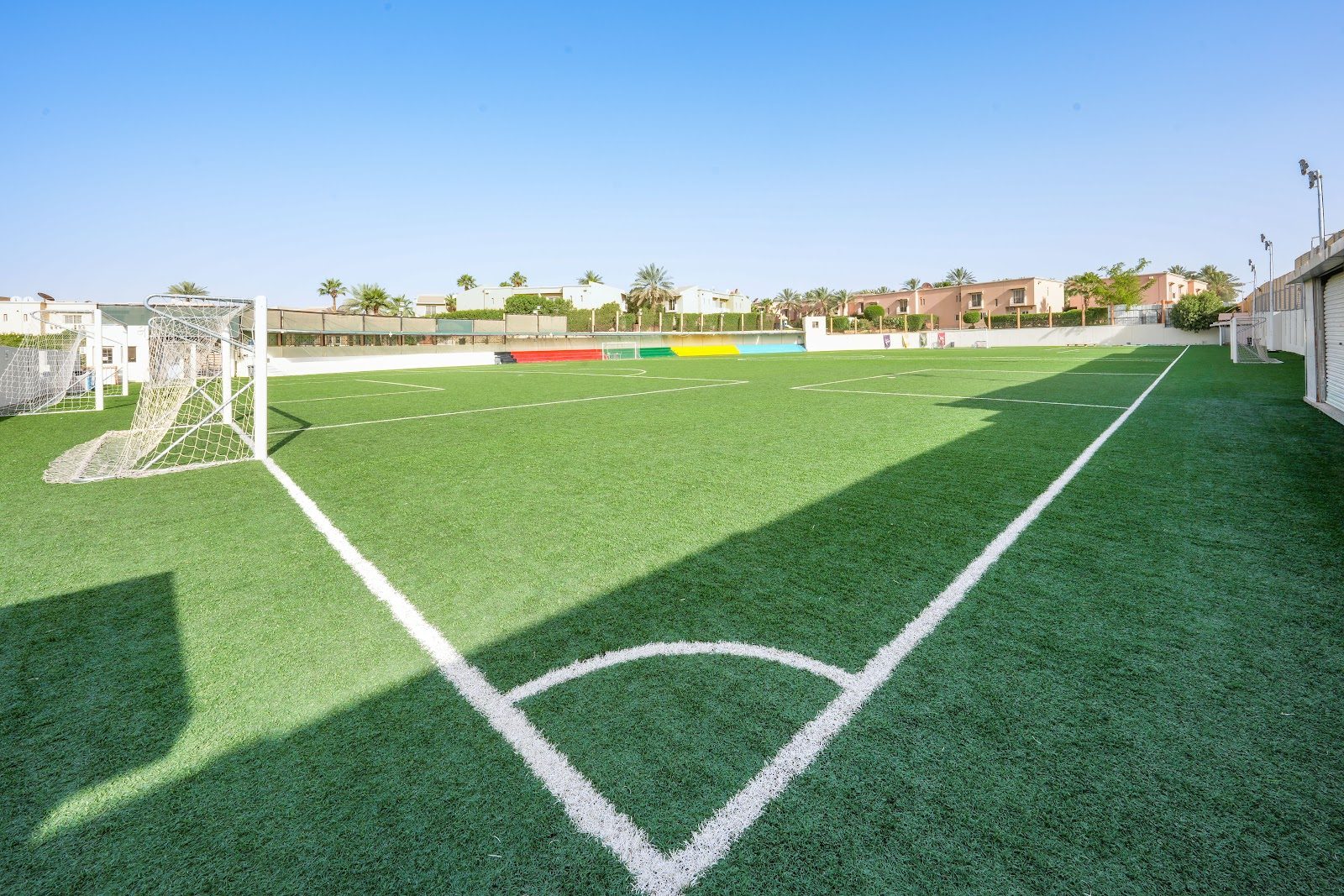
British International School Riyadh
Riyadh · Saudi Arabia
Founded in 1979 amid Riyadh's diplomatic and oil community, this multi-campus day school pairs A-Levels with the IB Diploma.
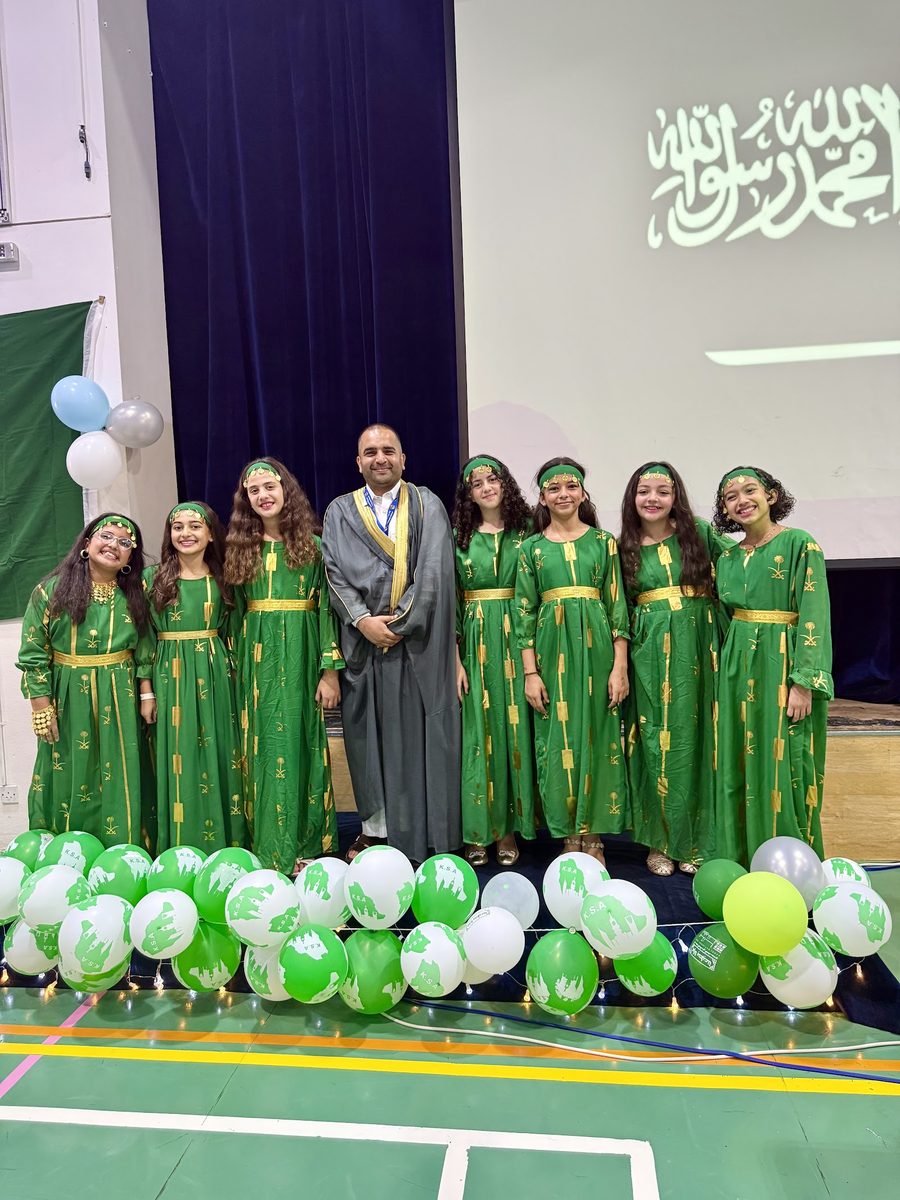
Jeddah Prep and Grammar School
Jeddah · Saudi Arabia
Founded in 1967 as the region's first British school, blending Cambridge rigor with a not-for-profit, fifty-nation community ethos.
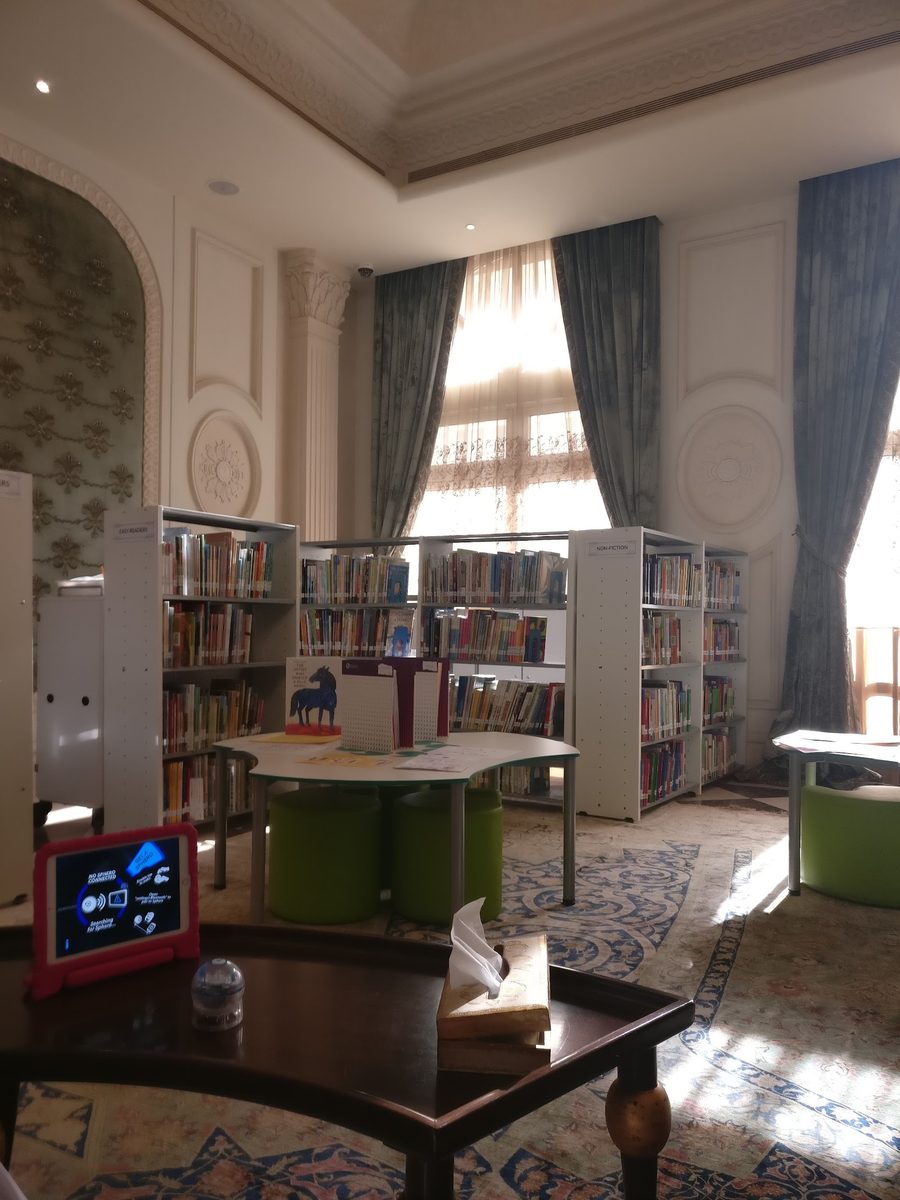
Misk Schools
Riyadh · Saudi Arabia
Nine single-sex academies share one royally founded Riyadh campus, built to engineer Vision 2030's next leaders.
The British International School of Jeddah
Jeddah · Saudi Arabia
Born in a British Embassy room in 1977, this Jeddah 'Conti' became the first British-style school worldwide to earn ECIS accreditation.
Same country and curriculum — closest matches within ±10 points either way