
Ontario
St. Andrew's College
low confidence· 6/6 cats · 0 avg sourcesA century-old Highland Cadet Corps still drills on this all-boys Aurora campus, a founding member of Ontario's Little Big Four.
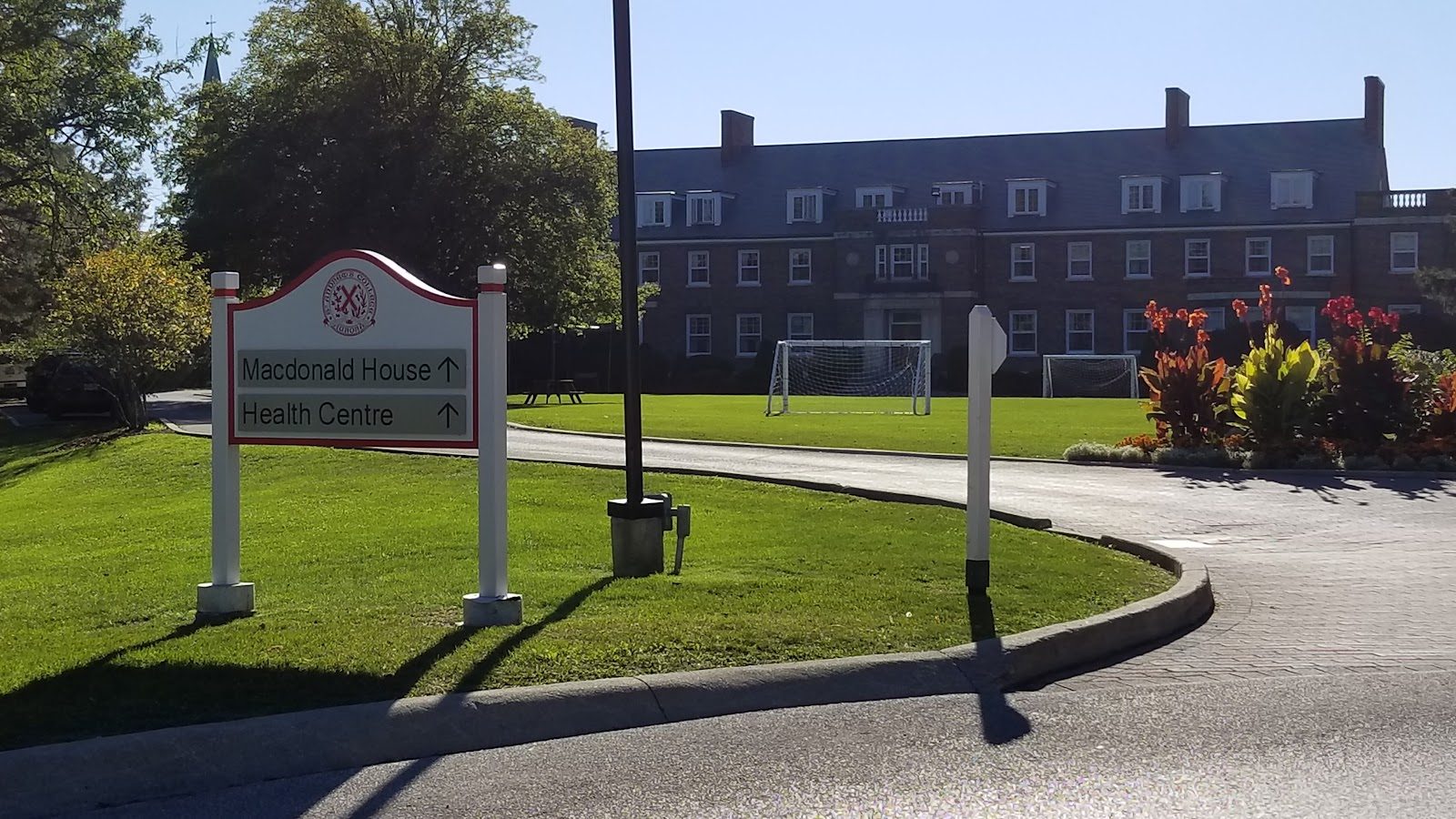
Photo © Fred Drewry via Google Maps
Type
Both
Ages
11–18
Curriculum
Ontario Secondary School Diploma (OSSD) · AP
Ratio
8:1
The Verdict
Editor's commitment
Right for
Families with a son entering grades 5 through 9 who want a traditional, structured boys' boarding-school culture built around academics, athletics and leadership, and who can meet fees approaching CAD 80,000 or qualify for aid.
Wrong for
Families seeking co-education, a downtown Toronto address, or a day-only place for a son already past grade 9, since none of these are on offer here.
Watch out for
Because day admission closes after grade 9, relocating families with an older teenage son must plan on boarding rather than assuming a day option will be available.
Ranking breakdown
St. Andrew's College · #415 of 1591
Composite score 70.3. 8 weighted criteria.
By criterion
Academic Outcomes
Weight 20%
#791
of 1529 scored
University Placement
Weight 16%
#793
of 1529 scored
Prestige & Heritage
Weight 12%
#289
of 1571 scored
Alumni Network
Weight 12%
#192
of 1530 scored
Facilities
Weight 12%
#120
of 1534 scored
Transparency & Communications
Weight 8%
#455
of 1532 scored
Peer & Industry Review
Weight 10%
#412
of 1548 scored
Admissions Selectivity & Demand
Weight 8%
#760
of 1529 scored
Peer & Industry Review
How St. Andrew's College is regarded in the sector
75
Strong · medium confidence
St. Andrew's College (Aurora, Ontario) is consistently recognized as one of Canada's leading boys' independent boarding schools, frequently appearing in Canadian private school rankings and guides such as Our Kids and CAIS (Canadian Accredited Independent Schools) directories, which peer institutions and education consultants treat as a benchmark member school. It has a notable alumni network including business and political figures, and is regularly referenced in Canadian media coverage of elite private/boarding education, though it has less international press presence (e.g., Tatler, Good Schools Guide) compared to UK or global top-tier schools.
Evidence sources
Editors' overview
St. Andrew's College is an independent, all-boys boarding and day school for grades 5 to 12, founded in 1899 and set on a 126-acre Georgian-quadrangle campus in Aurora, Ontario, forty minutes north of Toronto. It serves a mixed constituency of Greater Toronto Area day families and boarding families drawn from across Canada and more than twenty-five countries, roughly half the school's 650 boys living on site in four houses. Its identity is built less on academic hothousing than on a long-standing cadet corps, a heavily subscribed athletics programme of dozens of teams, and a mission statement devoted to the 'complete man, the well-rounded citizen,' with arts and drama offerings that the school itself concedes are often overshadowed by its sporting reputation.
Outcomes are solidly, rather than spectacularly, documented: the Class of 2025's 130 graduates collected 596 university offers, an average of 4.5 each, with placements across Canadian, American and British institutions, though the school does not publish a breakdown by specific university tier. SAC is accredited by the Canadian Educational Standards Institute and holds membership in CAIS, NAIS and the International Boys' Schools Coalition. It follows the Ontario curriculum supplemented by Advanced Placement courses rather than the IB Diploma, a limitation for internationally mobile families who prize that qualification's portability.
Fees for 2026–27 run from roughly CAD $50,000 for day students to CAD $88,660 for international boarders, plus incidental charges; admission requires an SSAT, interview and a CAD $200 application fee, and the school does not accept Grade 12-only entrants, insisting on a minimum two-year commitment. This is not a school for those seeking coeducation, an IB pathway, or a late, single-year finishing option.
Academic Performance
St. Andrew’s College does not publish hard external exam data in the material provided, so any judgement on academic performance has to be cautious. That matters because, despite offering both the Ontario Secondary School Diploma and Advanced Placement, there are no published AP pass rates, score distributions, provincial benchmarking figures or university matriculation statistics here to show where SAC sits against Ontario’s strongest independent-school peers. In a market where some competitors release at least headline outcomes, that absence limits direct comparison.
What can be said is that the school is structured to compete seriously. An 8:1 student-teacher ratio and average classes of 16 are favourable conditions for close academic supervision, particularly across ages 11–18 and in a college-preparatory environment with university counselling explicitly signalled on the site. The presence of AP indicates provision beyond the standard OSSD, which usually appeals to stronger students looking for additional academic stretch. But without published results, parents should resist assuming that small classes automatically translate into standout examination performance. Relative to peers, SAC looks well resourced and academically ambitious; whether it is genuinely exceptional on measurable outcomes is not demonstrated by the evidence available.
Facilities
The campus appears to be built around breadth rather than one showpiece. The school’s own navigation points to an arena, library, summer training and hockey camp infrastructure, plus a boarding operation and school bus network; that combination suggests a genuinely full-service senior school rather than a day school with a few added extras. For parents, the more telling numbers are academic and pastoral: an 8:1 student-teacher ratio and average class size of 16 are unusually tight for a school serving ages 11–18, and they matter because facilities are only as useful as the access students get to them. A library, counselling provision and athletic spaces mean more when queues are shorter and staff can actually direct students towards them.
Against Canadian independent-school peers, the boarding-and-sport mix looks competitive, especially for families wanting a traditional campus model with serious athletics. The presence of an arena is not universal, even among well-funded schools, and points to stronger-than-average ice sport provision. Equally, university counselling is explicitly signposted, which is relevant in an OSSD school also offering AP: those programmes need advising infrastructure if they are to work well. What is less clear from the published material is the depth of specialist academic facilities beyond the library; there is no explicit mention here of science centres, theatres, design labs or standout sixth-form spaces. So the visible strengths are boarding, transport, sport and student support, while some academic-facility detail remains oddly thin for a school of this scale and age.
There is also a distinctive blend of traditional structure and North American academic flexibility
Prestige
St. Andrew’s College sits in the top tier of Canadian independent schools by reputation, but its prestige is of the traditional, establishment kind rather than the data-heavy, results-advertised kind. Founded in 1899, it has had more than a century to build institutional weight, and the scale of its operation is evident from the breadth signalled on its own site: boarding as well as day provision, Advanced Placement, dedicated university counselling, substantial athletics and arts programming, and a large enough campus life to sustain its own arena schedule, library, summer school and transport network. For parents, that combination usually indicates a school with real resources and durable social capital, not a thinly staffed newcomer trading on branding.
The rating should not be inflated beyond what the evidence supports. St. Andrew’s does not publish, in the material provided here, the exam outcomes or university destination data that would let one judge academic prestige with precision. What can be said is that the operating conditions are unusually favourable: an 8:1 student-teacher ratio and average class size of 16 are serious advantages, especially in the 11–18 years when close attention matters. Its self-description — “dedicated to the development of the complete man, the well-rounded citizen” — also makes clear that prestige here is tied to a particular model of boys’ education and character formation, which will appeal strongly to some families and not at all to others. In short: high prestige, grounded in history, resources and social standing, but with limited published evidence here for how far that translates into measurable academic distinction.
SAC is accredited by the Canadian Educational Standards Institute and holds membership in CAIS, NAIS and the International Boys' Schools Coalition
Communications
Communication appears broad rather than especially transparent. St. Andrew’s College runs a sizeable parent-facing digital infrastructure: there is a parent portal, a dedicated “Parents” area, Edsby, tuition payment access, school dates, campus shop links and regular news items on the website. That gives families multiple channels for day-to-day logistics, and for a school serving ages 11–18, with both day and boarding provision, that matters: parents need one place for schedules, messages and practical administration. The 8:1 student-teacher ratio and average class size of 16 also suggest that communication at the individual level should be manageable; there are simply fewer students per adult than in many larger schools.
What is harder to judge from the public material is the quality of the communication itself. The website is active and current — recent headlines include a new Head appointment, transport expansion and school events — which usually indicates a school that does not leave parents in the dark. But much of the visible messaging is institutional rather than explanatory: plenty on admissions, events and community, less obvious detail on how academic progress, pastoral concerns or boarding matters are routinely reported to parents. For a boys’ school delivering the OSSD with AP in English, families will reasonably expect clear, regular guidance on course choices, assessment and university counselling. The systems are plainly there; the public evidence for consistency, candour and depth is thinner.
Uniqueness
What sets St. Andrew’s College apart is its unapologetically single-sex model at secondary level: a non-religious boys’ school for ages 11–18, founded in 1899, that still argues explicitly for “the development of the complete man, the well-rounded citizen”. That will appeal to families who want a school with a clear educational thesis rather than a diluted all-things-to-all-people approach. Whether one agrees with the language or not, it signals a deliberate emphasis on character, leadership and citizenship alongside academics. The school’s scale of support also appears unusually strong: an 8:1 student-teacher ratio and average class size of 16 suggest boys are less likely to disappear into the background, which matters in an age group where confidence, organisation and academic maturity can vary sharply.
There is also a distinctive blend of traditional structure and North American academic flexibility. Students work towards the Ontario Secondary School Diploma, with Advanced Placement available rather than the IB or a pure exam-factory model. That combination tends to suit families who want recognised Canadian credentials with the option of extra challenge in specific subjects, rather than a single high-pressure pathway for everyone. Boarding is part of the school’s identity as well, which changes the texture of the place: not simply a day school with dormitories attached, but a community designed to run beyond lessons, sport and arts into evenings and weekends. For the right boy, that can produce real independence and belonging; for others, the strongly defined culture may feel too prescriptive.
This is not a school for those seeking coeducation, an IB pathway, or a late, single-year finishing option
Student Profile
St. Andrew’s College is a clear fit for boys who will use structure well and are comfortable in a fairly traditional, all-through environment from ages 11 to 18. The school’s own language — “dedicated to the development of the complete man, the well-rounded citizen” — suggests a community that still leans towards character formation, leadership and participation, not a loose or highly progressive model. Families looking for a non-religious school with a defined culture, and boys who are likely to benefit from being taught in an all-boys setting, will find the proposition straightforward. Boarding is part of the offer, so it will also suit students coming from outside Aurora who want a full campus experience rather than a day-school-only routine.
Academically, it should appeal to capable students who want the Ontario Secondary School Diploma with the option of Advanced Placement, rather than the IB or a broad menu of competing pathways. An average class size of 16 and a student-teacher ratio of 8:1 point to relatively close supervision and easy access to staff; that matters for boys who need adults to know them well, whether they are highly ambitious or simply better with clear accountability. The extensive co-curricular language on the site — athletics, arts, leadership programming, university counselling, summer training and even hockey camp — indicates that pupils who like to be busy, visible and involved are more likely to thrive here than quieter students who want a deliberately low-pressure, minimally programmed sixth-form experience.
Andrew’s College does not publish hard external exam data in the material provided, so any judgement on academic performance has to be cautious
Co-curricular strengths
Arts & sport, on a separate axis
Overall 8.3/10
Scored 0-10 from the school's own published evidence. This axis is editorial-only — it does not feed the main WTS ranking.
Sports
10/10
Canadian athletic force featuring its own indoor arena and elite training infrastructure; fields historically dominant ice hockey and rugby programs.
Drama
8.5/10
The modern performing arts center anchors an ambitious dramatic tracking program, mounting complex classical and modern plays.
Dance
5.5/10
Kept primarily as an ensemble component to support physical performance blocks inside their large-scale theater tracks.
Music
9/10
Home to a world-famous, historically significant Pipes & Drums band alongside full symphonies and wind ensembles.
Visual Arts
8.5/10
Highly structured fine art layout leaning heavily toward technical design, architecture drafting, and portfolio mastery.
Editor-verified · 8/6/2026
Strengths
- +Founded in 1899, St. Andrew's is one of the original members of Ontario's 'Little Big Four' independent schools, alongside Ridley College, Trinity College School and Upper Canada College.
- +It is an independent boarding and day school for boys in grades 5 to 12 set on a 126-acre campus in Aurora, with a focus on academic achievement, athletics and leadership development.
- +Athletics are extensive, with 71 teams across 22 sports complementing the school's leadership programs.
- +The academic program combines the Ontario curriculum with multiple Advanced Placement (AP) opportunities within a rich, activity-based environment.
- +Notable alumni include Vincent Massey (Class of 1906), the first Canadian-born Governor General, Group of Seven painter Lawren Harris (Class of 1903), and actor Kiefer Sutherland (Class of 1986).
Considerations
- −The school is only for boys and is not co-educational, so families wanting a mixed-gender environment must look elsewhere, even though a partnership exists with the nearby girls' school, St. Anne's.
- −Boarding costs for 2026-27 are quoted at CAD 79,880 for domestic students and CAD 88,660 for international students, plus additional technology, registration and personal-service fees, placing it among the pricier Canadian boarding options.
- −St. Andrew's College accepts day applicants in grades 5-9 only, so families relocating with a son already in grade 10 or above cannot secure a day place and must consider boarding or another school.
- −The campus sits roughly 40 minutes north of downtown Toronto in suburban Aurora, meaning day families outside York Region face a real commute despite the school's bus service.
Availability
Primary entry gate & tests
CAT5/SSAT + Interview (Boys)
Gallery
Photo © AJ via Google Maps
Photo © AJ via Google Maps
Photo © AJ via Google Maps
Photo © AJ via Google Maps
Photo © AJ via Google Maps
Photo © AJ via Google Maps
Photo © AJ via Google Maps
Photo © St. Andrew's College via Google Maps
Photo © Richard Yang via Google Maps
Parent reviews
Have you sent your child here?
Voice reviews carry the strongest trust badge — we transcribe them for you to tidy up before they go live. Prefer to type? A written review is fine too.
Add your voice
In 60 seconds, tell other parents: what's the best thing about St. Andrew's College, and what surprised you when your child joined?
We ask for a Google sign-in so every review has a real face behind it — no anonymous drive-by attacks on schools, and no faked positive reviews. Your email is never shown publicly.
Send this profile to a friend
International parents rely on word-of-mouth. Share this review with someone weighing the same decision.
Schools with places
Similar schools to St. Andrew's College with places available now.
Ridley College
St Catharines · Canada
- 2026-27
- WAITPOOLLimited Lower/Middle day
- 2027-28
- PLACES OPENActive now
Appleby College
Oakville · Canada
- 2026-27
- CLOSEDRegular cycle closed
- 2027-28
- OPENS SOONOpens Sept '26
The York School
Toronto · Canada
- 2026-27
- CLOSEDRegular cycle closed
- 2027-28
- PLACES OPENActive now
Branksome Hall
Toronto · Canada
- 2026-27
- CLOSEDRegular cycle closed
- 2027-28
- PLACES OPENDay 1 Dec / boarding rolling
Availability first, then country, area, curriculum, price, co-curricular
Consider also
Also worth looking at alongside St. Andrew's College.
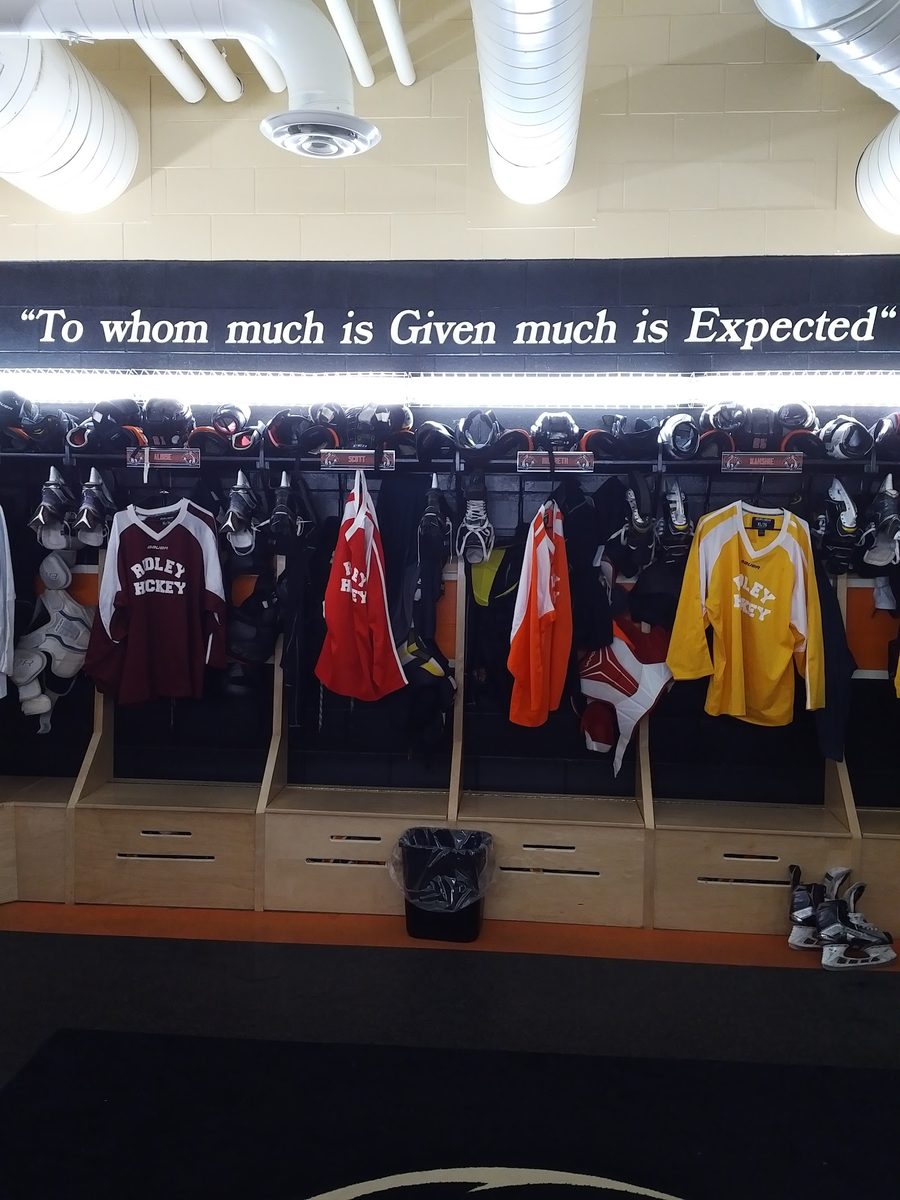
Ridley College
St Catharines · Canada
St Catharines day-and-boarding school blending Ontario's OSSD with the full IB continuum
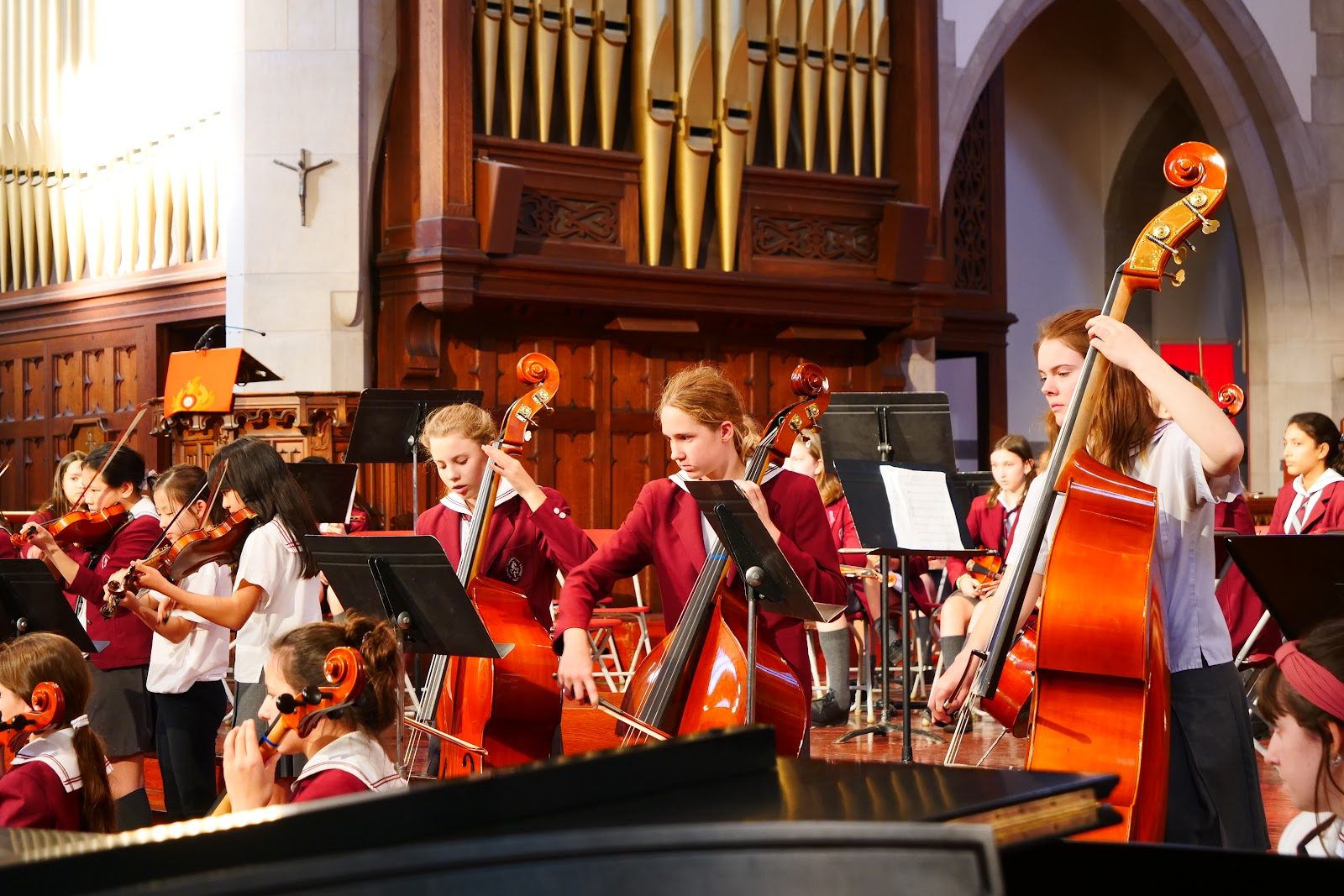
The Bishop Strachan School
Toronto · Canada
Founded in 1867 in Forest Hill, this Anglican school remains Canada's oldest continuously operating girls' day and boarding institution.
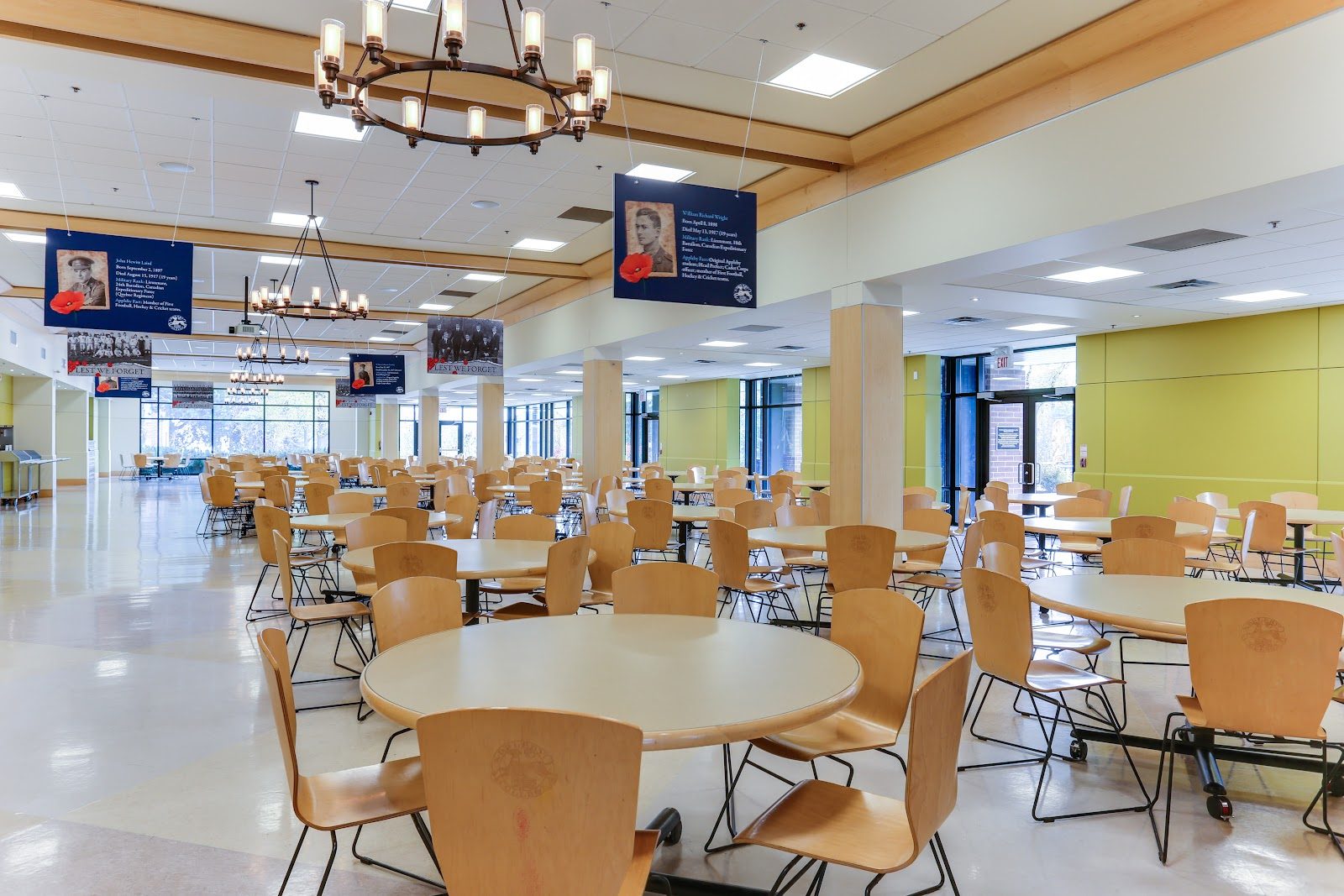
Appleby College
Oakville · Canada
A lakeside Oakville campus where every senior boards by tradition, and leadership training unfolds on a private island in Temagami.
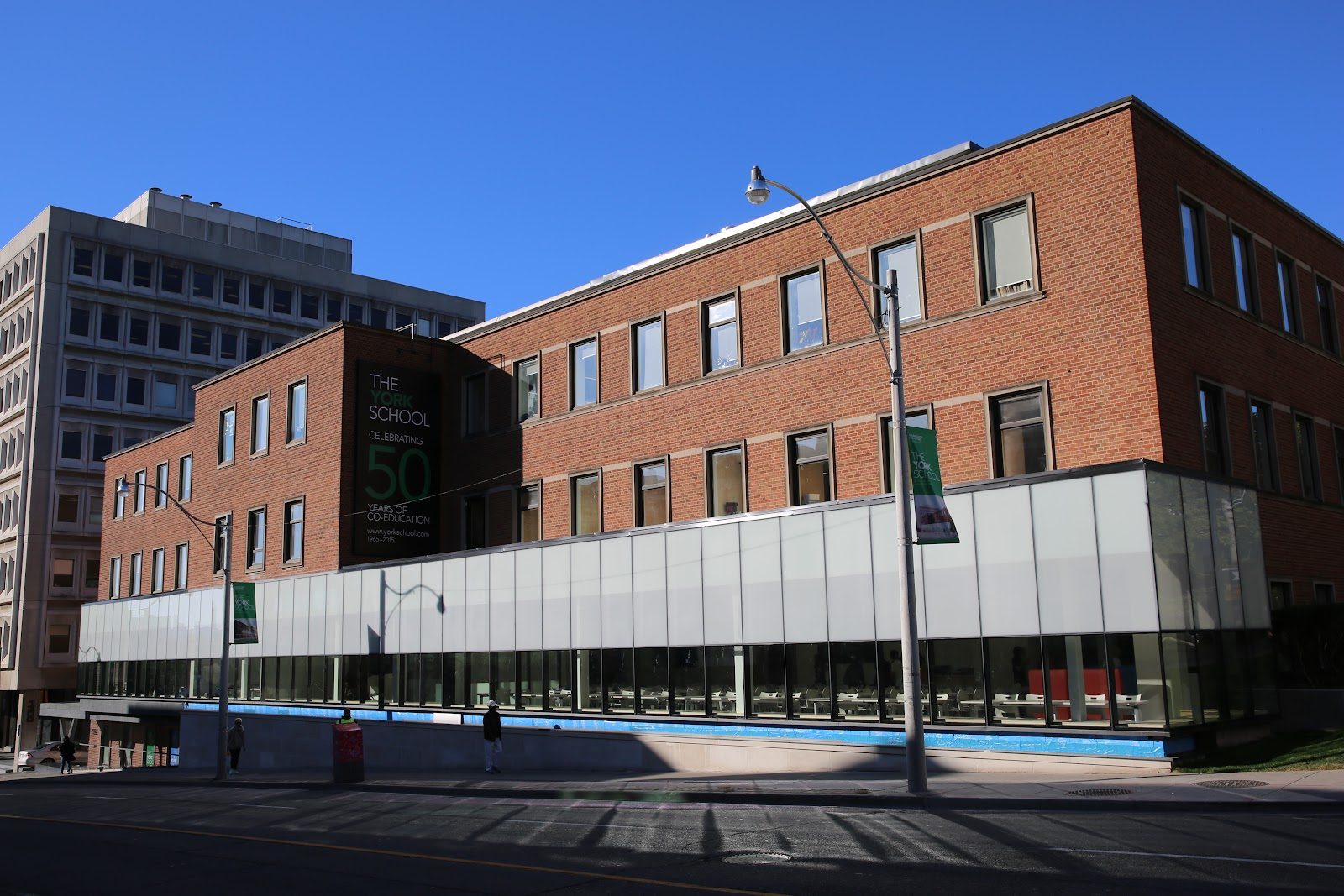
The York School
Toronto · Canada
First English-speaking school in Canada certified for the full IB continuum, JK to Grade 12, on midtown Toronto's Yonge Street corridor.
Same country and curriculum — closest matches within ±10 points either way