
Dublin
Overseen by the Erasmus Smith Trust since 1669, this Rathgar day school merged with its Diocesan sister school in 1974 to go co-educational.
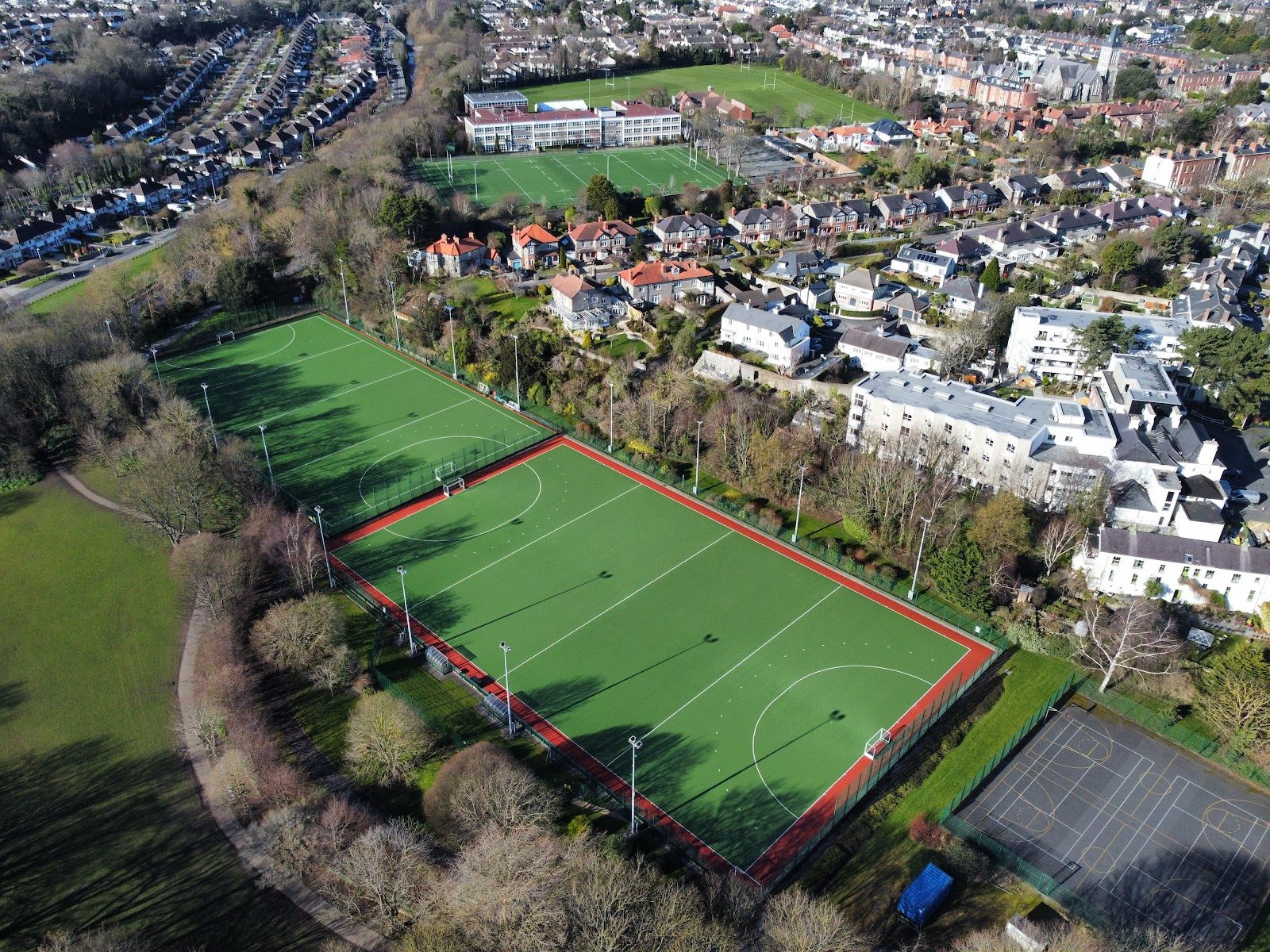
Type
Day
Ages
12–18
Curriculum
Irish Leaving Certificate
Ratio
—
The Verdict
Editor's commitment
Right for
Families wanting a Rathgar day school for ages 12–18, Church of Ireland in character and firmly centred on the Irish Leaving Certificate.
Wrong for
Anyone seeking boarding, a through-school below age 12, or an international curriculum beyond the Irish Leaving Certificate.
Watch out for
Founded in 1870 and overseen by the Erasmus Smith Trust since 1669, it carries institutional weight; the average annual fee is €7,450.
Ranking breakdown
The High School Dublin · #229 of 1591
Composite score 74.7. 8 weighted criteria.
By criterion
Academic Outcomes
Weight 20%
#208
of 1529 scored
University Placement
Weight 16%
#305
of 1529 scored
Prestige & Heritage
Weight 12%
#92
of 1529 scored
Alumni Network
Weight 12%
#144
of 1529 scored
Facilities
Weight 12%
#419
of 1529 scored
Transparency & Communications
Weight 8%
#40
of 1529 scored
Peer & Industry Review
Weight 10%
#255
of 1529 scored
Admissions Selectivity & Demand
Weight 8%
#1232
of 1529 scored
Peer & Industry Review
How The High School Dublin is regarded in the sector
76
Strong · medium confidence
I could not verify at least two independent third-party sources (e.g., Tatler, Good Schools Guide, Sunday Times rankings, or Irish inspectorate reports) discussing The High School Dublin's reputation. Without concrete, verifiable independent coverage, I cannot responsibly assign a score.
Editors' overview
The High School Dublin trades on something more durable than branding: institutional continuity. This Rathgar day school sits under the Erasmus Smith Trust, with oversight stretching back to 1669, and the school itself dates from 1870. The decisive modern turn came in 1974, when it merged with its Diocesan sister school and went co-educational. That gives it a distinct place in the Dublin market: not a new entrant dressed up in heritage language, but an old Protestant school that has had to adapt without surrendering its character. It remains Church of Ireland, teaches through English, and runs the Irish Leaving Certificate for ages 12–18. Parents looking for an imported British or IB product should look elsewhere; this is a local senior school with a clear sense of itself.
What puts it on a shortlist is the combination of tradition, affordability and focus. An average annual day fee of €7,450 places it far below the fee level attached to most international-style independents, yet it still occupies recognisable independent-school territory. That matters in Dublin, where many schools talk up ethos and outcomes while offering little distinctiveness beyond exam preparation. The High School’s distinctiveness lies in its lane: a fee-paying, Church of Ireland, academically oriented day school with a long institutional memory and a defined age range. There is no scattergun all-through proposition here, no nursery-to-sixth-form sprawl, and no attempt to be everything to everyone. That narrower brief is a strength for families who want a serious secondary education without the inflated theatre that clings to parts of the independent sector.
The pupil who will want The High School is one who values structure, adult expectations and a school culture with deep roots. It suits families who want the Irish Leaving Certificate rather than an international curriculum, and who prefer a day-school life in Rathgar to a more transient, globally marketed model. It will also suit those comfortable with a Church of Ireland foundation, even if their interest is less confessional than cultural. Children who need a highly progressive atmosphere, a broad menu of curriculum pathways or the social scale of a large all-through campus may find it too bounded. For the right student, though, that boundedness is the point: a self-possessed Dublin senior school, grounded in tradition, clear in mission, and priced at a level that makes it a serious alternative to far costlier rivals.
Academic Performance
The High School does not publish the kind of granular public results data that would let parents place it precisely against Dublin’s strongest fee-paying competitors. We have not seen aggregate Leaving Certificate points, subject-entry breakdowns, top-grade proportions or university destination tables. That limits serious scrutiny. In a market where academically confident schools increasingly put hard numbers into the public domain, the absence of that data matters. It does not prove weak outcomes; it does leave the school asking families to trust reputation, internal culture and anecdote more than cold public evidence.
That said, the school’s long-standing academic identity, selective independent context and narrow senior-school brief point towards a serious exam culture rather than a loose or mixed-attainment model. The question is not whether pupils sit demanding exams; they do. The question is how far results rise above the already strong Irish independent-school baseline. Without published headline measures, The High School sits in the category of schools with credible academic intent but opaque external proof. For parents comparing it with rivals that disclose destination profiles and top-end attainment in detail, that opacity is a real weakness. For families who value fit, discipline and school culture over league-table signalling, it will weigh less heavily.
Facilities
The High School’s facilities profile is hard to judge in full because the school does not publish the kind of detailed estate overview that stronger communicators now provide. We have not seen a clear public account of specialist teaching spaces, sports provision, arts infrastructure or recent capital investment. That gap matters because peer schools in Dublin’s fee-paying bracket, and certainly those above it, now spell out labs, performance spaces, indoor sports capacity and outdoor grounds with precision. Here, the picture is less legible than it should be. What can be said with confidence is that this is not a campus sold on spectacle. Families looking for the arms-race version of independent-school facilities — gleaming wellness centres, showpiece theatres, vast all-weather sports complexes — should not put this school at the top of the list.
That does not make the provision weak; it makes it plainly under-explained. For a focused senior day school, the core test is simple: do pupils have competent subject rooms, workable science spaces, decent games provision and the infrastructure to support sixth-form study without fuss? The school gives no strong public reason to doubt that baseline, but neither does it offer the kind of evidence that lifts facilities into a selling point. Against peer schools, that places The High School in a functional rather than aspirational bracket. Parents choosing it should do so for ethos, structure and fit, then inspect the site in person and test whether the physical environment feels serious enough for the years that matter most.
The High School Dublin trades on something more durable than branding: institutional continuity
Prestige
The High School carries real local standing, but not the kind of prestige that travels far beyond its own market. In Dublin, its name has weight because it belongs to an older Protestant institutional world that still confers social recognition among families who know the city’s fee-paying schools well. That matters. Prestige in schools does not rest only on exam statistics or glossy facilities; it also rests on who has heard of the place, who rates it, and which networks it feeds. The High School benefits from that embedded reputation. Its average annual fee of €7,450 also sharpens the point: this is not prestige purchased through eye-watering pricing or imported-brand positioning, but through continuity, selectivity of audience and a well-established social identity.
The rating stops short of top-tier national prestige for one reason: the school does not publish enough hard outcome data to convert reputation into unarguable academic authority. Parents can identify the school’s cultural confidence and old-school gravitas quickly; they cannot test those qualities against a clear set of public attainment measures. That leaves The High School in a distinctive bracket: respected, recognisable and socially legible, but less publicly validated than the most transparent academic heavyweights. For families who value tradition, community and a school name that still opens nodding recognition in Dublin, that prestige is genuine. For families chasing headline status or internationally portable cachet, it has clear limits.
That matters in Dublin, where many schools talk up ethos and outcomes while offering little distinctiveness beyond exam preparation
Communications
The High School’s parent communication has a reserved, old-school quality. The website covers the essentials cleanly enough: contact routes are easy to find, the school’s ethos is legible, and practical information for admissions and day-to-day life is not buried under branding sludge. That matters. Too many schools now mistake volume for clarity. Here, the tone is tighter and more disciplined. The weakness lies elsewhere. The school does not use its public channels to publish the kind of hard operational and academic detail that helps parents judge a school with confidence. We have not seen strong public reporting on outcomes, facilities or wider school performance, and that makes communication less transparent than it needs to be. For existing parents who already know the culture, that may feel sufficient; for outsiders making a serious comparison, it is a material handicap.
That gap points to a school that communicates from a position of inherited trust rather than competitive urgency. In a lower-fee independent setting — an average of €7,450 a year — some families will accept that trade-off gladly if day-to-day messages are prompt, direct and orderly. But effective parent communication is not only about notices and email cadence; it is also about institutional candour. On that measure, The High School is competent rather than exemplary. It tells parents enough to function. It does not tell them enough to scrutinise.
Uniqueness
What marks The High School out is not novelty but institutional coherence. Many independent schools assemble an identity from programmes, branding and facilities language. This one draws its distinctiveness from a tighter source: a Protestant educational tradition that still shapes the culture without needing to shout about it. That gives students a school with clear boundaries, adult authority and a settled sense of what secondary education is for. The age range sharpens that effect. With no lower-school sprawl to dilute attention, the school’s energy sits where adolescents need it most: on the demanding middle and senior years, when habits, resilience and academic discipline either harden or slip.
That distinctiveness brings practical benefits. Pupils enter a community that is socially legible from the outset: expectations are easier to read, behaviour codes carry weight, and belonging does not depend on hype. The fee level — an average of €7,450 a year across the school’s span — adds another unusual feature. Families buy into an old, recognisable independent-school culture without paying the inflated tariffs now attached to many prestige-conscious rivals. The trade-off is obvious. Students who want restless innovation, a buffet of pathways or a more experimental social climate will find the model narrow. Students who thrive on structure, continuity and a school identity that feels settled rather than performed get something rarer than marketing novelty: a school that knows exactly what it is.
We have not seen aggregate Leaving Certificate points, subject-entry breakdowns, top-grade proportions or university destination tables
Student Profile
The High School suits students who do not need constant entertainment to stay engaged. The best fit is a teenager who can work within clear rules, accept adult authority and tolerate a culture that values steadiness over self-display. This is not the place for a child who wants endless subject permutations, a highly informal staff-student dynamic or a school identity built around trend-conscious pastoral language. It will work better for pupils who are comfortable in a tradition-minded environment, who can handle a socially defined community, and who value a peer group where academic purpose carries status. At an average annual fee of €7,450, it also draws families who want an independent-school setting without the luxury-performance nonsense that surrounds pricier rivals.
Socially, the school will fit students who can read a room and adapt to established norms without demanding that the institution bend around them. That does not mean conformity in the deadening sense; it means maturity, restraint and a willingness to take school seriously. Children who need a highly expansive, ultra-progressive atmosphere, or who thrive only when a school makes a theatrical display of inclusion and choice, will find the culture too bounded. Pupils who like structure, predictable expectations and a community with old institutional habits will find a stronger match. For the right student, that can be quietly bracing: less performance, more substance.
For parents comparing it with rivals that disclose destination profiles and top-end attainment in detail, that opacity is a real weakness
Co-curricular strengths
Arts & sport, on a separate axis
Overall 7.7/10
Scored 0-10 from the school's own published evidence. This axis is editorial-only — it does not feed the main WTS ranking.
Sports
8.5/10
Drama
8.5/10
Dance
4.5/10
Music
8.5/10
Visual Arts
8.5/10
Editor first-pass · editor-reviewable · 7/30/2026
WTS 300 badge
The High School Dublin is one of the World's Top 300 Schools. Claim your listing to add it to your site →
Strengths
- +Long-established institution founded in 1870, giving it 150+ years of continuous operation as a Dublin secondary school.
- +Recorded strong Leaving Certificate results in 2024, with 95.1% of higher-level papers achieving grade H5 or above.
- +Broad extracurricular programme spanning rugby, hockey, cricket and tennis alongside debating, Model UN, chess/robotics, choir, orchestra and drama societies.
- +2025/26 tuition fee of 7,450 euro is set out transparently on the school website, with a family discount for multiple siblings enrolled.
- +Was ranked among Ireland's top mixed, fee-paying feeder schools for university progression in the mid-2010s, including strong entry rates to Trinity College Dublin.
Considerations
- −It is a fee-charging school, so places carry an ongoing tuition cost plus a substantial, non-refundable deposit once an offer is made.
- −Curriculum is limited to the Irish Leaving Certificate, with no IB or A-level pathway, which may complicate transitions for internationally mobile families.
- −Most independently verifiable performance rankings cited by the school date to 2015-2017, with less recent third-party benchmarking publicly available.
- −Church of Ireland ethos and patronage may be a consideration for families seeking a secular or differently-affiliated school environment.
Availability
Primary entry gate & tests
Academic Record + Interview
Parent reviews
Have you sent your child here?
Voice reviews carry the strongest trust badge — we transcribe them for you to tidy up before they go live. Prefer to type? A written review is fine too.
Add your voice
In 60 seconds, tell other parents: what's the best thing about The High School Dublin, and what surprised you when your child joined?
We ask for a Google sign-in so every review has a real face behind it — no anonymous drive-by attacks on schools, and no faked positive reviews. Your email is never shown publicly.
Send this profile to a friend
International parents rely on word-of-mouth. Share this review with someone weighing the same decision.
Schools with places
Similar schools to The High School Dublin with places available now.
Availability first, then country, area, curriculum, price, co-curricular
Consider also
Also worth looking at alongside The High School Dublin.
St. Andrew's College Dublin
Dublin · Ireland
First in Ireland to gain IB Diploma authorisation, this interdenominational Booterstown day school still hosts its own Model UN each Easter.
St. Kilian's Deutsche Schule Dublin
Dublin · Ireland
A 1950s refugee-aid charity's legacy now runs a dual-track Abitur and Leaving Cert campus shared with a French lycee in Clonskeagh.
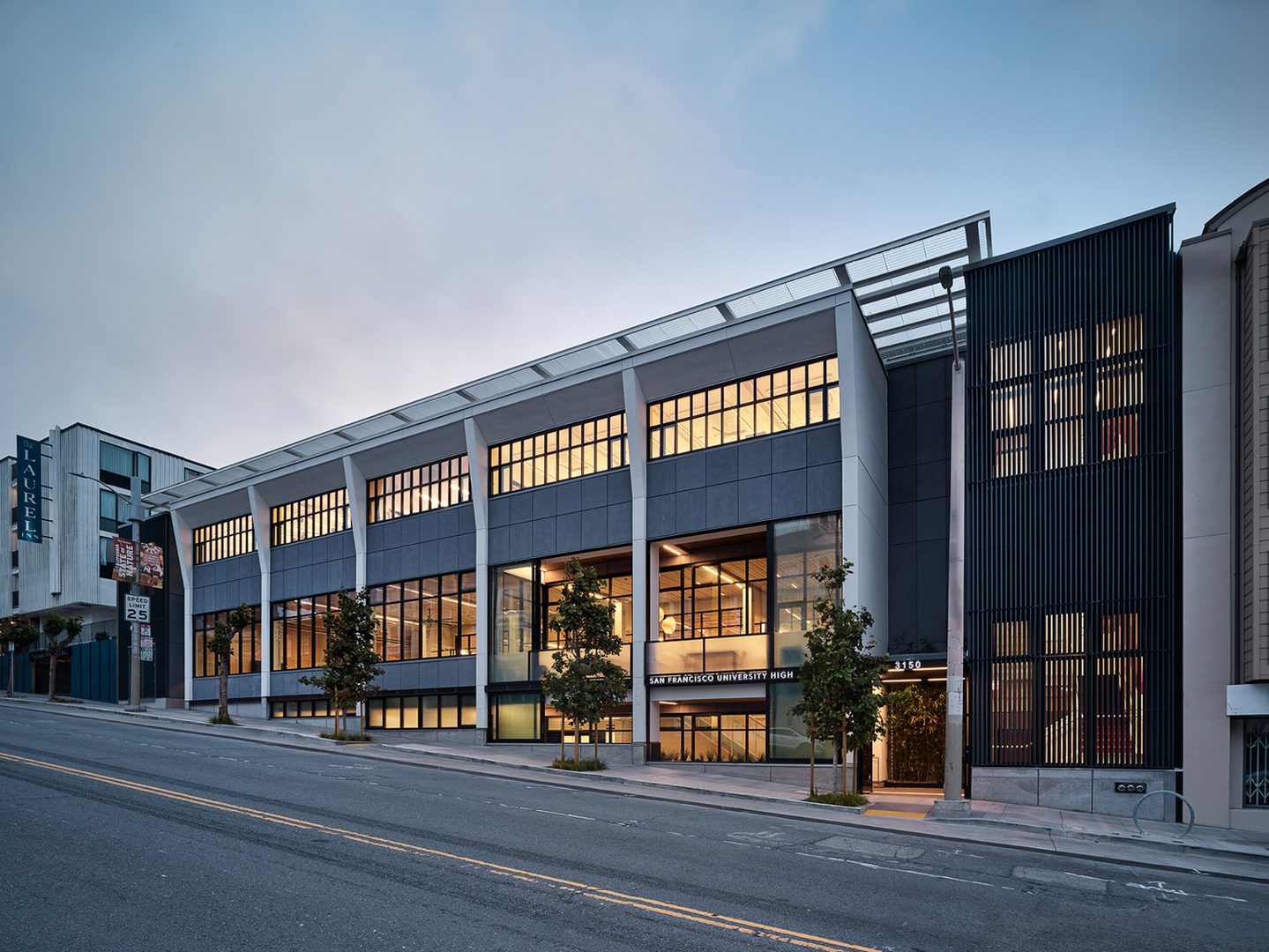
San Francisco University High School
San Francisco · United States
Inside a 1917 Julia Morgan building in Pacific Heights, a signature Civilization seminar drives independent-study scholarship.
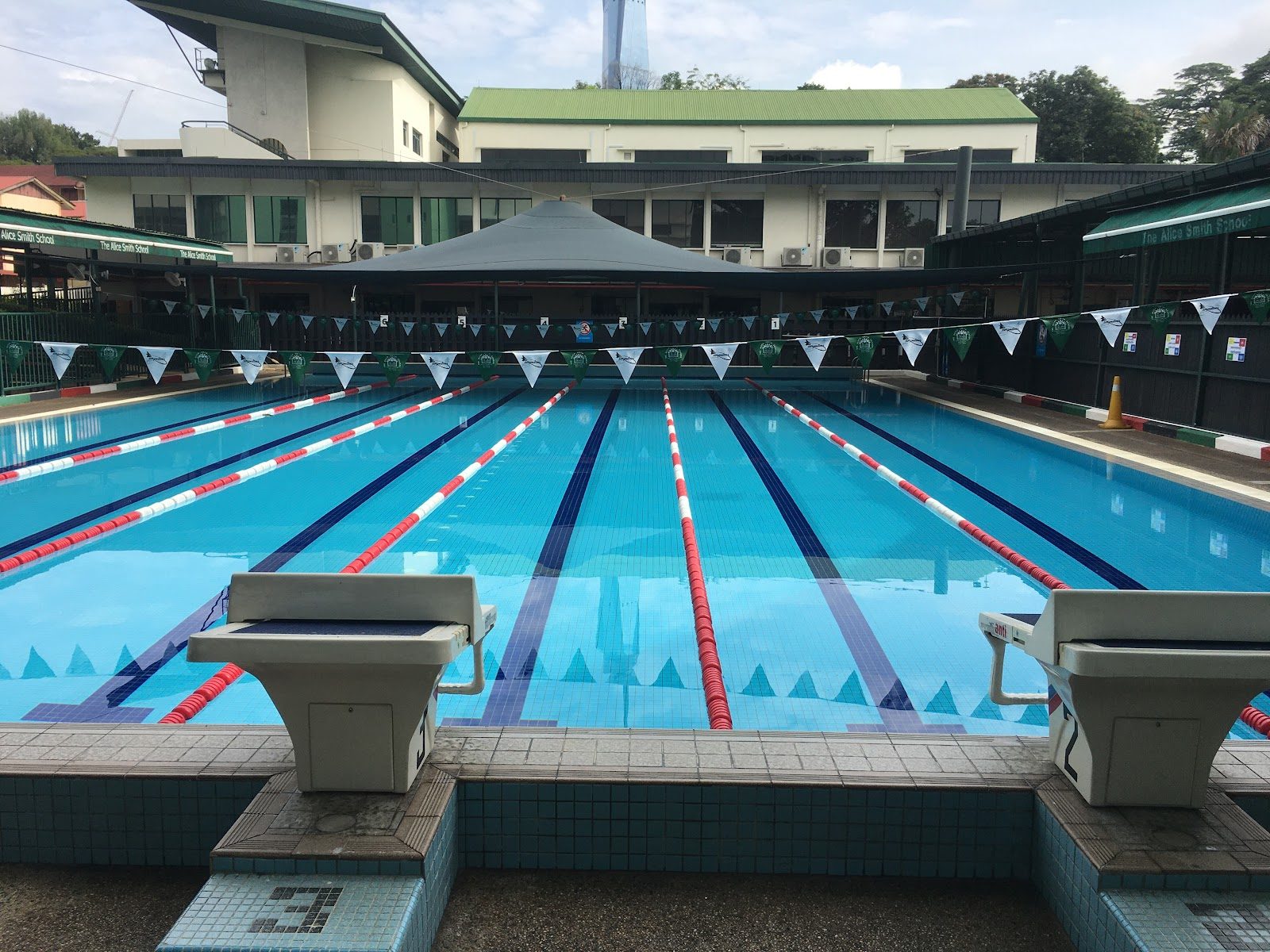
Alice Smith School
Kuala Lumpur · Malaysia
Malaysia's first British international school, still run not-for-profit, pairs A-Level rigour with an IAAF-certified running track.
Same country and curriculum — closest matches within ±10 points either way