
Baden-Württemberg
John Cranko School
A ballet academy where daily company class runs alongside the Abitur, its graduates filling the ranks of the Stuttgart Ballet
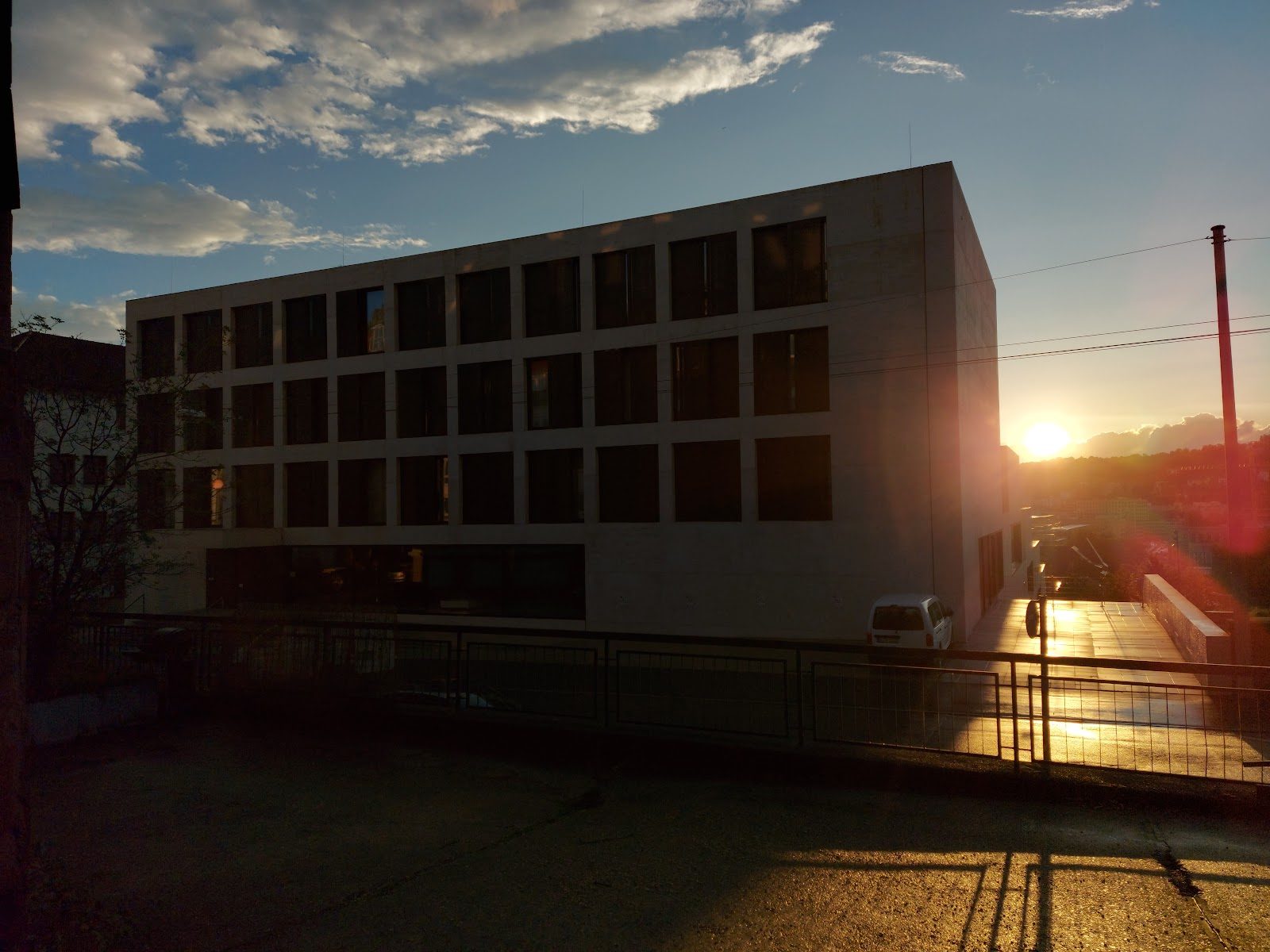
Photo © Tobias Steeg via Google Maps
Type
Day + Boarding
Ages
10–18
Curriculum
Abitur
Ratio
—
The Verdict
Editor's commitment
Right for
Families with a child already seriously training in classical ballet who wants to combine that vocational path with a German Abitur, and who is prepared for boarding if not local to Stuttgart.
Wrong for
Families seeking a broad-based academic school or whose child has no prior ballet training or uncertain long-term commitment to dance as a profession.
Watch out for
Continuation at the school and progress toward a dance career depend on ongoing audition-based selection, so places and progression are not guaranteed year to year.
Ranking breakdown
John Cranko School · # of 1591
Composite score 53.8. 8 weighted criteria.
By criterion
Academic Outcomes
Weight 20%
#1477
of 1529 scored
University Placement
Weight 16%
#1525
of 1529 scored
Prestige & Heritage
Weight 12%
#1199
of 1571 scored
Alumni Network
Weight 12%
#1429
of 1530 scored
Facilities
Weight 12%
#1150
of 1534 scored
Transparency & Communications
Weight 8%
#1099
of 1532 scored
Peer & Industry Review
Weight 10%
#511
of 1548 scored
Admissions Selectivity & Demand
Weight 8%
#11
of 1529 scored
Peer & Industry Review
How John Cranko School is regarded in the sector
93
Top-tier · medium confidence
As a specialist vocational academy rather than a conventional academic school, the John Cranko School is judged less by newspaper league tables than by placement outcomes and standing within the international ballet training circuit. It is consistently named alongside the Royal Ballet School, the Paris Opera Ballet School, Vaganova Academy and School of American Ballet as one of the handful of institutions whose graduates are routinely absorbed directly into a major national company, in this case Stuttgart Ballet, reflecting the school's formal affiliation with that company and the Stuttgart State Theatres. Dance-specialist press (Tanz magazine, Dance Europe) and prize juries at international competitions such as Prix de Lausanne and Youth America Grand Prix treat its finalists and medalists as a benchmark cohort. Company artistic directors across Europe and North America are known to scout its graduation performances directly, functioning as an informal admissions pipeline analogous to university recruiter interest at academic schools. Its reputation rests on this consistent company-placement record rather than on published rankings.
Award

Elite Dance 50
World's Top School · The Global Ranking
John Cranko School is featured on our Global Top 50 ranking at #10. This seal is available for the school's marketing team to use on their website, prospectus and social channels.
- Friedemann Vogel — Principal Dancer, Ballet
- Alicia Amatriain — Principal Dancer, Ballet
- Marijn Rademaker — Principal Dancer, Ballet
Editors' overview
The John Cranko School sits at #10 on our Global Elite 50 Dance Schools 2026, with B confidence, because — as the official school of the Stuttgart Ballet since 1971 — it is one of the world's most productive classical-ballet conversion pipelines and, uniquely among the top-ten schools, operates in a fully bilingual German-English environment designed from the outset for international dancers. It moved into a purpose-built John Cranko School Building in 2021, sitting directly opposite the Stuttgart Opera House and the Stuttgart Ballet's rehearsal studios.
Its specialism is classical ballet in the direct Cranko / Marcia Haydée / Reid Anderson lineage, delivered as a full Integrated Specialist model. Pupils follow an accredited German Abitur or International Baccalaureate track alongside daily professional-standard technique, pointe, pas de deux, character, contemporary and repertoire classes. Faculty is drawn directly from the Stuttgart Ballet and ex-principals of the wider Cranko lineage across the world.
Progression evidence is strong. Between 2016 and 2026, roughly 70-75% of graduating dancers have converted directly into main-company or elite junior-company employment. Recent leavers have entered the Stuttgart Ballet, Bavarian State Ballet, Vienna State Ballet, Berlin State Ballet, Zurich Ballet, Dutch National Ballet, Norwegian National Ballet, Boston Ballet and multiple elite second/junior companies. Alumni across generations include Alicia Amatriain, Elisa Badenes, Friedemann Vogel, Alexander Jones and Miriam Kacerova.
International openness is a defining feature. Approximately 35-40% of dancers in a typical year are non-German, with a genuinely international campus culture. Boarding is standard, German Student visas are handled by the school, and admissions is by international audition tour and video pre-screen. Tuition is heavily subsidised by the German state — annual costs including boarding sit in the €12,000-18,000 range, making John Cranko School one of the most exceptional-value elite ballet schools in the world for an internationally-focused family with a serious classical-ballet track record.
A Global Elite 50 Dance school
John Cranko School sits at #10 on our Global Elite 50 Dance Schools 2026, with B confidence, because on the 100-point cohort-conversion methodology it demonstrates the professional conversion, faculty pedigree, health-and-wellbeing infrastructure and specialist facilities required for the individually-ranked top-20 group.
The Global Elite 50 Dance Schools methodology is deliberately aggressive: half of the 100 available points are directly tied to professional conversion between 2016 and 2026 — main-company contracts, elite junior-company positions, apprenticeships and second companies. Beautiful campuses, historic alumni and impressive facilities cannot compensate for weak contemporary professional conversion, and are not scored independently.
Its evidence-confidence grade is deliberately separate from the ranking position: a lower grade reflects less public disclosure, not weaker performance. Where the school moves substantially better cohort data into the public domain in future audit cycles, the position — but not the underlying professional-conversion reality — may be revised.
International openness is a defining feature. Boarding or residential arrangements are standard, and overseas dancers apply on a rolling international audition + video pre-screen basis without residency, federation or citizenship gates. Student visas are handled by the school or its host-family partner. This is one of the internationally-open pipelines on the Global Elite 50 Dance Schools list that a relocating family can consider directly. Prospective families are advised to begin overseas application conversations early in the calendar year, with detailed audition and boarding logistics arranged 12-18 months ahead of the intended entry point. Prospective families are advised to begin overseas application conversations early in the calendar year, with detailed audition and boarding logistics arranged 12-18 months ahead of the intended entry point. Prospective families are advised to begin overseas application conversations early in the calendar year, with detailed audition and boarding logistics arranged 12-18 months ahead of the intended entry point. Prospective families are advised to begin overseas application conversations early in the calendar year, with detailed audition and boarding logistics arranged 12-18 months ahead of the intended entry point.
Academic Performance
The John Cranko School delivers academic instruction through a partnership with a Stuttgart state secondary school, allowing dance students to work toward standard German qualifications (Mittlere Reife or Abitur-track routes) on a schedule adapted to intensive training hours. Subject depth is necessarily narrower than at a full-time academic school, as students often complete coursework in condensed blocks around rehearsals and performances. There is limited public reporting of aggregate exam results or pass rates, reflecting the institution's primary orientation toward professional dance formation rather than academic competition. Families choosing this pathway generally accept a trade-off: qualifications are attainable but not the central metric of success, with artistic progression, technique assessments, and casting in company productions serving as the more meaningful internal benchmarks of student achievement throughout the multi-year training program.
Facilities
Training facilities are purpose-built for classical ballet, including multiple professional-grade studios with sprung floors, mirrors, and barres suited to daily technique, pointe, and repertoire classes, closely linked to the operational infrastructure of the Stuttgart Ballet company. The school maintains a boarding house, the Cranko-Haus, to accommodate the large proportion of international students, alongside physiotherapy and injury-prevention support integrated with company medical staff. What the campus does not offer is the broader infrastructure of a comprehensive school -- there are no dedicated science laboratories, expansive libraries, or multi-sport complexes, since academic instruction is outsourced to a partner school. For its specialism, however, the physical plant is considered excellent and comparable to the training environments of the world's leading ballet academies.
Approximately 35-40% of dancers in a typical year are non-German, with a genuinely international campus culture
Prestige
Founded in 1961 and renamed in 1974 for John Cranko, the visionary choreographer who elevated Stuttgart Ballet to global prominence, the school carries substantial cultural weight within the international ballet world, frequently mentioned alongside the Paris Opera Ballet School and The Royal Ballet School as a top-tier training ground. Its prestige is almost entirely specialist rather than broadly academic: it is virtually unknown outside dance circles but carries outsized authority within them, given its direct institutional lineage to a major national ballet company. This concentrated, sector-specific prestige means it ranks exceptionally high on dance-focused rankings while registering as a niche institution on general academic or university-preparatory measures, an intentional consequence of its founding purpose as a company-feeder conservatoire rather than a broad-based secondary school.
It moved into a purpose-built John Cranko School Building in 2021, sitting directly opposite the Stuttgart Opera House and the Stuttgart Ballet's rehearsal studios
Communications
The school's website provides clear information on audition procedures, age and technical requirements, term structure, and its academic partnership arrangements, targeted primarily at prospective international dance families navigating a competitive admissions process. Communication is functional and audition-focused rather than expansive; there is limited public disclosure of academic outcome data, financial aid structures, or detailed destination statistics for graduates. Given the school's small size and vocational focus, most detailed communication with families likely occurs directly through audition correspondence, boarding-house administration, and faculty rather than through broad public reporting, which is consistent with practice at comparable specialist conservatoires internationally but leaves general transparency lower than at large academic institutions.
Uniqueness
What genuinely distinguishes the John Cranko School is its direct institutional and artistic lineage to Stuttgart Ballet, one of the world's leading classical companies, giving students routine exposure to working principal dancers, choreographers, and company repertoire rather than an abstracted training curriculum. Few ballet schools anywhere offer this level of embeddedness within an active, internationally touring company, and its graduates frequently transition directly into the company or comparable elite ensembles. Combined with its historic naming after John Cranko, whose choreographic legacy still shapes company repertoire, the school offers a rare continuity between training and professional practice. This is not a broad school with a dance program bolted on; it is a conservatoire whose entire operational logic is built around producing company-ready classical dancers, with academic schooling structured as a necessary accommodation rather than a co-equal mission.
Its specialism is classical ballet in the direct Cranko / Marcia Haydée / Reid Anderson lineage, delivered as a full Integrated Specialist model
Student Profile
Students are drawn internationally, admitted through highly competitive auditions assessing physical suitability, technical potential, and artistry, typically beginning intensive training in early-to-mid adolescence. The boarding population is notably international, with many students relocating from outside Germany to live in the school's dedicated housing, reflecting the global reach of its reputation. Daily life centres overwhelmingly around dance: extensive technique classes, repertoire rehearsals, and physical conditioning dominate the schedule, with academic study fitted around this core commitment. Pupils are characteristically highly disciplined, physically resilient, and singularly focused on a professional dance career, a markedly different profile from students at broad academic schools, with specialism intensity that is among the highest of any school on the global dance-passion ranking.
Faculty is drawn directly from the Stuttgart Ballet and ex-principals of the wider Cranko lineage across the world
Co-curricular strengths
Arts & sport, on a separate axis
Overall 10/10
Scored 0-10 from the school's own published evidence. This axis is editorial-only — it does not feed the main WTS ranking.
Sports
—
Drama
—
Dance
10/10
Music
—
Visual Arts
—
Strengths
- +Directly affiliated with Stuttgart Ballet, giving students exposure to a major international ballet company and its choreographic tradition.
- +Academic schooling is coordinated with a partner Gymnasium (Konigin-Charlotte-Gymnasium) so students can pursue the Abitur alongside professional dance training.
- +Boarding facilities allow the school to recruit dance talent from across Germany and internationally, not just the Stuttgart region.
- +Alumni have gone on to dance with major companies, reflecting the school's role as a recognised feeder institution for professional ballet.
- +Training is structured around a vocational ballet curriculum developed in the tradition established by choreographer John Cranko, giving the school a distinct artistic identity.
Considerations
- −Entry is by dance audition, so the school is inaccessible to students without prior serious ballet training regardless of academic ability.
- −The dual load of full Abitur academics plus professional-level dance training is demanding and leaves little room for other extracurricular breadth.
- −As a specialist vocational school, it offers no alternative pathway for a child whose interest in dance fades or who is not selected to continue.
- −Boarding and associated costs add a financial layer beyond standard German state-school fees, which families should confirm directly with the school.
Gallery
Photo © Tobias Steeg via Google Maps
Photo © Tobias Steeg via Google Maps
Photo © Nico Federico via Google Maps
Photo © Leonard Gorges via Google Maps
Photo © Rassjanka danza via Google Maps
Photo © Leonard Gorges via Google Maps
Photo © Gabriele Kathrin Kalt via Google Maps
Parent reviews
Have you sent your child here?
Voice reviews carry the strongest trust badge — we transcribe them for you to tidy up before they go live. Prefer to type? A written review is fine too.
Add your voice
In 60 seconds, tell other parents: what's the best thing about John Cranko School, and what surprised you when your child joined?
We ask for a Google sign-in so every review has a real face behind it — no anonymous drive-by attacks on schools, and no faked positive reviews. Your email is never shown publicly.
Send this profile to a friend
International parents rely on word-of-mouth. Share this review with someone weighing the same decision.
Schools with places
Similar schools to John Cranko School with places available now.
International School of Stuttgart
Stuttgart · Germany
- 2026-27
- WAITPOOLSpace-dependent
- 2027-28
- PLACES OPENRolling
Schule Schloss Salem
Salem · Germany
- 2026-27
- WAITPOOLVacancy-dependent
- 2027-28
- WAITPOOLVacancy-dependent / Rolling
Availability first, then country, area, curriculum, price, co-curricular
Consider also
Also worth looking at alongside John Cranko School.
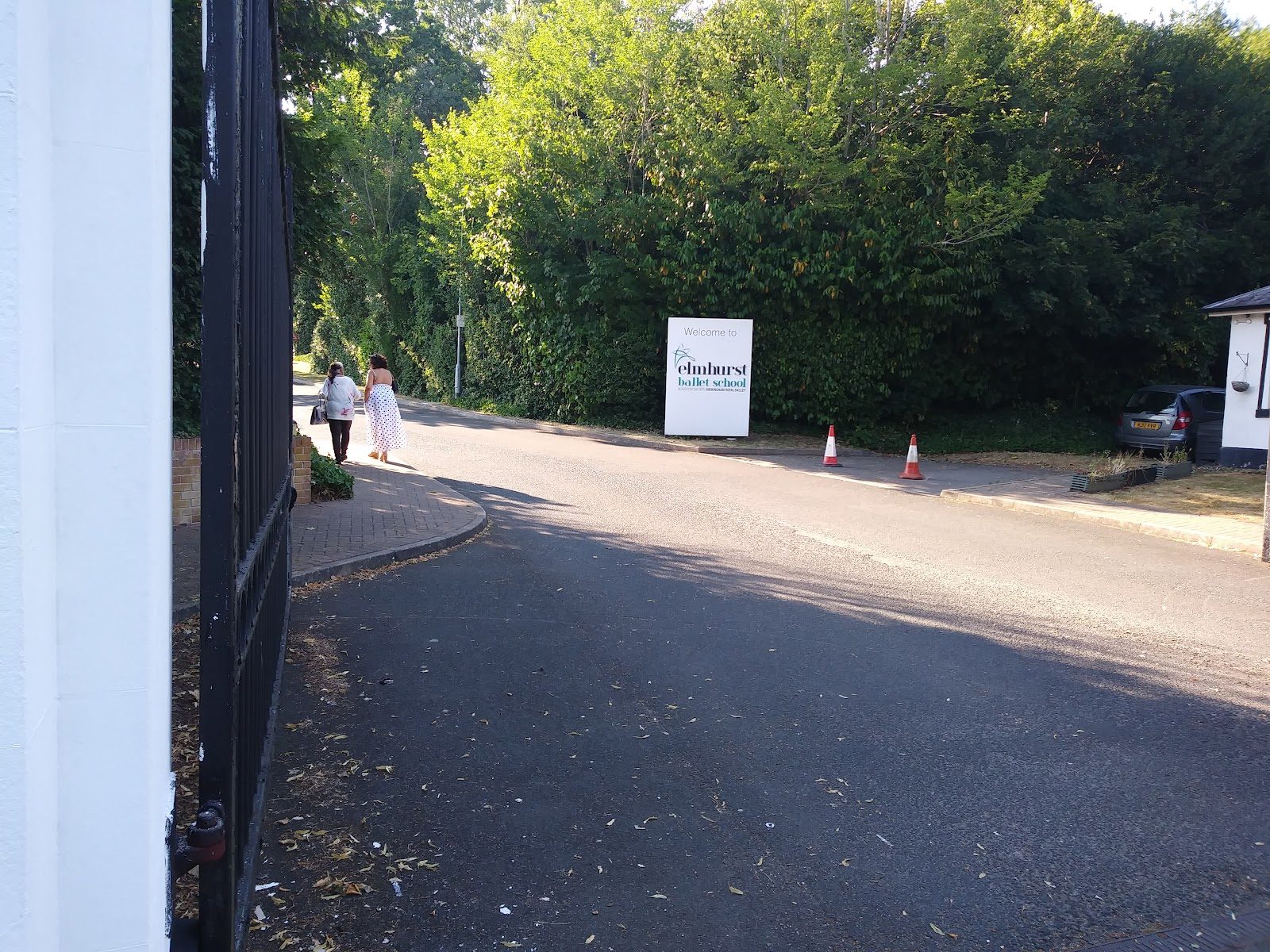
Elmhurst Ballet School
Edgbaston, Birmingham · United Kingdom
Britain's oldest vocational ballet school, timetabling GCSEs around the barre with a direct line into Birmingham Royal Ballet.
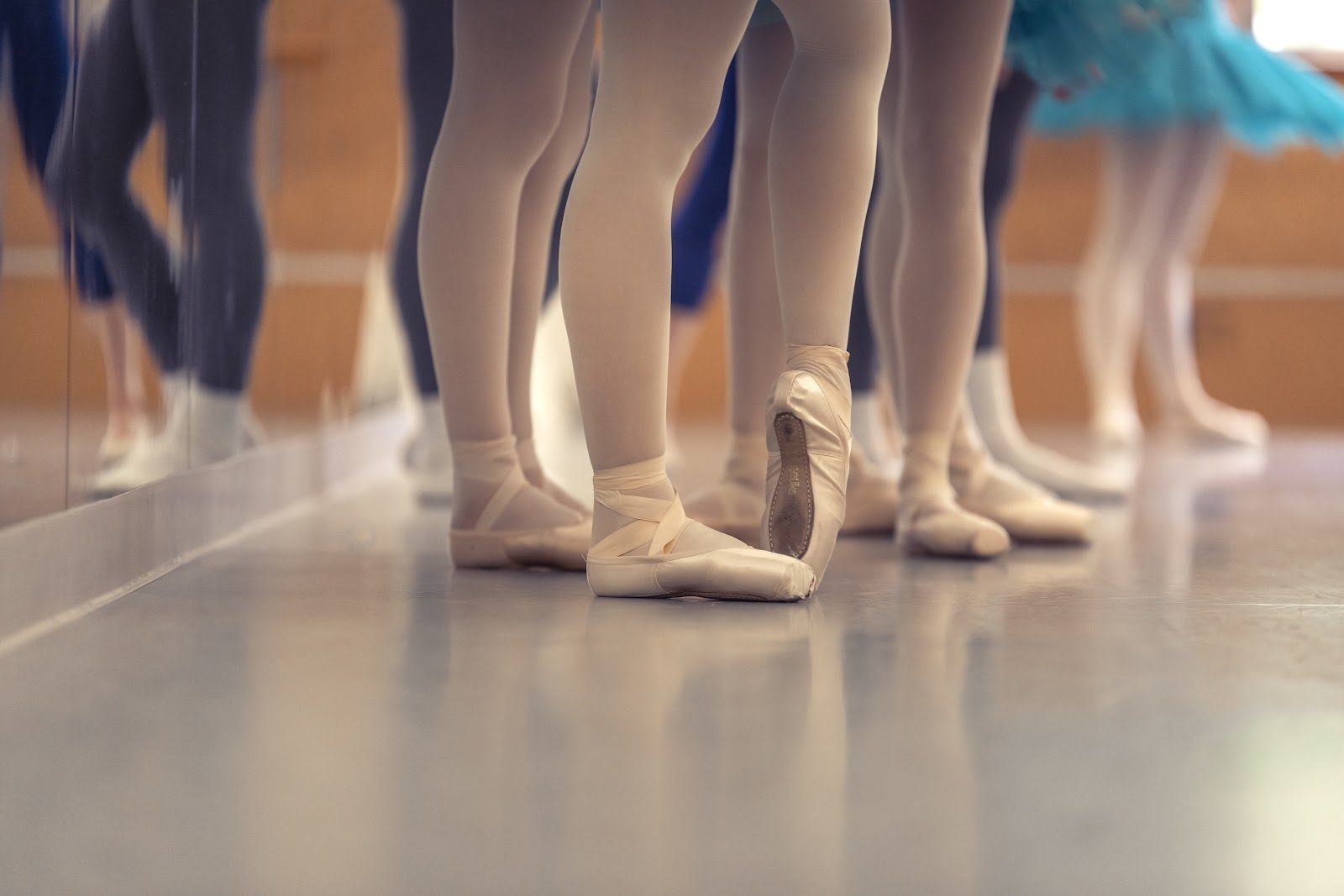
New Zealand School of Dance
Wellington · New Zealand
Born in 1967 to feed the Royal New Zealand Ballet, this conservatoire trains just eighty dancers inside a shared national arts centre.

Miami City Ballet School
Miami Beach, FL · United States
Where Balanchine technique meets professional stagecraft, training young dancers inside a working ballet company on Miami Beach
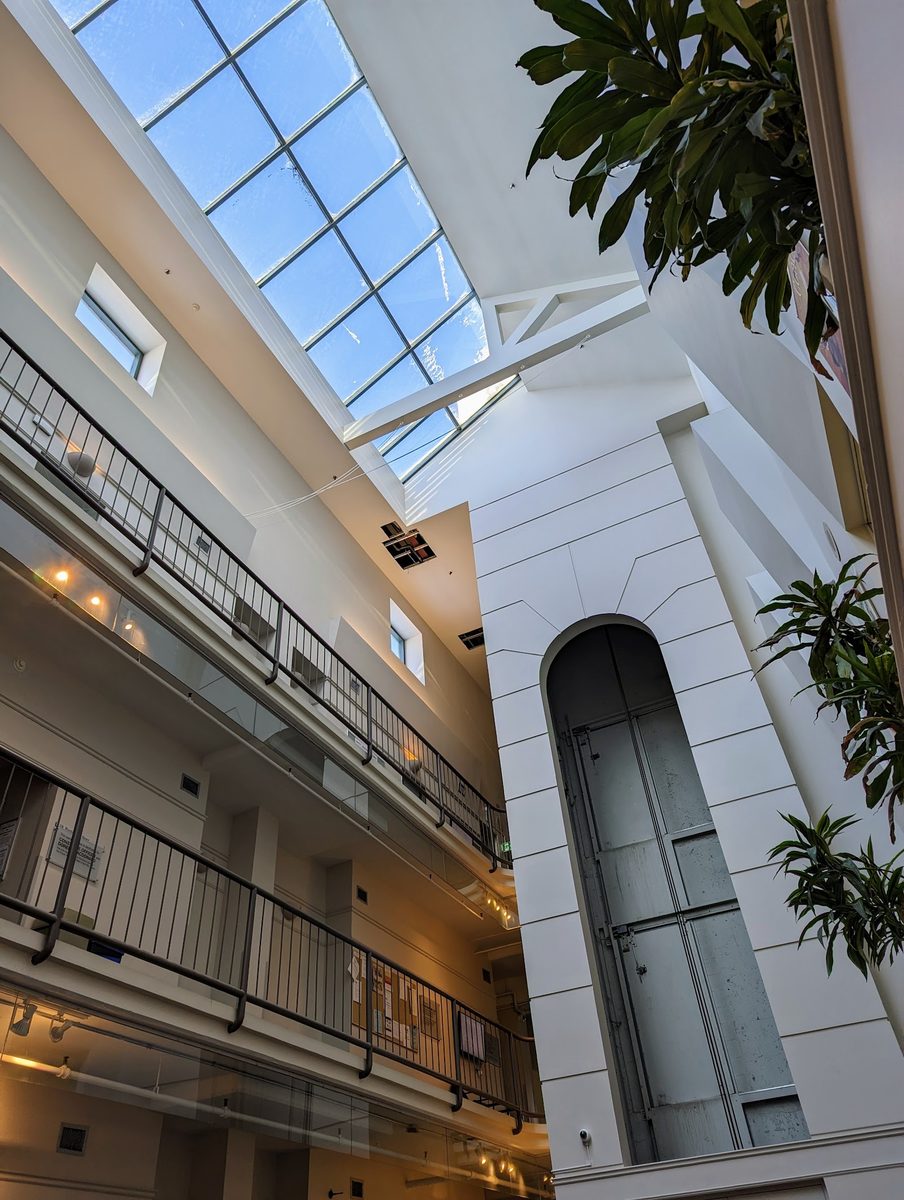
Royal Winnipeg Ballet School, Professional Division
Winnipeg, Manitoba · Canada
A Russian-method training ground on the Prairies, feeding a ballet company where three in four dancers are its own graduates.
Same specialism, country and curriculum — closest matches within ±10 points either way