
Greater London
The Royal Ballet School
A Grade I-listed royal hunting lodge in Richmond Park doubles as classroom and studio for GCSE-age dancers admitted on talent alone.

Photo © Igor A via Google Maps
Type
Boarding + Day
Ages
11–19
Curriculum
GCSE
Ratio
—
The Verdict
Editor's commitment
Right for
Talented dancers aged 11–19 who want GCSE study in English, average class size 12, and admission based purely on talent.
Wrong for
Families wanting a conventional academic school with broad subject choice, or a secular boarding and day school not built around ballet.
Watch out for
This is a specialist ballet school split between White Lodge and Covent Garden; around 90% rely on financial support to attend.
Ranking breakdown
The Royal Ballet School · # of 1591
Composite score 48.3. 8 weighted criteria.
By criterion
Academic Outcomes
Weight 20%
#1528
of 1529 scored
University Placement
Weight 16%
#1510
of 1529 scored
Prestige & Heritage
Weight 12%
#17
of 1571 scored
Alumni Network
Weight 12%
#1434
of 1530 scored
Facilities
Weight 12%
#1509
of 1534 scored
Transparency & Communications
Weight 8%
#353
of 1532 scored
Peer & Industry Review
Weight 10%
#1
of 1548 scored
Admissions Selectivity & Demand
Weight 8%
#7
of 1529 scored
Peer & Industry Review
How The Royal Ballet School is regarded in the sector
93
Top-tier · medium confidence
Within the small UK vocational-dance sector, The Royal Ballet School is consistently placed at the top alongside Elmhurst Ballet School and English National Ballet School, but heads of those rival schools and dance critics routinely defer to it as the benchmark, citing its direct pipeline into The Royal Ballet company and its Royal Charter status. The Good Schools Guide, one of the few review outlets that covers specialist performing-arts schools rather than mainstream academic league tables, singles it out for the rigor of its White Lodge junior programme and the strength of its Upper School partnership with the Royal Opera House. Ofsted inspections have rated the school outstanding for pupil welfare and training standards, a point frequently referenced in specialist education press coverage of vocational schooling. Its validated BA (Hons) in Professional Dance and Performance, delivered with Bath Spa University, gives it academic credibility that university admissions tutors in dance and performing arts programmes recognise when assessing applicants' training pedigree, distinguishing it from purely conservatoire-style rivals.
Award
Elite Dance 50
World's Top School · The Global Ranking
The Royal Ballet School is featured on our Global Top 50 ranking at #1. This seal is available for the school's marketing team to use on their website, prospectus and social channels.
- Darcey Bussell — Principal Dancer, Ballet
- Anthony Dowell — Principal Dancer/Director, Ballet
- Deborah Bull — Principal Dancer/Arts Administrator, Ballet
Editors' overview
The Royal Ballet School occupies a niche that no ordinary independent school can touch: it is a specialist pipeline for classical ballet, not a broad academic school with strong dance on the side. Founded in 1926 by Ninette de Valois, it has shaped British ballet at the highest level for a century and remains tied to the professional world in a way most performing-arts schools cannot match. Admission is based on talent and potential alone, and that fact defines the institution. This is a place for children who already live with serious artistic intent, not for families shopping for a general education with better-than-average studios. The setting sharpens the distinction: White Lodge in Richmond Park for younger pupils, Covent Garden for older students, and a daily rhythm built around elite vocational training. Average class size is 12, and the age range runs from 11–19.
What puts it on a shortlist is not charm, branding or pastoral language. It is stature, focus and outcomes in the only market that matters here: top-level classical ballet training. The school is explicit about its purpose — to train outstanding classical ballet dancers — and its alumni list carries real weight, from Margot Fonteyn to Darcey Bussell and Christopher Wheeldon. Families who want a conservatoire-track education at school age will struggle to find a British name with more authority. The financial model also matters. Around 90% of students rely on financial support, and the school sits within the Music and Dance Scheme, which gives gifted dancers access that pure fee power alone would not secure. That lends the school a measure of seriousness and public value beyond the usual independent-school market.
Parents do, however, need clear eyes. This is a narrow road. The curriculum named here is GCSE, the language of instruction is English, and the school’s academic offer exists alongside an intense vocational commitment that will dominate a student’s week, priorities and peer group. A child who wants room to drift between interests or a conventional all-round adolescence will not thrive. A child who wants the discipline of repetition, a life organised around performance, technical correction without sentiment and *a peer group equally committed to the craft* will. In market terms, The Royal Ballet School stands at the apex of UK pre-professional ballet training: expensive in commitment, exacting in standard, and unmatched for the student whose ambition is not school dance, but the profession itself.
A Global Elite 50 Dance school
The Royal Ballet School sits at #1 on our Global Elite 50 Dance Schools 2026, with A confidence, because on the 100-point cohort-conversion methodology it demonstrates the professional conversion, faculty pedigree, health-and-wellbeing infrastructure and specialist facilities required for the individually-ranked top-20 group.
The Global Elite 50 Dance Schools methodology is deliberately aggressive: half of the 100 available points are directly tied to professional conversion between 2016 and 2026 — main-company contracts, elite junior-company positions, apprenticeships and second companies. Beautiful campuses, historic alumni and impressive facilities cannot compensate for weak contemporary professional conversion, and are not scored independently.
Its evidence-confidence grade is deliberately separate from the ranking position: a lower grade reflects less public disclosure, not weaker performance. Where the school moves substantially better cohort data into the public domain in future audit cycles, the position — but not the underlying professional-conversion reality — may be revised.
International openness is a defining feature. Boarding or residential arrangements are standard, and overseas dancers apply on a rolling international audition + video pre-screen basis without residency, federation or citizenship gates. Student visas are handled by the school or its host-family partner. This is one of the internationally-open pipelines on the Global Elite 50 Dance Schools list that a relocating family can consider directly. Prospective families are advised to begin overseas application conversations early in the calendar year, with detailed audition and boarding logistics arranged 12-18 months ahead of the intended entry point. Prospective families are advised to begin overseas application conversations early in the calendar year, with detailed audition and boarding logistics arranged 12-18 months ahead of the intended entry point. Prospective families are advised to begin overseas application conversations early in the calendar year, with detailed audition and boarding logistics arranged 12-18 months ahead of the intended entry point. Prospective families are advised to begin overseas application conversations early in the calendar year, with detailed audition and boarding logistics arranged 12-18 months ahead of the intended entry point.
Academic Performance
The school does not publish aggregate GCSE outcomes, grade distributions or year-on-year attainment tables. That matters. For a specialist institution charging families for an all-consuming dual commitment, public academic reporting ought to be clearer. Parents can infer one thing with confidence: the academic side is structured to sit alongside elite vocational training, not to compete with the most examination-driven independents. In other words, this is not a school to choose for league-table vanity. It is a school to choose when ballet sits at the centre and academics must work around that fact without collapsing.
Relative to peers, The Royal Ballet School belongs in a narrow group of vocational conservatoire-style schools where external exam results tell only part of the story. Its real comparator set is other dance and performing-arts specialists, not the full-spectrum London day schools that publish strings of top grades and Oxbridge offers. The striking figure here is financial access: around 90% of students rely on support, which shifts the story away from pure fee privilege and towards talent selection. That does not answer the exam question, and the opacity remains a weakness. If your priority is hard academic data, there are stronger options. If your priority is *pre-professional ballet training at the highest level*, academic performance sits in a different hierarchy of importance.
Facilities
The facilities that matter here are the ones that serve a single end: producing classical dancers under constant technical scrutiny. White Lodge gives the school something few peers can match — a historic estate setting with dedicated studios and the space to separate younger pupils from the professional churn of central London. The Upper School’s Covent Garden base brings older students into immediate proximity with the country’s main ballet ecosystem, which is a functional advantage, not a romantic detail. This split-campus arrangement is stronger than the all-in-one model used by many performing-arts schools, because training needs change sharply with age and stage. With average classes of 12, teaching spaces do not need to operate at mass scale; they need to support correction, repetition and physical discipline. That is the standard parents should apply.
Against peer specialist dance schools, The Royal Ballet School’s edge lies less in gadgetry than in institutional fit. Families looking for sprawling sports complexes, broad maker spaces or the usual independent-school amenity race are in the wrong market. What counts instead is studio quality, proximity to the profession, and an environment built for serious vocational immersion. On that measure, the school sits in the top tier. What it does not publish, and what parents should ask about directly, is the detail behind healthcare, conditioning and rehabilitation provision — crucial in any elite dance setting where injury management is not ancillary but central.
In its own field, The Royal Ballet School is blue-chip, internationally recognised and unusually difficult to rival
Prestige
In prestige terms, this sits at the top of its discipline. Not prestige in the generic independent-school sense of polished campuses, social cachet and broad academic bragging rights; prestige in the harder, narrower sense that matters in ballet: industry authority, institutional lineage and direct relevance to the profession. The school has trained generations of dancers and choreographers who matter, and its connection to major British ballet companies gives it serious professional gravity. For families inside the dance world, the name carries immediate weight. Outside that world, parents need to understand the distinction: this is not a famous school that also teaches ballet well; it is a profession-defining ballet school whose reputation extends far beyond Britain.
The rating also rests on selectivity and consequence. Entry is based on talent and potential alone, which gives the place a meritocratic sharpness many elite schools cannot claim with a straight face. The fact that around 90% of students rely on financial support strengthens that point: access does not run on wealth alone. Prestige here comes with real competitive pressure, exacting expectations and a narrow vocational focus. That limits its appeal, but it strengthens its standing. In its own field, The Royal Ballet School is blue-chip, internationally recognised and unusually difficult to rival. If a child wants a conventional prestige school, look elsewhere. If the goal is elite classical ballet training with genuine standing in the profession, this is one of the names that counts.
Against peer specialist dance schools, The Royal Ballet School’s edge lies less in gadgetry than in institutional fit
Communications
The school’s parent communications carry the tone of a specialist institution first and a conventional school second. Public-facing language is clear about mission, standards and access: talent selection, professional purpose and financial support sit in plain view, and that candour helps. Families do not face the usual independent-school fog of lifestyle branding and inflated claims about “all-round” excellence. The website also signals a school that thinks beyond its own walls, with annual reports, public programmes and teacher-training activity all visible. That gives parents a better read on institutional priorities than a glossy admissions page alone. The strongest point is coherence: everything the school publishes points in the same direction, which is reassuringly disciplined in a setting where mixed messages would be damaging.
What is missing is the operational detail parents of young dancers need most. We have not seen enough published on the mechanics of day-to-day parent communication: reporting cycles, pastoral escalation, injury updates, wellbeing pathways, or how the school handles the high-pressure realities of intensive training when a child is struggling physically or emotionally. In a specialist environment where around 90% of pupils rely on support and families are buying into a demanding, high-stakes model, communication needs to do more than articulate mission. It needs to show process. On public evidence, the school communicates its identity very effectively; it communicates the parent experience less fully. That is a meaningful gap, and serious families should press on it before enrolment.
Uniqueness
What makes The Royal Ballet School distinct is its role as a true professional pipeline, not a school that stages polished productions and talks up industry links. The institution exists to form classical dancers for company life, with training standards, expectations and selection shaped by that single purpose. That gives students something rare at school age: a peer group chosen for the same craft, the same discipline and the same appetite for correction. Admission on talent and potential alone, plus the fact that around 90% of students need financial support, also changes the social logic of the place. This is not a finishing school for affluent hobbyists. It is a high-stakes meritocracy in a field that punishes mediocrity.
For students, the gain is obvious and the cost is equally clear. The gain is serious vocational immersion: daily life organised around technical refinement, physical resilience, artistic judgment and the habits required by the ballet profession. Students grow up inside a culture where excellence is normalised and compromise is not. The cost is breadth. A child who needs time for sporting variety, casual extracurricular drift or a loose adolescent timetable will find the model unforgiving. A child who wants total commitment to classical ballet, and who can absorb scrutiny without folding, gets something few schools can offer: early formation inside one of the art form’s central institutions, with a direct line of sight to the profession.
It is stature, focus and outcomes in the only market that matters here: top-level classical ballet training
Student Profile
This school suits a very specific child: one whose identity already turns around ballet, not one who merely enjoys dance or excels in several things at once. The students who fit best are single-minded, physically durable, receptive to relentless correction and emotionally steady under scrutiny. They need the patience for repetition, the humility to be taught in detail, and the appetite to measure themselves against equally driven peers every day. Admission on talent and potential alone gives the cohort a hard competitive edge; the social centre of gravity is craft, discipline and progress, not adolescent status games. With average classes of 12, there is little room to hide, coast or bluff.
It also suits families who understand the bargain. The school is a route into a profession with short careers, harsh selection and constant physical risk. Students who thrive here tend to accept that bargain early and without sentiment. They are ambitious, thick-skinned and ready for a life organised around training rather than variety. The financial-support picture matters too: around 90% of pupils rely on help, so the intake is not built on wealth alone. That strengthens the sense of a talent-led peer group. Who will struggle? Children who need broad extracurricular choice, loose structure, or an academic environment where ballet remains one strength among many. This is not for the hesitant and not for dabblers.
The Royal Ballet School occupies a niche that no ordinary independent school can touch: it is a specialist pipeline for classical ballet, not a broad academic school with strong dance on the side
Co-curricular strengths
Arts & sport, on a separate axis
Overall 6.7/10
Scored 0-10 from the school's own published evidence. This axis is editorial-only — it does not feed the main WTS ranking.
Sports
4/10
Drama
6.5/10
Dance
10/10
Music
6.5/10
Visual Arts
6.5/10
Strengths
- +Direct vocational pathway with strong historic links to The Royal Ballet company and other major international dance companies.
- +Founded in 1926 by Dame Ninette de Valois, giving it a long-established reputation within classical ballet training.
- +Eligible for the UK Government's Music and Dance Scheme, which provides means-tested financial assistance for talented students.
- +Small class sizes allow individualised attention to both academic GCSE study and daily ballet technique training.
- +Two distinct campuses - White Lodge in Richmond Park for younger students and Covent Garden for Upper School - keep training close to the professional company's home.
Considerations
- −Curriculum is narrow by design: academic subject choice is limited to accommodate several hours of daily dance training.
- −Admission is by audition only and highly competitive, with the great majority of applicants not offered a place.
- −Boarding begins as young as 11 at White Lodge, meaning early separation from family for younger pupils.
- −Students face regular in-house assessment and can be asked to leave if progress in training falls short, adding ongoing pressure beyond normal academic risk.
Gallery
Photo © John via Google Maps
Photo © Michael Thorne via Google Maps
Photo © Kevin Mowat via Google Maps
Photo © Sarita De Sarkar via Google Maps
Photo © manuel del rosario via Google Maps
Photo © Alan Chan via Google Maps
Photo © Alan Chan via Google Maps
Parent reviews
Have you sent your child here?
Voice reviews carry the strongest trust badge — we transcribe them for you to tidy up before they go live. Prefer to type? A written review is fine too.
Add your voice
In 60 seconds, tell other parents: what's the best thing about The Royal Ballet School, and what surprised you when your child joined?
We ask for a Google sign-in so every review has a real face behind it — no anonymous drive-by attacks on schools, and no faked positive reviews. Your email is never shown publicly.
Send this profile to a friend
International parents rely on word-of-mouth. Share this review with someone weighing the same decision.
Schools with places
Similar schools to The Royal Ballet School with places available now.
Tiffin School
Kingston upon Thames · United Kingdom
- 2026-27
- CLOSEDStandard route
- 2027-28
- PLACES OPENCloses 1 Sept '26, 12pm
University College School
London · United Kingdom
- 2026-27
- CLOSEDStandard route
- 2027-28
- PLACES OPEN11+ (9 Nov); 16+ (28 Sept)
City of London School
London · United Kingdom
- 2026-27
- CLOSEDStandard route
- 2027-28
- PLACES OPEN11+/16+ Active
Latymer Upper School
London · United Kingdom
- 2026-27
- CLOSEDStandard route
- 2027-28
- PLACES OPENCloses Nov
Availability first, then country, area, curriculum, price, co-curricular
Consider also
Also worth looking at alongside The Royal Ballet School.
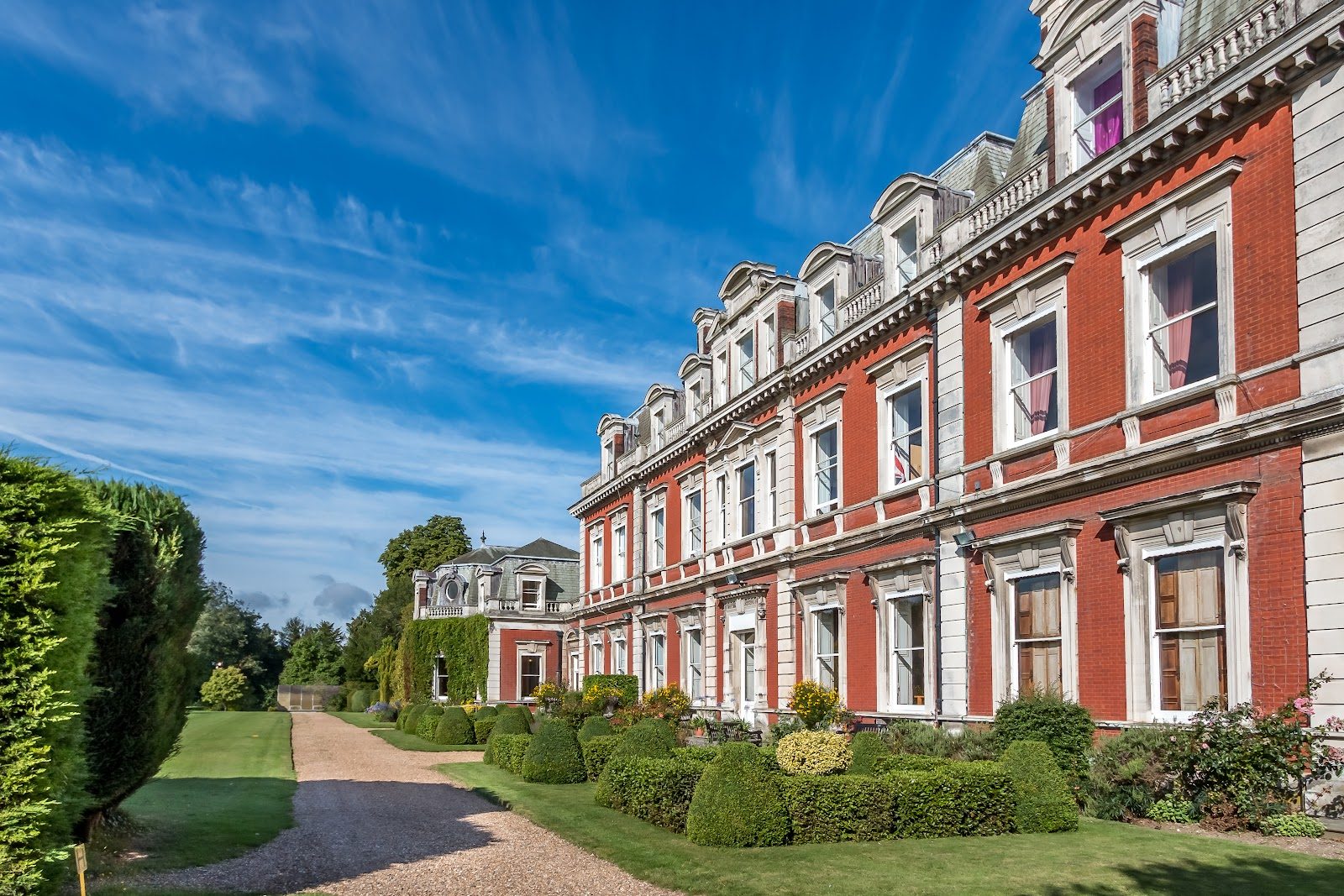
Tring Park School for the Performing Arts
Tring, Hertfordshire · United Kingdom
In a Wren-designed Rothschild mansion, mornings of GCSE and A-Level study give way to afternoons of rigorous, audition-only dance and drama training.
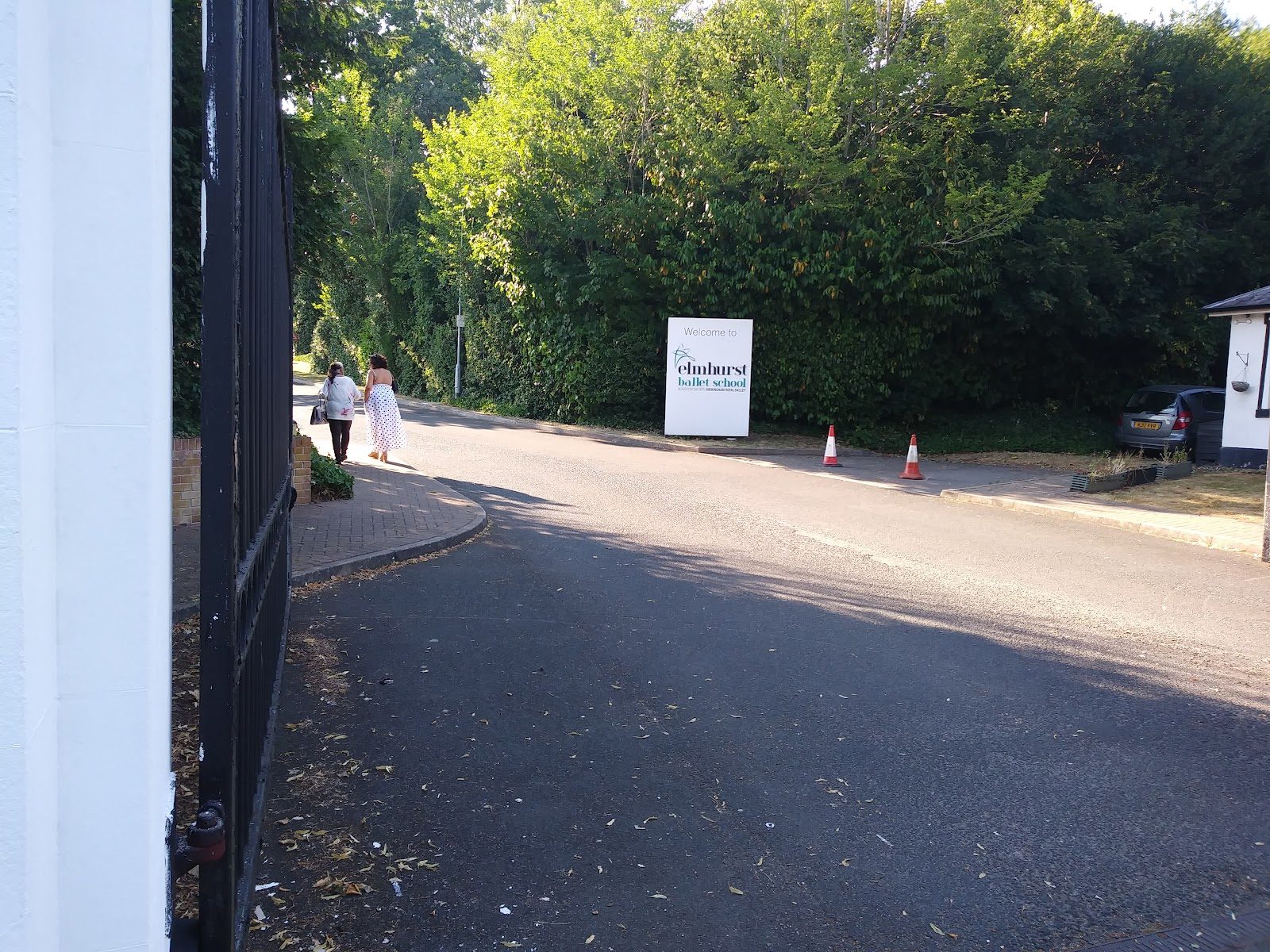
Elmhurst Ballet School
Edgbaston, Birmingham · United Kingdom
Britain's oldest vocational ballet school, timetabling GCSEs around the barre with a direct line into Birmingham Royal Ballet.
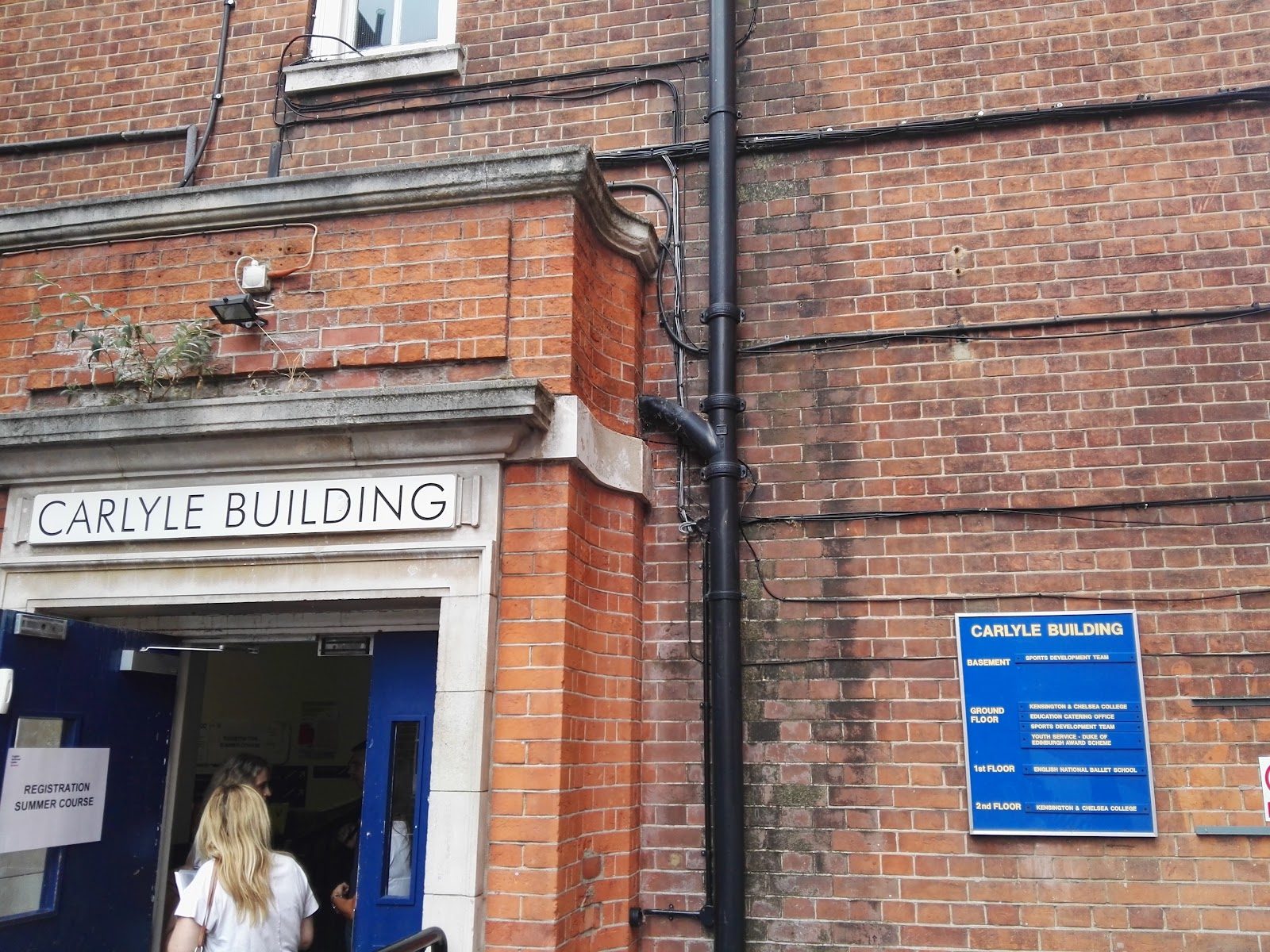
English National Ballet School
Fulham, London · United Kingdom
Only thirty places are offered from three hundred auditions each year, and graduates fill a third of English National Ballet's own ranks.
Canada's National Ballet School
Toronto · Canada
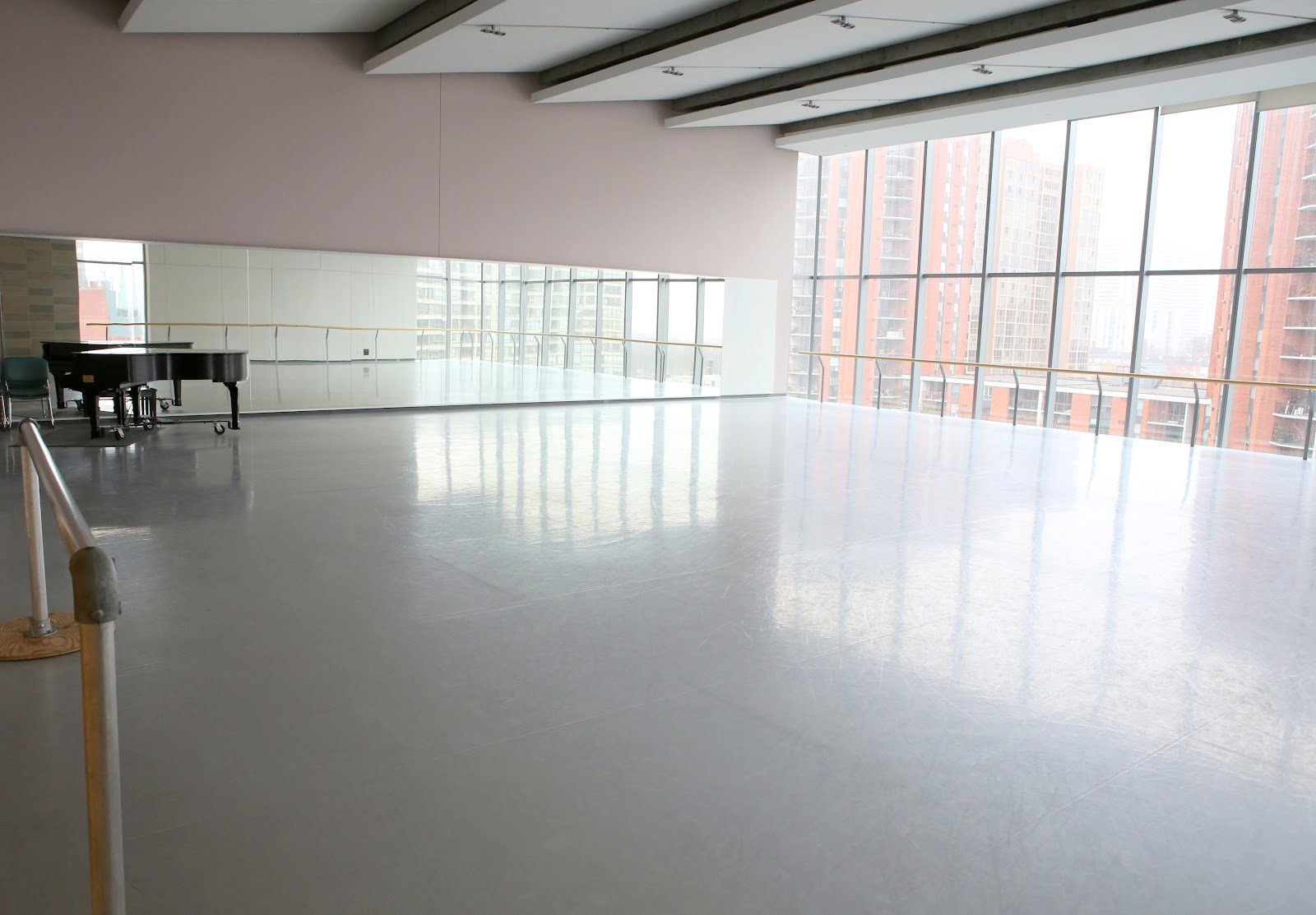
Talent is the sole entry ticket to this Toronto campus fusing full-time ballet training, academics, and boarding life under one roof.
Same specialism, country and curriculum — closest matches within ±10 points either way