
Singapore
Stamford American International School
low confidence· 6/6 cats · 0 avg sourcesIB, AP, and BTEC pathways converge under one US-accredited diploma, with rooftop sports fields crowning this Woodleigh campus.
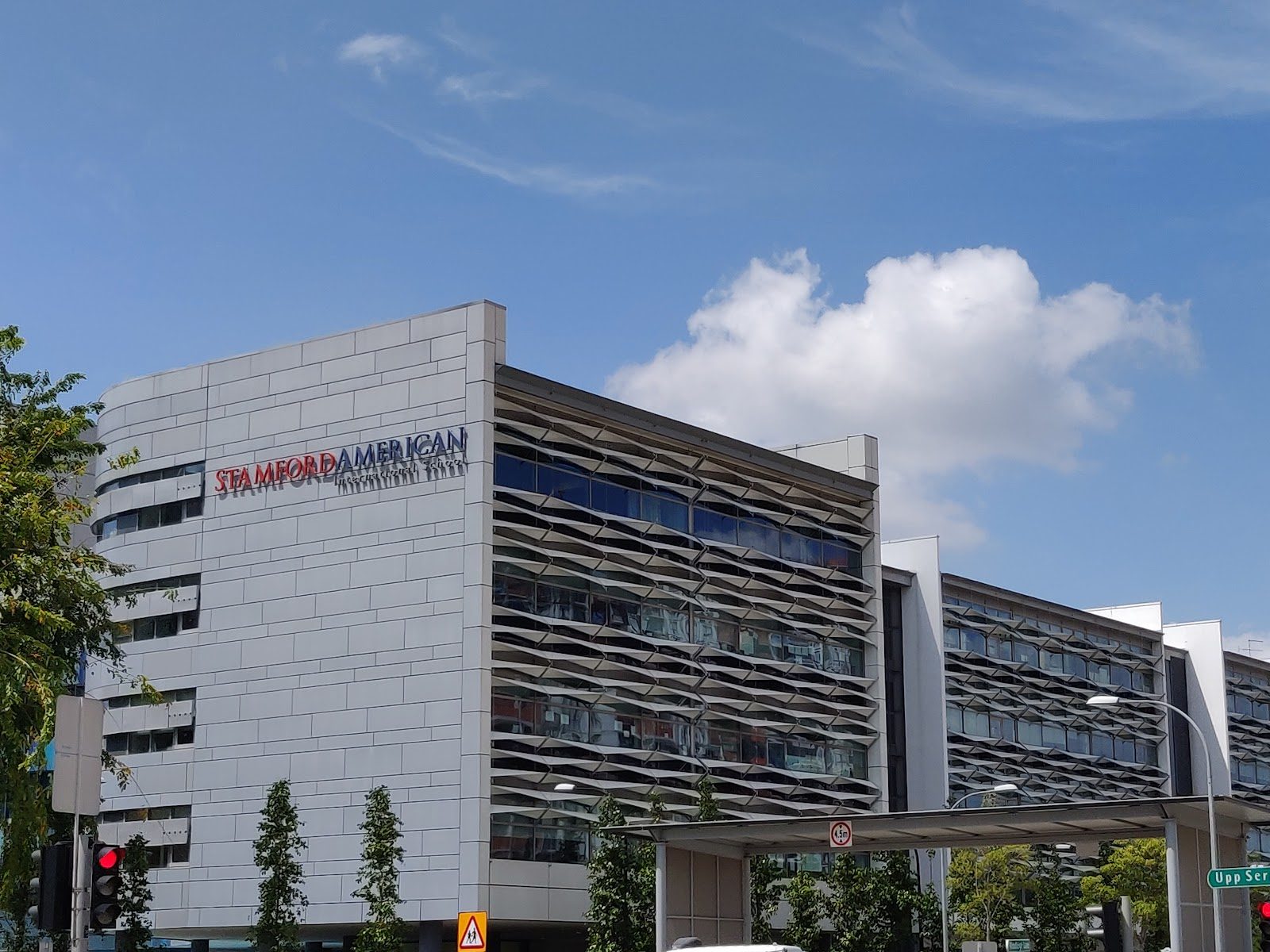
Photo © cse1217 via Google Maps
Type
Day
Ages
3–18
Curriculum
American (AP) · IB (Diploma)
Ratio
—
The Verdict
Editor's commitment
Right for
Families wanting real post-16 choice: AP, IB Diploma and BTEC under one US-accredited diploma, on a 2009 Woodleigh campus.
Wrong for
Parents after a single academic philosophy, a faith setting, or a small intimate school; 75+ nationalities and 350 teachers mean scale.
Watch out for
Facilities are lavish — 3 pools, 2 indoor arenas and a 500-seat theatre — but the school does not publish aggregate exam results here.
Ranking breakdown
Stamford American International School · #1009 of 1591
Composite score 61.0. 8 weighted criteria.
By criterion
Academic Outcomes
Weight 20%
#1084
of 1529 scored
University Placement
Weight 16%
#1089
of 1529 scored
Prestige & Heritage
Weight 12%
#1132
of 1571 scored
Alumni Network
Weight 12%
#726
of 1530 scored
Facilities
Weight 12%
#923
of 1534 scored
Transparency & Communications
Weight 8%
#1000
of 1532 scored
Peer & Industry Review
Weight 10%
#998
of 1548 scored
Admissions Selectivity & Demand
Weight 8%
#837
of 1529 scored
Peer & Industry Review
How Stamford American International School is regarded in the sector
68
Respected · medium confidence
Stamford American International School has built a solid, if not top-tier, reputation among Singapore's crowded international school field, with WhichSchoolAdvisor noting it has "earned itself a reputation for high standards and innovative learning" and highlighting its distinctive Innovation Centre partnerships with Bloomberg and Microsoft. The Good Schools Guide's independent verdict praises its strong art, design and performing arts provision, from 3D printer labs to well-used makerspaces, while Tatler Asia includes it in its Singapore school profiles, citing its expansive teaching and learning environments that provide students with academic and social skills for the real world. Cognita ownership and a large, well-resourced Woodleigh campus lend it institutional weight, and industry chatter around SAIS has been strong enough that Stamford's Hong Kong sister school explicitly trades on its reputation. It sits comfortably as a respected, visible player in the "best of Singapore" conversation rather than among the handful of schools peers treat as the undisputed benchmark.
Editors' overview
Stamford American’s defining proposition is straightforward: this is the Singapore school for families who want American-style schooling without closing off IB or vocational options at the top end. It offers AP, the IB Diploma and a BTEC Diploma under a US-accredited High School Diploma, and the school states that it is the first and only school in Singapore with that combination. That matters. Many international schools ask teenagers to fit the system; Stamford gives older students more room to choose between distinctly different academic routes. For mobile families, or for students whose strengths do not sit neatly inside a single sixth-form model, that flexibility puts the school firmly on a shortlist.
The campus is part of the sell, and in this case the substance backs it up. Stamford lists 3 swimming pools, 2 air-conditioned indoor sports arenas, rooftop tennis courts, rock climbing walls, a golf academy and a 500-seat theatre. This is not decorative brochure furniture; it points to a school built to run a heavy co-curricular programme at scale. The school also states 75+ nationalities, 350 teachers and 350+ afterschool activities, which places it squarely in the large, high-cost, high-choice end of Singapore’s international market. Parents who want intimacy and understatement will not find it here. Stamford trades in breadth, movement and visible resource.
The students who fit best are ambitious, internationally minded and happy in a big, busy environment. This suits children who want serious sport, performance, clubs and multiple post-16 pathways as much as classroom teaching. It also suits families who value English-language support; the school highlights its EAL provision and student testimony points to that as a real part of school life rather than an afterthought. Children who need a small, quiet, tightly shepherded setting may find Stamford too expansive. Children who thrive when there is a lot to do, a lot to choose from and a lot of different people around them will get more out of it.
Academic Performance
Stamford’s public case on academic performance has a conspicuous gap: the school does not publish aggregate IB Diploma results, AP score distributions, BTEC outcomes or university placement data in the sources we have seen. For a school selling multiple senior pathways as a defining strength, that opacity matters. Parents can judge the menu; they cannot judge, from published headline data, how well students perform across it. That does not mean standards are weak. It means external validation is hard to audit. In Singapore’s results-conscious international market, where top schools routinely put out average IB scores, pass rates and destination lists, Stamford gives families less hard evidence than the strongest academic operators.
Relative to peers, Stamford fits best in the camp of choice-heavy, large-scale schools where breadth is the central proposition and outcomes are harder to compare cleanly because students divide across different end points. That structure can be an advantage for children whose strengths do not align with one narrow academic route. It also makes transparency more important, not less. A parent comparing Stamford with a pure IB school or a more exam-driven British-pattern school will need direct answers on cohort size, score profiles and destination breakdowns for each pathway. Until the school publishes that data openly, its academic standing rests more on institutional ambition than on clean, public proof.
Facilities
Facilities are one of Stamford’s strongest arguments. The school has the kit to run sport and performance at full throttle: 3 swimming pools, 2 indoor air-conditioned sports arenas, rooftop tennis courts, rock-climbing walls, a golf academy and a professional theatre. That mix pushes it beyond the standard premium-international formula of one pool, a hall, a black-box theatre and some outdoor courts. The rooftop sporting provision matters in land-constrained Singapore, where many urban campuses compromise on open play and training space. Stamford does not. This is a campus built for constant use, high participation and visible activity. Families with children who want serious training, regular productions or a high-energy school day will find real substance here.
Against peer schools, Stamford sits in the upper tier for breadth of specialist facilities and athletic infrastructure. The sports offer is stronger than at many city campuses and more varied than schools that concentrate on classrooms first and co-curriculars second. The theatre also signals a school that invests properly in performance rather than treating it as an add-on. The trade-off is atmosphere: this is not a quietly contained campus with a restrained footprint or a sense of seclusion. It is a large, busy operation where the facilities are part of the identity. Parents looking for polished abundance will rate that highly; parents who prefer simplicity and understatement will not.
What sets Stamford apart is not one programme or one building, but the way it combines genuinely divergent routes at the top end inside a single school
Prestige
Stamford carries real weight in Singapore’s international-school market, but its prestige is modern and transactional rather than old-guard or cachet-heavy. The draw rests on scale, choice and visible investment: a large Cognita school with a substantial campus, a broad co-curricular machine and senior pathways that cover academic and vocational ground under one roof. That combination gives it market clout. Families who want optionality, mobility and an environment with a strong international mix will read Stamford as a serious operator. The school’s own headline markers — 75+ nationalities, 350 teachers and 350+ afterschool activities — reinforce that impression of reach and institutional heft.
What it does not have is the prestige that comes from published top-tier results, a long-established local mystique, or a tightly curated aura of exclusivity. Stamford is prestigious because it is expensive, extensive and well known, not because it sits atop Singapore’s hierarchy of publicly evidenced academic performance. That distinction matters. In parent conversations, it holds status as a high-visibility premium school with strong facilities and broad ambition. In stricter educational terms, its standing stops short of the city’s most academically validated names because the school does not put enough outcome data into the public domain. The result is substantial brand prestige, but not untouchable scholarly prestige.
Stamford lists 3 swimming pools, 2 air-conditioned indoor sports arenas, rooftop tennis courts, rock climbing walls, a golf academy and a 500-seat theatre
Communications
Stamford communicates like a large, well-drilled private institution: multiple public contact points, a clear admissions line, a separate family helpline and a site that lays out the school’s broad offer without making a parent hunt for the basics. That matters in a school of this scale. The website gives a coherent top-level picture of ethos, leadership, campuses and accreditations, and it does so in plain enough order that a prospective family can work out the shape of the place quickly. The school also leans hard on visibility — headline statistics such as 350+ afterschool activities and 75+ nationalities are front and centre — which tells you a lot about its communications priorities. Stamford sells scope, energy and reassurance through volume. For many parents, that reads as confident, high-functioning and professionally managed.
Where the communication weakens is depth. The school is fluent on atmosphere, facilities and community, but thinner where demanding parents want hard disclosure. We have not seen public headline outcomes across its senior pathways, and that omission carries into the wider parent-information picture: Stamford tells families what exists, but gives less public evidence on how well it works. Student testimonials add warmth, and the reference to EAL support helps a newcomer understand day-to-day integration, but testimonials are not proof. The result is slick but selective communication: strong for first impressions, serviceable for practical contact, and less rigorous than it should be on academic accountability. Parents who ask direct questions will need direct answers.
Uniqueness
What sets Stamford apart is not one programme or one building, but the way it combines genuinely divergent routes at the top end inside a single school. In Singapore, families often have to choose early between a narrowly academic track and something broader or more applied. Stamford keeps those doors open longer. A student can move through an American-style school structure and still finish through the IB Diploma, AP courses or a BTEC Diploma, all within one institution. That matters for teenagers whose strengths sharpen late, shift over time, or sit across academic and practical domains. It gives students more room to build a sixth-form experience that fits them, rather than forcing them into a one-model-fits-all system.
The other point of difference is scale used in a functional way. Stamford’s headline counts — 75+ nationalities and 350+ afterschool activities — are not decorative statistics; they describe a school with enough mass to sustain serious variety. For students, that brings access to a wider peer group, more niches to belong to, and more chances to test interests beyond the timetable. The benefit is strongest for children who are energetic, socially confident and ready to navigate a large institution with many moving parts. Stamford gives them range. Children who need close containment and a simpler daily rhythm get less from this model.
The rooftop sporting provision matters in land-constrained Singapore, where many urban campuses compromise on open play and training space
Student Profile
The students who thrive at Stamford are the ones energised by scale, variety and movement. This school suits children who want a crowded field of options and have the confidence to make use of them. With 75+ nationalities on campus and 350+ afterschool activities, the social and extracurricular range is vast; pupils who enjoy meeting different kinds of people and trying different things will have room to build a life here. Sporty children, performers, club-joiners and students who like a timetable that stretches beyond lessons fit well. So do internationally mobile families who want a peer group used to turnover and transition. The atmosphere is outward-facing, fast-moving and socially busy.
The weaker fit is just as clear. Children who need a small-circle, low-stimulus environment, or who rely on close adult shepherding to find their footing, can get lost in a school this large. Stamford rewards self-direction. It also suits students whose strengths do not sit neatly in one academic mould and who want choice later on, rather than being channelled early. The school’s own student stories point to pupils who involve themselves widely and use the community actively, not passively. For families, that means a child will get more from Stamford if they are willing to step forward, join in and manage a lot of opportunity without waiting to be pushed.
What it does not have is the prestige that comes from published top-tier results, a long-established local mystique, or a tightly curated aura of exclusivity
Co-curricular strengths
Arts & sport, on a separate axis
Overall 8.56/10
Scored 0-10 from the school's own published evidence. This axis is editorial-only — it does not feed the main WTS ranking.
Sports
8.8/10
Drama
8.5/10
Dance
8.5/10
Music
8.5/10
Visual Arts
8.5/10
Strengths
- +Offers AP, IB Diploma, and BTEC pathways
- +US-accredited High School Diploma alongside AP and IB
- +10:1 student-teacher ratio supports individual attention
- +350+ afterschool activities widen options beyond academics
Considerations
- −Large average class size: 20 students
- −Day school only; no boarding option
- −English-only instruction may limit non-anglophone families
Availability
Primary entry gate & tests
Application + records / admissions review
Gallery
Photo © Celine WL via Google Maps
Photo © Mokkie Mok via Google Maps
Photo © Review Authority via Google Maps
Photo © James Morgenstern via Google Maps
Photo © Harry Boaz via Google Maps
Parent reviews
Have you sent your child here?
Voice reviews carry the strongest trust badge — we transcribe them for you to tidy up before they go live. Prefer to type? A written review is fine too.
Add your voice
In 60 seconds, tell other parents: what's the best thing about Stamford American International School, and what surprised you when your child joined?
We ask for a Google sign-in so every review has a real face behind it — no anonymous drive-by attacks on schools, and no faked positive reviews. Your email is never shown publicly.
Send this profile to a friend
International parents rely on word-of-mouth. Share this review with someone weighing the same decision.
Schools with places
Similar schools to Stamford American International School with places available now.
Overseas Family School
Singapore · Singapore
- 2026-27
- WAITPOOLSpace-dependent
- 2027-28
- PLACES OPENRolling
Singapore American School
Singapore · Singapore
- 2026-27
- WAITPOOLGrade-specific / Waitpools
- 2027-28
- PLACES OPENRolling
Tanglin Trust School
Singapore · Singapore
- 2026-27
- CLOSEDNo late apps
- 2027-28
- PLACES OPEN
United World College of South East Asia
Singapore · Singapore
- 2026-27
- CLOSEDStandard route
- 2027-28
- OPENS SOONOpens 1 Sept '26 (Closes 2 Nov)
Availability first, then country, area, curriculum, price, co-curricular
Consider also
Also worth looking at alongside Stamford American International School.
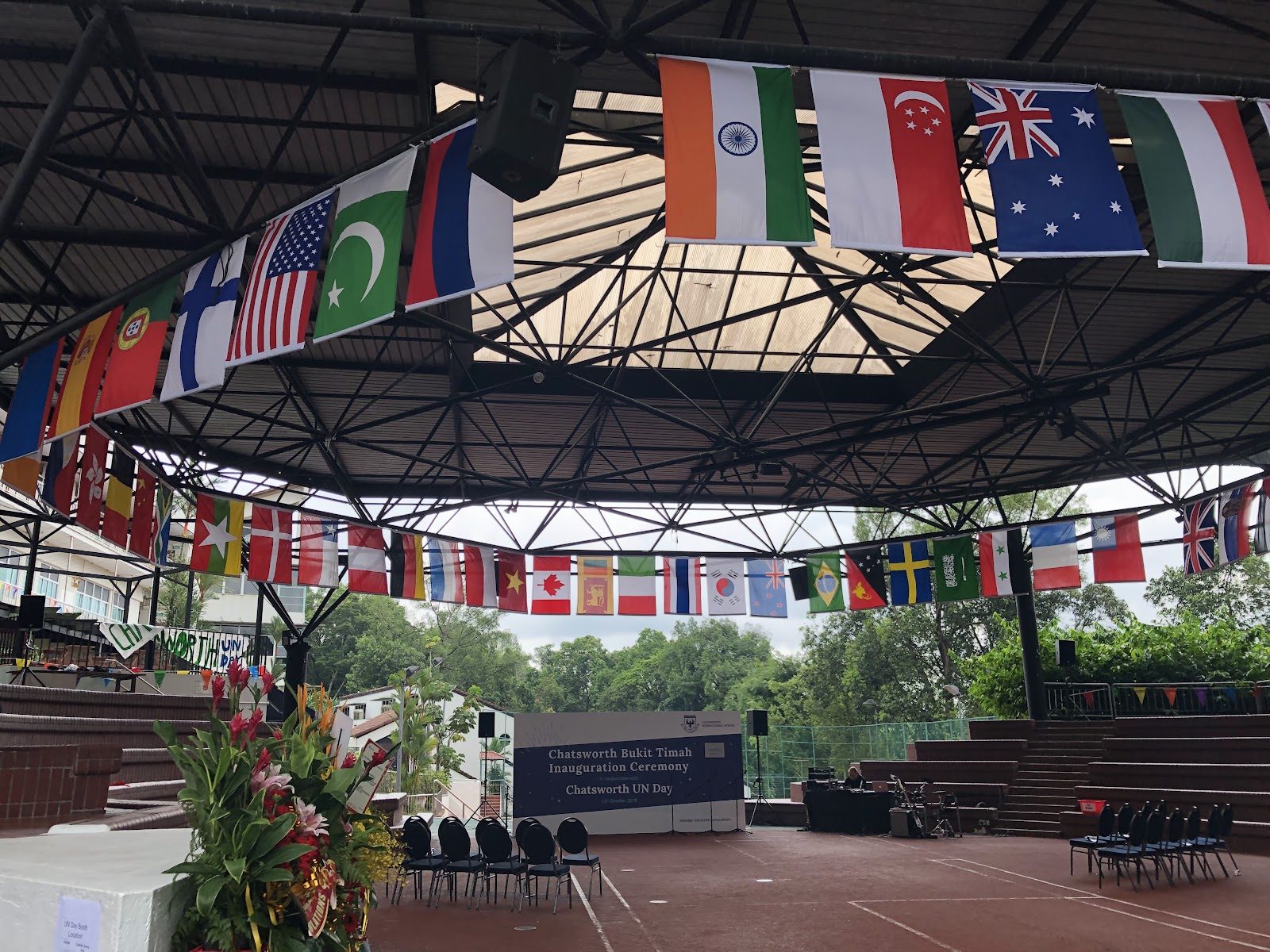
Chatsworth International School
Singapore · Singapore
Set beside Singapore's only tropical rainforest, a non-selective full IB continuum runs through a close-knit, village-like community.
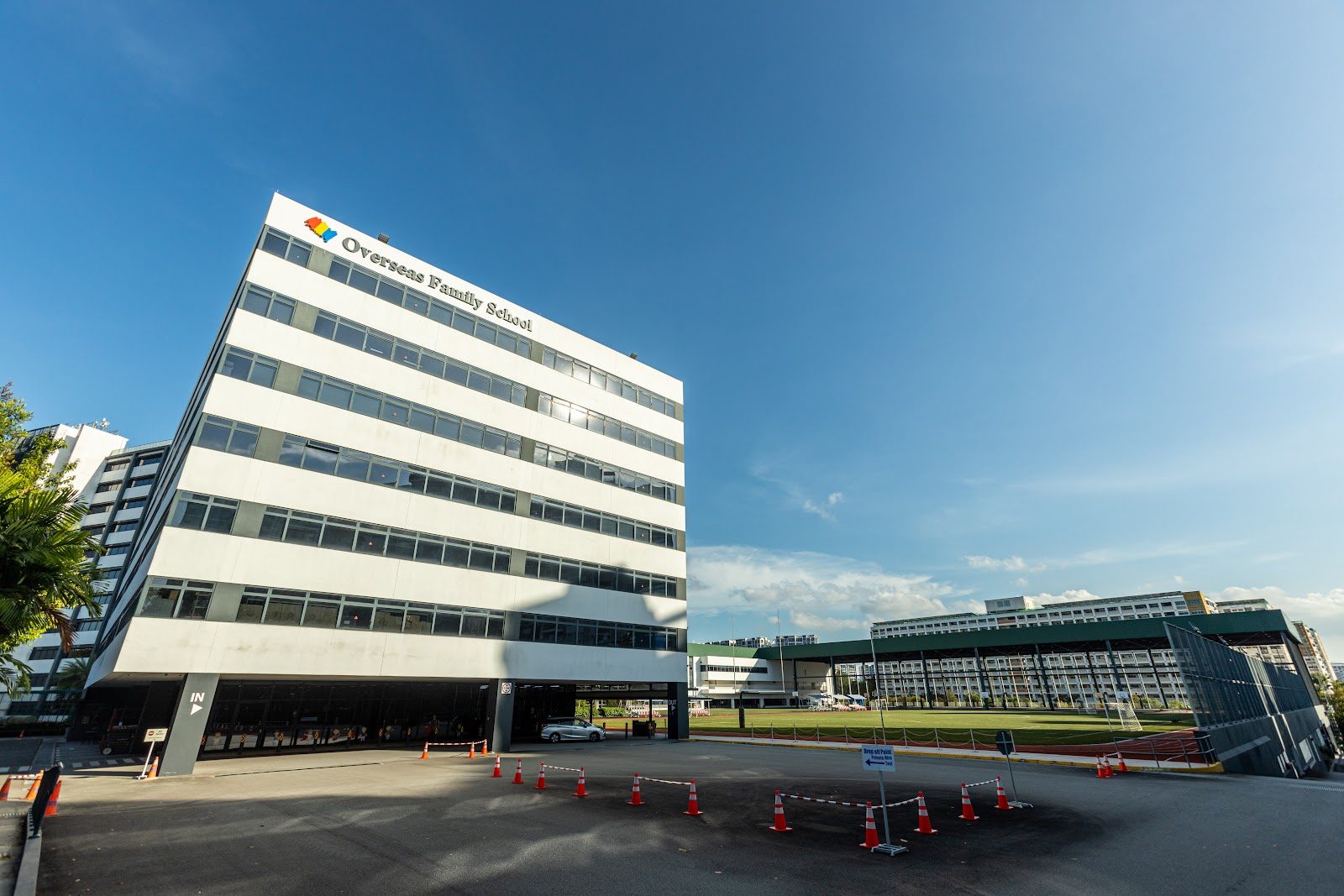
Overseas Family School
Singapore · Singapore
Open-access IB Diploma policy admits every student, no preselection, inside a 70-nation Pasir Ris campus.
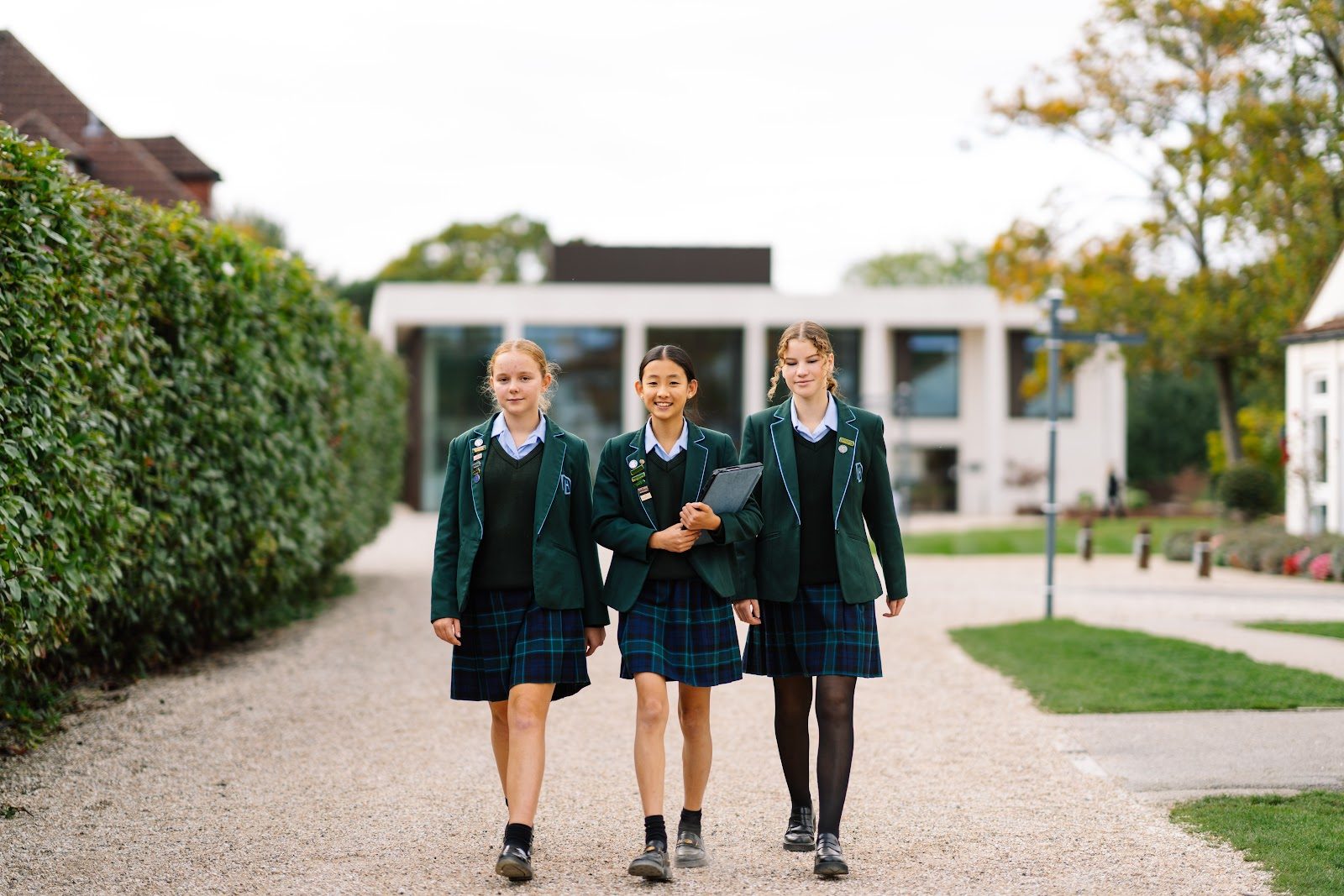
Downe House School
Cold Ash · United Kingdom
Rooted in Charles Darwin's former home, now a 110-acre Berkshire estate where science thrives and Oxbridge ambition runs deep.
St Michaels University School
Victoria · Canada
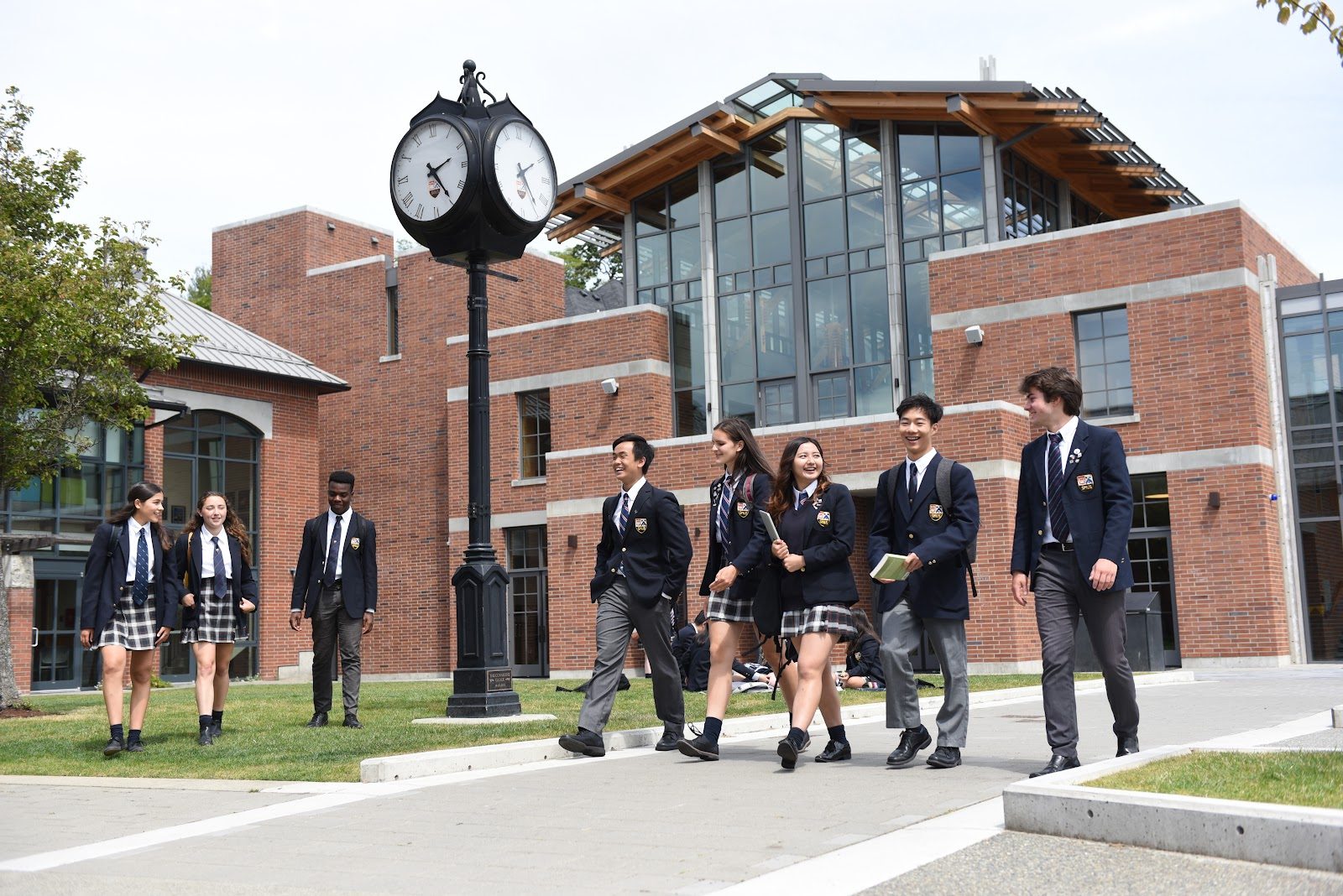
On Vancouver Island, a AP pioneer school pairs Canadian, IB and American pathways with its own rowing centre on the Gorge Waterway.
Same country and curriculum — closest matches within ±10 points either way