
Hertfordshire
Tring Park School for the Performing Arts
In a Wren-designed Rothschild mansion, mornings of GCSE and A-Level study give way to afternoons of rigorous, audition-only dance and drama training.
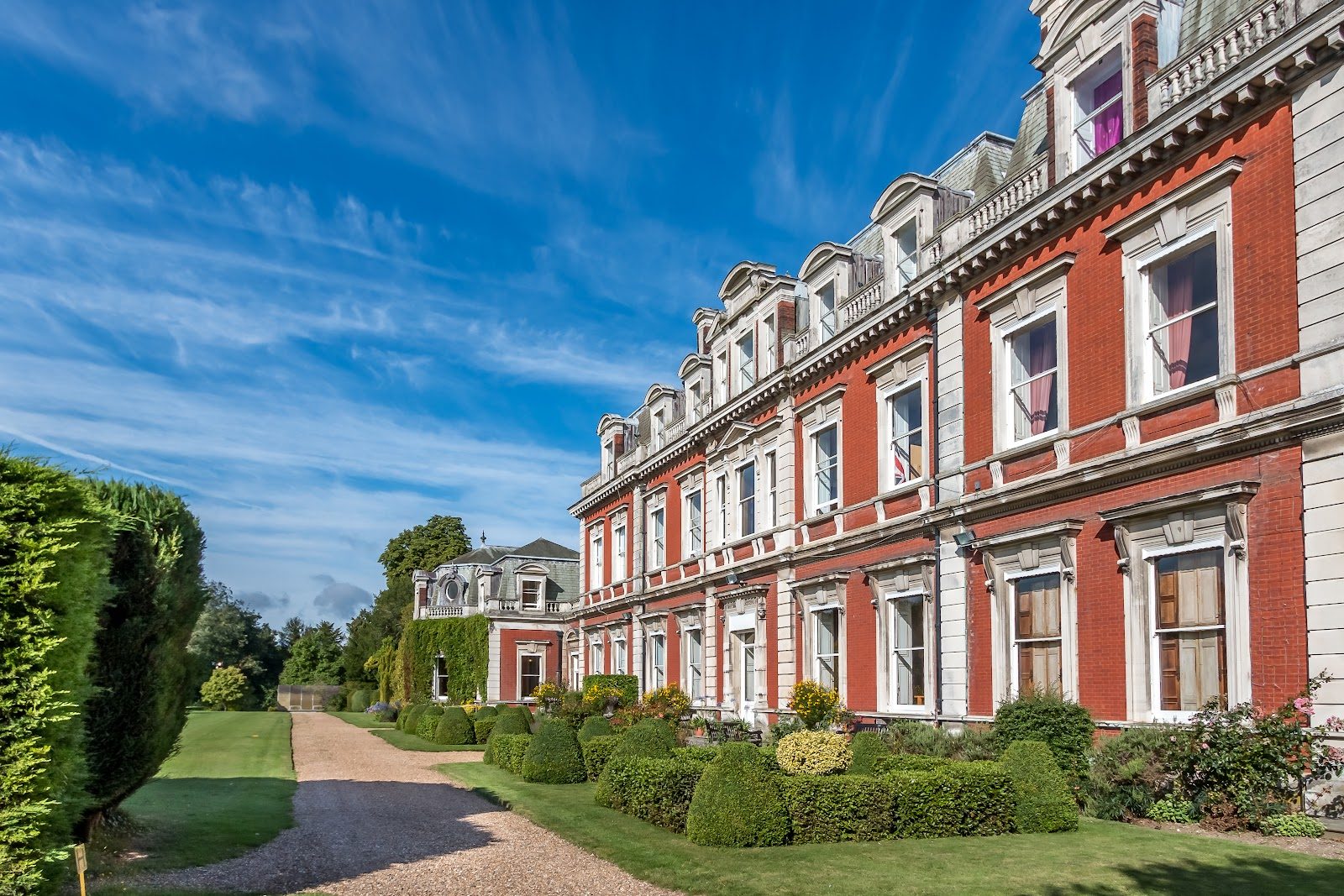
Photo © Tring Park School for the Performing Arts via Google Maps
Type
Day + Boarding
Ages
8–19
Curriculum
GCSE · A-Level · BTEC
Ratio
—
The Verdict
Editor's commitment
Right for
Young performers aged 8–19 who want GCSE, A-Level or BTEC study welded to audition-only dance, acting, musical theatre or commercial music.
Wrong for
Children who want a standard independent school day; Tring is day and boarding, and its professional arts focus dominates life from Year 7.
Watch out for
This is expensive: average annual fees are £27,254 for day pupils and £46,778 for boarders, before any extras.
Ranking breakdown
Tring Park School for the Performing Arts · #958 of 1591
Composite score 62.9. 8 weighted criteria.
By criterion
Academic Outcomes
Weight 20%
#1316
of 1529 scored
University Placement
Weight 16%
#1496
of 1529 scored
Prestige & Heritage
Weight 12%
#743
of 1571 scored
Alumni Network
Weight 12%
#578
of 1530 scored
Facilities
Weight 12%
#199
of 1533 scored
Transparency & Communications
Weight 8%
#725
of 1532 scored
Peer & Industry Review
Weight 10%
#43
of 1548 scored
Admissions Selectivity & Demand
Weight 8%
#282
of 1529 scored
Peer & Industry Review
How Tring Park School for the Performing Arts is regarded in the sector
82
Strong · medium confidence
Within the small UK cohort of specialist vocational schools, Tring Park is consistently named alongside Arts Educational Schools (ArtsEd) and Elmhurst Ballet School as one of the three or four schools that matter in dance and musical theatre training, reflecting its status as one of the eight Music and Dance Scheme (MDS) schools funded by the Department for Education - a designation itself treated by peers as a mark of sector credibility rather than marketing. Because its core output is vocational rather than academic, the relevant 'destination' benchmark is conservatoire and company placement - Royal Ballet School upper school, English National Ballet, RADA, Guildhall, Central School of Speech and Drama, and West End casting - rather than Russell Group universities, and its alumni presence in these institutions is the metric used in specialist coverage (Good Schools Guide, ISI reports) rather than conventional newspaper academic league tables, which do not capture this niche well. Independent education press treats it as a serious, oversubscribed specialist provider rather than a mainstream day/boarding school competitor.
Award
Elite Dance 50
World's Top School · The Global Ranking
Tring Park School for the Performing Arts is featured on our Global Top 50 ranking at #40. This seal is available for the school's marketing team to use on their website, prospectus and social channels.
Award
Elite Drama 50
World's Top School · The Global Ranking
Tring Park School for the Performing Arts is featured on our Global Top 50 ranking at #12. This seal is available for the school's marketing team to use on their website, prospectus and social channels.
- Bonnie Wright — Actress, Film
- Sarah Brightman — Singer, Musical Theatre
- Wayne Sleep — Dancer, Ballet
Editors' overview
Tring Park occupies a narrow, demanding niche and does it with clarity. This is a specialist day and boarding school for children who want serious performing arts training without dropping a conventional academic track. The proposition is simple: GCSEs, A-Levels and BTEC qualifications in the morning, then sustained vocational work in dance, musical theatre, acting or commercial music. Entry is selective by audition for the main school, with Wikipedia stating that around 1 in 7 applicants secure a place. That single figure tells parents a great deal. Tring is not an “arts-friendly” general independent school; it is a conservatoire-shaped education for pupils aged 8–19 who can already show talent, discipline and stamina.
What sets it apart is the integrated dual curriculum and the scale of commitment it demands. Many schools bolt productions onto a standard timetable. Tring builds the week around two parallel expectations: academic study and professional-level artistic training. That creates a high-pressure rhythm, but also a rare seriousness of purpose. The school’s setting sharpens the identity: a Wren-designed house later remodelled by the Rothschilds, with its own Markova Theatre on site. That heritage gives the place *theatre-school intensity in grand-country-house form*. Fees place it firmly in the specialist independent bracket at £21,000 a year for day pupils and £36,000 for boarders. Parents are paying for a focused pathway, not broad luxury.
Why shortlist it? Because few British schools offer this level of performing arts specialism while preserving recognised academic qualifications and boarding from childhood through sixth form. For the right child, that mix is powerful: constant creative immersion, daily contact with equally driven peers, and a timetable that rewards resilience rather than casual interest. The pastoral promise matters too, since schools of this type can tip into burnout if care and safeguarding are weak; Tring makes pastoral support central, and its accreditations include ISI, CDET and the Boarding Schools’ Association. Still, families should go in with their eyes open. This is not the place for a child who likes performing but wants school to stay broad, relaxed or socially anonymous. It suits hungry young performers who want training to shape the day, who can cope with scrutiny, and who gain energy from a community where ambition is normal.
A Global Elite 50 Dance school
Tring Park School for the Performing Arts sits in Band 32-50 of our Global Elite 50 Dance Schools 2026 because it meets the standard for inclusion within the Global Elite 50 — public evidence supports its elite professional-conversion status, but does not currently allow a definitive one-place distinction against its band peers.
The Global Elite 50 Dance Schools methodology is deliberately aggressive: half of the 100 available points are directly tied to professional conversion between 2016 and 2026 — main-company contracts, elite junior-company positions, apprenticeships and second companies. Beautiful campuses, historic alumni and impressive facilities cannot compensate for weak contemporary professional conversion, and are not scored independently.
Because this school currently publishes limited cohort-level data, no evidence-confidence grade is attached to its position at this stage. As with all band-32-50 schools, the exact ordering will be revised when materially better 2016-2026 destination evidence enters the public domain.
International openness is a defining feature, albeit with a modest overseas cohort of around 10% of boarders. Boarding and day arrangements are both offered, and overseas dancers apply on a rolling international audition and video pre-screen basis without residency, federation or citizenship gates, with student visas handled by the school. This is one of the internationally-open pipelines on the Global Elite 50 Dance Schools list that a relocating family can consider directly. Prospective families are advised to begin overseas application conversations early in the calendar year, with detailed audition and boarding logistics arranged 12-18 months ahead of the intended entry point.
A Global Elite 50 Drama & Acting school
Tring Park School for the Performing Arts holds a place on our Global Elite 50 Drama & Acting Schools 2026 because, on the 100-point Elite Acting Progression Model, it demonstrates the weighted elite conservatoire progression, faculty pedigree, screen-and-stage training breadth and industry integration that separate a true tier institution from a strong regional feeder.
Its operating model is best described as integrated specialist: a structure that shapes both the daily balance of academic and specialist study, and the professional trajectory of graduating actors as they move into major drama-school BA degrees or direct casting.
The Global Elite 50 Drama & Acting Schools methodology is deliberately aggressive: 30 of the 100 available points are directly tied to weighted elite conservatoire and professional programme conversion between 2016 and 2026 — RADA, Guildhall, LAMDA, Juilliard, NYU Tisch, Yale, WAAPA, NIDA and their peers — with a further 15 points on faculty and industry pedigree and 20 points on training intensity and industry integration. Beautiful campuses, historic alumni and impressive facilities cannot compensate for weak contemporary professional conversion, and are not scored independently.
The evidence-confidence grade is deliberately separate from the ranking position: a lower grade reflects less public disclosure, not weaker performance. Where the school moves substantially better cohort data into the public domain in future audit cycles, the position — but not the underlying professional-conversion reality — may be revised.
International openness is a feature, with a modest overseas intake of around 10% of boarders. Both boarding and day arrangements are offered, and overseas actors apply on a rolling international audition and video pre-screen basis without residency, federation or citizenship gates, with student visas handled by the school. This is one of the internationally-open pipelines on the Global Elite 50 Drama & Acting Schools list that a relocating family can consider directly.
Academic Performance
Tring Park does not publish the kind of aggregate exam data that lets parents place it cleanly against strong academic independents. We have not seen school-wide GCSE grade distributions, A-Level subject breakdowns, value-added data or university destination tables in the public domain. That matters. In a school built around serious vocational intensity, academics need hard evidence, not aspiration. The school states that academic performance “also shines” and that pupils follow an extensive programme of study alongside training, but public scrutiny of outcomes is thin. For families comparing Tring with academically dominant boarding schools, that opacity is a weakness.
Relative to specialist performing arts schools, the picture is stronger. The core test here is whether pupils can sustain recognised external qualifications while carrying a punishing rehearsal-and-studio load, and Tring’s whole structure is built for that dual demand. The school talks in concrete terms about morning academic study giving way to afternoon vocational work, and that timetable tells you where the pressure sits. This is not a place chasing league-table glory at any price; it is a school asking pupils to be high-functioning in two arenas at once. For the right child, that produces a rare, disciplined versatility. For parents who want clear proof of academic stretch, published results remain the missing piece.
Facilities
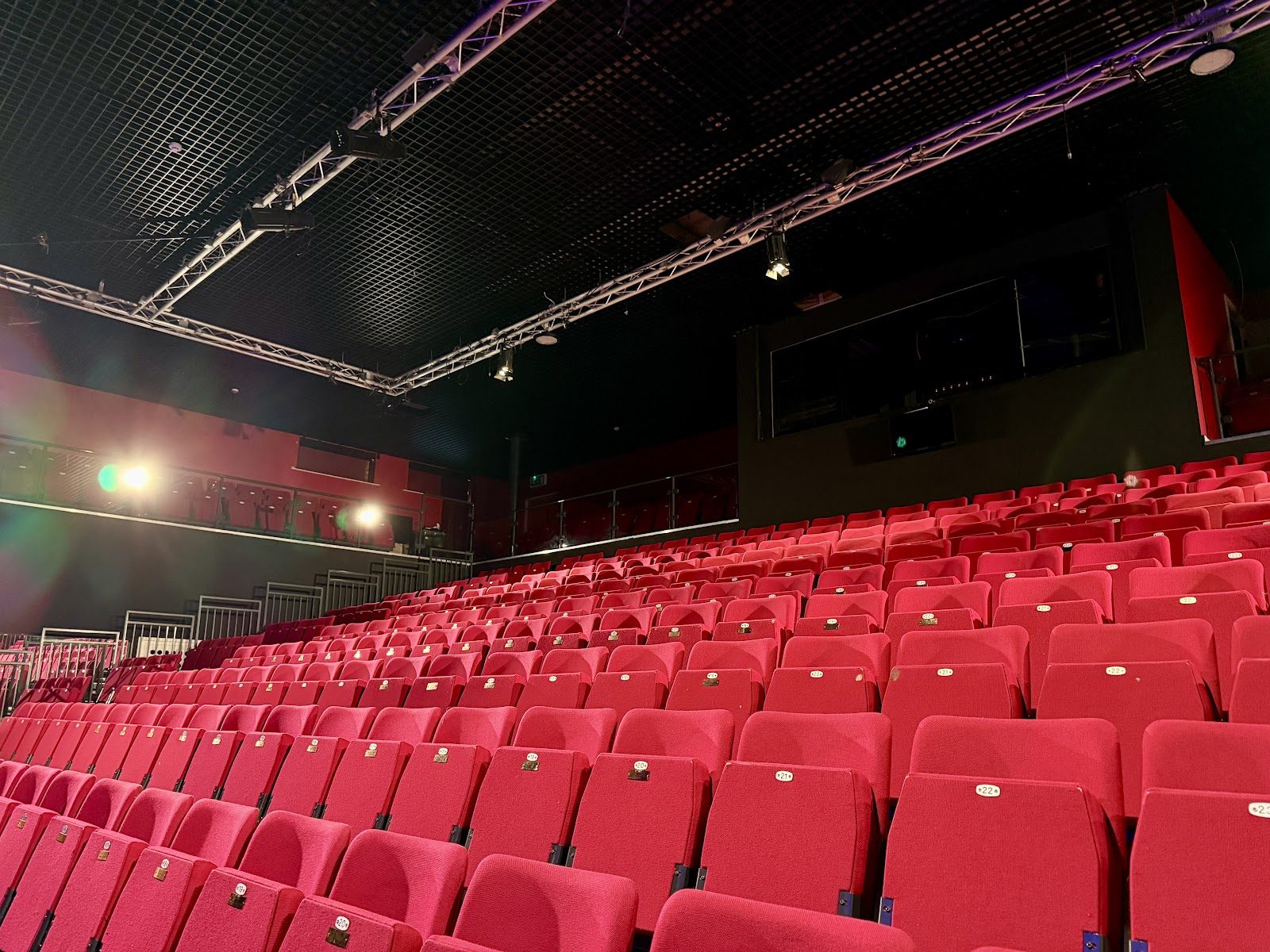
The estate is the headline facility, and in this case the headline matters. Tring operates from a Christopher Wren-designed mansion later enlarged by the Rothschilds, which gives the school a distinctive physical identity that most specialist arts schools cannot match. More important than the façade is what supports the training: the school stages productions in its own Markova Theatre across vocational departments through the year. That puts Tring ahead of many arts-heavy independents that rely on hired venues, multi-use halls or annual flagship productions rather than a theatre woven into daily school life. For performers, that means regular technical rehearsal, stage familiarity and a campus built around public performance rather than occasional showcase culture. The atmosphere reads as purpose-built for the stage, even though the setting is historic rather than new.
Against peer schools, the facilities look strong where they need to be strongest: performance, rehearsal and immersion. Families are not buying a sprawling modern sports complex or the glossy science-and-design infrastructure of a big conventional boarding school. They are paying for specialist intensity and a site where artistic work dominates the timetable and the physical environment. The school also makes its specialist facilities and teaching expertise available beyond its own roll, which points to a campus used hard rather than displayed. The trade-off is clear. If you want expansive all-round independent-school plant for £36,000, Tring is narrow. If you want a theatre-centred setting with real vocational gravity, it is better equipped than many nominal competitors.
In plain terms: respected, distinctive and demanding — but prestigious for what it trains, not for universal elite-school cachet
Prestige
Tring Park carries real prestige within its own field, not the broad social prestige of an old academic boarding school with famous exam tables and Oxbridge churn. Its standing rests on specialism, selectivity and seriousness. This is an audition-led school with a narrow brief and a clear professional edge: children do not attend to “enjoy the arts” in a general sense, but to train hard among peers who treat performance as work. The school’s own emphasis on a dual curriculum matters here. It gives Tring more weight than a standalone stage school and more artistic credibility than an ordinary independent school with strong productions. The setting helps too. A school housed in a Wren-designed mansion later reshaped by the Rothschilds has visible cultural cachet, and its own theatre reinforces the point that performance is embedded, not decorative.
I rate its prestige as high within the performing arts world and more limited outside it. Parents in dance, musical theatre and acting circles will recognise the name at once; families seeking conventional academic status markers will ask harder questions. The school does not publish the public academic outcome data that underpins top-tier academic prestige, and that caps its authority beyond the specialist arts market. Still, the admissions bar is real. Wikipedia’s figure of around 1 in 7 applicants securing a place gives Tring a scarcity value that many “creative” schools do not have. In plain terms: respected, distinctive and demanding — but prestigious for what it trains, not for universal elite-school cachet.
Tring Park occupies a narrow, demanding niche and does it with clarity
Communications
Tring Park’s parent communications carry the same identity as the school itself: energetic, personality-heavy and unapologetically mission-driven. The public-facing messaging is clear about what parents are buying into — a demanding dual curriculum, specialist pathways from the early years onwards, and a community built around ambition, discipline and performance. That clarity counts. Too many specialist schools blur the line between serious training and glossy extracurricular theatre. Tring does not. It talks directly about challenge, resilience, safeguarding and belonging, and it gives parents concrete hooks such as the weekly timetable, named senior voices and visible student leadership. The tone is high-conviction rather than corporate. For families who want a school to state its terms plainly, that is effective.
What is missing is harder operational evidence. The website communicates ethos far better than outcomes. Parents can grasp the school’s rhythm and values quickly, but they get less public detail on the mechanics that matter when children are working at this intensity: response times, boarding-house routines, academic tracking, injury management, timetable pressure points, and how concerns move from studio or classroom to senior leadership. In a school where children train, perform and study at a punishing pace, communication needs to be more than inspiring prose and warm assurances. Tring’s public communication is confident and cohesive; its practical transparency is thinner. That does not make it weak. It does mean parents need to ask sharper questions at visit stage, especially if their child is young or boarding.
Uniqueness
What makes Tring unusual is not that it teaches performing arts, but that it treats artistic training as the organising principle of school life without discarding formal academics. Plenty of schools stage good productions. Far fewer run as a genuine dual-track institution, where classroom study and pre-professional training carry equal weight and neither sits as an enrichment extra. That changes the student experience in practical ways: peers share the same ambitions, the timetable rewards stamina and self-management, and talent alone never carries the day. The school states that pupils can specialise from the early secondary years and refine that focus further in sixth form; that creates a clear vocational arc rather than a vague promise of creativity. The on-site theatre matters here too. Performance is not a seasonal event but part of the school’s working rhythm.
The admissions model sharpens the identity. Outside the prep years, entry depends on audition, and Wikipedia’s figure of around 1 in 7 successful applicants underlines a hard filter at the front door. Students therefore work in a community selected not just for academic capacity but for stage potential, discipline and appetite for repetition. That brings obvious benefits: high standards, shared seriousness and daily exposure to committed young performers. It also brings pressure. Tring suits children who want intensity, correction and constant artistic company. For those pupils, the result is rarely replicable: a school life built around craft, resilience and public performance rather than conventional adolescent drift.
This is a specialist day and boarding school for children who want serious performing arts training without dropping a conventional academic track
Student Profile
The Tring student is not a child who merely enjoys performing. This school suits young people who want training to structure the day and who draw energy from correction, repetition and competition. They need stamina, because the culture rewards pupils who can move from classroom focus to studio discipline without fraying. They also need a strong internal motor. A child who waits to be coaxed, drifts between interests or wants to keep artistic ambition at hobby level will struggle here. The fit is best for pupils who already identify closely with a craft — dance, acting, musical theatre or commercial music — and who want to work among peers with the same single-minded drive. The age span, 8–19, also matters: this is a community where younger pupils grow up watching older ones train with professional seriousness.
Socially, the school will suit children who are expressive, resilient and comfortable being seen. The atmosphere reads as busy, noisy and exposed, not quiet or anonymous. That brings camaraderie for confident performers and pressure for more private temperaments. Boarding adds another layer: pupils need the emotional steadiness to handle an intense peer group in work and downtime alike. Tring fits ambitious children with thick skins, decent time management and a real appetite for being pushed. It does not fit the casually creative, the academically prestige-driven, or the child who wants a broad independent school with performance on the side.
What sets it apart is the integrated dual curriculum and the scale of commitment it demands
Co-curricular strengths
Arts & sport, on a separate axis
Overall 7.9/10
Scored 0-10 from the school's own published evidence. This axis is editorial-only — it does not feed the main WTS ranking.
Sports
4.5/10
Drama
9.5/10
Dance
9.7/10
Music
9.3/10
Visual Arts
6.5/10
Strengths
- +Combines mainstream academic study (GCSE, A-Level, BTEC) with specialist vocational training in dance, drama and musical theatre.
- +One of only eight DfE-funded centres of excellence for gifted dancers and musicians, with means-tested support for eligible UK pupils.
- +Long-established specialist school with decades of dedicated performing arts teaching from a historic country-house estate.
- +Offers both day and full boarding places, giving flexibility to local Hertfordshire families and those relocating from further afield or overseas.
- +Proximity to London allows access to professional theatre, audition and performance opportunities beyond the school gates.
Considerations
- −The intensive vocational timetable leaves less room for extracurricular breadth outside dance, drama and musical theatre.
- −Boarding fees are substantial and place full-time places out of reach for many middle-income families.
- −As a small specialist school, the range of academic subject choices is narrower than at large all-round independent schools.
- −A performing arts career is inherently uncertain, so the school's narrow focus carries risk for pupils who later change direction.
Gallery
Photo © Tring Park School for the Performing Arts via Google Maps
Photo © Tring Park School for the Performing Arts via Google Maps
Photo © Tring Park School for the Performing Arts via Google Maps
Photo © Tring Park School for the Performing Arts via Google Maps
Photo © Tring Park School for the Performing Arts via Google Maps
Photo © Tring Park School for the Performing Arts via Google Maps
Photo © Tring Park School for the Performing Arts via Google Maps
Parent reviews
Have you sent your child here?
Voice reviews carry the strongest trust badge — we transcribe them for you to tidy up before they go live. Prefer to type? A written review is fine too.
Add your voice
In 60 seconds, tell other parents: what's the best thing about Tring Park School for the Performing Arts, and what surprised you when your child joined?
We ask for a Google sign-in so every review has a real face behind it — no anonymous drive-by attacks on schools, and no faked positive reviews. Your email is never shown publicly.
Send this profile to a friend
International parents rely on word-of-mouth. Share this review with someone weighing the same decision.
Schools with places
Similar schools to Tring Park School for the Performing Arts with places available now.
Haileybury
Hertford · United Kingdom
- 2026-27
- CLOSEDStandard route
- 2027-28
- PLACES OPEN16+ Active; 13+ Std Closed; 13+ Late enquire
Haberdashers' Boys' School
Elstree · United Kingdom
- 2026-27
- CLOSEDStandard route
- 2027-28
- PLACES OPENCloses Nov
Merchant Taylors' School
Northwood · United Kingdom
- 2026-27
- CLOSEDStandard route
- 2027-28
- PLACES OPEN11+/16+ Active (Closes Oct 31)
Availability first, then country, area, curriculum, price, co-curricular
Consider also
Also worth looking at alongside Tring Park School for the Performing Arts.
The Hammond School
Hoole Bank, Chester · United Kingdom
Britain's oldest vocational dance school pairs morning GCSEs with afternoon ballet studios and a validated musical theatre degree.
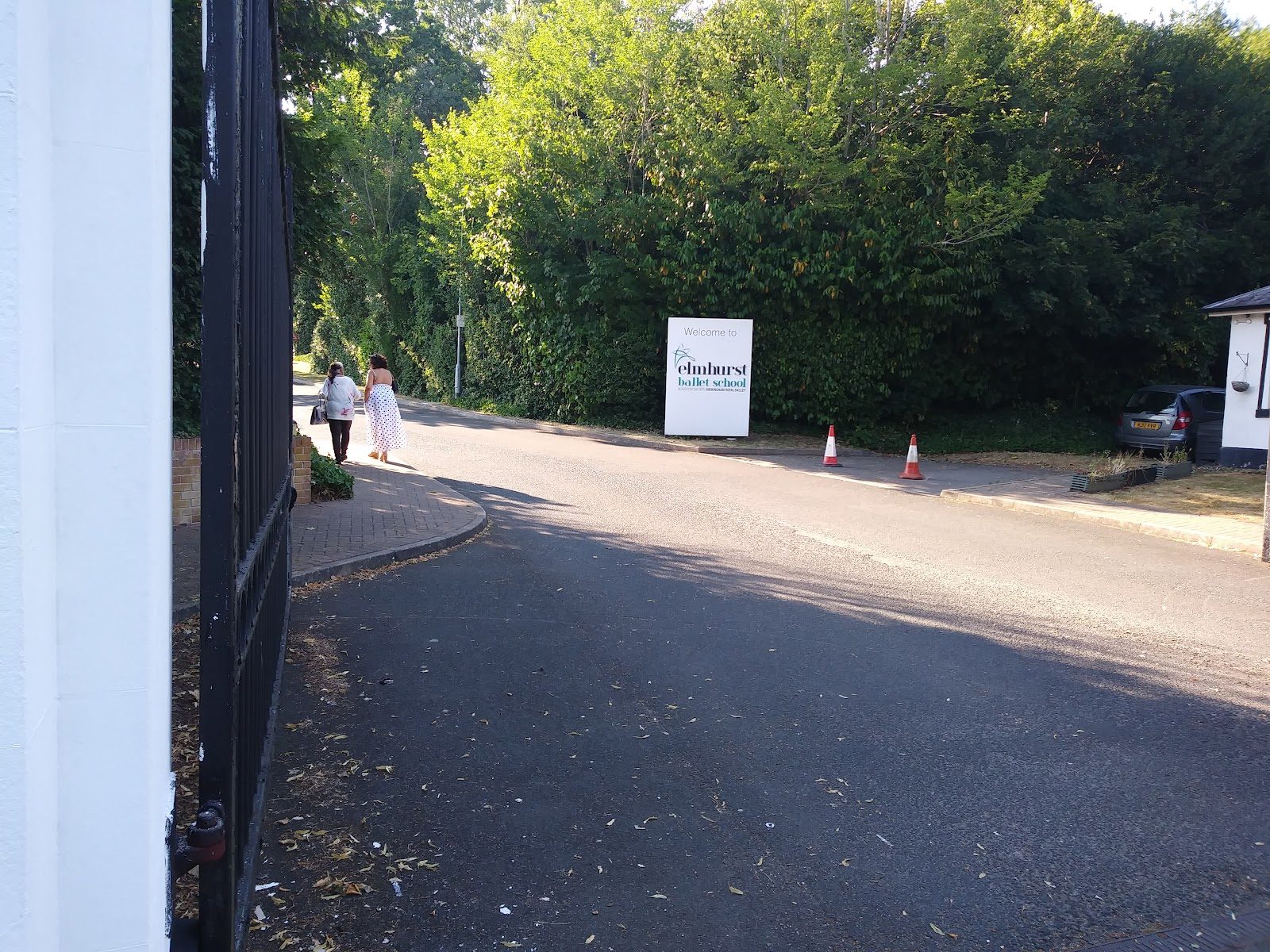
Elmhurst Ballet School
Edgbaston, Birmingham · United Kingdom
Britain's oldest vocational ballet school, timetabling GCSEs around the barre with a direct line into Birmingham Royal Ballet.
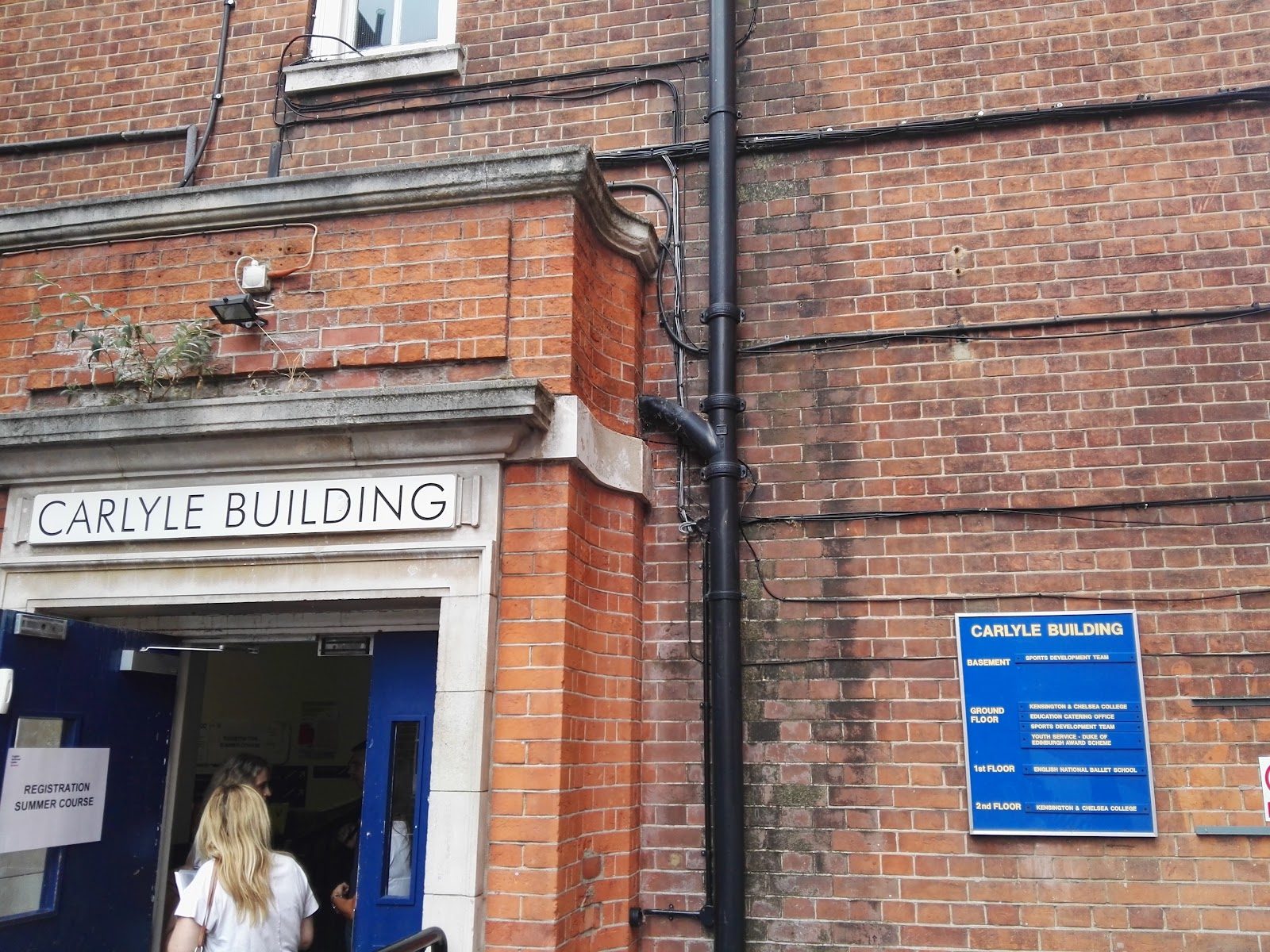
English National Ballet School
Fulham, London · United Kingdom
Only thirty places are offered from three hundred auditions each year, and graduates fill a third of English National Ballet's own ranks.
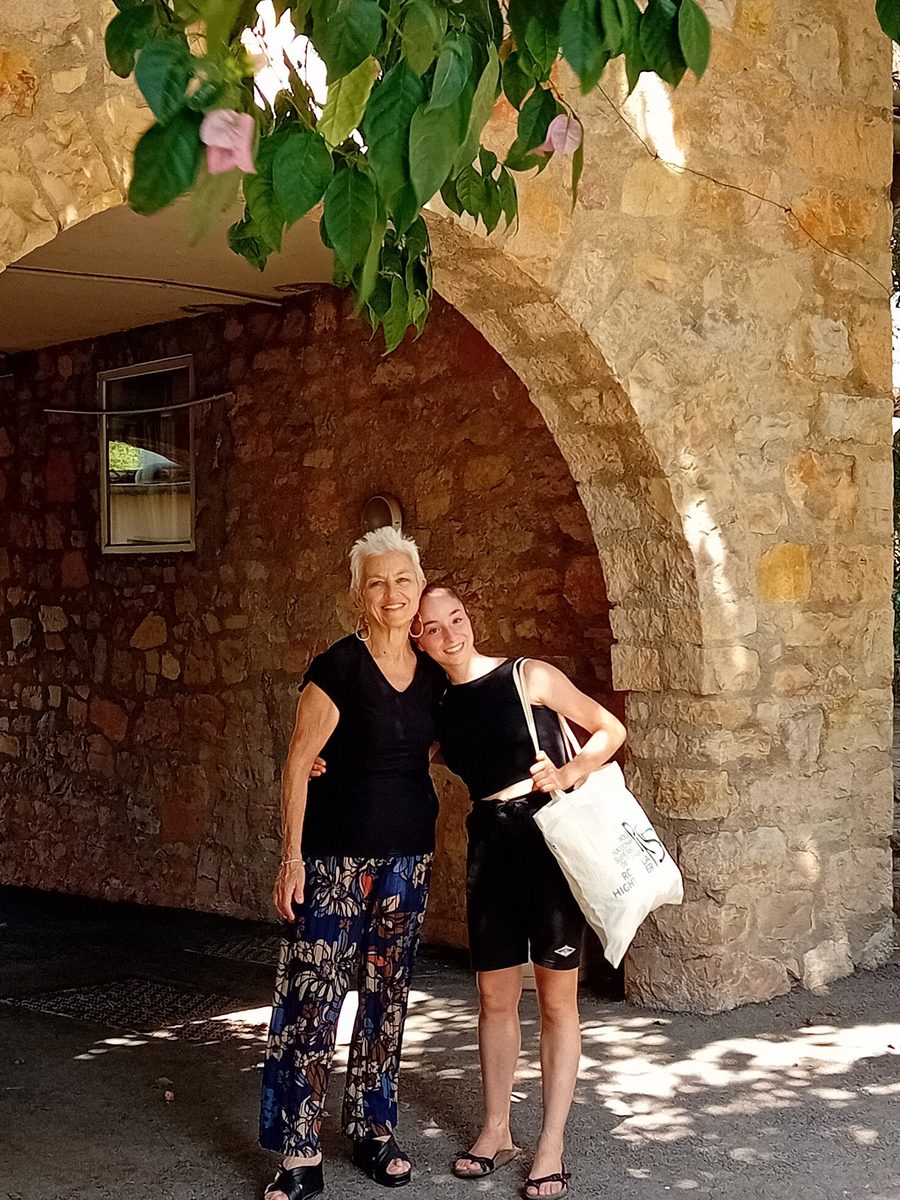
PNSD Rosella Hightower (École Nationale Supérieure de Danse de Cannes)
Mougins (near Cannes) · France
On the Riviera, one of France's five national dance conservatoires builds the academic day around daily ballet class, not the reverse.
Same specialism, country and curriculum — closest matches within ±10 points either way