
West Midlands
Elmhurst Ballet School
Britain's oldest vocational ballet school, timetabling GCSEs around the barre with a direct line into Birmingham Royal Ballet.
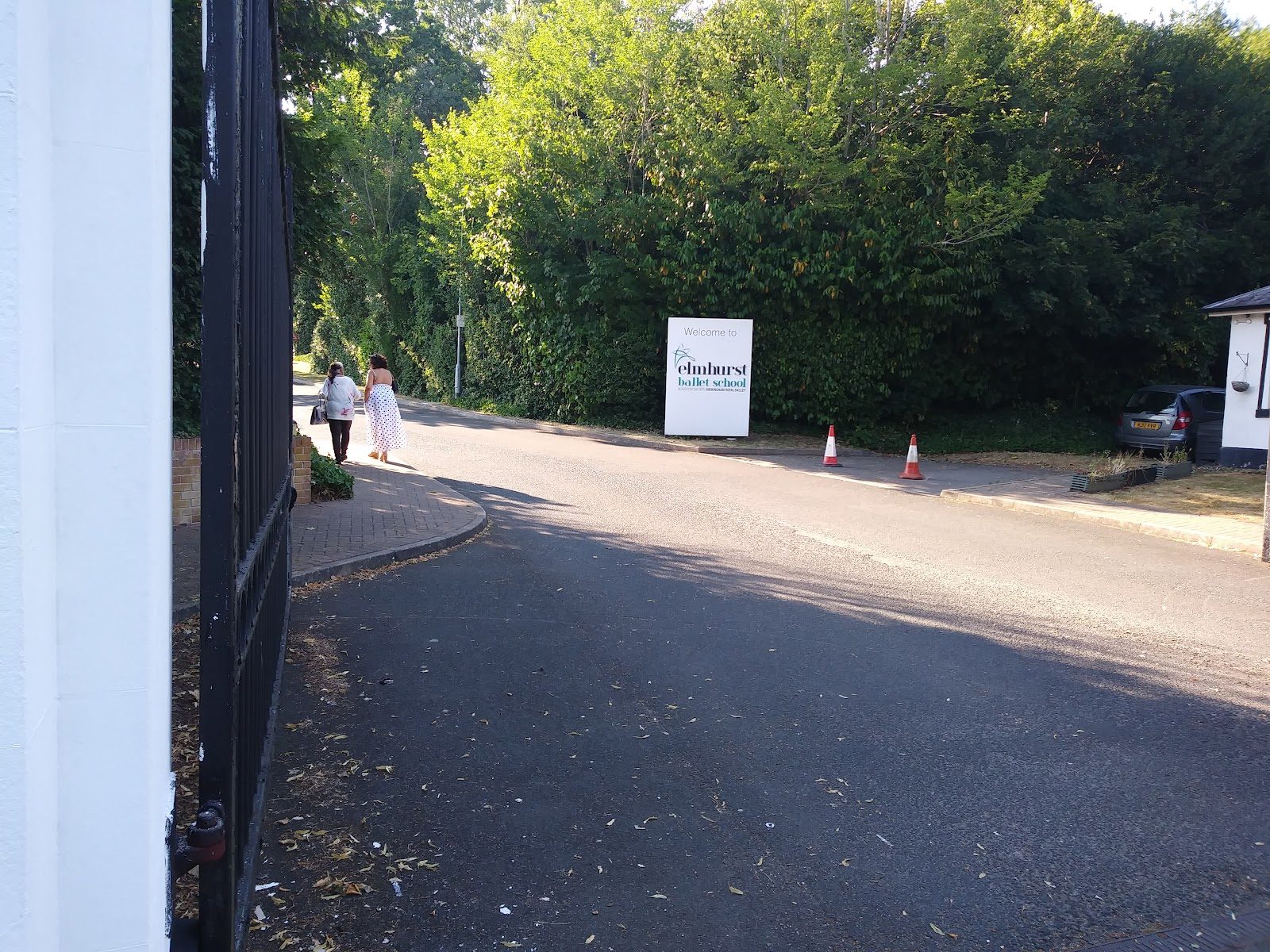
Photo © calamitysteph via Google Maps
Type
Boarding + Day
Ages
11–19
Curriculum
GCSE · A-Level
Ratio
—
The Verdict
Editor's commitment
Right for
Serious ballet students aged 11–19 who want vocational classical training embedded in a full GCSE and A-Level school day.
Wrong for
Children unsure about a professional ballet career; Elmhurst is a DfE-approved independent school built around dance, not broad exploration.
Watch out for
Average annual fees are £22,716 day and £29,707 boarding; CDET and MDS status add credibility, but the commitment is total.
Ranking breakdown
Elmhurst Ballet School · # of 1591
Composite score 53.9. 8 weighted criteria.
By criterion
Academic Outcomes
Weight 20%
#1477
of 1529 scored
University Placement
Weight 16%
#1504
of 1529 scored
Prestige & Heritage
Weight 12%
#843
of 1571 scored
Alumni Network
Weight 12%
#1429
of 1530 scored
Facilities
Weight 12%
#1463
of 1534 scored
Transparency & Communications
Weight 8%
#843
of 1532 scored
Peer & Industry Review
Weight 10%
#194
of 1548 scored
Admissions Selectivity & Demand
Weight 8%
#120
of 1529 scored
Peer & Industry Review
How Elmhurst Ballet School is regarded in the sector
85
Strong · medium confidence
Among UK vocational dance schools, Elmhurst is consistently ranked alongside the Royal Ballet School and Central School of Ballet as one of the country's top three classical training pipelines, a status reinforced by its formal affiliation as associate school to Birmingham Royal Ballet, which regularly recruits from its senior cohorts. Because it operates within the DfE Music and Dance Scheme, it is discussed in specialist arts-education circles more than in mainstream university league tables; students who do not progress directly into companies such as BRB, English National Ballet, Northern Ballet, or continental troupes typically move to conservatoire-level dance degrees rather than traditional Russell Group routes, so its 'university' profile is narrower than an academic independent school's. Independent education commentary (Good Schools Guide and similar specialist-school guides) treats it as a serious, high-discipline vocational institution rather than a broad academic competitor, praising training rigour while noting the inherent risks of early specialisation. It features regularly in dance-sector press (The Stage, Dancing Times) rather than national newspaper school league tables, reflecting its niche but well-respected standing.
Award

Elite Dance 50
World's Top School · The Global Ranking
Elmhurst Ballet School is featured on our Global Top 50 ranking at #19. This seal is available for the school's marketing team to use on their website, prospectus and social channels.
- Darcey Bussell — Principal dancer, Royal Ballet; TV judge
- Yasmine Naghdi — Principal dancer, Royal Ballet
- Fumi Kaneko — Principal dancer, Royal Ballet
Editors' overview
Elmhurst organises school around a single professional aim: classical ballet. It takes students aged 11 to 19, runs as both a day and boarding school in Edgbaston, Birmingham, and delivers GCSEs and A Levels alongside a full vocational dance training. That combination is the point. This is not a conventional independent school with strong dance on the side; it is a *specialist conservatoire school for adolescents*, built for children who already know that ballet is not a hobby. The Department for Education approval matters, and so do its ties to the Council for Dance Education and Training and the Music and Dance Scheme. Those markers place Elmhurst in a narrow and serious professional lane.
What puts it on a shortlist is the clarity of purpose. Parents looking at Elmhurst are not choosing between a broad all-round education and a little extra studio time; they are choosing a school that timetables the academic day around vocational ballet training for students intent on a stage career. The age range, 11–19, matters here: Elmhurst covers the secondary years through sixth form, when technical training intensifies and academic resilience gets tested. The average annual fee is £22,716 for day pupils and £29,707 for boarders, which is expensive but not outlandish for a UK specialist boarding school with this level of vocational focus. For the right child, that price buys a rare degree of alignment between schooling and artistic ambition.
The right student for Elmhurst is disciplined, physically resilient and not remotely romantic about what ballet training demands. They need to want long hours, correction, repetition and competition, while still handling GCSE and A Level study in English. A child who wants a broad menu of identities — sport captain, coder, actor, debater, scientist — has better options elsewhere. Elmhurst suits the student whose centre of gravity is already the studio, and whose family accepts that school life will be organised around that fact. Britain has very few schools in this category. Elmhurst stays on the shortlist because it offers a direct, vocational route through the teenage years for dancers who need exactly that.
A Global Elite 50 Dance school
Elmhurst Ballet School sits at #19 on our Global Elite 50 Dance Schools 2026, with B+ confidence, because on the 100-point cohort-conversion methodology it demonstrates the professional conversion, faculty pedigree, health-and-wellbeing infrastructure and specialist facilities required for the individually-ranked top-20 group.
The Global Elite 50 Dance Schools methodology is deliberately aggressive: half of the 100 available points are directly tied to professional conversion between 2016 and 2026 — main-company contracts, elite junior-company positions, apprenticeships and second companies. Beautiful campuses, historic alumni and impressive facilities cannot compensate for weak contemporary professional conversion, and are not scored independently.
Elmhurst earns its position on a genuine, sustained pipeline into Birmingham Royal Ballet and other UK and European companies, underpinned by its formal association with an operating elite classical company. Its evidence-confidence grade is deliberately separate from the ranking position: a lower grade reflects less public disclosure, not weaker performance. Where the school moves substantially better cohort data into the public domain in future audit cycles, the position — but not the underlying professional-conversion reality — may be revised.
International openness is a defining feature. Both boarding and day arrangements are offered, and overseas dancers apply on a rolling international audition and video pre-screen basis without residency, federation or citizenship gates. This is one of the internationally-open pipelines on the Global Elite 50 Dance Schools list that a relocating family can consider directly. Prospective families are advised to begin overseas application conversations early in the calendar year, with detailed audition and boarding logistics arranged 12-18 months ahead of the intended entry point.
Academic Performance
Academic performance here sits in a different category from a conventional independent school, and parents need to judge it on that basis. Elmhurst runs an academic programme alongside pre-professional ballet training, so the key question is not whether it produces the kind of subject spread or top-end volume of grades seen at hot-house academic schools. It does not. Students are balancing lessons with a demanding studio schedule, and that changes the benchmark. For a specialist vocational school, the core test is whether pupils leave with credible public examination outcomes while sustaining elite training. That is the standard that matters.
What is missing, though, is hard published data. Elmhurst does not disclose headline GCSE or A-level results in the public domain, so parents cannot make a clean numerical comparison with academically selective independents or with the strongest London day schools. That opacity is a weakness. In a market where many competitors publish *A-A rates, 9-7** profiles or destination patterns in detail, Elmhurst asks families to accept more on trust than the best-run schools do. The counterweight is its very narrow professional mission: for pupils targeting ballet, success does not rest on league-table optics alone. Even so, schools that organise a child’s education around a single vocation need to be especially clear about academic outcomes. Elmhurst is not.
Facilities
For Elmhurst, the critical facilities are the ones that let a teenage dancer train hard without treating academic schooling as an afterthought. The essential asset is studio provision: enough dedicated ballet space, with professional-standard floors and mirrors, to support daily technique classes, rehearsal and coaching across multiple age groups. Anything less would break the school’s model. The value here lies in integration. At weaker vocational schools, academics and dance fight each other for time and rooms; at Elmhurst, the whole operation is built around that coexistence. Parents do, however, need to keep perspective. This is not the sort of campus chosen for vast playing fields, sprawling maker spaces or showpiece all-rounding. Its facilities matter in direct proportion to one question: do they serve serious ballet training well? On that test, they are mission-critical.
Against peer schools in the vocational dance sector, that focus is a strength. Elmhurst competes in a tiny and exacting niche, and families comparing it with other specialist conservatoire-style schools should prioritise studios, performance and rehearsal infrastructure, physio and injury-management support, and boarding that can sustain punishing routines. Those elements matter more here than glossy libraries or Olympic-scale sport. What remains less clear in the public domain is the level of detail the school gives on specialist support spaces beyond the core training environment. That gap is worth noting. In this market, parents need more than aspiration and aura; they need a clear view of the physical setup that carries adolescents through a demanding, body-led education.
Outside dance, Elmhurst does not carry the same all-purpose academic or social weight as the top tier of famous British boarding schools
Prestige
Elmhurst carries real prestige, but it is specialist prestige, not the broad social cachet of an all-round independent school. In ballet circles, that distinction matters more than dinner-party recognition. A place at a school built for professional classical training from 11–19 signals early talent, stamina and a family willing to back a demanding vocational route. The association with Birmingham Royal Ballet sharpens that status: it gives Elmhurst a serious industry halo and ties the school to one of the country’s major classical institutions. That connection does not guarantee a contract, and serious parents know better than to ask for guarantees, but it does place pupils in a credible professional pipeline rather than a school dance department with grand ambitions.
The school’s prestige stops where its specialism stops. Outside dance, Elmhurst does not carry the same all-purpose academic or social weight as the top tier of famous British boarding schools. Its public academic data are thin, and that limits its authority with families who want a school to prove itself in examination terms as well as vocational ones. Even so, within its own lane Elmhurst is genuinely elite: entry is selective, the training aim is uncompromising, and the school serves a clear professional end that very few schools in Britain can match. For a young dancer with the technique, temperament and resilience for this life, Elmhurst has serious name-value.
Elmhurst organises school around a single professional aim: classical ballet
Communications
Elmhurst’s parent communication has to do a harder job than most schools’. When a child’s education is built around intensive dance training, families need clear information on schedules, performance demands, physical welfare, boarding routines and academic tracking. That raises the bar. Elmhurst communicates a very clear sense of purpose in public: it tells parents exactly what the school is for and exactly which kind of student it serves. That clarity is useful. What is less convincing is the level of operational detail available in the public domain. We do not see much published that helps an outsider judge the rhythm of reporting, the granularity of pastoral communication, or the school’s candour on injury management, workload and day-to-day student support. For a school charging an average of £29,707 for boarding, that lack of visible detail is a real weakness.
The effectiveness, then, is mixed. Strategic communication is sharp and disciplined: the school’s mission is easy to grasp, and there is no muddle about its professional focus. Practical communication is harder to verify. Parents considering a school with this intensity need more than a strong front-end message; they need evidence of steady, adult-grade communication once a child is inside the system. Elmhurst does not publish enough to prove excellence on that front. Families who shortlist it should test this directly in admissions conversations: ask how academic progress is reported, how quickly concerns are escalated, how boarding staff communicate with home, and how the school handles the high-stakes realities of injury, absence and pressure.
Uniqueness
Elmhurst is unusual because it does not bolt elite dance on to ordinary school life; it builds ordinary school life around elite dance. That distinction changes everything. The school takes children from 11 onwards who intend to pursue professional classical ballet, and it treats that intention as the organising principle of the day rather than an extracurricular preference. For the right student, that brings rare clarity. There is no mixed message about priorities, no polite fiction that ballet sits neatly beside a dozen other equal commitments. Training, recovery, rehearsal and study all have to coexist, and pupils learn early how to live inside a demanding professional discipline rather than a protected school bubble.
What students gain is focus, technical immersion and proximity to the standards of the profession they want to enter. They work among peers who share the same goal, which raises the level of seriousness and strips away any romance about the art form. That environment can be electrifying for a young dancer with talent and grit. It can also be narrowing and brutally exacting. Injuries matter more here, setbacks cut deeper, and a teenager’s sense of self can get tied tightly to performance. Elmhurst’s uniqueness, then, is not just specialism but totality: it gives students a school life built for ballet, with all the precision, pressure and purpose that entails.
The Department for Education approval matters, and so do its ties to the Council for Dance Education and Training and the Music and Dance Scheme
Student Profile
The student who fits Elmhurst already has a settled relationship with ballet. This is not the place for a child who enjoys dance lessons after school and wants to keep options open. It suits the adolescent who can tolerate correction, repetition and hierarchy without losing momentum, and who draws energy from a peer group organised around the same professional goal. Physical robustness matters, but so does temperament: students need patience with slow technical gains, composure under scrutiny and the capacity to keep working when casting, injury or comparison bite. At 11–19, that demands an unusual degree of self-command. The strongest fit is single-minded, hard-working and not easily derailed by a regime that leaves little room for drift.
Socially, pupils need to be comfortable in a high-pressure, specialist environment where identity is bound tightly to performance. That can be exhilarating for the right teenager and constricting for the wrong one. Children who need a wide field of extracurricular identities, a relaxed school rhythm or constant affirmation will struggle. Those who thrive tend to be disciplined, coachable and realistic about what pre-professional training asks of the body and mind. Families need the same realism. Elmhurst works for parents who accept that school life here will be exacting, competitive and narrow by design, and who value vocational seriousness over the broader social experience sold by conventional independent schools.
Those markers place Elmhurst in a narrow and serious professional lane
Co-curricular strengths
Arts & sport, on a separate axis
Overall 6.48/10
Scored 0-10 from the school's own published evidence. This axis is editorial-only — it does not feed the main WTS ranking.
Sports
4/10
Drama
6/10
Dance
9.9/10
Music
7.5/10
Visual Arts
5/10
Strengths
- +Associate school of Birmingham Royal Ballet, giving pupils direct exposure to a professional company and performance opportunities.
- +Vocational ballet school founded in 1923, one of Britain's first, now on a purpose-built Edgbaston campus opened in 2004.
- +Combines a full academic curriculum (GCSE, A-Level and a Trinity-validated Level 6 Diploma) with daily vocational dance training on the same site.
- +Offers both boarding and day places, drawing applicants from across the UK and internationally via audition.
- +Eligible UK pupils can apply for government Music and Dance Scheme (MDS) funding, which can substantially offset fees.
Considerations
- −Entry is by competitive audition with very limited places each year, so admission is far from guaranteed even for capable dancers.
- −Academic breadth is constrained by the hours committed daily to ballet training, which suits a narrow range of learners.
- −Single-discipline focus on classical ballet means the school is unsuitable for children wanting broader performing arts or general schooling.
- −For families who do not qualify for MDS support, fees represent a significant and sustained financial commitment.
Gallery
Photo © Adan Jelle via Google Maps
Photo © Jennifer MacNamara via Google Maps
Photo © daniela nuvoli65 via Google Maps
Photo © daniela nuvoli65 via Google Maps
Photo © Pete via Google Maps
Photo © Pete via Google Maps
Photo © Ben W via Google Maps
Parent reviews
Have you sent your child here?
Voice reviews carry the strongest trust badge — we transcribe them for you to tidy up before they go live. Prefer to type? A written review is fine too.
Add your voice
In 60 seconds, tell other parents: what's the best thing about Elmhurst Ballet School, and what surprised you when your child joined?
We ask for a Google sign-in so every review has a real face behind it — no anonymous drive-by attacks on schools, and no faked positive reviews. Your email is never shown publicly.
Send this profile to a friend
International parents rely on word-of-mouth. Share this review with someone weighing the same decision.
Schools with places
Similar schools to Elmhurst Ballet School with places available now.
Availability first, then country, area, curriculum, price, co-curricular
Consider also
Also worth looking at alongside Elmhurst Ballet School.
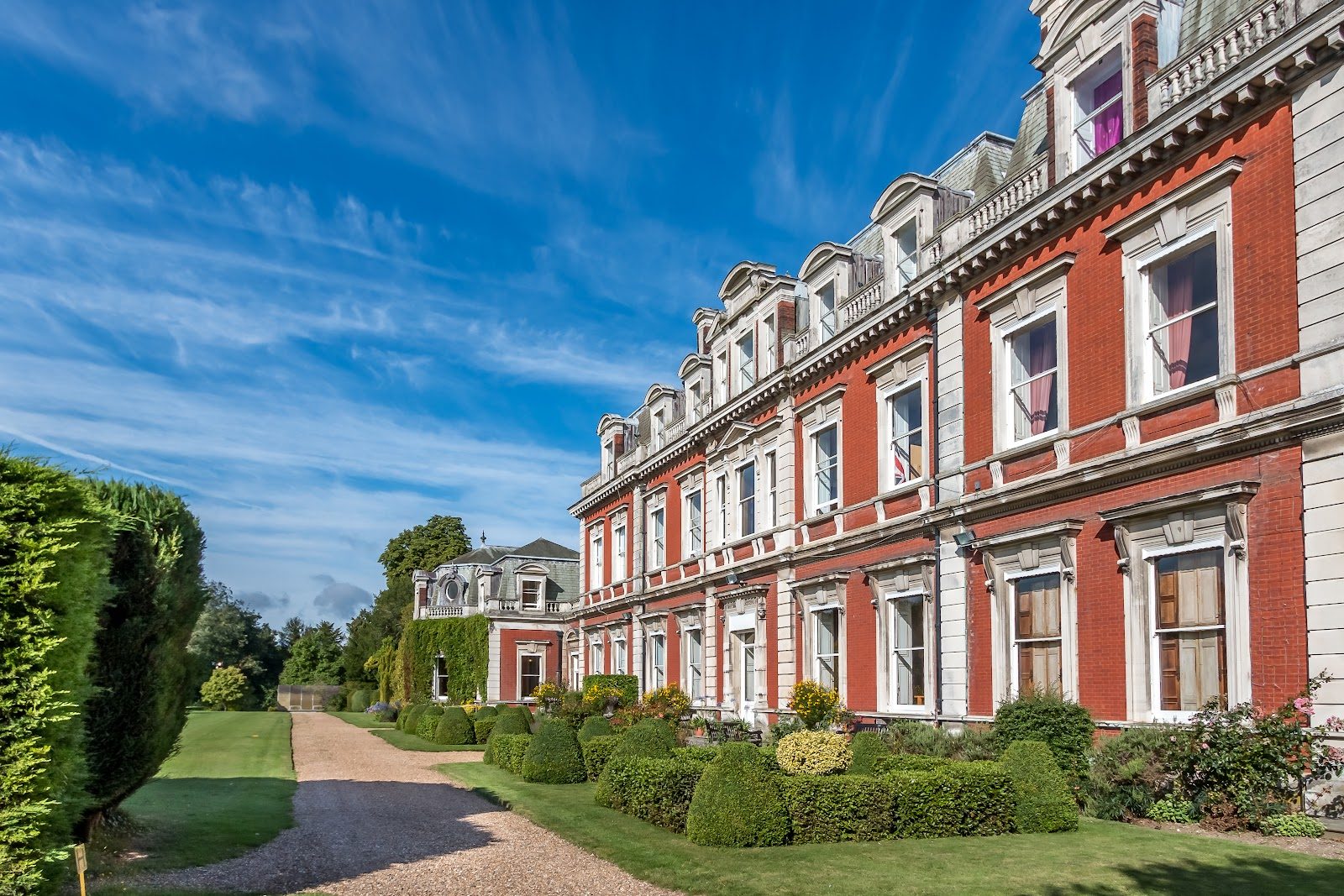
Tring Park School for the Performing Arts
Tring, Hertfordshire · United Kingdom
In a Wren-designed Rothschild mansion, mornings of GCSE and A-Level study give way to afternoons of rigorous, audition-only dance and drama training.

The Royal Ballet School
White Lodge, Richmond Park (Lower) / Covent Garden (Upper) · United Kingdom
A Grade I-listed royal hunting lodge in Richmond Park doubles as classroom and studio for GCSE-age dancers admitted on talent alone.
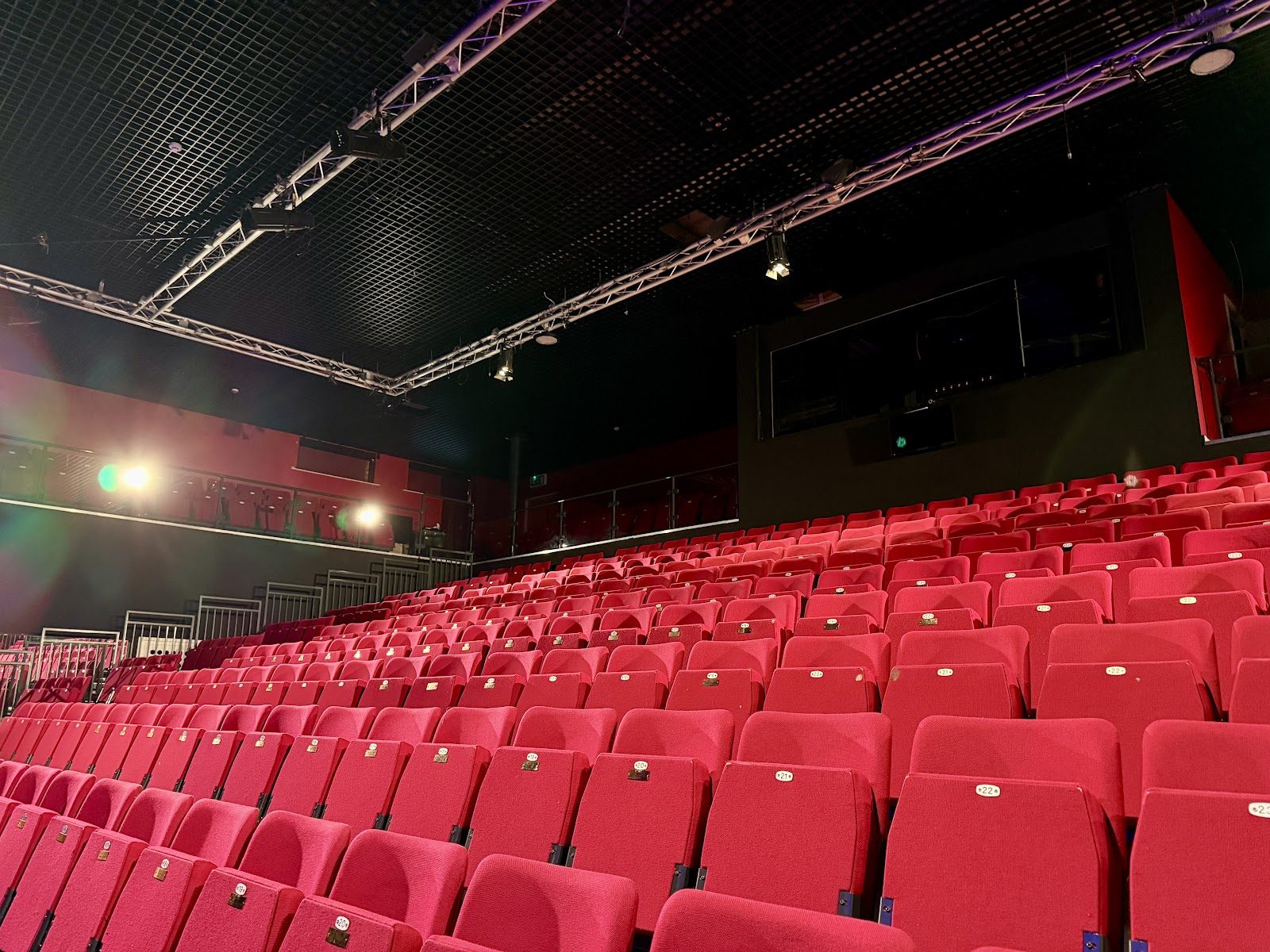
The Hammond School
Hoole Bank, Chester · United Kingdom
Britain's oldest vocational dance school pairs morning GCSEs with afternoon ballet studios and a validated musical theatre degree.
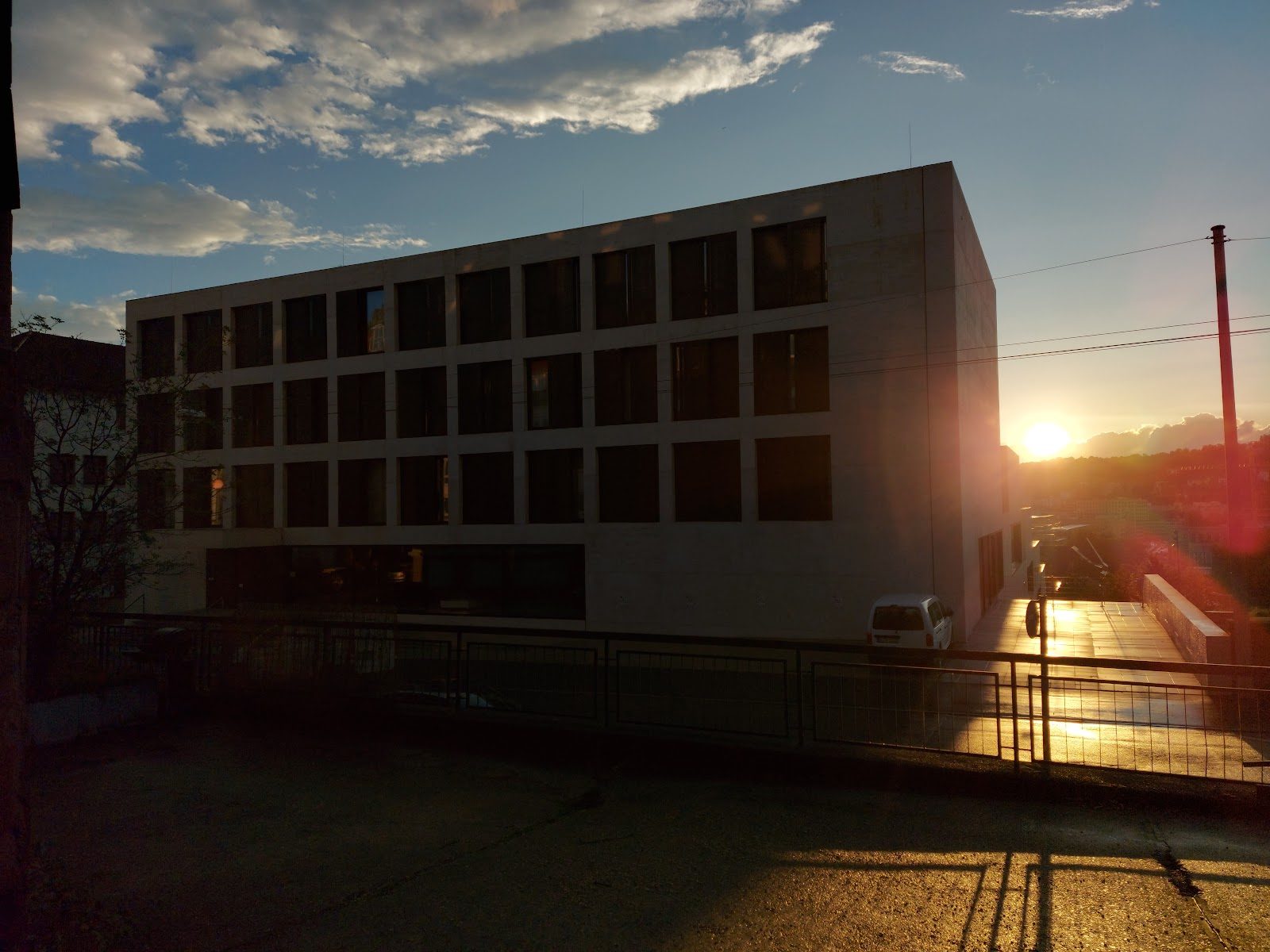
John Cranko School
Stuttgart · Germany
A ballet academy where daily company class runs alongside the Abitur, its graduates filling the ranks of the Stuttgart Ballet
Same specialism, country and curriculum — closest matches within ±10 points either way