
County Limerick
Glenstal Abbey School
Boys are schooled by Benedictine monks inside a Norman-Revival castle on a 500-acre working estate in Limerick
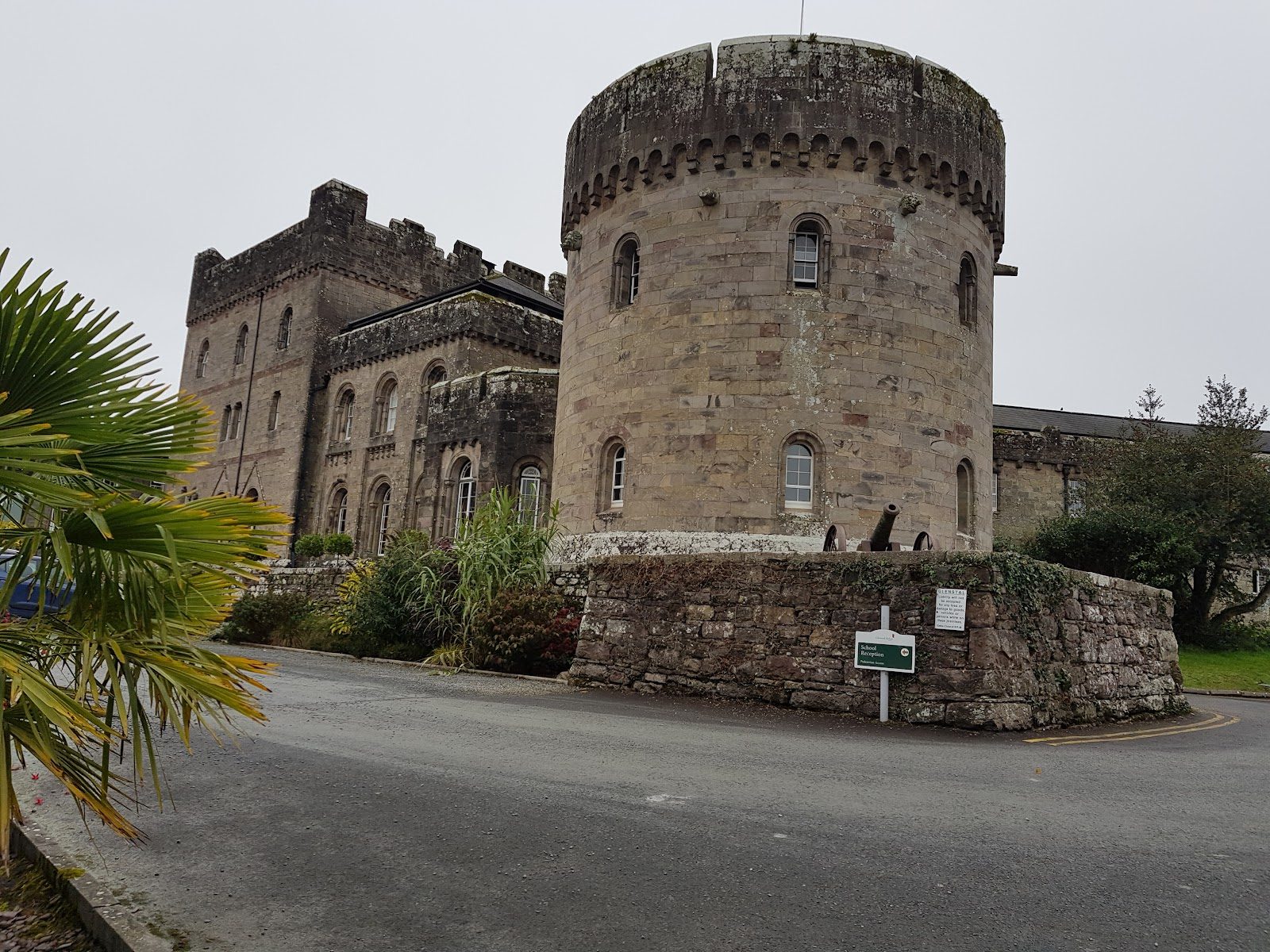
Photo © Tim Tiley via Google Maps
Type
Boarding
Ages
11–18
Curriculum
Irish
Qualifications
Junior Cycle · Leaving Certificate
Ratio
—
The Verdict
Editor's commitment
Right for
Boys aged 11–18 who want full boarding in County Limerick, with Catholic life shaped by Benedictine monks on a 500-acre estate.
Wrong for
Girls, families wanting a co-ed secondary, or anyone uneasy with a boys-only Catholic boarding school founded in 1932.
Watch out for
The setting is the point: a Norman-Revival castle and abbey grounds in Murroe. If your son wants urban buzz, look elsewhere.
Ranking breakdown
Glenstal Abbey School · # of 1591
Composite score 61.7. 8 weighted criteria.
By criterion
Academic Outcomes
Weight 20%
#1156
of 1529 scored
University Placement
Weight 16%
#1015
of 1529 scored
Prestige & Heritage
Weight 12%
#438
of 1571 scored
Alumni Network
Weight 12%
#920
of 1530 scored
Facilities
Weight 12%
#271
of 1534 scored
Transparency & Communications
Weight 8%
#1150
of 1532 scored
Peer & Industry Review
Weight 10%
#1372
of 1548 scored
Admissions Selectivity & Demand
Weight 8%
#991
of 1529 scored
Peer & Industry Review
How Glenstal Abbey School is regarded in the sector
60
Respected · medium confidence
Glenstal Abbey is consistently ranked among Ireland's top boarding schools by national feeder-school league tables published in the Irish Times and Sunday Times, which track progression to high-points university courses, particularly medicine, law and engineering at UCD, Trinity College Dublin, and UCC. Within Ireland's small Benedictine and Catholic boarding sector, it is regarded as a benchmark alongside Rockwell College and Newbridge College, often cited by rival heads for its distinctive monastic ethos and pastoral structure rather than pure academic hothousing. Education commentators and guides covering Irish boarding options frequently highlight its choral tradition (the Schola Cantorum) and monastery link as differentiators noted in independent reviews of Irish secondary education. It appears in discussions of Ireland's remaining boarding schools given the sector's contraction, giving it visibility in press coverage of boarding viability. However, it receives less international press attention than UK-based HMC schools, and detailed university admissions-officer commentary specific to Glenstal is not readily available in public sources.
Editors' overview
Glenstal Abbey School occupies a niche that very few schools can match: a boys’ boarding school run on the grounds of a Benedictine abbey, with pupils educated inside a Norman-Revival castle on a 500-acre estate in County Limerick. Founded in 1932, it trades on atmosphere as much as instruction. For some families, that setting carries real weight: monastic order, ritual, silence, and a daily life shaped by Catholic Benedictine culture rather than the secular rhythm of a conventional boarding school. That distinctiveness puts Glenstal on a shortlist for parents who want a school with a strong religious frame, a rural boarding environment, and a degree of separation from the noise and speed of urban adolescence.
Its market position is clear. This is not a mass-market international boarding school selling global polish and endless subject combinations. It is an Irish boys’ boarding school for ages 11–18, teaching in English, with a Catholic identity that sits at the centre of the institution rather than on the letterhead. The appeal lies in enclosed seriousness, old-world discipline, and a school life shaped by community and place. Parents who want co-education, a less confessional atmosphere, or a broad public account of measurable academic outcomes will find the proposition narrower. Glenstal does not win attention through scale or aggressive self-promotion; it wins it through coherence.
The right student for Glenstal is a boy who will thrive in boarding, accept structure, and respond well to a school where tradition has substance. He does not need a glossy social scene; he needs steadiness, pastoral containment, and room to mature at a measured pace. A musically inclined or reflective student may find the abbey setting especially powerful, as may a family that values spiritual seriousness and a strong sense of daily order. A boy who resists authority, wants a more anonymous campus, or needs the social and cultural breadth of a large co-educational school will find Glenstal restrictive.
Why shortlist it? Because Glenstal offers something rare and fully formed: a Catholic boarding education with genuine identity in a setting that no competitor can reproduce. The abbey connection, the castle, the estate, and the all-boys boarding culture create a school with a strong internal logic. That clarity is its strength. Families who want that world will know it at once. Families who do not, should look elsewhere.
Academic Performance
Glenstal does not publish the kind of hard comparative data that would let parents place it cleanly against Ireland’s strongest fee-paying schools. We have not seen aggregate Leaving Certificate score distributions, university destination breakdowns, or year-on-year attainment data in the public domain. That matters. In a market where academically ambitious families ask for points profiles, subject performance, and progression evidence, this level of opacity leaves Glenstal on weaker ground than schools that disclose outcomes with cold precision. The academic case therefore rests less on published metrics than on the school’s educational character and the seriousness of its internal culture.
That does not make it weak; it makes it harder to verify. A disciplined monastic setting, a single-sex cohort, and a contained school community can support steady, focused examination preparation, especially for boys who work better with structure than with constant stimulation. But without published headline results, Glenstal does not earn a place in the top academic tier on evidence. It fits better among schools valued for formation as much as performance than among institutions trading on relentless exam statistics. For parents who want a clear scoreboard, that is a drawback. For parents who care as much about intellectual habits, conduct, and seriousness of purpose as about raw points, Glenstal remains credible — but not transparent.
Facilities
The facilities story starts with the estate itself. Few peer schools can match a campus built around a castle and abbey grounds extending across 500 acres: that gives Glenstal space, quiet and physical separation in a way urban day schools and compact suburban boarders cannot rival. For boarding families, that scale matters. It creates a setting for sport, walking, outdoor time and plain daily breathing room that many Irish independents do not have. The trade-off is obvious. This is not a polished, high-spec campus built to advertise innovation through glass walls, design labs and endless specialist centres. Its physical appeal lies in atmosphere, seclusion and gravitas, not in a catalogue of flashy additions.
Against peer boarding schools, Glenstal’s advantage is the sheer force of setting and the cohesion that setting gives school life. A Benedictine school on monastic grounds has built-in spaces for reflection, music and communal ritual that most competitors cannot fake. Parents drawn to chapel life, choral culture and a campus with real spiritual weight will rate that highly. Parents comparing science suites, theatre infrastructure, elite indoor sports provision or purpose-built sixth-form centres will need harder specifics: the school does not publish a detailed public account of facilities at that level. That weakens its hand against better-documented rivals. Glenstal wins on place and character; it does not win on publicly itemised hardware.
But without published headline results, Glenstal does not earn a place in the top academic tier on evidence
Prestige
Glenstal carries real prestige, but it is a specific prestige, not a universal one. In Ireland, the school’s standing rests on distinctiveness, continuity and social recognisability: an all-boys Catholic school embedded in an abbey, educating pupils in a setting that reads as old establishment without needing to advertise the fact. That gives it cultural weight with families who value tradition, religion and a school identity that has not been flattened into generic international branding. The physical setting alone — a castle on a 500-acre estate — gives Glenstal instant memorability. Prestige here comes from inheritance and atmosphere, from belonging to a world with its own rules, rhythms and symbols.
That said, Glenstal does not sit at the top table of prestige on pure academic signal, because the school does not publish the outcome data that top-tier academically driven schools use to prove their rank. Nor does it trade on metropolitan glamour, scale, or a broad public account of elite university placement. Its reputation is deeper than it is wider: strong among families who understand the Irish boarding and Catholic landscape, thinner among international parents hunting for visible performance metrics. We rate it as a school with high niche prestige rather than blanket prestige — powerful for the right constituency, but not a status institution in every market.
For students, that distinctiveness brings clear gains and clear limits
Communications
Glenstal’s parent communications carry the same institutional character as the school itself: formal, contained and not built for constant hand-holding. Parents choosing this school are buying into a community with a strong internal culture, and the communication style follows that logic. There is little public evidence of the hyper-frequent, dashboard-driven parent reporting now common in more commercial boarding schools. No polished stream of data, app-led transparency or aggressively curated outcomes narrative sits in plain view. That does not read as carelessness; it reads as a school that expects trust and deference to its systems. For some families, that feels reassuringly old-school. For others, it feels too closed.
Effectiveness depends on what a parent wants. Families who value clear authority, stable routines and a school that does not perform every internal process in public will tolerate a leaner communications culture. Families who want instant visibility on performance, pastoral issues, university planning and the mechanics of boarding life will find Glenstal less satisfying. The same reserve that strengthens its identity weakens its external clarity. We have not seen the school publish much that would let a prospective parent judge cadence, candour or detail in reporting. That absence matters. In communications, as in academics, Glenstal asks parents to accept more on trust than many competitors now do, and that makes it coherent but not transparent.
Uniqueness
What sets Glenstal apart is not just the abbey connection or the school’s religious label. It is the fact that boys live and study inside a working Benedictine world, on an estate vast enough to impose real separation from ordinary adolescent noise. The place has a closed, self-contained quality that very few schools can offer. Daily life sits closer to a monastery-adjacent community than to a standard fee-paying boarding school. That gives the school a rare internal coherence: worship, routine, music, silence, authority and landscape all point in the same direction. Even among Catholic schools, that level of integration is unusual. The 500-acre setting matters not as spectacle, but as an instrument of education: it slows the tempo, narrows distractions and gives boys room to think.
For students, that distinctiveness brings clear gains and clear limits. A boy who needs steady containment, recognisable ritual and adults who take conduct seriously can grow well here. The monastic frame can cultivate attention, patience, self-command and a stronger tolerance for quiet than most schools manage. It also gives unusual weight to reflection and communal life, which suits thoughtful, musically inclined and inward students. The limit is just as plain. Glenstal offers a highly specific formation, not an open-ended adolescent marketplace. Boys who want social sprawl, looser boundaries or a more secular atmosphere will feel the walls. For the right child, that containment is exactly the point.
Founded in 1932, it trades on atmosphere as much as instruction
Student Profile
The boy who fits Glenstal is not the one chasing noise, display or social breadth for its own sake. He does well with routine, accepts adult authority without constant negotiation, and has enough inwardness to live comfortably in a community shaped by prayer, formality and shared expectations. This suits boys who need clear rails, firm containment and a school day that does not leave too much slack at the edges. It also suits pupils whose confidence grows through steadiness rather than performance: thoughtful boarders, boys with musical or liturgical interest, and adolescents who benefit from a culture that treats conduct as part of education, not a side issue. The all-boys setting and the scale of the estate — 500 acres — reinforce that enclosed world.
The wrong fit is just as clear. A boy who wants metropolitan energy, a broad co-educational social scene, or a casual relationship with religion will chafe here. So will one who needs constant novelty, expansive subject choice, or a culture built around visible competition and external validation. Glenstal asks for buy-in, not detached attendance. It works best for families who want school to provide moral structure as well as teaching, and for boys prepared to inhabit a place with strong boundaries and an old-fashioned sense of seriousness. For independent-minded pupils, that can be either a discipline or a constraint. At Glenstal, it is never neutral.
This is not a mass-market international boarding school selling global polish and endless subject combinations
Co-curricular strengths
Arts & sport, on a separate axis
Overall 7.86/10
Scored 0-10 from the school's own published evidence. This axis is editorial-only — it does not feed the main WTS ranking.
Sports
9.2/10
Drama
8.2/10
Dance
4.5/10
Music
9/10
Visual Arts
8.4/10
Strengths
- +Small, close-knit boarding community run by Benedictine monks, with class sizes of roughly 12-16 students per group.
- +Leaving Certificate results are consistently reported as strong, with the school citing an average of around 480-500 points and individual records such as nine H1 grades in 2022.
- +Set on a 500-acre estate with historic buildings, farmland and sports facilities, a 40-minute drive from Shannon Airport.
- +Established international intake, with roughly 15% of pupils drawn from abroad and dedicated guardianship arrangements for overseas families.
- +Long institutional history dating to 1932, with alumni spanning the judiciary, literature, sport and entrepreneurship, including Web Summit founder Paddy Cosgrave.
Considerations
- −All-boys school following only the Irish Junior and Leaving Certificate curriculum, with no co-educational or IB option for families seeking either.
- −Fees rank among the higher tier of Irish boarding schools, with full seven-day boarding priced around EUR 23,000 a year, rising further for non-EU/UK students.
- −Genuinely rural location in Murroe, County Limerick, over two hours' drive from Dublin Airport, which adds logistical friction for internationally mobile families.
- −The Abbey has previously faced historic child-abuse allegations against monks (ten accusations since 1975), a fact families researching the community should be aware of even though a 2014 safeguarding review found the response appropriate.
Availability
Primary entry gate & tests
Transcripts + Interview (Boys)
Gallery
Photo © Tomas Bodnar via Google Maps
Photo © Tomas Bodnar via Google Maps
Photo © Tomas Bodnar via Google Maps
Photo © Olivier Collin via Google Maps
Photo © Olivier Collin via Google Maps
Photo © Glenstal Abbey School via Google Maps
Photo © Tom Kojak via Google Maps
Parent reviews
Have you sent your child here?
Voice reviews carry the strongest trust badge — we transcribe them for you to tidy up before they go live. Prefer to type? A written review is fine too.
Add your voice
In 60 seconds, tell other parents: what's the best thing about Glenstal Abbey School, and what surprised you when your child joined?
We ask for a Google sign-in so every review has a real face behind it — no anonymous drive-by attacks on schools, and no faked positive reviews. Your email is never shown publicly.
Send this profile to a friend
International parents rely on word-of-mouth. Share this review with someone weighing the same decision.
Schools with places
Similar schools to Glenstal Abbey School with places available now.
St. Andrew's College Dublin
Dublin · Ireland
- 2026-27
- WAITPOOLVacancy-dependent
- 2027-28
- PLACES OPEN
St. Kilian's Deutsche Schule Dublin
Dublin · Ireland
- 2026-27
- WAITPOOLVacancy-dependent
- 2027-28
- OPENS SOONExpected Oct '26
Availability first, then country, area, curriculum, price, co-curricular
Consider also
Also worth looking at alongside Glenstal Abbey School.
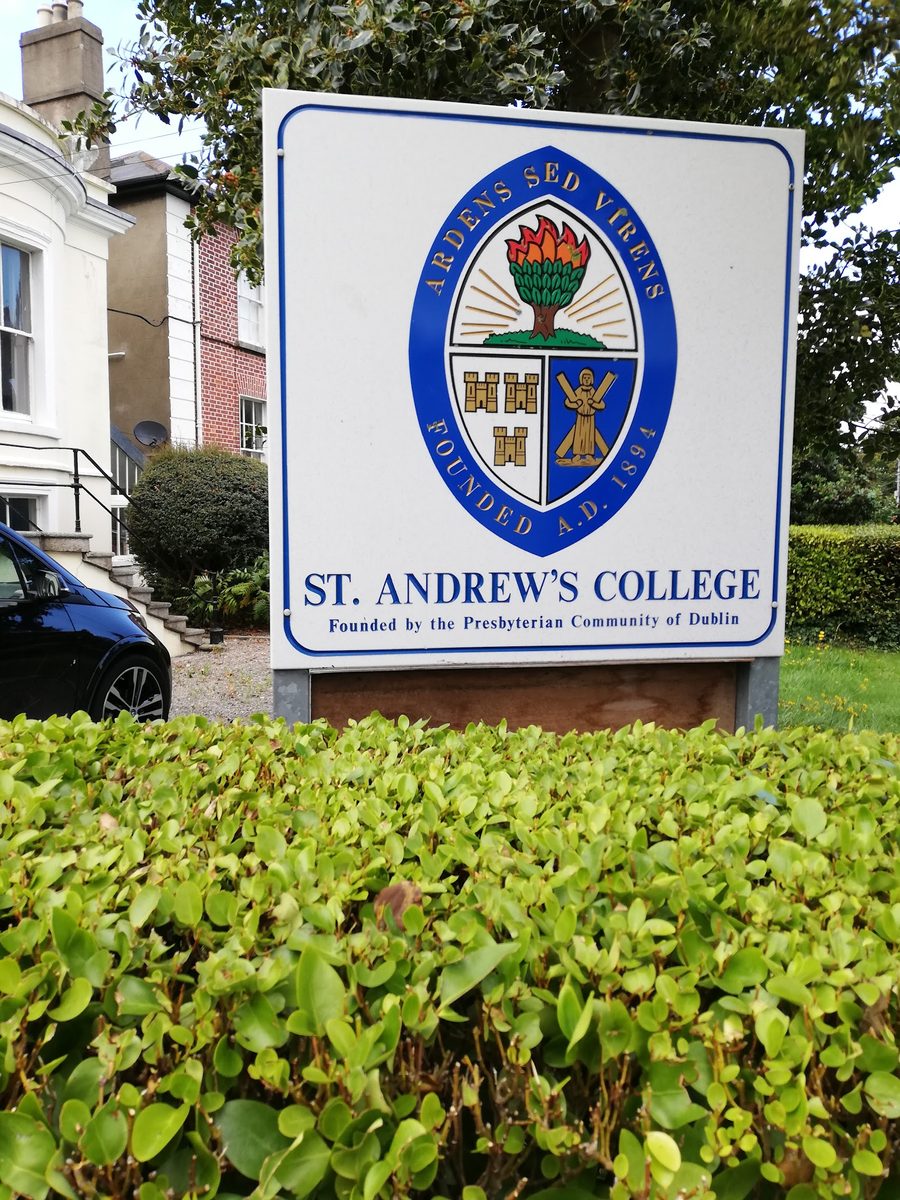
St. Andrew's College Dublin
Dublin · Ireland
First in Ireland to gain IB Diploma authorisation, this interdenominational Booterstown day school still hosts its own Model UN each Easter.
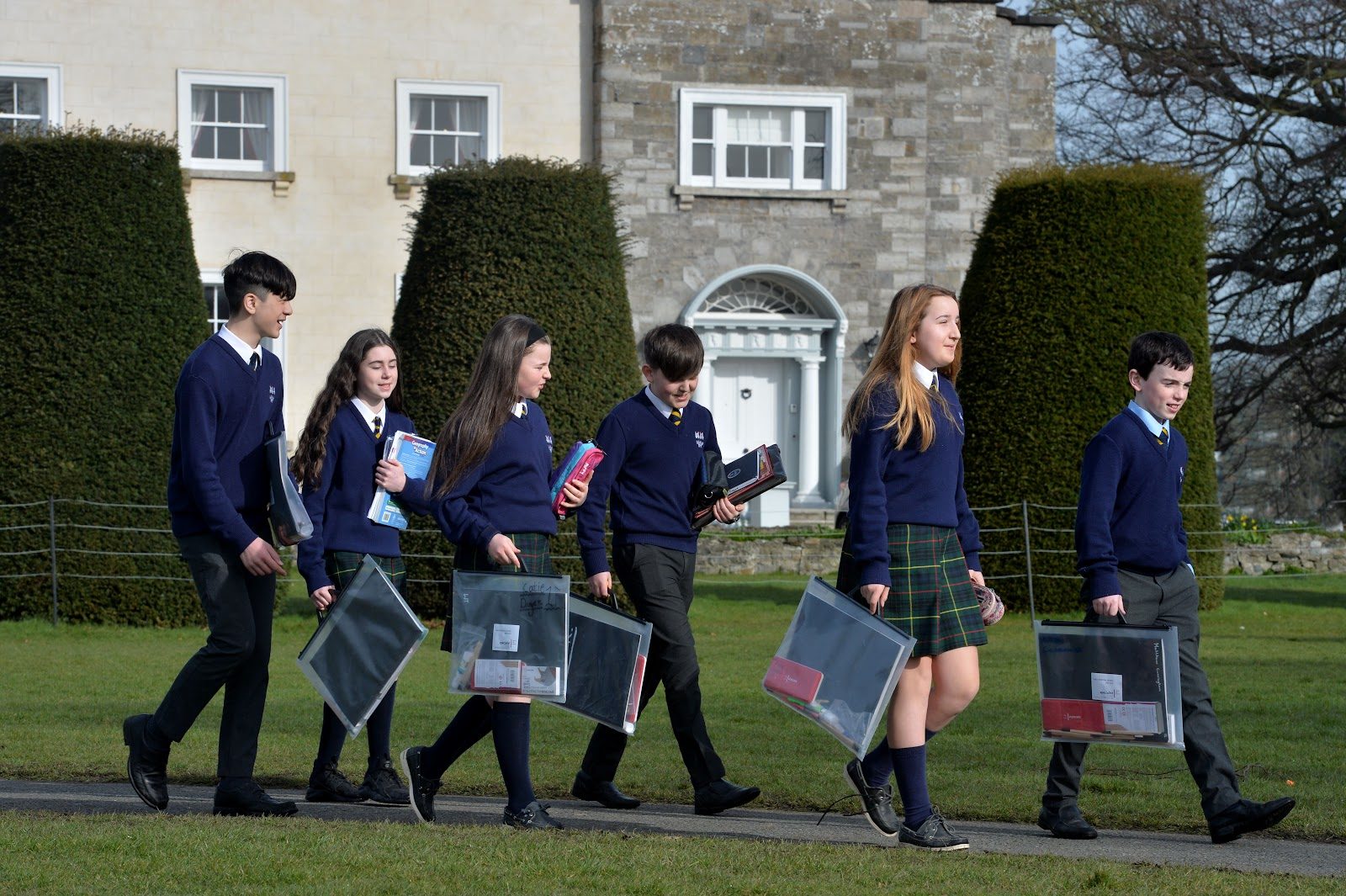
King's Hospital
Dublin · Ireland
Chartered by Charles II in 1669, this Liffey-side campus still channels its Blue Coat School past into modern boarding life.
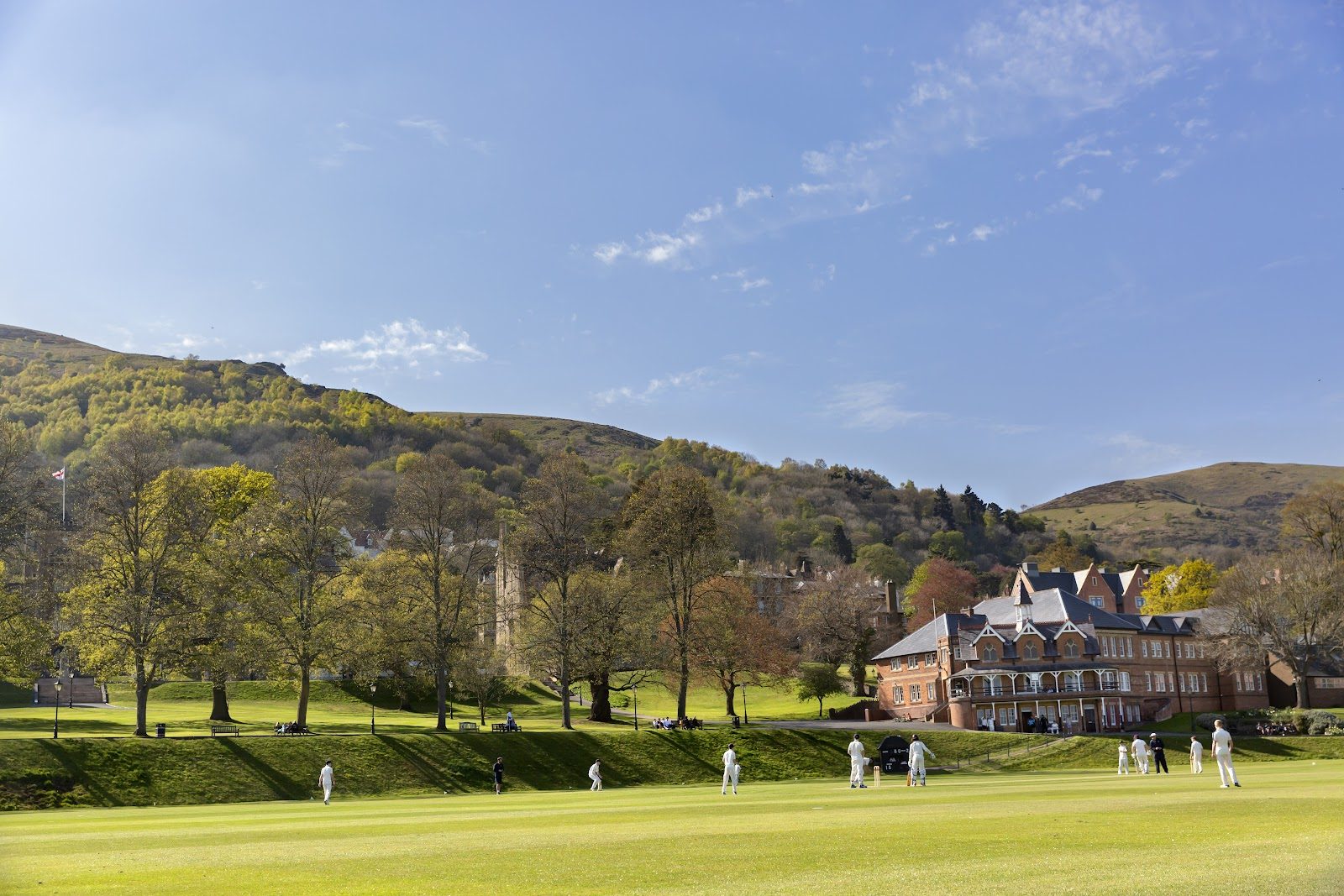
Malvern College
Malvern · United Kingdom
Beneath the Malvern Hills, a campus that once housed wartime radar research has produced four Nobel Prize winners.
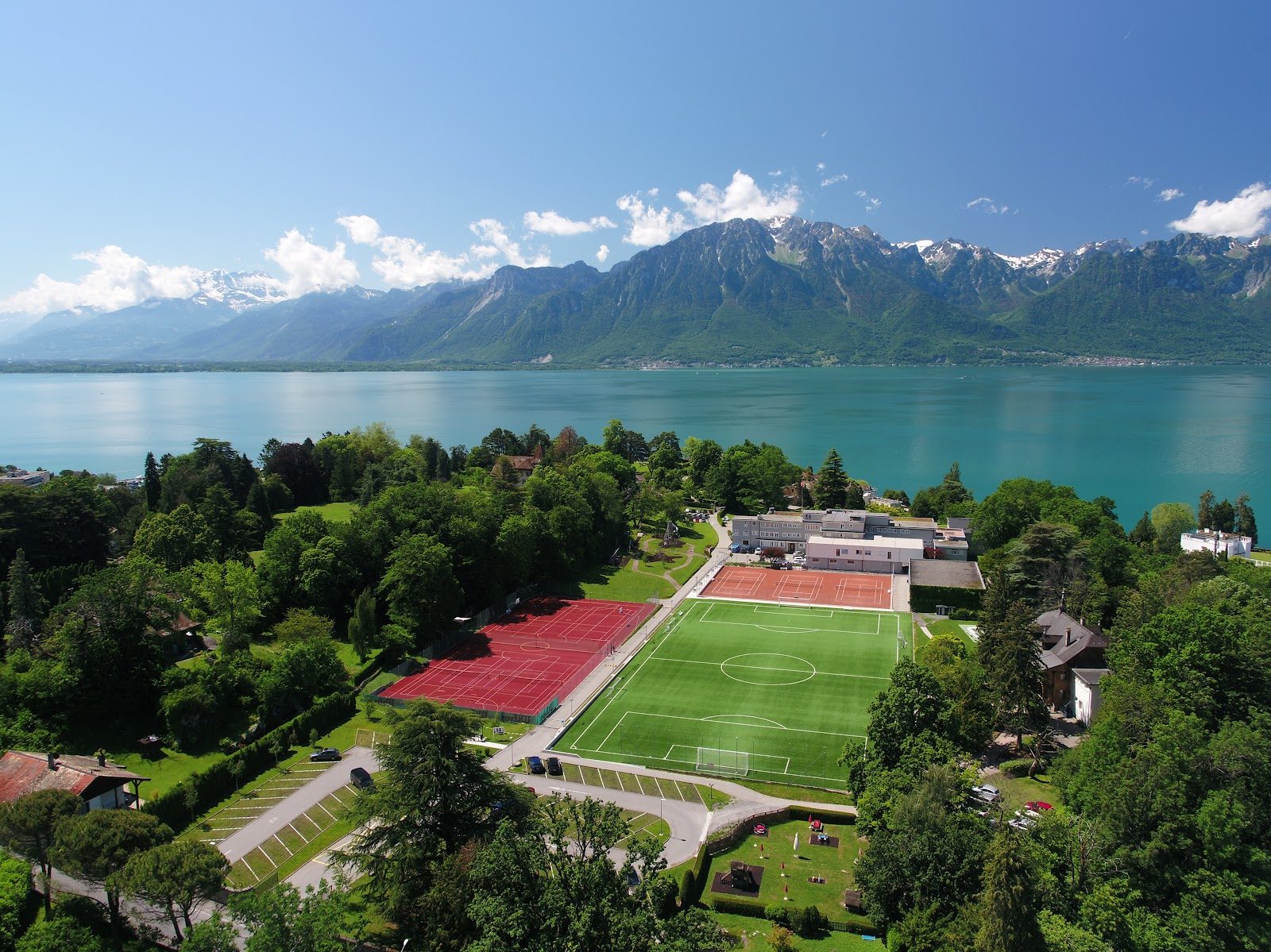
St George's International School (Montreux)
Montreux · Switzerland
Founded in 1927 by two Oxford graduates on the shores of Lake Geneva, pairing British rigor with IB ambition.
Same country and curriculum — closest matches within ±10 points either way