
Vila Andrade
British College of Brazil
low confidence· 4/6 cats · 1 avg sourcesSao Paulo's twin campuses pair Cambridge IGCSEs with Juilliard-linked arts and a rare secondary sailing programme.
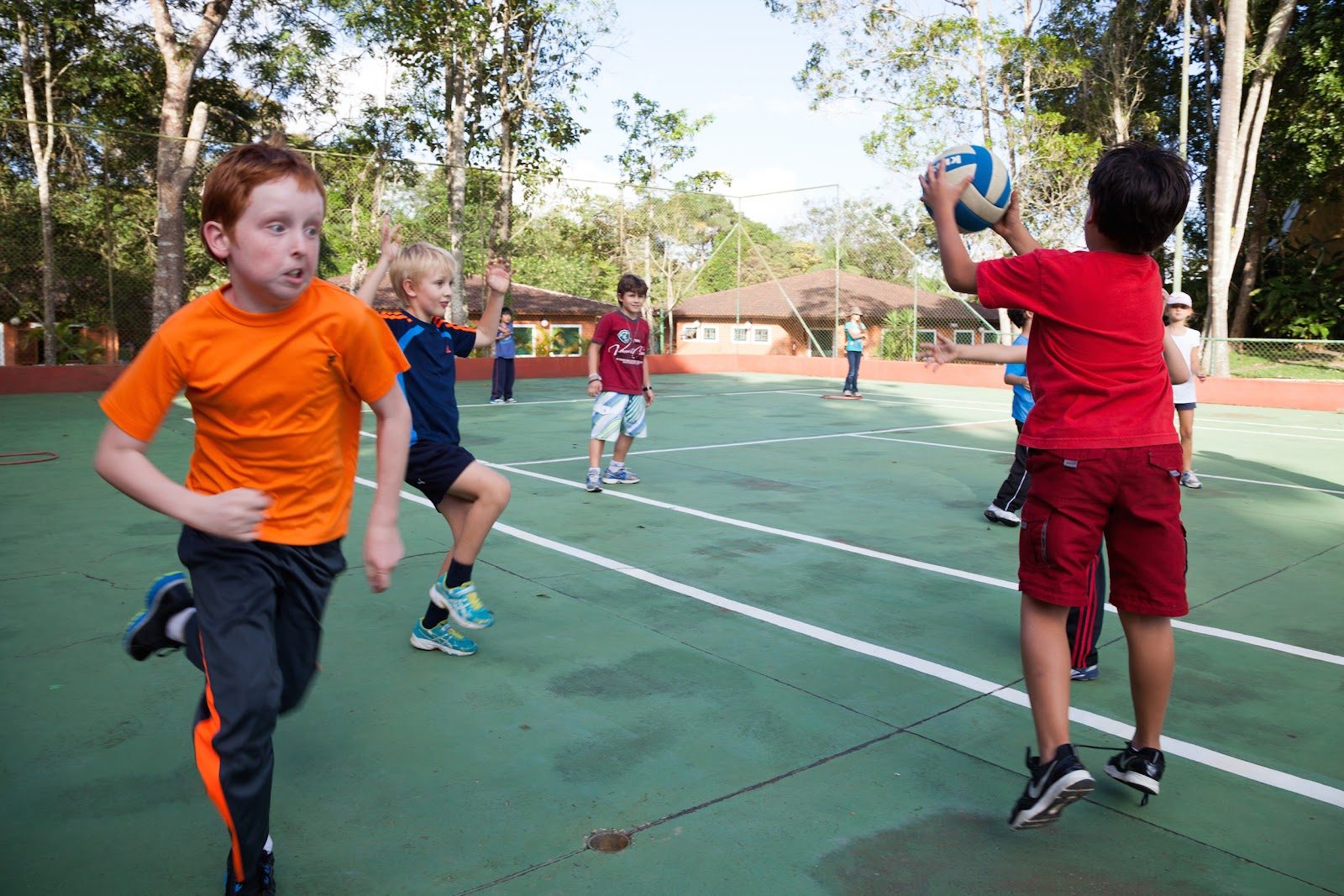
Photo © The British College of Brazil, Chácara Flora Campus via Google Maps
Type
Day
Ages
2–18
Curriculum
British
Qualifications
IGCSE · A-Level
Ratio
—
The Verdict
Editor's commitment
Right for
São Paulo families wanting a day school from age 2–18 with English and Portuguese, Cambridge International backing and serious arts ambition.
Wrong for
Parents after boarding, a religious ethos or a monolingual track; British College Brazil is non-religious, day-only and bilingual.
Watch out for
Founded in 2004, this is a young school; BSO, COBIS and Cambridge International accreditations matter, but published outcomes matter more.
Ranking breakdown
British College of Brazil · # of 1591
Composite score 49.0. 8 weighted criteria.
By criterion
Academic Outcomes
Weight 20%
#1423
of 1529 scored
University Placement
Weight 16%
#1414
of 1529 scored
Prestige & Heritage
Weight 12%
#1456
of 1571 scored
Alumni Network
Weight 12%
#1103
of 1530 scored
Facilities
Weight 12%
#1464
of 1534 scored
Transparency & Communications
Weight 8%
#1467
of 1532 scored
Peer & Industry Review
Weight 10%
#1216
of 1548 scored
Admissions Selectivity & Demand
Weight 8%
#1394
of 1529 scored
Peer & Industry Review
How British College of Brazil is regarded in the sector
63
Respected · medium confidence
I could not identify at least two independent third-party sources (e.g., Tatler, Good Schools Guide, specialist education press, or established expat forums) that specifically assess the reputation of British College of Brazil in São Paulo. Without verifiable third-party commentary beyond the school's own materials, a reliable reputation score cannot be assigned.
Editors' overview
British College of Brazil occupies a narrow but credible niche in São Paulo: a British day school with full-through education from ages 2–18, taught in English and Portuguese, and anchored by Cambridge International credentials rather than vague “international” branding. Founded in 2004, it is still young by the standards of the city’s legacy schools, but that youth works in its favour. The school has had to define itself sharply. The result is a dual-campus model, a British curriculum identity, and a programme that gives the arts unusual weight. For parents who want clear academic structure without the sprawl or social theatre of a giant school, BCB earns a place on the shortlist.
What sets it apart is the blend. Cambridge IGCSEs give the secondary years a recognised academic spine, while the Juilliard-linked arts provision signals that music, dance and drama are built into the school’s identity, not bolted on for prospectus effect. The secondary sailing programme is rarer still in São Paulo and gives the offer a practical edge: this is not a school that confines ambition to classrooms and performance spaces. That combination — serious arts training, real co-curricular range and a British academic frame — marks BCB out in a crowded market where many schools promise “holistic” education and deliver little more than clubs after lessons. Its accreditations — BSO, COBIS and Cambridge International — add external scrutiny that matters.
The market position is straightforward. BCB suits internationally minded families who want an English-medium education in Brazil without surrendering Portuguese, and who value a school that treats creative development as part of the core proposition. It also suits parents who want a day school rather than boarding, and who prefer a school with a defined ethos over a looser, catch-all international model. Families chasing brute academic prestige alone will compare it with São Paulo’s most selective academic operators and ask harder questions about public outcome data; BCB’s case rests less on headline exam marketing and more on the coherence of the whole offer. That will appeal to some and leave others cold.
The right student for British College of Brazil is motivated, outward-facing and busy. A child who thrives here will enjoy a bilingual daily rhythm, welcome performance and public presentation, and want more from school than test preparation. Artists, sailors, joiners-in and students who like their education to have shape and momentum fit well. So do families who want a polished international environment with enough substance behind it. Children who want anonymity, a narrow exam factory, or a purely local school culture will find a mismatch. BCB is for students who want breadth with standards — and for parents who know that confidence on stage, on the water and in the classroom does not develop by accident.
Academic Performance
BCB does not publish the kind of aggregate examination data that would let parents place it cleanly against São Paulo’s most academically aggressive competitors. We have not seen whole-cohort IGCSE distributions, top-grade percentages, university destination breakdowns, or year-on-year outcome tables in the public domain. That matters. In a market where ambitious schools trade hard on results, opaque outcomes weaken the academic case. The absence of headline data does not equal weak performance, but it does leave families to judge on trust, individual anecdotes and the school’s broader educational design rather than on hard-edged comparative evidence.
That puts BCB in the middle tier of transparency rather than at the front of the pack. Schools with serious academic intent publish enough to show where pupils land at the sharp end and how consistently cohorts perform. BCB has not done that. Relative to peers, then, its academic profile rests less on publicly demonstrated exam dominance and more on a balanced proposition that includes the arts and co-curricular life. For some families, that is a rational trade. For others, especially those choosing with university admissions in mind, it is a material weakness. The school needs to publish clearer results data: aggregate pass rates, top grades, subject-level strengths and destination patterns. Until then, its academic standing remains credible but unproven in public.
Facilities
The facilities picture is strongest where the school has chosen to differentiate. The performing arts infrastructure carries real weight, which matters because plenty of international schools advertise creativity while consigning it to multipurpose rooms and after-school clubs. Here, the arts sit in purpose-built spaces backed by a named external framework, and that gives the provision more institutional seriousness than the average mid-market competitor. The sailing offer stands out even more. In a city where sport in schools often defaults to the standard indoor-court model, a secondary sailing programme is genuinely unusual and gives students access to a co-curricular experience few peers match. The split across 2 campuses also brings practical advantages: younger and older pupils are not crammed into one all-purpose site, and age-appropriate space planning tends to be sharper as a result.
Against São Paulo peers, then, BCB does not win on monumental scale or headline campus spectacle. Families looking for the biggest grounds, the most lavish athletic build, or the country-club excess of some premium schools will find more elsewhere. The school’s advantage lies in curated fit rather than sheer acreage: facilities aligned to the programme, not facilities built for brochure photography. That is a credible trade, but there is a limit. We have not seen a fuller public account of specialist science, technology or senior study spaces, and that leaves part of the picture under-explained. Parents should ask directly how labs, libraries, indoor sport and sixth-form-style independent study provision compare with stronger-resourced rivals.
British College of Brazil carries selective local prestige rather than the old-money authority or exam-machine status that defines the top of São Paulo’s market
Prestige
British College of Brazil carries selective local prestige rather than the old-money authority or exam-machine status that defines the top of São Paulo’s market. Its standing rests on a more modern mix: an English-medium environment, an international parent body, and a school culture with enough polish to attract families who want distance from the Brazilian mainstream without buying into a sprawling status campus. That gives BCB social credibility in the expatriate and globally minded Brazilian bracket. It does not give it automatic elite cachet across the whole city. Prestige here is tied to fit and milieu, not to unquestioned academic dominance. The split-campus structure reinforces that identity: intimate, curated, and purpose-built rather than grand.
Why rate it at this level? Because the school has clear strengths, but prestige follows proof. The arts partnership and sailing provision add distinction and signal genuine breadth, which lifts BCB above generic “international” schools. The external badges matter too: 3 recognised accreditations place it inside a serious quality-assurance framework. But prestige has limits when outcomes are not published with force. Families who trade in reputation alone will ask where leavers go, how cohorts perform, and whether the school produces a consistently high academic ceiling. BCB does not answer those questions in public with enough precision. So the verdict is firm: well-regarded in its niche, attractive to the right families, but not a school with city-wide heavyweight prestige.
The right student for British College of Brazil is motivated, outward-facing and busy
Communications
British College of Brazil communicates with more polish than many schools in its bracket. The website is orderly, easy to navigate and clear about day-to-day school life, admissions steps and the shape of the student experience. Parents can grasp the essentials quickly instead of wading through slogans. That matters because schools with a split-site structure and a broad programme need disciplined communication to keep families oriented. BCB does that well at the front end. The public-facing tone is confident and coherent, and the school does not bury key practical information behind layers of branding. Social media and news-style updates also give parents a live sense of events, performances and trips rather than a static prospectus.
The weakness is depth. BCB communicates activity better than it communicates outcomes. Families get a strong picture of culture, opportunities and community life, but a weaker one of academic measurement, cohort performance and destination evidence. That imbalance leaves communications slicker on experience than on proof. For current parents, the day-to-day flow is strong enough; for hard-nosed prospective families comparing schools across São Paulo, it is not enough to publish atmosphere and leave the data thin. The school needs sharper public reporting: headline results, leavers’ destinations, and a clearer account of how standards are tracked in the senior years. Until then, its communications are efficient, polished and incomplete — good at telling parents what pupils do, less good at showing what pupils achieve.
Uniqueness
What makes BCB distinctive is not one flagship feature but an unusual combination that few schools assemble with discipline. It gives creative work institutional status, not decorative status. The Juilliard-linked framework pulls music, drama and dance into the centre of school life and gives students a training structure with external reference points, not just stage-time and enthusiasm. Add the sailing programme and you get a school that asks pupils to perform in public, collaborate under pressure and develop judgement outside the classroom. That matters. Plenty of schools talk about the “whole child”; BCB builds a timetable and culture that demand real range. Students do not just collect activities here. They learn to switch registers: rehearsal to regatta, studio to seminar, confidence to concentration.
The other point of difference is the school’s cleanly defined identity. Many international schools in Brazil drift into compromise: a little local, a little global, a little academic, a little lifestyle. BCB is more coherent than that. The through-school structure creates continuity, while the dual-campus model lets each phase keep its own tone instead of forcing every age group into one institutional mould. For students, the gain is clarity and momentum. They grow up in a setting that values expression, presentation and participation as part of serious schooling, not as extras for the prospectus. That will suit energetic, outward-facing children very well. It will not suit students who want a narrow exam track and nothing else.
British College of Brazil communicates with more polish than many schools in its bracket
Student Profile
The best fit is a student who wants to be visible, busy and engaged rather than left alone to drift at the back of a large crowd. BCB suits children who are comfortable with performance, group work and a school day that asks for participation as a default, not as an optional extra. Creative pupils will find real room here, but this is not only a home for specialists in music or drama. It also suits students with good social confidence, enough self-organisation to juggle competing demands, and the appetite to move between academic work and co-curricular commitments without constant prodding. Families who want a polished international social mix and a more intimate atmosphere than the city’s giant status schools will recognise the appeal quickly.
The less suitable student is just as easy to identify. Children who want anonymity, a stripped-down exam routine or a relentlessly academic pecking order will find the culture a poor fit. The school asks pupils to show up, contribute and take part. That can be energising; it can also feel exposing for quieter children who dislike public performance or a high-visibility community. Students who thrive in narrower, more competitive academic environments may also want stronger public proof of top-end outcomes before committing. In practice, BCB works best for families choosing breadth, confidence-building and everyday involvement over results-first intensity. The sweet spot is the child who wants school life to feel full, expressive and outward-facing.
What makes BCB distinctive is not one flagship feature but an unusual combination that few schools assemble with discipline
Co-curricular strengths
Arts & sport, on a separate axis
Overall 7.7/10
Scored 0-10 from the school's own published evidence. This axis is editorial-only — it does not feed the main WTS ranking.
Sports
8/10
Drama
8/10
Dance
7/10
Music
8/10
Visual Arts
7.5/10
Editor first-pass · editor-reviewable · 7/30/2026
Strengths
- +Follows a British curriculum framework, giving families a familiar structure if relocating from or planning to move to UK-system schools.
- +Located in Sao Paulo, Brazil's largest city, offering access to a broad expat and international community.
- +Operates as a day school, avoiding the additional cost and logistics of boarding provision.
- +Website and public materials indicate a full-through offering from early years to secondary, suggesting continuity for families avoiding multiple school transitions.
Considerations
- −Low editorial ranking (1364) and candidate-tier status indicate limited independently verifiable track record, inspection history, or academic outcomes data at this time.
- −No publicly verifiable examination results, university placement statistics, or accreditation body reports were found to confirm academic standing.
- −As a relatively obscure name in the Sao Paulo international school market, families have fewer independent reviews or alumni networks to draw on compared to long-established rivals.
- −Fee levels are not confirmed from public sources, making budget planning harder without direct enquiry to the school.
Availability
Primary entry gate & tests
Academic Record
Gallery
Parent reviews
Have you sent your child here?
Voice reviews carry the strongest trust badge — we transcribe them for you to tidy up before they go live. Prefer to type? A written review is fine too.
Add your voice
In 60 seconds, tell other parents: what's the best thing about British College of Brazil, and what surprised you when your child joined?
We ask for a Google sign-in so every review has a real face behind it — no anonymous drive-by attacks on schools, and no faked positive reviews. Your email is never shown publicly.
Send this profile to a friend
International parents rely on word-of-mouth. Share this review with someone weighing the same decision.
Schools with places
Similar schools to British College of Brazil with places available now.
Availability first, then country, area, curriculum, price, co-curricular
Consider also
Also worth looking at alongside British College of Brazil.
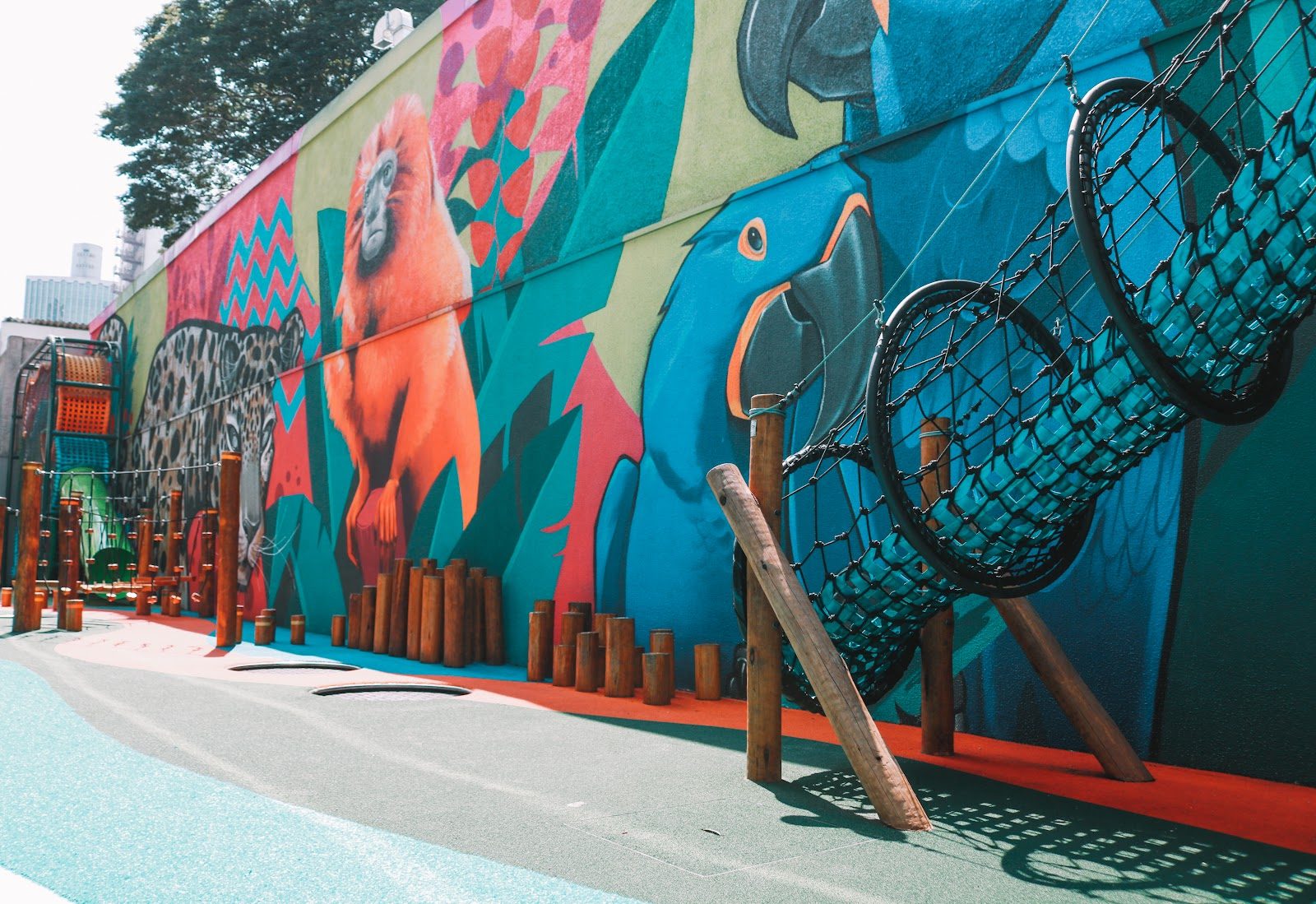
St. Nicholas School São Paulo
São Paulo · Brazil
A full IB continuum across two Sao Paulo campuses, where Oxford, London and Cambridge Houses meet annually for a countryside challenge.
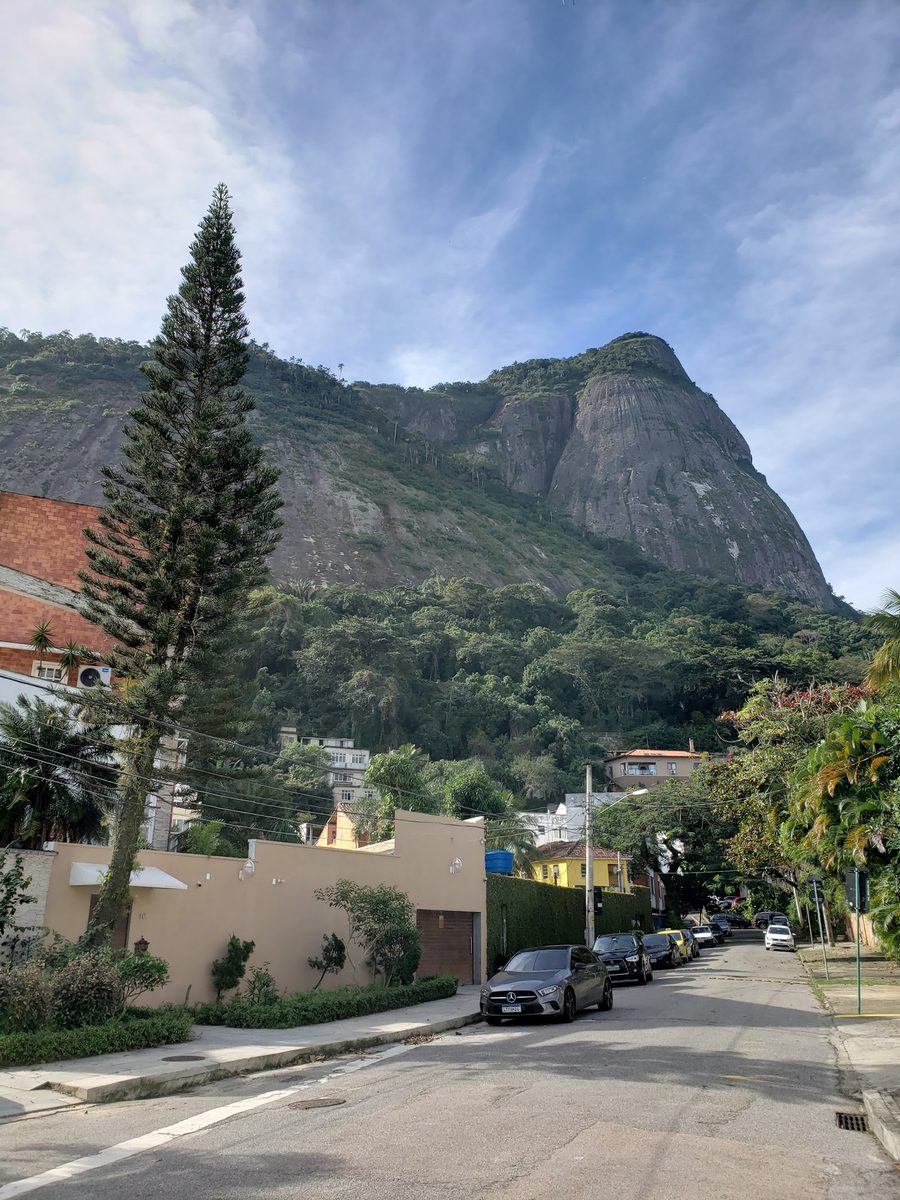
Escola Suíço-Brasileira Rio de Janeiro
Rio de Janeiro · Brazil
Brazil's first bilingual school, still running three parallel language tracks and blending Swiss Matura with IB in Barra da Tijuca.
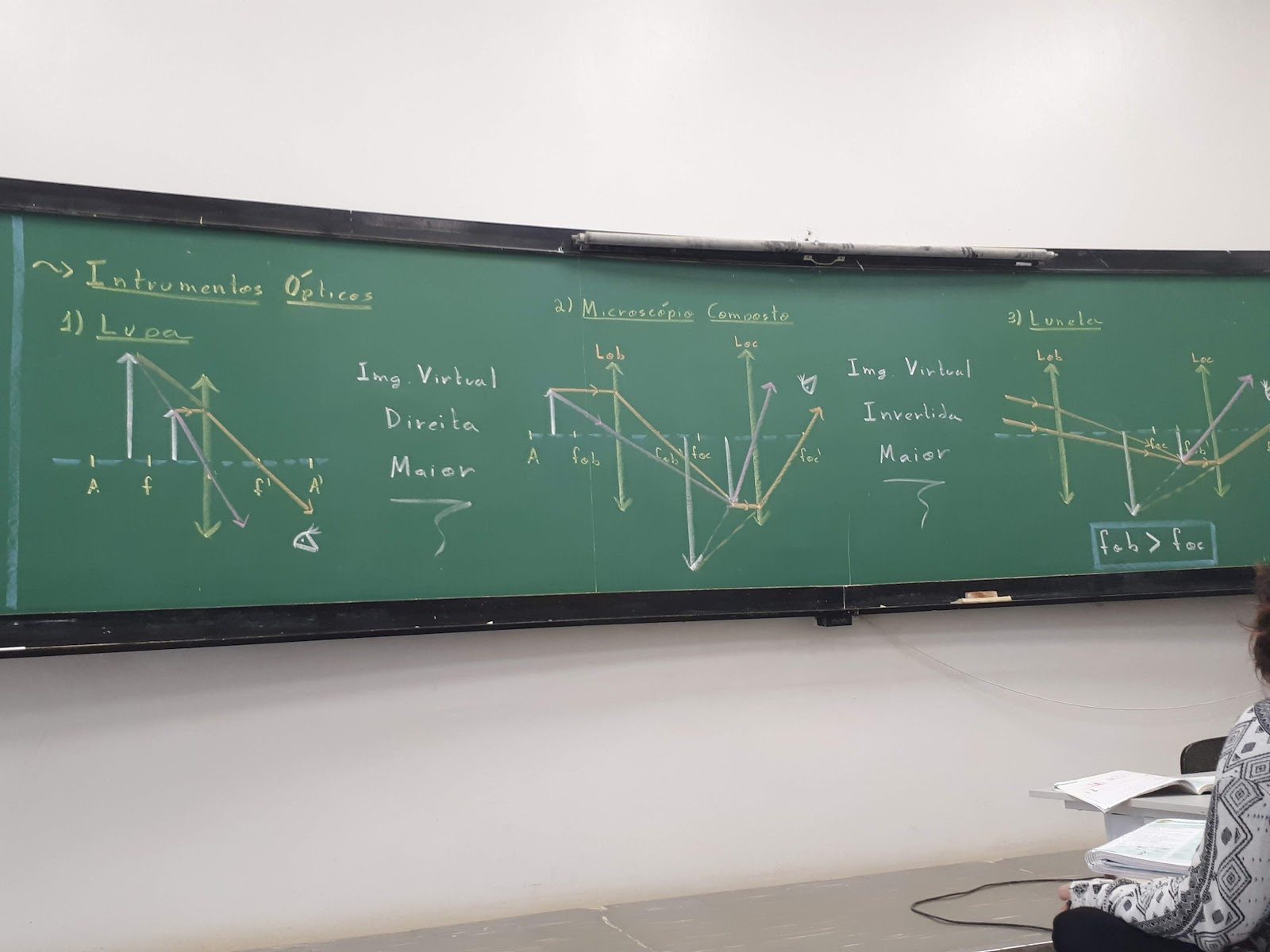
Colégio Objetivo Integrado
São Paulo · Brazil
Born from a 1965 med-student prep course on Avenida Paulista, its vestibular-driven curriculum anchors Brazil's largest private schooling network.
Colégio Santo Antônio
Belo Horizonte · Brazil
A century-old Franciscan foundation in Savassi whose students now top Belo Horizonte's Enem rankings nationwide
Same country and curriculum — closest matches within ±10 points either way