
Nakhon Pathom
Young Artist Music Program (YAMP), Mahidol University
At Thailand's first music school, pre-college students devote 70 percent of class time to private lessons and ensemble performance.
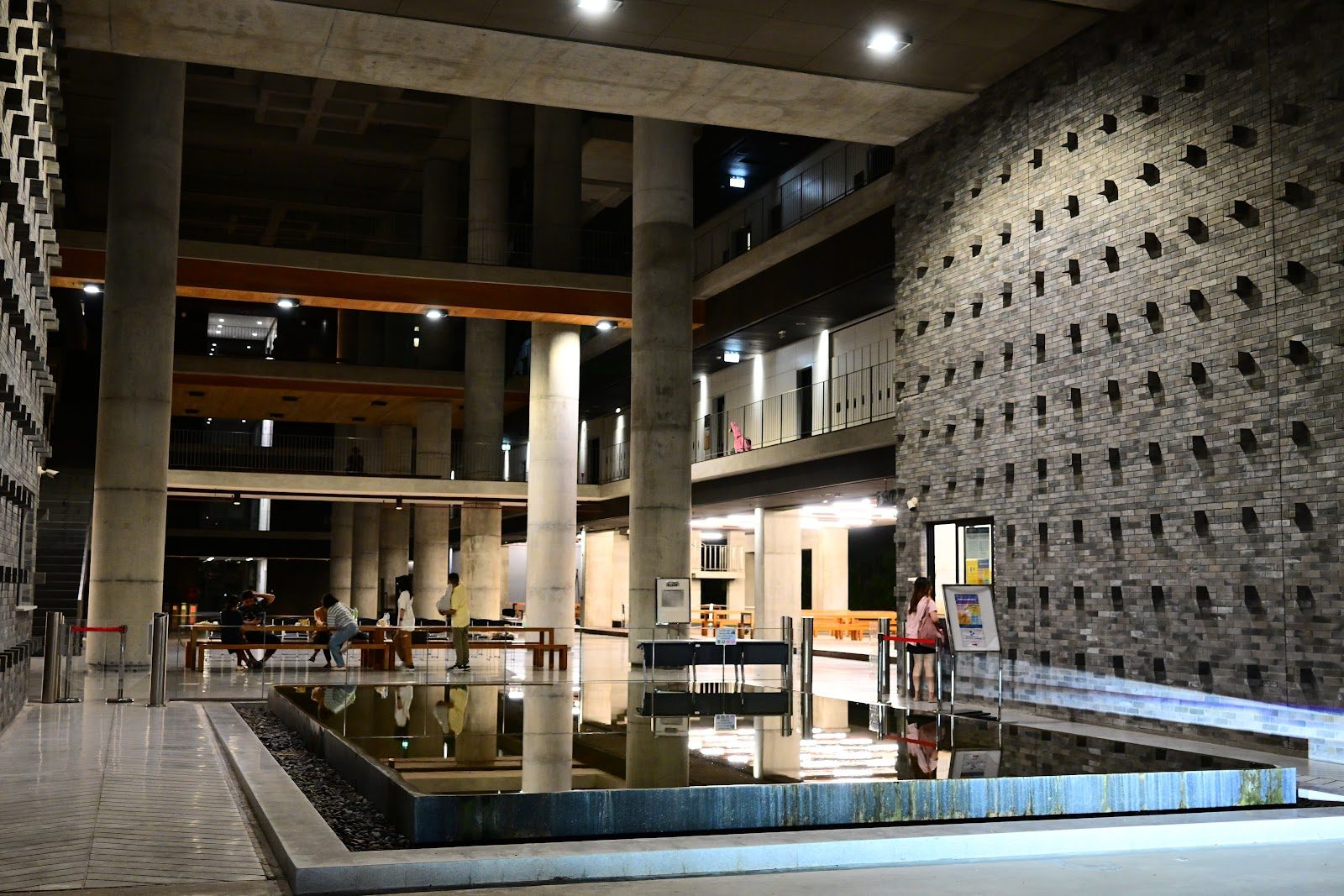
Photo © ยุทธพันธุ์ ธีรซื่อตรง (BIG) via Google Maps
Type
Day
Ages
6–18
Curriculum
Thai Basic Education Core Curriculum
Ratio
—
The Verdict
Editor's commitment
Right for
Young musicians aged 6–18 who want a day programme in Salaya under Thailand’s Basic Education Core Curriculum, with Thai and English used.
Wrong for
Families seeking a broad all-round school miss the point here: YAMP sits inside Mahidol’s music college and serves gifted performers.
Watch out for
The school does not publish aggregate academic or conservatoire outcomes; for a specialist programme, that opacity matters before committing years.
Ranking breakdown
Young Artist Music Program (YAMP), Mahidol University · # of 1591
Composite score 51.9. 8 weighted criteria.
By criterion
Academic Outcomes
Weight 20%
#1477
of 1529 scored
University Placement
Weight 16%
#1496
of 1529 scored
Prestige & Heritage
Weight 12%
#1037
of 1571 scored
Alumni Network
Weight 12%
#1152
of 1530 scored
Facilities
Weight 12%
#395
of 1534 scored
Transparency & Communications
Weight 8%
#1433
of 1532 scored
Peer & Industry Review
Weight 10%
#891
of 1548 scored
Admissions Selectivity & Demand
Weight 8%
#1156
of 1529 scored
Peer & Industry Review
How Young Artist Music Program (YAMP), Mahidol University is regarded in the sector
66
Respected · medium confidence
YAMP sits within Mahidol University's College of Music, which is consistently described in Thai and regional press as the country's foremost conservatory-track institution and the first Thai music school to hold NASM (National Association of Schools of Music) accreditation, a benchmark cited repeatedly in comparisons with other ASEAN conservatories. Because it is a specialist pre-college pathway rather than a full international day school, it does not appear in generalist rankings like WhichSchoolAdvisor or the Good Schools Guide, which focus on K-12 curricula rather than conservatory feeder programs. Its standing instead rests on conservatory-world signals: faculty and visiting artists drawn from major international orchestras and schools, regular hosting of national and regional competitions, and a documented track record of graduates progressing into audition-based programs at recognized Western conservatories. Within Thailand, rival arts educators and university music faculties generally treat Mahidol's program as the reference standard for pre-tertiary classical training, though independent, citable third-party critical commentary specific to YAMP itself remains limited compared with coverage of mainstream international schools.
Award
Elite Music 50
World's Top School · The Global Ranking
Young Artist Music Program (YAMP), Mahidol University is featured on our Global Top 50 ranking at #20. This seal is available for the school's marketing team to use on their website, prospectus and social channels.
Editors' overview
Young Artist Music Program (YAMP) sits inside the College of Music at Mahidol University, which the university states was Thailand’s first music institute to offer comprehensive degree pathways from pre-college through doctoral level. That matters. YAMP is not an extracurricular conservatoire add-on bolted to a conventional school week; it is a pre-college track housed within a serious tertiary music institution. The distinguishing feature is the allocation of 70 percent of class time to private lessons and ensemble performance. For families comparing specialist arts options, that ratio defines the proposition: music is the centre of the timetable, not the reward after it. The academic frame remains the Thai Basic Education Core Curriculum, delivered in Thai and English, but the programme’s identity rests in disciplined immersion, serious conservatoire intent and daily proximity to a university-level music environment.
That structure puts YAMP in a narrow market segment. This is for young musicians who already know that music is not a hobby and who want intensive training before undergraduate study. It will appeal to students who thrive on individual tuition, ensemble discipline and performance pressure; it will not suit children who want a broad all-round school experience with music as one strand among many. Parents need to read the trade-off plainly: when 70 percent of time goes to lessons and ensemble work, breadth gives way to depth. For the right student, that is a decisive advantage. For the wrong one, it is constricting. YAMP belongs on a shortlist because Thailand offers few school-age pathways with this level of institutional specialisation, this direct connection to higher music study, and this clear vocational focus across ages 6–18.
The strongest candidate is a focused young performer who wants technique, rehearsal habits and artistic stamina built early, in a setting that treats music training with professional seriousness. Students who need constant variety, extensive mainstream co-curricular choice or a lighter-touch arts commitment will find the model too narrow. Students who want high-pressure ensemble work, close specialist attention and an early test of whether a conservatoire route suits them will find YAMP unusually well aligned to their aims. In market terms, this is a specialist pre-college pipeline in a university music ecosystem: expensive in commitment, exacting in purpose, and worth shortlisting for families seeking depth rather than balance.
A Global Elite 50 Music school
The Young Artist Music Program at Mahidol University — YAMP — sits in Tier 2, Band 11-30, of the Global Elite 50 Music Schools because it is the most complete residential pre-college specialist music programme in Southeast Asia and, uniquely in the region, a fully accredited full-time boarding programme delivered in English. Founded in 2007 as an outgrowth of Mahidol University's College of Music at Salaya, YAMP takes musicians aged approximately 12-18 through an intensive combined specialist-music and academic school day culminating in a Mahidol-issued high-school diploma recognised for tertiary conservatoire entry worldwide.
Its specialisms are broad: full instrumental streams cover strings, piano, brass, woodwind and percussion at genuine conservatoire-preparation standard, with jazz and Southeast Asian classical traditions as formal second-study options. Orchestral training is delivered through the College of Music's Thailand Philharmonic Orchestra ecosystem, meaning pupils regularly rehearse and perform in a professional orchestral environment. Composition is a growing programme with a strong Southeast Asian cross-cultural focus.
Progression evidence is strong for a programme of its size. YAMP alumni matriculate into the Royal Academy of Music, the Royal College of Music, Juilliard, Curtis, the New England Conservatory, the Cleveland Institute of Music and the Peabody Institute at rates that are unusual for any Southeast Asian secondary programme. Regional competition output — Bangkok Symphony, Osaka International Chamber, Golden Classical Music Awards and the ASEAN Youth Orchestra rostering — has been particularly strong over the past decade.
International openness is a defining feature. YAMP is designed for overseas boarders as well as Thai pupils: English is the language of instruction across the programme, dormitory accommodation is on-site at the Salaya campus, and Thai student visa handling is provided by the university's international office. Approximately 20-30% of pupils in a typical year are non-Thai. Total fees including boarding sit in the THB 700,000-850,000 range per year (roughly USD 20,000-24,000), making YAMP exceptional value on a global comparison.
Academic Performance
YAMP does not publish the exam data parents need for a clean academic verdict. We have not seen aggregate results for national assessments, IGCSEs, A levels, IB, APs or any equivalent external benchmark, and the school does not disclose cohort-level score distributions, university placement totals, or subject-by-subject outcomes. That opacity matters. In a specialist pre-college setting, families need hard evidence that the academic side holds up alongside the conservatoire training. Without it, YAMP sits in the category of highly specialised, performance-first schools where artistic intensity is clear but academic comparison is frustratingly opaque. The one hard academic clue in the public record is structural rather than outcome-based: only 30% of time remains for the non-music side of schooling.
Against peers, that places YAMP outside the usual comparison set of academically competitive international schools that publish exam averages and destination lists. The more relevant peer group is specialist arts provision, where families accept a deliberate trade-off: narrower academic bandwidth in exchange for deeper artistic formation. That does not mean weak academics; it means the school has not proved academic strength in public with the data serious parents expect. If your priority is a fully evidenced exam track record, YAMP is a thin proposition. If your priority is elite pre-university music training and you can tolerate limited disclosure on academic outcomes, the balance shifts.
Facilities
The key facility here is not a sports hall or a design lab. It is the College of Music itself. YAMP sits inside a purpose-built tertiary music environment with concert activity, rehearsal infrastructure, specialist teaching rooms and a performance culture that runs beyond the school-age timetable. That matters more than glossy campus extras. At a mainstream international school, music students borrow prestige from a strong department inside a general campus. Here, the institution is the music department. For a young instrumentalist or vocalist, that is a serious competitive advantage: daily work unfolds in a setting built for practice, coaching and stage readiness, not fitted around the margins of a broader school. The school’s own structure also points to dedicated provision across music, dance and acting, which reinforces the sense of a full conservatoire pipeline rather than a token arts wing.
Against specialist peers, the strength is clear and the gap is also clear. YAMP benefits from university-level artistic infrastructure and an immersive professional atmosphere that most K–12 schools cannot match. What it does not publish is the practical detail families need to judge the estate properly: number of practice rooms, recital venues, recording spaces, instrument access, technology suites, or whether younger pupils share facilities smoothly with older students. That omission stops short of a top facilities verdict. The broad picture is strong; the public detail is thin. For committed young musicians, the setting carries real weight. For parents who want transparent, room-by-room evidence, disclosure falls short.
That makes YAMP distinctive in Thailand and not for the half-committed
Prestige
YAMP carries real prestige in one narrow field: pre-college music training in Thailand. The programme sits inside Mahidol University’s College of Music, and that institutional setting matters more than any brochure claim. A child here works within a university music ecosystem rather than a generic school arts department, with access to a serious performance culture and a clear line of sight to higher study in music. For families seeking conservatoire preparation, that gives YAMP genuine specialist cachet. The school’s own framing is unapologetically selective in tone — “gifted musicians, dancers, and actors”, high standards, and a multi-level structure running from pre-college to doctoral study — and that creates real status among young performers who want early immersion in professional norms.
That prestige has limits, and they are important. This is not the prestige of a famous all-round international school with globally legible exam results, marquee university destinations and a broad social brand. It is domain-specific prestige: strong inside music circles, weaker outside them. The intensive allocation of 70 percent of class time to lessons and ensemble work raises the programme’s standing for committed musicians and narrows its appeal for everyone else. The lack of published academic outcomes also caps its wider reputation. Our rating is therefore clear: *high prestige in specialist music education*, modest prestige beyond that niche, and not a universal badge school for families chasing name recognition alone.
The distinguishing feature is the allocation of 70 percent of class time to private lessons and ensemble performance
Communications
Parent communication is functional, not rich. The public-facing channels are clear enough to navigate: admissions, programme routes, academic calendar, events, health and well-being, advising, careers, housing, contacts and an international relations office all sit in plain view, with content offered in 2 languages and a Chinese information route for applicants. That indicates a school used to handling families beyond one domestic audience. It also reflects the university setting: information is organised by department, not shaped around hand-holding. For confident parents, that works. For families trying to understand the lived reality of the pre-college years, it leaves gaps. We have not seen a strong public explanation of day-to-day parent touchpoints, response times, reporting rhythms, tutor access or how pastoral concerns are escalated. The result is serviceable, institutional communication rather than warmly parental communication.
Effectiveness, then, depends on what a family needs. If you want key pathways, contact points and formal offices, YAMP does the job with clean, practical signposting. If you want the textured reassurance that specialist school parents prize — who calls when a child struggles, how progress is discussed, how artistic and academic concerns are balanced — the school does not publish enough. That matters more here than at a mainstream school because a specialist programme asks for serious family buy-in. Communication needs to carry not just information but confidence. At present, the external picture is competent but thin.
Uniqueness
What sets YAMP apart is its place inside a university music college rather than beside one. Most school-age music programmes bolt specialist tuition onto a conventional school structure. YAMP reverses the hierarchy: performance training drives the week, and the academic timetable works around it. That creates a rare pre-professional rhythm for children and teenagers — regular one-to-one study, ensemble discipline, rehearsal expectations and exposure to older students already moving through higher music pathways. For the right child, that is transformative. It builds technical consistency, listening habits, stamina and the capacity to accept correction without drama. It also tests commitment early. A student learns fast whether they want a life organised around practice, preparation and public performance.
The benefit is depth, and the cost is breadth. Families do not choose YAMP for a rounded school identity with equal weight across sport, labs, leadership and a wide social calendar. They choose it because the programme gives music institutional primacy. The standout statistic remains 70 percent: that single figure tells you more than any slogan. It gives talented young musicians far more time on craft than mainstream schools can offer, within a serious artistic ecosystem that runs from pre-college to advanced study. That makes YAMP distinctive in Thailand and not for the half-committed. Students who thrive here gain more than polish; they acquire work habits, artistic pressure tolerance and an early view of conservatoire life before the stakes rise further.
For families comparing specialist arts options, that ratio defines the proposition: music is the centre of the timetable, not the reward after it
Student Profile
The right YAMP student is not a dabbler. This is for a child or teenager whose week already gravitates towards practice, rehearsal and correction, and who draws energy from doing the same difficult passage again until it improves. They need patience, coachability and a thick skin. In a conservatoire-style environment, feedback is direct, progress is visible and comparison with stronger peers is unavoidable. Students who flourish here tend to be highly disciplined, performance-hungry and comfortable having talent treated as a starting point rather than an achievement. The age span, from 6 to 18, also matters: younger pupils need unusual steadiness and family support, while older students need the self-command to handle an adult musical culture without drifting.
The wrong fit is just as clear. A child who wants broad school life, diffuse interests and plenty of room to change identity every term will find the place tight in focus and demanding by design. So will students who enjoy music but do not want it scrutinised, stretched and tested in public. Socially, the strongest fit is a young musician who is happy among equally committed peers and does not need mainstream school rituals to feel grounded. This is not for the half-committed. It suits families ready to organise life around lessons, rehearsals and performances, and students prepared to treat school not as general childhood experience but as early artistic formation.
This is for young musicians who already know that music is not a hobby and who want intensive training before undergraduate study
Co-curricular strengths
Arts & sport, on a separate axis
Overall 5.78/10
Scored 0-10 from the school's own published evidence. This axis is editorial-only — it does not feed the main WTS ranking.
Sports
3.5/10
Drama
5.5/10
Dance
4.5/10
Music
9.9/10
Visual Arts
5.5/10
Strengths
- +Operates within Mahidol University's College of Music, the region's most established tertiary music institution with international faculty.
- +Blends the Thai Basic Education Core Curriculum with daily specialist instrumental and theory training from an early age.
- +Gives pupils access to the College's recital halls, orchestras, and visiting international artists as part of everyday school life.
- +Offers a direct academic and audition pathway into Mahidol's undergraduate conservatory programs.
Considerations
- −Day-only provision with no boarding option, so non-local families must arrange housing or a long daily commute to Salaya.
- −The music-intensive timetable leaves limited room for students who may want to keep career options open outside performance.
- −Core academic teaching is delivered mainly in Thai, which can be a barrier for newly arrived international families.
- −Campus location in Nakhon Pathom sits well outside central Bangkok, adding transport time for expatriate households based in the city.
Gallery
Photo © Mikkky M via Google Maps
Photo © Maphueng Story via Google Maps
Photo © Maphueng Story via Google Maps
Photo © Mikkky M via Google Maps
Parent reviews
Have you sent your child here?
Voice reviews carry the strongest trust badge — we transcribe them for you to tidy up before they go live. Prefer to type? A written review is fine too.
Add your voice
In 60 seconds, tell other parents: what's the best thing about Young Artist Music Program (YAMP), Mahidol University, and what surprised you when your child joined?
We ask for a Google sign-in so every review has a real face behind it — no anonymous drive-by attacks on schools, and no faked positive reviews. Your email is never shown publicly.
Send this profile to a friend
International parents rely on word-of-mouth. Share this review with someone weighing the same decision.
Schools with places
Similar schools to Young Artist Music Program (YAMP), Mahidol University with places available now.
NIST International School
Bangkok · Thailand
- 2026-27
- WAITPOOLSpace-dependent
- 2027-28
- PLACES OPENRolling
Bangkok Patana School
Bangkok · Thailand
- 2026-27
- CLOSEDThai closed / Non-Thai open
- 2027-28
- OPENS SOONThai 1 Sept / Non-Thai rolling
Shrewsbury International School Bangkok
Bangkok · Thailand
- 2026-27
- WAITPOOLSpace-dependent
- 2027-28
- PLACES OPENRolling
International School Bangkok
Bangkok · Thailand
- 2026-27
- WAITPOOLSpace-dependent
- 2027-28
- OPENS SOONOpens Sept '26
Availability first, then country, area, curriculum, price, co-curricular
Consider also
Also worth looking at alongside Young Artist Music Program (YAMP), Mahidol University.
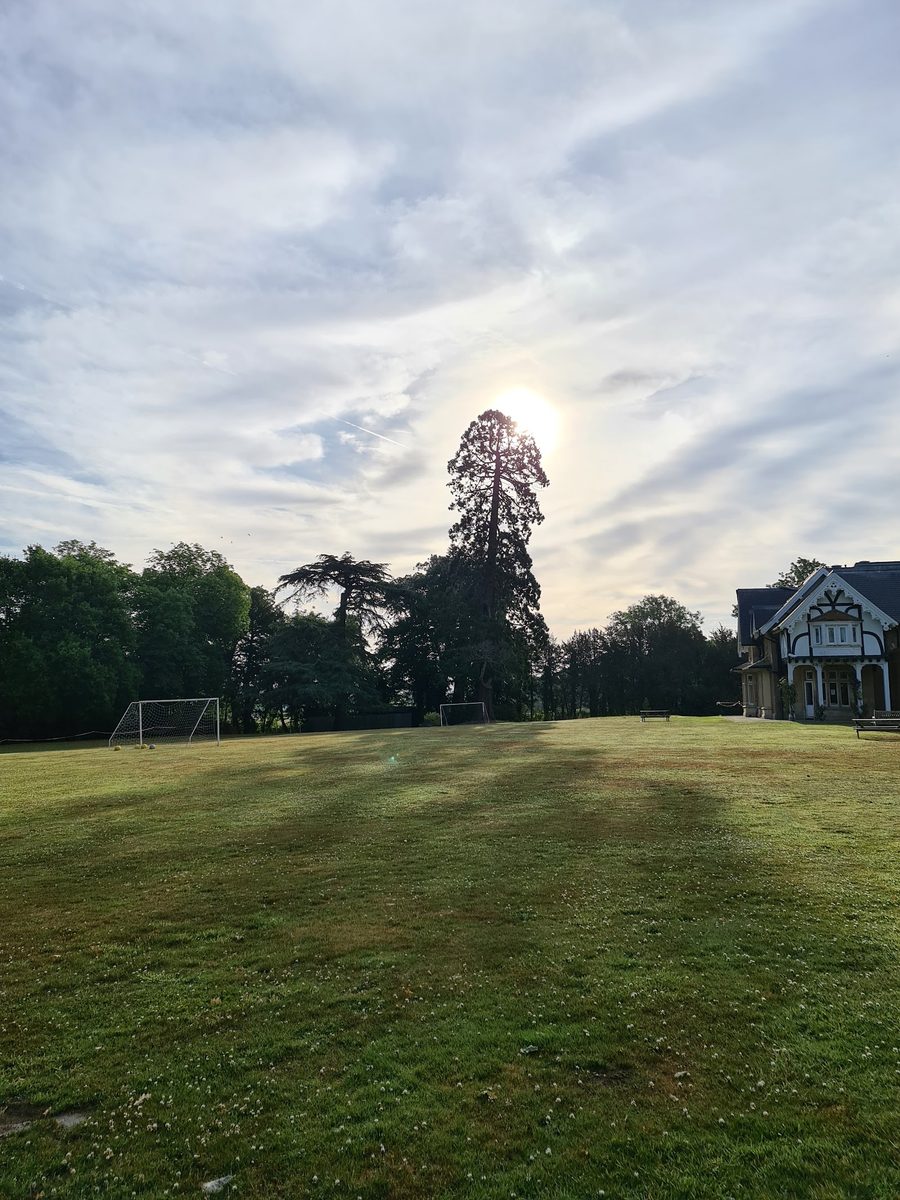
The Yehudi Menuhin School
Stoke d'Abernon, Surrey · United Kingdom
Set in Surrey woodland, this specialist conservatoire trains string, piano and guitar prodigies, sending most graduates straight into music careers.
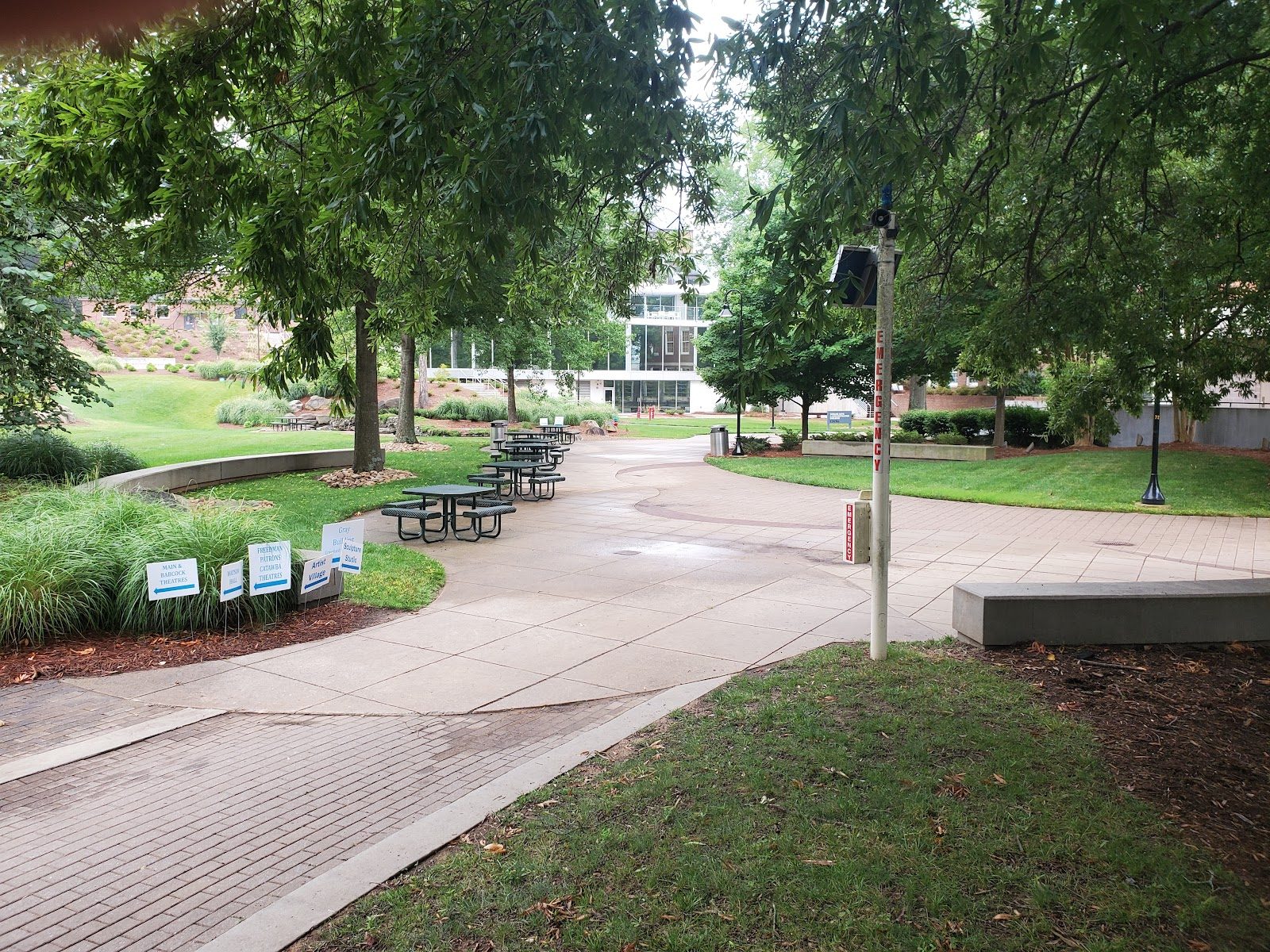
UNCSA High School, School of Music
Winston-Salem, NC · United States
Born from America's first public arts conservatory, pairing pre-professional music training with a rare four-year residential high school track.
Musica Mundi School
Waterloo · Belgium
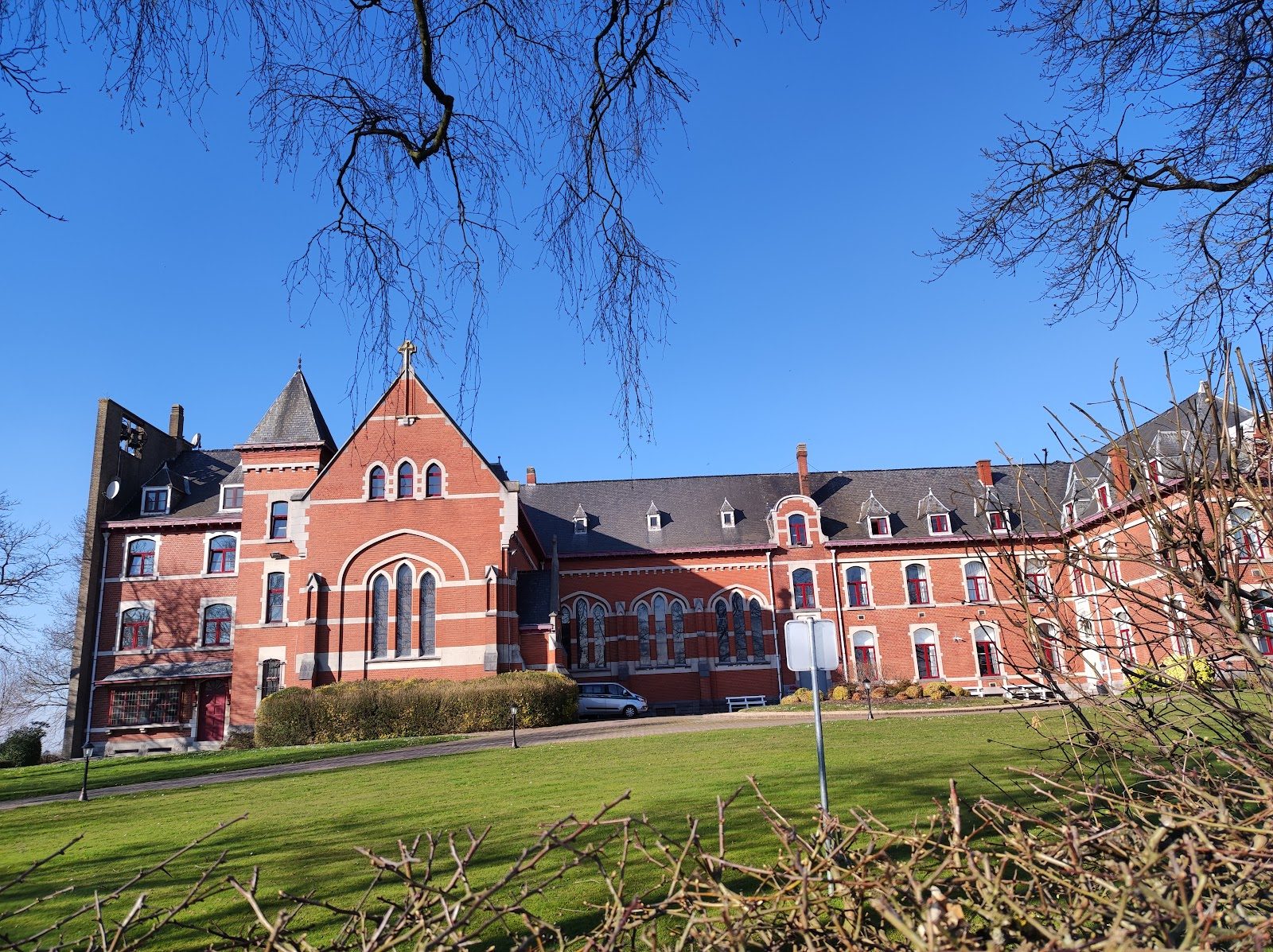
Inside a converted monastery near Brussels, Cambridge academics share the daily timetable with professional violin, cello and piano training.
Walnut Hill School for the Arts
Natick, MA · United States
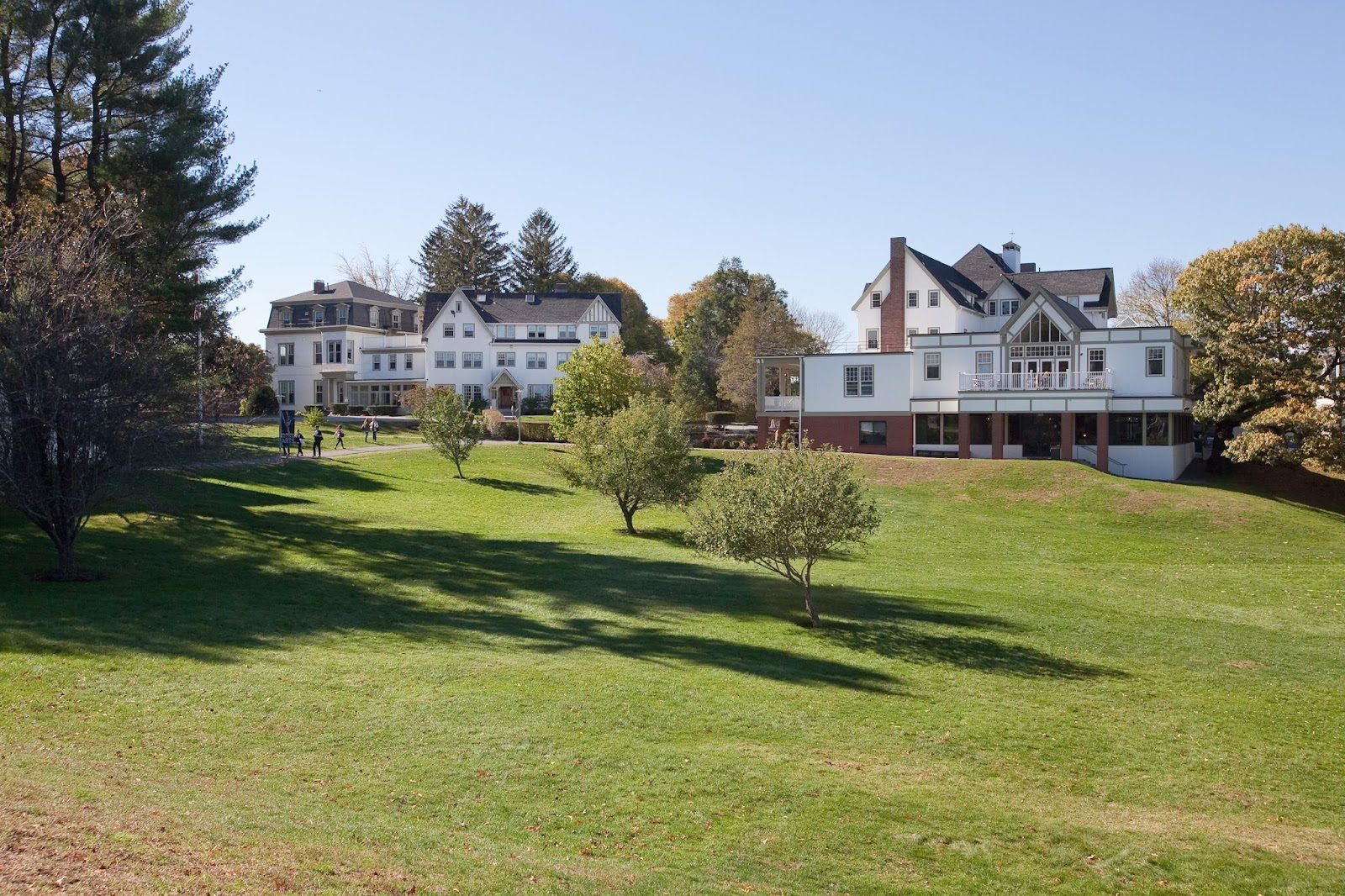
A weekly commute to Boston's Jordan Hall pairs New England Conservatory training with a full college-prep diploma.
Same specialism, country and curriculum — closest matches within ±10 points either way