
Bangkok
Satit Chulalongkorn Demonstration School
A laboratory school on Chulalongkorn University's campus, whose 2012 PISA scores topped Singapore and Hong Kong.
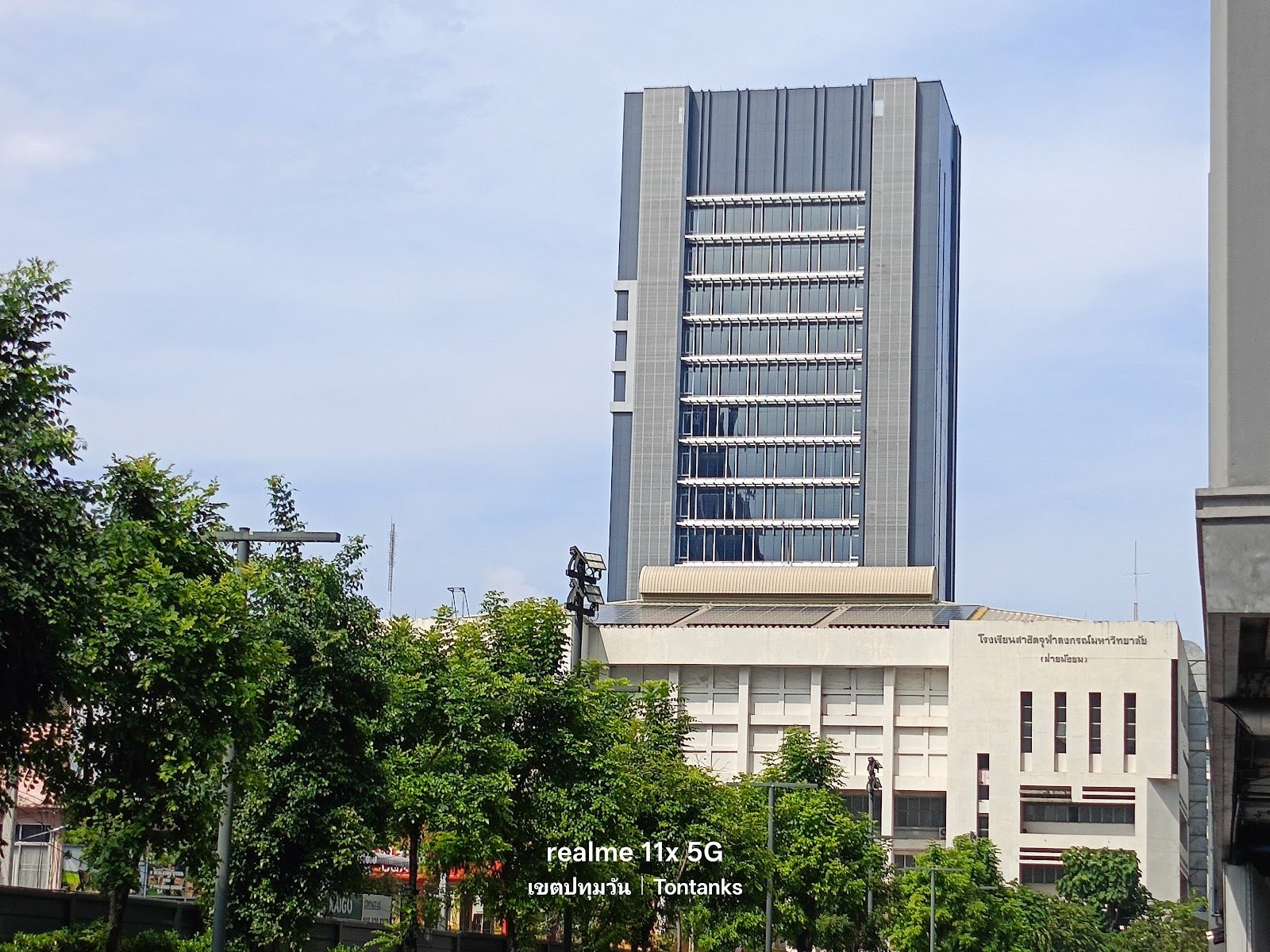
Photo © krissadee sitthibutr via Google Maps
Type
Day
Ages
12–18
Curriculum
Thai National
Qualifications
Thai Matthayom 6
Ratio
—
The Verdict
Editor's commitment
Right for
Bangkok families who want a day school on Chulalongkorn University's campus, with Thai National curriculum and teaching in Thai and English.
Wrong for
Parents chasing British, IB or US pathways for ages 12–18 will hit a wall: this 1958 school follows the Thai National curriculum.
Watch out for
That 2012 PISA triumph flatters the brand; for a non-religious day school in Bangkok, current public data on outcomes remain thin.
Ranking breakdown
Satit Chulalongkorn Demonstration School · # of 1591
Composite score 56.8. 8 weighted criteria.
By criterion
Academic Outcomes
Weight 20%
#900
of 1529 scored
University Placement
Weight 16%
#911
of 1529 scored
Prestige & Heritage
Weight 12%
#289
of 1571 scored
Alumni Network
Weight 12%
#1386
of 1530 scored
Facilities
Weight 12%
#1375
of 1534 scored
Transparency & Communications
Weight 8%
#1324
of 1532 scored
Peer & Industry Review
Weight 10%
#1352
of 1548 scored
Admissions Selectivity & Demand
Weight 8%
#143
of 1529 scored
Peer & Industry Review
How Satit Chulalongkorn Demonstration School is regarded in the sector
61
Respected · medium confidence
Satit Chulalongkorn Demonstration School is widely regarded within Thailand as one of the country's premier public academic institutions, distinguished by its direct affiliation with Chulalongkorn University, Thailand's oldest and most prestigious university. Its reputation rests primarily on strong domestic signals rather than international rankings: consistently high O-NET and university entrance examination results, heavy representation among admits to Chulalongkorn University's competitive faculties (medicine, engineering, political science), and frequent selection of its students for national and international academic olympiad teams. As a laboratory school under the Faculty of Education, it is regularly cited in Thai education-ministry and academic-conference circles as a model for curriculum experimentation and teacher training, giving it standing among peer demonstration schools nationwide. However, because it is a Thai-medium public demonstration school rather than an international or British-curriculum institution, it falls outside the scope of Western school-review services such as Good Schools Guide or WhichSchoolAdvisor, and English-language independent press coverage is limited. Its standing is therefore best understood as domestically elite and academically rigorous, anchored in strong university linkage and examination outcomes, rather than in international media rankings or globally quoted head-teacher commentary.
- Yingluck Shinawatra — Former Prime Minister, Politics
- Chuan Leekpai — Former Prime Minister, Politics
- Ananda Everingham — Actor, Entertainment
Editors' overview
Satit Chulalongkorn Demonstration School occupies a rare place in Bangkok’s school market: a university laboratory school with an academic record that has drawn international notice. Founded in 1958 and based on Chulalongkorn University’s campus, it sits inside Thailand’s most prestigious higher-education environment rather than beside it. That matters. The school has long functioned as a test bed for teaching practice, curriculum development and teacher training, which gives it a seriousness that many branded private schools lack. The headline fact remains striking: in 2012, its PISA scores outperformed Singapore and Hong Kong. That is not a lifestyle selling point; it is a hard academic signal. For parents who want Thai National curriculum schooling without surrendering ambition, this school warrants serious attention.
What sets it apart is not gloss but intellectual culture. This is a day school for ages 12–18, teaching in Thai and English, and it serves families who value scholarship, discipline and a strong domestic academic foundation over international-school theatre. Its appeal lies in academic intensity, institutional prestige and a deeply competitive peer group. The school’s university setting also gives students daily proximity to a larger scholarly world, which can sharpen aspirations early. Parents should not choose it for a soft landing, boutique pastoral packaging or a globally standardised international curriculum. They should choose it for earned academic credibility and a school culture tied closely to Thai educational excellence.
The right student for Satit Chulalongkorn is bright, resilient and comfortable in a demanding environment where performance carries weight. This suits students who thrive on competition, work quickly, and want to study in a setting that treats academic attainment as the main business of school. It also suits families who want their children rooted in Thailand’s national system while still working at a level that stands comparison with the region’s best. Students who need heavy hand-holding, broad extracurricular spectacle or a more relaxed social atmosphere will find stronger fits elsewhere. For the right child, though, Satit Chulalongkorn offers something distinctive, high-pressure and hard to replicate: elite Thai schooling with a university-grade intellectual backdrop.
Academic Performance
The school’s academic reputation rests on one result that cuts through regional school marketing: its 2012 PISA performance beat both Singapore and Hong Kong. That is an exceptional benchmark, not a marginal win, and it places the school in rare company among Thai institutions. PISA is not a school-leaving exam, but it is a demanding international measure of reading, mathematics and scientific literacy. A school that clears that bar at this level belongs in the top academic tier of the Thai market. Few schools in Bangkok can point to a result with that kind of external credibility. For parents comparing Thai-system schools with international competitors, this is the data point that forces attention.
Beyond that headline, public examination data are thinly published. The school does not disclose a consistent run of aggregate school-level results for national examinations or other external assessments, which limits fine-grained comparison with peers. That opacity matters. Strong schools publish strong numbers. Even so, the combination of a high-pressure academic culture, a selective reputation and that standout international benchmark puts Satit Chulalongkorn well above the average Thai day school and in contention with the city’s most academically serious institutions. The distinction is clear: this is not a school trading on facilities, branding or social cachet. Its standing rests on measurable academic performance, even if the public reporting around that performance lacks the rigour parents deserve.
Facilities
The decisive facility here is the campus itself. A school embedded within a major university gains access to a wider academic environment than most Bangkok day schools can offer: lecture spaces, specialist resources, and the daily reality of older students and faculty at work. That does not equal the polished, self-contained estates that top-fee international schools use to sell themselves. Parents looking for theatre-style arts centres, resort-grade sports complexes or architectural spectacle will find stronger provision elsewhere. Satit Chulalongkorn’s advantage is different: institutional depth, serious academic surroundings and a setting that keeps school life close to scholarship rather than lifestyle. Against Thai-system peers, that is a genuine competitive edge. Against Bangkok’s premium international campuses, it is less lavish but more intellectually grounded.
What the school does not publish matters too. There is no clear public accounting of dedicated science labs, performing arts spaces, sports inventory or design and technology provision, so parents cannot benchmark room by room with confidence. That weakens transparency. Strong schools with strong facilities document them. The absence of that detail pushes this section towards restraint rather than praise. Still, the university setting carries real weight: few peer schools can match the scholarly atmosphere or the sense that students work inside a larger educational enterprise. In facilities terms, this is functional rather than theatrical, credible rather than glossy. For families who prioritise academic culture over campus display, that trade-off works in the school’s favour.
That is an exceptional benchmark, not a marginal win, and it places the school in rare company among Thai institutions
Prestige
In Thai education, the Chulalongkorn name carries real institutional weight. This is not prestige borrowed from imported branding, polished campuses or expatriate social cachet. It comes from proximity to the country’s most elite university culture and from the school’s role inside that ecosystem. That gives the school status among Thai families who care about intellectual seriousness, selective peer groups and access to established domestic pathways. The PISA result remains the sharpest public marker of that standing: beating Singapore and Hong Kong on that measure is not a decorative claim. It marks the school out as academically formidable in a market crowded with schools that talk more than they publish.
That prestige has limits, and parents need to understand them. Satit Chulalongkorn carries high domestic prestige; it does not trade in the same currency as the best-known international schools, because its reputation rests inside Thailand’s academic hierarchy rather than the global schools circuit. For Thai-speaking families who value scholarship over lifestyle, that is a strength, not a compromise. For parents seeking a universally legible overseas brand, it is a narrower proposition. We rate its prestige highly because it combines university association, a hard-edged academic identity and one of the few school-level performance signals in the country with genuine international bite. What weakens the case is the thin publication of broader outcomes data. Prestige here is earned, but not fully documented.
A school that clears that bar at this level belongs in the top academic tier of the Thai market
Communications
Parent communication is not a published strength here. The school does not offer the kind of polished, parent-facing communications infrastructure that premium private schools now treat as standard: there is no clear public map of regular reporting cycles, no detailed explanation of how academic progress is shared, and no strong evidence of a sophisticated multilingual communications operation. That matters because this is a demanding academic environment with a high-stakes culture; parents need clarity on expectations, assessment, behaviour and school processes. What the school projects instead is an institutional style closer to a university-linked public school than a customer-service brand: functional, formal and more concerned with substance than presentation. Some families will respect that. Others will read it as opaque.
Effectiveness, then, looks mixed. Communication is adequate for families already fluent in the system, comfortable with institutional formality and willing to do some of the interpretive work themselves. It is weaker for parents who expect fast, highly curated updates, seamless digital touchpoints or abundant explanatory detail. The school’s serious reputation buys it trust, but trust does not replace transparency. In a school where standards are central, communication needs the same discipline as teaching. We have not seen enough public evidence of that discipline in action. Parents who value crisp reporting and visible accountability should ask direct questions before committing: how often progress is reported, who answers concerns, and how quickly problems move from classroom to home.
Uniqueness
What makes Satit Chulalongkorn distinctive is not a branding gimmick but its function. This is a demonstration school in the literal sense: a place tied to a major university’s education faculty, used to develop teaching practice, train teachers and test ideas in real classrooms. That gives students something rare in Bangkok: school life inside a working educational laboratory. The benefit is not romance; it is exposure to teachers who operate under scrutiny, methods treated as professional craft, and a culture that prizes evidence over display. Add the headline PISA result in 2012, and the school stands apart from Thai-system competitors that talk about excellence without producing an external marker of it.
That uniqueness brings gains and costs. Students get a serious-minded peer environment, daily contact with a wider academic world, and a school identity rooted in scholarship rather than customer service. For strong, self-directed adolescents, that can be sharply formative: they learn early that ideas, standards and performance matter. The trade-off is clear. This is not an all-round lifestyle campus built to flatter parents with spectacle, nor a soft pastoral cocoon for children who need constant reassurance. Its value lies in a more demanding proposition — a school that treats education as disciplined work and places students close to the machinery of Thai academic excellence. For the right child, that is hard to imitate and educationally potent.
That does not equal the polished, self-contained estates that top-fee international schools use to sell themselves
Student Profile
The students who fit here are fast-thinking, competition-hardened and comfortable being judged against strong peers. This school suits adolescents who do not need coaxing to work, who can absorb pressure without drama, and who draw energy from standards set high across the cohort. The social centre of gravity is academic rather than performative. Children who want to test themselves against one of the country’s most exacting student bodies will find that attractive; children who need constant affirmation or a gentler pace will not. The school’s standout international benchmark — 2012 remains the reference point — tells parents something important about the student mix: this is a place where concentration, stamina and cognitive range carry real status.
A good fit also means cultural fit. Families need to be comfortable with a serious, hierarchical and results-conscious environment tied closely to Thai educational norms. Students who respect authority, manage heavy workloads and keep their footing in a system that does not revolve around personal curation will cope well. There is less room here for the child who wants broad social experimentation, conspicuous self-expression or a school organised around individual preference. That does not make the culture narrow; it makes it demanding and clear-eyed. For the right student, it offers a forensic academic atmosphere and a peer group that treats high achievement as normal. For the wrong one, it will feel unforgiving.
What makes Satit Chulalongkorn distinctive is not a branding gimmick but its function
Co-curricular strengths
Arts & sport, on a separate axis
Overall 6.86/10
Scored 0-10 from the school's own published evidence. This axis is editorial-only — it does not feed the main WTS ranking.
Sports
6.8/10
Drama
6.5/10
Dance
6.8/10
Music
7.2/10
Visual Arts
7/10
Strengths
- +Operates as the demonstration school of Chulalongkorn University, Thailand's top-ranked university, giving it strong academic pedigree and research-linked teaching methods.
- +Since 2005 the British Council has run an integrated English program covering roughly 1,000 students from primary through secondary level.
- +Central Pathumwan location on Phaya Thai Road places the school inside Bangkok's academic and commercial core, adjacent to Chulalongkorn University itself.
- +Tuition is low relative to international schools, with university personnel eligible for an additional fee grant, making it accessible to Thai academic and professional families.
- +Alumni network includes prominent Thai public figures, including a former prime minister who attended the elementary section.
Considerations
- −Instruction follows the Thai National Curriculum in Thai, which is a significant barrier for expat children without strong Thai-language ability.
- −Admission is highly selective: the primary section caps intake at around 100 pupils a year via an age-based readiness assessment, and demand from families nationwide is intense.
- −As a public demonstration school rather than an international school, it lacks IB, A-level or American-diploma pathways, narrowing options for families planning an overseas university route.
- −Rising rents and gentrification around the Samyan/Pathumwan campus area mean many students face long commutes from Bangkok's suburbs.
Availability
Primary entry gate & tests
Chula Demonstration Entrance Exam
Gallery
Photo © รถสวย ฟรีดาวน์ via Google Maps
Photo © jongjit lim via Google Maps
Photo © jongjit lim via Google Maps
Photo © jongjit lim via Google Maps
Photo © VISARUCH THEPMONTRI via Google Maps
Photo © VISARUCH THEPMONTRI via Google Maps
Photo © VISARUCH THEPMONTRI via Google Maps
Parent reviews
Have you sent your child here?
Voice reviews carry the strongest trust badge — we transcribe them for you to tidy up before they go live. Prefer to type? A written review is fine too.
Add your voice
In 60 seconds, tell other parents: what's the best thing about Satit Chulalongkorn Demonstration School, and what surprised you when your child joined?
We ask for a Google sign-in so every review has a real face behind it — no anonymous drive-by attacks on schools, and no faked positive reviews. Your email is never shown publicly.
Send this profile to a friend
International parents rely on word-of-mouth. Share this review with someone weighing the same decision.
Schools with places
Similar schools to Satit Chulalongkorn Demonstration School with places available now.
NIST International School
Bangkok · Thailand
- 2026-27
- WAITPOOLSpace-dependent
- 2027-28
- PLACES OPENRolling
Bangkok Patana School
Bangkok · Thailand
- 2026-27
- CLOSEDThai closed / Non-Thai open
- 2027-28
- OPENS SOONThai 1 Sept / Non-Thai rolling
Shrewsbury International School Bangkok
Bangkok · Thailand
- 2026-27
- WAITPOOLSpace-dependent
- 2027-28
- PLACES OPENRolling
International School Bangkok
Bangkok · Thailand
- 2026-27
- WAITPOOLSpace-dependent
- 2027-28
- OPENS SOONOpens Sept '26
Availability first, then country, area, curriculum, price, co-curricular
Consider also
Also worth looking at alongside Satit Chulalongkorn Demonstration School.
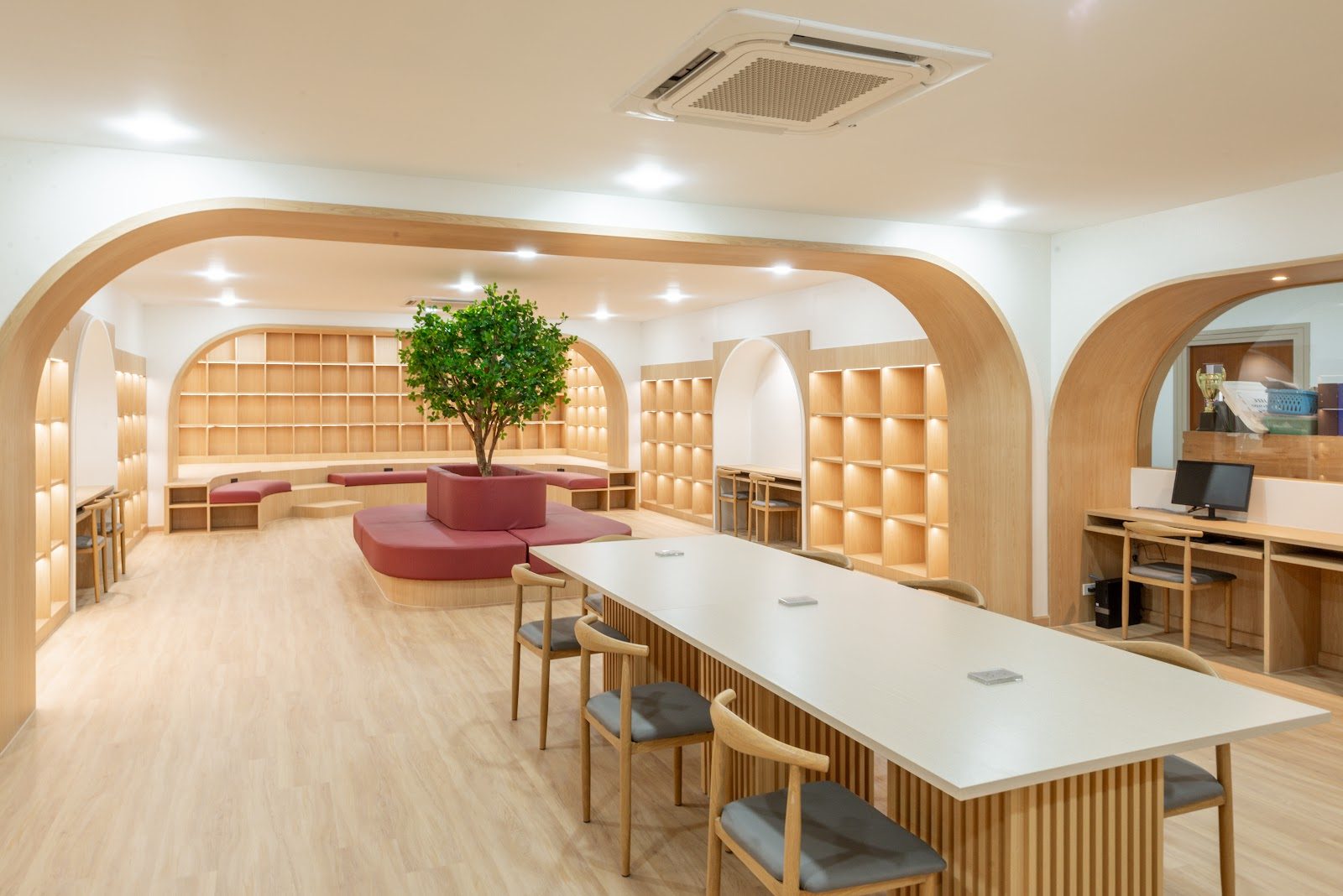
Regents International School Bangkok
Bangkok · Thailand
British curriculum through IGCSE gives way to the IB Diploma at Sixth Form, a pairing rare among Bangkok's boarding schools.
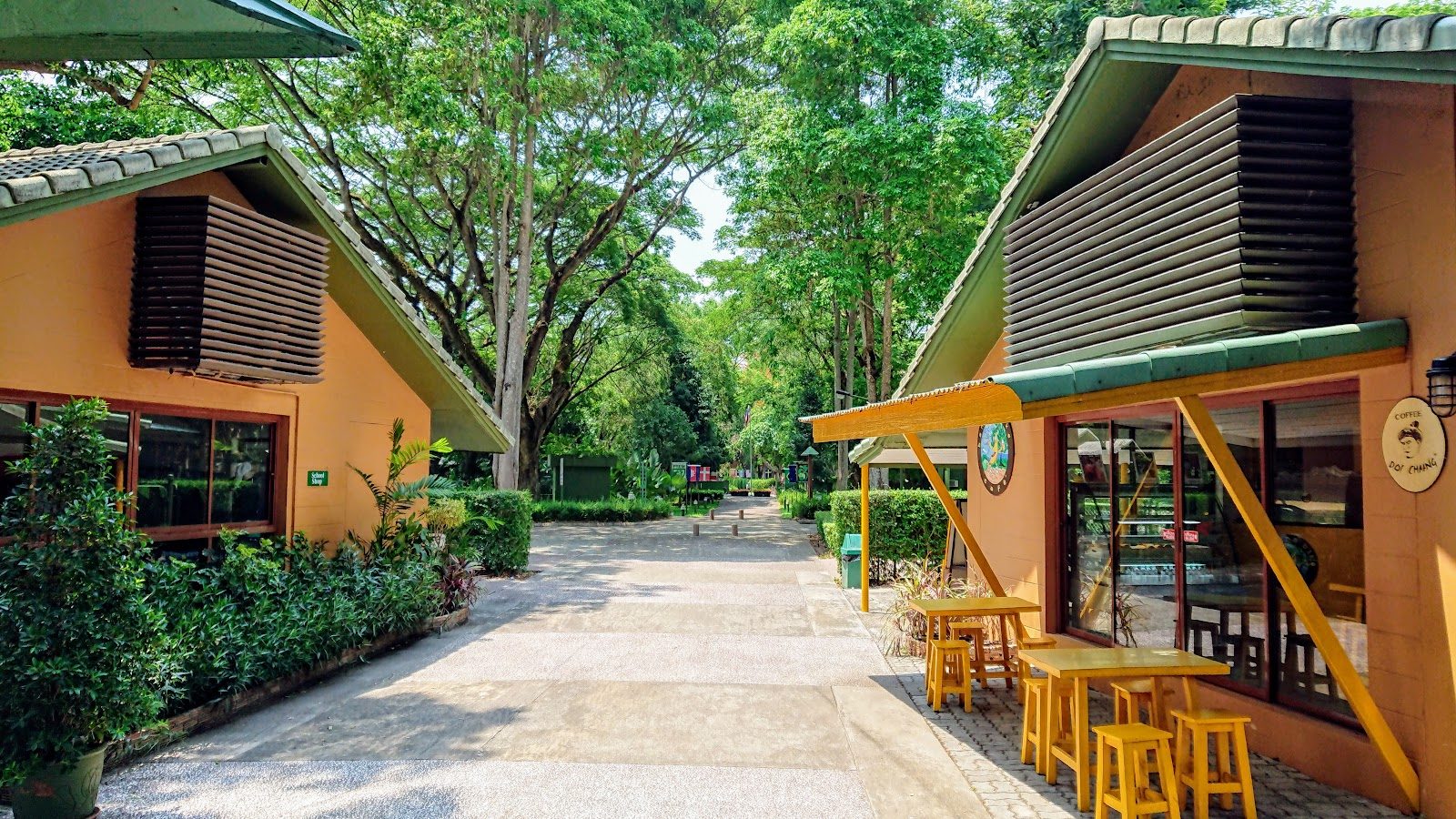
Prem Tinsulanonda International School
Chiang Mai · Thailand
On a 100-acre farm and forest campus in the Mae Rim foothills, the first school in Southeast Asia to run all four IB programmes
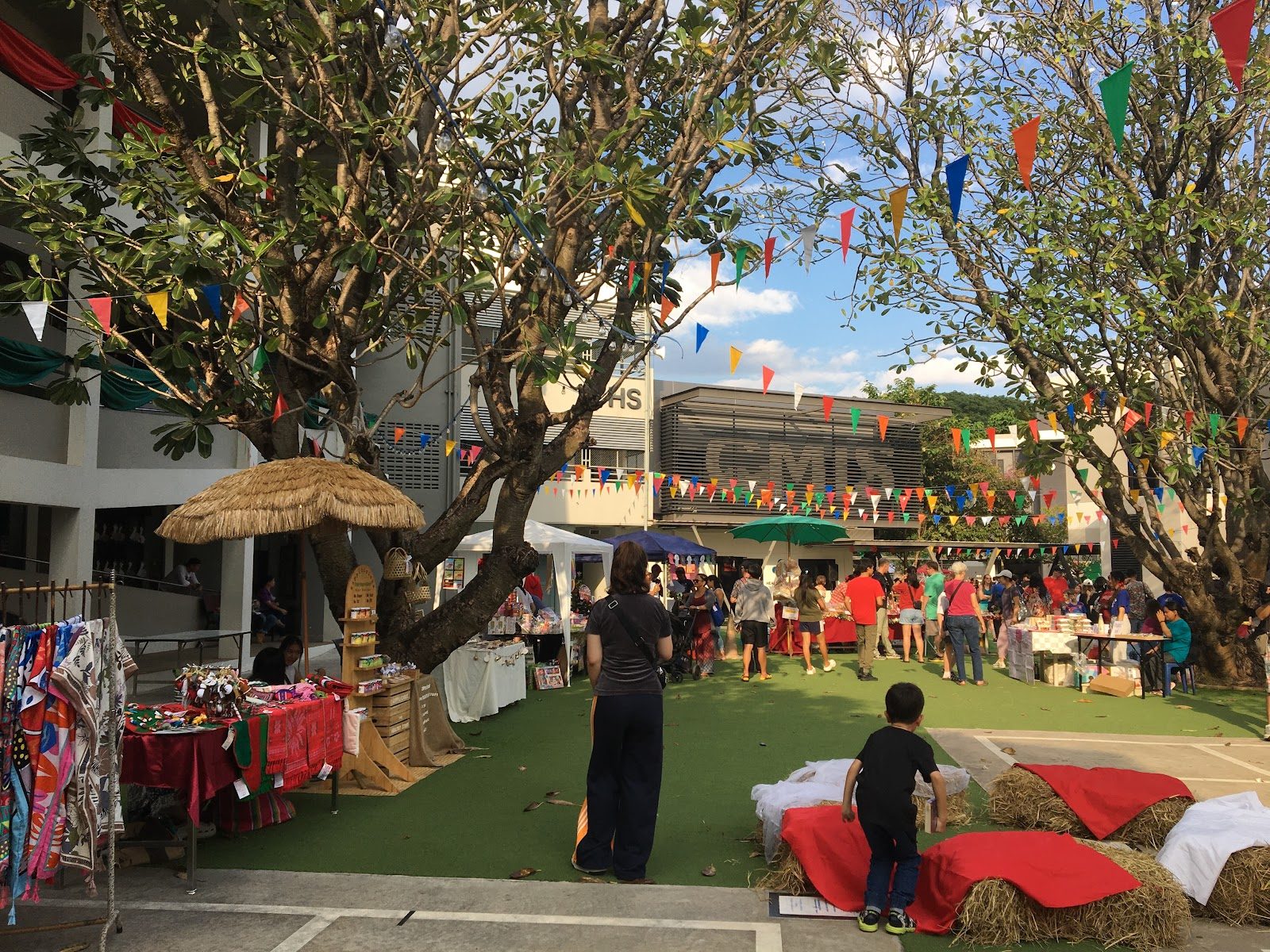
Chiang Mai International School
Chiang Mai · Thailand
Founded by returning missionaries in 1954, this Ping River campus was Thailand's first international school outside Bangkok.
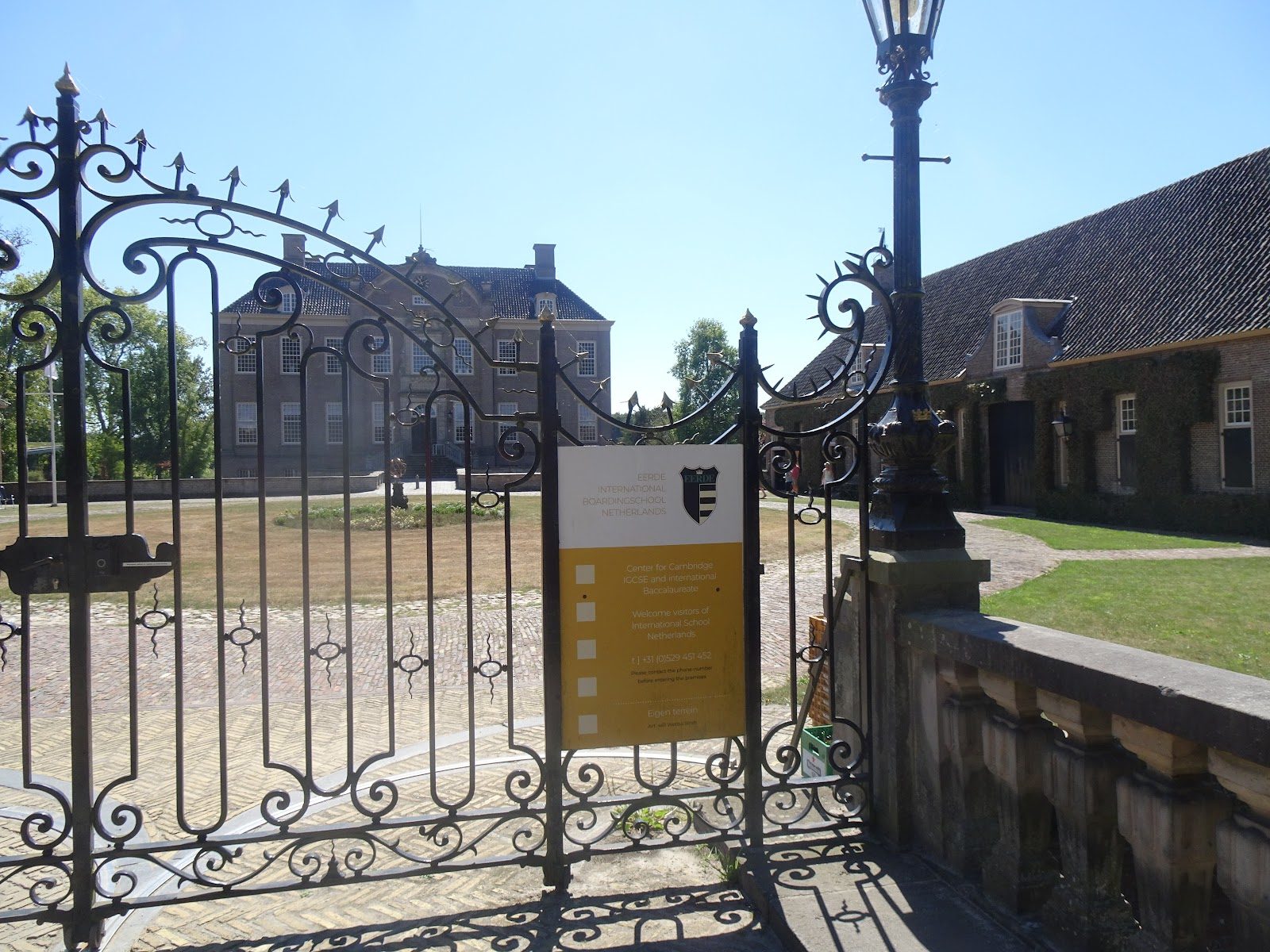
International School Eerde
Ommen · Netherlands
A moated 1715 castle that once sheltered Jewish refugee children now anchors an IB boarding community of 25-plus nationalities.
Same country and curriculum — closest matches within ±10 points either way