
Vestland
On a remote Norwegian fjord, every IB diploma comes paired with a mandatory Red Cross humanitarian diploma.
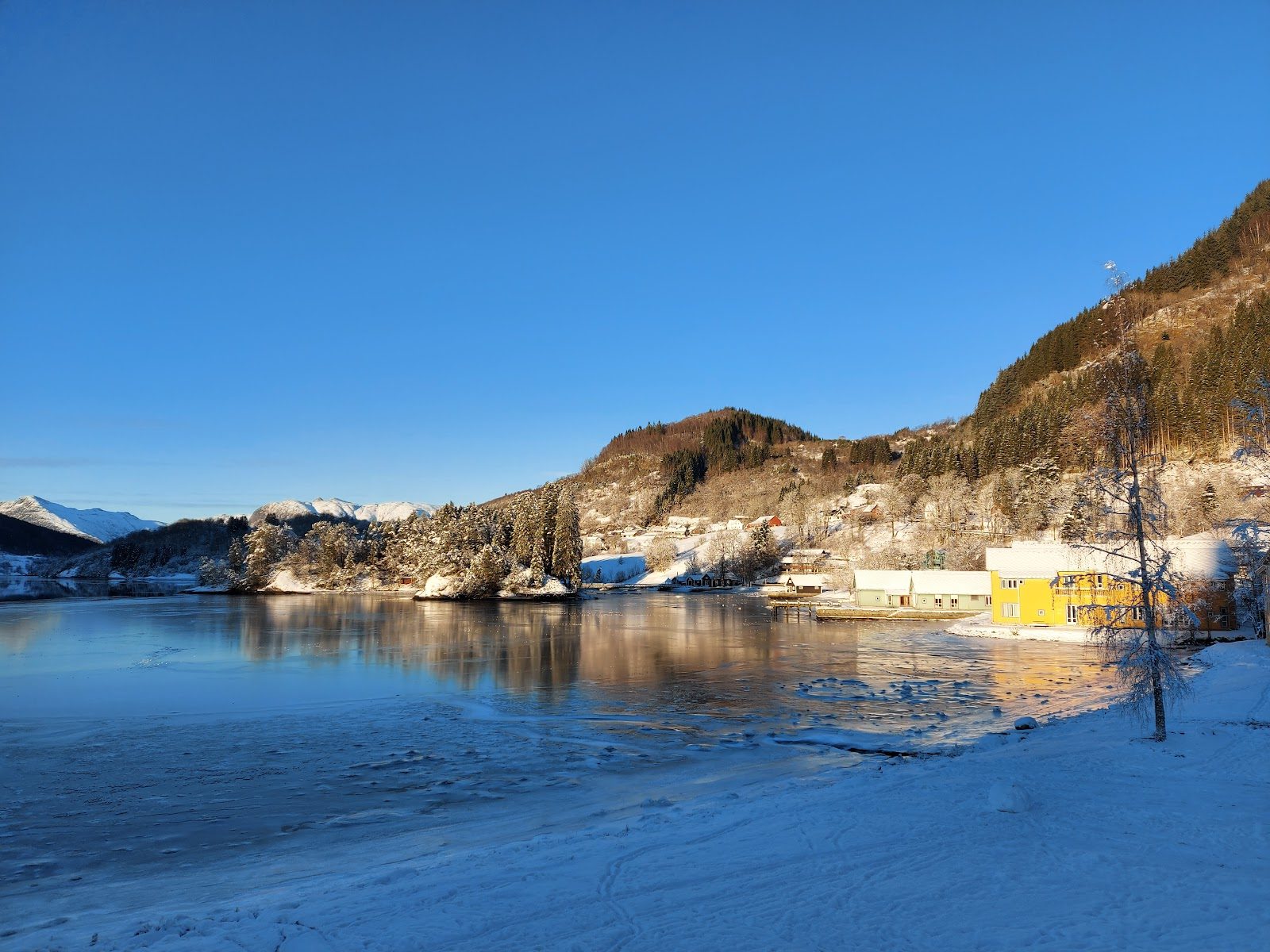
Photo © David Robertson via Google Maps
Type
Boarding
Ages
16–19
Curriculum
IB
Qualifications
IB Diploma
Ratio
—
The Verdict
Editor's commitment
Right for
Sixth-form boarders aged 16–19 who want the IB in English and a mandatory Red Cross humanitarian diploma on a Norwegian fjord.
Wrong for
Anyone wanting day schooling, younger entry than 16, or a standard IB boarding school without UWC Movement and Red Cross obligations.
Watch out for
This 1995-founded school is remote, fully boarding, and publishes no aggregate IB results despite IB World School status and Norwegian Directorate approval.
Ranking breakdown
United World College Red Cross Nordic · # of 1591
Composite score 76.7. 8 weighted criteria.
By criterion
Academic Outcomes
Weight 20%
#182
of 1529 scored
University Placement
Weight 16%
#187
of 1529 scored
Prestige & Heritage
Weight 12%
#255
of 1571 scored
Alumni Network
Weight 12%
#114
of 1530 scored
Facilities
Weight 12%
#188
of 1534 scored
Transparency & Communications
Weight 8%
#204
of 1532 scored
Peer & Industry Review
Weight 10%
#234
of 1548 scored
Admissions Selectivity & Demand
Weight 8%
#198
of 1529 scored
Peer & Industry Review
How United World College Red Cross Nordic is regarded in the sector
60
Respected · low confidence
United World College Red Cross Nordic benefits from the strong reputation of the wider UWC movement (frequently referenced in international education press as a rigorous, mission-driven IB network with a notable alumni network including diplomats and NGO leaders), but independent, school-specific coverage (e.g., in Good Schools Guide International or Tatler-style rankings) is sparse compared to sister colleges like UWC Atlantic College. Its remote Norwegian location and small size mean it functions more as a respected niche player within the UWC system than a broadly benchmarked national institution.
Editors' overview
United World College Red Cross Nordic occupies a narrow, distinctive niche: a full-boarding UWC on a remote western Norwegian fjord, with 206 students aged 16–19 drawn from 85+ countries and a mission tied directly to the Red Cross. This is not a standard international boarding school with service bolted on. Humanitarianism sits in the structure of the place, its partnerships and its setting. The school opened in 1995, teaches in English, and delivers the IB Diploma within the UWC movement’s values-driven framework. The point of difference is clear: students do not just study global issues in class; they live in a small residential community built around shared purpose, international intensity and a Red Cross partnership that gives the school sharper civic teeth than many schools trading on the language of service.
That same clarity will attract some families and repel others. UWC Red Cross Nordic is for sixth-form age students who want conviction, not polish: young people who can handle fjord-side isolation, communal living, ideological diversity and the social pressure of a mission-heavy school. The setting in Flekke is part of the education. There is less urban distraction, more dependence on the community around you, and nowhere to hide from the demands of boarding life. Students who thrive here want the IB, but not as an end in itself. They want moral seriousness, cross-cultural friction and a student body selected for potential rather than social cachet. Families looking for glossy facilities, a large city campus or a conventional prestige ladder will find stronger fits elsewhere.
Why shortlist it? Because few schools offer this combination of global selection, full boarding, Nordic public-spiritedness and formal alignment with the Red Cross. UWC Red Cross Nordic has a coherent identity, and coherence matters. The school’s scale is small enough to feel personal, large enough to deliver real diversity, and old enough to have institutional backbone without losing its founding purpose. It belongs on a shortlist for students who want education with consequences: those drawn to purpose before comfort, to environmental and humanitarian concerns, and to a boarding experience that asks for stamina, adaptability and a genuine appetite for living with difference every day.
Academic Performance
UWC Red Cross Nordic does not publish aggregate IB outcomes in the public domain. No mean score, pass rate, subject spread or proportion awarded bilingual diplomas is easy to find. That matters. In a school built around a demanding mission and a selective international intake, parents need hard academic data, not only statements of purpose. The college clearly offers a serious two-year course of study, and the presence of a university counsellor points to organised post-school guidance, but exam transparency is thin. Against strong IB boarding competitors, that weakens academic accountability. Families comparing schools on results will get more usable evidence elsewhere.
Relative to peers, this places the school in an awkward middle ground. UWC carries intellectual weight, and the student body’s global selection gives the college a high-expectation academic context. Yet without published outcomes, it is impossible to place the school credibly against other UWC campuses or against academically sharper Nordic and European IB boarders that release fuller data. The case for UWC Red Cross Nordic rests less on quantified attainment than on its mission-led education, intense residential culture and distinctive humanitarian structure. For students whose priority is a values-driven sixth-form experience, that may be enough. For families seeking hard-edged proof of exam performance, it is not.
Facilities
The school’s most important facility is not a grand building but the Haugland Centre setting itself: a residential campus tied to the Red Cross, embedded in a fjord landscape, and organised around communal life rather than display. That matters because the place is designed for immersion. Students live, study and work in close quarters, with the surrounding environment pushing outdoor activity and environmental awareness from slogan into daily fact. The college publishes little that showcases specialist infrastructure in the way wealthier boarding competitors do. We have not seen a parade of elite theatres, Olympic-scale pools or high-spec sports centres. Against premium European boarders, that reads as plain-spoken and function-first. Against other mission-led schools, it reads as coherent.
What parents do get is a campus built for an intentionally small international community of 206 students drawn from 85 countries. In facilities terms, that means less anonymity, fewer layers of separation, and a stronger link between residence, pastoral life and co-curricular work. The Red Cross connection gives the estate a distinct civic character that most IB boarding schools cannot match. The trade-off is clear. Families wanting polished abundance and specialist luxury will find richer provision elsewhere. Families wanting a close-knit, purpose-built boarding environment, where the setting itself reinforces the school’s humanitarian and environmental agenda, will judge the campus strong on fit rather than flash.
Among prestige schools full stop, it sits below the global headline brands and above the crowded field of worthy but forgettable international boarders
Prestige
UWC Red Cross Nordic carries real niche prestige, not mass-market prestige. Within the UWC world, the badge has weight: admission is selective, the intake is international, and the school’s Red Cross partnership gives it a sharper public-service identity than campuses that lean on generic language about global citizenship. For universities and informed educators, that combination signals students who have chosen an ideological commitment as well as an academic route. The college’s reach across 85 countries also matters. That breadth gives the student body uncommon credibility. This is not an expatriate enclave with a multinational gloss; it is a deliberately assembled community with a clear social purpose.
That said, prestige here is specialist, not universal. Outside the UWC ecosystem, the school lacks the instant name recognition of old British boarding brands or the data-driven academic prestige of top IB operators that publish results aggressively. Its remote setting and modest scale add distinction, but not glamour. Families buying status in the conventional sense will find thinner returns. Families who value moral seriousness, selection by potential and a student culture built around service will rate it far more highly. In plain terms: among mission-led international schools, this is a high-conviction name. Among prestige schools full stop, it sits below the global headline brands and above the crowded field of worthy but forgettable international boarders.
This is not a standard international boarding school with service bolted on
Communications
Parent communication is functional rather than polished. The school runs a public news feed, a monthly newsletter and a publications area that includes an annual report and student handbook. That gives families more than a bare admissions front end: there is a visible habit of updating the community, naming staff roles, and documenting day-to-day life through student and alumni pieces. The website also states the college has 206 students from over 85 countries, which helps parents gauge scale and international reach without digging. For a small, mission-heavy boarding community, that matters. Families need regular signals from the centre, and the school provides them in a plain-spoken, workmanlike way.
The weakness is depth. Communication tells you a good deal about ethos and community, and less than it should about outcomes, operational detail and hard performance measures. The public face leans on anniversary storytelling, values language and human-interest updates. That suits the school’s character, but it leaves a parent wanting more hard information: academic data, sharper practical detail, and a clearer sense of how the school measures success beyond mission. In other words, communications are coherent and warm, but not forensic. Parents who value community narrative and institutional purpose will find enough reassurance. Parents who want the full dashboard of boarding-school accountability will find the public communication system too thin.
Uniqueness
What marks this school out is the mandatory pairing of the IB Diploma with a Red Cross humanitarian diploma. Plenty of international schools talk about service. This one builds it into the architecture of the student experience. That changes the tone of the place. Humanitarian and environmental concerns are not an afternoon extra or a university-application garnish; they sit at the centre of school life, reinforced by the Red Cross partnership, the Nordic public ethos and a student body drawn from 85+ countries. The result is mission with teeth: students study in a setting where ideals are expected to turn into practice, and where intercultural understanding has to survive the pressures of shared living, disagreement and daily responsibility.
The other point of difference is the combination of geographic remoteness and global density. A fjord-side campus in western Norway strips away the easy distractions and social churn of city schools. That creates a more concentrated boarding culture: more reliance on peers, more exposure to difference, and less room for performative internationalism. For the right student, that is formative and demanding in the best sense. It produces resilience, social discipline and a stronger grasp of cooperation across national and ideological lines. For the wrong student, it feels claustrophobic and relentless. That is the school’s strength and its warning label. Few sixth-form colleges offer such a high-conviction mix of academic study, humanitarian training and deliberate communal intensity.
Humanitarianism sits in the structure of the place, its partnerships and its setting
Student Profile
The best fit is a student who wants intensity, not comfort. This college selects young people from over 85 countries on demonstrated potential, and that shapes the peer group: internationally minded in the hard sense, not the brochure sense. Expect students who can handle disagreement, cultural friction and shared responsibility without retreating into their own clique. The social centre of gravity sits with teenagers who are serious about purpose, curious beyond their own background and willing to live under constant community scrutiny. A strong candidate does not need polish or social ease on arrival, but does need stamina, resilience and the ability to contribute in a place where ideals carry daily obligations.
The wrong fit is just as clear. Students who need anonymity, a wide urban social scene or a conventional high-status boarding experience will chafe. So will those who treat service as résumé decoration. Life here suits self-possessed, adaptable adolescents who can cope with remoteness, shared living and the moral pressure of a school tied closely to humanitarian values. The age range, 16–19, also matters: this is a sixth-form environment with little appetite for hand-holding. Students who thrive will welcome debate, accept discomfort and find energy in a high-conviction community. Students who need ease, personal space and lighter expectations need a different school.
The school opened in 1995, teaches in English, and delivers the IB Diploma within the UWC movement’s values-driven framework
Co-curricular strengths
Arts & sport, on a separate axis
Overall 7.3/10
Scored 0-10 from the school's own published evidence. This axis is editorial-only — it does not feed the main WTS ranking.
Sports
8.5/10
Drama
8/10
Dance
5.5/10
Music
6/10
Visual Arts
8.5/10
Editor first-pass · editor-reviewable · 7/30/2026
WTS 300 badge
United World College Red Cross Nordic is one of the World's Top 300 Schools. Claim your listing to add it to your site →
Strengths
- +Founded in 1995 as the ninth United World College globally and the third to open in Europe, with governmental backing from all Nordic countries.
- +Selection for the majority of places is merit-based through national UWC committees, and more than 80 percent of nationally selected students receive full or partial scholarships.
- +Every student completes a Red Cross diploma as part of the CAS programme, reflecting the college's founding partnership with the Norwegian Red Cross.
- +Small, highly international community of around 200 students drawn from more than 85 countries, typical of the UWC movement's intercultural model.
- +Campus sits on a 300-hectare fjord-side site in western Norway, giving structured access to outdoor and environmental learning alongside an Environmental Lighthouse sustainability certification.
Considerations
- −Remote rural location in Flekke, Fjaler municipality, far from any major city or international airport, which affects travel logistics for boarding families.
- −Single curriculum offering: only the two-year IB Diploma Programme is taught, with no alternative exam tracks for families wanting flexibility.
- −Full fee-paying entry via the Global Selection Programme is limited in number and comes without scholarship support, at a published cost of roughly USD 45,500 to 55,000 per year for 2026.
- −Boarding is communal rather than private, with students housed in shared rooms of five mixing first- and second-year pupils, sharing an ensuite bathroom.
Availability
Primary entry gate & tests
National Committee Selection
Gallery
Photo © Tania muñoz via Google Maps
Photo © Justina Kollie via Google Maps
Photo © Luis Caballero via Google Maps
Photo © Linda Mia via Google Maps
Photo © David Robertson via Google Maps
Parent reviews
Have you sent your child here?
Voice reviews carry the strongest trust badge — we transcribe them for you to tidy up before they go live. Prefer to type? A written review is fine too.
Add your voice
In 60 seconds, tell other parents: what's the best thing about United World College Red Cross Nordic, and what surprised you when your child joined?
We ask for a Google sign-in so every review has a real face behind it — no anonymous drive-by attacks on schools, and no faked positive reviews. Your email is never shown publicly.
Send this profile to a friend
International parents rely on word-of-mouth. Share this review with someone weighing the same decision.
Schools with places
Similar schools to United World College Red Cross Nordic with places available now.
Availability first, then country, area, curriculum, price, co-curricular
Consider also
Also worth looking at alongside United World College Red Cross Nordic.
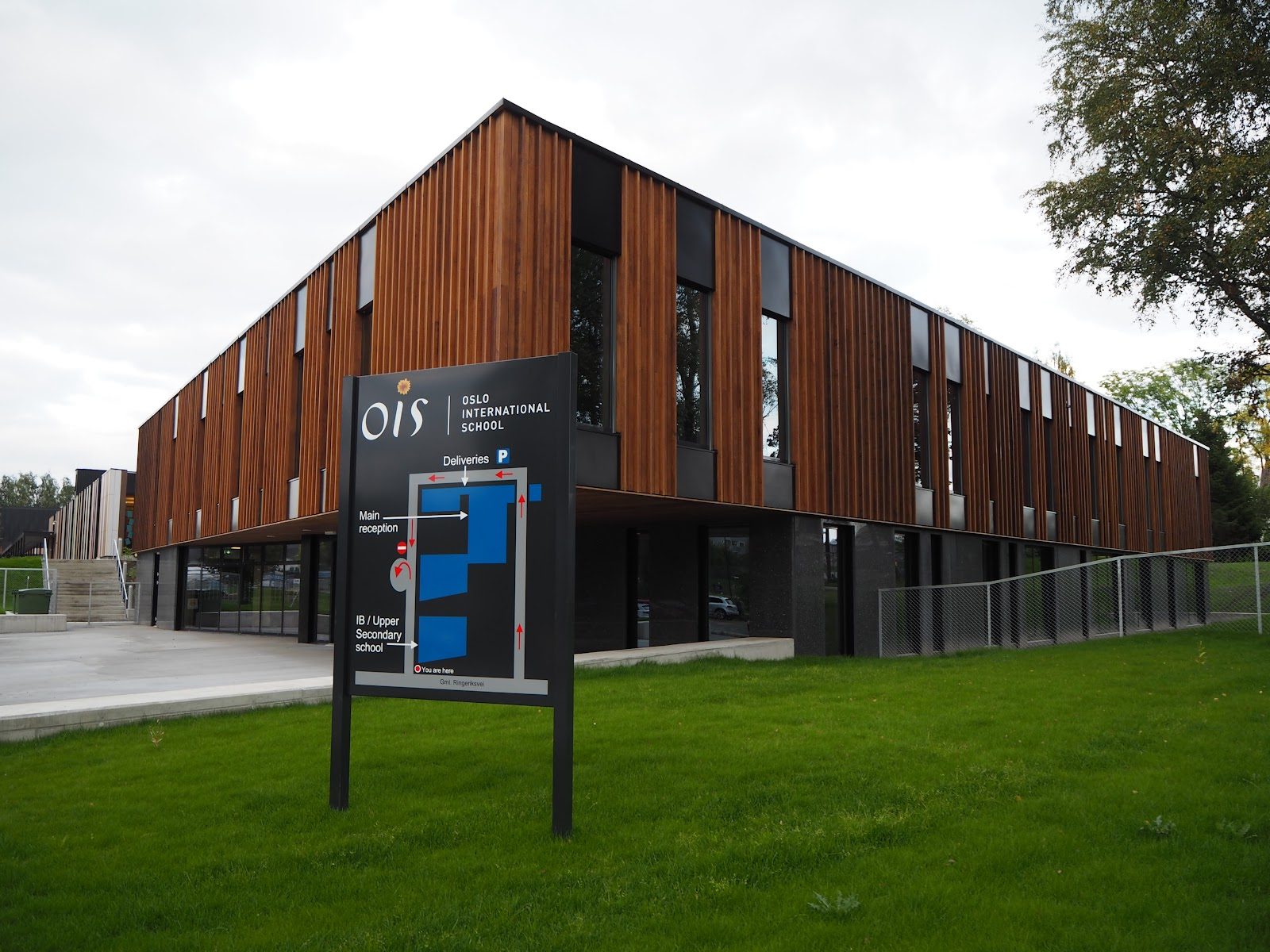
Oslo International School
Bekkestua · Norway
Six decades in a Baerum suburb, where IB Diploma scores average nearly seven points above the global mean
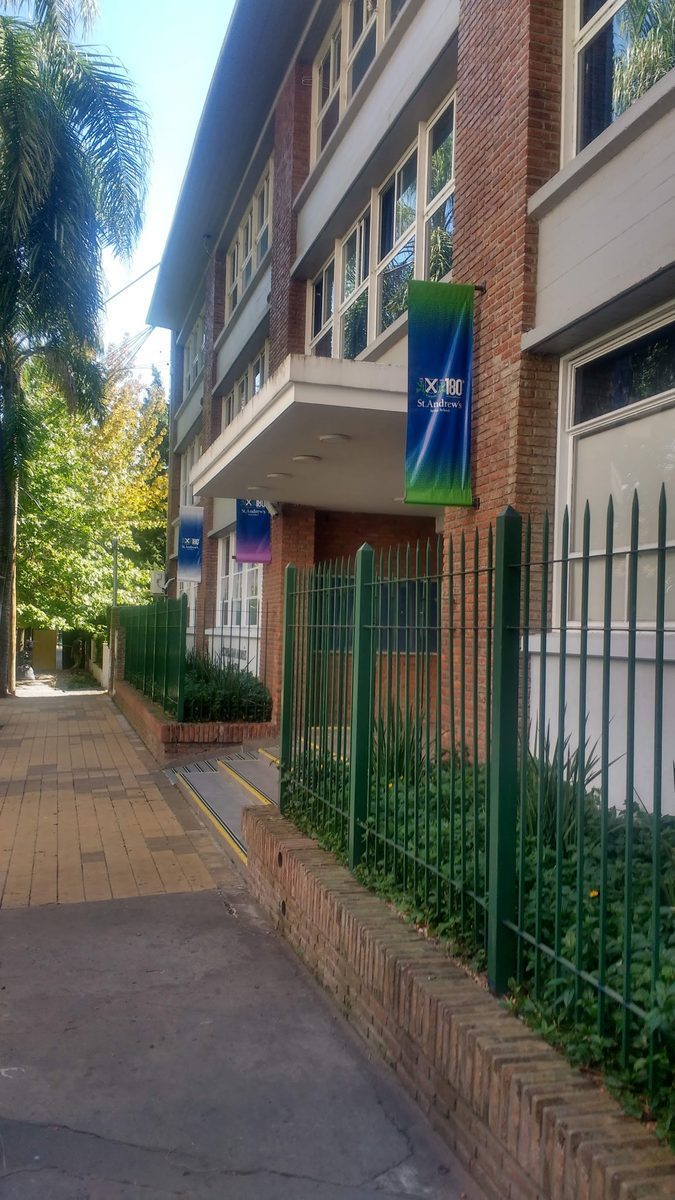
St Andrew's Scots School (Colegio San Andrés)
Buenos Aires · Argentina
Founded in 1838 by Scottish settlers, Argentina's oldest private school pairs the IB diploma with British-rooted house traditions.
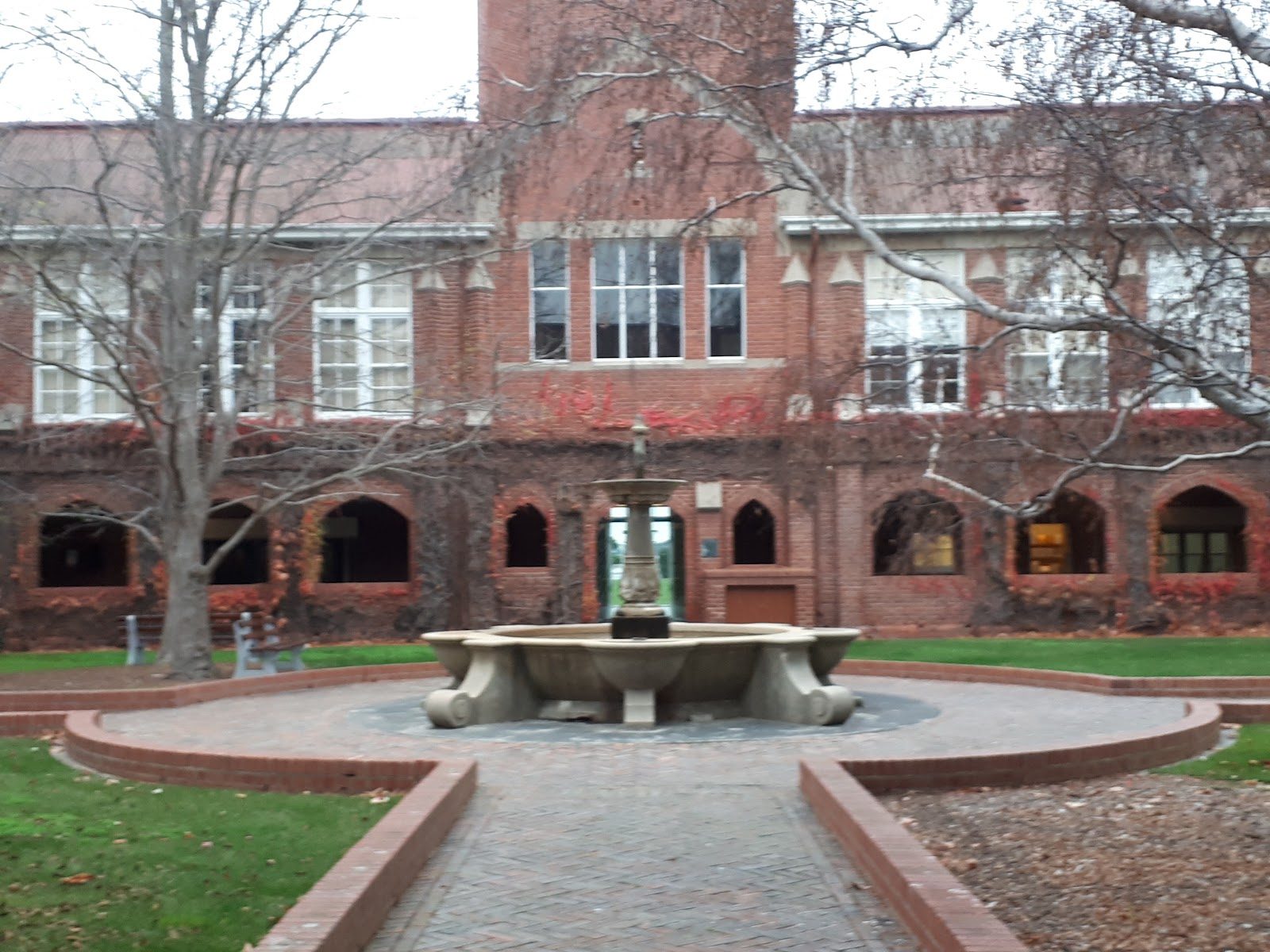
Geelong Grammar School
Corio, Victoria · Australia
Sends every Year 9 to a remote alpine campus, then blends IB and VCE with the wellbeing model it pioneered.
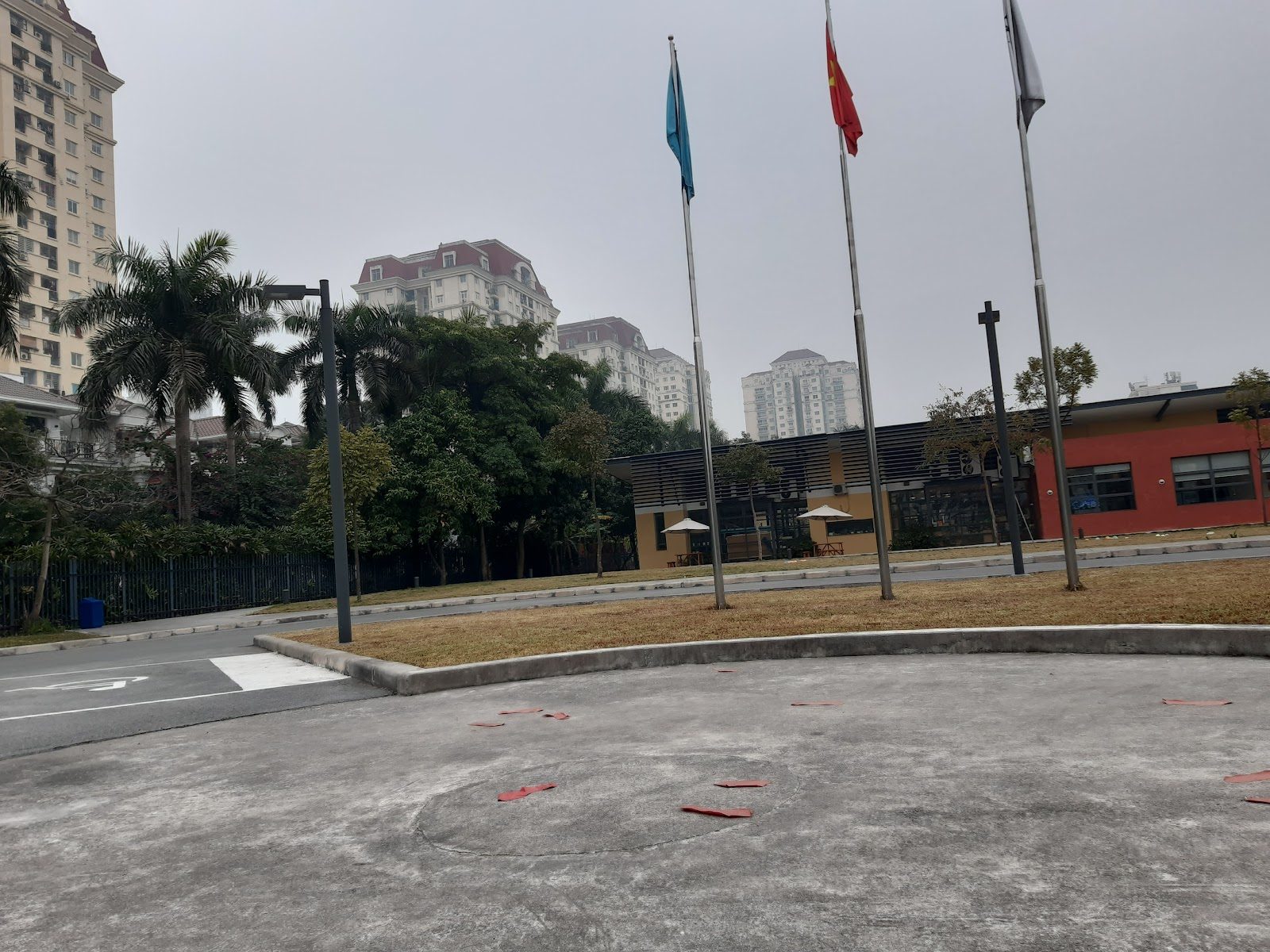
United Nations International School of Hanoi
Hanoi · Vietnam
One of only two UN-affiliated schools on earth, weaving the Sustainable Development Goals into an IB curriculum spanning 60-plus nationalities
Same country and curriculum — closest matches within ±10 points either way