
New York
Since 1892 on Manhattan's Upper East Side, an all-girls institution built on research fellowships and a founder's progressive vision.

Type
Day
Ages
5–18
Curriculum
American
Ratio
6:1
The Verdict
Editor's commitment
Right for
Girls who want a serious K-12 American education with a 6:1 student-teacher ratio and Harvard, Chicago and Cornell firmly in view.
Wrong for
Families wanting co-education, boarding or a cheaper route through Manhattan: Spence is day-only, all-girls, and averages $71,185 a year.
Watch out for
NEASC and NAIS accreditation signal institutional solidity, but the real test is temperament: progressive inquiry from age 5 suits independent minds, not spoon-feeding.
Ranking breakdown
The Spence School · # of 1591
Composite score 76.4. 8 weighted criteria.
By criterion
Academic Outcomes
Weight 20%
#183
of 1533 scored
University Placement
Weight 16%
#187
of 1529 scored
Prestige & Heritage
Weight 12%
#186
of 1580 scored
Alumni Network
Weight 12%
#113
of 1530 scored
Facilities
Weight 12%
#391
of 1540 scored
Transparency & Communications
Weight 8%
#206
of 1547 scored
Peer & Industry Review
Weight 10%
#268
of 1564 scored
Admissions Selectivity & Demand
Weight 8%
#198
of 1529 scored
Score history
The Spence School · 2026
Movement across 2024–2026. Peer average overlaid.
Overall — 2024–2026
76.4/ 100
▲ +23.4 vs 2025
year on year
Peer & Industry Review
How The Spence School is regarded in the sector
92
Top-tier · high confidence
The Spence School is consistently ranked among the most elite all-girls K-12 schools in New York City, frequently cited alongside Brearley, Chapin, and Nightingale-Bamford in Niche, Private School Review, and NYC private school admissions guides. It has a highly notable alumni network including prominent figures in media, politics, and business, and is a perennial subject in outlets like The New York Times and New York Magazine covering elite private education and admissions competitiveness. Its reputation is reinforced by consistent placement in 'best private schools in NYC' rankings and its status as a benchmark institution among Manhattan's Independent School peer group.
Evidence sources
Editors' overview
On Manhattan’s Upper East Side, Spence trades on something more substantial than postcode prestige: a K–12 all-girls structure with a clear academic identity and the discipline to sustain it. The school’s own language centres on inquiry, challenge and “learning to live in questions”; that can read as slogan elsewhere, but here it is backed by the architecture of the school itself, from a full lower-through-upper programme to fellowships, internships, lectures and conferences. The numbers reinforce the point. A 6:1 student-teacher ratio and average class size of 18 give teachers room to know their pupils well and press them hard. This is an American-curriculum day school, non-religious, accredited by NEASC and NAIS, and it sits firmly in the top-fee Manhattan bracket: the average annual fee across the full K–12 ladder is USD 71,185.
What makes Spence worth a serious look is the combination of old-school selectivity and a distinctly modern, intellectually restless culture. Founded in 1892, it has longevity without reading as archaic. The school foregrounds computer science alongside ethics, modern and classical languages alongside performing arts, and a Grade 8 capstone project rather than a narrow test-prep mentality. That breadth matters. So does the evidence of academic traction after graduation: recent destinations list Harvard University with 26 students, the University of Chicago with 19 and Cornell University with 18. Those figures place Spence in the company of schools that feed serious academic ambition into highly selective universities with regularity.
This is not the right school for every girl. It suits students who like ideas, tolerate pressure and want to speak up rather than disappear into the middle of the pack. The all-girls setting will appeal to families who want an environment built around female intellectual confidence rather than co-ed social choreography. Spence also carries a real cultural footprint: Wikidata alone records 30 notable alumni, spanning writers, actors, artists, musicians and business leaders, with one verified star-tier award winner. That does not make the school glamorous; it makes it *well connected to achievement beyond the classroom*. Parents should shortlist Spence if they want a fiercely academic New York day school with strong individual attention, ambitious peers and a curriculum broad enough to reward both scholarly and creative drive. Students who need a softer, less exacting atmosphere should look elsewhere.
Academic Performance
Spence does not publish aggregate SAT, ACT, AP or IB results, and that matters. For a school in this tier, exam transparency is the cleanest way to prove academic strength against direct competitors. Here, parents are asked to infer performance from curriculum structure, student work and university destinations rather than inspect a hard results table. That is a real weakness in public accountability. The school’s academic offer is still plainly serious: computer science runs through the programme, ethics has a formal place, and the middle years culminate in a Grade 8 capstone project rather than a narrow drill culture. That points to a school that values intellectual range and sustained analytical writing more than public score-chasing.
Relative to New York independent-school peers, Spence sits in the top academic conversation but not in the transparent-results camp. Families comparing it with schools that release detailed testing data will get less measurable proof here. Families content to judge outcomes by selective university traction, advanced course options and the calibre of classroom provision will find enough to conclude that standards are demanding and ambitions high-octane. The pattern fits a school confident that its reputation rests on internal rigour and long-run placement rather than headline exam statistics. That works if you trust elite-school signalling. It is less satisfactory if you want published evidence before paying a very high fee.
Facilities
Spence’s facilities read as those of a compact, academically driven Manhattan school rather than a sprawling suburban campus, and parents should assess them on that basis. The strongest signals are in programme infrastructure: dedicated computer science, a library, a resource centre with reading specialists, visual and performing arts provision, athletics teams, and a separate squash association. That is a serious spread for a city site where space is always at a premium. The school also uses New York itself as an extension of campus; its own examples of project work out in the city matter because they offset the obvious limits of an Upper East Side footprint. Against peer schools, that places Spence in the urban-intellectual camp: less about acres and spectacle, more about access, density and disciplined use of specialist space.
The arts look stronger than token. There is enough evidence of music, theatre and dance running through school life, including a middle-school musical involving more than 60 pupils in performance and production roles. Science and computing also get visible institutional weight, not just timetable space, and that counts. Athletics are present and organised, but no parent should expect the vast field-and-arena offer of a large day school with a big outer-borough or suburban estate. In facilities terms, Spence stands up well against direct Manhattan rivals: purposeful, space-conscious and clearly built for girls who want to work hard across academics, arts and sport, rather than a school selling flashy real estate as a substitute for substance.
Relative to New York independent-school peers, Spence sits in the top academic conversation but not in the transparent-results camp
Prestige
Spence carries serious Manhattan prestige, but not the noisy kind built on branding alone. Its standing rests on three things that matter to informed parents: deep social recognition in New York’s private-school world, consistent access to highly selective universities, and an alumni network with real cultural and professional reach. The all-girls format sharpens that identity rather than narrowing it; Spence occupies a distinct niche among elite American independents, with a reputation for producing articulate, self-possessed young women who are trained to speak, write and think with confidence. The school’s recent university destinations reinforce that status, and the notable-alumni record adds substance. 30 verified notable alumni on Wikidata is not a trivial footprint for a single school, and the spread across the arts, media and business points to long-run influence, not a single-pocket success story.
The prestige rating also holds because Spence is plainly selective and expensive, and families know it. That combination confers cachet in New York. Still, prestige here is not identical to transparency. The school does not publish aggregate external exam results, which leaves a gap between reputation and public proof. That does not erase its status; it does mean the school asks parents to buy into an old-establishment confidence that its name, placements and network are evidence enough. For many families, that is persuasive. For tougher-minded ones, it is a mark of a school that is high-status, well-connected and still a touch guarded when scrutiny turns numerical.
A 6:1 student-teacher ratio and average class size of 18 give teachers room to know their pupils well and press them hard
Communications
Spence communicates with the confidence of a school that expects parents to keep up. The public-facing site is clean, orderly and information-dense, with admissions, academics, student life and giving all easy to find. More important, it exposes the school’s internal priorities with unusual clarity: ethics, computer science, reading support, clubs, lectures, fellowships, internships and college counselling all have visible space, which tells parents what the school values day to day. The school also uses direct student and teacher voice heavily. That works because the quotations are not generic uplift; they point to risk-taking, research, performance, STEM ambition and student-led activity. A middle-school musical involving more than 60 pupils and a named student magazine give parents concrete proof of participation rather than glossy aspiration.
Where the communication weakens is the same place the school’s broader public accountability weakens: hard performance data. Parents get a strong sense of culture, intellectual tone and programme breadth, but not the full statistical disclosure many fee-paying families want before writing very large cheques. That makes the school’s communications persuasive but controlled. It is strong at explaining educational philosophy and the lived experience of an all-girls environment, and strong at signalling seriousness without turning brash. It is weaker on numbers, outcomes tables and comparative proof. For families comfortable reading between the lines, the message is confident, highly curated and effective. For more forensic parents, it leaves important gaps.
Uniqueness
What marks Spence out is not prestige on its own, but the school’s insistence that girls build an intellectual identity early and carry it all the way through. Many strong schools talk about voice, confidence and inquiry; Spence hardwires those ideas into the programme. Ethics sits alongside computer science. Modern and classical languages sit alongside a full arts offer. The middle years culminate in a capstone project, and the wider structure includes fellowships, internships, lectures and conferences rather than a thin menu of extras. That creates a distinctive academic culture: girls are trained not just to perform well, but to ask better questions, defend positions in public and move comfortably between disciplines. In an all-girls setting, that has a practical effect. Ambition is normalised, classroom authority is shared among girls, and intellectual risk-taking carries less social drag than it does in many co-educational environments.
The other point of difference is how Spence combines old-guard Manhattan selectivity with a curriculum that is less tradition-bound than the address might imply. The school gives real institutional space to research, performance, coding, debate and student-led production. A middle-school musical with more than 60 pupils involved tells you something important: participation here is not decorative. Nor is the staffing model incidental; a 6:1 ratio supports close reading of a pupil’s strengths, weaknesses and habits of mind. For students, that brings a high-pressure, high-attention education with strong adult scrutiny and strong peer pace. For the right girl, it is formative in the best sense: demanding, articulate and hard to hide in.
What makes Spence worth a serious look is the combination of old-school selectivity and a distinctly modern, intellectually restless culture
Student Profile
The Spence student is not a passive consumer of school. She is expected to speak, question, test ideas and cope with being surrounded by other very able girls. The school’s own examples point in one direction: pupils who move easily between accelerated maths, robotics, choir, theatre, clubs, research projects and sport will thrive here. The low staffing ratio of 6:1 matters because it removes hiding places; teachers can track effort, habits and intellectual seriousness closely. Girls who like that scrutiny, and who gain energy from bright, competitive peers, will do well. Girls who want anonymity, low stakes or a more relaxed academic tempo will not. This is an environment for the self-propelled, the verbally confident and the intellectually game.
Just as important, Spence suits students with range. The school gives formal space to ethics, reading support, computing, student leadership, conferences, fellowships and internships, which tells you it wants girls who will use the full menu rather than sit inside one narrow identity. Creative pupils with academic muscle fit well; so do scientific pupils who can write and argue. The all-girls setting will appeal to families who want ambition to feel ordinary rather than socially awkward. A middle-school production involving more than 60 pupils also signals a culture where participation runs deep, not just at the star-performer level. For the right child, that mix is formative, high-expectation and not for the faint-hearted.
Founded in 1892, it has longevity without reading as archaic
Co-curricular strengths
Arts & sport, on a separate axis
Overall 8.82/10
Scored 0-10 from the school's own published evidence. This axis is editorial-only — it does not feed the main WTS ranking.
Sports
8.8/10
Powered by their massive multi-story Athletic & Educational Facility on the Upper East Side, fielding elite squash and track squads.
Drama
8.8/10
Fiercely active dramatic societies pushing high-level scriptwriting, acting, and structural tech direction across multiple venues.
Dance
9/10
Dedicated dance studios offering strong composition paths that serve as a headline asset for their collaborative musical theater shows.
Music
8.5/10
High-end private instruction, vocal training modules, and select choirs that routinely perform at major East Coast choral festivals.
Visual Arts
9/10
Sun-drenched studio spaces specialized for advanced ceramics, fine oil painting, and high-end digital photography.
Editor-verified · 8/6/2026
Outcomes & destinations
Where students go next
Top destinations
200 placements
- Harvard University· 26
- University of Chicago· 19
- Cornell University· 18
- University of Pennsylvania· 15
- Brown University· 13
- Princeton University· 11
- Columbia University· 11
- Yale University· 10
- Georgetown University· 10
- University of Michigan· 9
- Northwestern University· 9
- Duke University· 9
- Barnard College· 8
- Colgate University· 7
- Amherst College· 7
- Williams College· 6
- Stanford University· 6
- Dartmouth College· 6
Reported by the school. Confirm with admissions.
Notable alumni · Wikidata
30notable alumni
18 historic (born pre-1930) · 7 modern (born post-1970)wikidata:2026-07-28 How we source this
WTS 300 badge
2026/27 editionThe Spence School is one of the World's Top 300 Schools for 2026/27. Claim your listing to add it to your site →
Strengths
- +One of New York's oldest all-girls independent schools, founded in 1892 and still operating as a K-12 institution on the Upper East Side.
- +Maintains a low 7:1 student-to-faculty ratio, a structural feature confirmed in the school's own published profile.
- +Formally affiliated with the Brearley, Chapin and Collegiate schools through the New York Interschool consortium, allowing some shared programming with a coeducational partner.
- +Allocates roughly $8.1 million annually to need-based financial aid, with about one in five students currently receiving support.
- +Counts high-profile alumnae such as actresses Gwyneth Paltrow and Kerry Washington among its graduates, reflecting a long track record of visible alumnae outcomes.
Considerations
- −Single-sex by design (K-12 girls only), which removes the school from consideration for families who want a coeducational environment at any stage.
- −Tuition for 2026-2027 is set at $71,185, placing it among the costliest independent day schools in Manhattan.
- −Reported acceptance into the upper school is described by admissions consultants as being in the single digits in most years, indicating very high selectivity.
- −The school has drawn public criticism from some parents over its embrace of progressive social-justice programming, a cultural stance that has reportedly deterred some prospective families.
Availability
Primary entry gate & tests
ISEE/SSAT + Interview (Girls)
Parent reviews
Have you sent your child here?
Voice reviews carry the strongest trust badge — we transcribe them for you to tidy up before they go live. Prefer to type? A written review is fine too.
Add your voice
In 60 seconds, tell other parents: what's the best thing about The Spence School, and what surprised you when your child joined?
We ask for a Google sign-in so every review has a real face behind it — no anonymous drive-by attacks on schools, and no faked positive reviews. Your email is never shown publicly.
Send this profile to a friend
International parents rely on word-of-mouth. Share this review with someone weighing the same decision.
Schools with places
Similar schools to The Spence School with places available now.
The Chapin School
New York City · United States
- 2026-27
- CLOSEDRegular cycle
- 2027-28
- OPENS SOONOpens Aug '26
Hunter College High School
New York City · United States
- 2026-27
- CLOSED
- 2027-28
- OPENS SOONOpens late Sept '26
The Dalton School
New York City · United States
- 2026-27
- CLOSEDConfirmed full
- 2027-28
- OPENS SOONOpens post-Labor Day (Gr 6 Closed)
The Bronx High School of Science
New York City · United States
- 2026-27
- CLOSEDStandard route
- 2027-28
- OPENS SOONOpens 6 Oct '26 (Closes 30 Oct)
Availability first, then country, area, curriculum, price, co-curricular
Consider also
Also worth looking at alongside The Spence School.
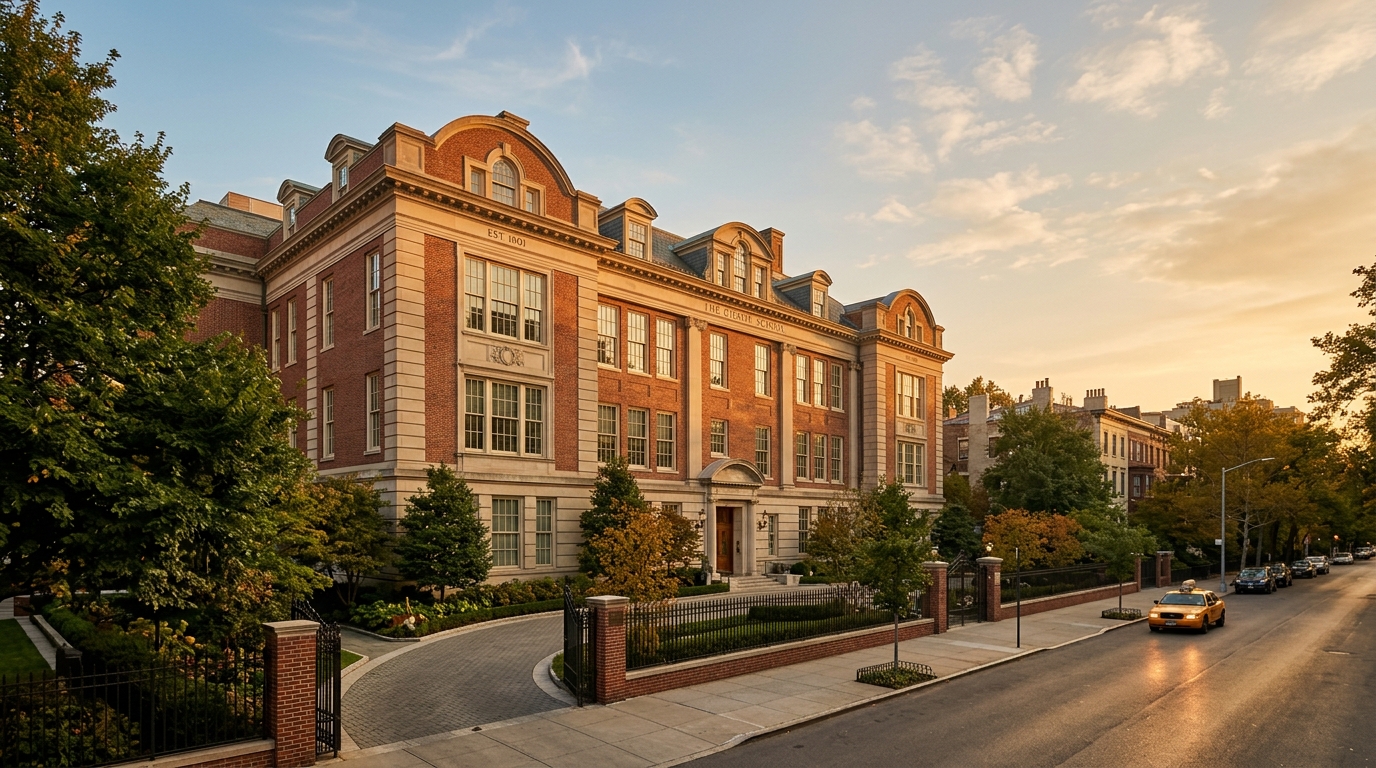
The Chapin School
New York City · United States
On the East River's edge, a K-12 girls' school where two years of Latin are compulsory and no valedictorian is named.
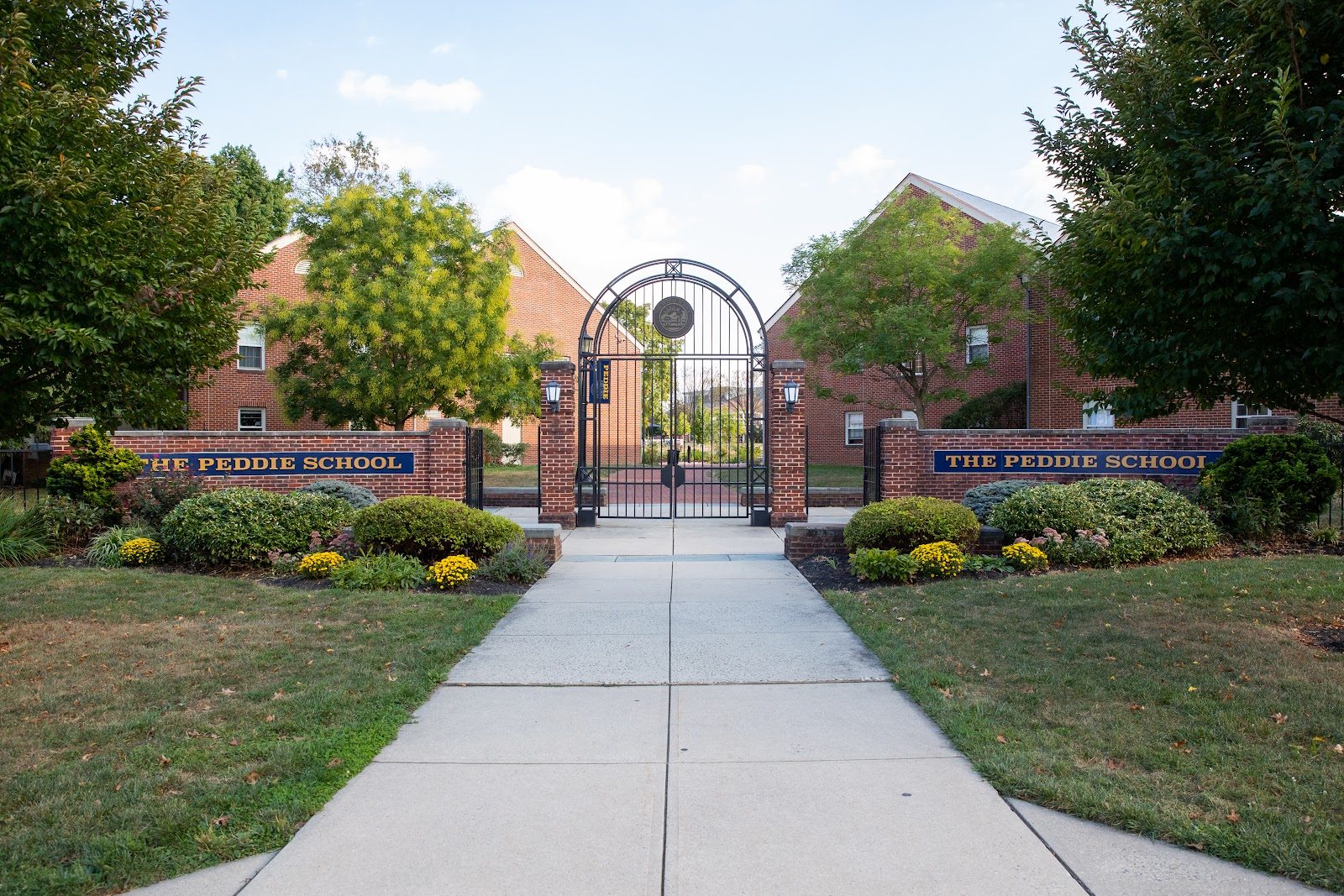
Peddie School
Hightstown · United States
Since 1864, a lakeside New Jersey campus builds signature tracks in research science and Shanghai-linked Asian studies.

Hunter College High School
New York City · United States
A tuition-free CUNY-run gifted school on the Upper East Side, admitting by a single brutal exam and about 7 percent of applicants.
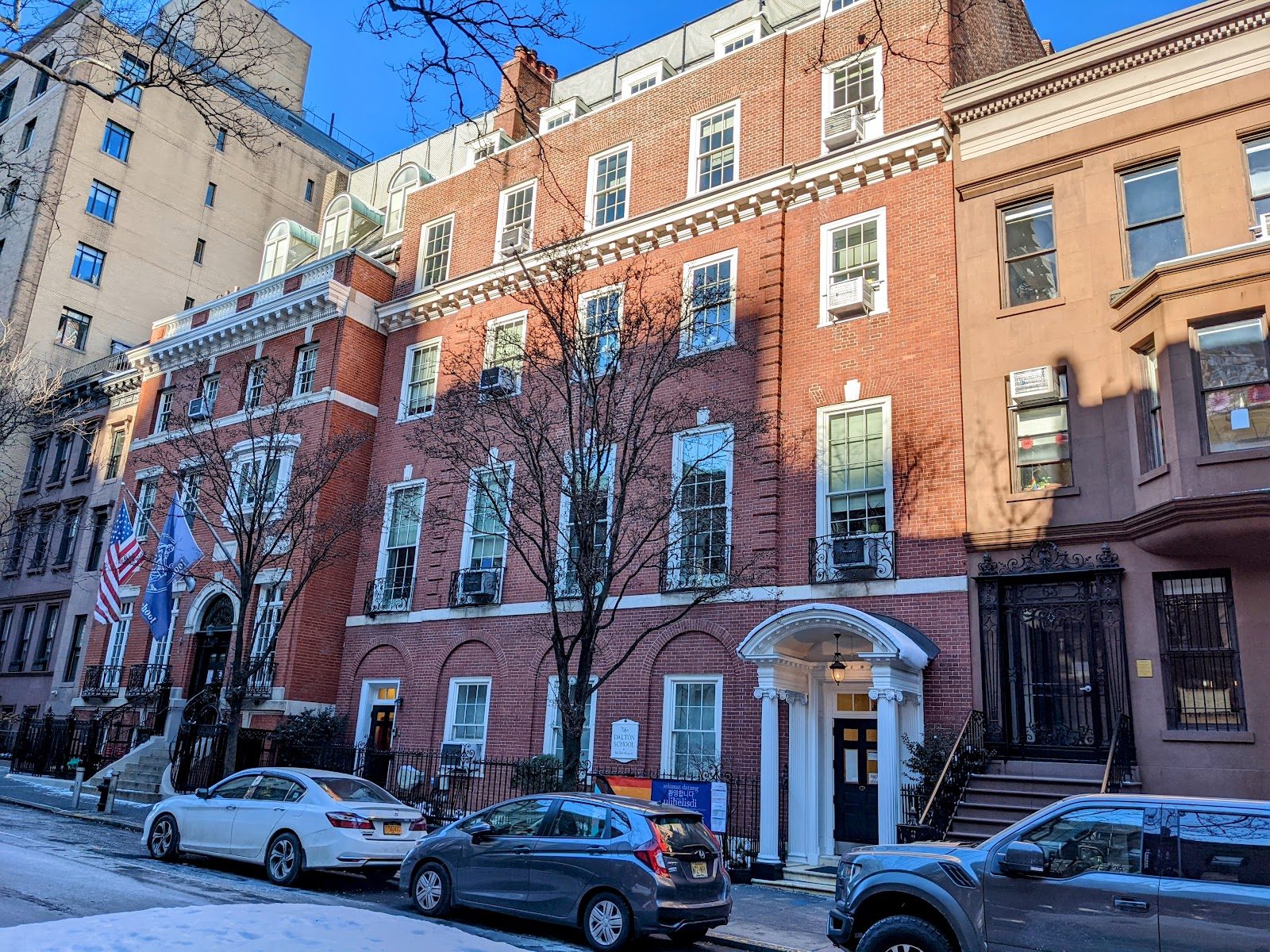
The Dalton School
New York City · United States
A century-old progressive blueprint of House, Assignment, and Lab still shapes learning on the Upper East Side.
Same country and curriculum — closest matches within ±10 points either way