
Hong Kong
Hong Kong's first co-educational school runs DSE and IB side by side on its Mid-Levels campus, posting the city's top IB averages.
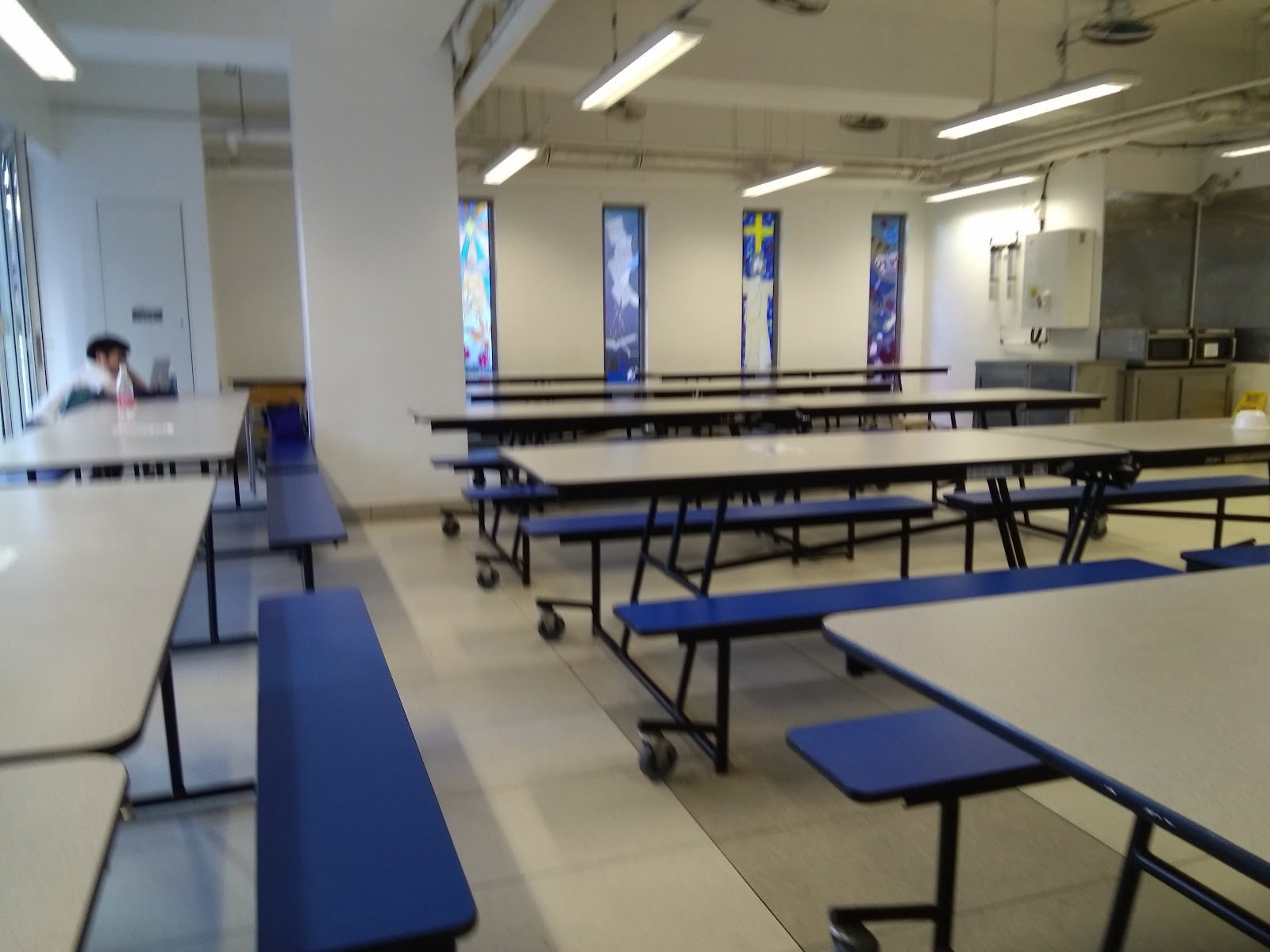
Photo © Kalok Cheng via Google Maps
Type
Day
Ages
3–18
Curriculum
IB · HKDSE
Qualifications
HKDSE · IB Diploma
Ratio
10:1
The Verdict
Editor's commitment
Right for
Families wanting Hong Kong's first co-educational school, English-medium teaching, and a real HKDSE-or-IB choice on one Mid-Levels campus.
Wrong for
Parents who want a cheaper route, secular culture, or lax academics: the average annual fee is HKD 68,000 and standards are exacting.
Watch out for
CIS and IBO accreditation matter, but the dual-track model demands an early call on HKDSE versus IB; 10:1 staffing does not remove pressure.
Ranking breakdown
St. Paul's Co-educational College · # of 1591
Composite score 80.9. 8 weighted criteria.
By criterion
Academic Outcomes
Weight 20%
#66
of 1529 scored
University Placement
Weight 16%
#41
of 1529 scored
Prestige & Heritage
Weight 12%
#53
of 1571 scored
Alumni Network
Weight 12%
#25
of 1530 scored
Facilities
Weight 12%
#271
of 1534 scored
Transparency & Communications
Weight 8%
#84
of 1532 scored
Peer & Industry Review
Weight 10%
#53
of 1548 scored
Admissions Selectivity & Demand
Weight 8%
#93
of 1529 scored
Score history
St. Paul's Co-educational College · 2026
Movement across 2024–2026. Peer average overlaid.
Overall — 2024–2026
80.9/ 100
▲ +24.6 vs 2025
year on year
Peer & Industry Review
How St. Paul's Co-educational College is regarded in the sector
92
Top-tier · high confidence
St. Paul's Co-educational College is consistently treated by independent reviewers as one of Hong Kong's benchmark schools rather than merely a strong local option. WhichSchoolAdvisor's review notes that SPCC remains at the top of the list in Hong Kong for Oxbridge offers, with graduates also progressing to Imperial, LSE and UCL, and records an impressive average score of 42.1 out of a full score of 45 in its 2024 IB cohort. Sector press corroborates this: Dimsum Daily reported the college secured the third position among the world's top 100 IB schools, its average score improving to an impressive 42.3 points, one of only three Hong Kong schools to break into the global top ten. Its pedigree as the first school in the Round Square network in Greater China and its long Direct Subsidy Scheme history reinforce a reputation built on sustained academic distinction rather than marketing, though coverage remains heavily weighted toward exam outcomes rather than broader pastoral commentary.
Evidence sources
Editors' overview
Running the IB Diploma and HKDSE in parallel on one Mid-Levels campus gives St. Paul’s Co-educational College a rare shape in Hong Kong: this is a school for families who want elite local academic discipline without giving up an international route. Its claim to attention rests on execution, not branding. The school’s own public record foregrounds DSE results, IB results and university offers, alongside a steady stream of Olympiad, science, music and public-speaking distinctions. That mix matters. It signals a school with hard academic edges and enough institutional confidence to back more than one definition of success. The setting is equally specific: an Anglican day school founded in 1915, under the Direct Subsidy Scheme, with English as the language of instruction and CIS and IBO accreditation. For parents weighing value against prestige, the average annual fee of 68,000 HKD across ages 3 to 18 places it in an unusually strong-value bracket for this level of demand.
The numbers support the impression of a tightly run operation. A 10:1 student-teacher ratio and average class size of 18 point to real classroom contact, not brochure arithmetic. This is not a sprawling all-comers institution; it is a high-pressure, high-output school with a long-established academic culture and a conspicuous record in music, science and public competition. The 110th anniversary branding and language of “faith, hope and love” sit alongside a culture of excellence that the school states plainly, and the public-facing evidence backs that up. Hong Kong’s first co-educational school still carries a certain historic weight, and its alumni footprint is deep: at least 57 notable alumni catalogued in Wikidata across politics, business, science, film, music and the arts. That breadth strengthens the case that SPCC produces more than examination machines.
Who thrives here? Students with strong self-command, fast academic processing and the appetite to compete. Children who like intellectual stretch, structured expectations and a campus culture where achievement is visible will fit. So will pupils who want serious music, Olympiad-level science or a peer group that treats results as normal. This is a poor match for families seeking a gentle or loosely structured education. It belongs on a shortlist because it offers something few Hong Kong schools do at this level: dual-curriculum firepower, a compact and demanding learning environment, and a fee level that remains strikingly restrained for a school with this reputation.
Academic Performance
Academic performance is the school’s central claim, and the public record supports it. SPCC publishes results updates for both senior pathways and places them at the front of its news flow, alongside university offers. That matters because many Hong Kong schools trade on reputation while disclosing little in aggregate. Here, results are treated as a core output, not a footnote. The school’s editorial tagline points to the city’s top IB averages, and that places it in elite academic company even by Hong Kong standards. Running two examination tracks in parallel without one becoming a second-tier option is hard; doing it well marks out a serious, exacting institution with strong internal organisation and a cohort able to handle pressure.
Relative to peers, this is the sharp end of the market: a school competing not just with respected local DSS names but with Hong Kong’s most selective international and Anglo-Chinese schools for top university destinations and public academic distinction. The steady run of Physics Olympiad, Asian Physics Olympiad, science fair and outstanding student notices strengthens the picture. These are not decorative add-ons; they indicate depth at the top end and a pupil body accustomed to high-stakes performance. What we have not seen in the public domain here are full multi-year aggregate tables for DSE subjects or a longer run of published comparative data. That limits fine-grained benchmarking. Even with that caveat, the overall picture is clear and formidable: SPCC sits among Hong Kong’s academic heavyweights.
Facilities
The school’s public emphasis falls less on spectacle than on spaces that serve performance. Music stands out first. A campus that can produce world choir titles and sustain a visible culture of ensemble achievement needs serious rehearsal provision, performance space and enough timetable protection to make those rooms matter. Science also carries weight: repeated physics and engineering competition notices point to laboratories that support work beyond the standard practical syllabus. Student Activities Week, public speaking, constitutional speech competitions and science fairs add another layer. This is not a campus built around one specialist block and a marketing narrative; it reads as a school where facilities are used hard, by pupils expected to do something with them. For families comparing Hong Kong schools, that is the key distinction: high-functioning beats flashy.
Against peer schools, SPCC’s likely weakness is land. A Mid-Levels site brings prestige and convenience, but it rarely delivers the sprawling sports grounds, design centres or purpose-built performing arts complexes found at the best-resourced international campuses. Parents who want resort-style facilities will find stronger offers elsewhere. Parents who care more about whether music rooms, labs and activity spaces drive real output will judge this campus more favourably. The school’s own front-page evidence points to a facility mix geared to competition, rehearsal and disciplined daily use, not architectural theatre. In Hong Kong terms, that is a serious advantage for academically driven children, even if it lacks the showpiece scale of newer rivals.
The school’s editorial tagline points to the city’s top IB averages, and that places it in elite academic company even by Hong Kong standards
Prestige
SPCC carries real prestige in Hong Kong because it sits at the intersection of selectivity, public academic visibility and institutional history. This is not prestige manufactured through inflated fees or imported branding. It rests on outcomes, competition culture and the school’s place in the city’s educational hierarchy. Running two senior routes side by side, while keeping both academically serious, gives it reach across different parent priorities without diluting standards. Its status inside the Direct Subsidy sector also matters: families read it as a school that can compete with top local names and strong international options while remaining more financially disciplined than many prestige rivals. The average annual fee of 68,000 HKD sharpens that status rather than weakening it; high-value prestige is rarer, and more persuasive, than expensive prestige.
The wider signal is cultural as much as academic. Public prominence in Olympiads, science competitions, music and student distinction awards points to a school where achievement is habitual, not occasional. The Mid-Levels address adds social cachet, but location alone does not sustain a reputation at this level; the school’s long record, Anglican heritage and alumni base do that work. At least 57 notable alumni catalogued in Wikidata across politics, business, scholarship and the arts gives the school a serious civic footprint. That breadth matters. It marks SPCC as more than an exam factory and explains why its name carries lasting weight well beyond university admissions.
These are not decorative add-ons; they indicate depth at the top end and a pupil body accustomed to high-stakes performance
Communications
Parent communication is more disciplined than expansive. The homepage works as a live bulletin rather than a glossy shop window: results, university offers, competition wins and student distinctions are pushed to the front with dates, giving families a clear read on what the school chooses to signal day by day. That creates a high-accountability tone. A school confident enough to publish both examination outcomes and a steady stream of external achievements is telling parents that performance is part of routine communication, not a once-a-year reveal. The presence of eClass also points to a structured digital channel for operational traffic. For existing parents, that matters more than brand storytelling. The mix of English navigation and a Chinese-language option also fits the realities of Hong Kong family communication and widens usability.
The weakness is warmth. Public communication is *formal, output-driven and tightly managed*. Parents looking for a rich window into classroom life, pastoral philosophy or the messier human side of school culture get less of that here. The tone is institutional, not intimate. There is also a strong emphasis on accolades, which reinforces the school’s results-first identity but leaves less room for explaining process, support or how pupils who are not prize-winners experience daily life. Still, judged against what demanding families need most — clarity, frequency and evidence that the school is on top of its business — SPCC communicates efficiently and credibly. The message is plain: standards are public, success is tracked, and parents are expected to keep pace.
Uniqueness
What makes SPCC unusual is not any single badge or tradition, but the combination of historic local legitimacy with a genuinely bifurcated senior academic model. In Hong Kong, schools tend to force a choice: stay on the local track or move into an international one. SPCC keeps both under one roof and, crucially, keeps both routes prestigious inside the same institution. That changes the student experience. Pupils grow up in a peer culture where different academic destinations carry equal institutional weight, and where the ceiling is high whichever path they take. Add the school’s place in the Direct Subsidy Scheme and the result is rare structural leverage: selective, high-status schooling without the fee inflation that defines much of the premium market. For families, the average annual fee of 68,000 HKD buys entry into a school with outsize academic gravity.
The other point of difference is breadth without loss of edge. Many hard-driving schools narrow quickly into examination training. SPCC’s public record points to something more demanding: elite academic expectations alongside visible achievement in choir, science competitions, public speaking and wider student distinction. That gives students more than a strong transcript. It builds competitive fluency across disciplines, comfort with public performance, and the habit of operating in able company without coasting. The alumni base reinforces that pattern: at least 57 notable figures across politics, business, scholarship and the arts. Students benefit from a school culture that prizes attainment, but does not reduce talent to one narrow mould.
What makes SPCC unusual is not any single badge or tradition, but the combination of historic local legitimacy with a genuinely bifurcated senior academic model
Student Profile
This is a school for children who draw energy from high expectations and can live comfortably inside a culture where attainment is public, comparison is normal and excellence carries social weight. The best fit is the student who is self-propelled before arriving: organised, quick to recover from setbacks, and able to move between classroom pressure and competitive co-curricular life without constant adult cushioning. The school’s low staffing ratio and average class size of 18 support close academic attention, but that does not make the environment soft. It makes it harder to hide. Pupils who enjoy intellectual argument, serious rehearsal, competition deadlines and being surrounded by equally capable peers will thrive. So will children with a strong musical, scientific or public-speaking streak, because those talents sit close to the centre of school life rather than at its decorative edges.
The weaker fit is just as clear. This is not a comfortable choice for a child who needs a slow-build atmosphere, loose expectations or a great deal of pastoral hand-holding to stay afloat. Nor is it the right setting for families who want achievement downplayed in favour of informality. The Anglican foundation adds a moral frame, and the school’s public language around faith, hope, love and service points to standards of conduct as well as standards of work. In practice, that suits students who are *disciplined, community-minded and ambitious* rather than flamboyantly individualistic. SPCC rewards composure, stamina and seriousness. For the right child, that is formidable preparation. For the wrong one, it will feel unforgiving.
Running the IB Diploma and HKDSE in parallel on one Mid-Levels campus gives St
Co-curricular strengths
Arts & sport, on a separate axis
Overall 8.2/10
Scored 0-10 from the school's own published evidence. This axis is editorial-only — it does not feed the main WTS ranking.
Sports
8.8/10
Disciplined and highly active in HKSSF swimming and badminton, though structurally secondary to its massive academic and musical tracks.
Drama
8/10
Deeply engaging bilingual theater tracking (English and Chinese) tied to its international Round Square network alignment.
Dance
7.2/10
Highly popular synchronization and ensemble choreography featured prominently in major annual school cultural showcases.
Music
9/10
World-class musical giant; its legendary choirs routinely win gold medals on the global stage at the World Choir Games.
Visual Arts
8/10
Masters a sophisticated blend of traditional Chinese ink painting and contemporary digital graphic design for advanced IB portfolios.
Editor-verified · 8/6/2026
Notable alumni · Wikidata
57notable alumni
0 historic (born pre-1930) · 17 modern (born post-1970)wikidata:2026-07-28 How we source this
WTS 300 badge
2025/26 editionSt. Paul's Co-educational College is one of the World's Top 300 Schools for 2025/26. Claim your listing to add it to your site →
Strengths
- +In the 2024 IB results, the cohort of 52 students achieved an average score of 42.1 out of 45, with one perfect score of 45, 11 scoring 44, and nine scoring 43.
- +98.2% of students qualified for a JUPAS degree course with their DSE results in 2025.
- +The school is the first in the Round Square network in Greater China, and offers the HKDSE and IBDP curricula in parallel.
- +Admission is merit-based and the school operates a need-blind policy with a quota-free fee remission scheme so tuition cost does not exclude able students.
- +The school is well known for music, with multiple choirs and orchestras rehearsing weekly, alongside a wide range of clubs across academics, arts, sports and service.
Considerations
- −SPCC is a DSS school with a predominantly local student body, so expat families should expect a Cantonese/Chinese cultural environment rather than a typical international-school mix.
- −There is no school bus service, which matters given the Mid-Levels campus location on Hong Kong Island and traffic-heavy commutes for families based elsewhere in the city.
- −Chinese is compulsory and taught partly in Putonghua for F1-F3, which can be demanding for children with no prior Chinese-language background.
- −Overseas/non-local entry is limited to specific year groups (Year 11 DSE and IB Years 12-13), and non-local tuition (around HK$160,688-218,107 depending on programme) runs well above the subsidised local fee bands, making late lateral entry both narrow and costlier.
Availability
Primary entry gate & tests
Academic + Interview
Gallery
Photo © Louis Ng via Google Maps
Photo © Jonathan Chu via Google Maps
Photo © Alan LO via Google Maps
Photo © Albert Sig via Google Maps
Photo © Henry Man via Google Maps
Photo © Chu Flypig via Google Maps
Photo © Arthur Yau via Google Maps
Photo © Jeffrey Chiu via Google Maps
Photo © Jeffrey Chiu via Google Maps
Parent reviews
Have you sent your child here?
Voice reviews carry the strongest trust badge — we transcribe them for you to tidy up before they go live. Prefer to type? A written review is fine too.
Add your voice
In 60 seconds, tell other parents: what's the best thing about St. Paul's Co-educational College, and what surprised you when your child joined?
We ask for a Google sign-in so every review has a real face behind it — no anonymous drive-by attacks on schools, and no faked positive reviews. Your email is never shown publicly.
Send this profile to a friend
International parents rely on word-of-mouth. Share this review with someone weighing the same decision.
Schools with places
Similar schools to St. Paul's Co-educational College with places available now.
Diocesan Boys' School
Hong Kong · Hong Kong
- 2026-27
- CLOSEDStandard route
- 2027-28
- OPENS SOONExpected late Oct '26
Chinese International School
Hong Kong · Hong Kong
- 2026-27
- CLOSEDStandard route
- 2027-28
- PLACES OPENReception Active; Sec. opens 1 Sept
Hong Kong International School
Hong Kong · Hong Kong
- 2026-27
- WAITPOOLVacancy-dependent
- 2027-28
- PLACES OPENPriority 1 Oct/1 Nov
German Swiss International School
Hong Kong · Hong Kong
- 2026-27
- PLACES OPENRolling
- 2027-28
- PLACES OPENRolling
Availability first, then country, area, curriculum, price, co-curricular
Consider also
Also worth looking at alongside St. Paul's Co-educational College.
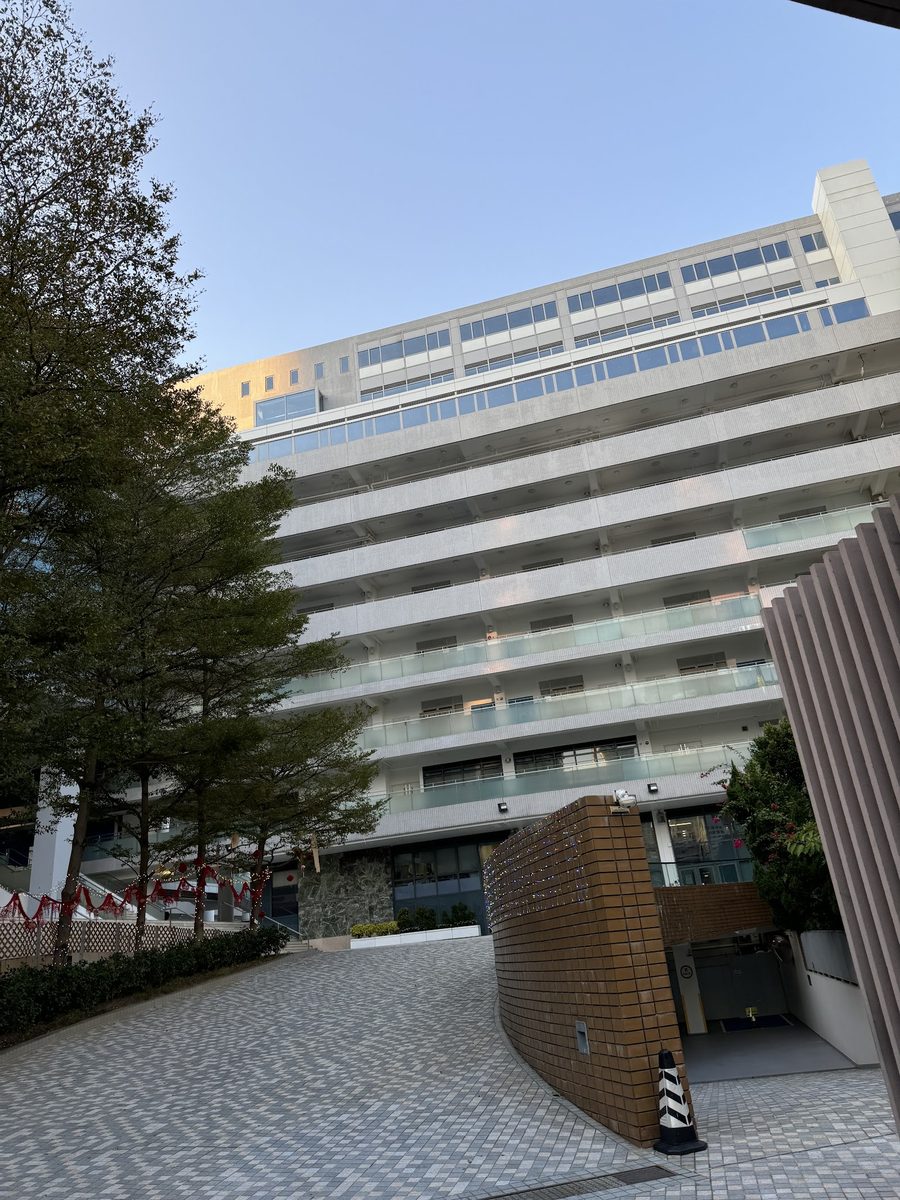
Diocesan Girls' School
Hong Kong · Hong Kong
Since 1860, this Kowloon institution has topped Hong Kong's Outstanding Student Awards tally for decades.
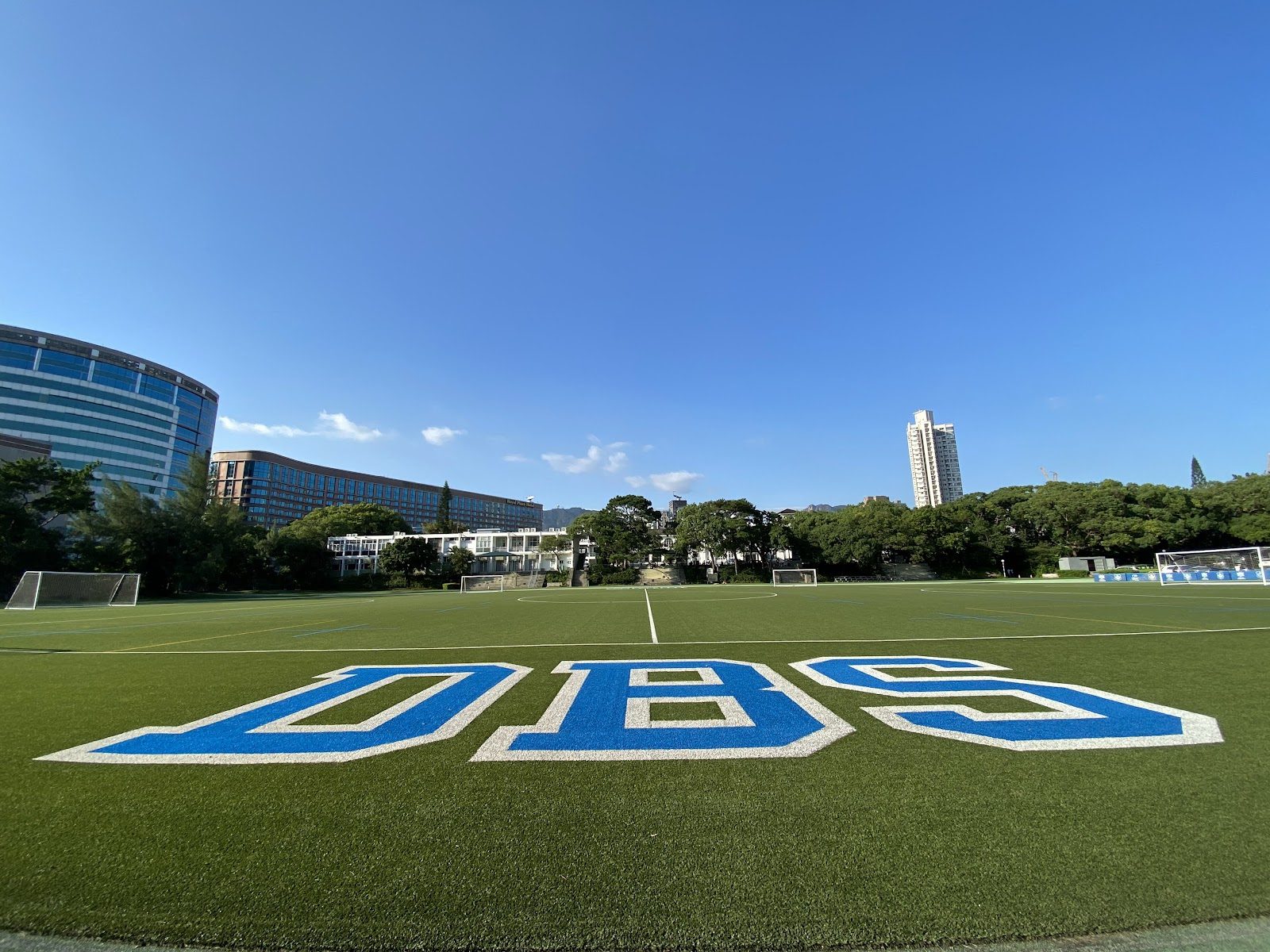
Diocesan Boys' School
Hong Kong · Hong Kong
Founded in 1869 on Kadoorie Hill, this Anglican foundation runs parallel IB and HKDSE tracks around a rare full-size sports field in Kowloon.
Chinese International School
Hong Kong · Hong Kong
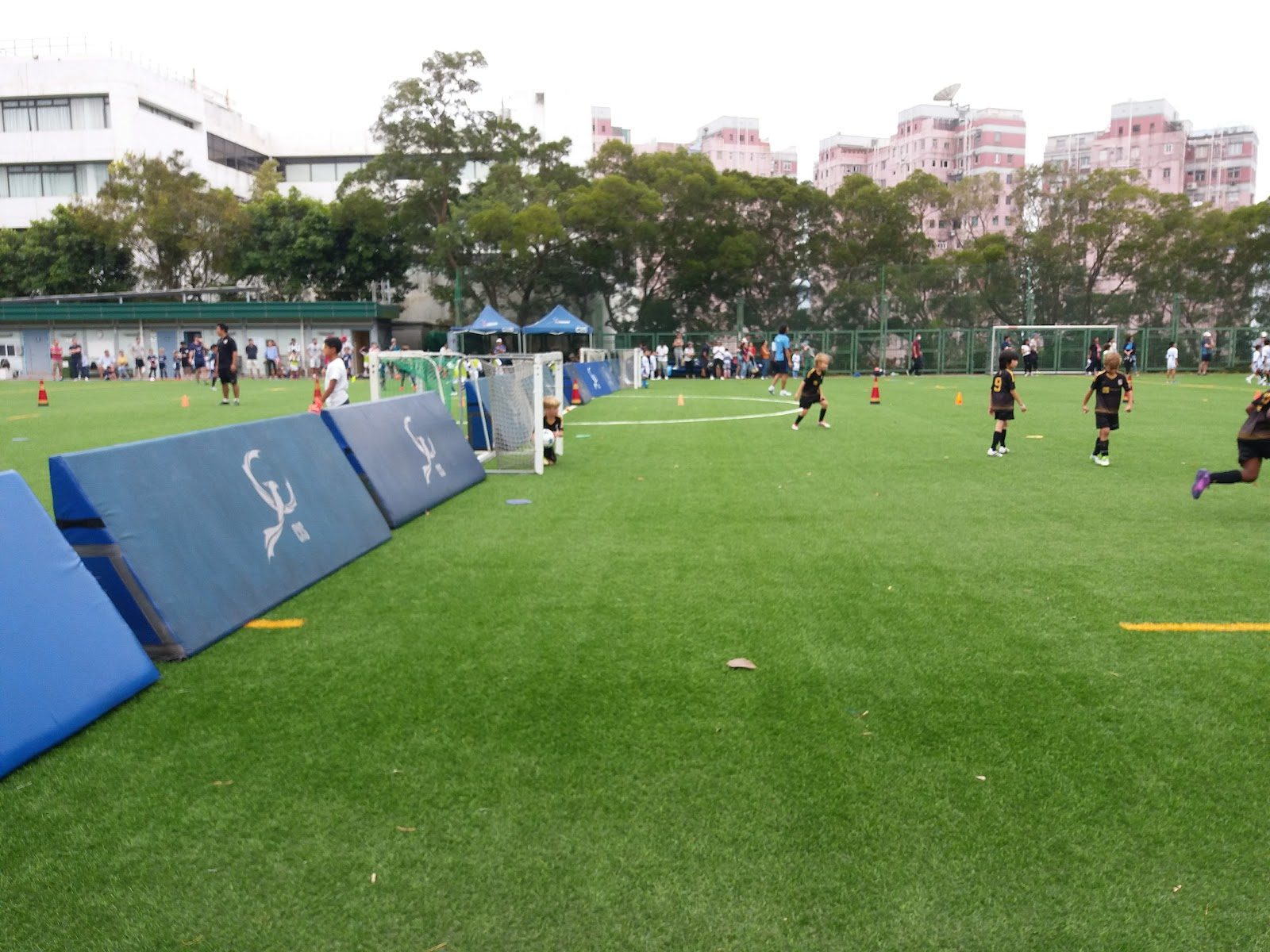
Equal parts English and Mandarin from day one, capped by a mandatory immersion year in Hangzhou before the IB Diploma.
Hong Kong International School
Hong Kong · Hong Kong
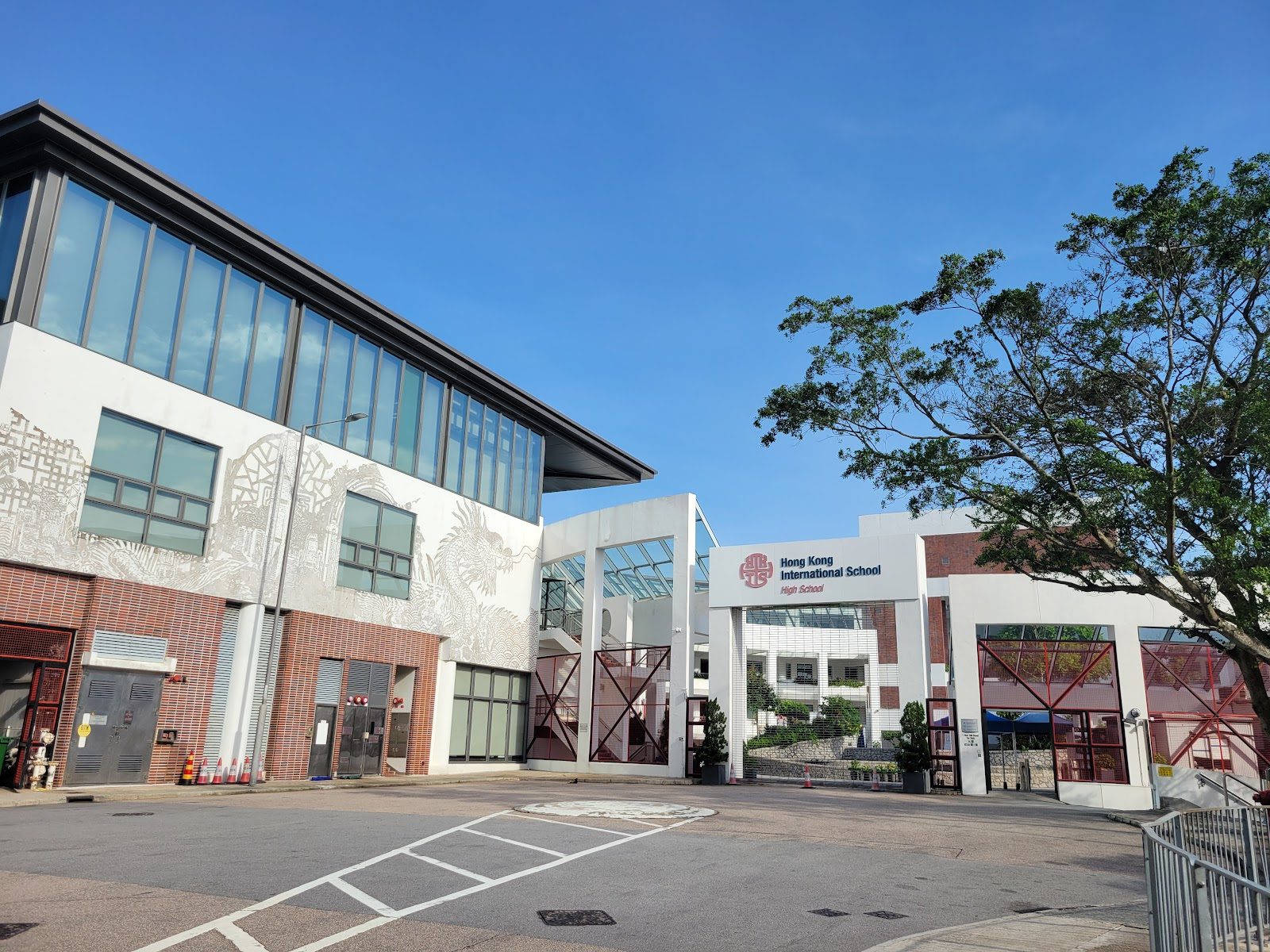
Since 1966, an American-style curriculum with Lutheran roots spans two Hong Kong Island campuses framed by mountains and Tai Tam Bay.
Same country and curriculum — closest matches within ±10 points either way