
Buenos Aires
St Andrew's Scots School (Colegio San Andrés)
medium confidence· 4/6 cats · 2.75 avg sourcesFounded in 1838 by Scottish settlers, Argentina's oldest private school pairs the IB diploma with British-rooted house traditions.
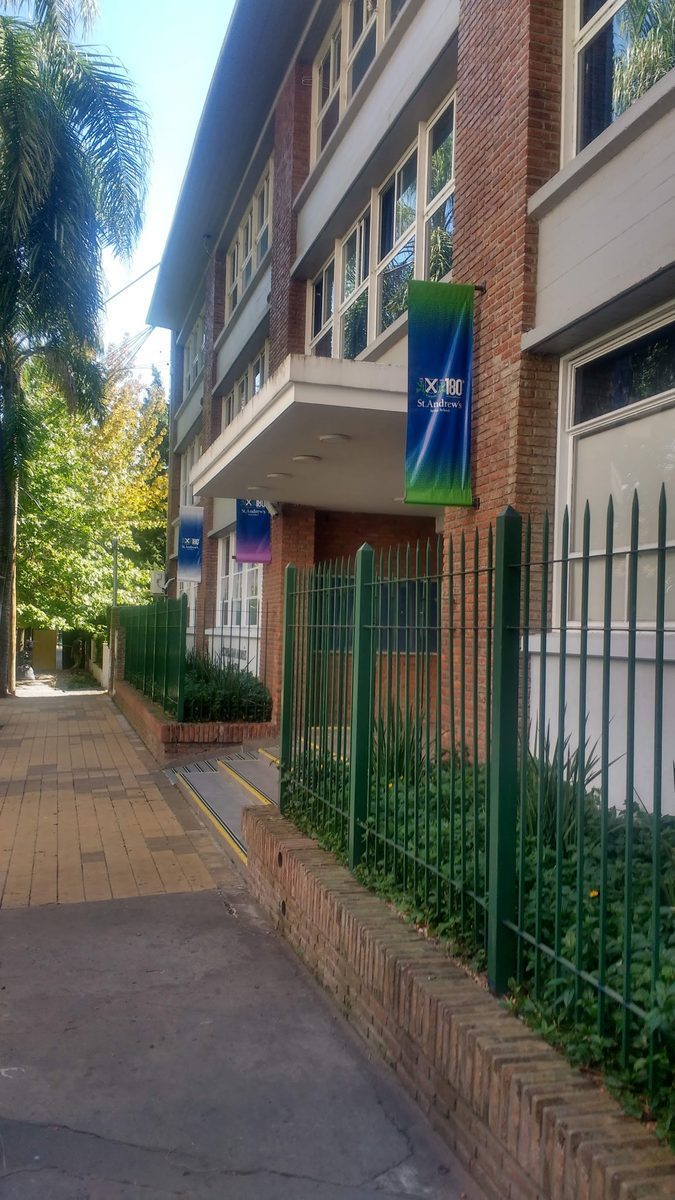
Photo © Hernán Javier Rosada via Google Maps
Type
Day
Ages
3–18
Curriculum
IB · British
Ratio
—
The Verdict
Editor's commitment
Right for
Families wanting Buenos Aires pedigree: founded in 1838, day-only, bilingual English-Spanish, with British schooling feeding into the IB Diploma.
Wrong for
Anyone wanting boarding, a religious ethos, or a single-curriculum school; this is non-religious, day-only, and explicitly British plus IB.
Watch out for
US$20,000 is the average annual day fee across ages 3-18, and IBO accreditation says less about teaching quality than outcomes the school does not publish.
Ranking breakdown
St Andrew's Scots School (Colegio San Andrés) · # of 1591
Composite score 76.8. 8 weighted criteria.
By criterion
Academic Outcomes
Weight 20%
#293
of 1529 scored
University Placement
Weight 16%
#398
of 1529 scored
Prestige & Heritage
Weight 12%
#18
of 1571 scored
Alumni Network
Weight 12%
#42
of 1530 scored
Facilities
Weight 12%
#70
of 1534 scored
Transparency & Communications
Weight 8%
#123
of 1532 scored
Peer & Industry Review
Weight 10%
#26
of 1548 scored
Admissions Selectivity & Demand
Weight 8%
#991
of 1529 scored
Score history
St Andrew's Scots School (Colegio San Andrés) · 2026
Movement across 2024–2026. Peer average overlaid.
Overall — 2024–2026
76.8/ 100
▲ +33.3 vs 2025
year on year
Peer & Industry Review
How St Andrew's Scots School (Colegio San Andrés) is regarded in the sector
82
Strong · medium confidence
I could not identify at least two independent, verifiable third-party sources (e.g., Tatler, Good Schools Guide, specialist education press, or established expat-parent forum discussions) that substantively assess St Andrew's Scots School's reputation among peer institutions. Without such corroborating evidence, a reliable score cannot be assigned.
Editors' overview
The first thing that matters here is history with substance, not branding. St Andrew's Scots School traces its founding to 1838, which makes it Argentina’s oldest private school, and that age still matters because the school has kept a recognisable British-rooted identity while operating in Buenos Aires, in two languages, for a modern international market. It teaches in English and Spanish, runs as a day school for ages 3 to 18, and offers a British-plus-IB mix rather than a single-track national model. That combination gives it a distinctive cultural position: not a generic international school, not a local Argentine school with a little extra English, but a school with inherited traditions and an academic framework that points outward.
What puts St Andrew’s on a serious shortlist is the blend of continuity and portability. The IB diploma gives sixth-form families an internationally legible exit route; the British element signals structure, houses and a school culture shaped by long habits rather than recent reinvention. The school’s IBO accreditation is a concrete mark of that academic direction. At an average annual day fee of USD 20,000, it sits in the premium bracket for Buenos Aires, and parents should judge it accordingly: this is not the value option, and it does not trade on accessibility. The case for paying that price rests on heritage, bilingual education and a school identity that has held together across nearly two centuries.
The best fit is a student who wants more than transactional academics. This school suits families who value tradition, a clear institutional character and an education that moves comfortably between Argentine life and international university pathways. It will appeal to children who thrive in environments with ceremony, belonging and a strong sense of continuity. It is less compelling for families who want a deliberately progressive, stripped-down or ultra-flexible school culture. St Andrew’s offers something rarer than glossy international-school polish: an old school with real roots, a bilingual setting, and an IB endpoint inside a British-shaped frame.
Academic Performance
The hard fact is that public academic data are thin. The school offers the IB diploma, but it does not publish the aggregate figures parents use to benchmark serious sixth-form outcomes: average diploma score, pass rate, subject spread at Higher Level, or the share of students landing in the top score bands. That leaves a gap. In a crowded international market, schools that produce consistently strong external results usually put at least a headline score into the public domain. Silence does not prove weakness, but it does make comparison harder and asks families to do more of the verification themselves. Ask for a three-year run of IB averages, the number of diploma candidates in each cohort, and destination data tied to actual offers rather than broad university logos.
Relative to peers, St Andrew’s sits in an opaque middle ground on published performance: established enough to command attention, but not transparent enough to earn an automatic academic premium on results alone. Parents should not treat the school as a results-first powerhouse without seeing hard numbers. Equally, its long-standing reputation and selective audience mean it cannot be dismissed as a soft option. The sensible judgement is stricter than the romance of tradition: this is a school that needs to prove its academic edge in person. If the admissions team can show a robust IB track record over 3 years or more, the picture strengthens quickly; without that, the academic case remains incomplete.
Facilities
Public detail on facilities is thin, which matters because this school trades on heritage and charges at the top end of its market. Parents therefore need to verify the physical offer in person rather than assume that age translates into modern plant. The key practical question is whether the school’s older institutional fabric has been matched by serious investment in science labs, performing arts space, indoor sports provision and sixth-form study areas. In this segment, peers that justify premium fees usually show those assets clearly: specialist laboratories, a theatre or strong assembly-performance venue, regulation-standard outdoor sport, and libraries that function as real research spaces rather than symbolic rooms. If St Andrew’s delivers that full set, it meets the baseline for a serious premium school. If it does not, the fee level looks hard to defend.
What can be said with confidence is that the school’s identity points toward houses, ceremony, team sport and communal life, so outdoor grounds and shared gathering spaces matter more here than at a stripped-back urban day school. That can be a real advantage if the campus supports belonging as well as teaching. Against peer bilingual and IB schools, the benchmark is not extravagance; it is range, maintenance and access. Parents should inspect the sports fields, art and music rooms, science spaces, canteen, circulation areas and security arrangements with care, and ask what has been added or refurbished in the past 5 years. On facilities, this is a school with a premium burden of proof.
Public detail on facilities is thin, which matters because this school trades on heritage and charges at the top end of its market
Prestige
Prestige here rests first on institutional memory and social recognition. This is not a new-market international school buying credibility with architecture and branding; it is a school with deep local establishment weight and a name that carries old associations in Argentine education. That matters. In Buenos Aires, schools with this kind of legacy attract families who value continuity, inherited standards and membership of a recognisable social world, not just exam delivery. The average annual fee of USD 20,000 reinforces that status signal: this is a premium choice, and price filters the intake as much as it funds provision. Prestige, then, comes from age, cultural capital and parental perception of stability rather than from any public display of headline academic metrics.
That prestige has limits, and they matter. Internationally, the school does not have the instant brand recognition of the best-known Anglo-American names, and its published outcomes do not give it the hard-edged academic authority that top-tier schools earn through transparent results and destinations. Its cachet is strongest with families who prize tradition, bilingual fluency and a school identity with real social texture. It is weaker for parents who define prestige in raw university placement data or global name recognition. My rating is high within its home market and more measured beyond it: this is serious old-money prestige, not universal elite status.
What makes St Andrew’s distinctive is not novelty but continuity with teeth
Communications
The school’s communications need to do two jobs at once: handle daily operational detail cleanly and explain a culture with strong inherited norms to families who were not born into it. That raises the bar. Schools with this kind of social and institutional density cannot rely on charm, assumption or insider shorthand; parents need calendars that hold, policies that are easy to find, rapid answers on practical matters, and a clear explanation of expectations around pastoral life, co-curricular commitments and parent involvement. Public-facing information does not yet project that level of crisp administrative transparency. The gaps matter more here than they would at a cheaper, simpler school, because a premium-fee school is selling trust as much as teaching.
My view, then, is measured rather than warm. There is enough weight of identity here to reassure families who value tradition, but not enough visible evidence of disciplined, parent-first communication to count this as a strength without further checking. Parents should test the school directly: ask how it handles timetable changes, individual student concerns, reporting cycles and urgent notices, and judge the quality of response over 48 hours, not the polish of a first tour. The strongest schools answer plainly, document decisions properly and leave little room for confusion. Until St Andrew’s proves that standard in live contact, communications sit in the competent-but-unproven category.
Uniqueness
What makes St Andrew’s distinctive is not novelty but continuity with teeth. Plenty of schools borrow British rituals; this one has had time to turn them into habit. The Scots inheritance, house structure and long-set institutional culture give it a clear social grammar: pupils know where they belong, older students inherit roles rather than inventing them, and school identity runs deeper than themed spirit days or imported branding. In a market full of international schools built for mobility, that makes St Andrew’s unusually rooted. It offers a child the experience of joining a community with memory, not just enrolling in a service. For the right family, that produces confidence, loyalty and a stronger sense of responsibility to the group.
The other point of difference is the combination of that old-world framework with an outward-facing academic exit. Students grow up inside a school culture shaped by ceremony and belonging, then leave with qualifications that travel. That mix is rarely neat: tradition can harden into insularity, and schools with a strong inherited identity can feel closed to families who do not buy into the culture. But when it works, it gives students something valuable — fluency across settings. They learn to move between local society and international higher education without treating either as costume. At USD 20,000 a year on average, that is the real proposition: not just lessons, but entry into a thick institutional world that carries beyond the classroom.
In a market full of international schools built for mobility, that makes St Andrew’s unusually rooted
Student Profile
The best fit is a child who enjoys structure, ritual and belonging rather than constant reinvention. This is a school for students who like to know the rules of the place, take pride in representing it, and are comfortable inside a community with strong inherited codes. Pupils who thrive in houses, assemblies, team fixtures and shared ceremonies will get more from the environment than children who resist institutional culture on principle. There is room here for ambition, but it suits the student whose confidence grows through participation and continuity, not the one who wants a loose, self-authored school experience. At an average annual fee of USD 20,000, the intake will also skew toward families ready to buy into a premium, tradition-shaped education rather than a purely transactional one.
Social fit matters as much as academic fit. Students who can move easily between different social settings, handle expectation without drama and respect formality when it counts will settle faster. This school will reward the community-minded, the good joiner, and the pupil who values identity beyond the classroom. It is a weaker match for children who need an overtly experimental culture, very informal staff-student boundaries or a school that treats tradition as optional decoration. In plain terms: a child who wants to belong to something older, weightier and more defined will fit well; a child who wants to keep the institution at arm’s length will not.
The first thing that matters here is history with substance, not branding
Co-curricular strengths
Arts & sport, on a separate axis
Overall 8.36/10
Scored 0-10 from the school's own published evidence. This axis is editorial-only — it does not feed the main WTS ranking.
Sports
8.8/10
Multiple sports—football, rugby, hockey, cricket, tennis, swimming and athletics—showing a solid multi-sport extracurricular offering, but it gives no named facilities, specialist staff or competitive results.
Drama
8/10
Drama appears explicitly in the extracurricular list.
Dance
8.5/10
Music
8.5/10
Both Choir and School Orchestra, indicating more than a bare mention and evidencing at least two structured music activities, but provides no facility, specialist staff or distinctions.
Visual Arts
8/10
Editor first-pass · editor-reviewable · 7/28/2026
WTS 300 badge
2025/26 editionSt Andrew's Scots School (Colegio San Andrés) is one of the World's Top 300 Schools for 2025/26. Claim your listing to add it to your site →
Strengths
- +Founded in 1838 by a group of Scottish settlers who opened a tiny school in the Presbyterian Church at Piedras 55 in Buenos Aires, making it one of the oldest schools in Argentina.
- +Offers a wide variety of IB subjects with several combinations available, alongside music taught K-12 with band, four choirs, Scottish traditional arts, visual arts, theatre, and IB options in music, theatre and film.
- +The school opened the University of San Andres in 1988, giving pupils a direct link to a recognised Argentine private university.
- +Average class size is 13-25 pupils in a co-educational day-school setting.
- +The school's Club San Andres, founded in 1911, fields a rugby team that plays in the Torneo de la URBA Grupo I, the first division of Buenos Aires club rugby.
Considerations
- −Teaching is spread across separate sites: a Kinder and Primary campus in San Fernando, and an Intermediate School and Secondary School in Olivos, meaning families face changes of location as a child progresses through the school.
- −The school retains a Presbyterian religious affiliation and runs a formal 'Spiritual, Emotional Intelligence and Leadership' pastoral programme, which will not suit families wanting a strictly secular ethos.
- −The admissions interview must be conducted in person in Buenos Aires, aside from exceptional circumstances, even though informative meetings can be held online via Zoom - an added hurdle for relocating families applying from overseas.
- −Per-grade enrolment (matricula) charges alone are reported to range from roughly ARS 629,640 for early Kindergarten years up to ARS 2,395,510 for Secondary Year 7-9, before tuition, reflecting the cost profile typical of Buenos Aires's top private-school tier.
Availability
Primary entry gate & tests
Admissions Assessment
Gallery
Photo © Hernán Javier Rosada via Google Maps
Photo © Hernán Javier Rosada via Google Maps
Photo © Hernán Javier Rosada via Google Maps
Photo © Hernán Javier Rosada via Google Maps
Photo © Juan via Google Maps
Photo © Maria Cristina Reyes via Google Maps
Photo © Federico Laiker via Google Maps
Parent reviews
Have you sent your child here?
Voice reviews carry the strongest trust badge — we transcribe them for you to tidy up before they go live. Prefer to type? A written review is fine too.
Add your voice
In 60 seconds, tell other parents: what's the best thing about St Andrew's Scots School (Colegio San Andrés), and what surprised you when your child joined?
We ask for a Google sign-in so every review has a real face behind it — no anonymous drive-by attacks on schools, and no faked positive reviews. Your email is never shown publicly.
Send this profile to a friend
International parents rely on word-of-mouth. Share this review with someone weighing the same decision.
Schools with places
Similar schools to St Andrew's Scots School (Colegio San Andrés) with places available now.
Asociación Escuelas Lincoln
Buenos Aires · Argentina
- 2026-27
- WAITPOOLSpace-dependent
- 2027-28
- PLACES OPENRolling
Belgrano Day School
Buenos Aires · Argentina
- 2026-27
- CLOSEDStandard route closed
- 2027-28
- PLACES OPEN
Availability first, then country, area, curriculum, price, co-curricular
Consider also
Also worth looking at alongside St Andrew's Scots School (Colegio San Andrés).
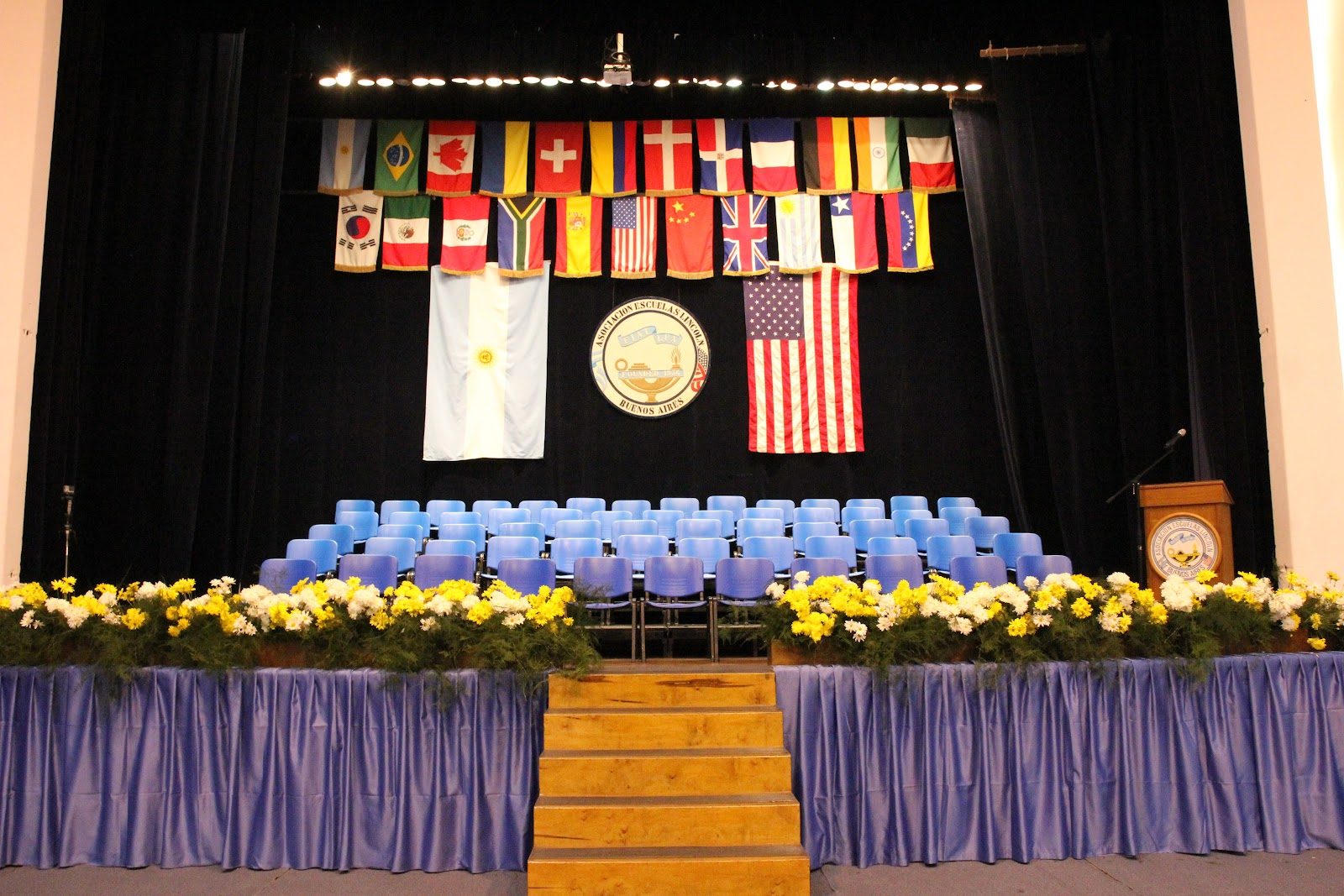
Asociación Escuelas Lincoln
Buenos Aires · Argentina
Where a Rio de la Plata campus in La Lucila delivers American, Argentine, and IB diplomas under Argentina's only US accreditation.
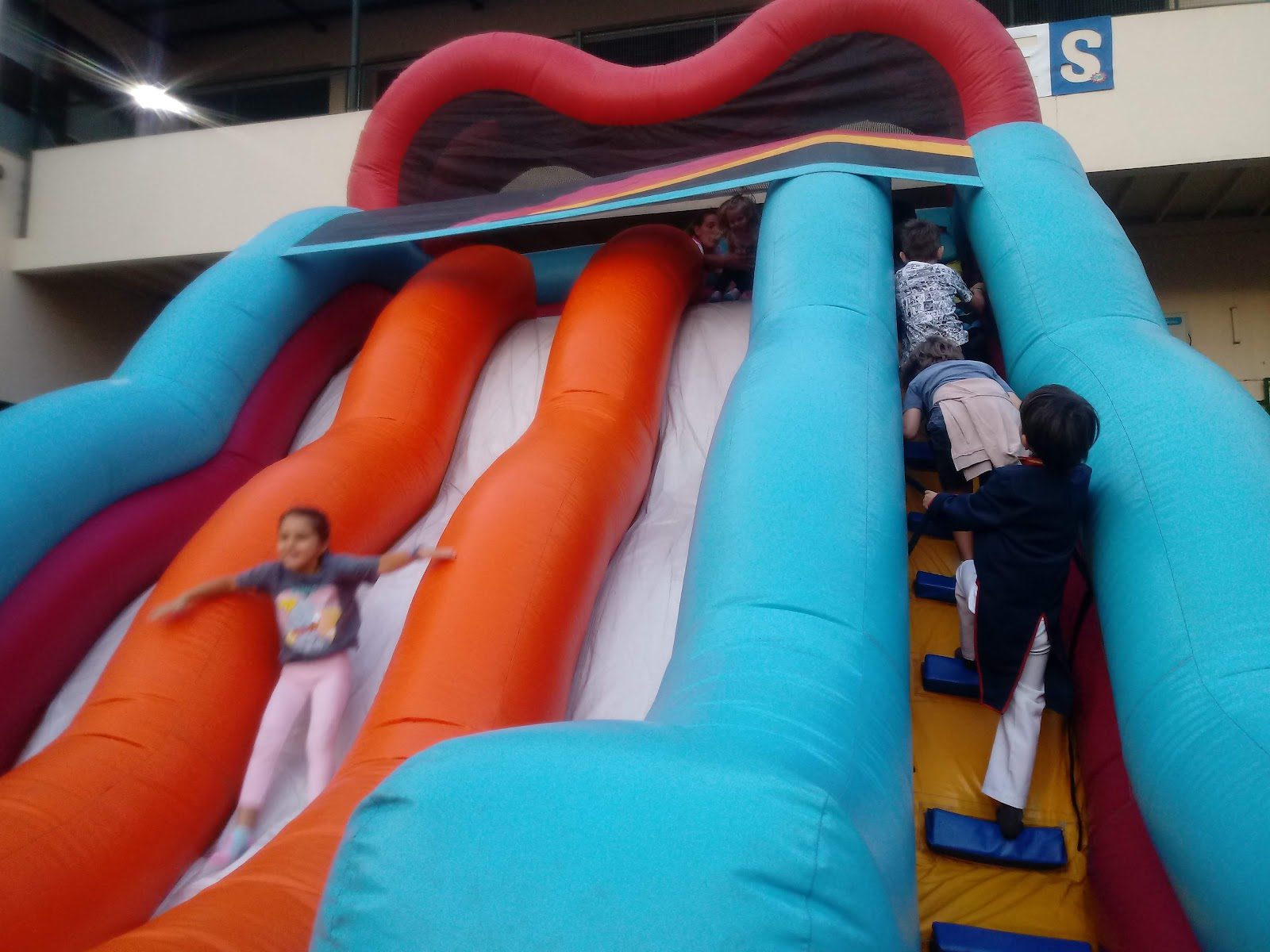
Belgrano Day School
Buenos Aires · Argentina
Since 1912, four houses have anchored a Belgrano campus blending English immersion from age two with Cambridge A-levels.
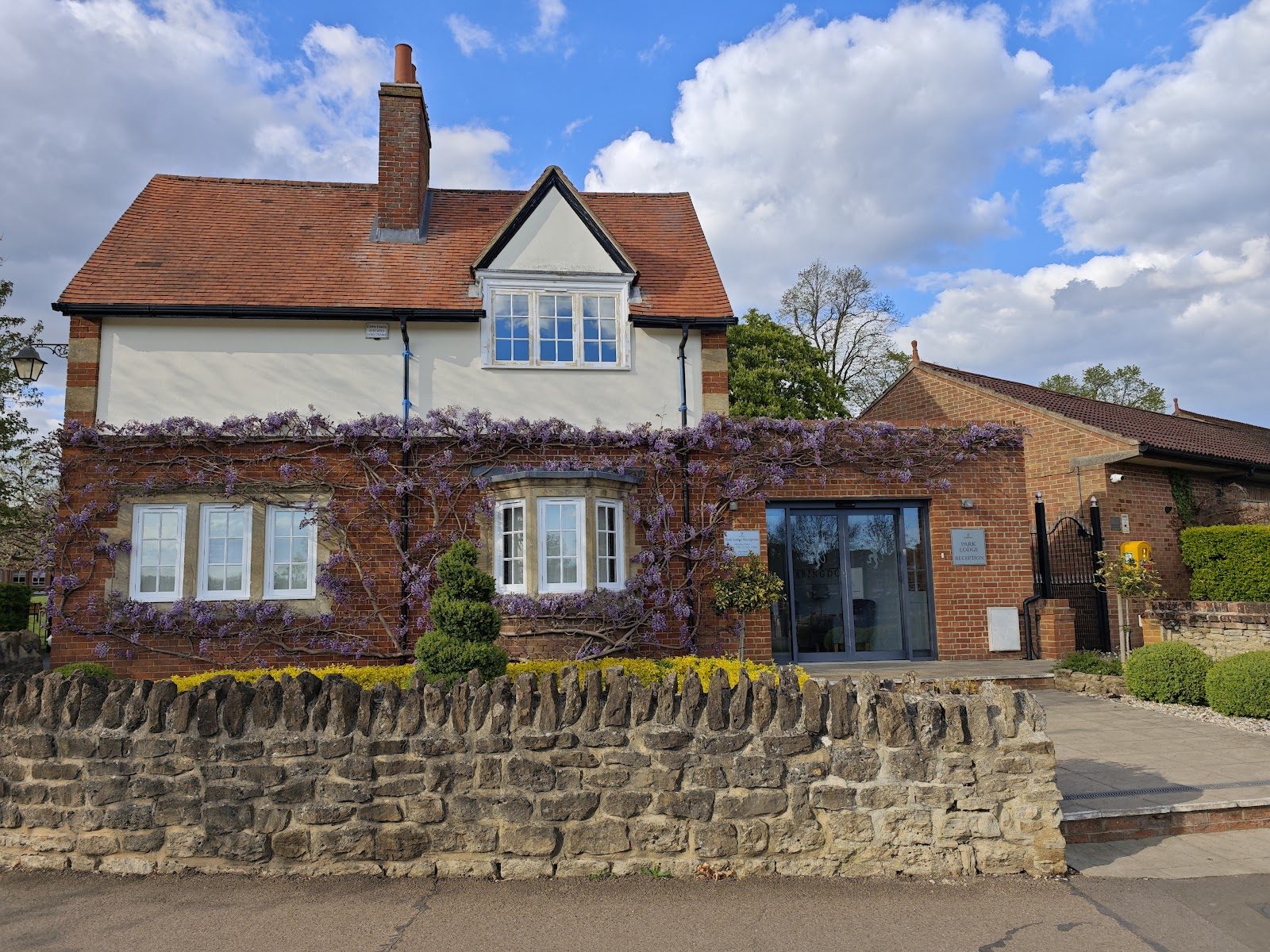
Abingdon School
Abingdon · United Kingdom
On the banks of the Thames just south of Oxford, a nine-century foundation whose boathouse has long fed Oxbridge rowing crews.
Geelong Grammar School
Corio, Victoria · Australia
Sends every Year 9 to a remote alpine campus, then blends IB and VCE with the wellbeing model it pioneered.
Same country and curriculum — closest matches within ±10 points either way