
Gauteng
St. Alban's College
low confidence· 6/6 cats · 0 avg sourcesIn Pretoria, an Anglican boys' school founded by a Test cricketer that admitted boys of colour before the law allowed it.
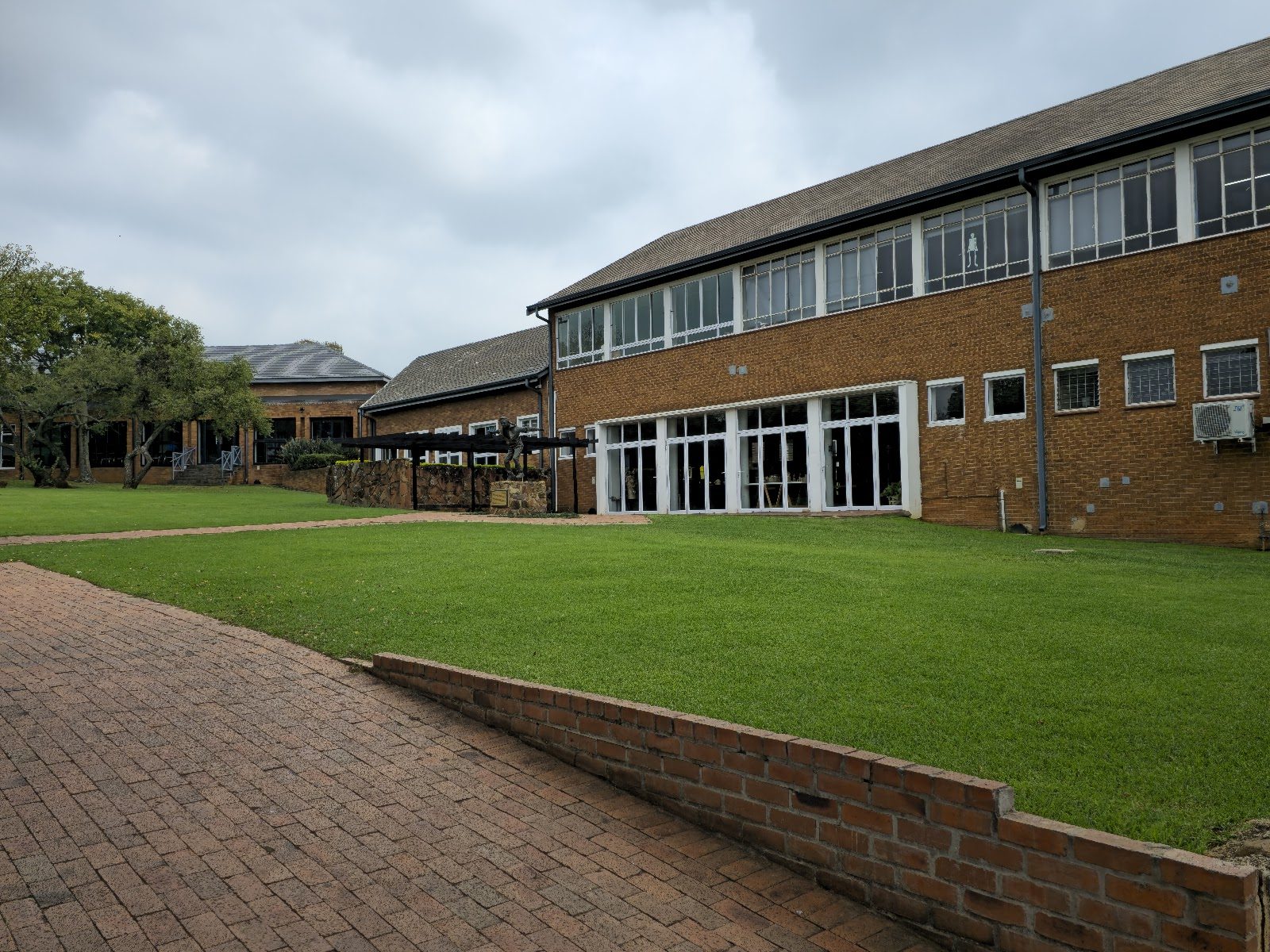
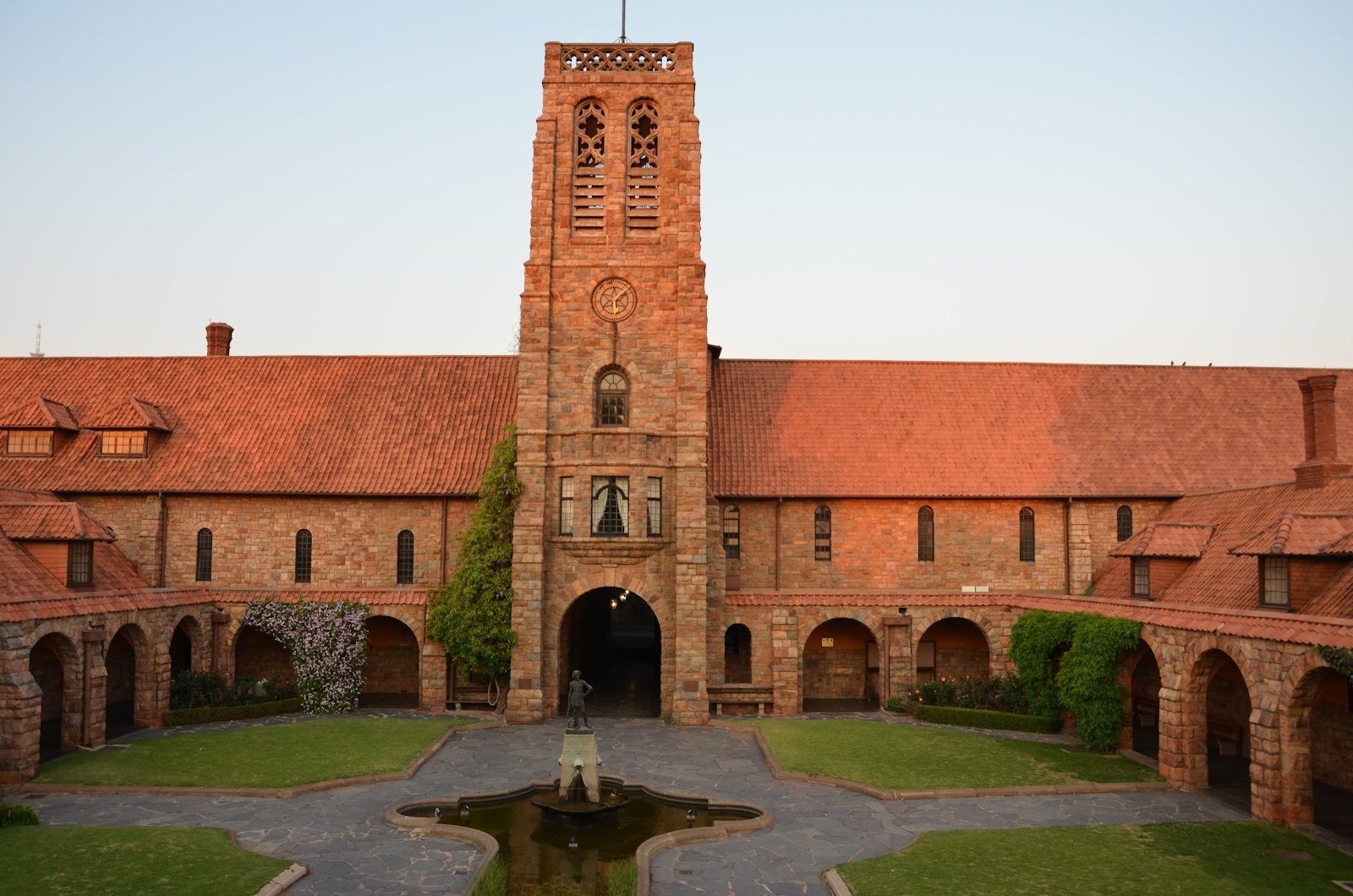
Photo © Victor Vezi via Google Maps
Type
Both
Ages
11–18
Curriculum
IEB
Ratio
—
The Verdict
Editor's commitment
Right for
Boys aged 11–18 who want an all-boys IEB school in Pretoria with boarding and a serious sporting and cultural programme.
Wrong for
Families wanting co-education, a secular ethos, or a school built around girls as well as St Alban’s 600 boys.
Watch out for
Founded in 1963 and Anglican in origin, St Alban’s sells character hard; check whether that culture suits your son.
Ranking breakdown
St. Alban's College · # of 1591
Composite score 60.6. 8 weighted criteria.
By criterion
Academic Outcomes
Weight 20%
#1135
of 1529 scored
University Placement
Weight 16%
#1144
of 1529 scored
Prestige & Heritage
Weight 12%
#995
of 1571 scored
Alumni Network
Weight 12%
#623
of 1530 scored
Facilities
Weight 12%
#1045
of 1534 scored
Transparency & Communications
Weight 8%
#1137
of 1532 scored
Peer & Industry Review
Weight 10%
#998
of 1548 scored
Admissions Selectivity & Demand
Weight 8%
#888
of 1529 scored
Peer & Industry Review
How St. Alban's College is regarded in the sector
68
Respected · medium confidence
St. Alban's College is consistently listed among Pretoria's and South Africa's leading traditional boys' schools, frequently appearing in independent 'top schools South Africa' rankings and rugby/cricket school sport coverage alongside peers like Affies, St. John's, and Grey College. It has a notable alumni network (including sports and business figures) referenced in South African press, and features in expat-parent forum discussions as a solid, well-regarded Catholic private school in Gauteng, though it lacks the sustained international press coverage (Tatler, Good Schools Guide) of the country's very top-tier schools like Hilton College or Michaelhouse.
Evidence sources
Editors' overview
St Alban’s College sits in a narrow but potent corner of the South African market: a boys’ school in Pretoria for ages 11 to 18, small enough at around 600 boys to feel contained, old enough since 1963 to have a settled identity, and distinctive for pairing an Anglican heritage with a school context that lists it as non-religious. That tension is part of its character. This is not a generic corporate private school. It trades on ritual, house-style and a very deliberate idea of boyhood. Parents who want co-education, a socially loose atmosphere or a school that downplays organised sport should look elsewhere. Parents who want a highly codified environment with a clear institutional script will find a school that knows what it is doing.
What separates St Alban’s from the large pack of southern hemisphere boys’ schools is not the usual rhetoric about character and leadership; every competitor says that. The more important point is the combination of the IEB curriculum, a broad sporting culture and an arts offer the school pushes hard. Rugby, cricket and hockey are the expected pillars, but basketball, water polo and rowing widen the athletic brief, and the school gives unusual prominence to music, drama and visual arts, citing an award-winning band and choir, a barbershop group and a Naledi Award-nominated drama department. That matters. Many boys’ schools talk about the arts as a corrective to sport; St Alban’s puts them closer to the centre. The result is a more rounded proposition than the blazer-and-rugby stereotype.
Its strongest pull, though, is cultural. The school was founded by a Test cricketer and carries a history of admitting boys of colour before apartheid law permitted it; that gives it a more serious moral lineage than schools that rely only on old-school prestige. The website’s language is heavy on purpose, courage and truth, and while the tone is polished, the substance is straightforward: this is a school for boys who will tolerate pressure, structure and visibility. At 11–18, in English, and on the IEB track, it fits families who want a traditional but not narrow education, with enough sport to satisfy ambitious athletes and enough music, culture and performance to keep non-sports boys in the picture. It belongs on a shortlist for parents seeking a disciplined, high-expectation boys’ school in Pretoria with a clear institutional identity and no interest in pretending to be all things to all children.
Academic Performance
St Alban’s does not publish public headline exam data. We have not seen aggregate IEB outcomes, subject-by-subject distributions, bachelor-degree pass rates, distinction counts or university-placement totals in the public domain. That is a real weakness in the school’s academic case. In a market where strong academic schools use results to prove the point, silence forces parents to buy the story before they can inspect the numbers. The website speaks at length about critical thinking, resilience and purpose, but on raw academic accountability it is opaque. For a school with a high-expectation self-image, that gap matters.
That does not place St Alban’s in the weak academic tier; it places it in the hard-to-verify tier. Among established South African independents on the IEB track, the strongest academic operators publish enough data to show where they sit against peers. St Alban’s does not. Parents therefore need to ask directly for the last 3 to 5 years of matric outcomes, including bachelor passes, distinctions, top subject performances and destination data. Until those figures are produced, the school fits best as a broadly ambitious boys’ school whose academic seriousness is part of a larger all-round proposition, not as a plainly evidenced academic powerhouse.
Facilities
Facilities at St Alban’s follow the school’s priorities with unusual clarity. Sport gets serious physical backing: rugby, cricket and hockey sit at the core, with basketball, water polo and rowing adding range that many boys’ schools claim but fewer sustain properly. That breadth matters. A school cannot run rowing and water polo as token extras; both require real infrastructure, scheduling discipline and staff capacity. The arts also have dedicated weight. The school pushes music, drama and visual arts as central parts of daily life, and references an award-winning band and choir, a barbershop group, a drum circle and a Naledi-recognised drama department. For a boys’ school of around 600 pupils, that points to a campus built for a genuinely broad programme rather than a *sport-first institution with decorative arts on the side*.
Against Pretoria and wider South African independent-school peers, that places St Alban’s in the well-equipped upper tier, though not in the category of schools that trade on vast landholdings or headline-grabbing architectural spectacle. The more persuasive strength lies in balance. Plenty of competitors deliver strong fields and courts; fewer give arts and performance equal institutional space. The house system also matters physically as well as pastorally, because it implies communal spaces that organise boys into smaller units inside a highly structured environment. What the school does not publish is a clean facilities inventory: no detailed campus map, no technical specifications for specialist spaces, and no hard sense of where recent capital investment has gone. That lack of precision leaves parents with a strong impression, but not a fully inspectable one.
St Alban’s therefore rates as genuinely prestigious, socially powerful and culturally distinctive, but not as an undisputed academic flagship
Prestige
St Alban’s carries real social and institutional weight in South African independent-school circles. That weight does not rest on exam data; the school does not publish enough of that. It rests on something older and harder to manufacture: a recognised place in the country’s boys’-school hierarchy, a long-established identity, and a constituency that values polish, confidence and belonging as much as grades. The association with a prominent sister school in the same city strengthens that standing. So does the school’s scale: with around 600 boys, it stays selective in feel and visible in its community life. This is high-status schooling in the classic southern African mould, with blazers, houses, sport, chapel-era residue and a strong internal code.
The prestige level stops short of the unquestioned academic elite because the school leaves too much unproven in public. Parents can see the sporting ambition, the arts investment and the carefully maintained culture. They cannot inspect a public run of IEB outcomes and place St Alban’s cleanly against the country’s hardest academic operators. That matters. Prestige built on heritage, networks and institutional confidence is still prestige, but it is a different kind from prestige built on transparent results. St Alban’s therefore rates as genuinely prestigious, socially powerful and culturally distinctive, but not as an undisputed academic flagship.
The prestige level stops short of the unquestioned academic elite because the school leaves too much unproven in public
Communications
St Alban’s communicates in a polished, centralised way. The website is the main shop window and it carries a clear institutional voice: confident, value-heavy and tightly controlled. Parents get abundant messaging on culture, pastoral structure, sport, arts and the kind of boy the school wants to educate. That gives a coherent picture of the school’s priorities. It also reveals the limit of the communication style. The tone is highly managed and the content skews toward ethos over evidence. There is plenty on courage, purpose, belonging and truth; far less on the hard operational detail parents also need, such as published academic outcomes, a detailed facilities inventory or other concrete performance markers. For a school of around 600 boys, that degree of message discipline creates a strong institutional identity, but it also narrows scrutiny.
The public-facing flow of news and events indicates an active school that keeps its community informed about milestones, fixtures and announcements. Contact details are easy to find, which matters. The house system and pastoral language also point to a school that understands parent communication as part of a wider relationship, not just an administrative function. Still, effectiveness depends on what a parent wants. For families buying culture, ritual and community, the communication is persuasive and consistent. For families who want data, comparison points and plain proof of academic performance, it is too opaque. St Alban’s tells parents clearly what it values; it tells them less clearly how it measures success.
Uniqueness
What distinguishes St Alban’s is not the standard private-school mix of sport, houses and rhetoric about leadership. It is the way the school builds a deliberate model of boyhood around them. This is a boys’ school with a strong internal script: truth in the motto, courage in the language, belonging through the house structure, and visibility through a programme where few boys can disappear. The school also sits in an unusual position between Anglican inheritance and a listing that classifies it as non-religious. That gives it a ceremonial seriousness without reducing the place to confessional schooling. For students, that brings coherence. Boys get a school that knows the kind of conduct it expects and organises daily life accordingly. For the right child, that is steadying. For a boy who dislikes institutional pressure or resists collective identity, it will feel tight-grained.
The other point of difference is breadth with intent. Many boys’ schools bolt the arts onto a sporting core; St Alban’s gives them real status. Alongside the expected games culture, it pushes performance and music hard enough to cite an award-winning band and choir, a barbershop group and a drama department with outside recognition. In a school of around 600 boys, that matters more than a glossy brochure line. It means a pupil can be athletic, musical, theatrical or some combination of all three without being treated as off-type. Add the school’s early record of admitting boys of colour before apartheid law permitted it, and the result is a more morally grounded identity than old prestige alone can buy.
It trades on ritual, house-style and a very deliberate idea of boyhood
Student Profile
The boy who fits St Alban’s is comfortable inside a highly structured culture and does not need a loose, laissez-faire school to flourish. This is a place for boys who can handle visibility: house life, team commitments, performances, shared standards and adults who take character formation seriously. The admissions language is unusually explicit about what the school wants — curiosity, courage, integrity, contribution — and the public face of the school backs that up with little interest in irony or low-stakes participation. A boy who wants to drift, resist collective expectations or keep school at emotional arm’s length will find the environment confining. A boy who likes belonging, ritual and a clear code will find it anchoring.
It also suits a broader type of boy than the stock image of an old-style sporting school allows. Sport matters, and boys who thrive on competition will have plenty of room to do so, but the school also gives real status to music, drama and visual arts. That widens the intake beyond the standard rugby-cricket mould. The strongest fit is a boy who wants to do more than one thing and can cope with a full programme without resenting the pressure. With around 600 boys, the scale works in the school’s favour: big enough for range, small enough that anonymity is scarce. For the right student, that feels energising and formative; for the wrong one, it feels unforgiving.
Parents who want co-education, a socially loose atmosphere or a school that downplays organised sport should look elsewhere
Co-curricular strengths
Arts & sport, on a separate axis
Overall 7.78/10
Scored 0-10 from the school's own published evidence. This axis is editorial-only — it does not feed the main WTS ranking.
Sports
9.2/10
Drama
8/10
Dance
4.5/10
Music
9/10
Visual Arts
8.2/10
Strengths
- +10:1 student-teacher ratio allows close teacher attention
- +Average class size 20 is reasonably contained
- +IEB curriculum suits families seeking South African pathways
- +English-medium teaching eases transition for many expatriates
Considerations
- −Boys-only model will not suit all families
- −Anglican identity may deter secular-minded families
- −Pretoria location limits appeal for Cape Town-focused relocations
Availability
Primary entry gate & tests
Internal Assessment
Gallery
Photo © Victor Vezi via Google Maps
Photo © Victor Vezi via Google Maps
Photo © Victor Vezi via Google Maps
Photo © Victor Vezi via Google Maps
Photo © Victor Vezi via Google Maps
Photo © Zakhele Dube via Google Maps
Photo © St Alban's College via Google Maps
Photo © Awonke Fernandez via Google Maps
Photo © Awonke Fernandez via Google Maps
Parent reviews
Have you sent your child here?
Voice reviews carry the strongest trust badge — we transcribe them for you to tidy up before they go live. Prefer to type? A written review is fine too.
Add your voice
In 60 seconds, tell other parents: what's the best thing about St. Alban's College, and what surprised you when your child joined?
We ask for a Google sign-in so every review has a real face behind it — no anonymous drive-by attacks on schools, and no faked positive reviews. Your email is never shown publicly.
Send this profile to a friend
International parents rely on word-of-mouth. Share this review with someone weighing the same decision.
Schools with places
Similar schools to St. Alban's College with places available now.
Availability first, then country, area, curriculum, price, co-curricular
Consider also
Also worth looking at alongside St. Alban's College.
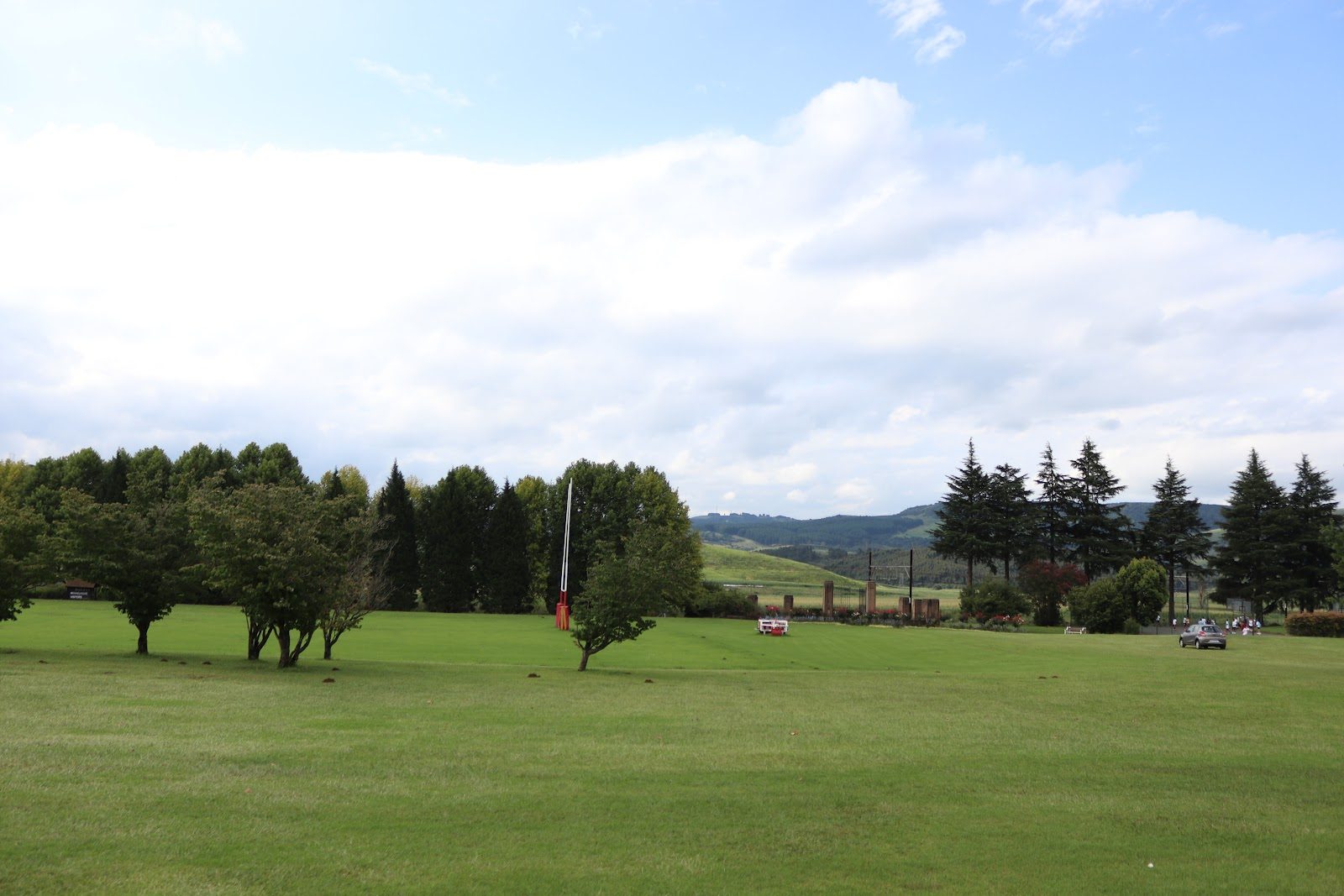
Michaelhouse
Balgowan · South Africa
In South Africa's Midlands, one of the world's few remaining all-boys, all-boarding schools borders a rare mistbelt grassland reserve.
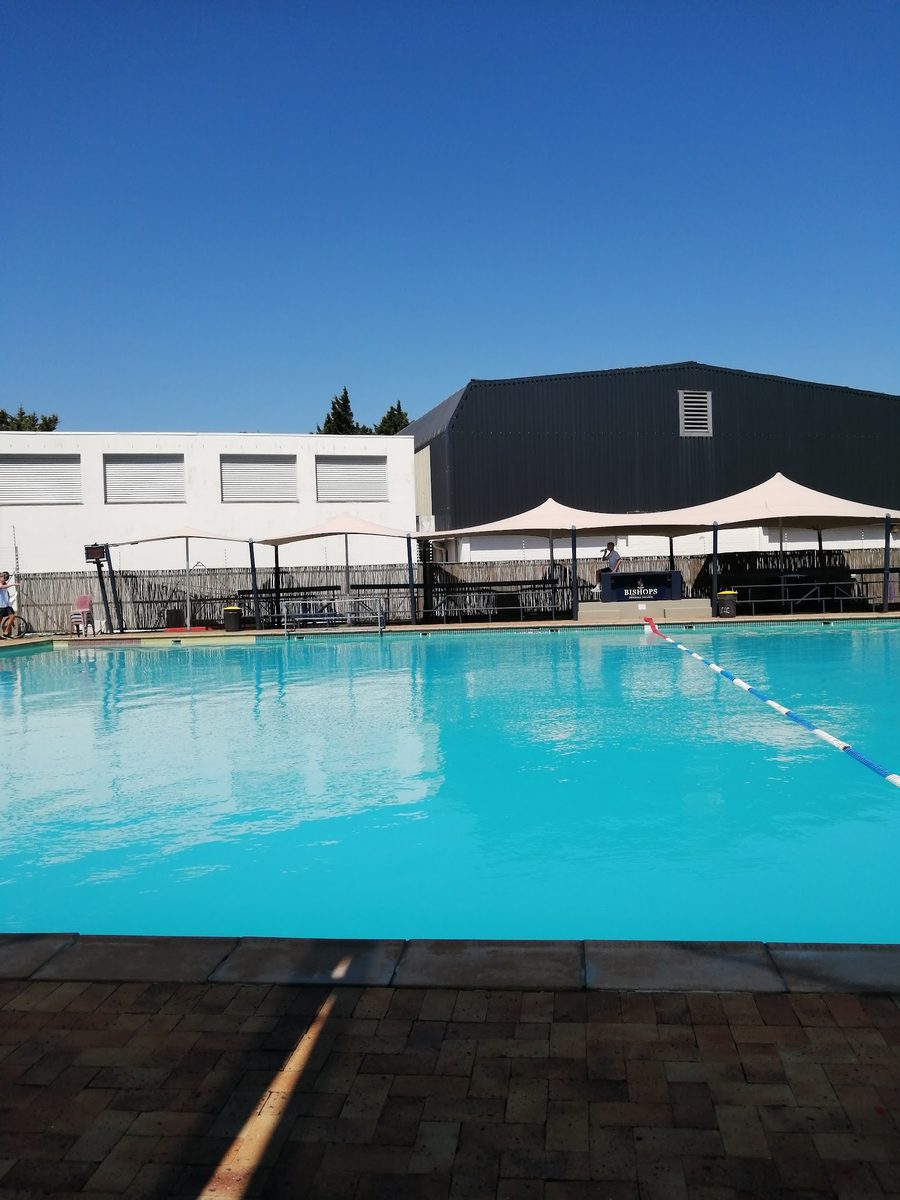
Bishops Diocesan College
Cape Town · South Africa
Founded in 1849 below Table Mountain, home to the oldest rugby field in the southern hemisphere and a storied house system.
Roedean School South Africa
Johannesburg · South Africa
Founded in 1903 by two Cambridge-educated pioneers, this all-girls boarding school still occupies its original Herbert Baker campus in Parktown.
St John's College
Johannesburg · South Africa
Founded twelve years after the Witwatersrand gold rush, this Anglican boarding college blends Herbert Baker quadrangles with a four-house pastoral tradition
Same country and curriculum — closest matches within ±10 points either way