
Banten
Sekolah Pelita Harapan Lippo Village
low confidence· 4/6 cats · 1.4 avg sourcesThe first Indonesian school to run a full IB continuum, pairing Christian formation with inquiry-led science in Tangerang's Lippo Village.
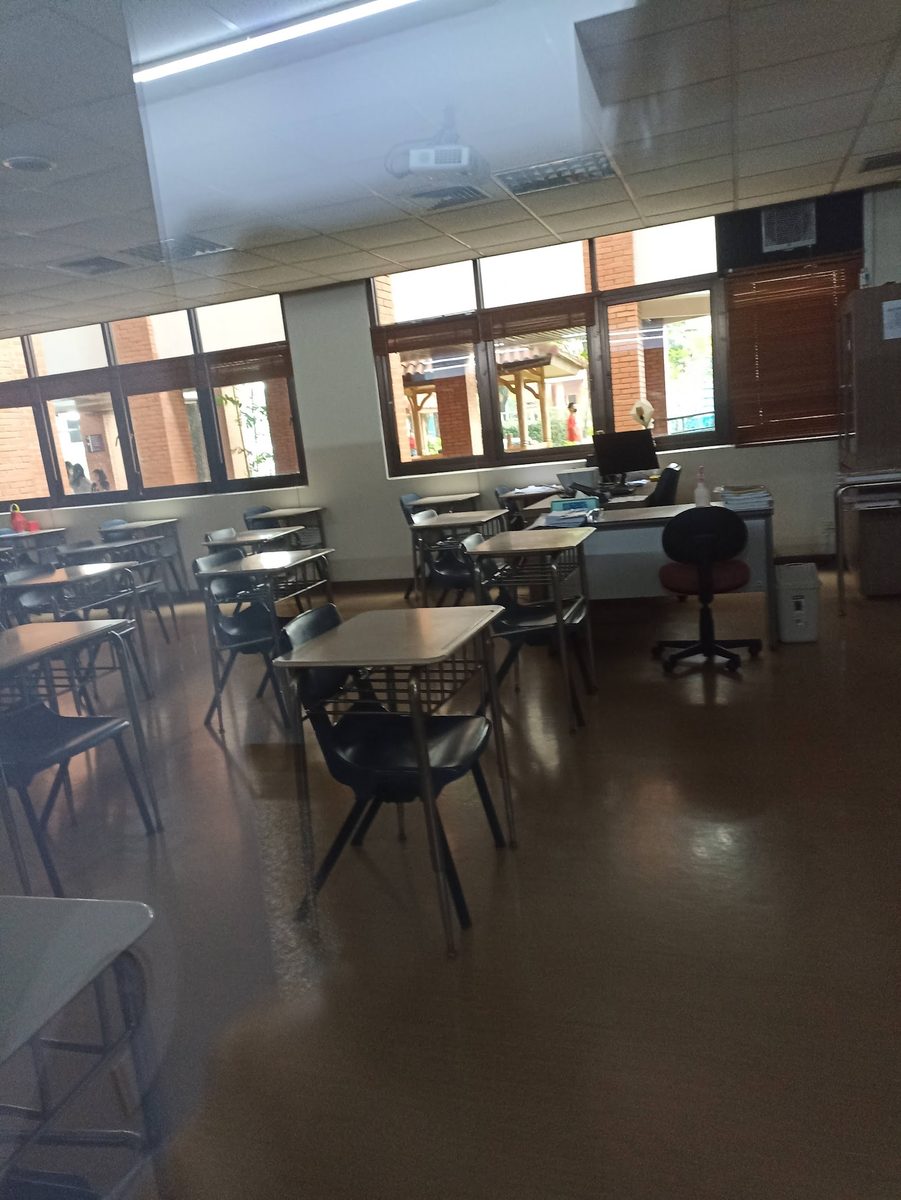
Photo © Roamer of Earth via Google Maps
Type
Both
Ages
3–18
Curriculum
IB · American
Qualifications
IB Diploma · AP
Ratio
—
The Verdict
Editor's commitment
Right for
Families in Tangerang wanting a 1993-founded Christian through-school with IB and American curricula, taught in English from ages 3–18.
Wrong for
Secular families, or anyone wanting a single-curriculum school; SPH Lippo Village pairs Christian formation with both IB and American programmes.
Watch out for
The average annual day fee is IDR 227,631,579; accreditations include IB World School, WASC and EARCOS, but published academic outcomes are absent.
Ranking breakdown
Sekolah Pelita Harapan Lippo Village · # of 1591
Composite score 69.4. 8 weighted criteria.
By criterion
Academic Outcomes
Weight 20%
#511
of 1529 scored
University Placement
Weight 16%
#516
of 1529 scored
Prestige & Heritage
Weight 12%
#597
of 1571 scored
Alumni Network
Weight 12%
#427
of 1530 scored
Facilities
Weight 12%
#271
of 1534 scored
Transparency & Communications
Weight 8%
#551
of 1532 scored
Peer & Industry Review
Weight 10%
#527
of 1548 scored
Admissions Selectivity & Demand
Weight 8%
#991
of 1529 scored
Peer & Industry Review
How Sekolah Pelita Harapan Lippo Village is regarded in the sector
58
Credible · medium confidence
Sekolah Pelita Harapan (SPH) Lippo Village is recognized as one of Indonesia's larger established 'national plus' institutions, holding accreditation from WASC and CIS and offering IB/Cambridge pathways, which gives it credibility in international education directories. However, it rarely appears in top-tier specialist rankings (e.g., Tatler Asia school guides, Good Schools Guide International) that focus on Jakarta's flagship international schools like JIS, BSJ, or Sinarmas World Academy, and expat forum discussion tends to be modest compared to Jakarta-based competitors, reflecting a solid but regional rather than nationally dominant reputation.
Evidence sources
Editors' overview
Sekolah Pelita Harapan Lippo Village has a clear point of difference in the Tangerang market: it combines a full IB continuum with an American strand, taught in English, inside an explicitly Christian school. That mix is not common, and it gives the school a sharper identity than the many campuses that borrow international language without committing to a coherent model. Founded in 1993, SPH Lippo Village also has longevity on its side. This is not a new entrant still working out its character. The school’s own language is heavy on faith, community and pastoral care, and parents should take that at face value: Christian formation is not decorative here, it sits close to the centre of the proposition. For families who want a school that treats spiritual life as part of education rather than an extracurricular add-on, that is genuinely distinctive.
The academic offer matters too. SPH states that it was the first Indonesian school to run a full IB continuum, and the combination of IB and American curricula points to a school that values inquiry, breadth and English-medium preparation for international higher education. Its accreditations — IB World School, WASC and EARCOS — give it credible external anchors. That does not answer every hard question. The school does not publish aggregate exam outcomes or university destination data here, and parents paying serious money should ask for both. The average annual day fee across ages 3 to 18 is 227,631,579 IDR, which places SPH firmly in the expensive end of the Indonesian market. At that price, families are entitled to expect strong teaching, stable leadership, clear outcomes and well-run student support.
Who is it for? A child who thrives in an environment with structure, moral language and a strong adult culture will fit well here. So will families who want an English-language international education without stripping religion out of school life. Children drawn to open-ended inquiry, discussion and cross-disciplinary learning will also find the IB framework a good match. It is less suited to families who want a secular campus, a purely local curriculum, or a school that defines success in narrow exam-drill terms. On a shortlist, SPH Lippo Village earns its place because it offers a coherent educational vision, not a patched-together one: ages 3–18, a Christian ethos, and established international accreditation in one campus. For the right family, that is serious substance, not branding.
Academic Performance
Academic performance is the conspicuous gap in SPH Lippo Village’s public case. The school does not publish aggregate IB Diploma results, AP outcomes, SAT averages, or university destination lists in the public domain. That matters. In this fee bracket, and with a school that trades on academic seriousness, parents need more than mission language and accreditation badges. They need hard numbers: cohort size, subject spread, average point scores, higher-level distributions, and placements over multiple years. Without that, SPH sits in the opaque category on outcomes. That does not mean weak results; it means the school asks families to trust what it has not quantified.
Relative to peers, that places SPH at a disadvantage against international schools that publish clean examination tables and destination data year after year. Schools running the Diploma Programme at this level know that external results are a core proof point. SPH’s academic model has real intellectual range and its Christian framing gives it a distinctive spine, but public performance reporting is not yet up to the standard set by the strongest competitors in the region. Parents considering a move here should ask for the last 3 to 5 years of IB Diploma averages, pass rates, top scores, AP distributions, and named university offers. If the school can produce robust internal evidence, the picture changes quickly. If it cannot, that is a serious weakness.
Facilities
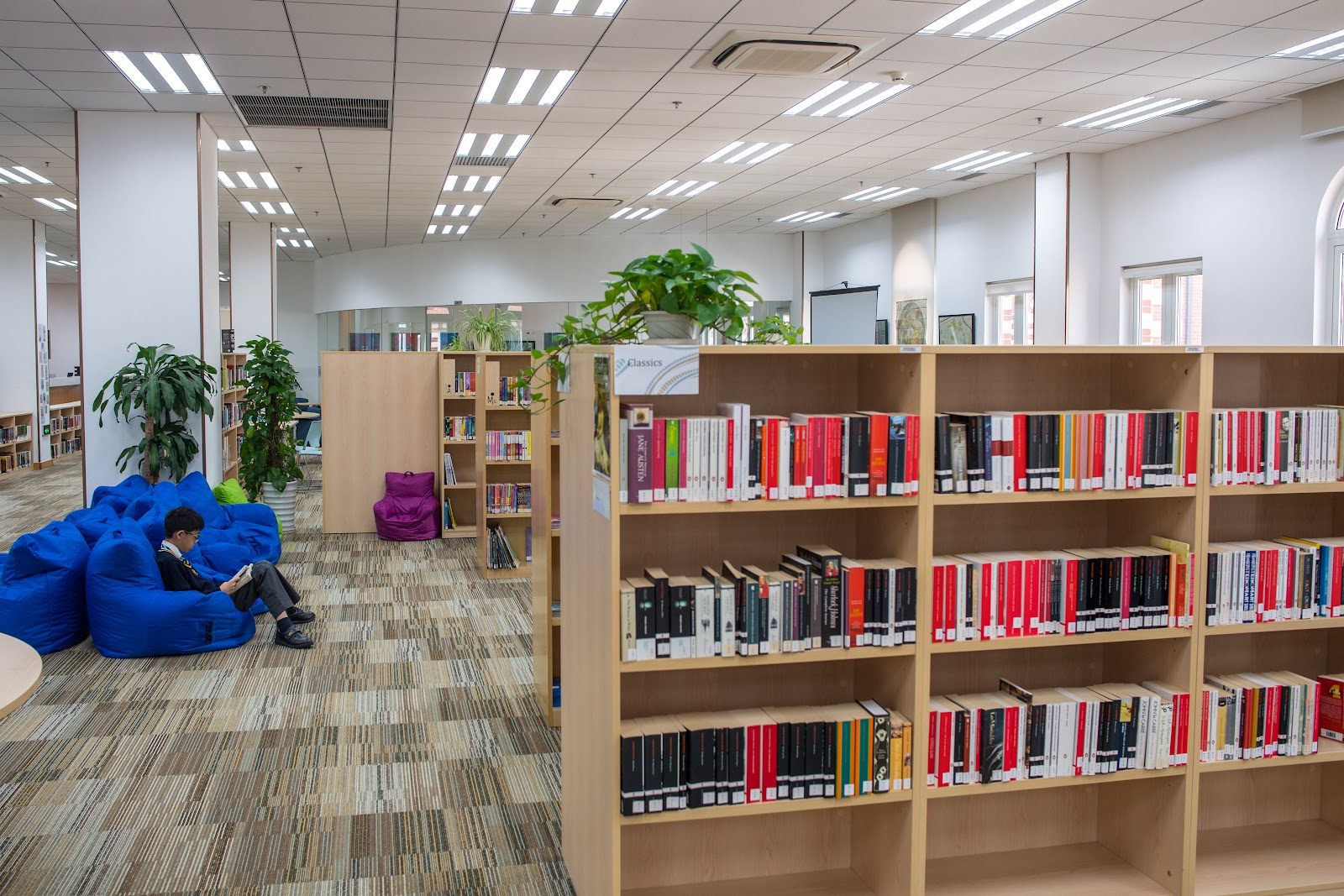
Facilities are not the strongest public proof point here. The school talks at length about values, leadership and community, but gives parents thin practical visibility into the physical plant at Lippo Village. We have not seen a clear campus inventory for specialist science labs, theatre provision, music suites, maker spaces, swimming, indoor sport or design facilities. For a school charging an average annual day fee of 227,631,579 IDR, that absence matters. At this price, strong campuses publish the details: room stock, specialist spaces, age-specific provision, safety systems, and how facilities are used across the school day. SPH does publish a child safety policy and places heavy emphasis on student support, which counts in its favour, but pastoral seriousness is not the same thing as a well-evidenced campus offer.
Against peer international schools in Greater Jakarta, that leaves SPH on the back foot in facilities communication. The best competitors in this bracket give families a concrete sense of scale and quality, especially in science, sport and the arts. SPH gives a stronger impression of institutional culture than of bricks-and-mortar advantage. That does not mean the campus is weak; it means the school has chosen not to prove the point in public. Parents considering SPH should ask for a full campus tour with direct access to laboratories, libraries, early years rooms, performance spaces and outdoor areas. If those spaces are serious and well-kept, the school needs to show them.
For families who want a school that treats spiritual life as part of education rather than an extracurricular add-on, that is genuinely distinctive
Prestige
SPH Lippo Village carries real domestic weight in Indonesian Christian education. The prestige here does not rest on old-boy mythology or selective admissions theatre; it rests on institutional permanence, a recognisable parent network, and the reach of the wider Pelita Harapan Group, which runs more than 60 schools. That gives SPH a level of name recognition that many standalone international schools cannot match. Within its own niche, the school has category-defining status: an established Christian school with an international academic architecture and a declared ambition to shape future leaders. For families who want faith integrated into the centre of school life, that combination has strong signalling power. It says something clear about values, ambition and social milieu.
That prestige has limits. SPH’s reputation is stronger in Indonesia and among Christian families than in the top global tier of universally recognised Asian international schools. It has serious standing, not automatic international cachet. The school also weakens its own claim to top-rank prestige by keeping hard outcomes out of public view. Prestige without published results is incomplete prestige. Parents will still read the name as established, expensive and well connected; universities and sophisticated families ask for proof. In blunt terms: SPH Lippo Village is a high-status local-regional player with a clear identity, but it does not command the unqualified authority of schools whose academic results and destinations are published year after year.
SPH’s reputation is stronger in Indonesia and among Christian families than in the top global tier of universally recognised Asian international schools
Communications
SPH’s parent communication is *value-heavy, leadership-led and deliberately intimate*. The school puts vision, mission, child safety and community close to the front of its public-facing channels, which tells parents something important: this is a school that wants families to buy into a moral and relational framework, not just a timetable. That works well for parents who want regular reinforcement of ethos and a strong sense of adult alignment around children. The network scale also gives communication reach; the wider foundation spans more than 60 schools, and the Lippo Village campus sits inside that established institutional machinery rather than operating as a loose standalone. There is also a visible international note in how the school talks about community, with 20+ countries represented and a high share of expatriate teachers. That strengthens the message for families who want a Christian school without a narrow social frame.
The weakness is practical transparency. SPH communicates what it believes with real consistency; it communicates operational detail less well. Parents can find faith commitments, leadership framing and pastoral intent quickly. They get less public clarity on the hard-edged questions that shape confidence over time: academic reporting, campus specifics, and the routine evidence that proves a school is well run day to day. For a school charging an average annual fee of 227,631,579 IDR, communication needs to do more than reassure. It needs to inform. The current model will satisfy families who prioritise culture and trust. More exacting parents will want sharper, more regular disclosure.
Uniqueness
What sets SPH Lippo Village apart is not one feature but a tight ideological and academic fit. Many schools bolt values language onto an international programme and leave the two to run on separate tracks. SPH does the opposite. Christian teaching sits inside the school’s account of purpose, leadership and student formation, and that gives the place a clear moral architecture. For the right family, that coherence matters. Children do not move between one culture in classrooms and another in assemblies or pastoral care; they are educated inside a single framework that links knowledge, conduct, service and faith. The wider Pelita Harapan Group also gives the school institutional depth and a network beyond one campus, with more than 60 schools under the foundation umbrella and a community drawn from 20+ countries.
That brings real advantages to students. A child here gets an education shaped not only by inquiry and international mobility, but by explicit expectations about character, responsibility and spiritual life. That can produce a more grounded school experience than the polished but thin cosmopolitanism sold by many international campuses. It also narrows the field. SPH is not trying to be all things to all families, and that is part of its strength. Students who value discussion, reflection and adult-guided formation will find a distinctive seriousness here. Students who want a secular environment or a looser cultural frame will not. In a crowded market, clarity of identity is a genuine advantage.
The school also weakens its own claim to top-rank prestige by keeping hard outcomes out of public view
Student Profile
The student who fits SPH Lippo Village best is one who responds well to clear adult authority, shared values and a school culture that treats character as part of the timetable rather than an optional add-on. This is not a loose, socially neutral international campus where families can ignore the school’s moral frame. Christian teaching sits close to the centre, and students are expected to engage with it. That will suit children who like structure, reflection, service and a sense of collective purpose. It also suits families who want their home values reinforced at school, not diluted. The social mix has an international dimension — the school cites 20+ countries represented and 0% expatriate teachers, though that teacher figure is plainly garbled on the page — so the environment is not parochial, but it is deliberately values-driven.
The right student is intellectually curious but not allergic to guidance. A child who enjoys asking questions, discussing ideas and working across disciplines will have more room here than one who wants pure rote learning or relentless exam drilling. Equally, children who need a firm pastoral frame and consistent expectations are well served by a school that talks so insistently about safety, support and close ties between teachers, pupils and parents. The weaker fit is easy to identify: fiercely secular families, teenagers who resist overt moral language, or students who want maximum personal latitude with minimal institutional culture. SPH asks for buy-in, and life is easier for children who can give it.
Students who value discussion, reflection and adult-guided formation will find a distinctive seriousness here
Co-curricular strengths
Arts & sport, on a separate axis
Overall 8.32/10
Scored 0-10 from the school's own published evidence. This axis is editorial-only — it does not feed the main WTS ranking.
Sports
8.8/10
Drama
8.5/10
Dance
7/10
Music
8.8/10
Visual Arts
8.5/10
Editor first-pass · editor-reviewable · 7/30/2026
Strengths
- +One of Indonesia's first IB World Schools, having gained authorisation to run the Diploma Programme in 1999 and now citing more than 30 years of IB experience within SPH.
- +SPH's cohort-wide IB Diploma results have outperformed the global average, with the total 133 graduating students from the 4 SPH campuses achieving an average of 35.89 points, outperforming the IBDP world average score of 33.02 points, and in the same cohort two perfect scores of 45 points placed students within the top 0.5 percent of 170,000 students worldwide.
- +Full IB continuum from early years to Grade 12 on one campus, with K1 through Grade 6 following the IB Primary Years Programme and Grades 7-10 the IB Middle Years Programme, feeding into the Diploma Programme.
- +Dedicated inclusion provision, with the campus offering English as an Additional Language support, Learning Support, and Social-Emotional Learning to help every student thrive.
- +Purpose-built senior science facility, since the Applied Science Academy provides fully equipped laboratories for inquiry-led, high-level science in grades 10-12, alongside global project opportunities and mentorship from SPH alumni.
Considerations
- −Tuition rises steeply by age group: published 2026/27 figures show annual tuition at Sekolah Pelita Harapan Lippo Village ranging from IDR 35,000,000 to IDR 384,000,000, on top of a separate development fee.
- −The one-off development fee (DPP) is a significant additional outlay, with published DPP options ranging from IDR 56,500,000 for one academic year up to IDR 214,200,000 for six academic years.
- −Explicitly faith-based ethos rather than secular: the school is a group of private Christian international schools, with daily devotions and weekly chapel woven into school life, which will not suit every family.
- −Published IB outcomes are reported at the network level rather than isolated to the Lippo Village campus alone, since the strong 35.89-point average covers graduates from the 4 SPH campuses collectively.
Availability
Primary entry gate & tests
Academic Record + Internal Test
Gallery
Photo © Oloan Sitanggang via Google Maps
Photo © SUN _BRIGHT via Google Maps
Photo © Agung Harsya via Google Maps
Photo © Roamer of Earth via Google Maps
Photo © Roamer of Earth via Google Maps
Parent reviews
Have you sent your child here?
Voice reviews carry the strongest trust badge — we transcribe them for you to tidy up before they go live. Prefer to type? A written review is fine too.
Add your voice
In 60 seconds, tell other parents: what's the best thing about Sekolah Pelita Harapan Lippo Village, and what surprised you when your child joined?
We ask for a Google sign-in so every review has a real face behind it — no anonymous drive-by attacks on schools, and no faked positive reviews. Your email is never shown publicly.
Send this profile to a friend
International parents rely on word-of-mouth. Share this review with someone weighing the same decision.
Schools with places
Similar schools to Sekolah Pelita Harapan Lippo Village with places available now.
Green School Bali
Abiansemal · Indonesia
- 2026-27
- WAITPOOLSpace-dependent
- 2027-28
- PLACES OPENRolling
Jakarta Intercultural School
Jakarta · Indonesia
- 2026-27
- WAITPOOLSpace-dependent
- 2027-28
- PLACES OPENRolling
Availability first, then country, area, curriculum, price, co-curricular
Consider also
Also worth looking at alongside Sekolah Pelita Harapan Lippo Village.
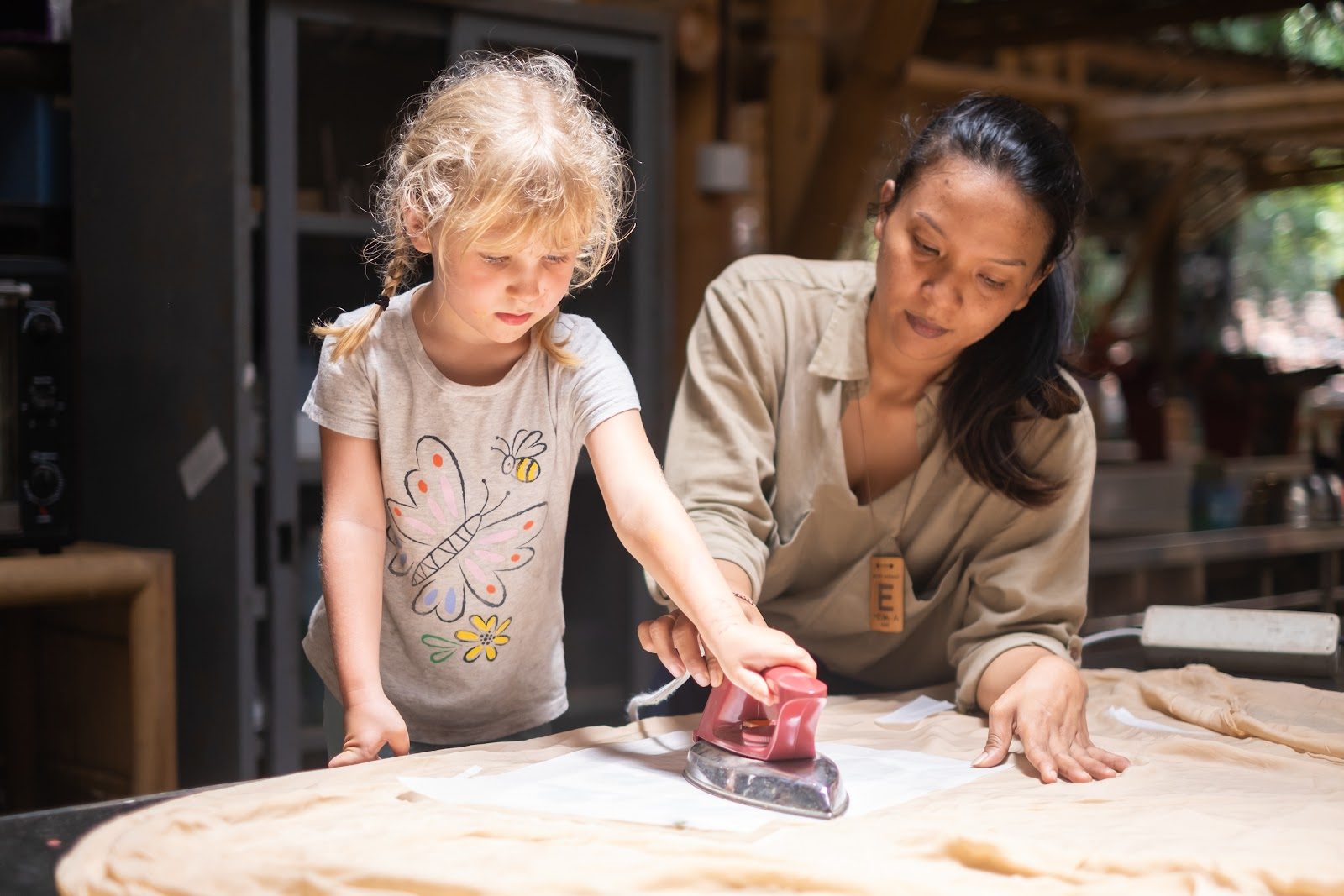
Green School Bali
Abiansemal · Indonesia
A walless bamboo campus on the Ayung River where IB study runs alongside rice cultivation and river ecology
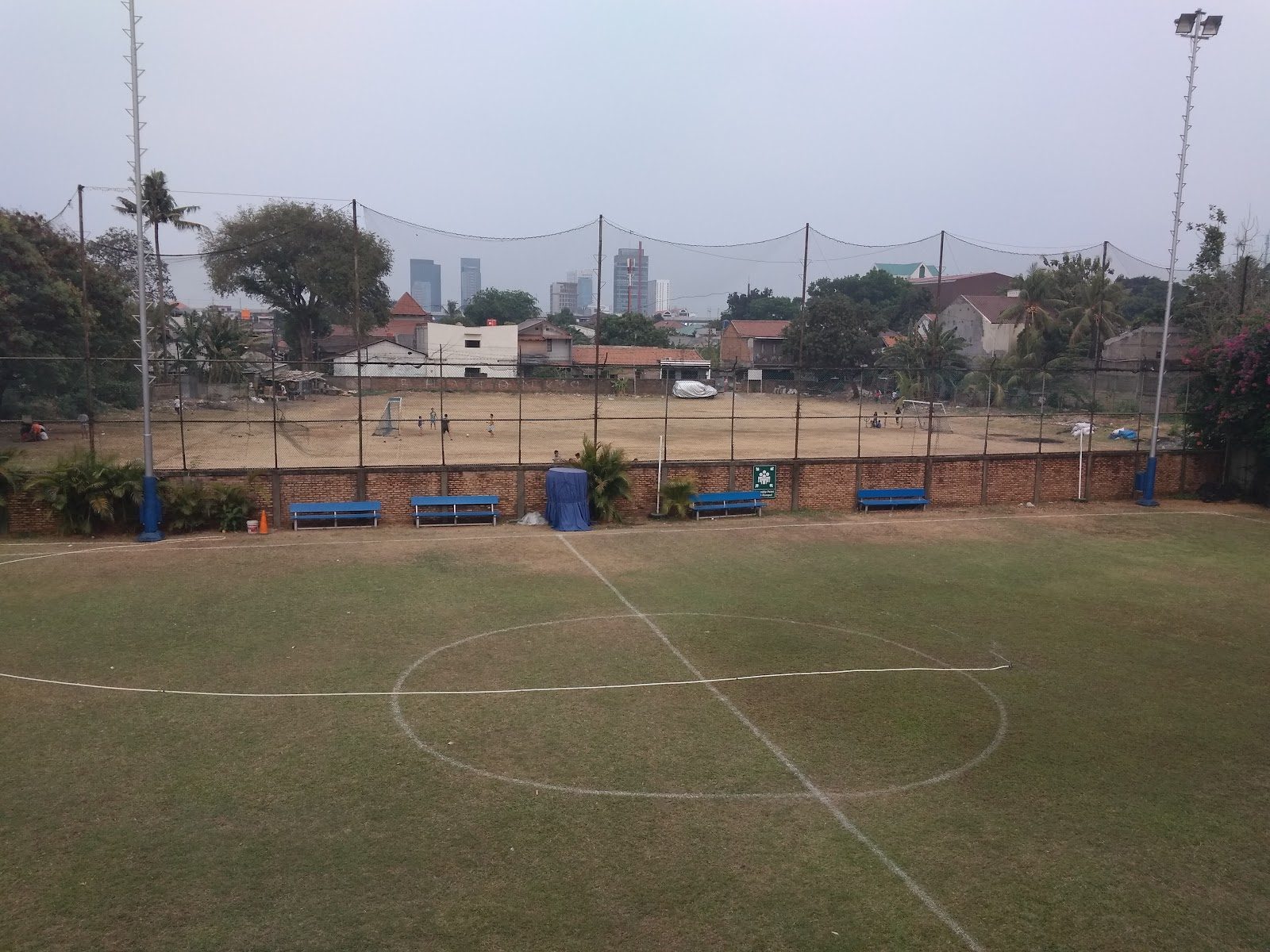
Jakarta Intercultural School
Jakarta · Indonesia
Founded in 1951 by UN diplomats' embassies, this South Jakarta campus still competes in Southeast Asia's invitation-only IASAS athletics and arts league.
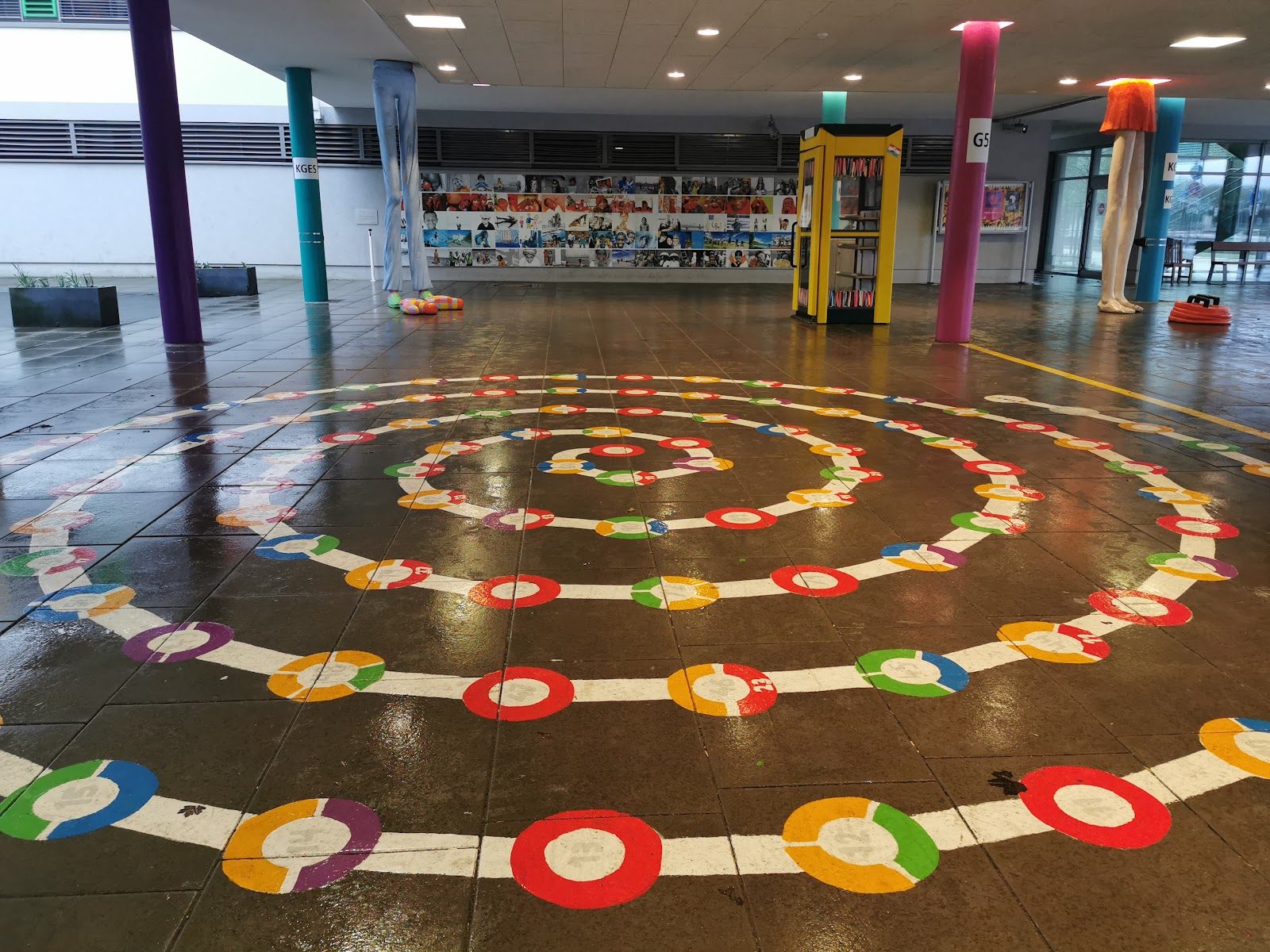
International School of Luxembourg
Luxembourg · Luxembourg
Born around a dining-room table in Strassen for a chemical plant's children, now an IB day school with 50 nationalities in Luxembourg City.
Wellington College International Shanghai
Shanghai · China
Rooted in an 1859 British foundation, this Pudong riverside campus channels house spirit into IB scores averaging 37 points.
Same country and curriculum — closest matches within ±10 points either way