
Central Java
SMA Taruna Nusantara
At the foot of Mount Tidar in Magelang, semi-military discipline turns civilian teenagers into Indonesia's most sought-after cadets and civil servants.
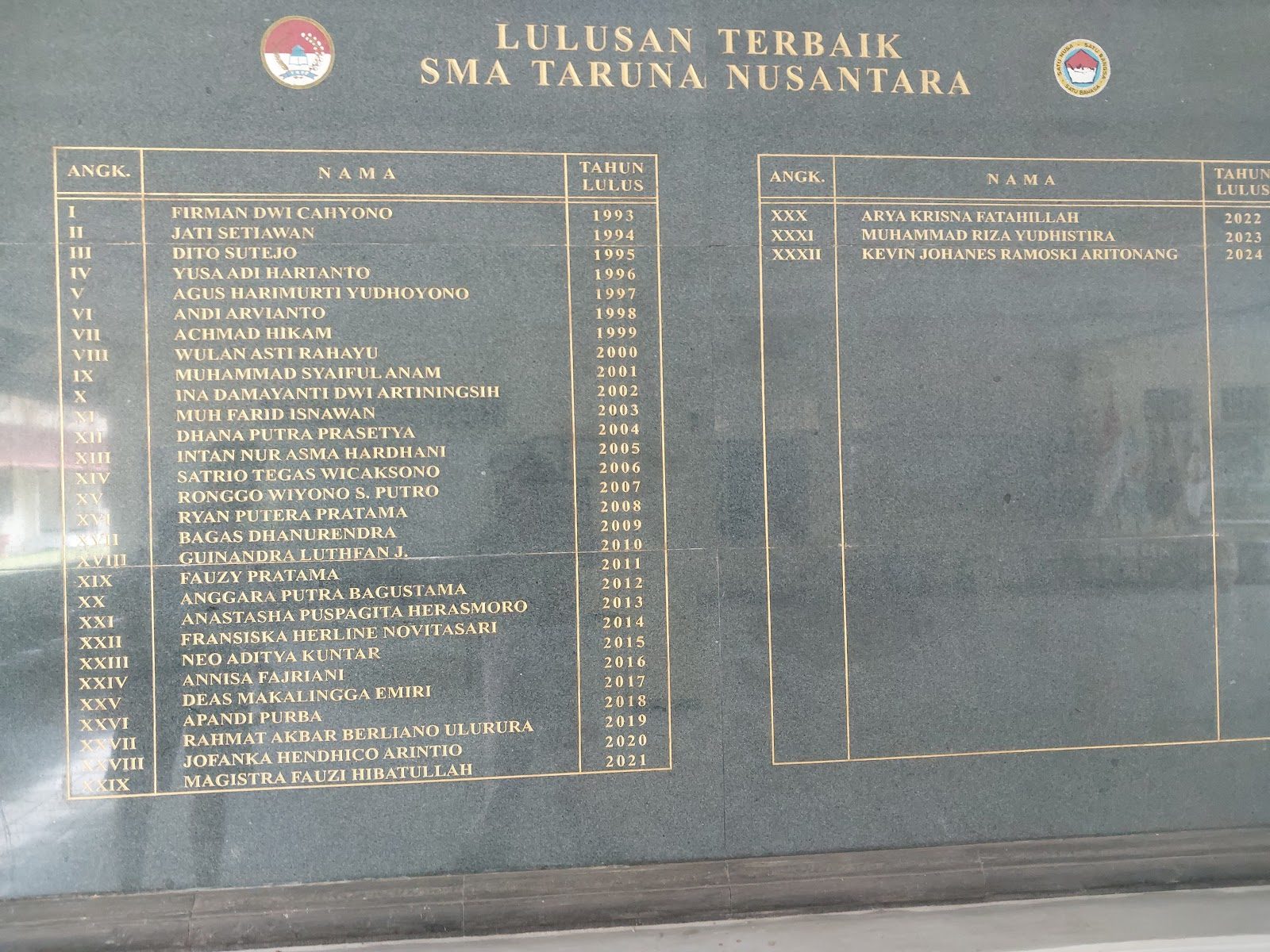
Photo © Alexander Arga via Google Maps
Type
Boarding
Ages
15–18
Curriculum
Indonesian
Qualifications
Indonesian national curriculum
Ratio
—
The Verdict
Editor's commitment
Right for
Boarders aged 15–18 who want Indonesia’s curriculum inside a 23-hectare Magelang campus built for leadership and physical rigour.
Wrong for
Families wanting a softer sixth-form culture, a religious frame, or schooling outside Indonesian and English from 1990’s semi-military model.
Watch out for
Full scholarships ended in 2001; selected pupils still get aid, but the school does not publish outcomes or aggregate results.
Peer & Industry Review
How SMA Taruna Nusantara is regarded in the sector
67
Respected · medium confidence
SMA Taruna Nusantara is widely regarded within Indonesia as a singular institution, a joint TNI/Kemendikbud-backed boarding school in Magelang whose selective, nationwide entrance exam and military-style character formation make it a benchmark cited alongside other elite boarding schools like SMA Pradita Dirgantara. Indonesian press and education commentators repeatedly note its unusually strong placement record into top state universities, especially UI, ITB, UGM, and the military/police academies (Akmil, AAL, AAU, Akpol), with alumni networks (IKATN) frequently referenced in local media profiles of graduates entering government, defense, and civil service leadership tracks. It rarely appears in Western-oriented directories such as Good Schools Guide or WhichSchoolAdvisor, reflecting its domestic rather than international orientation, so its reputation is built almost entirely on Indonesian government endorsement, national exam league-table performance, and word-of-mouth among Indonesian ministries and universities rather than international peer conferences. Independent Indonesian education press (Kompas, Republika, local Magelang outlets) treat it as a flagship public boarding school success story, though verifiable third-party rankings or university admissions-officer commentary in English-language sources remain scarce.
- Ahmad Muzani — Politician, Secretary-General of Gerindra Party
- Dave Akbarshah Fikarno Laksono — Politician, Member of DPR
- Andika Perkasa — Military Officer, Former TNI Commander
Editors' overview
SMA Taruna Nusantara occupies a singular place in Indonesia’s school market. This is not a conventional boarding school with a dash of discipline; it was founded in 1990 to build national leaders through a semi-military model, and it still states that mission with unusual bluntness. The campus in Magelang sits on 23 hectares on land owned by the Military Academy, with academics, dormitories and staff housing integrated into one controlled environment. That setting matters. The school’s identity rests on routine, hierarchy, physical training and civic formation as much as classroom teaching. For families who want structure without apology, a hard-edged sense of purpose and institutional seriousness, it earns a place on the shortlist quickly.
What sets it apart is the combination of Indonesian secondary education with a boarding regime aimed at leadership, patriotism, character and physical readiness. The school’s own language is revealing: it targets academic strength, personality formation and “kesamaptaan jasmani” — physical fitness and preparedness — in one package. This is a school for cadet-style adolescence, not pastoral softness. The attraction is obvious for ambitious families who value public service, command presence and national networks over progressive pedagogy or broad curricular experimentation. The trade-off is equally obvious: freedom is narrower, the culture is more prescriptive, and the school’s understanding of excellence is collective before it is individual. Parents need to want that.
It also carries weight because entry is selective and the brand is old enough to be established but not stale. The school opened to girls in 1996, after its first 6 years admitting boys only, which underlines both its military roots and its later broadening. Its history of full scholarships, later reduced after the 1997 economic crisis and ended in 2001, also points to a serious national ambition: recruiting able students from across social strata, not only the affluent. That remains part of the school’s pull. It offers *elite formation with a state-minded ethos, disciplined boarding with national reach and a rare sense of mission*.
The student who will want SMA Taruna Nusantara is clear. This is for teenagers who thrive on rules, uniformity, competition and communal life; who want to be tested physically as well as academically; and who are drawn to leadership in government, the armed forces or other formal institutions. It suits students who do not need endless choice, but do need a framework that pushes them hard. It does not suit the child who wants a loose creative culture, a highly individual academic pathway or emotional cosiness. In market terms, SMA Taruna Nusantara serves a narrow but powerful niche: forging future insiders through a boarding school model that treats adolescence as preparation for duty.
Academic Performance
The school’s public case for academic strength is forceful; the proof is thin. We have not seen published aggregate outcomes for national examinations, no subject-by-subject score profile, no university placement table, and no year-on-year data that would let parents judge whether this is an academic leader or a disciplined school with respectable classroom results. That gap matters. In a market where serious schools publish hard numbers, SMA Taruna Nusantara asks families to trust mission, selectivity and institutional reputation. For some parents that is enough. It should not be enough for all. On academic performance, the school is highly opaque.
Relative to peers, that places it in an awkward bracket. It carries the status of an elite pipeline into state service and leadership tracks, and its admissions standards and internal culture indicate a student body with strong academic potential. But prestige is not the same as disclosed attainment. Without external exam data in the public domain, it does not sit with the best-documented academic schools, whether selective Indonesian independents or international schools that publish IB or AP results in detail. The academic proposition here rests on institutional seriousness, hard selection and a national brand, not on transparent exam reporting. Parents choosing this school for scholarship first, rather than formation and network, need sharper evidence than the school currently provides.
Facilities
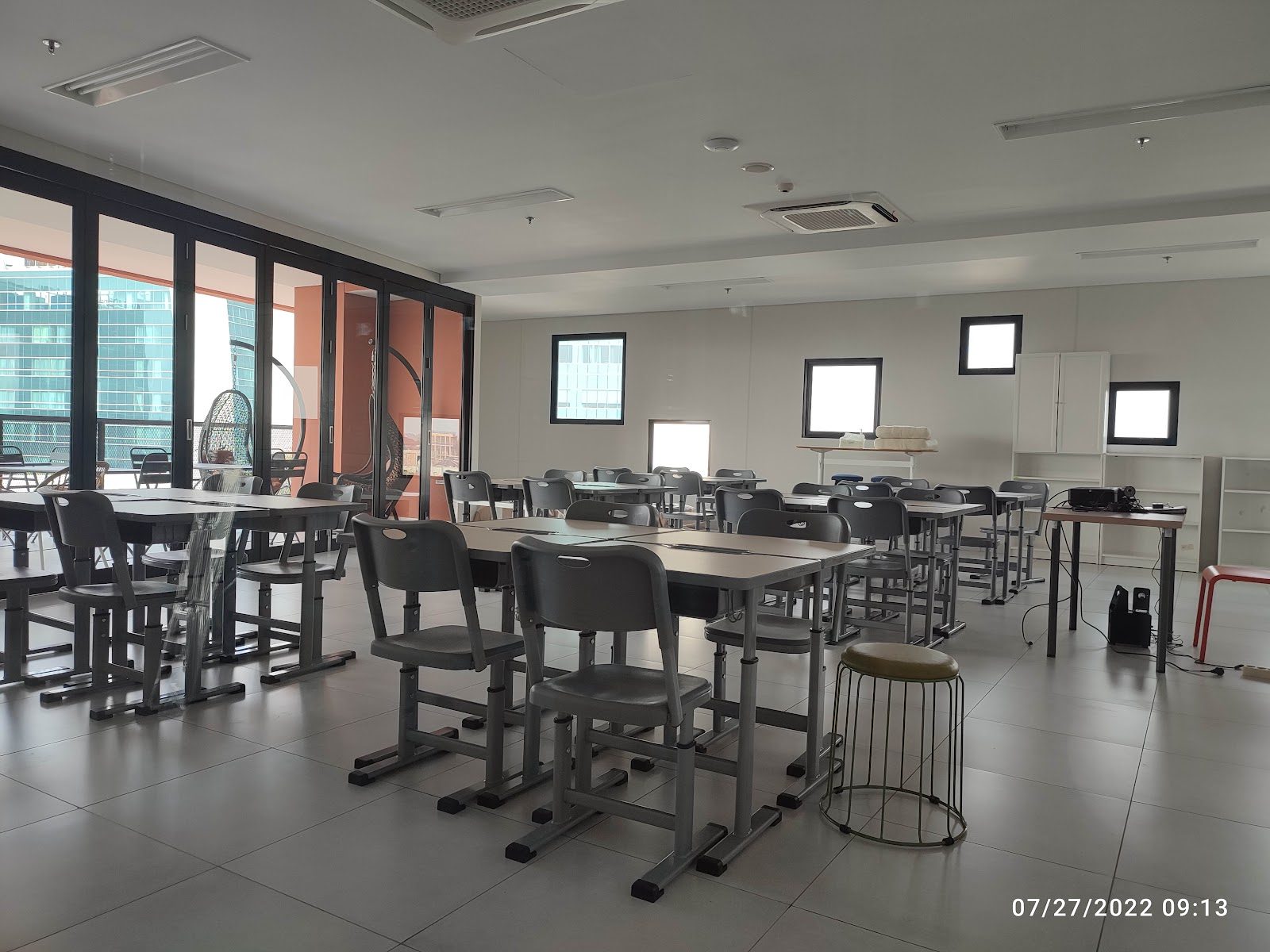
Facilities here serve control and endurance before comfort. The campus occupies 23 hectares and combines academic buildings, student dormitories and staff housing in one enclosed setting. That integrated layout is the key facility story: adults and pupils live inside the same institutional machine, which supports supervision, routine and rapid movement between lessons, drills and residential life. The school also sits on land owned by the Military Academy, which gives the environment a hard institutional edge that few civilian boarding schools can match. Families looking for lush, hotel-style boarding amenities or design-led specialist spaces need caution. The public case stresses scale, order and function, not luxury, and the school does not publish the kind of room-by-room facilities inventory that stronger communicators now provide.
Against peer schools, that places Taruna Nusantara in a distinctive bracket. Compared with mainstream Indonesian boarding schools, the estate is substantial and the residential-academic integration is stronger. Compared with top-fee international campuses, the offer is more austere and far less granular in what it discloses: we have not seen clear public detail on laboratories, performing arts provision, indoor sports facilities, library scale or technology resources. For this school, the standout assets are the ones that reinforce its mission — land, dormitory capacity, staff presence and a cadet-style environment. If parents want facilities that sharpen discipline and communal life, this is compelling. If they want facilities that advertise breadth, comfort and individual choice, peers beat it.
SMA Taruna Nusantara occupies a singular place in Indonesia’s school market
Prestige
SMA Taruna Nusantara carries real national prestige in Indonesia, but it is a specific kind of prestige. This is not the glamour of global university placements or Olympiad-heavy academic branding. It is the prestige of selection, state adjacency and institutional pipeline. The school was built with the armed forces and the national leadership class in mind, on a campus of 23 hectares tied physically and symbolically to the Military Academy. That association matters. In Indonesian terms, it marks the school as establishment-facing, discipline-first and socially legible to families who value command, service and access to powerful networks. The semi-military model narrows its appeal, but within its lane the brand is formidable.
The rating rests less on disclosed results than on social weight. The school has a long-standing reputation for producing graduates who fit the culture of formal institutions: resilient, compliant, competitive and trained to operate inside hierarchy. That gives the name currency with parents targeting elite public-sector routes, defence, bureaucracy and other structured careers. It does not carry the same prestige in liberal, internationalist or arts-led circles, where its culture reads as rigid and its academic transparency is weak. So the verdict is clear: SMA Taruna Nusantara is high-prestige for families who want a national leadership mould and who value network, bearing and institutional recognition over published academic evidence.
What makes SMA Taruna Nusantara unique is not prestige alone but method
Communications
Parent communication is functional, thin and heavily one-directional. The school has an official website with the standard menu architecture — About, Contact, Gallery and social links to Facebook, X, YouTube and Instagram — but the substance is narrow. The public-facing message is dominated by mission, leadership formation and institutional history, not by the practical information parents need to manage day-to-day school life or scrutinise standards. We have not seen a detailed parent portal, a clear academic reporting framework, published handbooks, calendar depth, pastoral process, or transparent performance dashboards. For a school built on control and routine, that gap is striking. The communication style is command-first, institution-centred and spare, not dialogic.
That does not make it chaotic. A school with this level of internal order and residential supervision will have structured channels for families; serious boarding operations do not run on improvisation. But the external evidence points to communication that prioritises authority over openness. Parents who want frequent explanation, rich disclosure and a strong sense of partnership will find the public communication opaque and old-fashioned. Parents who are comfortable deferring to the institution, and who value clarity of ethos over detail, will tolerate it more easily. In short, SMA Taruna Nusantara communicates its identity clearly and its operations less clearly. That is effective for brand control. It is less effective for parental confidence.
Uniqueness
What makes SMA Taruna Nusantara unique is not prestige alone but method. Very few schools fuse mainstream secondary education with a semi-military regime whose purpose is stated so plainly: to produce national leaders defined by loyalty, character, leadership potential, physical readiness and academic competence in one package. The school treats adolescence as preparation for command and service, not self-expression. Its institutional DNA is state-facing, discipline-heavy and explicitly nationalist. That gives students something rare in civilian education: a daily environment where hierarchy, routine, physical standards and civic ideology are not side themes but the operating system. The result is identity formation by design.
For students, that brings clear benefits and clear costs. The benefits are structure, stamina, composure under pressure, comfort with authority and a strong sense of collective purpose. Teenagers who thrive in ordered systems gain habits that transfer well into the armed forces, bureaucracy and other formal leadership tracks. Living and studying on a 23-hectare campus tied to that ethos also builds solidarity and institutional belonging on a scale day schools cannot match. The cost is just as clear: individuality has less room, experimentation has tighter limits, and the school’s definition of excellence leaves little space for the free-form, arts-led or emotionally loose version of adolescence. In short, Taruna Nusantara is not for the faint-hearted; it is a school that trains young people to fit demanding institutions, and does so with unusual coherence.
In a market where serious schools publish hard numbers, SMA Taruna Nusantara asks families to trust mission, selectivity and institutional reputation
Student Profile
The pupil who fits here is competitive, resilient and comfortable inside hierarchy. Taruna Nusantara recruits adolescents who can tolerate strict routine, shared standards and constant comparison without fraying. They need to accept that personal preference ranks below institutional expectations. The school’s own mission centres leadership, national loyalty, character and physical readiness, so the ideal student is not just clever in class but prepared to be drilled, corrected and judged across conduct, stamina and communal discipline. Teenagers drawn to clear authority, high-pressure structure and duty before self will find the culture legible. Teenagers who need negotiation, informality or a wide berth for self-invention will chafe fast.
Socially, this suits pupils with a strong group instinct. Life in a controlled residential environment rewards students who can live closely with peers, absorb criticism, keep to schedule and subordinate ego to team identity. There is room for ambition here, but it is ambition channelled through service, rank and institutional belonging rather than personal flair. The school’s history also matters: it moved from boys-only intake to co-education after its first 6 years, and that legacy still points to a hard-edged, cadet-style culture rather than a soft pastoral one. In blunt terms, the best fit is the teenager who wants to be toughened, not indulged; formed, not flattered; and measured against a demanding collective standard every day.
SMA Taruna Nusantara carries real national prestige in Indonesia, but it is a specific kind of prestige
Co-curricular strengths
Arts & sport, on a separate axis
Overall 8.22/10
Scored 0-10 from the school's own published evidence. This axis is editorial-only — it does not feed the main WTS ranking.
Sports
8.5/10
Drama
7.8/10
Dance
8/10
Music
8.5/10
Visual Arts
8.3/10
Strengths
- +Admission requires strong junior-high grades (minimum averages around 80-85 per semester in core subjects) and an optional IQ test, making it academically selective by national standards.
- +Graduates regularly progress to Indonesia's top public universities such as University of Indonesia, Bandung Institute of Technology (ITB) and Gadjah Mada University (UGM), alongside those entering military academies.
- +The school is backed by a Ministry of Defense-linked foundation, and has historically offered full scholarships with above-average teacher pay and facilities.
- +A dedicated scholarship admission track exists that can reduce tuition and enrollment fees to zero for qualifying students, alongside standard paid tracks.
- +Boarding structure across an 18-23 hectare campus provides a highly structured, character-and-leadership-focused curriculum layered on top of the standard national syllabus.
Considerations
- −The school follows the Indonesian national curriculum exclusively, with no IB, Cambridge or other international qualification, which limits direct pathways to non-Indonesian universities.
- −Non-scholarship applicants face substantial one-off and recurring fees, including a one-time enrollment payment reported around Rp 50 million.
- −The semi-military daily routine is strict and includes rules such as a ban on personal electronic devices, which will not suit every teenager or family.
- −The school now operates across three integrated campuses (Magelang, Cimahi, Malang) and applicants cannot choose their assigned location, adding logistical uncertainty for families.
Availability
Primary entry gate & tests
Multi-stage National Selection
Gallery
Photo © Tsalits Nugroho via Google Maps
Photo © Guru Agung via Google Maps
Photo © karisma bayu abdi khawari via Google Maps
Photo © Dzacki Willy via Google Maps
Photo © Nur Fajar Hidayat Harsya Wibowo via Google Maps
Photo © Fanti Saktini via Google Maps
Photo © hizbullah yusuf via Google Maps
Parent reviews
Have you sent your child here?
Voice reviews carry the strongest trust badge — we transcribe them for you to tidy up before they go live. Prefer to type? A written review is fine too.
Add your voice
In 60 seconds, tell other parents: what's the best thing about SMA Taruna Nusantara, and what surprised you when your child joined?
We ask for a Google sign-in so every review has a real face behind it — no anonymous drive-by attacks on schools, and no faked positive reviews. Your email is never shown publicly.
Send this profile to a friend
International parents rely on word-of-mouth. Share this review with someone weighing the same decision.
Schools with places
Similar schools to SMA Taruna Nusantara with places available now.
Green School Bali
Abiansemal · Indonesia
- 2026-27
- WAITPOOLSpace-dependent
- 2027-28
- PLACES OPENRolling
Jakarta Intercultural School
Jakarta · Indonesia
- 2026-27
- WAITPOOLSpace-dependent
- 2027-28
- PLACES OPENRolling
Availability first, then country, area, curriculum, price, co-curricular
Consider also
Also worth looking at alongside SMA Taruna Nusantara.
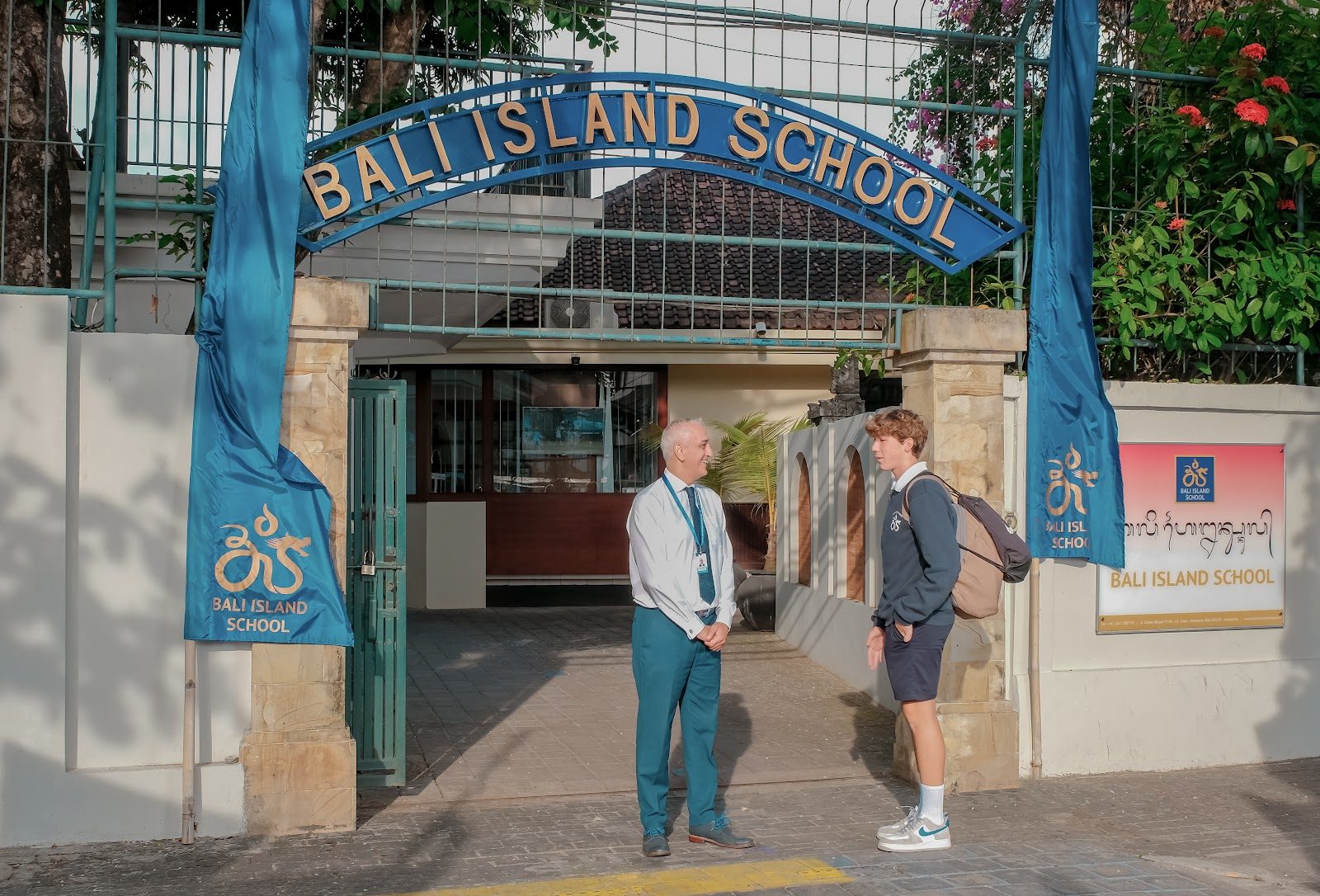
Bali Island School
Denpasar · Indonesia
Amid Sanur's temple lanes, this Denpasar campus has run the island's only full IB continuum since 1985.
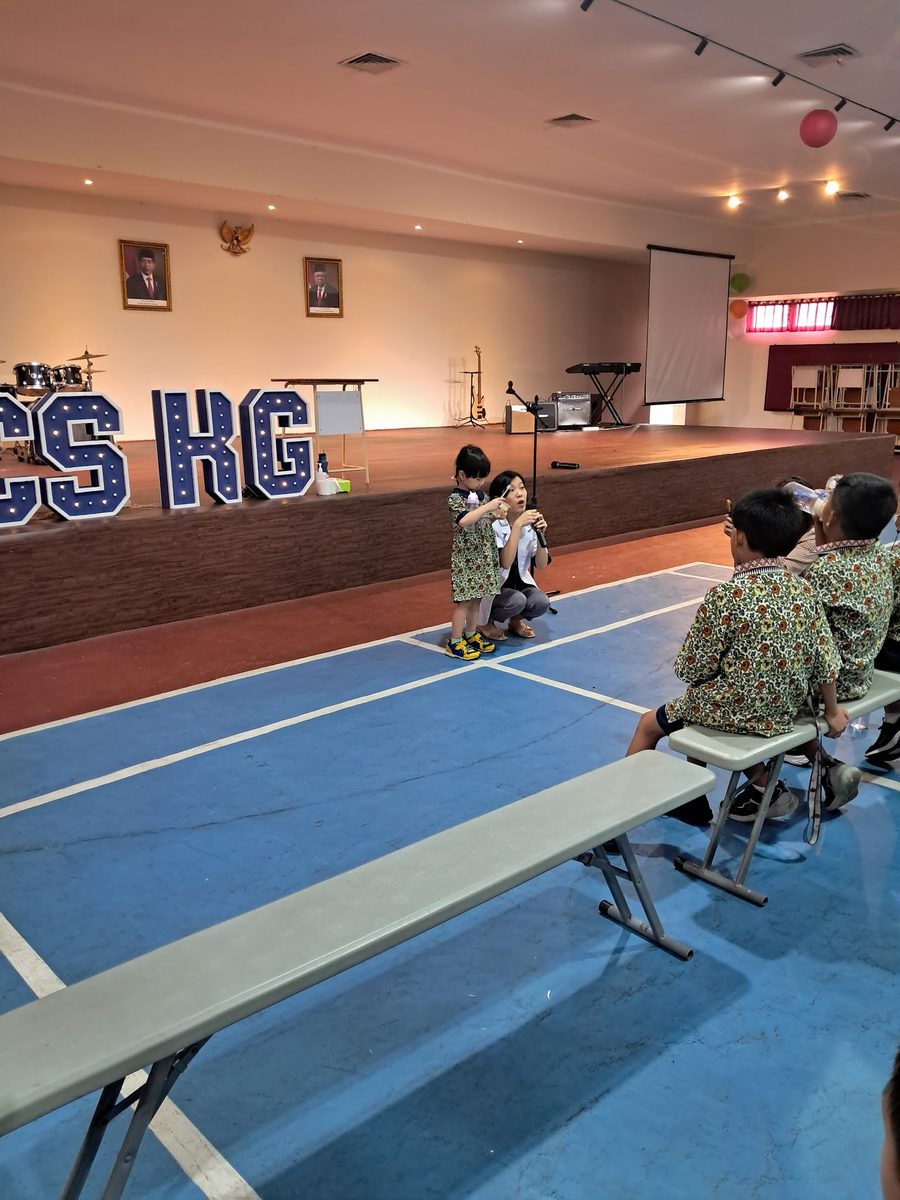
Raffles Christian School Kelapa Gading
Jakarta · Indonesia
A Kelapa Gading day school blending Singapore rigor with Cambridge assessment, its IGCSE and A Level scholars earning Top in the World distinctions.
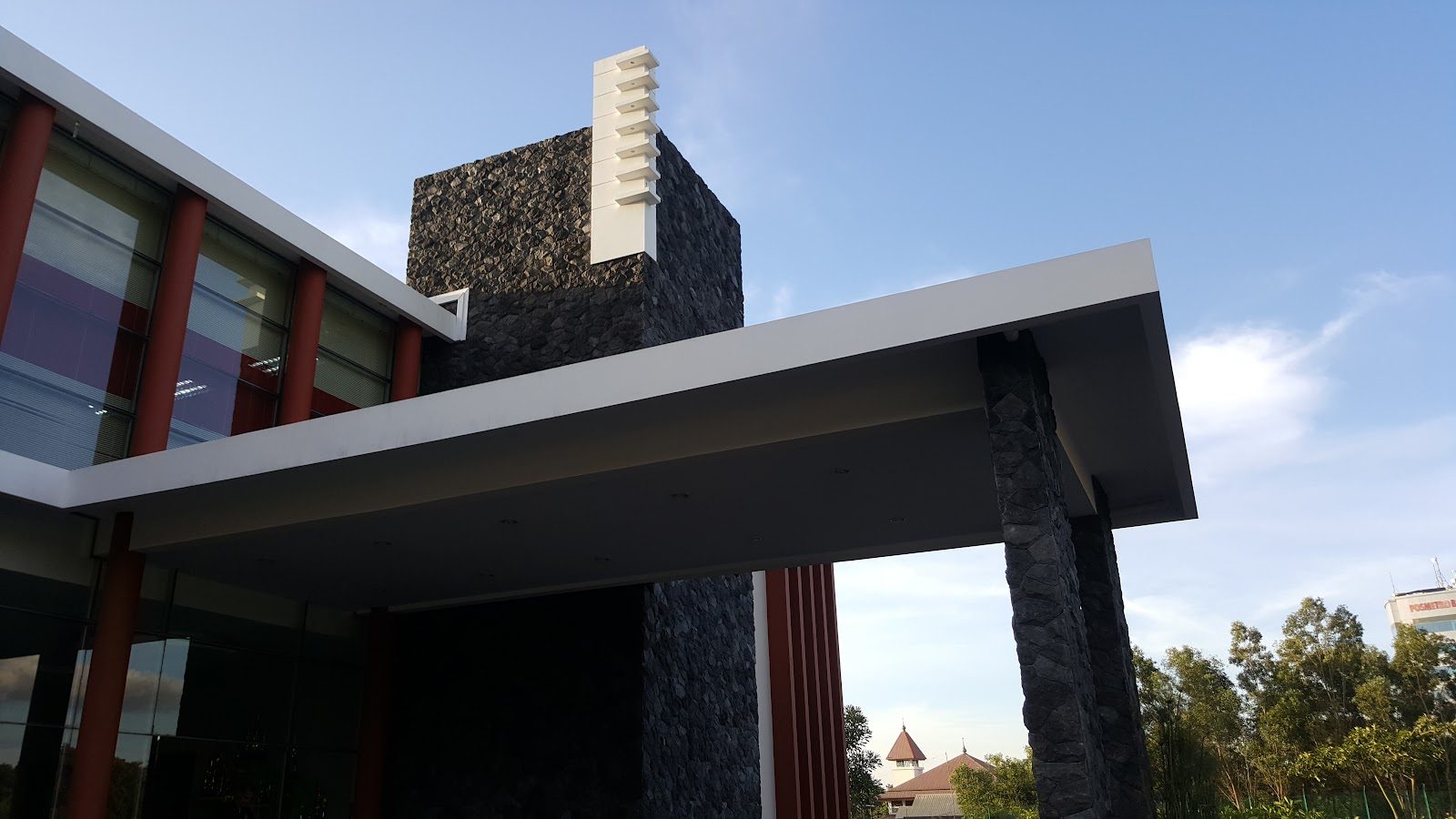
Sekolah Global Indo-Asia
Batam · Indonesia
On Batam's free-trade island facing Singapore, a campus blending the IB Diploma with Cambridge IGCSE and A Levels since 1998.
Sekolah Cikal Cilandak
Jakarta · Indonesia
South Jakarta's first competency-based school layers the IB onto an inclusion ethos built for children of all needs.
Same country and curriculum — closest matches within ±10 points either way