
Quebec
Bishop's College School
low confidence· 6/6 cats · 1 avg sourcesA 19th-century Eastern Townships campus once dubbed the 'Eton of Canada,' now blending IB rigor with eight-house boarding life.
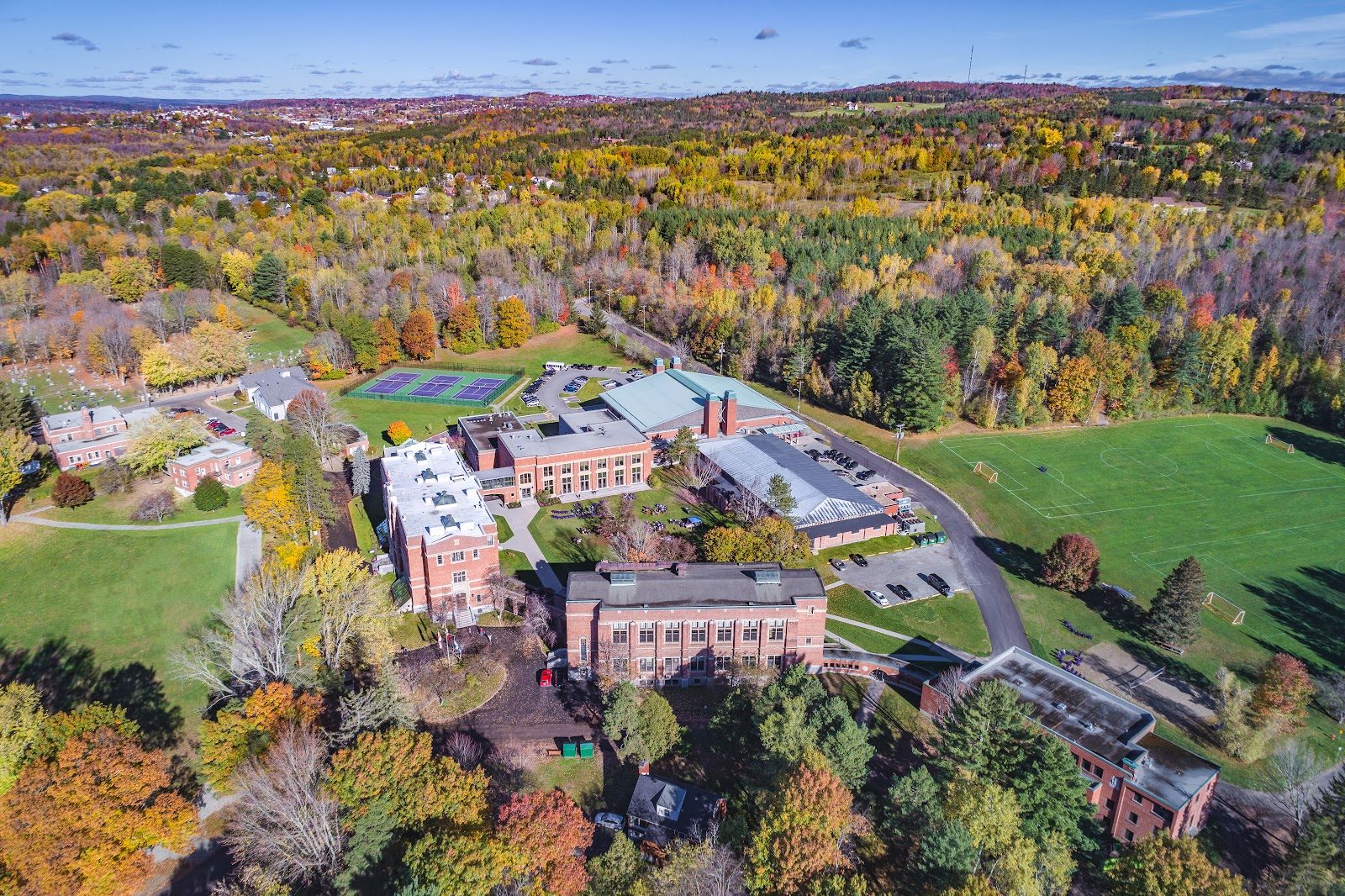
Photo © Bishop's College School via Google Maps
Type
Both
Ages
11–18
Curriculum
IB · Quebec
Qualifications
IB Diploma
Ratio
1:8
The Verdict
Editor's commitment
Right for
Families wanting a small 250-student school with a 1:8 ratio, IB and Quebec pathways, and boarding on a 250-acre Sherbrooke campus.
Wrong for
Children who need anonymity, a big senior school social scene, or a secular setting; BCS has 250 students, Anglican roots, and house boarding.
Watch out for
BCS sells intimacy and globalism—35+ countries, CAIS, Round Square and TABS—but the school does not publish aggregate IB results or university destination data.
Ranking breakdown
Bishop's College School · # of 1591
Composite score 70.1. 8 weighted criteria.
By criterion
Academic Outcomes
Weight 20%
#585
of 1529 scored
University Placement
Weight 16%
#584
of 1529 scored
Prestige & Heritage
Weight 12%
#369
of 1571 scored
Alumni Network
Weight 12%
#231
of 1530 scored
Facilities
Weight 12%
#478
of 1534 scored
Transparency & Communications
Weight 8%
#650
of 1532 scored
Peer & Industry Review
Weight 10%
#640
of 1548 scored
Admissions Selectivity & Demand
Weight 8%
#438
of 1529 scored
Peer & Industry Review
How Bishop's College School is regarded in the sector
52
Credible · low confidence
Bishop's College School appears in the Our Kids Canada independent school directory and holds CAIS (Canadian Accredited Independent Schools) accreditation, both third-party signals of credibility as a long-established boarding school (founded 1836) in Quebec's Eastern Townships. However, it receives little coverage in major 'best schools in Canada' rankings (e.g., Maclean's, Globe and Mail) or specialist boarding-school press compared to peers like Upper Canada College, Ridley College, or St. Andrew's College, and alumni network visibility in independent media is limited.
Evidence sources
Editors' overview
Bishop’s College School trades on history, but the real point is scale. Founded in 1836, BCS runs a compact 250-student school on a 250-acre campus in Sherbrooke, with a 1:8 student-teacher ratio and a boarding structure that still gives the place shape. The “Eton of Canada” line has pedigree, yet parents should pay more attention to what exists now: an English- and French-speaking, Anglican-rooted, co-educational school for ages 11–18 that combines the IB with the Quebec curriculum, eight-house boarding life, and a genuinely international student body drawn from more than 35 countries. That mix is unusual in Canada. It gives BCS a market position between the grand old boarding schools of central Canada and newer global IB schools that have internationalism but little institutional memory. The result is old-school confidence without a stale monoculture.
What is special here is the marriage of intimacy and infrastructure. Many schools claim community; BCS is small enough that community has to function in practice. A 1:8 ratio, small classes and a residential model mean adults know the students, and students have fewer places to hide. For the right child, that is a serious advantage. For the wrong one, it feels exposing. This is not the school for families who want anonymity, endless subject sprawl or the social camouflage of a very large campus population. It is for parents who value close adult oversight, structured independence and a boarding culture that still matters to the rhythm of daily life. The Round Square affiliation strengthens that outward-facing, service-and-leadership frame; the CAIS, TABS and AQAP accreditations confirm that BCS sits in the established independent-school market, not on its fringes.
BCS belongs on a shortlist because it offers a distinctive Canadian boarding proposition: historic, compact, internationally minded, and academically anchored by the IB rather than by a narrow national leaving qualification. It also has a stronger sense of place than many international schools. Sherbrooke and the Eastern Townships give it a rooted setting rather than an interchangeable suburban campus. The student who will want BCS is bright, sociable and resilient; comfortable in a house system; open to peers from different countries; and willing to live in a community where participation is not optional. Children who thrive in high-contact environments, enjoy tradition, and want breadth alongside academic rigour will do well here. Families seeking a vast urban school, a loose pastoral culture, or a purely local day-school experience should look elsewhere.
Academic Performance
BCS does not publish aggregate IB outcomes, average point scores, subject distributions, or university-ready benchmarking that would let parents place its academic results cleanly against Canada’s stronger independent-school peers. That is a real gap. For a school selling academic seriousness, the absence of public exam data leaves families without the simplest external measure of performance. What is public points instead to inputs and conditions: a small student body, small classes, close staff contact, and an explicitly academic culture. Those features usually correlate with solid attainment, but correlation is not proof. Until BCS releases hard figures, its academic performance sits in the category of credible but opaque.
Relative to peers, that matters. The best-known boarding and IB schools in this market publish enough to show whether pupils secure high diploma scores, strong pass rates, or standout university destinations at scale. BCS gives parents a more impressionistic picture: academic ambition, international breadth, and a campus structure built for oversight rather than drift. The school also cites students from 35+ countries and total enrolment of 250, which means any results cohort is small and can swing sharply from year to year. That can produce excellent individual outcomes without establishing a stable school-wide pattern. The verdict, then, is promising but unproven in public. Families who care about measurable academic comparison should ask for multi-year IB summaries before drawing conclusions.
Facilities
The key facility here is not a single showpiece building but the campus itself: 250 acres attached to a small school, which gives BCS room that many Canadian independents and urban IB schools cannot match. That matters in daily life. Space changes how boarders and day pupils move, train and unwind; it also gives the place a proper boarding-school scale rather than the compressed feel of a city campus. The heritage setting adds character, but parents should value function over romance. A large rural-leaning estate in the Eastern Townships supports outdoor life, circulation, privacy and house identity in a way tighter campuses do not. Against peers, that is a serious asset. Many rivals have stronger metropolitan access; fewer have this amount of land serving such a small population.
What BCS does not do in public is itemise its specialist facilities in enough detail. We have not seen the sort of granular public breakdown that lets parents compare laboratories, performing arts spaces, design workshops, elite sports infrastructure or boarding-house amenities line by line with top competitors. That weakens the school’s case. Schools charging premium fees and trading on tradition should publish more than atmosphere. Even so, the basics are clear: the site is extensive, the school runs an Elite Hockey Program, and the physical environment underpins a high-contact, all-in community. In facility terms, BCS looks strongest for families who want land, residential structure and campus life with real breathing room; less strong for those seeking a heavily advertised suite of specialist academies and flagship buildings.
Bishop’s College School trades on history, but the real point is scale
Prestige
BCS has real prestige in Canada’s independent-school world, but it is specific prestige, not mass-market glamour. The school carries the weight of age, a royal charter in its institutional history, and a reputation once captured in the “Eton of Canada” tag. That phrase still does useful work: it signals social pedigree, continuity and a place in the country’s old boarding-school imagination. Add a high endowment base, a heritage-site campus and a global intake from 35+ countries, and the result is a school with genuine standing rather than manufactured cachet. In a market crowded with newer international schools, BCS has something harder to fake: institutional memory.
That prestige has limits, and parents should understand them. BCS is not the default national reference point in the way the biggest central Canadian independents are, and it does not publish the academic outcome data that would turn historic esteem into present-day proof. Prestige here rests more on tradition, selectivity of environment, boarding culture, and the school’s long-established place in elite education than on public performance metrics. The Rhodes Scholar count strengthens the case, and a student body of only 250 keeps the network intimate rather than sprawling. My rating lands in the upper tier of Canadian school prestige: old, credible, socially legible and internationally aware, but short of the very top bracket that combines heritage with indisputable published results.
The result is old-school confidence without a stale monoculture
Communications
BCS’s parent communication reads as the product of a small school that expects direct contact to do much of the work. The public-facing basics are organised cleanly enough: admissions prompts, FAQs, leadership access, news, and clear signposts to major areas of school life. The tone is warm and community-led rather than corporate. That suits the school. In a close residential environment, parents need named people, prompt answers and practical clarity more than glossy messaging, and BCS gives that impression. The site also makes a point of answering obvious family questions — visitors, universities, financial assistance — which signals a school that knows where parental scrutiny lands. The message architecture is sensible, human-scale and less manicured than many premium schools.
The weakness is depth. BCS communicates culture and belonging better than it communicates hard evidence. Parents can grasp the ethos quickly; they get much less help judging outcomes, departmental strength, or the day-to-day mechanics of student support. For a school with only 250 pupils and families drawn from 35+ countries, that matters: international parents in particular need precise, unambiguous information, not just atmosphere. We have not seen the level of published academic reporting, operational detail or performance transparency that the strongest schools now provide as standard. So the verdict is mixed: communication is personal and credible at the relational level, but thin where serious comparison starts. Families considering BCS should expect to ask direct questions and press for specifics.
Uniqueness
What sets BCS apart is not heritage on its own. Canada has other old schools. The distinction lies in how many uncommon elements sit together in one place: a genuinely international intake from 35+ countries, a very small total roll of 250, and a residential house culture that still governs daily life rather than serving as decorative tradition. That combination produces a school with real social intensity. Pupils do not disappear into year-group sprawl, friendship silos or commuter habits. They live and work in a compact community where visibility is high, expectations are shared and difference is ordinary. The Anglican foundation adds historical shape without turning the school into a narrow confessional enclave. For students, that means a structured, high-contact adolescence with more adult oversight, more cross-cultural friction, and more pressure to participate.
The other point of difference is place. BCS sits in the Eastern Townships, not in a major city and not on a generic suburban plot. That gives the school a rooted, self-contained character that suits boarding life and strengthens house identity. The campus heritage designation deepens that sense of continuity; students inhabit an institution that knows what it is. The benefit is clear for the right child: stronger belonging, quicker maturation, and a wider social education than many academically similar schools offer. The cost is clear too. This is an all-in environment, not for the evasive and not ideal for teenagers who need distance, anonymity or a loose social frame.
What is special here is the marriage of intimacy and infrastructure
Student Profile
The BCS pupil fits a close-quarters school and does not need much social camouflage. This is a small community with an international intake from 35+ countries, so the students who do best are open to difference, willing to talk to people outside their comfort zone, and steady enough to handle being known. A teenager who wants to vanish into the background, curate separate versions of themselves for different groups, or keep adults at arm’s length will find the place restrictive. BCS suits students with good social stamina: those who can share space, recover from friction, and keep functioning in a community where participation has weight. The school’s Anglican heritage and strong communal framing also favour pupils who can tolerate tradition without rolling their eyes at it.
Temperament matters as much as intellect. The right student is bright, organised, and game for immersion — academics, houses, activities, conversations across cultures, all of it. The public emphasis on belonging, leadership, personal growth and compassion points to a school that values character in visible ways, not just grades in private. That will suit young people who like structure, respond to adult guidance, and can stretch beyond a narrow academic identity. It is not for the evasive, the chronically disengaged, or the child who needs a loose, anonymous sixth-form atmosphere. BCS works for students who want a high-accountability, all-in adolescence and who gain confidence from being pulled into the life of the school rather than left alone at its edges.
Many schools claim community; BCS is small enough that community has to function in practice
Co-curricular strengths
Arts & sport, on a separate axis
Overall 7.46/10
Scored 0-10 from the school's own published evidence. This axis is editorial-only — it does not feed the main WTS ranking.
Sports
8.7/10
Drama
7.5/10
Dance
5.5/10
Music
7.8/10
Visual Arts
7.8/10
Editor first-pass · editor-reviewable · 7/30/2026
Strengths
- +Founded in 1836, BCS is the fifth oldest private school in Canada, giving it a long institutional history and established alumni network including seven Rhodes Scholars.
- +The school holds the highest endowment per student of any independent school in Canada, which can support facilities and financial assistance programs.
- +BCS is an IB World School offering the Diploma Programme alongside Quebec/New Brunswick curriculum options, giving families a choice of academic pathway.
- +The 250+ acre Moulton Hill campus in the Eastern Townships includes an on-campus hockey rink, squash courts, a climbing wall and multiple sports fields.
- +The boarding community draws students from over 30 to 40 countries, with international students making up roughly 40 percent of enrollment.
Considerations
- −International boarding tuition for 2025-26 is listed at CAD 85,600 per year, a significant financial commitment before travel, uniforms, and extras.
- −Total enrollment is small, around 265 to 285 students across grades 7 to 12, which narrows the range of elective and subject choices compared to larger schools.
- −The campus sits in Sherbrooke, Quebec, in the Eastern Townships rather than near a major international airport, adding travel time and cost for overseas families.
- −Despite its long history and per-student endowment, the school's current global editorial ranking (622) places it outside the most internationally recognized tier of schools.
Availability
Primary entry gate & tests
Academic Record + Interview
Gallery
Photo © Mario Hains via Google Maps
Photo © Mario Hains via Google Maps
Photo © Benjamin Tracy via Google Maps
Photo © Benjamin Tracy via Google Maps
Photo © Benjamin Tracy via Google Maps
Parent reviews
Have you sent your child here?
Voice reviews carry the strongest trust badge — we transcribe them for you to tidy up before they go live. Prefer to type? A written review is fine too.
Add your voice
In 60 seconds, tell other parents: what's the best thing about Bishop's College School, and what surprised you when your child joined?
We ask for a Google sign-in so every review has a real face behind it — no anonymous drive-by attacks on schools, and no faked positive reviews. Your email is never shown publicly.
Send this profile to a friend
International parents rely on word-of-mouth. Share this review with someone weighing the same decision.
Schools with places
Similar schools to Bishop's College School with places available now.
Lower Canada College
Montreal · Canada
- 2026-27
- CLOSEDRegular cycle closed
- 2027-28
- PLACES OPENActive now — opened 6 July '26
Collège Jean-de-Brébeuf
Montreal · Canada
- 2026-27
- CLOSEDStandard route closed
- 2027-28
- OPENS SOONOpens Sept '26 (exam Oct)
Availability first, then country, area, curriculum, price, co-curricular
Consider also
Also worth looking at alongside Bishop's College School.
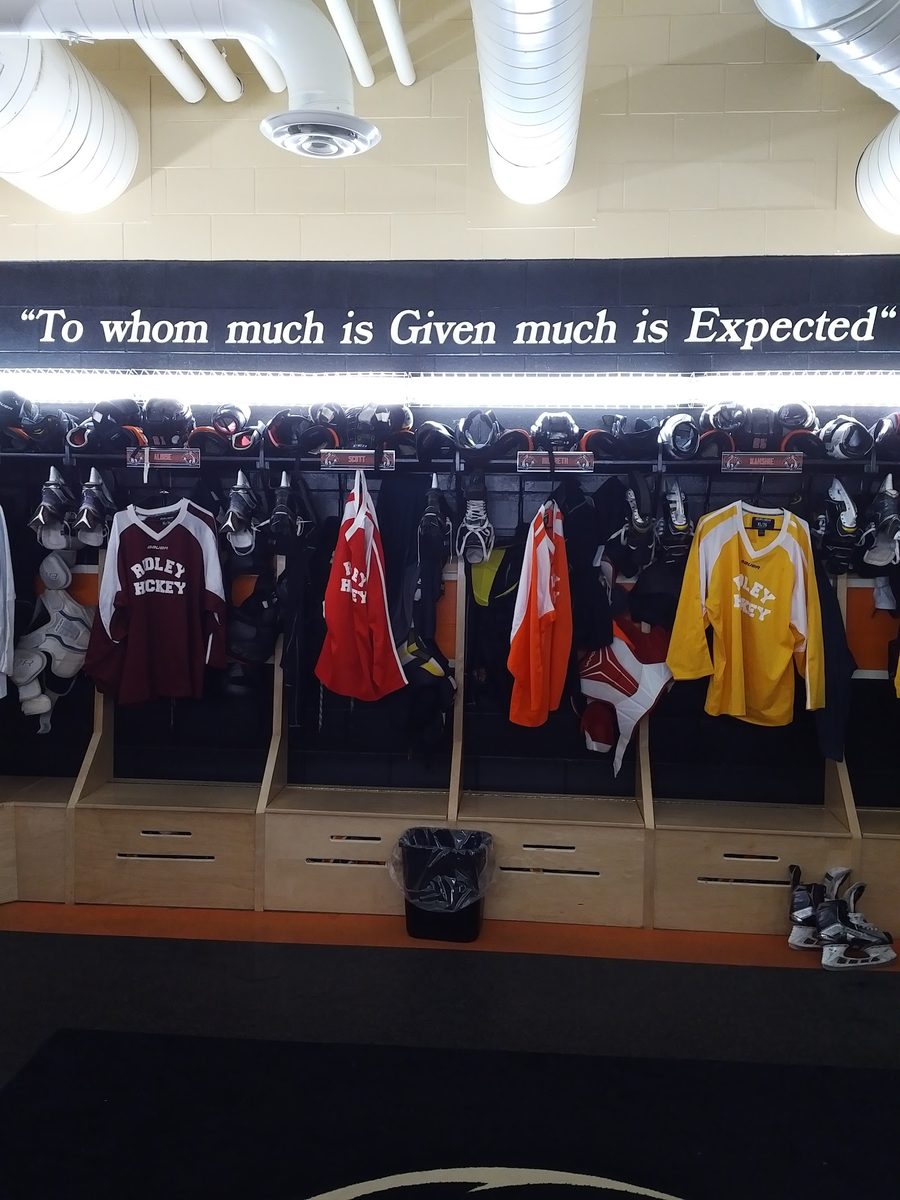
Ridley College
St Catharines · Canada
St Catharines day-and-boarding school blending Ontario's OSSD with the full IB continuum
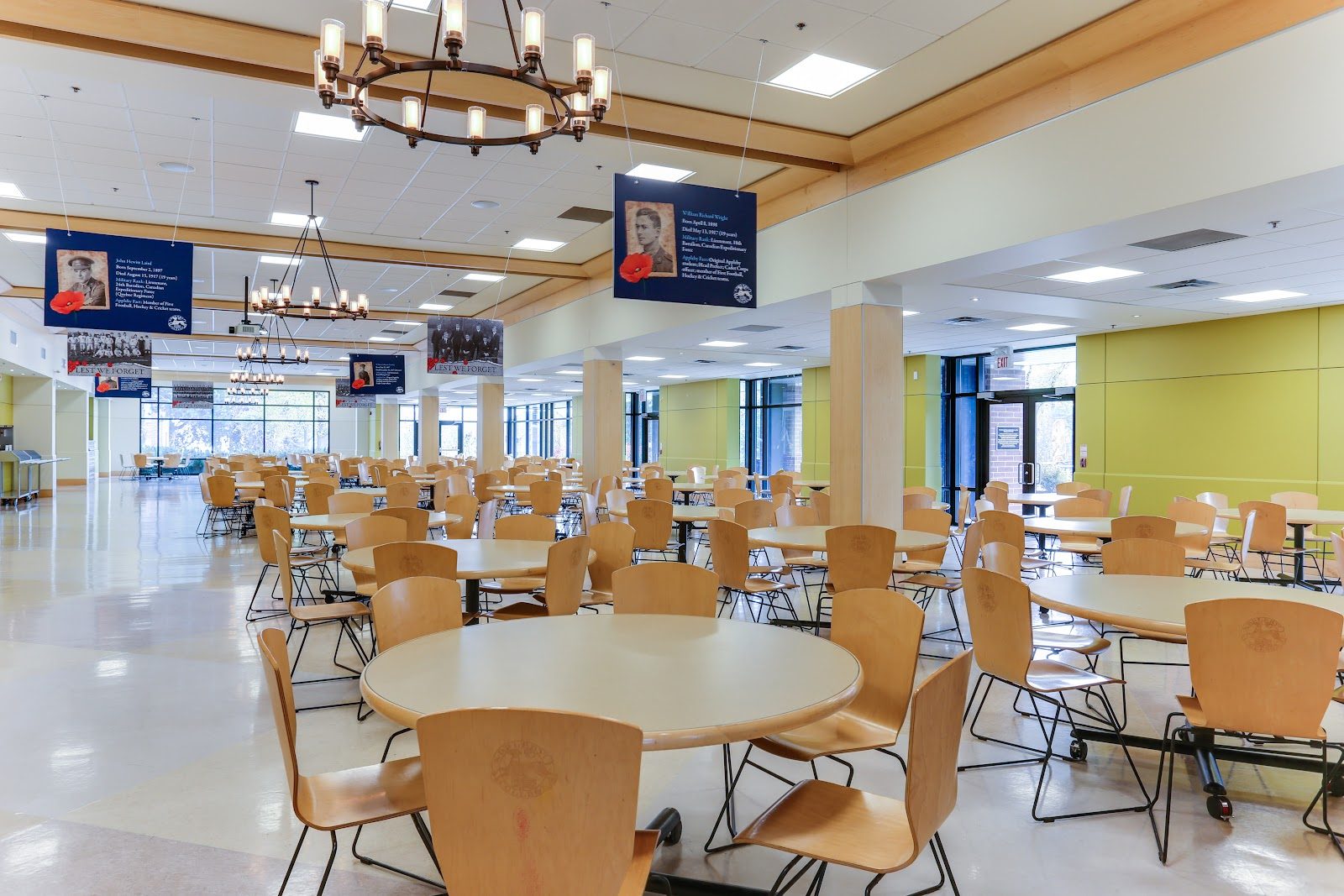
Appleby College
Oakville · Canada
A lakeside Oakville campus where every senior boards by tradition, and leadership training unfolds on a private island in Temagami.
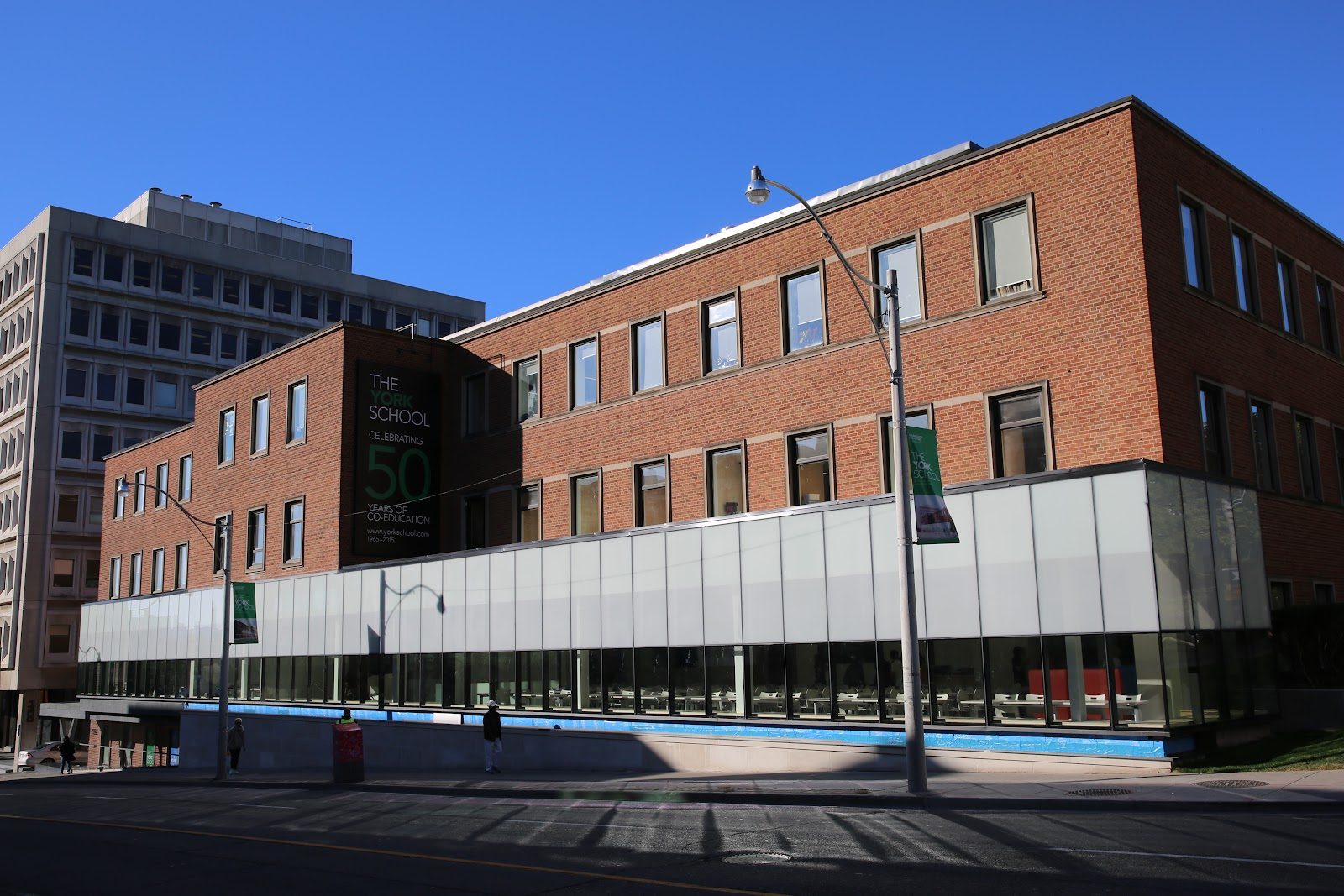
The York School
Toronto · Canada
First English-speaking school in Canada certified for the full IB continuum, JK to Grade 12, on midtown Toronto's Yonge Street corridor.
St. George's School
Vancouver · Canada
Vancouver's only boys' boarding house pairs BC's diploma with IB and AP courses, then swaps desks for weeks in the backcountry.
Same country and curriculum — closest matches within ±10 points either way