
Zealand
Sorø Akademi
low confidence· 4/6 cats · 1 avg sourcesA former Cistercian monastery turned 1586 boarding school, pairing lakeside tradition with a modern natural science centre.
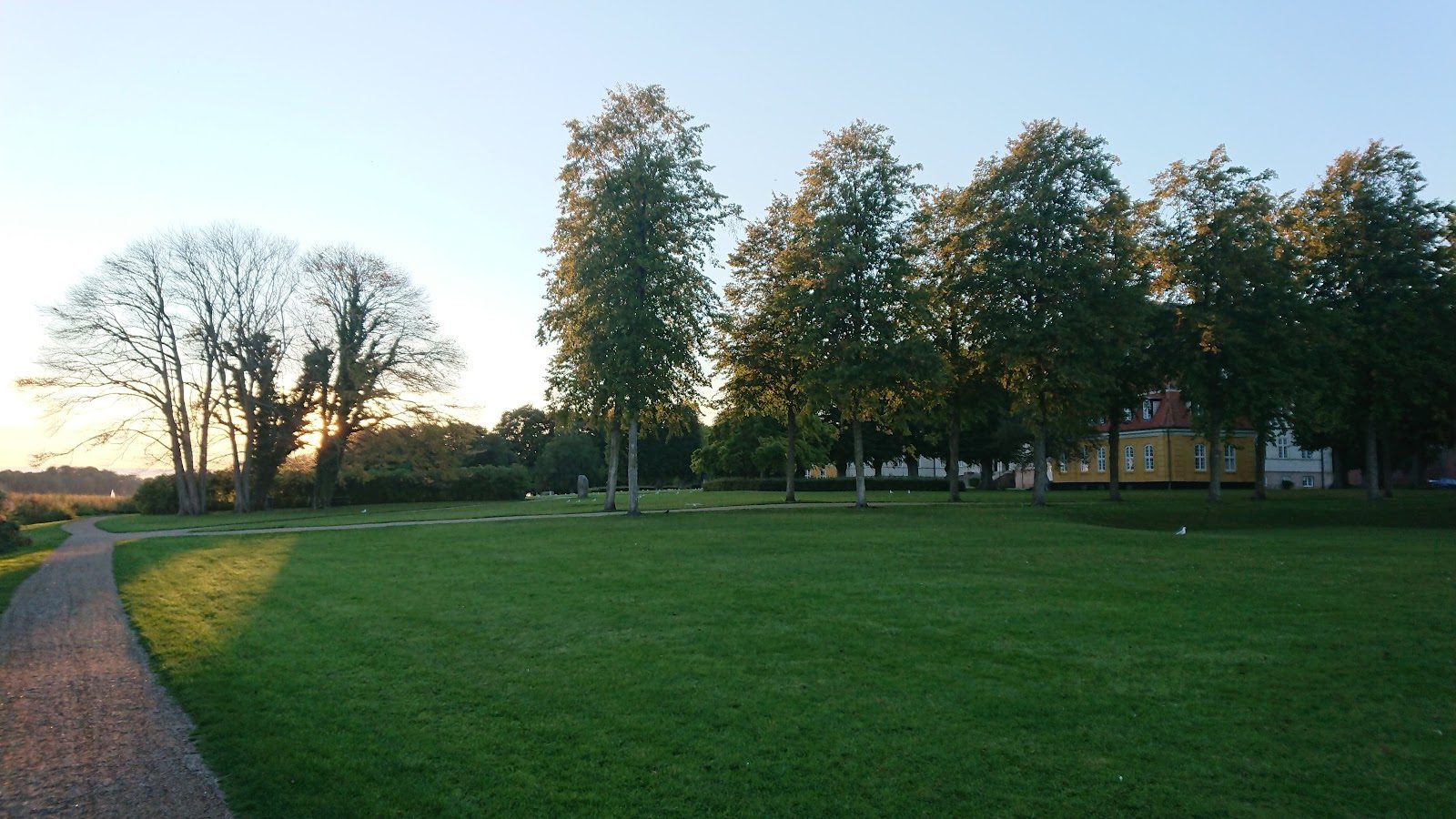
Photo © FTall Jacobsen via Google Maps
Type
Both
Ages
15–19
Curriculum
Danish
Ratio
—
The Verdict
Editor's commitment
Right for
Families who want a Danish gymnasium and boarding school, founded in 1586, with teaching in Danish and English.
Wrong for
Anyone needing IB, A levels or a wider age range: Sorø Akademi serves 15–19 only and follows the Danish curriculum.
Watch out for
The prestige rests on history — a 12th-century monastery site and 1750 refoundation — while academic outcome data are not published.
Ranking breakdown
Sorø Akademi · #309 of 1591
Composite score 72.1. 8 weighted criteria.
By criterion
Academic Outcomes
Weight 20%
#385
of 1529 scored
University Placement
Weight 16%
#398
of 1529 scored
Prestige & Heritage
Weight 12%
#289
of 1571 scored
Alumni Network
Weight 12%
#192
of 1530 scored
Facilities
Weight 12%
#478
of 1534 scored
Transparency & Communications
Weight 8%
#513
of 1532 scored
Peer & Industry Review
Weight 10%
#527
of 1548 scored
Admissions Selectivity & Demand
Weight 8%
#334
of 1529 scored
Peer & Industry Review
How Sorø Akademi is regarded in the sector
65
Respected · low confidence
Sorø Akademi is one of Denmark's oldest continuously operating boarding/day schools (founded medieval era, refounded 1586), historically tied to the Danish crown and often cited in Danish educational history and heritage contexts as a prestigious institution with notable alumni (e.g., writers and public figures referenced in Danish literary and historical scholarship). However, independent English-language third-party sources (Tatler, Good Schools Guide, expat forums, Sunday Times) provide minimal coverage, as it is primarily known within Danish national context rather than international school rankings.
Evidence sources
Editors' overview
Sorø Akademi occupies a rare niche in the Danish market: a state-recognised gymnasium with boarding, set in a school whose institutional memory reaches back to the 12th century and whose current school dates from 1586. That history is not decorative. Parents looking at Sorø are buying into a place where continuity, ritual and academic seriousness carry real weight. The setting in Sorø adds to that pull: a small town, lake country, and a campus shaped by monastic and later royal educational use. The result is historic gravitas without ecclesiastical dogma; the school is non-religious, with Lutheran heritage rather than confessional mission.
What sets Sorø apart is the combination of Danish gymnasium education and a boarding environment for ages 15–19. In Denmark, that is a narrow field. Sorø offers a clear proposition to families who want an academically focused upper-secondary education in Danish, with English also in use, inside a structured residential setting. The editorial tagline captures the point well: lakeside tradition paired with a modern natural science centre. That matters because many old boarding schools trade too heavily on atmosphere and too lightly on present-day academic infrastructure. Sorø has the architectural inheritance and the sense of place, but it also signals investment in contemporary science provision. For the right student, that mix of institutional depth and modern academic provision is the school’s strongest argument.
This is not a school for families seeking progressive looseness, broad curricular experimentation or an aggressively international classroom culture. The curriculum is Danish, the school sits squarely inside the national system, and the social setting is shaped by Denmark rather than by the expat circuit. That will suit students who want serious routine, intellectual structure and the independence that boarding demands, without the cultural dislocation of a fully international school. It will also appeal to pupils drawn to quiet ambition rather than performative polish: students who work well in a close community, value tradition, and do not need a school to entertain them every hour.
Why shortlist it? Because Sorø Akademi offers something few schools can match: a sense of lineage anchored in real history, a boarding model attached to a respected Danish academic pathway, and a setting that gives adolescents room to mature. Parents must also see the limits clearly. This is an older, more self-possessed type of school, not a lifestyle product. Families who want glossy global branding or heavily marketed outcomes data will find less to hold onto; the school does not trade on that language. Families who want character, continuity and a disciplined sixth-form atmosphere will find Sorø one of the more distinctive options in the region.
Academic Performance
Sorø Akademi does not publish aggregate external examination data in the public domain. We have not seen school-level averages, subject-by-subject grade distributions, university destination tables, or benchmarked comparisons against other gymnasiums. That limits any hard verdict on academic performance. For parents, that matters: in an upper-secondary school with a serious academic proposition, published outcomes are the cleanest test of whether tradition converts into attainment. Here, that test remains opaque. The school sits inside the Danish gymnasium system, so students take nationally regulated examinations rather than an in-house qualification, but the absence of disclosed results leaves families without the comparative evidence that stronger schools now provide as a matter of course.
Where does that place Sorø relative to peers? In reputational terms, it carries the weight of a long-established academic institution; in evidential terms, it trails the best-documented schools. Some competitors publish grade averages, completion rates, or progression data. Sorø does not. That does not prove weak results, but it does make independent assessment harder than it needs to be. Parents considering a shortlist should treat Sorø as a school with institutional prestige and unclear measurable output. The right next question is direct: ask for recent exam performance across the cohort, not anecdote, not selective success stories, and not a tour-driven impression of academic strength.
Facilities
The facilities story at Sorø turns on two assets: the exceptional setting and the science provision flagged in the school’s own positioning. A lakeside campus with historic buildings gives the school something many peers cannot match: space, atmosphere and a strong sense of enclosure. That matters in a boarding school for older teenagers. The grounds are not just decorative; they shape daily life, supervision and the rhythm of term-time living. Against peer schools in Denmark, that kind of campus is a genuine advantage. Many urban or day-focused gymnasiums operate with competent but ordinary teaching blocks. Sorø has a more immersive physical environment, and families paying for residential schooling should expect that difference to count.
The sharper question is what sits beyond the scenery. The mention of a modern natural science centre is important because it points to current academic infrastructure rather than heritage alone. If that centre is well equipped and heavily used, Sorø stands ahead of old schools that preserve buildings beautifully but underinvest in laboratories. That said, the public case remains too thin on detail. We have not seen a clear published account of specialist labs, arts spaces, sports provision, music facilities, library strength or boarding-house amenities. Peer schools competing for discerning families now spell that out plainly, often room by room. Sorø leaves parents with a strong impression of place and a weaker sense of operational substance. The campus is a draw; the facility disclosure is underpowered.
Sorø Akademi does not publish aggregate external examination data in the public domain
Prestige
Sorø Akademi carries real prestige in Denmark, but it is a specific, old-world prestige, not the louder international kind built on global branding, league-table theatre or relentless self-promotion. The source of status here is institutional inheritance: a school tied to a site of national cultural memory, with roots reaching back to the 12th century and a long association with elite education in different forms. That matters. In a small national system, schools with this depth of historical presence occupy a different category from competent but interchangeable upper-secondary providers. Sorø has name recognition, symbolic weight and the aura of a place that has educated generations inside the Danish establishment. For families who care about cultural standing as much as classroom delivery, that has value.
That said, prestige here rests more on history, selectiveness of milieu and reputation than on published proof of academic outperformance. The school’s status is earned through lineage and setting, not through transparent outcomes data or a sharply articulated modern performance case. That weakens the claim in one important respect: prestige without disclosure can drift into inherited authority. We rate Sorø highly for national prestige because few schools combine this degree of continuity, residential seriousness and recognisable institutional stature. We stop short of the top tier because the school does not back that stature with the kind of hard public results data that turns historic cachet into a fully evidenced academic verdict.
Families who want character, continuity and a disciplined sixth-form atmosphere will find Sorø one of the more distinctive options in the region
Communications
Sorø’s communication with parents reads as *institutional rather than customer-service driven*. The school has the advantage of a clear identity and a well-defined age range, so it does not need to explain a sprawling all-through offer or multiple pathways. That should make communication cleaner. The problem is disclosure. We have not seen the level of public-facing detail that strong boarding schools now treat as standard: regular publication of academic outcomes, granular explanation of pastoral systems, or a crisp account of day-to-day residential life for students in the 15–19 bracket. For parents at a senior boarding school, those are not optional extras. They are the basics.
That leaves Sorø looking self-contained and, at points, too inward-facing. Families already comfortable with Danish school culture will tolerate that better than international parents, who need direct answers on routines, supervision, reporting, university guidance and who to contact when problems arise. The school’s long-established character gives it authority, but authority does not replace clarity. Effective parent communication rests on timeliness, specificity and transparency. Sorø delivers the first impression of seriousness; it does not yet deliver a fully persuasive public information culture. The verdict, then, is mixed: credible in tone, thin in operational detail, and weaker than the best schools at treating parent communication as part of the educational offer rather than an administrative afterthought.
Uniqueness
Sorø’s distinctiveness starts with institutional layering. This is not just an old school with old buildings. It operates on a site that has moved through monastery, crown possession, knight academy and later higher learning, and that layered past still gives the place a rare cultural density. Students do not just attend lessons on a handsome campus; they live inside a setting where scholarship, discipline and public purpose have deep roots. That brings a strong sense of seriousness to school life. For the right teenager, that matters more than glossy enrichment lists. It can sharpen self-management, raise expectations and make study feel connected to something larger than the next set of marks.
The second point of difference is the combination of a nationally rooted senior school with boarding in a country where that remains a narrow field. Sorø is not built around international-school churn, nor around a leisure-led boarding sales pitch. Its appeal lies in structured independence: students leave home, enter a close residential community and work within a system that expects maturity. Add the lakeside seclusion and the science investment flagged by the school, and the result is a school that offers both historic weight and a route into adult habits of study. That will not suit every family. For students who thrive on bustle, constant novelty or heavy hand-holding, Sorø will feel austere. For self-directed adolescents, it offers room to grow up properly.
The facilities story at Sorø turns on two assets: the exceptional setting and the science provision flagged in the school’s own positioning
Student Profile
Sorø suits students who do not need a school to manufacture momentum for them. The best fit is an older teenager with strong internal drive, good tolerance for routine, and enough social steadiness to live and study in a close community without constant novelty or hand-holding. This is a school for pupils who can manage stretches of quiet, respect institutional rules, and work within a culture that carries real expectation rather than therapeutic over-explanation. Boarders arriving at 15–19 need a degree of personal order from the start: sensible study habits, basic resilience, and the ability to get on with adults and peers without drama. Students who want freedom without structure will chafe. Students who read self-discipline as punishment will also struggle.
The social fit matters as much as the academic one. Sorø will reward pupils who are comfortable in a contained, tradition-minded environment and who value belonging to a place with identity, ritual and continuity. It will suit Danish families, and international families with a clear reason for choosing a nationally rooted school, far better than families shopping for a polished global campus culture. The strongest candidates are self-possessed, intellectually serious and content to let the school’s atmosphere do part of the shaping. Teenagers who need relentless affirmation, broad informality or a high-energy social scene will find Sorø too austere. Those who want room to mature, and who can carry themselves with some independence, will fit well.
Parents looking at Sorø are buying into a place where continuity, ritual and academic seriousness carry real weight
Co-curricular strengths
Arts & sport, on a separate axis
Overall 7.42/10
Scored 0-10 from the school's own published evidence. This axis is editorial-only — it does not feed the main WTS ranking.
Sports
7.5/10
Drama
7.5/10
Dance
6.5/10
Music
7.8/10
Visual Arts
7.8/10
Editor first-pass · editor-reviewable · 7/30/2026
Strengths
- +One of Denmark's oldest schools, tracing its roots to a 1586 foundation in a former Cistercian abbey, with continuous educational use through several historical forms.
- +As a public STX gymnasium, core academic tuition is free of charge; families only pay for the boarding component of a student's time there.
- +The school's average exam grade of 8.0 places it above most other gymnasiums in Region Sjaelland, including Roskilde Gymnasium and several vocational colleges.
- +Science teaching takes place at the Maersk Mc-Kinney Moller Videncenter, which also houses the national talent-development program Science Talenter.
- +Roughly a quarter of the school's approximately 580 students are boarders, some of them expatriate Danes, giving the boarding cohort a distinct residential community.
Considerations
- −Teaching is delivered exclusively in Danish through the single STX track, with no IB, bilingual, or vocational alternative on offer.
- −The campus sits in the small town of Soro on rural Zealand, some distance from Copenhagen and its international airport, which matters for relocating families.
- −A CEPOS analysis measuring how much gymnasiums raise results relative to students' socio-economic backgrounds ranked the school 276th out of 372 institutions nationally.
- −Boarding fees are scaled to parental income and paid in ten instalments, so the actual cost to a given family is not fixed or easily quoted in advance.
Availability
Primary entry gate & tests
Danish Public/Boarding Dossier
Gallery
Photo © FTall Jacobsen via Google Maps
Photo © Jan Komrska via Google Maps
Photo © Hans Adam Sønderby via Google Maps
Photo © Kramers Creations via Google Maps
Photo © Kramers Creations via Google Maps
Parent reviews
Have you sent your child here?
Voice reviews carry the strongest trust badge — we transcribe them for you to tidy up before they go live. Prefer to type? A written review is fine too.
Add your voice
In 60 seconds, tell other parents: what's the best thing about Sorø Akademi, and what surprised you when your child joined?
We ask for a Google sign-in so every review has a real face behind it — no anonymous drive-by attacks on schools, and no faked positive reviews. Your email is never shown publicly.
Send this profile to a friend
International parents rely on word-of-mouth. Share this review with someone weighing the same decision.
Schools with places
Similar schools to Sorø Akademi with places available now.
Availability first, then country, area, curriculum, price, co-curricular
Consider also
Also worth looking at alongside Sorø Akademi.
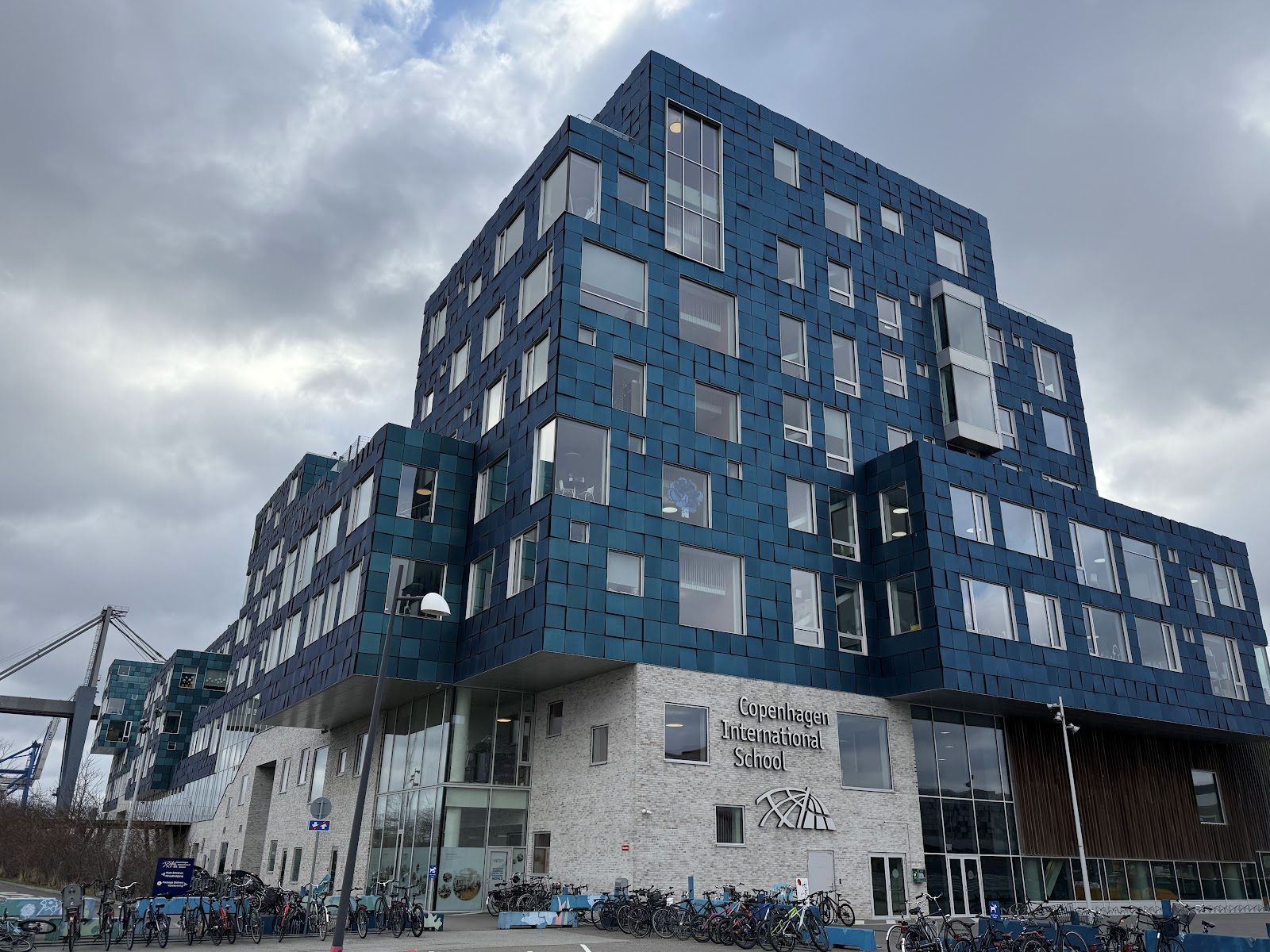
Copenhagen International School
Copenhagen · Denmark
On Copenhagen's harbour edge, an IB campus wrapped in 12,000 sea-green solar tiles powers half its own classrooms
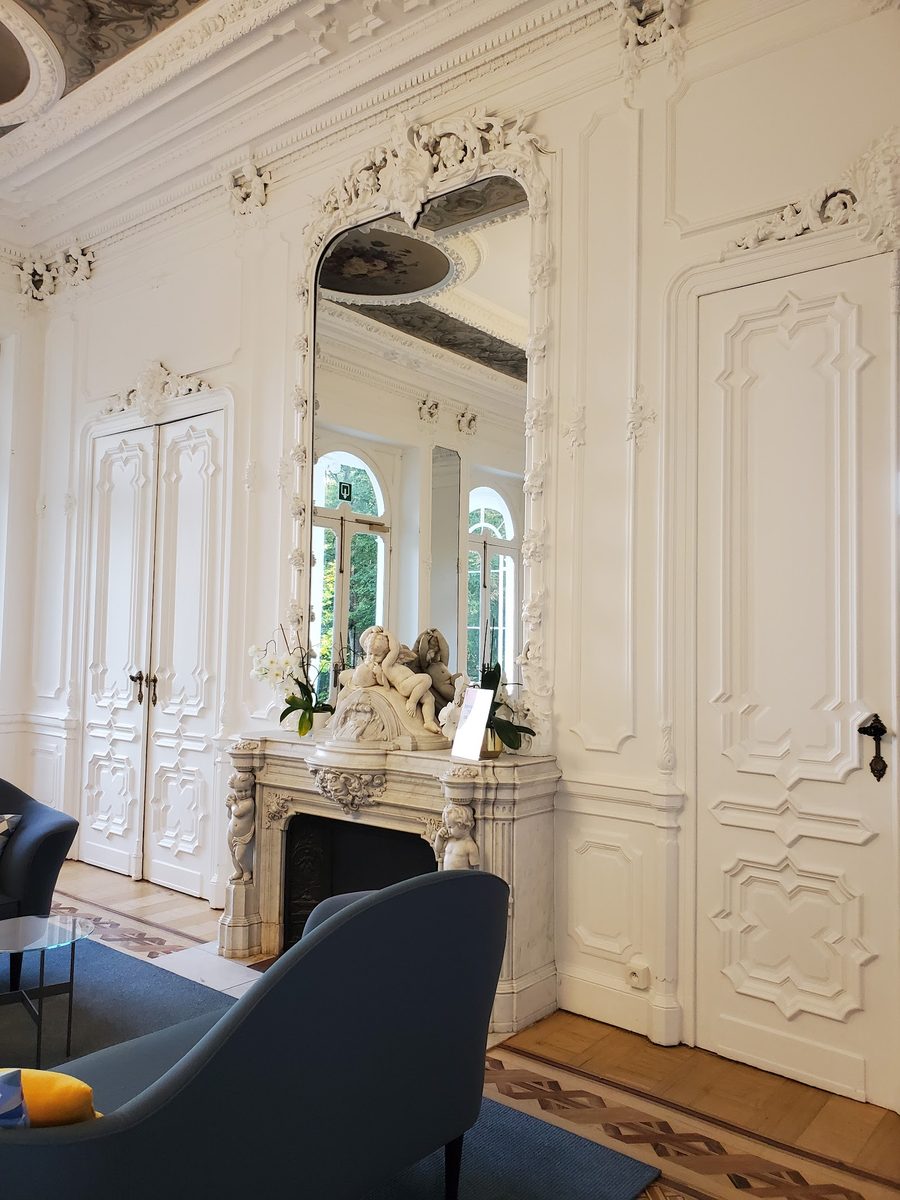
International School of Brussels
Brussels · Belgium
A 40-acre campus tucked into the Foret de Soignes beside a UNESCO site, pairing British roots with one of the world's earliest IB programmes.
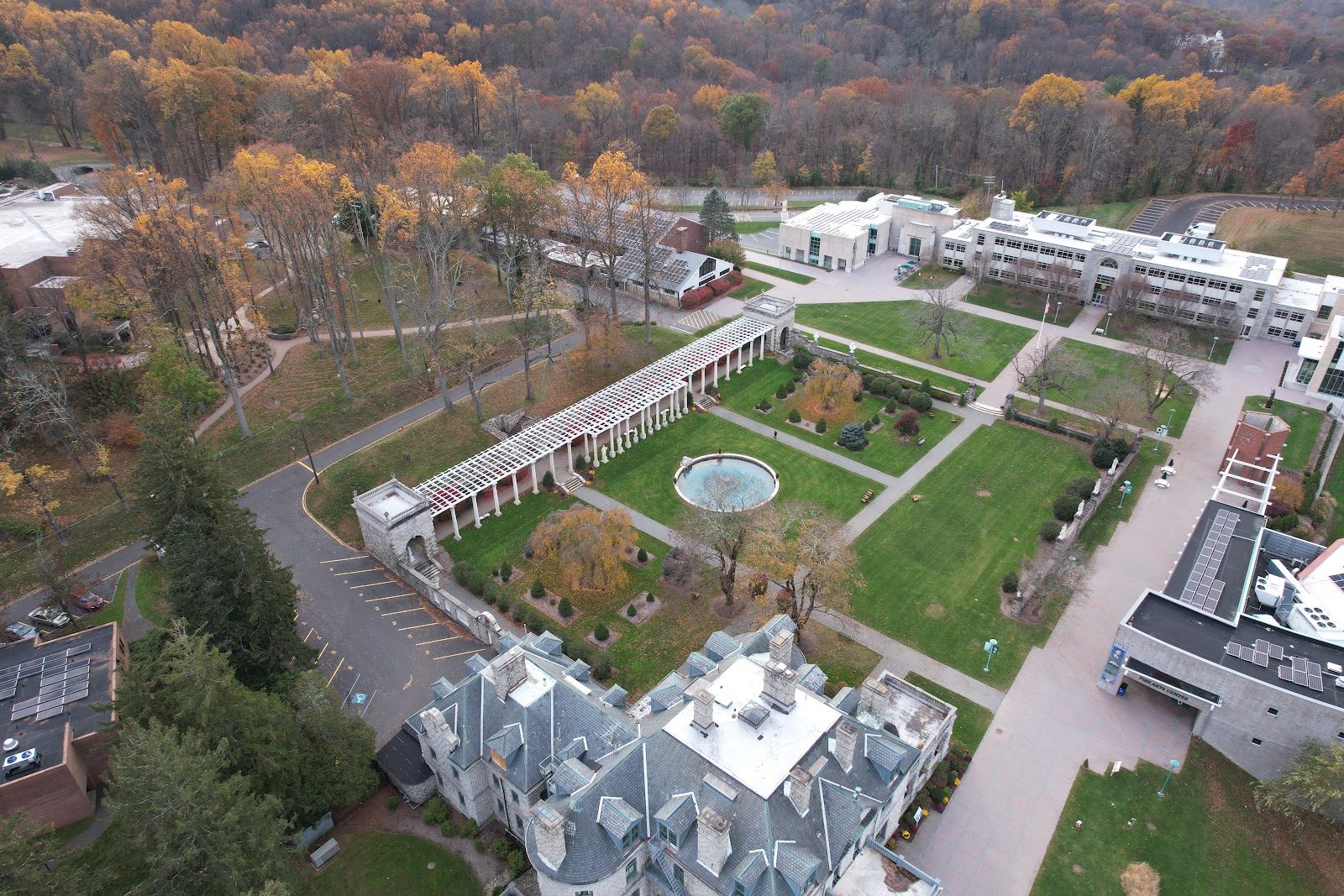
Delbarton School
Morristown · United States
On a 187-acre abbey campus outside Morristown, Benedictine monks still guide a rigorous, near-1,500-year-old liberal arts tradition.
Canford School
Wimborne Minster · United Kingdom
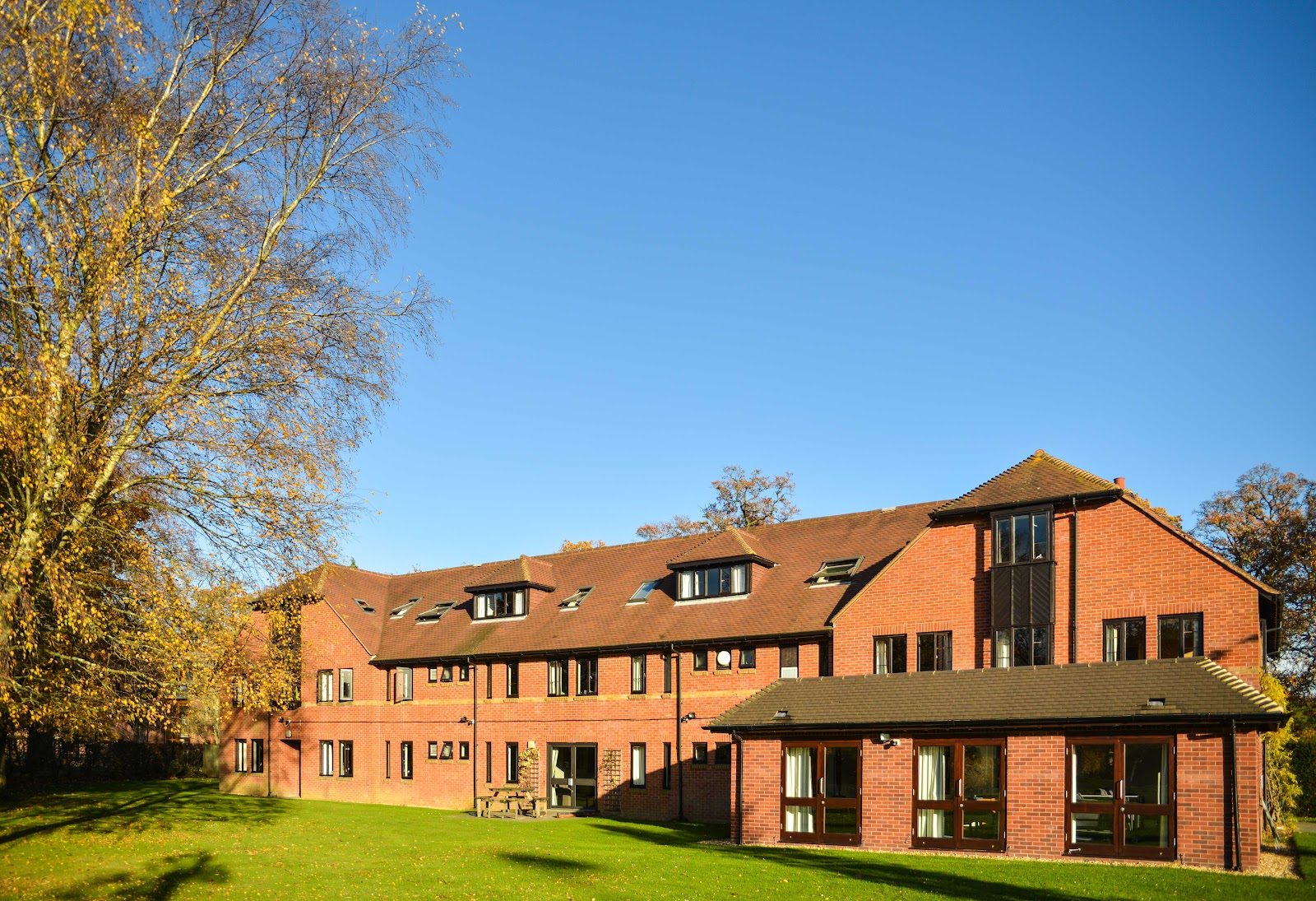
A Sir Charles Barry-designed Grade I manor on the River Stour, home to one of England's last two working real tennis courts.
Same country and curriculum — closest matches within ±10 points either way