
Setagaya-ku
St. Mary's International School
medium confidence· 4/6 cats · 1.5 avg sourcesOn a Setagaya hillside, a Catholic all-boys campus pairs an American diploma track with the IB, blending faith and rigor since 1954.
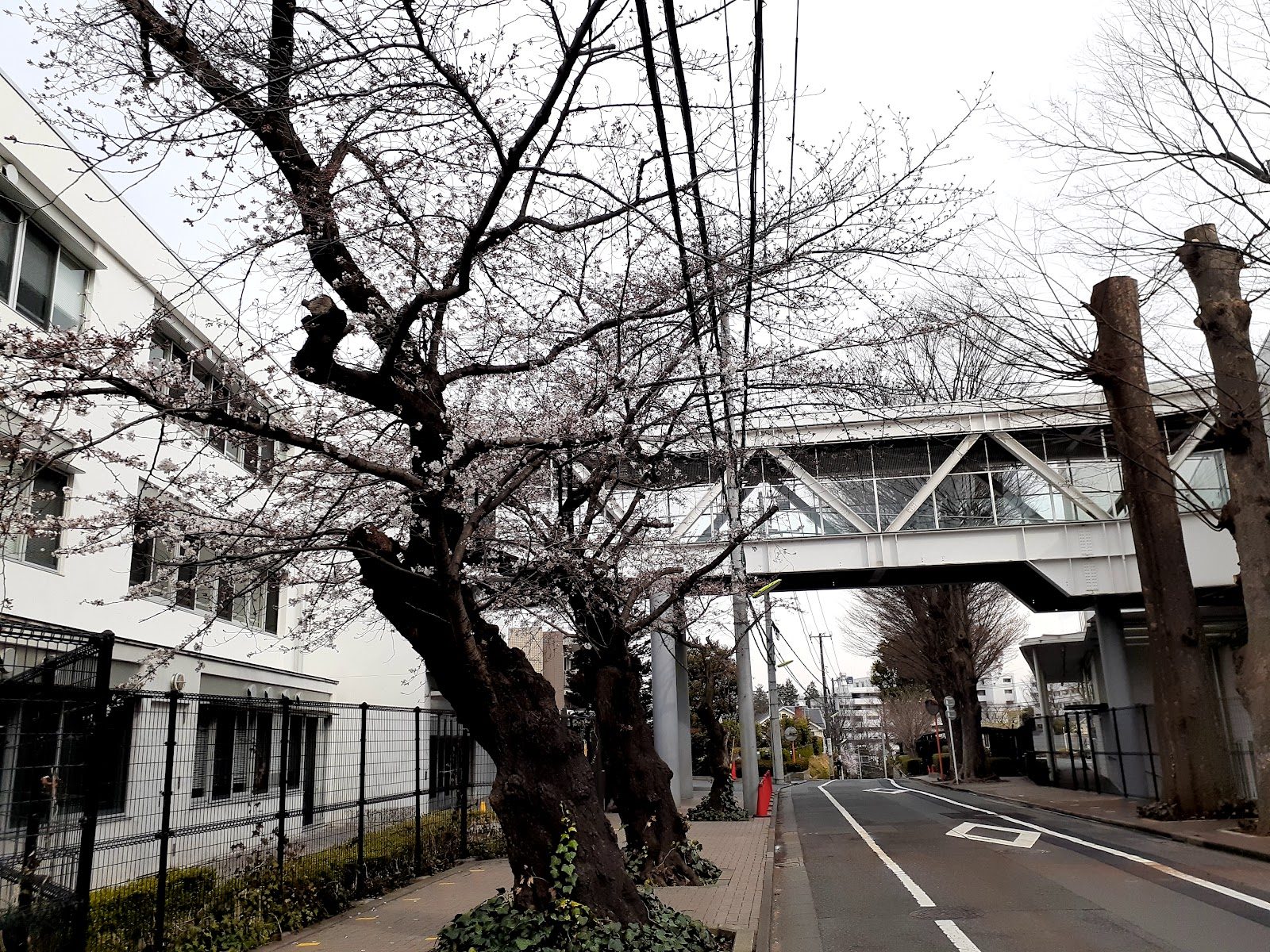
Photo © 石井一郎 via Google Maps
Type
Day
Ages
5–18
Curriculum
American · IB
Qualifications
AP · IB Diploma · US High School Diploma
Ratio
—
The Verdict
Editor's commitment
Right for
Boys aged 5–18 who want a Catholic, English-medium day school in Tokyo offering both an American curriculum and the IB.
Wrong for
Families who want co-education, boarding, or a secular ethos; St. Mary's is a Marianist Catholic boys' school founded in 1954.
Watch out for
The average annual day fee is JPY 2,960,000, and the all-boys model plus IB track make this a specific choice, not a flexible one.
Ranking breakdown
St. Mary's International School · #368 of 1591
Composite score 71.1. 8 weighted criteria.
By criterion
Academic Outcomes
Weight 20%
#450
of 1529 scored
University Placement
Weight 16%
#516
of 1529 scored
Prestige & Heritage
Weight 12%
#296
of 1571 scored
Alumni Network
Weight 12%
#195
of 1530 scored
Facilities
Weight 12%
#339
of 1533 scored
Transparency & Communications
Weight 8%
#388
of 1532 scored
Peer & Industry Review
Weight 10%
#424
of 1548 scored
Admissions Selectivity & Demand
Weight 8%
#991
of 1529 scored
Peer & Industry Review
How St. Mary's International School is regarded in the sector
78
Strong · medium confidence
St. Mary's International School Tokyo is one of Japan's oldest and most established Catholic international schools (founded 1954), consistently mentioned in expat parent forums (e.g., Tokyo Families, InterNations, GaijinPot) and specialist international-schooling directories as a top all-boys Catholic option alongside schools like ASIJ and Nishimachi. It has a notable alumni network including business leaders and is frequently referenced in discussions of long-established Tokyo international schools, though it receives less dedicated press coverage (Tatler, Good Schools Guide) compared to UK/HK-focused institutions, reflecting strong regional but not globally unanimous top-tier status.
Evidence sources
Award
Elite Entrepreneurship, Economics & Finance 60
World's Top School · The Global Ranking
St. Mary's International School is featured on our Global Top 60 ranking at #26. This seal is available for the school's marketing team to use on their website, prospectus and social channels.
Editors' overview
On a Setagaya hillside, St. Mary’s offers a combination that is still rare in Tokyo: a Catholic, Marianist, all-boys school running from age 5 to 18, taught in English, with an American curriculum alongside the IB. That mix defines the school’s market position. This is not a generic international school with a loose values statement bolted on. It is a clear-cut proposition for families who want structure, faith and academic ambition in the same place. Founded in 1954, and in Setagaya since 1971, it has long enough roots to command loyalty, but the stronger point is coherence: boys-only by design, international by intake, and explicit about character formation as well as university preparation. The school says its students come from nearly 50 countries, which matters in Tokyo, where some foreign schools can skew towards one dominant nationality mix.
What puts St. Mary’s on a serious shortlist is that the school’s identity is unusually well defined. Parents are not buying vague “global citizenship”; they are buying a specific educational model with clear boundaries. The all-boys setting will suit some families and rule it out for others. That is a strength, not a weakness. Schools with a firm view of who they are make decision-making easier. St. Mary’s also carries the accreditations parents expect in this market: WASC, CIS and IB World School status, alongside EARCOS membership in the verified context. The campus pitch is also concrete rather than ornamental: well-equipped classrooms, strong athletic facilities, and extra-curricular provision spanning athletics, fine arts and performing arts. At an average annual day fee of JPY 2,960,000, it sits in the expensive bracket, so families are entitled to demand both academic rigour and a properly broad school day.
The right student for St. Mary’s is a boy who thrives with expectation, routine and a distinct moral framework, and who wants a school that treats scholarship, sport and conduct as parts of the same project. It will appeal to internationally mobile families who want an English-medium education with an American diploma track and the option of the IB, and to Catholic families who want faith to have a real place in school life rather than a ceremonial one. It will appeal less to children who want a looser, more progressive culture, or to families unwilling to choose a single-sex environment. St. Mary’s earns attention because it is purpose-built, academically serious and not for families seeking ambiguity.
An Elite Entrepreneurship, Economics & Finance 60 school
St. Mary's International School in Tokyo, Japan, sits at rank twenty-six on the Elite Entrepreneurship, Economics & Finance 60. The anchor fact is externally judged rather than self-reported: two students from the school's Entrepreneurship Club were awarded a Conrad Challenge Innovator Award, a top-ten-percent global distinction, for EverLink, a solar-powered emergency communicator built on a two-way messaging protocol that works without Wi-Fi. That is an independently adjudicated result from an international innovation competition, not a school-issued prize, and it is the verified outcome behind this placement.
The architecture behind it is honest rather than inflated. There is no confirmed Bloomberg terminal, real-money student investment fund, or named head of a dedicated Business and Entrepreneurship department at St. Mary's. What exists is a student-founded Entrepreneurship Club running alongside the standard IB Diploma curriculum, which entered the Conrad Challenge and produced a genuine Innovator Award finalist, and which is now preparing entries for the Blue Ocean Entrepreneurship Competition and the Diamond Challenge. That is a modest, growing venture-creation track layered on top of ordinary IB coursework rather than a relabelled economics elective, and it is the real reason this school appears on this list at all.
Notable alumni specifically in finance, entrepreneurship or economics are still emerging from this pipeline. Searches surfaced an active, mentorship-minded alumni network and a school board that includes senior finance professionals, but no individually verifiable founder, CFO or economist tracing their entrepreneurial grounding to a St. Mary's classroom. What is verifiable is the competition record itself: the EverLink team's Conrad Challenge Innovator Award stands as the clearest recent proof point, alongside this year's planned Blue Ocean and Diamond Challenge entries.
International openness here is day-school functional rather than boarding-based. St. Mary's does not itself sponsor visas, so relocating families typically arrange a parent's work or dependent visa. Admission runs on transcripts, standardized test results, a screening test and a parent-and-student interview, with English-medium schooling history generally expected for older applicants and ESL support integrated for boys still building proficiency. Annual tuition runs from roughly 2,700,000 yen in elementary to 2,850,000 yen in high school, plus a one-time 1,000,000 yen development fund and application fees. Overseas parents should start applications and visa arrangements six to nine months before the August intake, and should treat the Entrepreneurship Club's competition calendar, not the IB course catalogue, as the honest reason to consider this school for a finance-minded son.
Academic Performance
St. Mary’s does not publish the hard outcome data that would settle the academic question cleanly. We have not seen aggregate IB averages, diploma pass rates, score distributions, AP results, SAT ranges, or university destination tables with enough detail to benchmark the school against Tokyo’s top academic internationals. That opacity matters. In this market, schools asking families to trust an academically serious proposition need to show the numbers. St. Mary’s prefers broad claims about admissions to strong universities and the rigour of its pre-university pathway. Those claims are not a substitute for published performance. On external results, the school sits in a hard-to-rank category: credible, established, but insufficiently transparent.
That does not mean weak academics. The school’s long-standing reputation, selective all-boys identity and dual American/IB structure place it in the part of the market where expectations run high and examination performance matters. A school serving boys through the full ladder, with an explicitly demanding culture and an international cohort drawn from nearly 50 countries, attracts families who care about university readiness, not just atmosphere. Relative to peers, St. Mary’s fits best as a serious but data-light option: stronger in institutional confidence than in public disclosure. Parents comparing it with the most results-transparent schools in Tokyo should press for recent IB outcomes, cohort sizes, score spread, and destination patterns before treating it as a proven top-tier academic performer.
Facilities
Facilities are one of St. Mary’s clearer selling points. The school is explicit about well-equipped classrooms and first-rate athletic facilities, and that matters more here than glossy architecture. On a single campus serving boys from the early years through graduation, parents want spaces that can absorb daily sport, assemblies, performances and ordinary classroom life without strain. St. Mary’s also points to provision for athletics, fine arts and the performing arts, which gives the school a broader functional range than the many Tokyo internationals that lean heavily toward either academics or sport and leave the arts in second place. The campus’s safe and modern framing is standard school language, but the combination of sport and arts infrastructure carries more weight because it matches the school’s all-round, high-expectation model.
Against peers, the verdict is solid rather than spectacular. There is enough here to place St. Mary’s above city schools working with tighter urban footprints and thinner sports provision. Families prioritising outdoor sport, competitive athletics and a full school-day rhythm will read this campus as a serious operational asset. The limit is detail: the school does not publish the kind of facility inventory that top schools now use to prove the point — no clear breakdown of specialist labs, theatre capacity, maker spaces, music suites or standout design features. That leaves St. Mary’s in the credible but under-documented bracket on facilities: strong where it counts, short on hard specifics that would elevate it into the top architectural tier.
Mary’s on a serious shortlist is that the school’s identity is unusually well defined
Prestige
St. Mary’s carries real prestige in the Tokyo international market, but it is a specific form of prestige rather than a universal one. The school benefits from longevity, a tightly defined identity and an intake drawn from nearly 50 countries, which gives it social and institutional weight. Among families who want an all-boys education with a Catholic frame and serious university ambition, St. Mary’s sits in the first-rank conversation. Its appeal rests on clarity: it knows exactly which families it wants and does not dilute the offer to please everyone. That sharpness itself confers status. In a crowded market, schools gain prestige when they are selective in character as well as admissions, and St. Mary’s has that self-possessed quality.
The limit on its prestige is public proof. Elite standing today depends not only on reputation and university placements, but on published outcomes that withstand comparison. St. Mary’s does not disclose enough aggregate results for parents to rank it cleanly against the most transparent academic internationals. That keeps it out of the indisputable top tier on evidence, even if its name carries force and its fees demand high expectations. At an average annual fee of JPY 2,960,000, families are paying for established standing, strong peer culture and a school with a distinct social identity. They are not getting the level of published academic disclosure that the strongest prestige schools now treat as standard.
That keeps it out of the indisputable top tier on evidence, even if its name carries force and its fees demand high expectations
Communications
St. Mary’s communicates with parents in the way many long-established schools do: with confidence, order and a clear sense that the institution sets the tone. The public-facing message is tightly controlled. Parents get a strong outline of the school’s values, its all-boys focus, its international intake from 50 countries, and the breadth of school life beyond lessons. That gives families a coherent picture of what the school stands for. It does not, however, amount to deep operational transparency. We have not seen the richer parent-facing detail that marks out the best communicators: published academic dashboards, granular breakdowns of outcomes, or a strong bank of hard evidence answering the obvious parental questions before they need to be asked. The communication style is disciplined and institution-first.
That approach will work well for families who value certainty, hierarchy and a school that speaks with one voice. It will frustrate parents who want fuller disclosure and more data in the public domain. The school’s messaging is strongest on identity and weakest on proof. That matters because communication is not only about tone; it is also about what a school is willing to disclose when fees average JPY 2,960,000 a year. On that test, St. Mary’s lands in the competent but guarded bracket: clear about mission, less convincing on evidence, and short of the best-in-class openness now expected by exacting international families.
Uniqueness
What sets St. Mary’s apart is not novelty for its own sake, but a rarely this coherent combination of choices that many schools avoid. It is a boys’ school, Catholic in ethos, international in intake, and unapologetic about linking character, discipline and academic ambition. Most schools mix those elements loosely. St. Mary’s binds them into one operating model. For the right family, that clarity is a real advantage. Boys who do well here get a school day built around how the school believes boys learn and mature, with expectations around conduct and mutual respect woven into the ordinary fabric of school life rather than left as assembly rhetoric. The breadth of nationalities — close to 50 countries — also matters: students grow up in a setting that is outward-facing without becoming culturally vague.
That combination brings a distinct kind of education. Students get the focus and camaraderie of a single-sex environment without the insularity that can plague narrower schools, and they get a moral framework that is explicit rather than decorative. Add the school’s investment in athletics, fine arts and performing arts, and the result is a place that treats formation as more than exam preparation. That will suit boys who benefit from structure, routine and a firm institutional identity. It will not suit every child. Families wanting a looser culture or a deliberately progressive social model should look elsewhere. St. Mary’s is distinct by conviction, and students who fit that conviction can flourish in it.
This is not a generic international school with a loose values statement bolted on
Student Profile
The boy who fits St. Mary’s best is one who does not need a school to negotiate with him all day. This is a place for students who can live comfortably inside a structured, adult-led culture where conduct, effort and respect are part of the deal, not optional extras. The all-boys setting will reward boys who enjoy direct competition, energetic school life and strong peer bonds, and it will suit families who want that dynamic on purpose rather than by accident. The school’s Catholic Marianist frame also matters to fit. Students do not need to arrive as doctrinal zealots, but they do need tolerance for a school that treats values formation seriously. Boys who want a looser, more self-invented adolescent experience will find the culture constraining.
The international intake gives the student body a wider social range than narrower embassy or single-nationality schools, with pupils drawn from nearly 50 countries. That breadth suits internationally mobile families and boys who are socially adaptable, curious about people unlike themselves, and able to find their place in a community with clear rules. The strongest fit is a student who wants more than classroom success: sport, the arts, public participation and visible contribution to school life all carry weight here. Quiet boys can do well, but passive boys will struggle. St. Mary’s suits students who respond to high expectation, collective identity and a school that asks them to grow up with discipline.
It is a clear-cut proposition for families who want structure, faith and academic ambition in the same place
Co-curricular strengths
Arts & sport, on a separate axis
Overall 8.12/10
Scored 0-10 from the school's own published evidence. This axis is editorial-only — it does not feed the main WTS ranking.
Sports
8.8/10
Drama
8.6/10
Dance
5.8/10
Music
9.2/10
Visual Arts
8.2/10
Editor first-pass · editor-reviewable · 7/30/2026
Strengths
- +Founded in 1954 by the Brothers of Christian Instruction as a Catholic school for boys, making it one of Tokyo's longest-established international schools, now accredited by both WASC and CIS.
- +The school offers a challenging, college preparatory American/international curriculum which culminates in the International Baccalaureate Diploma Programme in grades 11-12.
- +Facilities feature modern classrooms, a 25-meter swimming pool, a cafeteria, a gymnasium, tennis courts, a soccer field, a theater, and playgrounds on a purpose-built Setagaya campus.
- +Students and faculty come from over 45 countries, fostering a global community within the school, giving genuine international diversity within the all-boys setting.
- +With over 100 sports, arts and extracurricular activities, the school has one of the largest, most diverse offerings amongst international schools in Tokyo.
Considerations
- −The school is single-sex, admitting boys only, so it is not an option for families seeking co-education or for daughters.
- −In 2014, multiple allegations of historical sexual abuse emerged against members of the school's religious staff, and the school set up an investigative panel in October 2014 whose findings were not made public at the time -- a safeguarding history families should research independently.
- −Some independent reviews note that EAL support is limited in Grades 9-10, and there is no such support for students entering Grade 11 when the IB Diploma Programme begins, with near-native English proficiency required, which can be a barrier for late-arriving expat families.
- −Tuition for 2024-25 runs approximately ¥2,400,000-¥2,700,000 annually depending on grade level, plus separate building fee, capital levy and deposits, putting it at the higher end of Tokyo school costs.
Availability
Primary entry gate & tests
Academic Record (Boys)
Gallery
Photo © The Wandering Boy via Google Maps
Photo © The Wandering Boy via Google Maps
Photo © S. Lajoie via Google Maps
Photo © Kai Aoi via Google Maps
Photo © Kai Aoi via Google Maps
Parent reviews
Have you sent your child here?
Voice reviews carry the strongest trust badge — we transcribe them for you to tidy up before they go live. Prefer to type? A written review is fine too.
Add your voice
In 60 seconds, tell other parents: what's the best thing about St. Mary's International School, and what surprised you when your child joined?
We ask for a Google sign-in so every review has a real face behind it — no anonymous drive-by attacks on schools, and no faked positive reviews. Your email is never shown publicly.
Send this profile to a friend
International parents rely on word-of-mouth. Share this review with someone weighing the same decision.
Schools with places
Similar schools to St. Mary's International School with places available now.
International School of the Sacred Heart
Tokyo · Japan
- 2026-27
- WAITPOOLSpace-dependent
- 2027-28
- PLACES OPENRolling
K. International School Tokyo
Tokyo · Japan
- 2026-27
- WAITPOOLSpace-dependent
- 2027-28
- PLACES OPENRolling
Kaisei Academy
Tokyo · Japan
- 2026-27
- CLOSEDStandard route
- 2027-28
- OPENS SOONOpens Late '26
Seisen International School
Tokyo · Japan
- 2026-27
- WAITPOOLSpace-dependent
- 2027-28
- PLACES OPENRolling
Availability first, then country, area, curriculum, price, co-curricular
Consider also
Also worth looking at alongside St. Mary's International School.
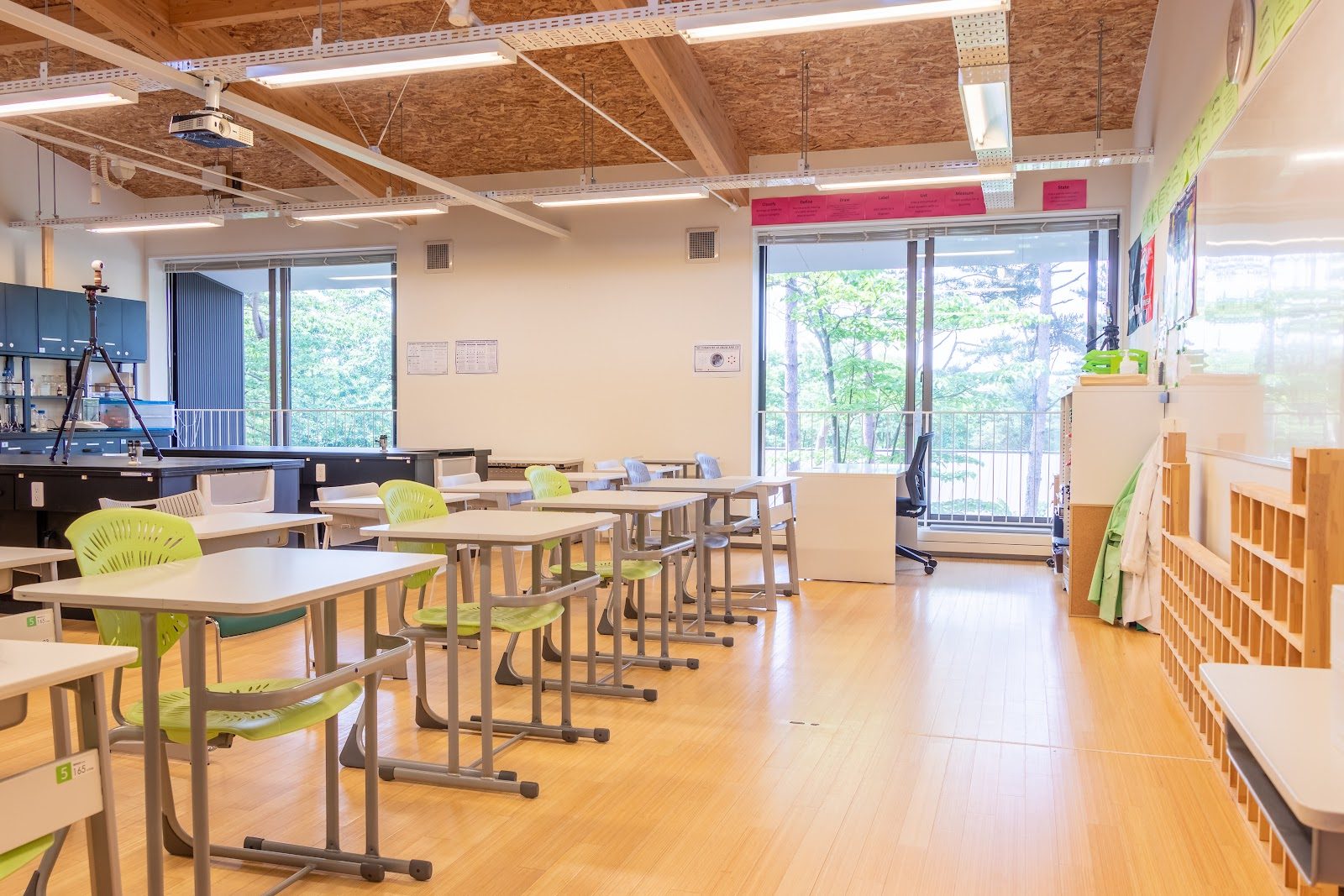
UWC ISAK Japan
Karuizawa · Japan
Japan's only UWC campus, tucked on Mount Asama, where seven in ten students study on need-based scholarship.
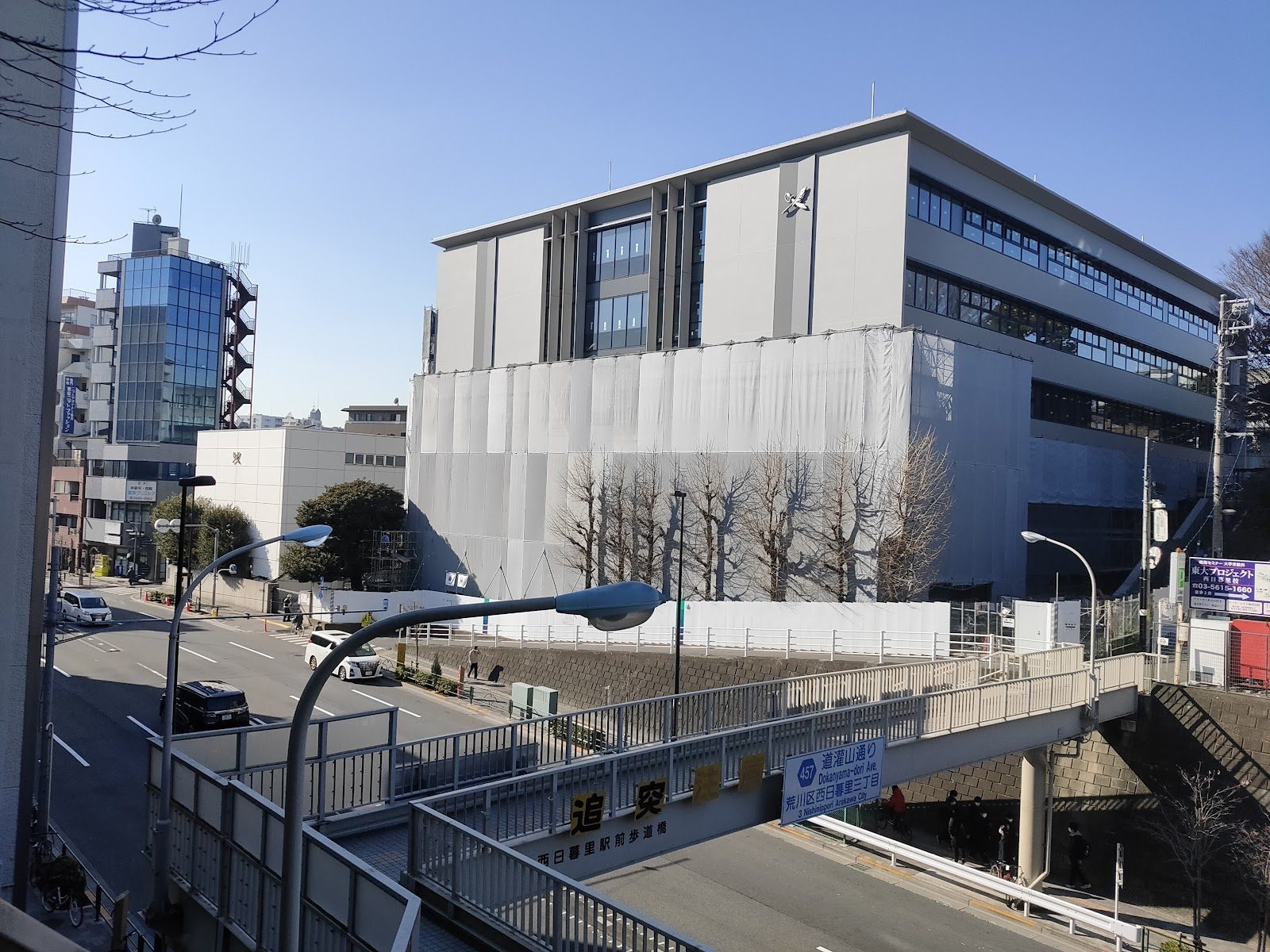
Kaisei Academy
Tokyo · Japan
An 1871 all-boys day school in one of Tokyo's densest wards, a perennial University of Tokyo feeder now adding IB and AP tracks abroad.
Nada High School
Kobe · Japan
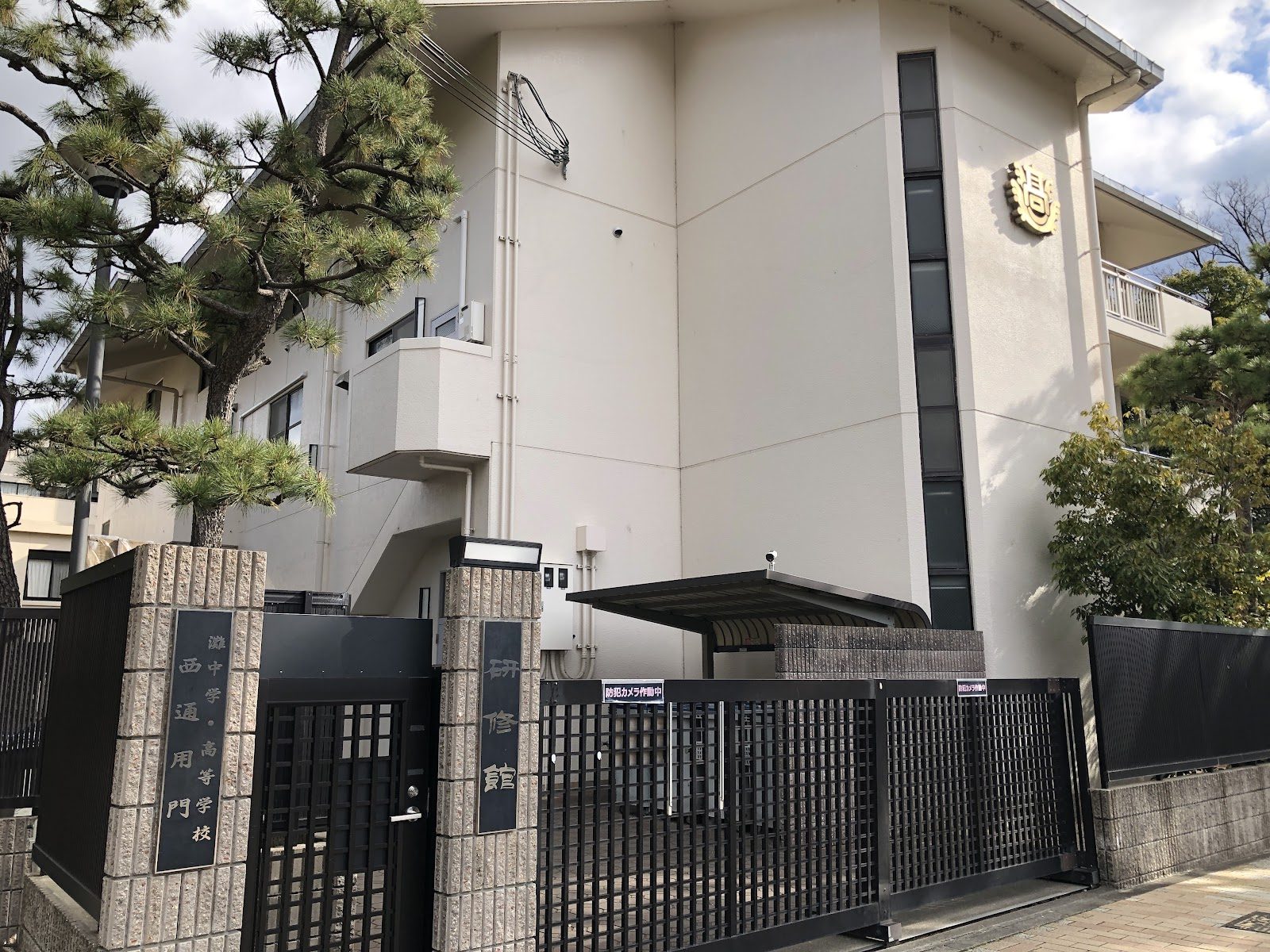
Founded by Kobe sake brewers with judo's creator as an advisor, this uniform-free campus channels students straight into Tokyo and Kyoto University.
The American School in Japan
Tokyo · Japan
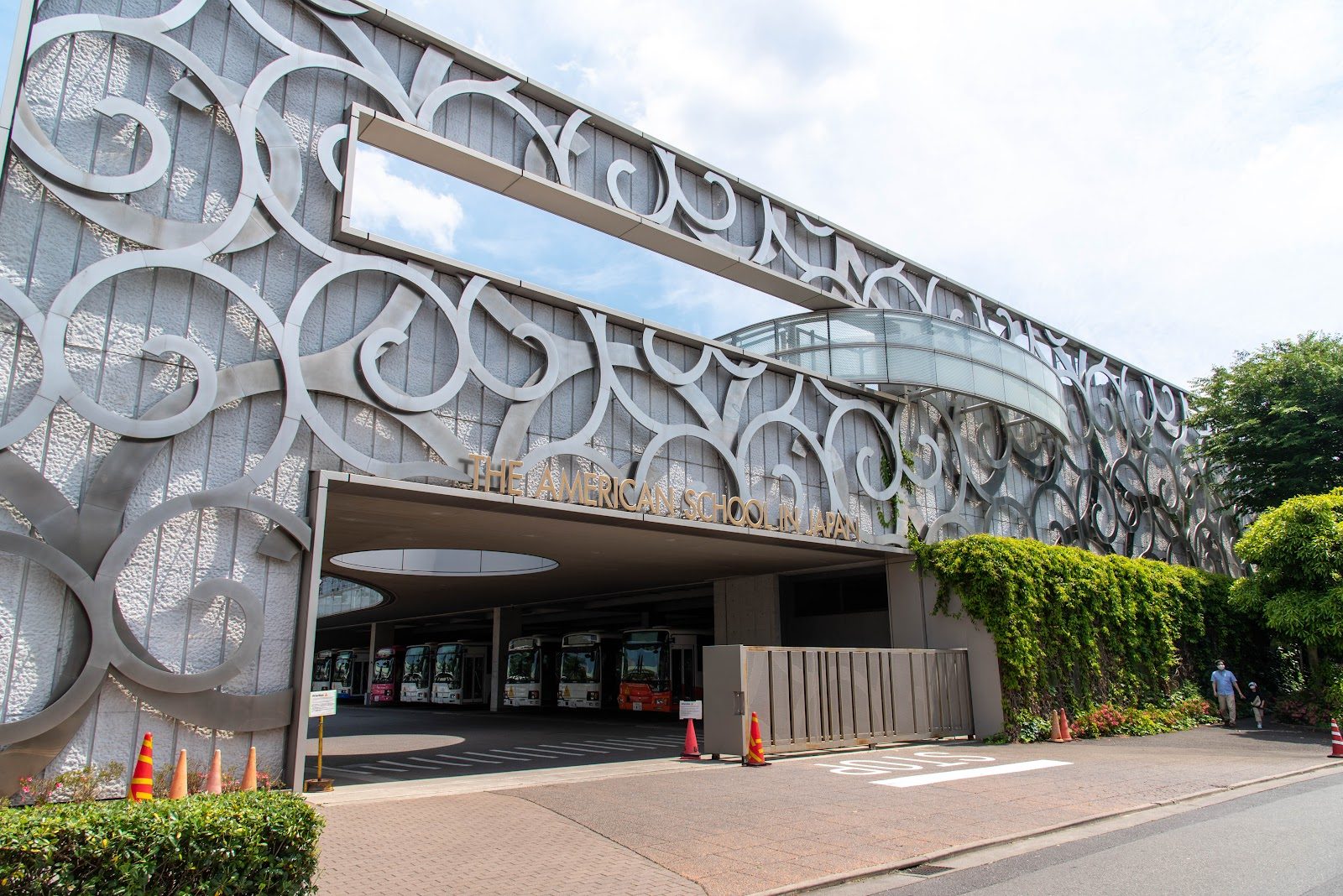
Rooted in Chofu since 1902, its early campus plans once drew sketches from Frank Lloyd Wright himself.
Same country and curriculum — closest matches within ±10 points either way