
Dublin
On a 56-acre seaside campus, Spiritan roots from 1860 underpin a rugby dynasty with a record 72 Leinster Schools Cup titles.
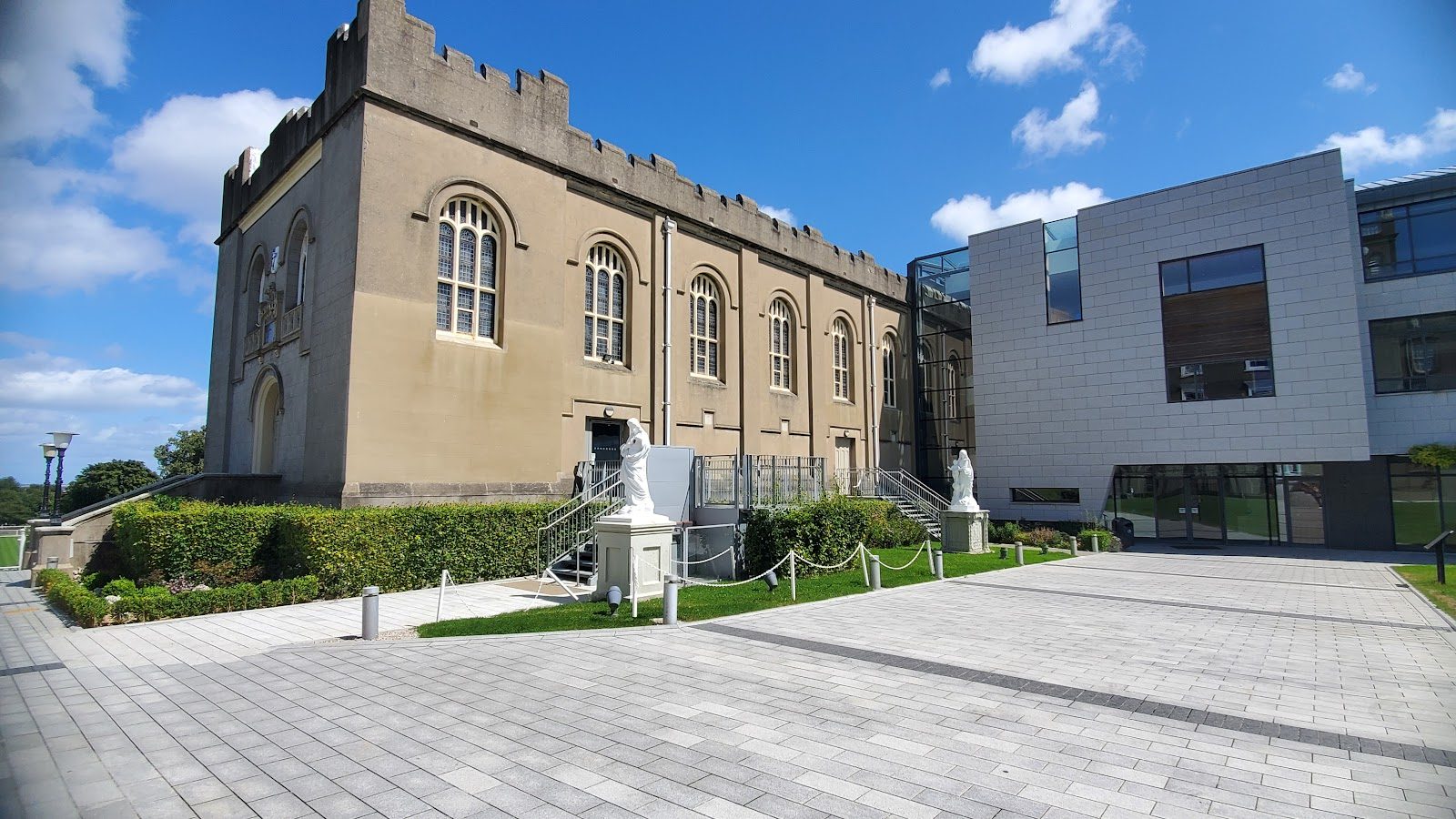
Photo © gang wu via Google Maps
Type
Both
Ages
12–18
Curriculum
Leaving Certificate
Ratio
—
The Verdict
Editor's commitment
Right for
Boys 12–18 who want Catholic schooling on a 56-acre seaside campus, with boarding and the Leaving Certificate in English.
Wrong for
Girls, families wanting a coeducational sixth form, or anyone seeking a non-Catholic school: Blackrock is a boys' Spiritan secondary founded in 1860.
Watch out for
The rugby aura is real: 72 Leinster Schools Cup titles can define the culture, and the school does not publish aggregate Leaving Certificate results.
Ranking breakdown
Blackrock College · #84 of 1591
Composite score 78.3. 8 weighted criteria.
By criterion
Academic Outcomes
Weight 20%
#147
of 1529 scored
University Placement
Weight 16%
#219
of 1529 scored
Prestige & Heritage
Weight 12%
#53
of 1571 scored
Alumni Network
Weight 12%
#14
of 1530 scored
Facilities
Weight 12%
#70
of 1534 scored
Transparency & Communications
Weight 8%
#62
of 1532 scored
Peer & Industry Review
Weight 10%
#12
of 1548 scored
Admissions Selectivity & Demand
Weight 8%
#1232
of 1529 scored
Peer & Industry Review
How Blackrock College is regarded in the sector
88
Strong · high confidence
Blackrock College is consistently cited in Irish media as one of the country's most prestigious fee-paying schools, renowned for its rugby pedigree (Leinster/Ireland internationals) and elite alumni network including former Taoiseach Leo Varadkar and numerous business and legal leaders. It regularly appears in Irish Times/Sunday Independent 'feeder school' rankings for university progression and is a perennial benchmark among Dublin's south-side private schools alongside Gonzaga and St Michael's.
Evidence sources
Editors' overview
Blackrock College trades on history, land and tribe. Founded in 1860 and set on a 56-acre seaside campus in Blackrock, it offers a version of Irish Catholic schooling with real institutional weight: Spiritan roots, a long memory, and a culture shaped as much by house identity and sport as by classroom life. This is not a polished international-school hybrid. It is an old Irish school with a strong sense of itself, and that is the point. For parents who want tradition with backbone, institutional confidence and a school where the social fabric matters as much as the timetable, Blackrock earns a place on the shortlist.
Its clearest market distinction is rugby. The line about a record 72 Leinster Schools Cup titles does serious work because it signals more than athletic success: it points to a school where competition, loyalty and collective identity run deep. That will attract boys who want hard-edged camaraderie, who enjoy organised sport, and who thrive in environments with visible norms and expectations. The campus breadth also matters. A school with boarding, extensive activities, a medical centre, counselling and career guidance, orchestra and choirs, drama, charitable work and a library/creative arts and digital learning centre offers a full adolescent ecosystem rather than a narrow academic shopfront. Blackrock has scale and reach.
Parents should also read the proposition clearly. This is a Catholic school for boys, teaching in English and following the Leaving Certificate. Families seeking a co-educational setting, a secular ethos, or an explicitly progressive culture on discipline and identity will find a mismatch. Blackrock suits students who can handle strong institutional culture, competitive energy and the social intensity that comes with an established boys’ school. The best fit is a boy who wants belonging, structure and a busy school life, whether through rugby, music, service, boarding or the daily routines of a place with deep habits. What is special here is not novelty. It is permanence, ritual and allegiance, and a campus culture that still carries force.
Academic Performance
Blackrock does not publish aggregate Leaving Certificate results in the public domain. That is a real weakness. For a school with this level of brand recognition and social confidence, the absence of headline attainment data leaves parents judging academic strength through reputation, subject breadth and institutional culture rather than hard outcomes. The school does list a serious academic infrastructure — counselling and career guidance, a pastoral department, night study, a library/creative arts and digital learning centre, and a full spread of core subjects plus options from Latin to agricultural science and physics — but provision is not the same thing as proof. In a market where stronger schools increasingly disclose progression patterns or top-grade profiles, this opaque patch matters.
Relative to Irish peers, Blackrock fits the category of established fee-charging schools whose examination performance is assumed to be strong, but assumption is not enough. The school’s depth of timetable and study support points to a well-resourced academic operation, and its entrenched culture of standards and competition will suit boys who respond to pressure and structure. That said, parents looking for cold academic evidence will find less than they should. The picture here is of a school where academic performance sits inside a bigger institutional model rather than dominating it. For some families that balance is a strength; for others it is a clear blind spot.
Facilities
The facilities picture is broad and purposeful rather than flashy. The school lists a medical centre, counselling and career guidance, a library/creative arts and digital learning centre, catering, physiotherapy and night study, alongside dedicated departments for art, music, science, home economics and technical subjects. That matters because it points to a campus built for full-spectrum adolescent management, not just lesson delivery. Boarding also changes the standard: once a school houses boys as well as teaches them, health provision, study supervision and pastoral logistics stop being optional extras. Against Irish fee-charging peers, that places Blackrock in the serious operational bracket. Many schools offer good classrooms and decent sports grounds; fewer assemble this level of support infrastructure in one place.
The strongest edge still sits outside the classroom. Sport has institutional weight here, and the presence of physiotherapy signals a programme with high-performance intent rather than casual participation. Add orchestra and choirs, drama, charitable activities, student committees and environmental work, and the campus reads as a densely programmed ecosystem with boys kept busy, monitored and absorbed. Peer schools with stronger public-facing arts centres or newer specialist buildings may beat Blackrock on polish. Blackrock’s advantage is range, land and embedded use. This is a school where facilities are tied into habit and identity, not left as brochure filler. For parents, that translates into a heavily structured daily life with more institutional depth than many rivals can match on a single site.
In a market where stronger schools increasingly disclose progression patterns or top-grade profiles, this opaque patch matters
Prestige
Blackrock carries top-tier domestic prestige in Ireland. The signal does not rest on glossy claims or international branding; it rests on social recognition that has built over generations and still has force. In Irish terms, this is a school name with reach well beyond education: families know it, universities know it, employers know it, and the old-boy network still matters. Its rugby record — 72 Leinster Schools Cup titles — is not a decorative fact. It functions as a proxy for status, competitiveness and institutional confidence, and it has helped turn the school into one of the country’s most recognisable boys’ schools. For many Irish parents, Blackrock sits in the small group of schools whose names carry instant class signals.
That prestige has limits, and they are worth stating plainly. It is strongest in Ireland and among families who value Catholic tradition, male schooling and established social networks. It carries less weight for parents who prize international exam transparency, progressive identity politics or a global-school profile over local reputation. The school’s cultural authority is *old-establishment rather than modern-cosmopolitan*. That remains powerful, but it is also selective: Blackrock impresses most in circles that admire institutional heft, sporting mythology and durable connections. We rate its prestige highly because the brand is entrenched, recognisable and socially useful, not because the school publishes exceptional academic proof.
We rate its prestige highly because the brand is entrenched, recognisable and socially useful, not because the school publishes exceptional academic proof
Communications
Blackrock communicates like an established institution that expects parents to work within its systems. The public-facing structure is clear enough: a parents’ area, calendar, payments portal, contact routes, prospectus, policy statements, catering menu, news bulletin and links to Edulink and Office 365. That covers the operational basics and points to a school that runs on scheduled information rather than constant hand-holding. Parents can find the practical architecture of school life without much digging. The tone, though, is institutional rather than warm. This is administrative communication first, relationship-building second. Families who value firm structures and are happy navigating portals, notices and formal channels will cope well. Families who want frequent explanation, interpretive guidance or a more conversational style will find it impersonal.
What weakens the communications picture is not lack of channels but lack of transparency where it matters most. The school publishes plenty on activities, structures and student life, but not the aggregate academic outcomes many parents now expect. That gap matters because communication is not just about sending notices; it is about disclosing the information that allows proper scrutiny. Blackrock’s website gives a solid sense of machinery and tradition, but less of accountability. For current-parent logistics, the system looks competent and orderly. For prospective parents trying to judge educational performance with precision, it is too controlled and leaves key questions unanswered.
Uniqueness
What marks Blackrock out is not one feature but a tight institutional blend: an old Spiritan boys’ school, a boarding school, and one of Ireland’s defining rugby machines, all on one campus. Plenty of schools have tradition; fewer convert it into daily social force. Here, sport, worship, pastoral oversight, house identity, committees, music, charity work and supervised study sit inside the same frame. That gives boys a school life with strong internal gravity. The result is tribal belonging on a scale most schools cannot manufacture. The record 72 Schools Cup titles matter because they reinforce a shared myth of standards, toughness and loyalty. For the right student, that is energising. He joins something bigger than his own timetable.
What students gain is clarity. Expectations are visible, routines are established, and there are multiple routes into status beyond the classroom alone: through rugby, orchestra, drama, service, leadership groups or simply handling the demands of a high-pressure adolescent ecosystem. The school also has the operational depth to sustain that model, with medical, counselling, physiotherapy and study support woven into daily life. That combination produces boys who are used to structure, team hierarchy and institutional commitment. It also narrows the fit. Blackrock is not a neutral environment and does not try to be one. Its distinctiveness lies in giving boys an immersive, tradition-bound formation with real social force, not a flexible choose-your-own-schooling experience.
Its distinctiveness lies in giving boys an immersive, tradition-bound formation with real social force, not a flexible choose-your-own-schooling experience
Student Profile
The boy who fits Blackrock wants structure, hierarchy and a busy day. He does not need constant reassurance and he does not need school life tailored around individual preference. He is comfortable joining an institution that already knows what it values. Sport will matter for many boys here, not only at the elite end but as part of the social order, and rugby carries unusual force. A student who enjoys hard-edged camaraderie, accepts correction, and can live inside visible expectations will find traction. Boys who like organised activity beyond sport also have room to build status through music, drama, service, committees and supervised study. This is a school for students who gain confidence from clear norms and collective identity, not from looseness or self-invention.
The less suitable student is easy to identify. A boy who wants a soft-touch environment, resists authority, or dislikes competitive peer cultures will feel the pressure quickly. The same goes for families looking for a highly personalised, emotionally interpretive style of schooling. Blackrock has too much institutional weight for that. Its scale of activities and support services gives boys multiple ways in, but the culture still asks them to adapt to the school rather than the other way round. For the right student, that produces deep belonging and real resilience. For the wrong one, it becomes socially unforgiving. The best fit is a boy who wants to be part of something established, demanding and bigger than himself.
Blackrock College trades on history, land and tribe
Co-curricular strengths
Arts & sport, on a separate axis
Overall 7.78/10
Scored 0-10 from the school's own published evidence. This axis is editorial-only — it does not feed the main WTS ranking.
Sports
9.4/10
The profile explicitly calls Blackrock College 'Ireland's leading rugby feeder,' which is strong sport-specific pedigree and recurring competitive reputation supporting a notable-strength score.
Drama
8.1/10
Dance
5.5/10
Music
8.7/10
Visual Arts
7.2/10
Editor first-pass · editor-reviewable · 7/30/2026

WTS 300 badge
2026/27 editionBlackrock College is one of the World's Top 300 Schools for 2026/27. Claim your listing to add it to your site →
Strengths
- +One of Ireland's most successful rugby schools, with alumni including Brian O'Driscoll, Fergus Slattery and Leo Cullen who went on to play for Ireland and the British & Irish Lions.
- +Sits on a 56-acre campus on Dublin Bay, four miles from the city centre, with facilities including a swimming pool, athletics track, squash courts and 11 sports pitches.
- +Offers a broad co-curricular programme beyond sport, including chess, debating, Model United Nations, choir and Young Scientist participation.
- +Structured feeder pathway through Willow Park Junior and Senior Schools gives continuity of education from early primary years through to Leaving Certificate.
- +Bursary and scholarship schemes, including the Access Blackrock Bursary Programme and a Trinity Scholarship covering full fees and board, exist for talented students who might not otherwise afford the fees.
Considerations
- −Single-sex boys' school, so it is not an option for families seeking co-education at second level.
- −Boarding has been in decline, with the college now predominantly a day school and boarding numbers reduced to a small cohort of roughly 90 students.
- −Admissions favour boys from Catholic families sharing the Spiritan ethos and those progressing from the Willow Park feeder school, which can narrow the practical route in for outside applicants.
- −The school's identity is heavily bound up with its rugby tradition, which may not suit families or boys with little interest in the sport's outsized role in school culture.
Availability
Primary entry gate & tests
Waitlist/Record (Boys)
Gallery
Photo © gang wu via Google Maps
Photo © gang wu via Google Maps
Photo © gang wu via Google Maps
Photo © gang wu via Google Maps
Photo © gang wu via Google Maps
Parent reviews
Have you sent your child here?
Voice reviews carry the strongest trust badge — we transcribe them for you to tidy up before they go live. Prefer to type? A written review is fine too.
Add your voice
In 60 seconds, tell other parents: what's the best thing about Blackrock College, and what surprised you when your child joined?
We ask for a Google sign-in so every review has a real face behind it — no anonymous drive-by attacks on schools, and no faked positive reviews. Your email is never shown publicly.
Send this profile to a friend
International parents rely on word-of-mouth. Share this review with someone weighing the same decision.
Schools with places
Similar schools to Blackrock College with places available now.
St. Kilian's Deutsche Schule Dublin
Dublin · Ireland
- 2026-27
- WAITPOOLVacancy-dependent
- 2027-28
- OPENS SOONExpected Oct '26
St. Andrew's College Dublin
Dublin · Ireland
- 2026-27
- WAITPOOLVacancy-dependent
- 2027-28
- PLACES OPEN
Availability first, then country, area, curriculum, price, co-curricular
Consider also
Also worth looking at alongside Blackrock College.
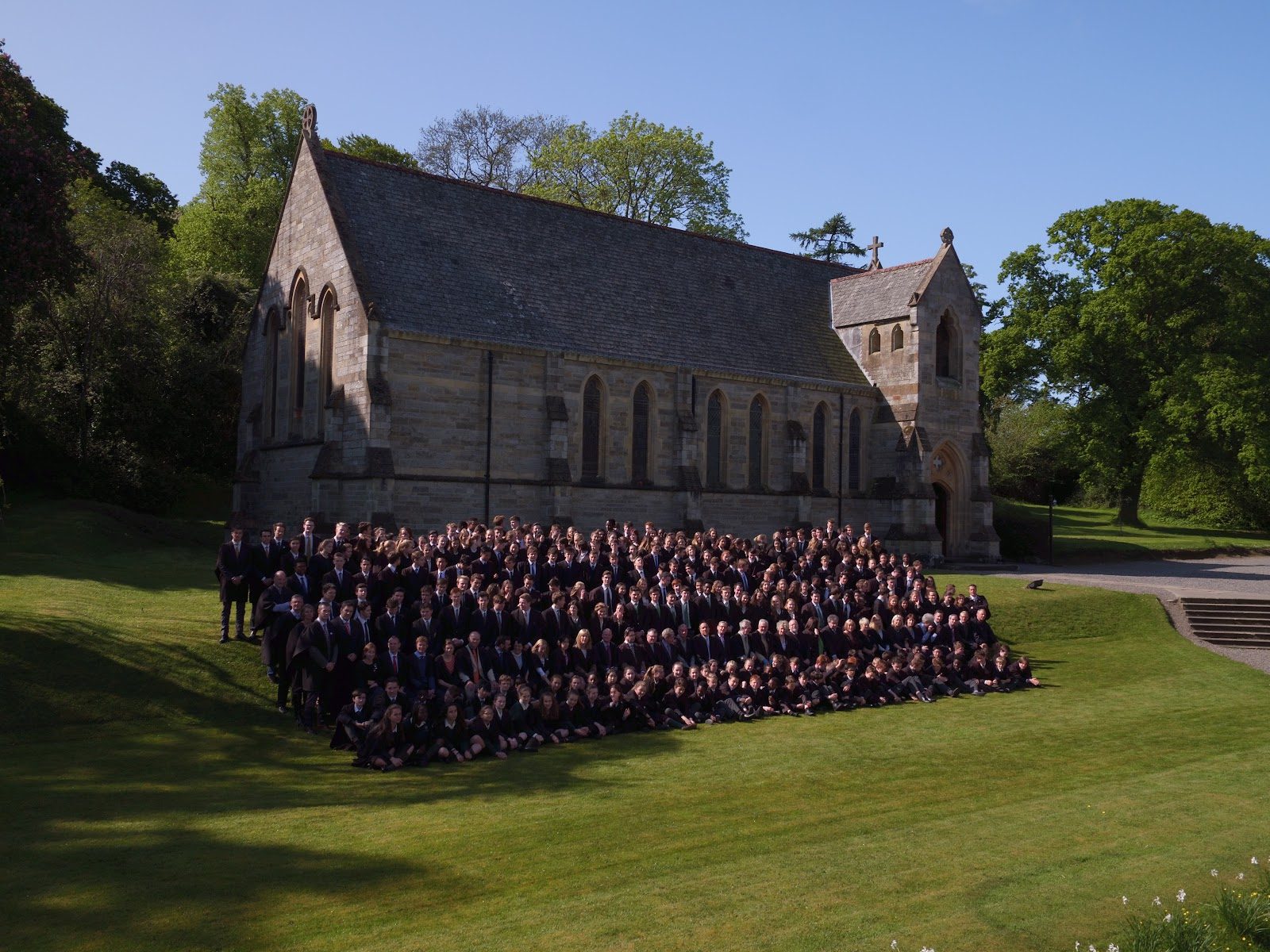
St. Columba's College
Rathfarnham · Ireland
A seven-day boarding rhythm and a Butterfield-designed chapel anchor this Church of Ireland enclave in the Dublin foothills.
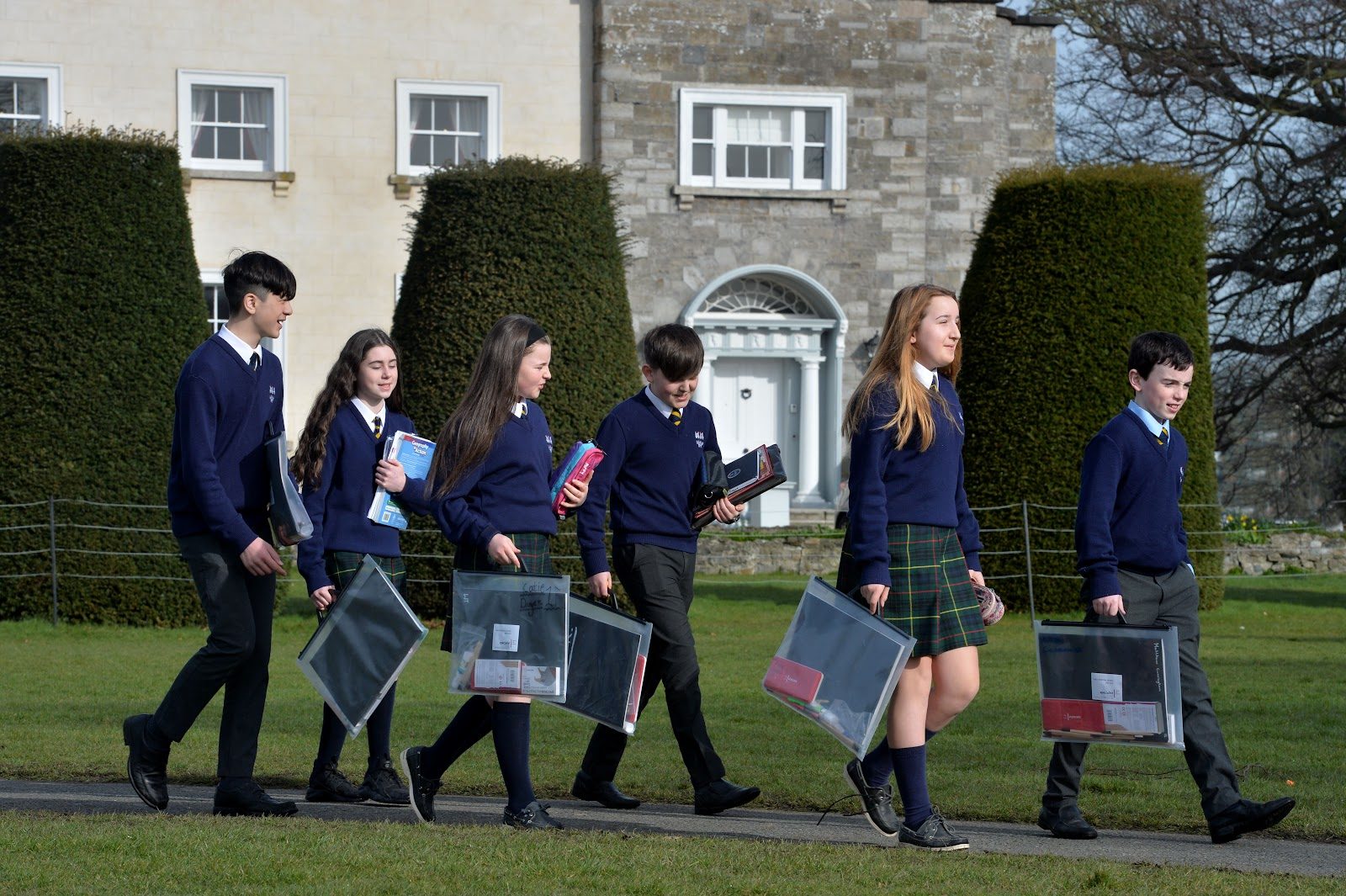
King's Hospital
Dublin · Ireland
Chartered by Charles II in 1669, this Liffey-side campus still channels its Blue Coat School past into modern boarding life.
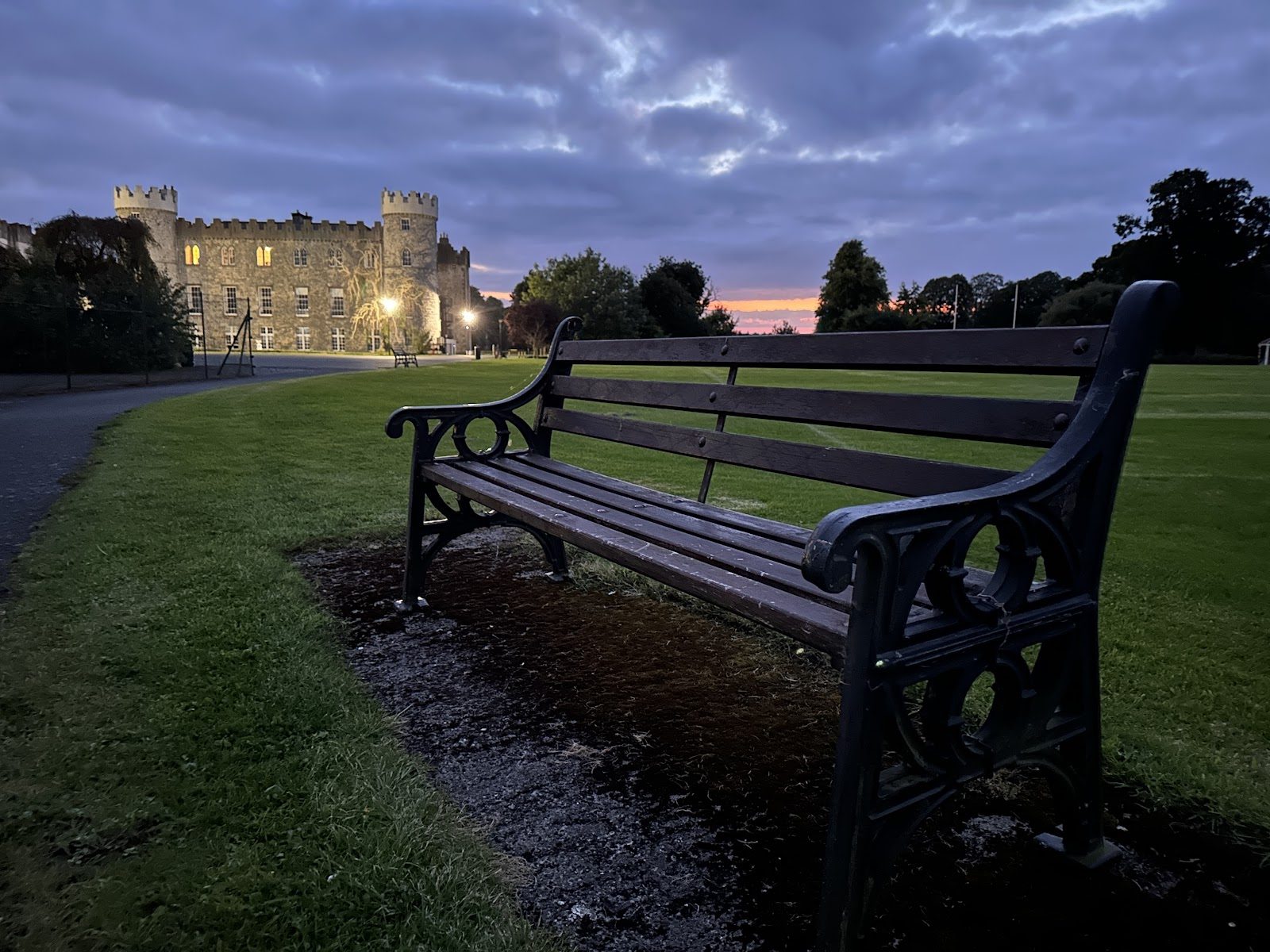
Clongowes Wood College
Clane · Ireland
Founded in 1814 as Ireland's first Jesuit school, its Line system and 500-acre Kildare estate still define boarding life.
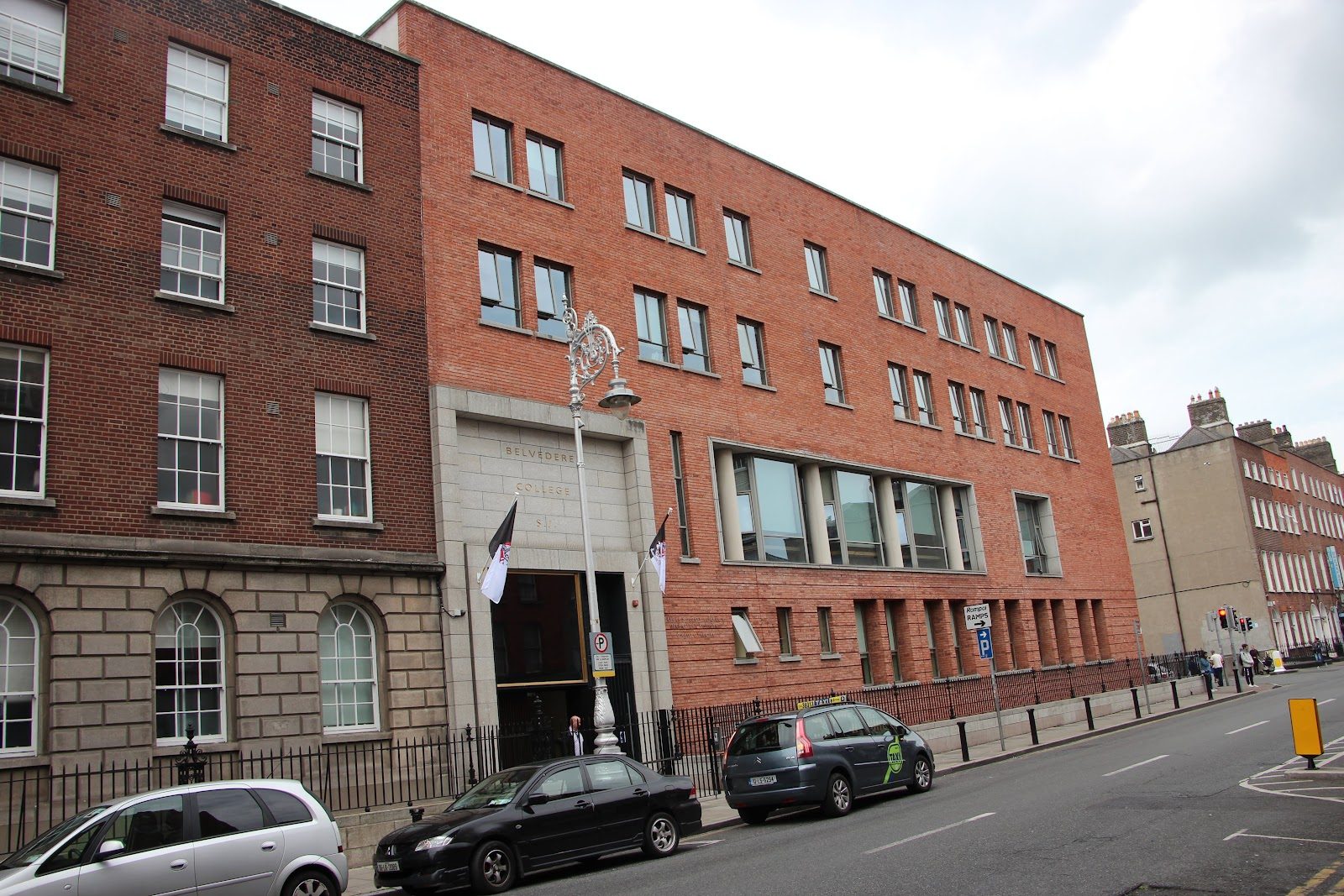
Belvedere College SJ
Dublin · Ireland
A Jesuit day school for boys inside a Robert West-designed Georgian mansion on Dublin's north inner city streets
Same country and curriculum — closest matches within ±10 points either way