
Lancashire
Stonyhurst College
low confidence· 1/6 cats · 3 avg sourcesBritain's oldest Jesuit school pairs a working 1866 observatory with a Shakespeare First Folio on a 1,000-acre Lancashire estate.
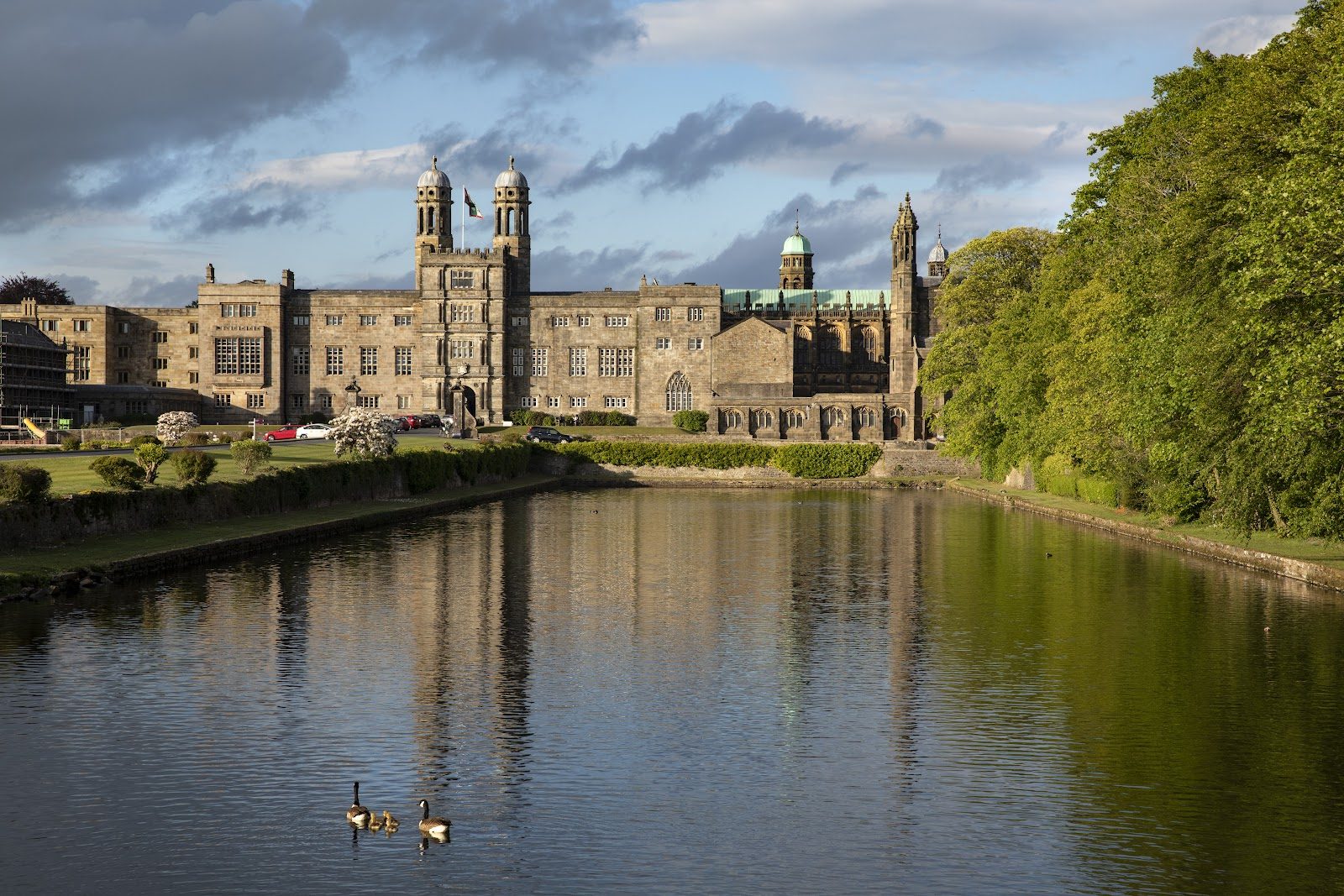
Photo © Stonyhurst College via Google Maps
Type
Both
Ages
3–18
Curriculum
British
Qualifications
A-Level · GCSE · IB Diploma
Ratio
—
The Verdict
Editor's commitment
Right for
Families wanting a Catholic British school, ages 3–18, on a 1,000-acre Lancashire estate with boarding and day options.
Wrong for
Anyone wary of explicit Jesuit formation: Stonyhurst is Catholic, founded in 1593, and its identity drives the whole school.
Watch out for
The sales pitch majors on heritage — Grade I buildings, 430 years, 30 countries — but publishes no hard academic outcomes here.
Ranking breakdown
Stonyhurst College · #663 of 1591
Composite score 59.5. 8 weighted criteria.
By criterion
Academic Outcomes
Weight 20%
#902
of 1529 scored
University Placement
Weight 16%
#848
of 1529 scored
Prestige & Heritage
Weight 12%
#446
of 1571 scored
Alumni Network
Weight 12%
#1412
of 1530 scored
Facilities
Weight 12%
#569
of 1533 scored
Transparency & Communications
Weight 8%
#779
of 1532 scored
Peer & Industry Review
Weight 10%
#893
of 1548 scored
Admissions Selectivity & Demand
Weight 8%
#837
of 1529 scored
Peer & Industry Review
How Stonyhurst College is regarded in the sector
66
Respected · medium confidence
Among northern independent schools, Stonyhurst sits alongside Ampleforth as one of the recognised Catholic boarding options, and is generally discussed in those terms by rival heads rather than being benchmarked against London day powerhouses. Good Schools Guide coverage consistently praises its pastoral ethos and historic setting while noting academic results are solid rather than exceptional. National broadsheet league tables place it mid-table rather than among the top-50 academic performers, reflecting broad-based rather than elite Oxbridge output. University admissions patterns show steady Russell Group placement, with occasional Oxbridge offers, consistent with a school valued for rounded formation rather than exam-factory results. Independent education press coverage tends to focus on its heritage assets, the observatory and its literary association with Arthur Conan Doyle, reinforcing a reputation for character and tradition over competitive academic positioning within the wider WhichSchoolAdvisor and ISI inspection commentary.
- Arthur Conan Doyle — Writer, Creator of Sherlock Holmes
- Charles Laughton — Actor, Academy Award winner
- Sir Rocco Forte — Businessman, Chairman of Rocco Forte Hotels
Editors' overview
Stonyhurst occupies a rare niche in the British market: a Catholic, Jesuit all-through school with real historical weight and a boarding culture that still shapes daily life. Founded in 1593, it trades on more than age. The selling point is the combination of a 1,000-acre Lancashire estate, Grade I listed buildings, a deep religious identity and a pupil body that is still majority boarding at 65%. This is not a slick metropolitan day school with a chapel attached; it is a full-immersion boarding school with a strong institutional character. Parents drawn to Stonyhurst are buying into a worldview as much as an education: Jesuit formation, service, discipline, reflection and a clear Catholic frame. For the right family, that coherence is a strength. For families who want a lighter-touch approach to religion, it is a reason to look elsewhere.
What marks Stonyhurst out is the density of its inheritance. Few schools can point to being the oldest continually active Jesuit school in the world; fewer still do so while teaching children on an estate large enough to sustain a distinct sense of place rather than a generic campus atmosphere. The school’s own claims of innovation sit alongside concrete changes: over £20 million invested in facilities, the reintroduction of 11+ entry, and sixth-form choice between A levels, the IB Diploma and CTEC pathways. That breadth matters. It gives Stonyhurst a wider academic catchment than schools that insist on one sixth-form route. The school also has cultural assets that carry editorial weight rather than brochure fluff: a working 1866 observatory, major historic collections and the Shakespeare First Folio referenced in its public identity. This is a school with lived history, not heritage pasted on for admissions copy.
Its market position sits between the grand Catholic boarding names and the broader HMC mainstream. It has enough scale to feel established, with 800 pupils across its two schools and children from over 30 countries, but it does not read as a mass-market giant. The appeal is strongest for families who want structure, tradition and boarding as a formative experience, not a bolt-on convenience. The rural setting will delight some and deter others. Children who need constant urban stimulation or a looser institutional culture will chafe. Children who thrive in ritual, community and continuity — and who value being known in a school where faith and pastoral life are taken seriously — will find substance here.
Stonyhurst belongs on a shortlist for parents seeking a serious Catholic education with boarding at its core, strong sixth-form flexibility and a campus that no competitor can replicate. The best fit is a student who is comfortable in a values-led environment, open to collective life, and energised by tradition rather than allergic to it. This suits pupils who want space, scale and belonging more than metropolitan polish; pupils who will use the estate, the boarding houses and the co-curricular life; and sixth formers who want academic choice without losing pastoral structure. In a crowded independent market, Stonyhurst stands out not for trendiness but for institutional depth. That is its advantage.
Academic Performance
Stonyhurst publishes only a thin slice of attainment data, and that limits any hard comparison with academically selective HMC rivals. The headline figures on its own site are a 98% A–C pass rate and 88% first-choice university. Those numbers are respectable, but they are too blunt to settle the question. They do not break out top grades, subject performance, cohort size, or destination quality beyond a broad first-choice metric. The school also states that 72% gain places at Russell Group universities, which gives a clearer sense of sixth-form traction, though still without the depth that serious benchmarking needs. Parents comparing Stonyhurst with schools that publish full A-level and IB distributions will find the picture frustratingly opaque.
Where that leaves Stonyhurst is in the solid middle of the independent boarding market on published evidence: credible outcomes, no public sign of academic weakness, and no published data strong enough to place it among the results-driven elite. The academic offer has range, and the school talks with confidence about small classes and university guidance, but confidence is not the same thing as disclosure. For families who value formation, pastoral structure and a strong Catholic frame, that gap will matter less. For families shopping on league-table logic, it matters a great deal. This is an institution with substance, but not one that publishes the forensic results data that top academic competitors now treat as standard.
Facilities
Facilities are one of Stonyhurst’s strongest cards, and not in the glossy, recent-build sense that many rivals push. The estate gives the school room for proper sport, outdoor activity and boarding life without the cramped compromises common at urban independents. The site includes a gym, cricket pavilions and a water-based astro, and the scale of the grounds changes daily school life in ways brochure language rarely captures: pupils have physical space, separation between functions, and a setting that reinforces the school’s full-immersion character. The new Art and Design Centre adds practical weight rather than token arts branding, with Design and Technology and Fashion Design named as part of the expansion. The dedicated Higher Line Centre for sixth form also matters; at peer schools, serious older-student provision still marks the difference between generic retention and a sixth form with its own identity.
What lifts Stonyhurst above many boarding competitors is the *density of intellectual and historic assets* on site. A working observatory and the school’s well-known rare collections give it a scholarly eccentricity that most schools cannot match, however polished their science blocks or theatres. Against top-tier peers, the weak point is modern showcase infrastructure: the school does not advertise the kind of cutting-edge STEM complex, elite sports centre or concert-hall arms race that now defines parts of the market. Parents choosing on heritage, atmosphere and distinctive educational texture will rate the campus exceptionally highly. Parents hunting for the newest glass-and-steel facilities stack will find stronger contenders elsewhere.
Parents choosing on heritage, atmosphere and distinctive educational texture will rate the campus exceptionally highly
Prestige
Stonyhurst carries genuine prestige in the British independent sector, but it is a specific kind of prestige. This is not the social gloss of a London day school or the exam-machine reputation of the most aggressive academic brands. Its standing rests on three things: deep Jesuit heritage, a nationally recognisable boarding identity, and an estate and built environment that give the school unusual institutional weight. Membership of HMC matters here; so does the fact that the school occupies a Grade I listed setting and still trades on scholarly artefacts and traditions that other schools imitate in prospectuses. A working observatory, a Shakespeare First Folio, and a campus spread across 1,000 acres create serious cultural capital. That combination gives Stonyhurst a distinctive old-school authority.
The rating stops short of the very top tier because prestige now depends on public academic dominance as well as history, and Stonyhurst does not publish enough results detail to claim that ground. Its reputation is strong among Catholic families, boarding families and parents who value formation as much as outcomes. The international intake also adds status: children from over 30 countries and a pupil body that remains majority boarder make the school feel globally connected rather than parochial. In short, Stonyhurst is high-prestige within its lane: a school with historic gravitas, a clear religious identity and a name that carries weight, but not one of the small group whose prestige rests on relentless academic transparency alone.
They do not break out top grades, subject performance, cohort size, or destination quality beyond a broad first-choice metric
Communications
Stonyhurst communicates in a clear institutional voice: faith-led, tradition-conscious and tightly managed. The public-facing message is consistent across the school’s site — strong emphasis on pastoral care, Jesuit formation, university progression and the value of belonging to a residential community. Parents will not struggle to work out what the school stands for. That coherence counts. Too many schools lapse into generic admissions copy; Stonyhurst does not. It tells families, plainly, that this is a school with a moral framework and collective expectations. The site also does useful factual work, giving a serviceable sense of school structure, recent investment and headline outcomes such as 88% first-choice university. That said, communication is more polished than forensic. It sells ethos well; it explains performance less well.
The weakness is not tone but disclosure. Stonyhurst publishes selective headline statistics, including 98% A–C pass rate and 72% Russell Group entry, but stops short of the detailed academic reporting that experienced parents now expect. There is no rich public picture of grade distribution, cohort context or comparative attainment. For a school charging premium fees and making a strong case on values and educational seriousness, that gap matters. Communication with parents reads as warm but controlled: the school is good at expressing identity, good at conveying atmosphere, and less good at offering the hard-edged transparency that sharp comparison requires. Families who prioritise culture and pastoral alignment will find the messaging reassuringly coherent. Families who want exhaustive data will find it too curated.
Uniqueness
What makes Stonyhurst distinctive is not one headline feature but the tight weave of faith, place and institutional memory. Plenty of British independents have chapels, old buildings or boarding houses; very few operate with a Jesuit identity that still shapes the daily proposition rather than decorating it. Here, religious formation is built into the school’s idea of education: reflection, service, conscience and communal life are not optional extras. Add a pupil body drawn from more than 30 countries and the result is not a cloistered Catholic enclave but a globally minded one. For students, that brings a strong moral framework, a clearer sense of shared purpose than many competitors offer, and a culture that asks for commitment. It also brings limits: children who dislike overt institutional values or sustained collective expectations will find the atmosphere demanding.
The other point of difference is the campus itself. Stonyhurst offers the kind of educational texture that money alone cannot manufacture: rare books, historic collections, a working observatory and a landed setting that gives the school real physical and psychological distance from ordinary day-school life. That creates a world unto itself, and for many pupils that is the appeal. The school can make learning feel connected to tradition, ritual and discovery rather than confined to classrooms and timetables. The benefit is immersion, confidence and a strong sense of belonging. The risk is the same quality in reverse: Stonyhurst is not a neutral backdrop. It has a pronounced character, and students either grow into that identity or push against it.
This is an institution with substance, but not one that publishes the forensic results data that top academic competitors now treat as standard
Student Profile
The pupil who fits Stonyhurst best is comfortable with structure, ritual and a school culture that asks for engagement rather than passive attendance. This suits children who do well in a values-led environment, can live with overt Catholic practice, and gain energy from belonging to a community bigger than themselves. The boarding majority shapes the social centre of gravity, so even day pupils need to be happy in a school where evenings, weekends and house life carry weight. Students who want constant independence, a casual relationship with authority or a socially loose atmosphere will find it too bounded. Students who like shared routines, collective identity and adults who take pastoral formation seriously will settle well. The international mix — pupils from over 30 countries — also means entrants need a degree of social confidence and openness to difference.
Temperament matters as much as ability. Stonyhurst works for pupils who will use the estate, join in, and respond to a highly distinctive institutional identity instead of standing outside it. The school’s scale across its two sections, with around 800 pupils in all, helps preserve a community feel without turning insular. The best fit is a child who is curious, resilient and happy with tradition that is lived rather than decorative. This is not a blank-canvas school. It has a strong moral vocabulary, an old-fashioned seriousness and a communal rhythm that will either steady a young person or grate on them.
That combination gives Stonyhurst a distinctive old-school authority
Co-curricular strengths
Arts & sport, on a separate axis
Overall 9.02/10
Scored 0-10 from the school's own published evidence. This axis is editorial-only — it does not feed the main WTS ranking.
Sports
9.2/10
Drama
9.4/10
Dance
8.2/10
Music
9.3/10
Visual Arts
9/10
Strengths
- +Oldest continually active Jesuit school, founded 1593
- +Catholic co-educational boarding and day, ages 3–18
- +Choice of A-levels, the IB Diploma or the IB Career-related Programme
- +Ranked 16th nationally for A-level progress and Alps Grade 1 in 2025 (school website)
- +1,000-acre Lancashire estate with Grade I listed buildings and extensive sports, arts and boarding facilities
- +International intake with boarders from China, Korea, Mexico, North America, Africa and Europe
Considerations
- −Catholic Jesuit ethos may not suit every family
- −Rural location near Clitheroe limits city access and weekend mobility
- −Not academically selective, so admissions screen for fit rather than raw attainment
Availability
Primary entry gate & tests
Written Exams + Interview
Gallery
Photo © Rob via Google Maps
Photo © M Bux via Google Maps
Photo © Tom Trevelyan via Google Maps
Photo © Bartosz Łuczak via Google Maps
Photo © Bartosz Łuczak via Google Maps
Parent reviews
Have you sent your child here?
Voice reviews carry the strongest trust badge — we transcribe them for you to tidy up before they go live. Prefer to type? A written review is fine too.
Add your voice
In 60 seconds, tell other parents: what's the best thing about Stonyhurst College, and what surprised you when your child joined?
We ask for a Google sign-in so every review has a real face behind it — no anonymous drive-by attacks on schools, and no faked positive reviews. Your email is never shown publicly.
Send this profile to a friend
International parents rely on word-of-mouth. Share this review with someone weighing the same decision.
Schools with places
Similar schools to Stonyhurst College with places available now.
Thomas's Battersea
London · United Kingdom
- 2026-27
- CLOSEDStandard route closed
- 2027-28
- PLACES OPENRegistration open for Sept 2027 and beyond
Millfield School
Street · United Kingdom
- 2026-27
- CLOSEDStandard route closed
- 2027-28
- PLACES OPEN11+ / 13+ / 16+ active
Badminton School
Bristol · United Kingdom
- 2026-27
- CLOSEDStandard route closed
- 2027-28
- PLACES OPENCloses Oct/Nov '26
Christ's Hospital
Horsham · United Kingdom
- 2026-27
- CLOSEDStandard route closed
- 2027-28
- PLACES OPEN2027 entry assessment timetable active
Availability first, then country, area, curriculum, price, co-curricular
Consider also
Also worth looking at alongside Stonyhurst College.
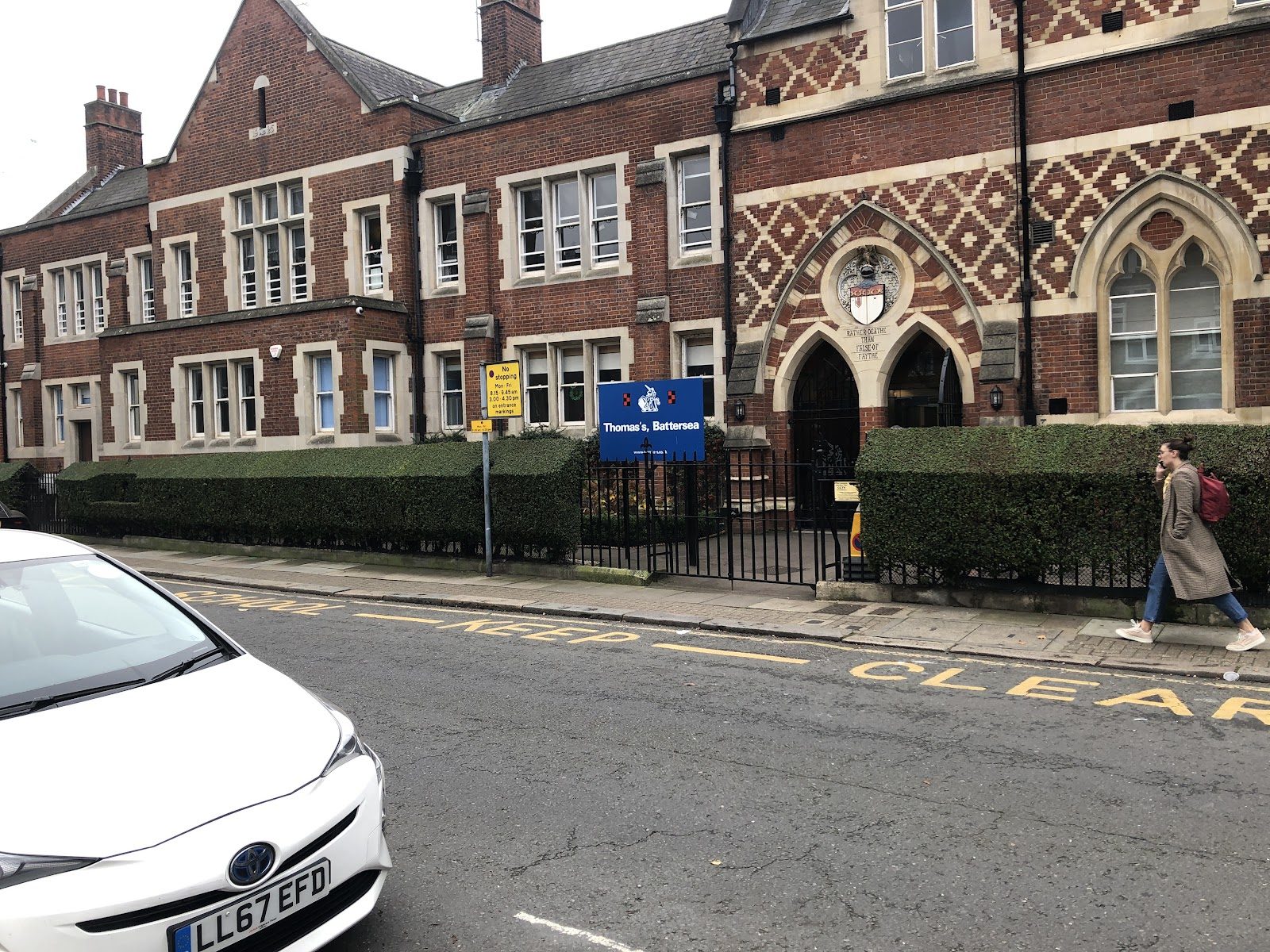
Thomas's Battersea
London · United Kingdom
In a former Victorian art school, an 'enquiry mindset' and a 'Be Kind' ethos feed London's top senior schools.
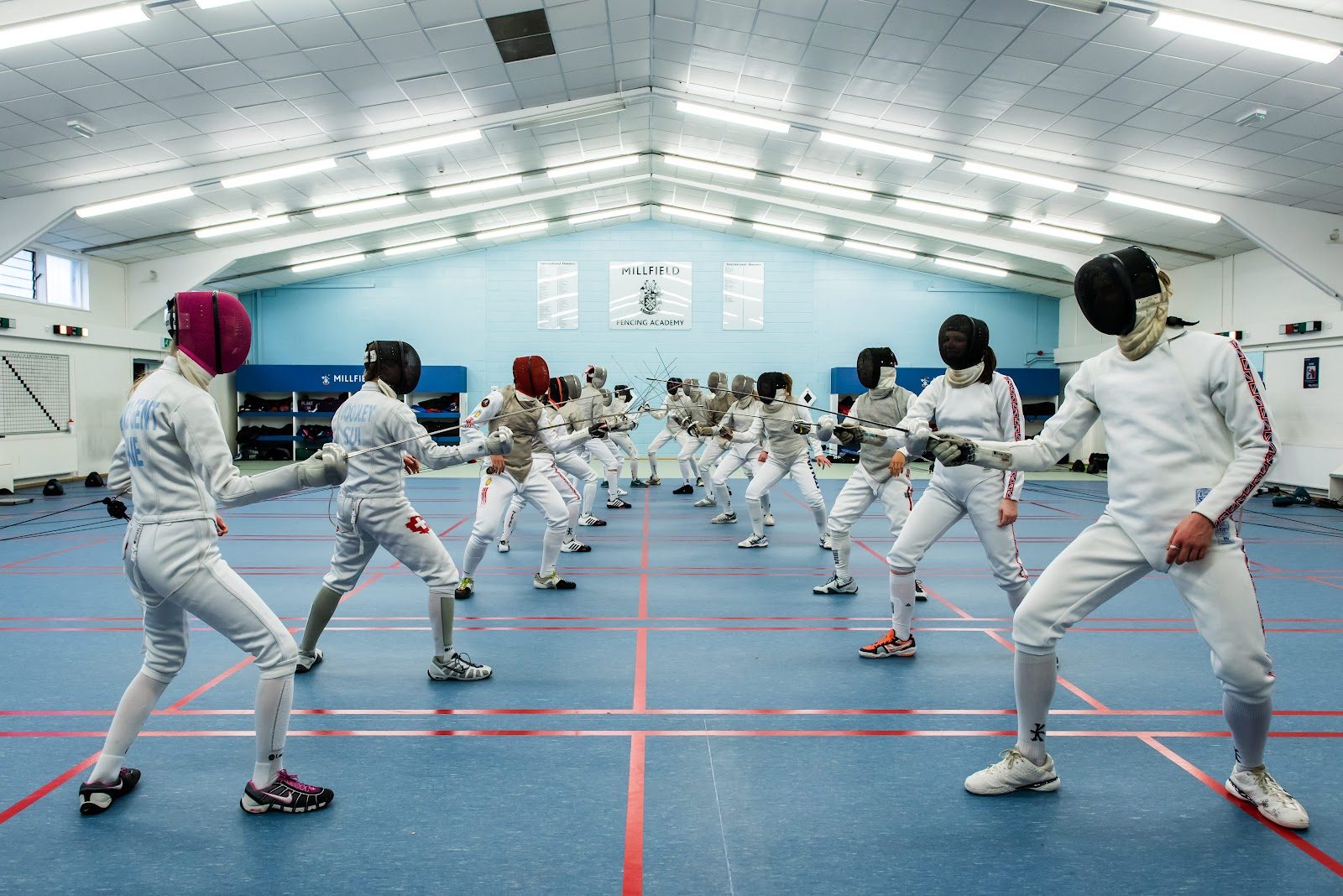
Millfield School
Street · United Kingdom
Sixty-plus sports and an Olympic-length pool anchor a 240-acre Somerset campus built for athletes and scholars alike.
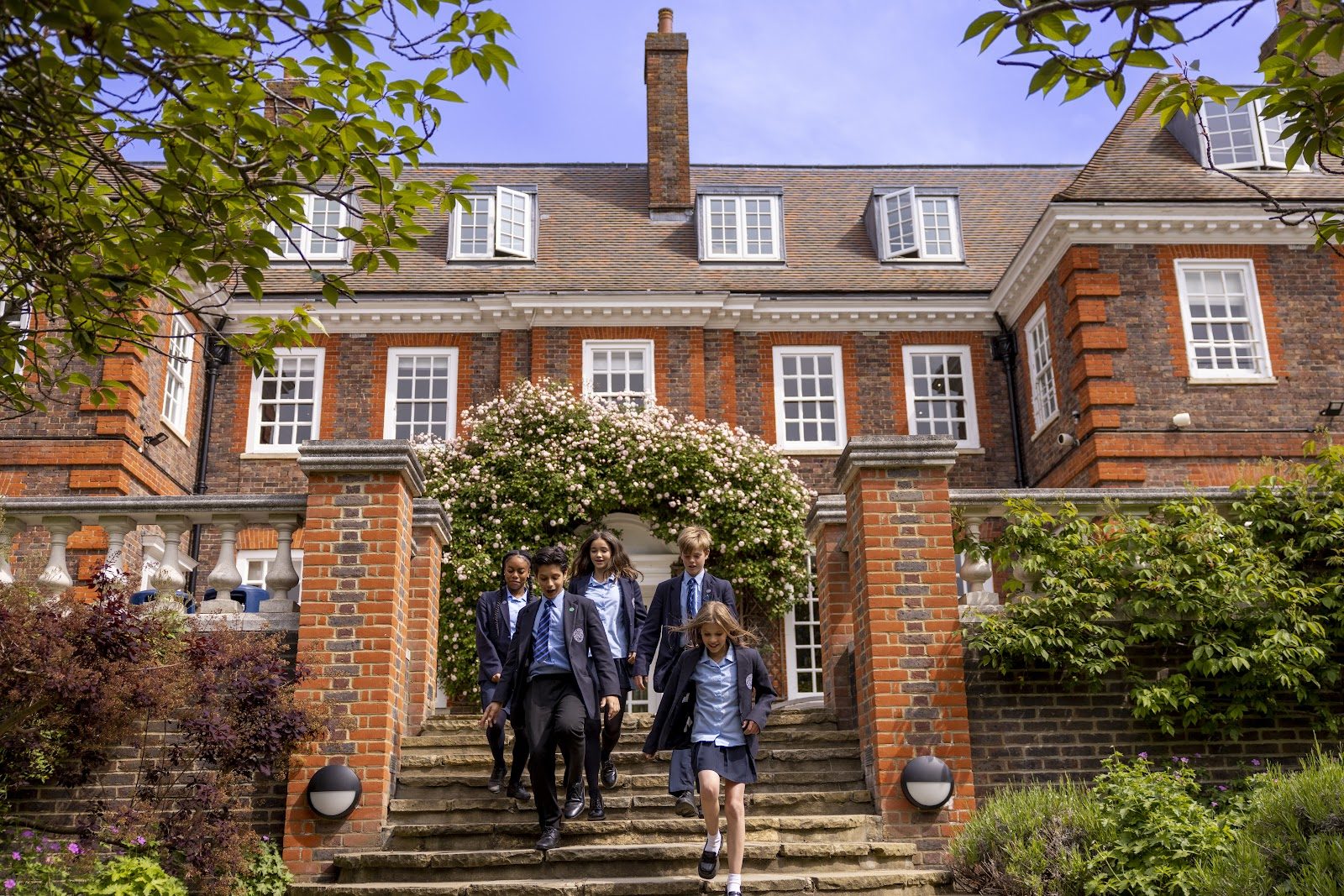
Ibstock Place School
London · United Kingdom
On the fringe of Richmond Park, a Froebel-founded day school has championed co-education since 1894.
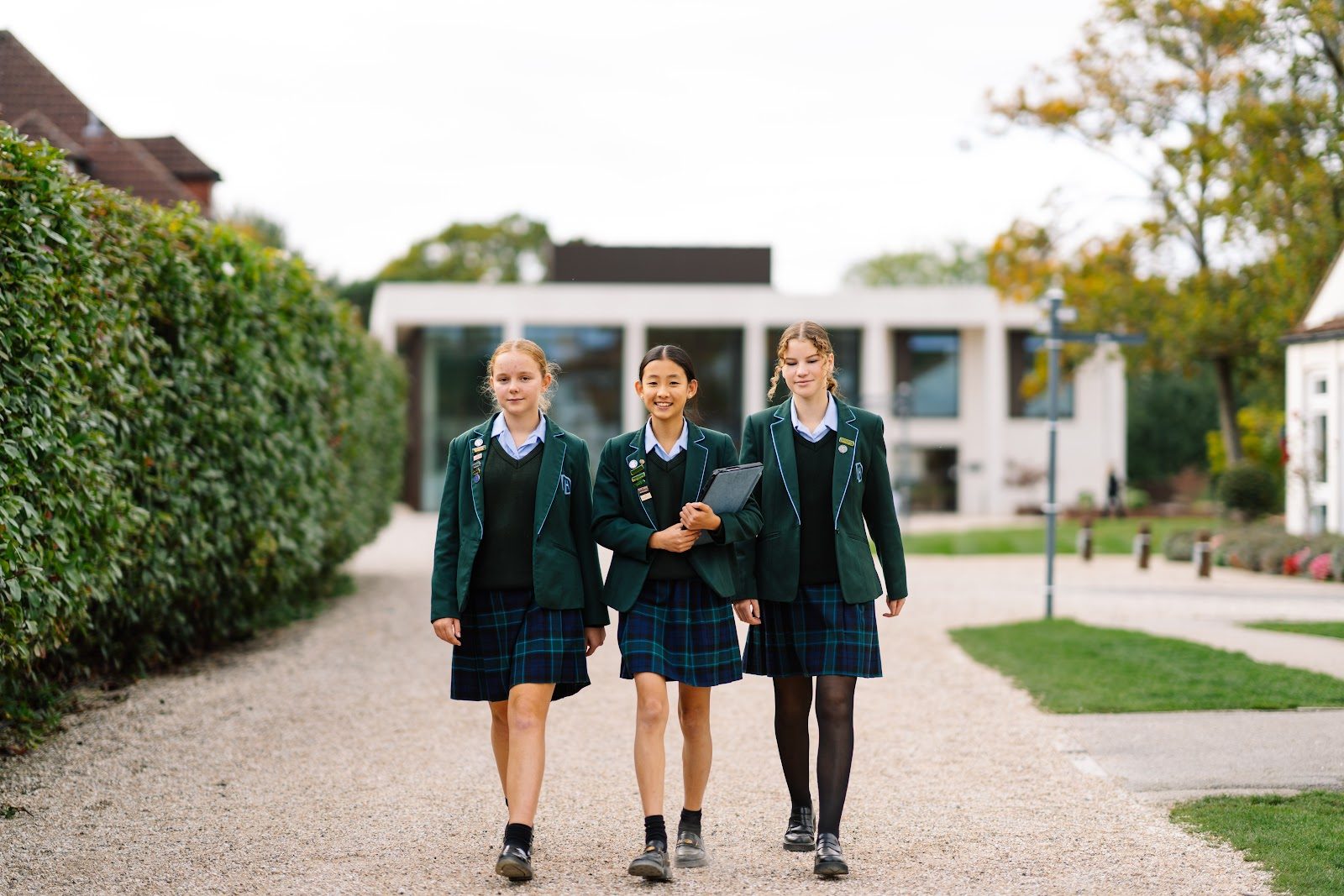
Downe House School
Cold Ash · United Kingdom
Rooted in Charles Darwin's former home, now a 110-acre Berkshire estate where science thrives and Oxbridge ambition runs deep.
Same country and curriculum — closest matches within ±10 points either way