
Budapest
The British International School Budapest
high confidence· 5/6 cats · 2.67 avg sourcesPerched above Buda's hillside views, this Nord Anglia campus pairs Juilliard-backed arts with the English curriculum's climb into the IB Diploma.
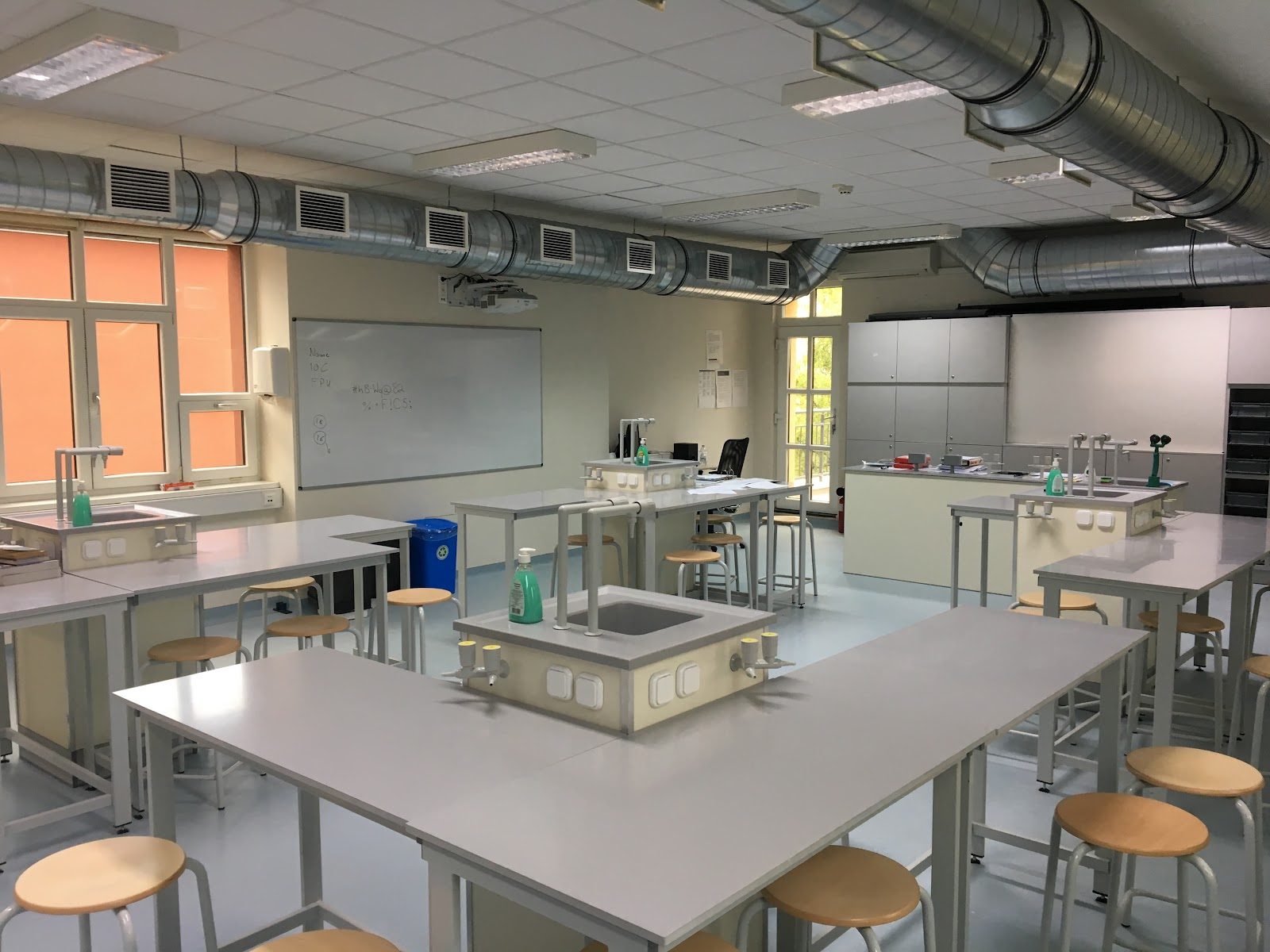
Photo © The British International School Budapest via Google Maps
Type
Day
Ages
3–18
Curriculum
British
Qualifications
A-Level · IGCSE
Ratio
11:1
The Verdict
Editor's commitment
Right for
Families wanting English-medium British schooling that runs into the IB Diploma, with COBIS and CIS accreditation and an 11:1 ratio.
Wrong for
Parents chasing bargain Budapest fees or local-language schooling; 9,366,666 HUF a year buys a Nord Anglia day school, not boarding.
Watch out for
Nord Anglia’s Juilliard gloss is the hook, but published destinations are thin: Emerson College, Pennsylvania State University and McGill, one each.
Ranking breakdown
The British International School Budapest · # of 1591
Composite score 53.7. 8 weighted criteria.
By criterion
Academic Outcomes
Weight 20%
#1312
of 1529 scored
University Placement
Weight 16%
#1313
of 1529 scored
Prestige & Heritage
Weight 12%
#1357
of 1571 scored
Alumni Network
Weight 12%
#965
of 1530 scored
Facilities
Weight 12%
#1305
of 1534 scored
Transparency & Communications
Weight 8%
#1305
of 1532 scored
Peer & Industry Review
Weight 10%
#1216
of 1548 scored
Admissions Selectivity & Demand
Weight 8%
#1205
of 1529 scored
Score history
The British International School Budapest · 2026
Movement across 2024–2026. Peer average overlaid.
Overall — 2024–2026
53.7/ 100
▲ +31.3 vs 2025
year on year
Peer & Industry Review
How The British International School Budapest is regarded in the sector
60
Respected · low confidence
The British International School Budapest is one of the longer-established international schools in Hungary and is regularly listed in expat-parent forums (e.g., InterNations, Expat.com discussions) and international schools directories such as ISC Research and The International Educator (TIE) as a recognized British-curriculum option in Budapest. It is accredited by COBIS and follows Cambridge/Edexcel examinations, which is referenced in specialist education-sector directories, but it lacks coverage in higher-tier outlets like Tatler or Good Schools Guide, and independent alumni-network press is minimal.
Evidence sources
Editors' overview
Perched in a peaceful hillside suburb, The British International School Budapest sells a clear proposition: British schooling from age 3 to 18, with the route bending into the IB Diploma in the sixth form rather than stopping at A levels. That matters. It gives families an English-medium school with familiar structure in the early and middle years, then an internationally portable leaving qualification. BISB also has the scale that many smaller embassy-style schools in central Europe lack: more than 1,050 students from over 60 countries, a secondary campus opened in 2016, and a student-teacher ratio of 11:1. Add COBIS and CIS accreditation and you have a school with external markers of credibility, not just brand polish. The average annual day fee across the full age range is 9,366,666 HUF, which puts it firmly in the expensive bracket for Budapest.
What distinguishes BISB in this market is not originality of curriculum but the Nord Anglia package delivered with unusual completeness. The school leans hard into performing arts through its Juilliard collaboration and advertises links with MIT alongside a broad co-curricular offer, trips and social purpose work. On a purpose-built campus above the city, that produces a school for families who want more than a compact academic outpost. They want facilities, scale, and the confidence that comes with a large international operation. The trade-off is equally clear: parents looking for a small, intimate, idiosyncratic school will not get that here. BISB is a polished machine, and some families prefer precisely that.
It belongs on a shortlist for internationally mobile families who want an English-speaking day school without sacrificing sixth-form breadth, and for students who thrive in a structured, high-expectation environment with plenty happening beyond lessons. It will suit children who are academically ambitious, comfortable in a large community, and keen to use specialist facilities in sport, science and the arts. It also fits families who value university progression and want evidence of it, even if the published destinations list is thin: recent named offers include Emerson College, Pennsylvania State University and McGill, one student each. BISB is less compelling for parents who want low-key fees, a tiny pastoral setting, or a school with publicly detailed outcome data. What it offers instead is scale, infrastructure and a very clear international pathway from early years to the IB.
Academic Performance
BISB states that its students “consistently achieve outstanding IGCSE and IBDP results”, but that claim lands without the public data needed to test it. The school does not publish aggregate IGCSE grade distributions, average IB scores, pass rates, subject breakdowns, or multi-year trends. That matters. In the international-schools market, serious academic operators put at least some hard numbers into the public domain, especially when they trade on academic excellence and first-choice university admissions. Here, the external-results picture is opaque. Parents can infer that the school runs an examination pathway with enough depth and staffing to support strong candidates across secondary, and the move into the IB Diploma gives it a recognised leaving qualification. They cannot verify where BISB sits against other leading schools in the region from published outcomes alone.
Relative to peers, that places BISB in a frustrating middle ground. The school has the scale, facilities and group backing of a high-spec international school, and it talks with confidence about examination success. Yet the evidence in public is thin. Some direct competitors in central and eastern Europe publish headline IB averages or top-grade IGCSE proportions; BISB does not. The named university destinations list is also slender, with only 3 recent destinations identified and one student attached to each. That is not weak by itself, but it is too narrow to function as a meaningful outcomes record. For families who want hard proof, BISB needs sharper disclosure.
Facilities
The campus does real work for the school. The key assets are not decorative extras but the spaces that support daily teaching at scale: a theatre, a Visual Arts Centre, science labs, basketball courts and an all-weather sports pitch, all on a purpose-built hillside site. The split between the original campus and the newer secondary provision gives older students more specialist room than many city schools can manage. For Budapest, that is a serious operational advantage. Plenty of international schools in the region teach well inside constrained urban buildings; BISB has the footprint for dedicated arts, sport and lab provision without forcing every department to share compromised space. Families with children who need room to rehearse, make, test and train will notice the difference quickly.
Against peer schools, the facilities sit in the upper bracket of the local market, with one caveat: BISB’s strength is breadth, not architectural spectacle. The school does not trade on an Olympic-scale sports complex or a vast performing arts centre of the sort found at the most lavish Gulf or Asian campuses. What it offers instead is a well-built, high-functioning environment that covers the essentials properly and gives secondary students access to specialist spaces many central European rivals lack. The school’s scale — more than 1,050 students — means those facilities need to absorb heavy daily use, so the real test is timetabling and access, not brochure gloss. Still, as an all-round campus for an international day school, BISB is convincing and practical, and stronger than the market median.
They cannot verify where BISB sits against other leading schools in the region from published outcomes alone
Prestige
BISB carries real market prestige in Budapest, but it is institutional prestige, not elite mystique. The weight comes from three things: scale, stability and corporate infrastructure. This is not a fragile owner-run school or a small expatriate enclave. It serves more than 1,050 students drawn from over 60 countries, sits inside a large international schools group, and operates from a purpose-built campus with specialist facilities that many local rivals cannot match. That combination gives the school serious visibility with mobile professional families. The Nord Anglia association adds recognition, and the Juilliard and MIT tie-ins sharpen the premium image further. In practical terms, BISB has the profile of a school that parents hear about early in a Budapest search and keep on the shortlist.
That said, prestige here has clear limits. BISB is well-known and expensive, not rarefied. Its public case for excellence leans heavily on brand architecture, campus provision and international polish. The missing piece is harder proof. Schools with the strongest academic prestige publish fuller examination outcomes and a broader university destinations record; BISB does not. That weakens the school’s claim to top-tier academic status, even if families value the overall package. Our rating, then, sits in the upper tier of the local market but below the small group of schools whose prestige rests on transparent results and consistently documented leavers’ destinations. BISB has strong reputational capital. It does not have unquestioned academic cachet.
Some direct competitors in central and eastern Europe publish headline IB averages or top-grade IGCSE proportions; BISB does not
Communications
BISB communicates in the style of a large, well-drilled international school. The public-facing structure is clear: admissions, fees, entry requirements, calendar, FAQs, parent essentials, news, campus information and enquiry routes are easy to find, with direct phone and email contacts for both general enquiries and admissions. That sounds basic, but plenty of schools bury practical information under brand slogans; BISB does not. The site also does a solid job of mapping the parent journey from first enquiry to visit, application and enrolment. For an internationally mobile intake, that matters. Families need logistics, not romance, and BISB gives them a competent, orderly front end. The presence of a virtual tour also helps parents screen the school before committing to a visit.
The limitation sits in depth, not access. BISB talks confidently about values, community and academic excellence, but the communications become less convincing when parents need hard evidence rather than smooth navigation. The school publishes named university destinations, yet only 3 are listed in the recent sample, which is too thin to tell a serious story. It also makes strong claims about examination performance without putting the headline results into the public domain. That weakens trust at the point where premium schools need maximum transparency. So the verdict is straightforward: operational communication is sharp and usable; performance communication is selective. Parents will know how to contact the school and how to apply. They will not get enough published data to judge outcomes with confidence.
Uniqueness
BISB’s distinctiveness lies in the way it packages scale, corporate reach and specialist enrichment into one coherent school experience. Plenty of international schools offer a British route and plenty talk about the arts or innovation; fewer wire those claims so tightly into the weekly life of the school. Here, the Juilliard collaboration is not a decorative badge. It gives the arts a serious institutional backbone, signalling that music, drama and performance sit inside the school’s identity rather than at the edge of it. The MIT link serves a similar function on the academic side, pushing students beyond routine classroom delivery towards a more ambitious idea of problem-solving and interdisciplinary thinking. Set inside a community of over 60 nationalities, that combination produces a school with a globalised, high-production-value feel that smaller local rivals cannot replicate.
For students, the benefit is breadth with structure. A child can move through one school that does not force a choice between academic traction and a fuller life in performance, sport, trips and service. That matters for internationally mobile families who want continuity without accepting a thin, transient expatriate outpost. It also matters for older pupils who need access to specialist teaching and peers with a wide range of ambitions. The trade-off is clear: this is not an intimate, eccentric school shaped by one founder’s philosophy. It is a large, highly systematised institution. For the right student, that brings confidence, opportunity and room to grow without leaving the rails.
That weakens the school’s claim to top-tier academic status, even if families value the overall package
Student Profile
The students who fit best here are the ones who want range without chaos. This is a school for children who can handle a busy, high-expectation week: lessons with academic pace, serious arts participation, sport, trips, service and the social navigation that comes with a large international community. With pupils drawn from more than 60 nationalities, BISB suits families who value cross-cultural fluency and children who settle well among globally mobile peers. It also suits students who like structure. The school’s organisation, specialist staffing and broad age span favour pupils who do well when the rails are clear and the adults around them know how to run a complex operation. Creative students have more than token provision here; the Juilliard partnership gives the performing arts real status.
The less comfortable fit is easy to identify. Children who need a tiny, hand-held environment, or who shrink inside a sizeable peer group, will find stronger matches elsewhere. So will families looking for a deeply local Hungarian school culture rather than an international one. BISB works best for confident, outward-facing students: academically ambitious enough to use the teaching on offer, independent enough to make use of the campus, and resilient enough to thrive in a community of over 1,050. It is also a good match for parents who want continuity from nursery through graduation without switching schools mid-journey. For the right child, that combination is reassuringly grown-up. For the wrong one, it risks feeling impersonal.
BISB’s distinctiveness lies in the way it packages scale, corporate reach and specialist enrichment into one coherent school experience
Co-curricular strengths
Arts & sport, on a separate axis
Overall 8.62/10
Scored 0-10 from the school's own published evidence. This axis is editorial-only — it does not feed the main WTS ranking.
Sports
8.5/10
The extracurriculars explicitly list Football, Basketball, and Swimming, showing multiple named sports with visible participation but no cited facilities, specialist staff, or competitive results.
Drama
8.8/10
Drama club is explicitly named in the extracurricular list, but there is no further detail on productions, facilities, staff, or programme depth.
Dance
8/10
Music
9/10
School choir is explicitly named in the extracurricular list, but there is no further detail on ensembles, facilities, staff, or performances.
Visual Arts
8.8/10
Art club is explicitly named in the extracurricular list, but there is no further detail on studios, exhibitions, specialist staff, or curriculum breadth.
Editor first-pass · editor-reviewable · 7/27/2026
Outcomes & destinations
Where students go next
Class of 2025
Top destinations
39 placements
- Emerson College· 1
- Pennsylvania State University· 1
- McGill University· 1
- Bath Spa University· 1
- Courtauld Institute of Art· 1
- ELTE – Eötvös Loránd University· 1
- Semmelweis University· 1
- Károli Gáspár University of the Reformed Church in Hungary· 1
- International Business School, Budapest· 1
- ESSCA- Budapest· 1
- McDaniel College Budapest· 1
- Les Roches- Marbella· 1
- Blanquerna – Universitat Ramon Llull· 1
- CEU San Pablo University· 1
- Istituto Marangoni· 1
- Eindhoven University of Technology· 1
- Erasmus University Rotterdam· 1
- Leiden University· 1
- Webster University-Leiden· 1
- Tilburg University· 1
- Van Hall Larenstein University of Applied Sciences· 1
- University of Twente· 1
- HAAGA-HELIA University of Applied Sciences· 1
- Newcastle University· 1
- Budapest Metropolitan University· 1
- National College of Art and Design· 1
- University of Szeged· 1
- Liszt Ferenc Academy of Music· 1
- National University of Singapore (NUS)· 1
- YONSEI UNIVERSITY· 1
- Sogang University· 1
- Sung Kyun Kwan University (SKKU)· 1
- Chung-Ang university· 1
- Korea University· 1
- Inholland University of Applied Sciences· 1
- Transport and Telecommunication Institute· 1
- Vilnius Gediminas Technical University· 1
- Óbuda University· 1
- NOVA School of Science & Technology· 1
Reported by the school. Confirm with admissions.
Strengths
- +British curriculum throughout ages 3–18.
- +English-medium teaching suits mobile international families.
- +Day school avoids compulsory boarding.
- +Established in Budapest since 1994.
Considerations
- −No boarding option for families needing residential provision.
- −British curriculum may not suit non-British pathways.
- −English-only instruction may challenge non-fluent entrants.
Availability
Primary entry gate & tests
Academic Record
Gallery
Photo © Malaclopó Gusztáv via Google Maps
Photo © Balazs Kotroczo via Google Maps
Photo © Balazs Kotroczo via Google Maps
Photo © The British International School Budapest via Google Maps
Photo © The British International School Budapest via Google Maps
Parent reviews
Have you sent your child here?
Voice reviews carry the strongest trust badge — we transcribe them for you to tidy up before they go live. Prefer to type? A written review is fine too.
Add your voice
In 60 seconds, tell other parents: what's the best thing about The British International School Budapest, and what surprised you when your child joined?
We ask for a Google sign-in so every review has a real face behind it — no anonymous drive-by attacks on schools, and no faked positive reviews. Your email is never shown publicly.
Send this profile to a friend
International parents rely on word-of-mouth. Share this review with someone weighing the same decision.
Schools with places
Similar schools to The British International School Budapest with places available now.
Availability first, then country, area, curriculum, price, co-curricular
Consider also
Also worth looking at alongside The British International School Budapest.
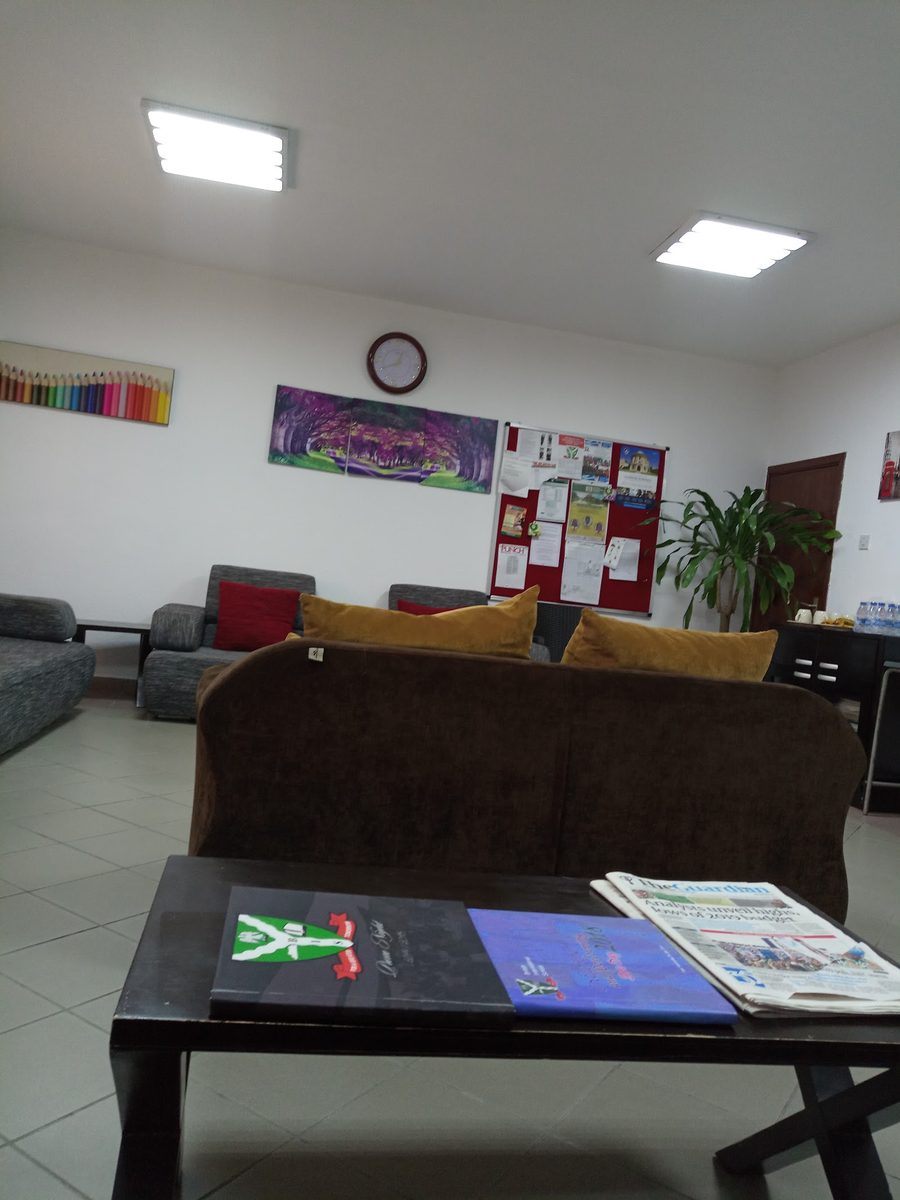
British International School Lagos
Lagos · Nigeria
On a 30-acre Victoria Island campus, Cambridge rigor meets Yoruba language study and a five-house boarding tradition.
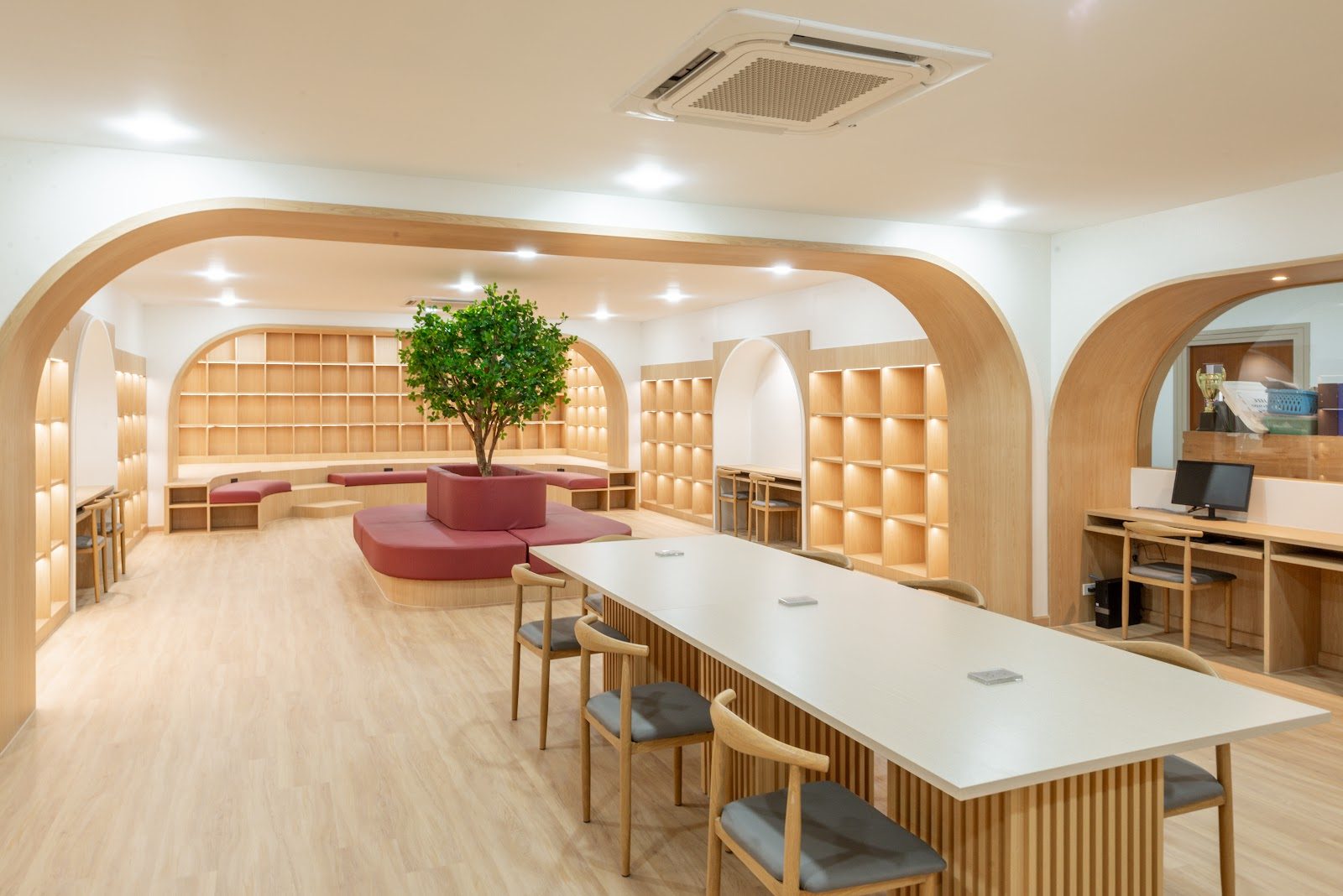
Regents International School Bangkok
Bangkok · Thailand
British curriculum through IGCSE gives way to the IB Diploma at Sixth Form, a pairing rare among Bangkok's boarding schools.
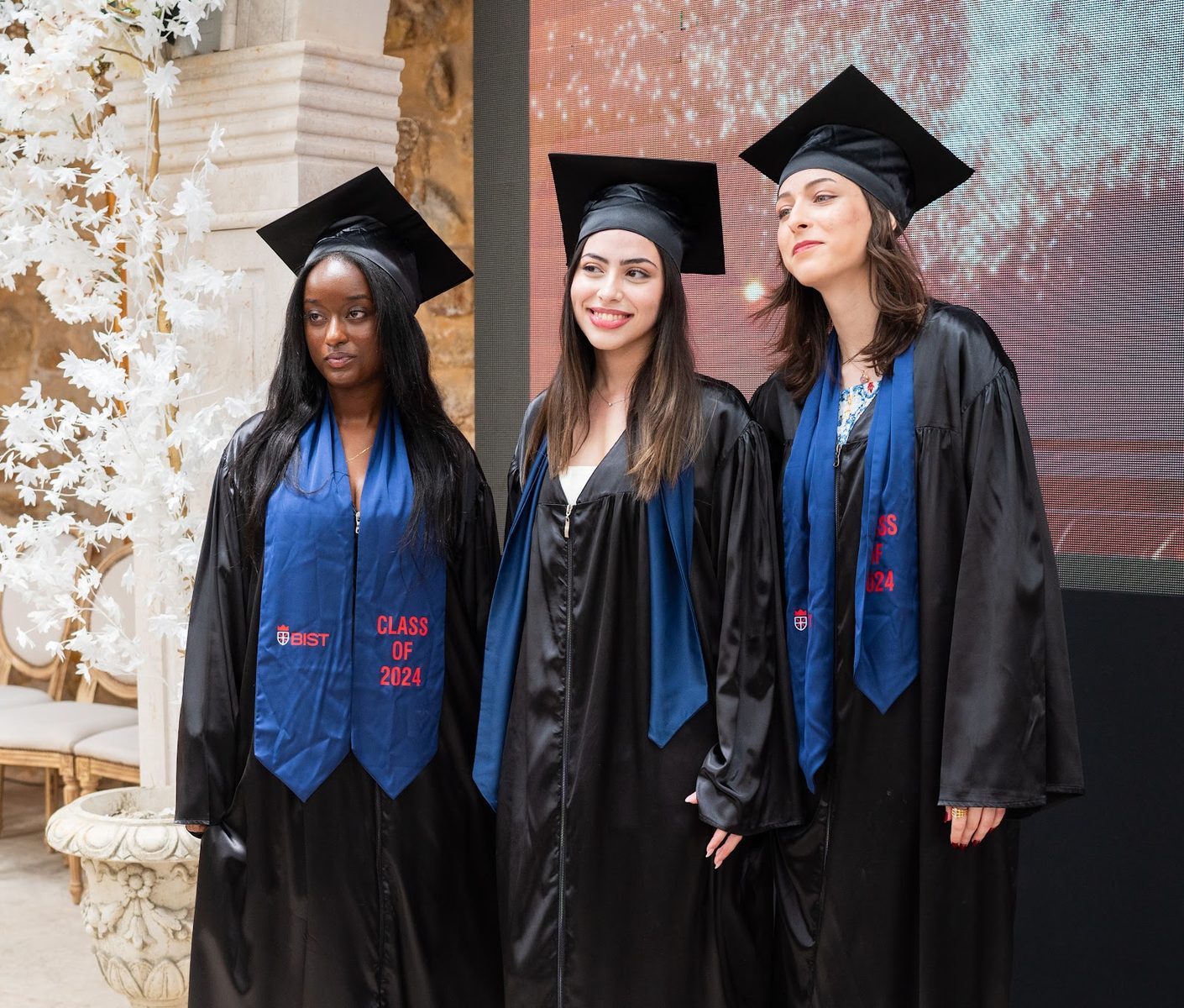
British International School of Tunis
Tunis · Tunisia
House names spanning Boudicca to Hannibal frame a British curriculum steps from ancient Carthage's ruins.

St. George's British International School Belgium
Brussels · Belgium
A British day school rooted in the EU capital, blending house-system tradition with a truly diplomatic postcode
Same country and curriculum — closest matches within ±10 points either way