
Zurich
Inter-Community School Zurich
low confidence· 6/6 cats · 0 avg sourcesSince 1960, the sole Zurich school carrying students through the full IB continuum, from a Zumikon hillside campus above the lake.
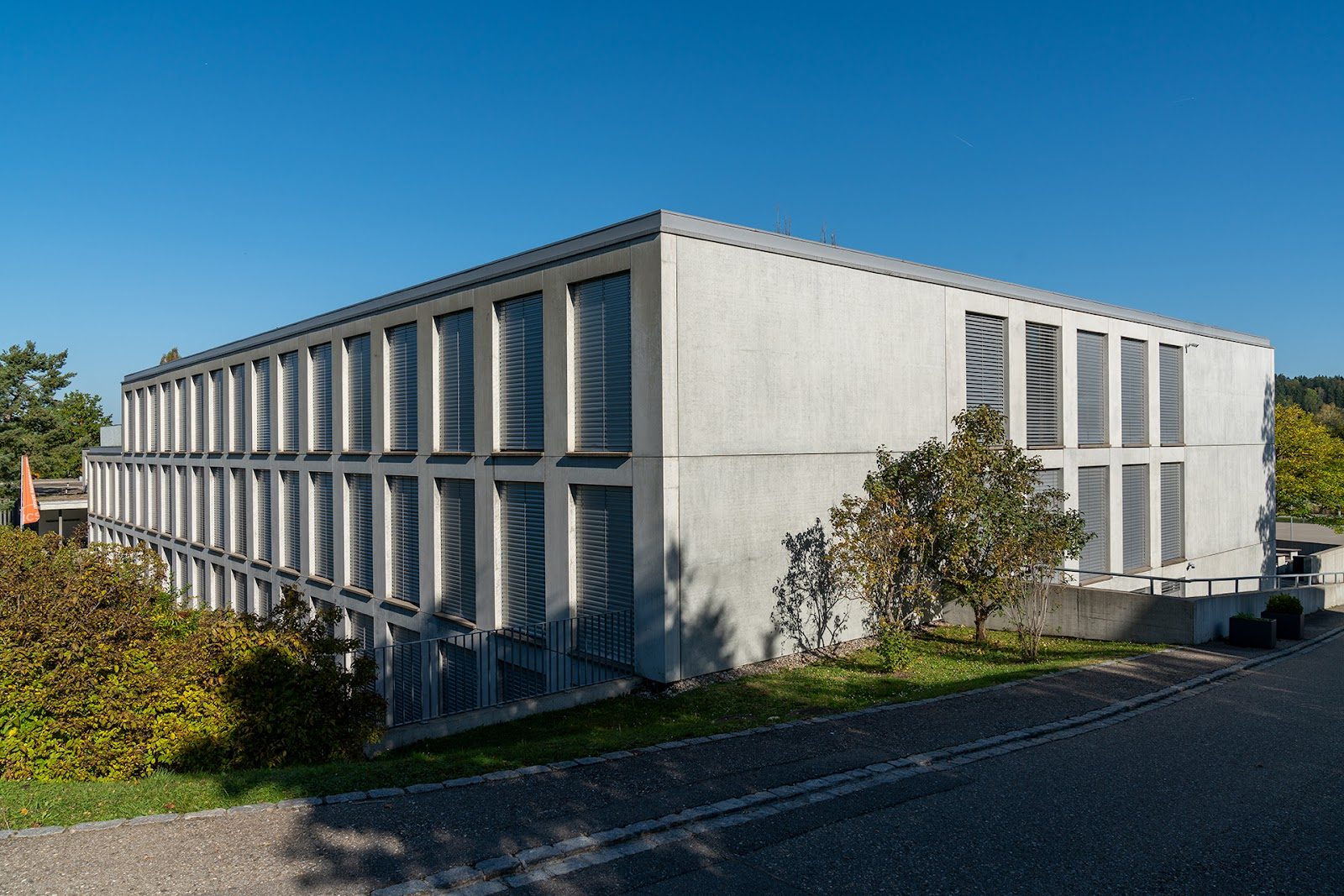
Photo © Roland Zumbuehl via Google Maps
Type
Day
Ages
3–18
Curriculum
IB (PYP, MYP, Diploma)
Ratio
9:1
The Verdict
Editor's commitment
Right for
Families wanting the full IB continuum in English, ages 3–18, at Zurich’s only all-IB school on a Zumikon campus.
Wrong for
Parents who want Swiss Matura, bilingual teaching, or a small, intimate roll: ICS runs to 800 students across 50+ nationalities.
Watch out for
The school sells 'top 10' Switzerland and a 34.5 average IB score; it does not publish destination data or aggregate outcomes beyond that.
Ranking breakdown
Inter-Community School Zurich · #1107 of 1591
Composite score 60.9. 8 weighted criteria.
By criterion
Academic Outcomes
Weight 20%
#1085
of 1529 scored
University Placement
Weight 16%
#1089
of 1529 scored
Prestige & Heritage
Weight 12%
#1123
of 1529 scored
Alumni Network
Weight 12%
#937
of 1529 scored
Facilities
Weight 12%
#1013
of 1529 scored
Transparency & Communications
Weight 8%
#1016
of 1529 scored
Peer & Industry Review
Weight 10%
#988
of 1529 scored
Admissions Selectivity & Demand
Weight 8%
#837
of 1529 scored
Peer & Industry Review
How Inter-Community School Zurich is regarded in the sector
68
Respected · medium confidence
ICS Zurich is one of the oldest and largest international schools in Switzerland, consistently referenced in expat-parent forums (e.g., English Forum Switzerland, InterNations) as a leading choice in the Zurich area alongside Zurich International School, and it holds IB World School and CIS/NEASC accreditation, which are recognized quality markers among peer institutions. It receives regular mentions in expat relocation guides and specialist expat press (e.g., Expatica, various 'best international schools Zurich' round-ups) as a respected, established option, though it lacks the broader global name-recognition or Tatler/Good Schools Guide-level coverage seen in top-tier UK/US-linked international schools.
Evidence sources
Editors' overview
The defining fact about Inter-Community School Zurich is simple: it runs the full IB continuum in one place, from the early years through to the Diploma, and the school states that no other Zurich school does. For families who want a single academic philosophy from age 3 to 18, that matters. It removes one of the usual fractures in international schooling: a strong primary followed by a compromised secondary, or a solid Diploma route bolted onto a weaker lower school. ICS has been in Zurich since 1960, sits in Zumikon above the lake, teaches in English, and serves around 800 students drawn from 50+ nationalities, with 72 languages spoken across the school. That gives it a distinct market position: not a boutique expatriate outpost, not a sprawling corporate campus, but an established, internationally mixed IB day school with enough scale to offer range.
The school pushes character, responsibility and student agency hard. That language is standard enough in international education; the more concrete point is that ICS backs it with structure and breadth. It advertises 55+ clubs and teams, says 34% of its Diploma students take the bilingual diploma, and frames its model around student-directed journeys rather than a narrow exam factory. The published IB average of 34.5 points is solid. It is not an eye-popping outlier, but it is a credible academic result in a school that does not define itself only by scoreboard culture. Parents who want a balanced, thoughtful IB education, rather than a pressure-cooker built to maximise two or three points at any cost, will find the proposition clear.
What is special here is continuity and tone. ICS has the rare advantage of an all-through IB structure paired with long institutional memory. That combination suits internationally mobile families, mixed-nationality households, and students who thrive in discussion-led, inquiry-based classrooms rather than highly prescriptive systems. It also suits children who want to build a life beyond lessons: languages, clubs, community, and a social mix broader than the usual monoculture of wealthy commuter schools. The school’s own emphasis on humility, resilience and responsibility points to a culture that prizes substance over polish. That will appeal to families who want a school with a grown-up sense of itself.
The right student for ICS is curious, articulate, and comfortable with independence. This is not the place for a child who wants tight rote structure, constant spoon-feeding, or a narrowly local system. It is for students who will use an English-language IB education properly: asking questions, handling ambiguity, working across disciplines, and taking some ownership of their path. For Zurich parents drawing up a shortlist, ICS earns its place because it offers something specific and hard to replicate in this market: a coherent 3-to-18 IB journey, real international breadth, and academic results strong enough to reassure without turning the school into a results mill.
Academic Performance
ICS publishes one hard academic marker that matters: an average Diploma score of 34.5. That is a good, credible result. It sits above the global IB average and gives parents a clear baseline that this is not an academically soft school. It does not place ICS in the ultra-selective, points-maximising tier of the market, where averages push far higher and outcomes are used as the school’s central sales line. Nor does it belong with weaker all-through schools whose senior years rely on pastoral warmth to distract from thin attainment. ICS lands in the serious middle: academically sound, internationally literate, and strong enough to reassure families who want consistency without a results-at-all-costs culture.
The more telling detail is the shape of the outcome, not just the number. The school foregrounds breadth, student agency and life beyond exams, and the published result fits that claim. A healthy share of students also take bilingual diplomas — 34% — which adds substance, since that route is more demanding than a standard Diploma course load. What ICS does not publish, at least publicly, is the fuller results picture that ambitious parents now expect: no subject-level breakdowns, no top-score distribution, no cohort size attached to the headline average, and no multi-year results table. That limits scrutiny. Against peers that publish richer data, ICS is less transparent than the strongest academic operators. The score is solid; the reporting is not.
Facilities
The facilities story here is less about spectacle than fit. ICS sits on a hillside campus above the lake, and that physical setting matters: it gives the school a contained, self-possessed feel that suits an all-through day school. The public case the school makes for facilities sits inside its “Master Plan” language rather than a chest-thumping inventory, which tells you something. This is not one of those campuses that sells itself on a parade of signature buildings. What parents can bank on is the scale needed to support a full age range, a broad co-curricular menu and a student body of around 800. The school cites 55+ clubs and teams, which implies decent provision for sport, activities and flexible shared spaces, even if it does not publish the kind of granular room-by-room detail that stronger operators now provide.
Against Zurich peers, that places ICS in the serious but not ostentatious bracket. Families hunting for architectural theatre, elite-sport infrastructure or lavish specialist centres will find flashier campuses elsewhere. Families who care more about a campus that works across the whole school journey, with room for community life and day-to-day breadth, will find ICS well equipped for its purpose. The weakness is transparency: the school does not publish a sharp public breakdown of labs, arts spaces, sports provision or capital upgrades, so parents must probe on tour. In a market where top schools document their physical offer in detail, that is a real gap.
In a market where top schools document their physical offer in detail, that is a real gap
Prestige
ICS carries real prestige in Zurich’s international market, but it is a specific kind of prestige. This is not the glamour-school version built on social display, celebrity cachet or a hyper-selective aura. Its standing rests on durability, coherence and rarity. A family buying into ICS gets a school with a long-established place in the city’s expatriate and internationally minded local community, plus a full educational arc under one roof that very few competitors can match. That matters in a market where many schools are stronger in one phase than another. The school’s scale also helps: with around 800 students, more than 50 nationalities and 72 languages spoken, it has enough weight to feel substantial without turning anonymous. That combination gives ICS earned status rather than fashionable buzz.
I rate its prestige below the small handful of schools whose names function as social shorthand far beyond Switzerland, and above newer or thinner international operators whose reputations still depend on marketing copy. ICS has institutional credibility. Parents know what it is, what it offers, and what sort of families it draws. The school’s own language leans hard on humility, belonging and service, which tempers any sense of elitist performance. That will appeal to families who want serious substance more than polish. The trade-off is plain: ICS offers a respected, established international education with quiet confidence, not the rarefied aura of a global trophy school.
For families who want a single academic philosophy from age 3 to 18, that matters
Communications
ICS communicates with unusual clarity about its ethos and priorities. The public-facing message is coherent, well organised and easy to navigate: parents can see the school’s mission, values, stage structure and strategic direction without digging through jargon or dead pages. That matters. Schools with diffuse leadership or muddled internal culture rarely communicate this cleanly. The tone is also consistent. ICS talks about student responsibility, service, belonging and self-direction in the same voice across the site, which points to a school that knows what it is. The breadth of community it serves — 50+ nationalities and 72 languages — also raises the bar for communication, and the school’s emphasis on belonging and connection fits that reality. This is thought-through, internally consistent communication, not random admissions copy.
The weakness is precision. ICS is strong on philosophy and weaker on operational detail. It gives parents a clear cultural read of the school, but less hard information than the best-run schools now publish about outcomes, facilities and the mechanics of school life. That pattern matters because communication is not only about inspiration; it is also about disclosure. Parents choosing an expensive international school need specifics, not just values. On that front, ICS is more persuasive than transparent. It tells families what the school believes, and does that confidently. It tells them less than it should about the measurable and practical side of delivery. That leaves a real job of questioning for tours, calls and admissions meetings.
Uniqueness
ICS’s real point of difference is continuity without uniformity. Plenty of international schools promise a through-school experience; fewer deliver one with a single educational logic from nursery to graduation and enough scale to avoid feeling narrow. Here, the payoff for students is cumulative. Habits of inquiry, writing, discussion, reflection and service do not get reset at each school transition. Children who stay the course build fluency in the school’s expectations, and that frees energy for deeper academic work, stronger relationships and more confident self-direction. For mobile families, that continuity removes one of the most disruptive features of international schooling: the need to decode a new system every few years. For less mobile families, it creates a coherent long-term arc rather than a stitched-together sequence of phases.
The second distinctive feature is the social texture. This is not internationalism as décor; a community with 50+ nationalities and 72 languages has real implications for classroom discussion, friendship groups and identity formation. Students grow up around difference as a daily fact, not a slogan. Add the school’s emphasis on bilingual diplomas and service, and the result is a student profile that is less parochial, less status-driven and more outward-looking than at many affluent commuter schools. That does not make ICS unusual in claiming global citizenship. It makes it unusual in giving students a lived version of it, across the whole school journey, in one place.
The school pushes character, responsibility and student agency hard
Student Profile
The pupils who thrive here are intellectually self-propelled, socially open and comfortable in a classroom culture that asks them to speak, reflect and take responsibility. This is a school for children who do not need constant external pressure to stay engaged. They will make use of choice, cope with discussion, and gain energy from working with peers whose backgrounds, languages and assumptions differ from their own. In a community spanning 50+ nationalities and 72 languages, social confidence matters. So does curiosity. Students who like asking questions, joining activities and building friendships across cultures will find the environment genuinely international, lively and expansive. The same goes for children with interests beyond the timetable: the school’s broad club culture suits students who want sport, service, languages or creative work to form part of their identity.
The weaker fit is clear too. A child who wants heavy structure, narrow academic drilling or a more monocultural peer group will find ICS too open-textured. This is not a school built for passive passengers. It expects students to contribute to community life, handle a measure of independence and absorb an ethos that puts humility and responsibility ahead of swagger. That makes the social tone grounded rather than glossy. Families who value substance over status display will read that as a strength. Children who need constant hand-holding, or who measure school life mainly through hierarchy and prestige theatre, will not.
That language is standard enough in international education; the more concrete point is that ICS backs it with structure and breadth
Co-curricular strengths
Arts & sport, on a separate axis
Overall 7.9/10
Scored 0-10 from the school's own published evidence. This axis is editorial-only — it does not feed the main WTS ranking.
Sports
8.2/10
Drama
8/10
Dance
6.8/10
Music
8.3/10
Visual Arts
8.2/10
Strengths
- +Full IB pathway: PYP, MYP and Diploma.
- +English-medium teaching suits mobile international families.
- +9:1 student-teacher ratio allows close attention.
- +Day school in Zumikon avoids boarding disruption.
Considerations
- −No boarding option for families needing residential provision.
- −English-only instruction may limit local-language immersion.
- −IB-only pathway excludes British or American curricula.
Availability
Primary entry gate & tests
Academic Record
Gallery
Photo © Inter-Community School Zurich via Google Maps
Photo © Inter-Community School Zurich via Google Maps
Photo © Inter-Community School Zurich via Google Maps
Photo © Inter-Community School Zurich via Google Maps
Photo © Inter-Community School Zurich via Google Maps
Photo © Inter-Community School Zurich via Google Maps
Photo © Inter-Community School Zurich via Google Maps
Photo © Inter-Community School Zurich via Google Maps
Photo © Inter-Community School Zurich via Google Maps
Parent reviews
Have you sent your child here?
Voice reviews carry the strongest trust badge — we transcribe them for you to tidy up before they go live. Prefer to type? A written review is fine too.
Add your voice
In 60 seconds, tell other parents: what's the best thing about Inter-Community School Zurich, and what surprised you when your child joined?
We ask for a Google sign-in so every review has a real face behind it — no anonymous drive-by attacks on schools, and no faked positive reviews. Your email is never shown publicly.
Send this profile to a friend
International parents rely on word-of-mouth. Share this review with someone weighing the same decision.
Schools with places
Similar schools to Inter-Community School Zurich with places available now.
Availability first, then country, area, curriculum, price, co-curricular
Consider also
Also worth looking at alongside Inter-Community School Zurich.

Collège Champittet
Pully · Switzerland
A Dominican-founded lakeside campus above Lake Geneva, where boarders choose between IB, French Bac and Swiss Maturite tracks.
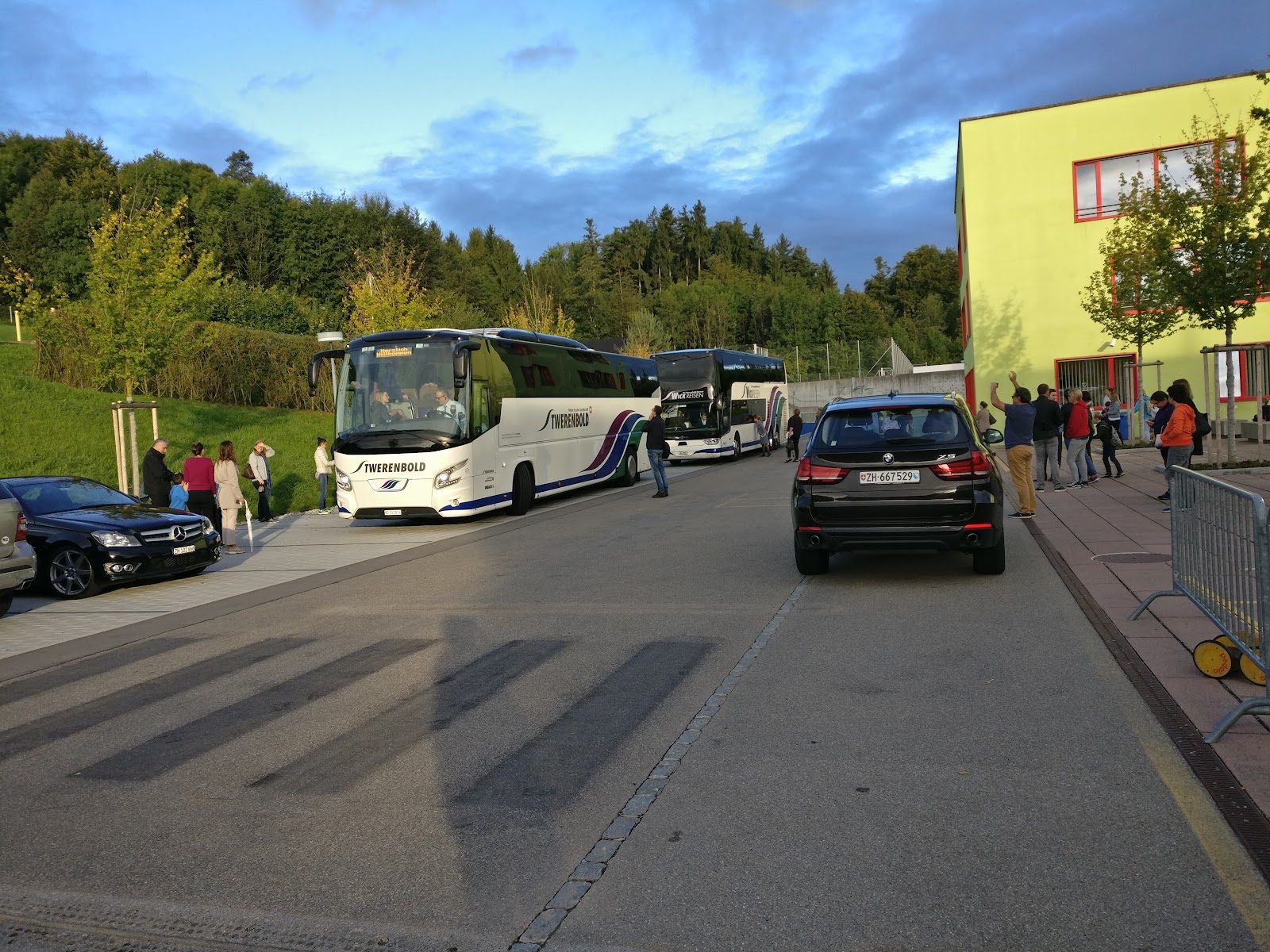
Zurich International School
Zurich · Switzerland
On Lake Zurich's shore, a 1963-founded day school pairs American diplomas and the IB with a bilingual German-English track from age three.
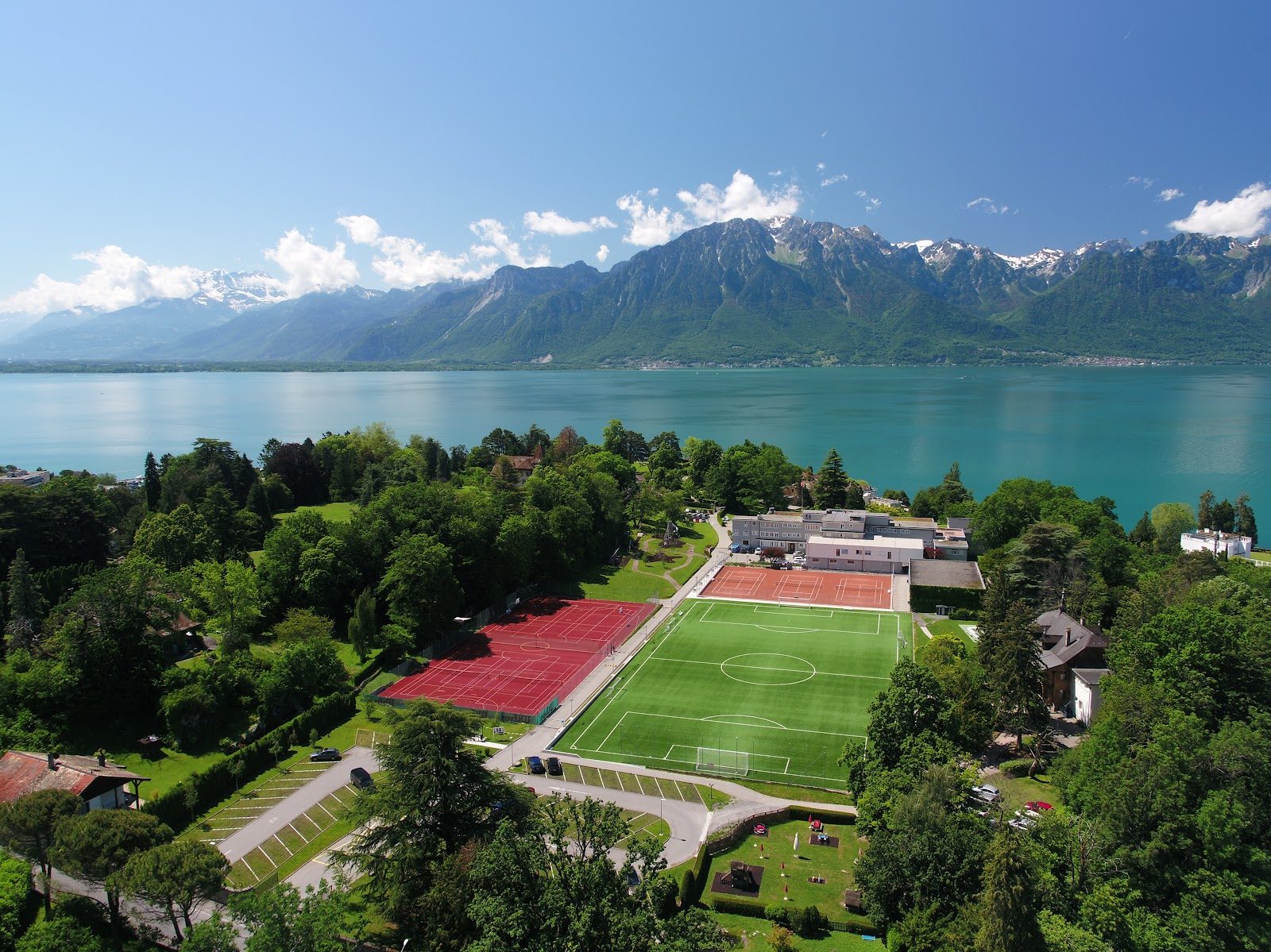
St George's International School (Montreux)
Montreux · Switzerland
Founded in 1927 by two Oxford graduates on the shores of Lake Geneva, pairing British rigor with IB ambition.
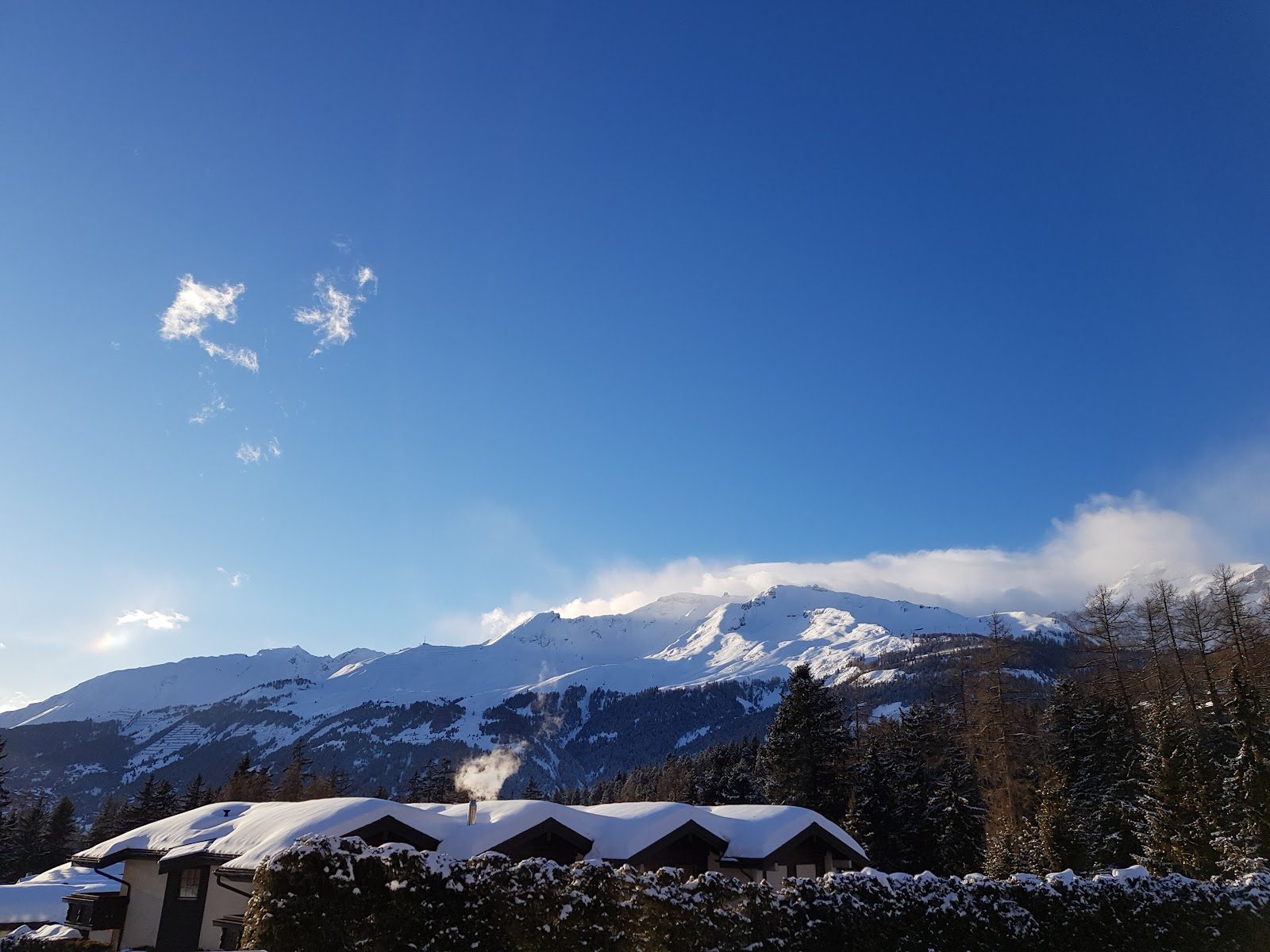
Le Régent International School
Crans-Montana · Switzerland
A purpose-built 2015 alpine campus at 1,500m pairing British and IB curricula with daily ski-in, ski-out outdoor education.
Same country and curriculum — closest matches within ±10 points either way