
Singapore
Temasek Junior College
Named for Singapore's ancient 'sea town,' this eastern college pairs a pioneering Humanities Scholarship track with its own Music Elective Programme.
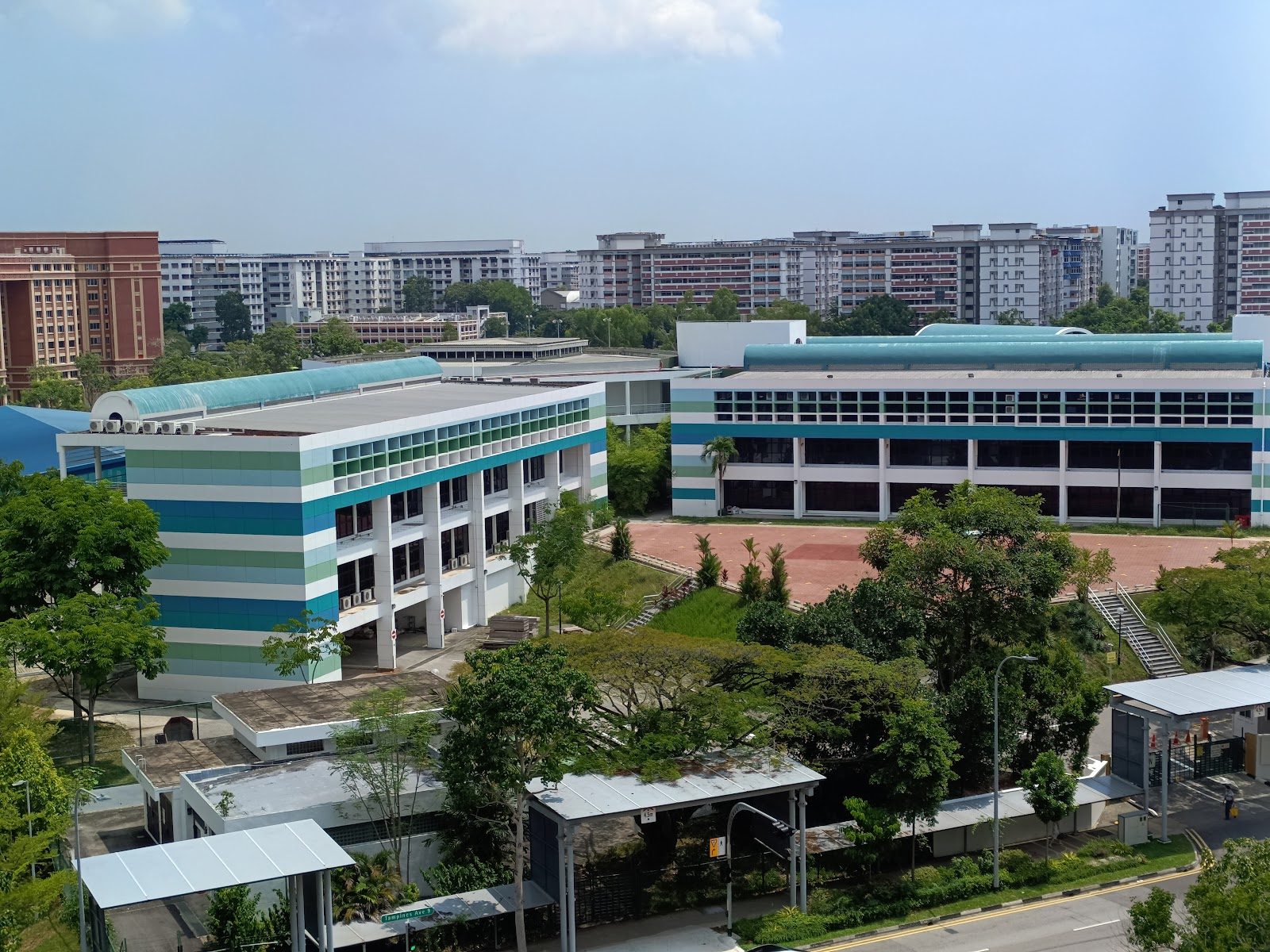
Photo © Prasanna Brabourame via Google Maps
Type
Day
Ages
13–18
Curriculum
Singapore National
Qualifications
GCE O-Level · GCE A-Level
Ratio
—
The Verdict
Editor's commitment
Right for
Singapore families who want a government-run day college founded in 1977, teaching in English with a six-year Integrated Programme or A Levels.
Wrong for
Parents chasing boarding, religious formation, or a non-Singapore curriculum; Temasek is non-religious, MOE-accredited, day-only and squarely national in outlook.
Watch out for
The original Bedok South site is under reconstruction, and the college is temporarily in Tampines; check the commute before trusting the Temasek name.
Ranking breakdown
Temasek Junior College · #1106 of 1591
Composite score 60.9. 8 weighted criteria.
By criterion
Academic Outcomes
Weight 20%
#791
of 1529 scored
University Placement
Weight 16%
#911
of 1529 scored
Prestige & Heritage
Weight 12%
#1123
of 1529 scored
Alumni Network
Weight 12%
#1367
of 1529 scored
Facilities
Weight 12%
#1199
of 1529 scored
Transparency & Communications
Weight 8%
#1016
of 1529 scored
Peer & Industry Review
Weight 10%
#1305
of 1529 scored
Admissions Selectivity & Demand
Weight 8%
#489
of 1529 scored
Peer & Industry Review
How Temasek Junior College is regarded in the sector
62
Respected · medium confidence
Temasek Junior College is consistently placed among Singapore's top five junior colleges in the JAE cut-off point tables published annually by The Straits Times and MOE, sitting just below the traditional 'big three' of Raffles, Hwa Chong and National JC. Rival JC principals and MOE curriculum planners frequently cite TJC's Humanities and Science research programmes as a benchmark for interdisciplinary teaching within the JC system. University admissions offices at NUS, NTU and SMU regard TJC A-level cohorts as reliably strong, and the college regularly appears in local media reports on Oxbridge and Ivy League offers, though at lower volume than the top three JCs. Independent education commentary sites and forums such as Salt or SG-focused parent blogs describe TJC as 'solid, less pressured' compared with RI/HCI, a reputation reinforced by its consistent but not top-tier position in unofficial league tables. It is a regular presenter at MOE's JC curriculum-sharing conferences, reflecting sector-wide respect for its programme design rather than headline prestige.
Award

Elite Science & Research 58
World's Top School · The Global Ranking
Temasek Junior College is featured on our Global Top 58 ranking at #46. This seal is available for the school's marketing team to use on their website, prospectus and social channels.
- Joseph Schooling — Olympic gold medalist swimmer, sports
- Quah Zheng Wen — competitive swimmer, sports
- Nathan Hartono — singer-songwriter, entertainment
Editors' overview
Temasek Junior College occupies a distinct niche in Singapore’s state sector: an established eastern college with a long institutional memory, a full 6-year Integrated Programme alongside the 2-year Singapore-Cambridge GCE A Level route, and a culture built around its long-standing “Dare to Try” line. Founded in 1977, it has age and alumni depth that newer sixth-form institutions do not. The school also trades on two serious academic identifiers: a pioneering Humanities Scholarship track and its own Music Elective Programme. That combination matters. Many colleges can field strong science and maths teaching; far fewer give equal structural weight to high-performing students in the humanities and music. The result is a school with intellectual range, real academic ambition and a clearer identity than the generic “all-round excellence” formula.
Parents should shortlist TJC if they want a government junior college that does not flatten everything into a single academic mould. Its market position rests on breadth with specialism: Singapore National curriculum, English-medium teaching, and recognised strength in both conventional junior college preparation and selective talent development. The school’s temporary location in Tampines, while its original Bedok South campus undergoes reconstruction, is a practical detail rather than a strategic weakness; the rebuilding programme signals state backing and institutional permanence. The college also publishes concrete governance and staffing structures, including leadership, staff contacts and an advisory committee. That gives it institutional seriousness and adult credibility, not just student-facing branding.
The student who will want TJC is bright, self-propelling and comfortable in a competitive public system, but not narrowly utilitarian. This is a strong fit for the teenager who wants rigorous A Level preparation while keeping one foot in scholarship-level humanities, music, or a broader collegiate life. It suits students drawn to disciplined independence, earned confidence and a school culture that expects them to stretch rather than coast. Families looking for boutique intimacy, unusual curricular flexibility or international-school style pastoral hand-holding should look elsewhere. TJC is for students who want a serious Singapore junior college, with proven age, selective pathways and enough character to stand apart from the pack.
An Elite Science & Research 58 school
Temasek Junior College, located in Tampines in eastern Singapore, sits at rank forty-six on the Elite Science & Research 58. The anchor fact is unambiguous: at the 2025 Regeneron International Science and Engineering Fair, the school's Rameshkumar Dhanvine developed a new artificial intelligence (AI) framework that improves the precision, speed, and accessibility of meta-lens design, therefore accelerating innovations in optics including augmented reality (AR) glasses, holography, and light detection and ranging (LiDAR), part of a Singapore delegation that clinched eleven awards at ISEF 2025 - the highest number since Singapore's first participation in 2001 - competing against more than 1,700 students from over 60 countries.
The research architecture is genuinely scaffolded rather than cosmetic. Within Temasek Academy, IP students undertake Type III activities such as the Youth Science Ambassador Programme by Science Centre Singapore, the Science Mentorship Programme by MOE's Gifted Education Branch and the Nanyang Research Programme (Junior) by NTU, benefiting under the mentorship of an external researcher. In JC1, students can progress to NTU's H3 Science Research, an A-Level examinable subject in which students work on real-world research projects over eight months under the guidance of NTU faculty, researchers and scientists, or NUS's Science Research Programme, one of the premier research attachment programmes for junior college students, offered as either an examinable H3 module or a non-examinable enrichment track. The A*STAR Science Award adds a further route for students to work directly inside a national research institute.
Notable alumni in science are still emerging by name, so the fairest evidence is competition performance: Dhanvine Rameshkumar's ISEF special award sits inside Singapore's record-breaking 2025 haul, and the majority of TJC graduates go on to study at NUS, NTU, SMU, and other institutions, with 98% of 2021 graduates eligible for university admission.
International openness is real but procedural. Overseas applicants use DSA-Sec (Secondary 1 entry) or DSA-JC (JC1 entry), and international students not studying in MOE mainstream schools must take the AEIS test before applying for DSA. This is a day school with no boarding, so families must arrange guardianship independently. Instruction is entirely in English. Non-citizen fees follow MOE's national schedule, which has risen by $25 to $140 per month for international students each year from 2024 to 2026. Families should register early, secure guardianship, and sit the AEIS well ahead of the DSA window.
Academic Performance
Temasek Junior College occupies the upper tier of Singapore’s junior college landscape, but public proof is thinner than parents deserve. The college does not publish consolidated A Level outcomes, subject averages, university destinations, or value-added data in the public domain. That matters. In a system where the strongest state colleges trade on hard academic outcomes, opacity weakens any claim to elite or top-bracket performance. Parents are left to infer academic standing from selectivity, programme structure and the college’s long-held reputation rather than from current score tables. That is credible but incomplete evidence.
Even with that caveat, TJC sits above the median state junior college and competes in the band below the most brutally selective national names. Its academic profile is strengthened by the coexistence of a 6-year Integrated Programme and a 2-year A Level route, since schools entrusted with both tracks are not weak institutions. The more telling marker is specialisation: a Humanities Scholarship pathway and an in-house Music Elective Programme indicate serious academic depth beyond standard exam preparation. That points to a college with genuine intellectual range and high-performing pockets, not a generic exam factory. The verdict: strong standing, credible rigour, but too little published attainment data to place it with precision among Singapore’s best.
Facilities
Facilities are in transition. Temasek’s original Bedok South campus is under reconstruction through the Junior College Rejuvenation Programme, and the college is operating temporarily in Tampines. That matters because parents are not buying a settled physical plant; they are buying into an institution between sites. The school itself flags the “new Bedok Rebuilt Campus” as a major part of its future, which tells you where the facilities story now sits: not in a finished estate, but in a state-backed rebuild. Against peer junior colleges, that places TJC in an unusual category. Some rivals can point to mature campuses with years of settled routines; TJC offers a transitional set-up now and a renewed long-term home later. For practical families, that is a trade-off, not a flaw.
What stands out is less the published detail of specialist rooms than the institutional intent behind them. A college that sustains a Humanities Scholarship pathway and its own Music Elective Programme needs credible teaching spaces for seminars, performance and rehearsal, even if the school does not publish a full facilities inventory. That lack of public specificity is the weak point. Parents can identify the rebuild, the temporary site and the broad academic shape, but not a clean, room-by-room account of labs, theatres, sports provision or maker-style spaces. Against the best-presented peers, that is thin disclosure. The verdict: promising infrastructure trajectory, credible specialist demand, but an opaque current facilities picture until the rebuilt campus is fully in view.
Temasek Junior College occupies the upper tier of Singapore’s junior college landscape, but public proof is thinner than parents deserve
Prestige
Temasek Junior College carries real state-sector prestige, but it sits a rung below Singapore’s most mythologised junior colleges. The reasons are clear. It has longevity, a recognised name in the eastern part of the system, and entry routes that place it inside the serious academic conversation rather than at the margins. The college also benefits from programme markers that confer status in Singapore’s meritocratic hierarchy: the 6-year pathway, the Humanities Scholarship track, and its own Music Elective Programme. Those are not decorative add-ons. They signal institutional trust, selective student intake in key areas, and a school identity with more shape than the standard “good all-round college” line. That gives TJC earned credibility and genuine cachet among families who know the local landscape.
Its prestige stops short of the very top because the public case is not forceful enough. The school does not publish the kind of outcome data that would settle the question cleanly, and in Singapore that absence matters. Prestige here is not built on heritage language alone; it rests on hard proof, fierce selectivity and repeated national visibility. TJC has the first two ingredients in part, but not the full glare of the most dominant names. The result is a college with serious standing, strong professional respect and a reputation that travels well among informed parents, without the rarefied aura of the absolute peak institutions.
Temasek Junior College carries real state-sector prestige, but it sits a rung below Singapore’s most mythologised junior colleges
Communications
Temasek communicates with parents in the manner of a serious state institution: structured, functional and public-facing rather than intimate. The school website gives parents a clear route into leadership, staff contacts, the advisory committee and key college information. That matters. A published staff list with departmental contact details is more useful than glossy narrative, because it tells families who actually runs what and where to direct a question. The advisory committee page also adds a layer of adult accountability that many schools mention only in passing. There is little wasted language, and the “About Us” architecture is easy to navigate. For a college serving teenagers on demanding academic tracks, that plain-dealing clarity fits the job.
The weakness is depth, not order. The public-facing communication does the essentials, but it does not give parents a rich picture of outcomes, day-to-day student experience or the practical implications of the current campus transition. That leaves families with a competent but narrow information set: governance is visible, contacts are visible, institutional history is visible, but performance disclosure remains thin and operational detail is lighter than it should be. In other words, Temasek communicates like a school that expects parents to trust the institution first and ask targeted questions second. For many local families, that model works. For internationally minded parents used to forensic transparency, it falls short.
Uniqueness
What marks Temasek out is not raw exclusivity but shape. Many junior colleges promise breadth and then funnel prestige into the sciences. TJC gives formal weight to disciplines that other schools treat as side corridors: humanities at scholarship level and music through its own elective programme. That produces a college with a wider intellectual centre of gravity than the standard exam machine. Students with strength in literature, history, philosophy-facing argument or serious musical training do not need to defend those interests as extracurricular indulgences. The school has already built them into its core identity. Add the coexistence of a 6-year route and a 2-year route, and you get a student body with more than one pace, more than one academic trajectory, and more than one idea of excellence.
There is also something distinctive in the college’s internal ethos. “Dare to Try” is not elegant branding, but it is clear, durable and unusually usable. In the best version of that culture, students get permission to take on hard combinations, stretch beyond safe competence and develop earned self-command rather than polished caution. That benefits the teenager who wants a state college that is serious without being one-dimensional. The limitation is plain: this identity works best for students who already have momentum. Those waiting for intensive hand-holding or a highly personalised school architecture will find TJC demanding, unsentimental and less bespoke than smaller independent settings.
In a system where the strongest state colleges trade on hard academic outcomes, opacity weakens any claim to elite or top-bracket performance
Student Profile
The right student for Temasek is academically confident, steady under pressure and happy in a school where credibility is earned through work rather than charm. This is not the place for adolescents who need constant reassurance, endless optionality or a soft landing every time standards rise. It suits teenagers who can manage a busy timetable, take correction without drama and hold their own among peers with serious academic intent. The dual structure also matters: students entering the college need to be comfortable in a community that spans more than one stage of secondary and pre-university education, not a narrow single-cohort sixth form. That gives the student body a high-drive, meritocratic tone, with room for both conventional high achievers and those with a defined strength in the humanities or music.
The best fit is a young person with disciplined independence and some appetite for stretch. A student who wants every pathway pre-packaged will find the culture demanding; one who wants to test intellectual range will do well here. The school’s long-running “Dare to Try” line points to a tolerance for challenge and a bias against passivity. In practice, that means students who volunteer answers, take on leadership, recover from setbacks and keep moving. Families looking at the full 6-year route need a child who can grow inside one institution without getting stale; those eyeing the 2-year track need a teenager who can integrate quickly into an established culture. This is a strong match for the self-propelling, competition-ready student, not the fragile or heavily coached one.
Its prestige stops short of the very top because the public case is not forceful enough
Co-curricular strengths
Arts & sport, on a separate axis
Overall 8.16/10
Scored 0-10 from the school's own published evidence. This axis is editorial-only — it does not feed the main WTS ranking.
Sports
8.5/10
Drama
8/10
Dance
7.8/10
Music
8.7/10
Visual Arts
7.8/10
Strengths
- +Temasek Junior College was established in 1976 as the second government junior college in Singapore, giving it a long-standing track record in pre-university education.
- +In cut-off point rankings, Temasek Junior College is tied with Dunman High School and National Junior College at Arts A-Level: 8 and Science A-Level: 7, placing it among Singapore's higher-performing government JCs.
- +It offers a six-year Integrated Programme alongside a two-year Singapore-Cambridge GCE Advanced Level curriculum, giving students a choice of pathway from Temasek Secondary School through to the A-Levels.
- +Notable alumni include sitting or former Members of Parliament such as Fatimah Lateef, former Member of Parliament and Cyril Wong (Singaporean poet), reflecting a broad spread of graduate outcomes.
- +The Temasek STEM Programme aims to groom outstanding Mathematics and Science students to be leaders with 21st Century Competencies, and Science Stream students who have displayed a strong passion and aptitude for Mathematics and Sciences will be invited to join, offering targeted enrichment for STEM-inclined students.
Considerations
- −Its original location in Bedok South is currently undergoing reconstruction as part of the JC Rejuvenation Programme, with the new campus becoming operational in 2028, so families should expect the school to remain on a temporary site for some years yet.
- −Entry is competitive rather than open: the Arts A-Level cut-off is 8 and Science A-Level cut-off is 7, meaning only O-Level students with strong aggregate scores are likely to secure a place through the standard admissions exercise.
- −As a government-run junior college with a single day-school session, it offers no boarding option, and international students who are not studying in MOE mainstream schools are also required to take the AEIS test before applying, adding an extra hurdle for relocating families.
- −Fee structures scale steeply by residency status, with government schools such as this one charging Singapore Citizens minimal fees but materially higher monthly rates for Permanent Residents and international students, per MOE's published fee framework.
Availability
Primary entry gate & tests
O-Level / DSA Track (JC Only)
Gallery
Photo © Merlin via Google Maps
Photo © Ong Eng Hin via Google Maps
Photo © MF via Google Maps
Photo © peng mui Ong via Google Maps
Photo © Rida Sobana via Google Maps
Photo © Rida Sobana via Google Maps
Photo © Rida Sobana via Google Maps
Parent reviews
Have you sent your child here?
Voice reviews carry the strongest trust badge — we transcribe them for you to tidy up before they go live. Prefer to type? A written review is fine too.
Add your voice
In 60 seconds, tell other parents: what's the best thing about Temasek Junior College, and what surprised you when your child joined?
We ask for a Google sign-in so every review has a real face behind it — no anonymous drive-by attacks on schools, and no faked positive reviews. Your email is never shown publicly.
Send this profile to a friend
International parents rely on word-of-mouth. Share this review with someone weighing the same decision.
Schools with places
Similar schools to Temasek Junior College with places available now.
Chatsworth International School
Singapore · Singapore
- 2026-27
- WAITPOOLSpace-dependent
- 2027-28
- FUTURE CYCLERolling claim not independently verified for 2027/28
Overseas Family School
Singapore · Singapore
- 2026-27
- WAITPOOLSpace-dependent
- 2027-28
- PLACES OPENRolling
Singapore American School
Singapore · Singapore
- 2026-27
- WAITPOOLGrade-specific / Waitpools
- 2027-28
- PLACES OPENRolling
Availability first, then country, area, curriculum, price, co-curricular
Consider also
Also worth looking at alongside Temasek Junior College.
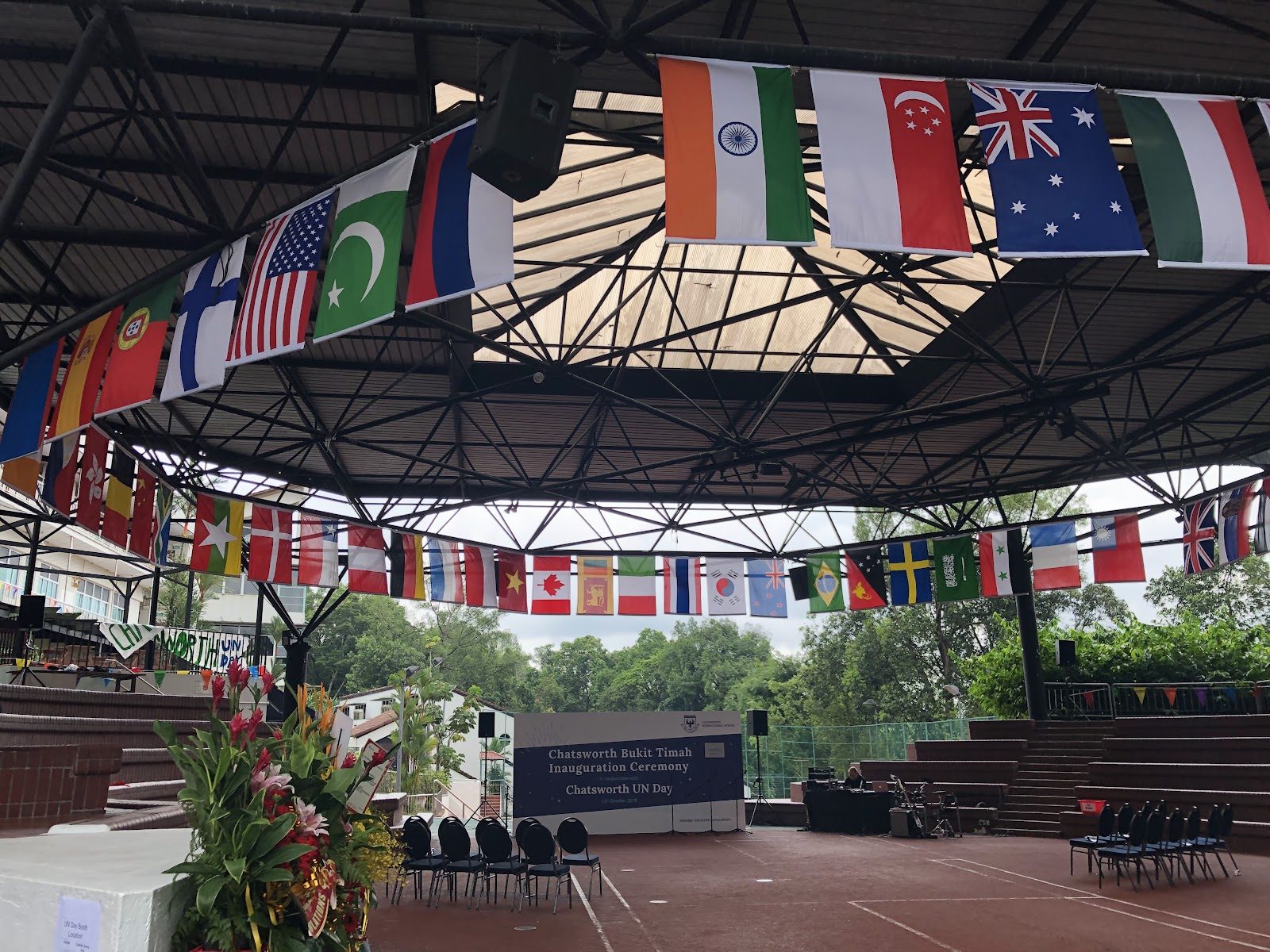
Chatsworth International School
Singapore · Singapore
Set beside Singapore's only tropical rainforest, a non-selective full IB continuum runs through a close-knit, village-like community.
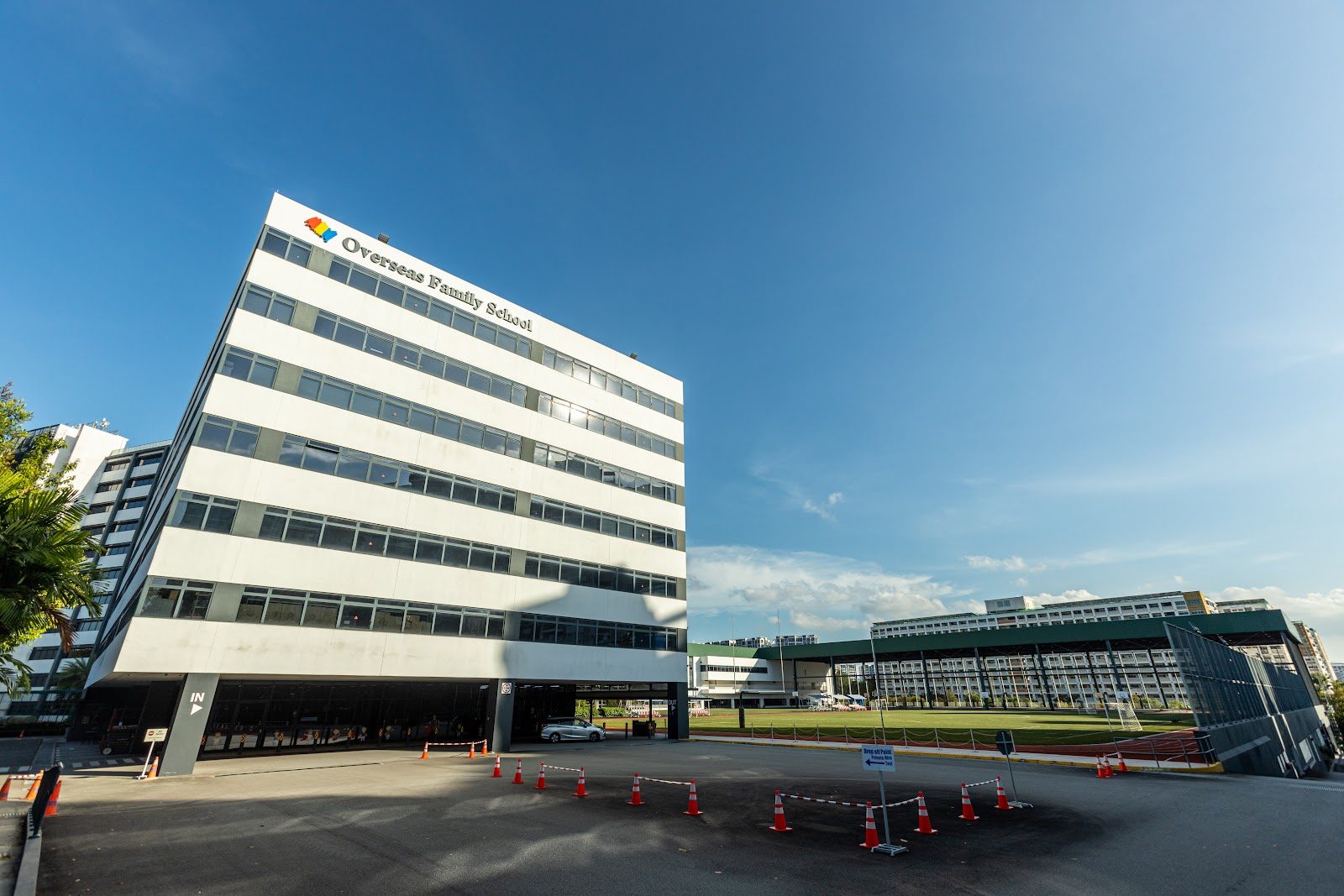
Overseas Family School
Singapore · Singapore
Open-access IB Diploma policy admits every student, no preselection, inside a 70-nation Pasir Ris campus.
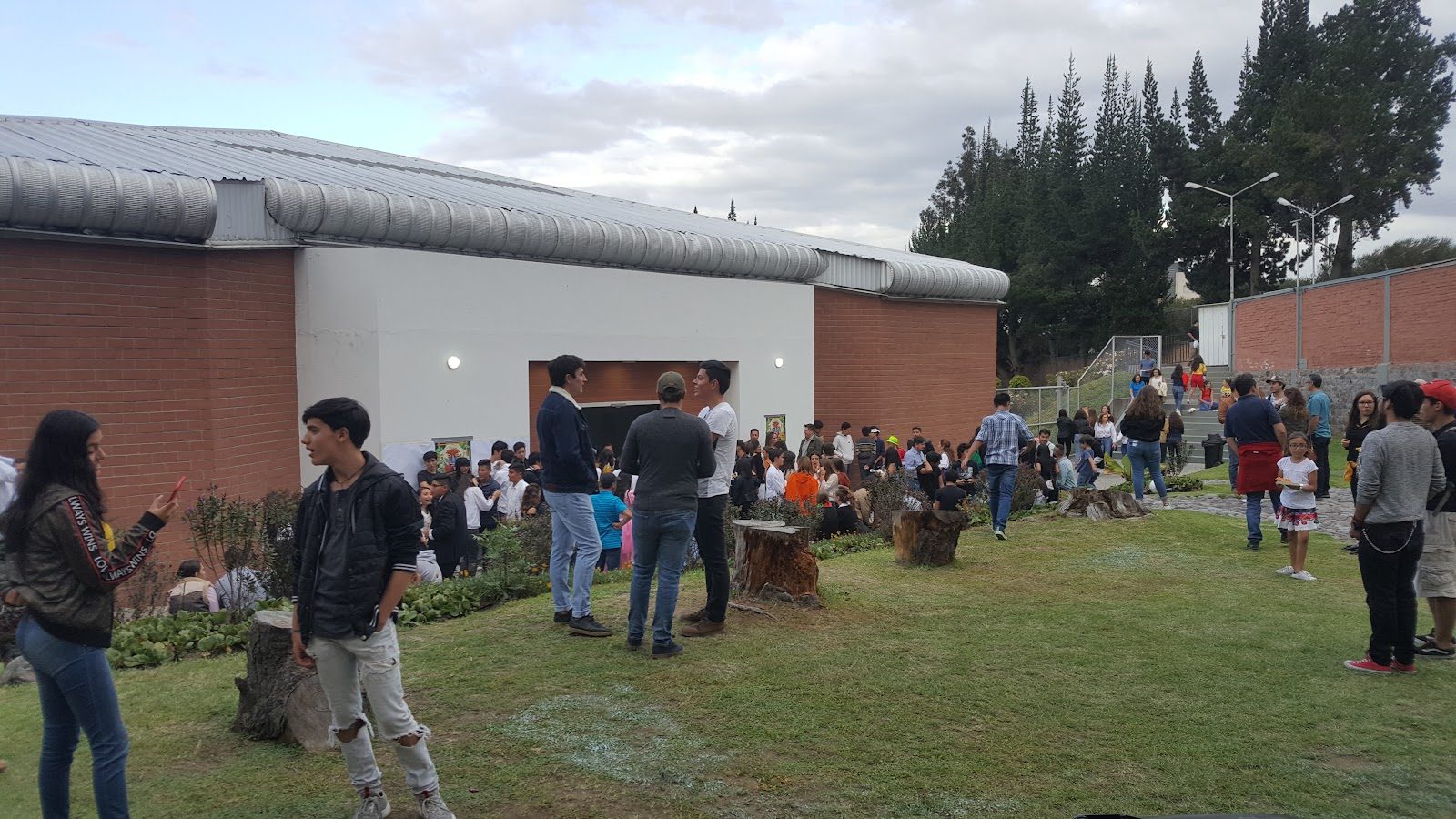
Colegio Alberto Einstein
Quito · Ecuador
Founded by Ecuador's Jewish community in 1973, its full IB continuum now unfolds on a Harvard-advised Puembo campus.
Ibstock Place School
London · United Kingdom
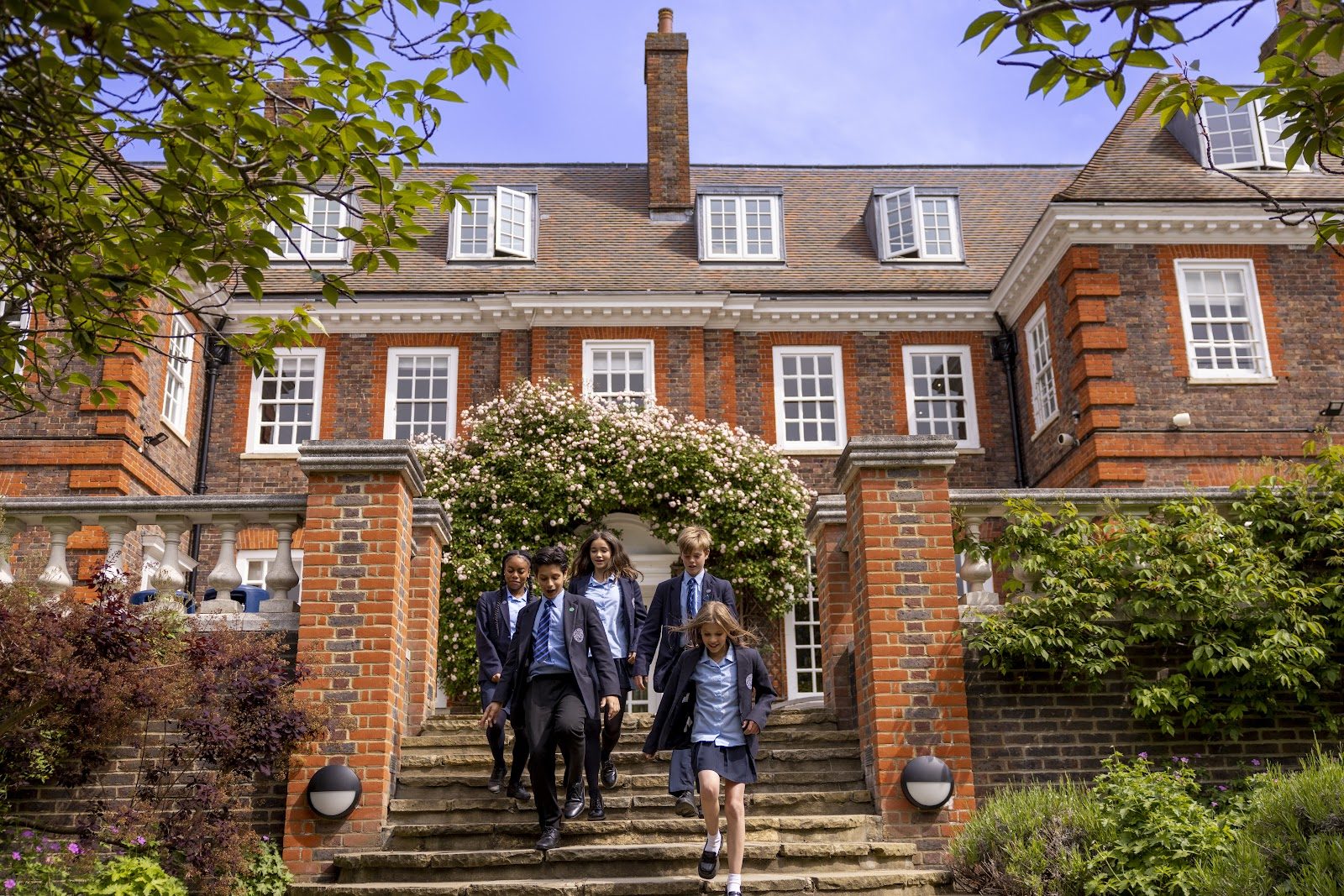
On the fringe of Richmond Park, a Froebel-founded day school has championed co-education since 1894.
Same country and curriculum — closest matches within ±10 points either way