
United States
Philadelphia High School for Creative and Performing Arts – Visual Arts
New · 2026/27Type
Ages
—
Curriculum
—
Ratio
—
Ranking breakdown
Philadelphia High School for Creative and Performing Arts – Visual Arts · #1569 of 1591
Composite score 46.2. 8 weighted criteria.
By criterion
Academic Outcomes
Weight 20%
No data yet
1529 of 1591 scored
University Placement
Weight 16%
No data yet
1529 of 1591 scored
Prestige & Heritage
Weight 12%
#1562
of 1571 scored
Alumni Network
Weight 12%
No data yet
1530 of 1591 scored
Facilities
Weight 12%
No data yet
1533 of 1591 scored
Transparency & Communications
Weight 8%
No data yet
1532 of 1591 scored
Peer & Industry Review
Weight 10%
No data yet
1548 of 1591 scored
Admissions Selectivity & Demand
Weight 8%
No data yet
1529 of 1591 scored
Peer & Industry Review
How Philadelphia High School for Creative and Performing Arts – Visual Arts is regarded in the sector
Insufficient peer signal
We couldn't find enough independent third-party evidence to score this school's peer & industry standing with confidence. It doesn't mean the school isn't well regarded — only that public reputation sources we trust don't yet cover it. This axis is left blank for now and the composite score is median-imputed from the other six categories.
Award
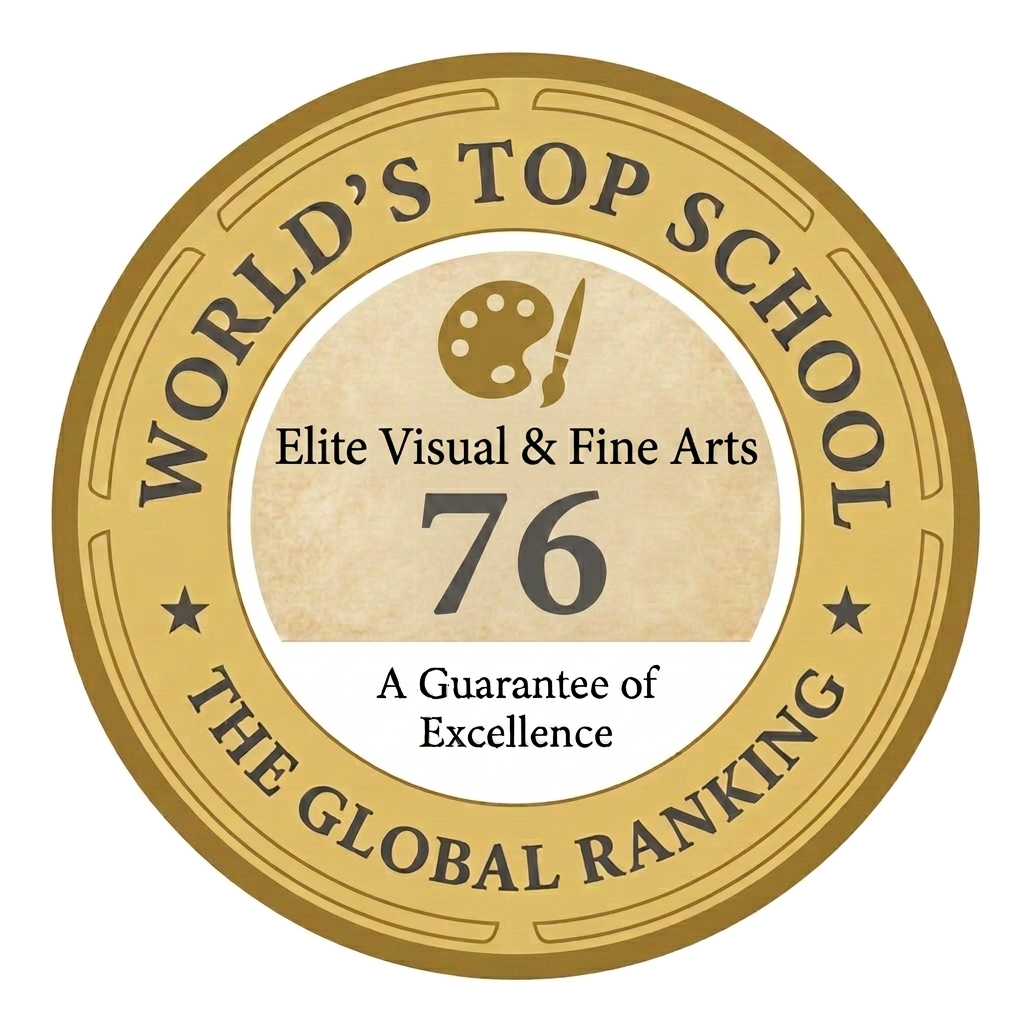
Elite Visual & Fine Arts 76
World's Top School · The Global Ranking
Philadelphia High School for Creative and Performing Arts – Visual Arts is featured on our Global Top 76 ranking at #54. This seal is available for the school's marketing team to use on their website, prospectus and social channels.
Editors' overview
Full editorial coverage forthcoming. This institution has been included in the 2026 Visual Arts & Fine Art audit on the strength of its specialist Fine Art pathway. A long-form editorial review — covering curriculum, faculty, graduate conversion, portfolio provision and international accessibility — will be published as editorial capacity allows. The rank position, country and international-access classification shown on the ranking page have been verified against the methodology.
An Elite Visual & Fine Arts 76 school
The Philadelphia High School for Creative and Performing Arts (CAPA), located on South Broad Street on Philadelphia's Avenue of the Arts, sits at rank fifty-four on the Elite Visual & Fine Arts 76 because it is a rare fully public magnet school that runs a genuine four-year, audition-entry studio-art major inside an otherwise ordinary district high school. CAPA has been named among the "Best High Schools in Pennsylvania" by U.S. News and World Report, ranking third among all School District of Philadelphia schools in the city, and it reports strong college placement across its seven arts majors.
The specialism is delivered through the Visual Arts major, one of seven strands students audition into as freshmen. The department's own description frames a program that provides a rigorous, interdisciplinary program that balances hands-on studio practice with critical thinking, art history and experiences in aesthetics development, with students exploring a wide range of media in drawing, painting, and sculpture while developing their ability to reflect on, critique, and articulate the meaning behind their work. Entry runs through the School District of Philadelphia's criterion-based process: academic thresholds, a live audition, and a lottery among qualifying candidates, with the option to add a minor major after freshman year.
Notable alumni are still emerging specifically from the visual arts strand; CAPA's own alumni honor roll is dominated by music and stage names such as Questlove and Black Thought of The Roots, Boyz II Men, and Leslie Odom Jr., rather than confirmed fine artists. What is verifiable is the studio culture itself: the school highlights award-winning visual artwork produced for School District annual art displays and at various prominent venues around the city as its standing measure of student output.
International openness is limited and must be stated honestly: CAPA is a tuition-free public magnet tied to the School District of Philadelphia, with no boarding facility. Regular admission requires proof of Philadelphia residency (lease or deed plus supporting documents); non-residents may enroll only by paying tuition, and space cannot displace a resident student. An F-1 visa route exists under federal law but caps a foreign student's public-school enrollment at 12 months and requires payment of the full, unsubsidized per-pupil cost, typically in the $8,000-$15,000 range nationally for comparable districts, plus separately arranged housing. Overseas families should treat CAPA as a residency-based option rather than an international boarding school, and should begin the district's enrollment and F-1/SEVP paperwork at least a full year ahead of a target ninth-grade audition cycle.
Academic Performance
CAPA is a selective public magnet school within the School District of Philadelphia, pairing a standard academic diploma track with intensive conservatory-style training in the arts, including visual arts. Students take the full complement of state-mandated courses - English, mathematics, science, social studies - alongside specialized visual arts coursework such as drawing, painting, sculpture, digital media and portfolio development. Admission is by audition/portfolio review rather than academic record alone, drawing motivated students citywide. The school has historically posted graduation and college-matriculation rates above the Philadelphia district average, with many visual arts graduates progressing to art and design colleges such as Pratt, RISD, Tyler School of Art, and Moore College of Art. Class sizes in arts studios are kept small to allow individualized critique. Because it is a public school without tuition, resources are tied to district funding, meaning academic offerings, while solid, are less expansive than some private peer institutions, though the arts curriculum itself is unusually deep for a public school.
Facilities
CAPA occupies a purpose-built campus on Broad Street in South Philadelphia, opened in 2008 to replace its original 1979 building, and includes dedicated visual arts studios for drawing, painting, ceramics, printmaking and digital art, alongside dance studios, black-box and proscenium theaters, and music rehearsal rooms. The visual arts department has gallery space for student exhibitions and portfolio reviews. As a public arts-focused magnet school, CAPA does not maintain the extensive athletic facilities typical of comprehensive high schools; sports programs exist but are modest, with students sharing city recreational facilities rather than dedicated stadiums or pools. Science labs meet standard district requirements but are not a particular focus of the school's identity. The building's design reflects its arts mission, with natural light, exhibition corridors, and technology for digital art and media production. Overall the physical plant favors performing and visual arts over athletics or advanced science infrastructure, consistent with the school's specialized mission within the district.
This institution has been included in the 2026 Visual Arts & Fine Art audit on the strength of its specialist Fine Art pathway
Prestige
Founded in 1979 as one of the first public performing and visual arts magnet high schools in the United States, CAPA holds a distinctive place in Philadelphia's cultural life. Its alumni roster includes prominent figures in music and entertainment - among them members of Boyz II Men, jazz bassist Christian McBride, musician and producer Questlove, and actor-singer Leslie Odom Jr. - which has given the school outsized visibility relative to its size. Admission is audition-based and competitive, reinforcing its reputation as a serious training ground rather than a general-enrollment school. Within the visual arts track specifically, the school is known locally for producing students who go on to art schools and design careers, though it does not carry the international name recognition of elite private academies. Its prestige is civic and artistic rather than academic-elite in the Ivy League sense: it is regarded within Philadelphia and in American arts-education circles as a credible, historically significant public arts conservatory rather than a globally ranked institution.
The rank position, country and international-access classification shown on the ranking page have been verified against the methodology
Communications
As part of the School District of Philadelphia, CAPA communicates with families through standard district channels: report cards, parent portals, automated phone and email alerts, and school-level newsletters. The school maintains a website and social media presence highlighting student exhibitions, concerts and performances, including visual arts showcases and senior portfolio shows. Audition and admission information for prospective families is distributed through district-wide magnet school fairs and an online application process coordinated centrally by the district rather than the school alone. Parent associations and arts-department booster groups supplement formal communication, organizing gallery openings and fundraising for materials and trips. Because CAPA is a public school operating within a large urban district, its communications are less individualized than those of private schools, relying heavily on district infrastructure, though the visual arts faculty typically maintains direct contact with students and families regarding portfolio requirements, exhibitions and college application support for arts-bound graduates.
Uniqueness
What distinguishes CAPA's visual arts program is its combination of a full public-school academic diploma with genuinely conservatory-level arts training, delivered at no tuition cost within a major urban district. Students audition or submit portfolios for admission and then follow a structured, sequential visual arts curriculum - foundation drawing, painting, sculpture, printmaking, digital media - alongside academic coursework, culminating in a capstone portfolio comparable to requirements at specialized art colleges. Few public schools nationally offer this depth of studio instruction alongside a standard diploma. The school's history since 1979 as an early model for public arts magnet education, and its alumni's visibility in music and entertainment, give it a cultural footprint disproportionate to its enrollment. Its identity is rooted in access: talented students from across Philadelphia, regardless of financial means, can receive intensive pre-professional arts training, making it a rare public-sector equivalent to a private arts conservatory or specialist academy.
Admission is by audition/portfolio review rather than academic record alone, drawing motivated students citywide
Student Profile
CAPA draws its student body from across Philadelphia through a citywide audition and portfolio process, resulting in a public-school population that is racially and socioeconomically diverse, reflective of the city itself, and united primarily by artistic interest rather than academic record or family background. Many students travel considerable distances across the city to attend, prioritizing the visual arts, music, dance, theater or creative writing majors over neighborhood schools. Financial need is common among the student body, as is true of much of the Philadelphia public system, and the school does not charge tuition. Students are generally self-selected for creative motivation and willingness to commit extensive after-school hours to studio work, rehearsals and portfolio development. The culture is described by students and alumni as intense but collaborative, with visual arts students often balancing rigorous studio expectations with standard academic coursework. The result is a student body more defined by artistic ambition and discipline than by uniform demographic or economic profile.
Class sizes in arts studios are kept small to allow individualized critique
Co-curricular strengths
Arts & sport, on a separate axis
Overall 8.48/10
Scored 0-10 from the school's own published evidence. This axis is editorial-only — it does not feed the main WTS ranking.
Sports
5/10
Drama
9.3/10
Dance
9.3/10
Music
9.4/10
Visual Arts
9.4/10
Parent reviews
Have you sent your child here?
Voice reviews carry the strongest trust badge — we transcribe them for you to tidy up before they go live. Prefer to type? A written review is fine too.
Add your voice
In 60 seconds, tell other parents: what's the best thing about Philadelphia High School for Creative and Performing Arts – Visual Arts, and what surprised you when your child joined?
We ask for a Google sign-in so every review has a real face behind it — no anonymous drive-by attacks on schools, and no faked positive reviews. Your email is never shown publicly.
Send this profile to a friend
International parents rely on word-of-mouth. Share this review with someone weighing the same decision.
Schools with places
Similar schools to Philadelphia High School for Creative and Performing Arts – Visual Arts with places available now.
Germantown Friends School
Philadelphia · United States
- 2026-27
- CLOSEDRegular cycle closed
- 2027-28
- OPENS SOONOpens Sept '26
Poly Prep Country Day School
Brooklyn · United States
- 2026-27
- CLOSEDRegular cycle closed
- 2027-28
- OPENS SOONOpens Sept '26
Boston University Academy
Boston · United States
- 2026-27
- CLOSEDRegular cycle closed
- 2027-28
- OPENS SOONOpens Sept '26
Greenwich Academy
Greenwich · United States
- 2026-27
- CLOSEDRegular cycle closed
- 2027-28
- OPENS SOONOpens Sept '26
Availability first, then country, area, curriculum, price, co-curricular
Consider also
Also worth looking at alongside Philadelphia High School for Creative and Performing Arts – Visual Arts.
Frank Sinatra School of the Arts – Fine Arts
United States
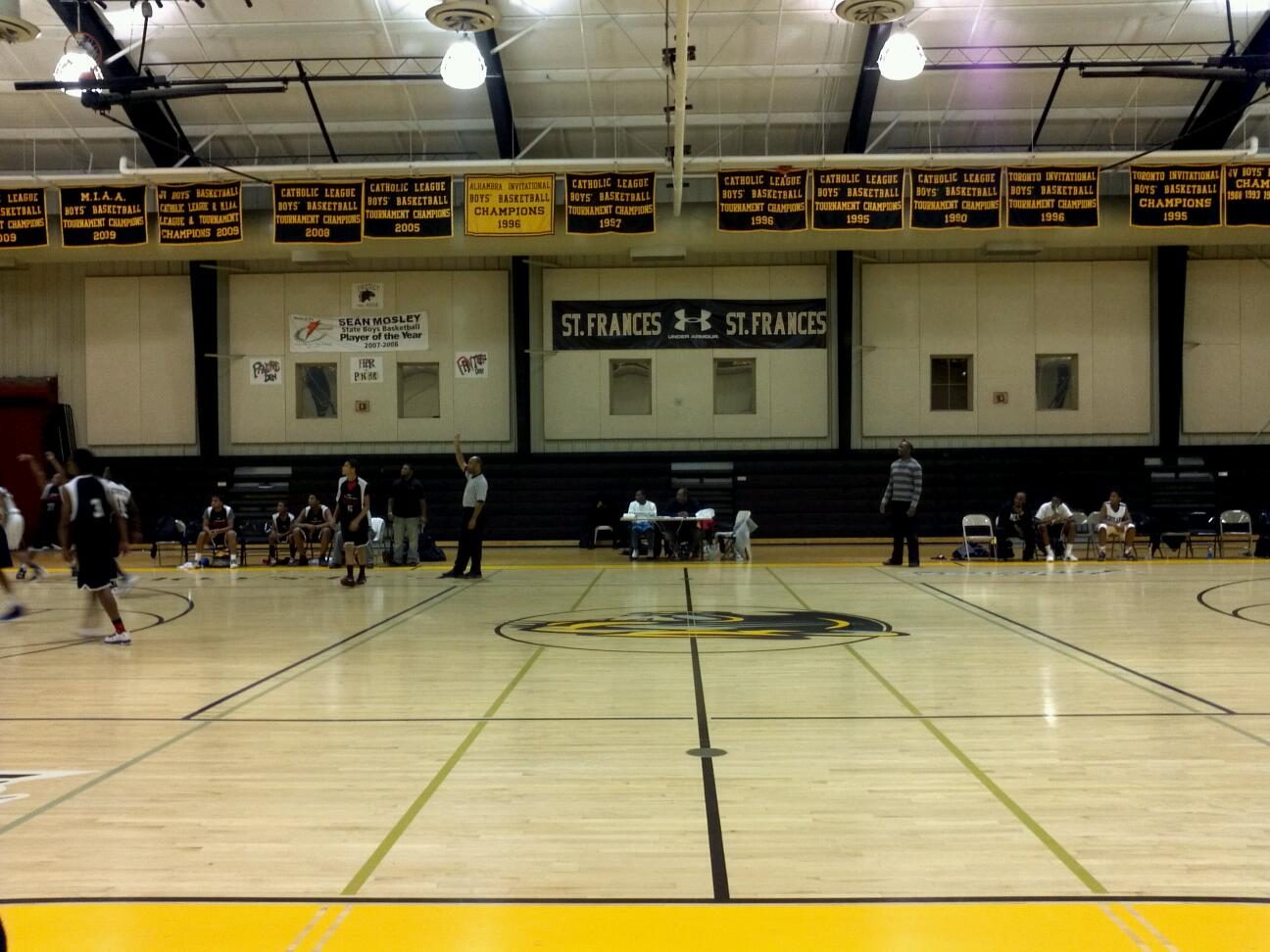
St. Frances Academy
Baltimore, MD · United States
Founded in 1828 as the nation's first Black Catholic school, now fielding a No. 1-ranked football dynasty in East Baltimore.
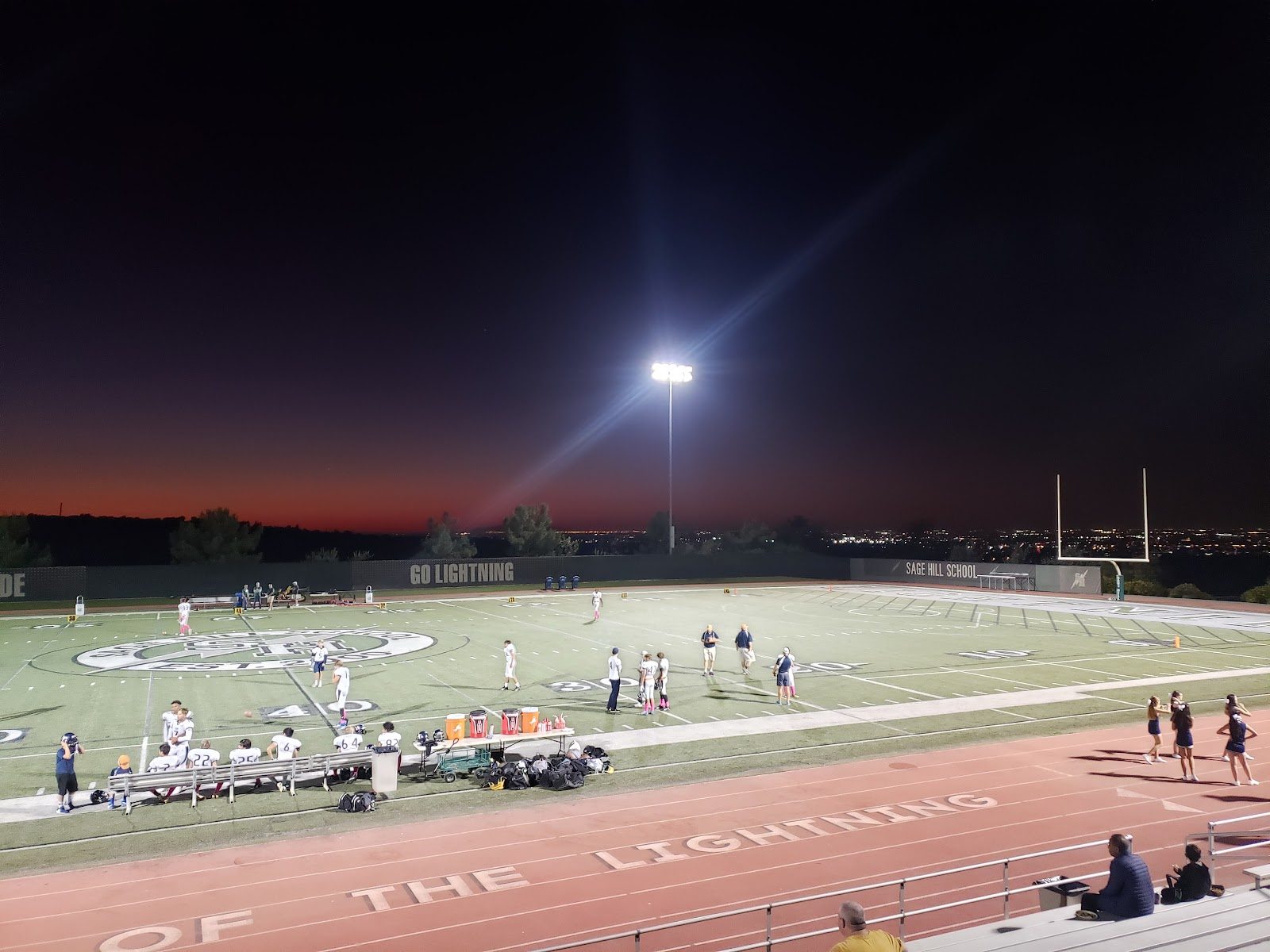
Sage Hill School
Newport Coast, CA · United States
A no-bells, ocean-view campus in Newport Coast where a year-end 'Spring at Sage' term sends students chasing passions worldwide.
Pittsburgh CAPA – Visual Arts
United States
Same country and curriculum — closest matches within ±10 points either way