
United States
Chicago Academy for the Arts – Visual Arts
New · 2026/27Type
Ages
—
Curriculum
—
Ratio
—
Ranking breakdown
Chicago Academy for the Arts – Visual Arts · #1561 of 1591
Composite score 49.1. 8 weighted criteria.
By criterion
Academic Outcomes
Weight 20%
No data yet
1529 of 1591 scored
University Placement
Weight 16%
No data yet
1529 of 1591 scored
Prestige & Heritage
Weight 12%
#1528
of 1571 scored
Alumni Network
Weight 12%
No data yet
1530 of 1591 scored
Facilities
Weight 12%
No data yet
1533 of 1591 scored
Transparency & Communications
Weight 8%
No data yet
1532 of 1591 scored
Peer & Industry Review
Weight 10%
No data yet
1548 of 1591 scored
Admissions Selectivity & Demand
Weight 8%
No data yet
1529 of 1591 scored
Peer & Industry Review
How Chicago Academy for the Arts – Visual Arts is regarded in the sector
Insufficient peer signal
We couldn't find enough independent third-party evidence to score this school's peer & industry standing with confidence. It doesn't mean the school isn't well regarded — only that public reputation sources we trust don't yet cover it. This axis is left blank for now and the composite score is median-imputed from the other six categories.
Award
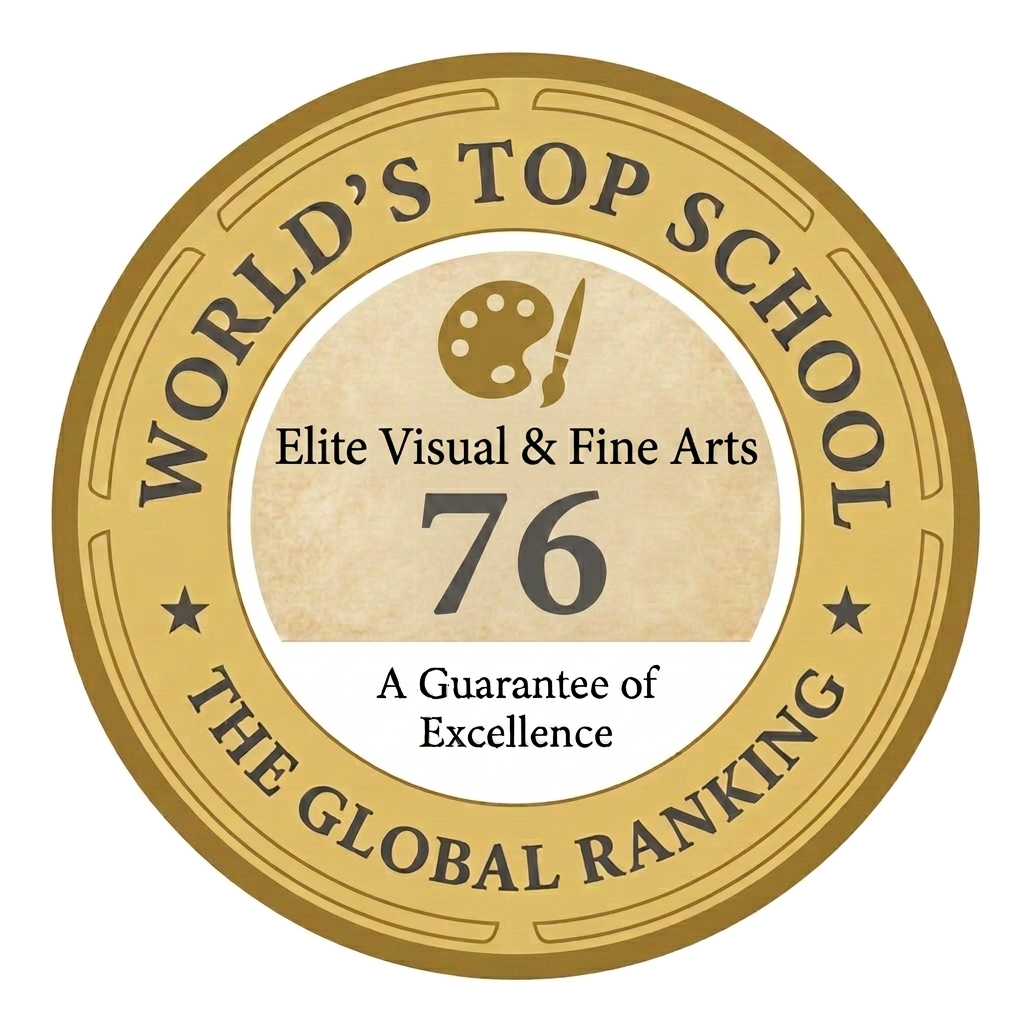
Elite Visual & Fine Arts 76
World's Top School · The Global Ranking
Chicago Academy for the Arts – Visual Arts is featured on our Global Top 76 ranking at #35. This seal is available for the school's marketing team to use on their website, prospectus and social channels.
Editors' overview
Full editorial coverage forthcoming. This institution has been included in the 2026 Visual Arts & Fine Art audit on the strength of its specialist Fine Art pathway. A long-form editorial review — covering curriculum, faculty, graduate conversion, portfolio provision and international accessibility — will be published as editorial capacity allows. The rank position, country and international-access classification shown on the ranking page have been verified against the methodology.
An Elite Visual & Fine Arts 76 school
The Chicago Academy for the Arts sits in the city's River West neighborhood and holds rank thirty-five on the Elite Visual & Fine Arts 76. The single fact that earns its place here is verifiable and specific: the school's own account of recent graduate outcomes names Cooper Union and Rhode Island School of Design among the institutions its Visual Arts seniors are regularly admitted to on scholarship, a genuinely elite matriculation line for a co-curricular day school of roughly 120 students.
The specialism is built around a four-year studio sequence rather than a bolt-on elective. Year one is foundation-focused on technical skill-building; by junior year, students must present fifteen finished works, including a five-piece series, plus a written artist's statement to Visual Arts faculty for formal evaluation; seniors then develop a thesis body of work for a public Senior Exhibition and compete for National Foundation for Advancement in the Arts scholarships. Facilities include a dedicated oil-painting studio, a sculpture studio equipped for wood, plaster and mold-making, a printmaking studio with two presses supporting relief, lithography, intaglio, monotype and screenprint processes, a design studio and a digital lab running Adobe Creative Suite. The Visual Arts Department has been chaired since 2008 by Margy Stover, a Pratt Institute BFA and SUNY Buffalo MFA graduate, alongside faculty holding MFAs from Northwestern and SAIC who continue to exhibit professionally in Chicago and beyond.
Notable alumni include Heather Day (Visual Arts '08), an abstract painter whose work has been profiled in W Magazine and shown internationally, and Maisie Schloss (Visual Arts '09), a Forbes 30 Under 30 honoree. Recent graduate Hengyu Wang (Visual Arts '18) has also been featured by the school as a working artist.
International openness is real but modest in scale. The Academy does not offer boarding; instead it partners with Student RoomStay and Global School Access for homestay placement, and with Cornerstone Education specifically for students from China, with all international minors required to reside with a guardian recognized under Illinois courts. Admission runs through audition, portfolio submission and an in-person or phone interview alongside a parent interview; tuition for 2026-2027 is $39,388, and tuition assistance is not available to international applicants. Families abroad should begin the audition-and-homestay process at least nine to twelve months ahead, since portfolio review and guardian arrangements both take time to finalize.
Academic Performance
Chicago Academy for the Arts pairs a college-preparatory liberal-arts curriculum with intensive studio training, splitting each school day between core academics and arts practice. Class sizes are small, typically under twenty students, allowing individualized attention in English, history, math and science alongside required art history and portfolio-development coursework for visual arts majors. The school does not run a large Advanced Placement slate, instead emphasizing depth through studio critique, gallery visits and a structured portfolio review process modeled on art-school admissions standards. Graduates regularly matriculate to conservatories and art programs such as the School of the Art Institute of Chicago, Rhode Island School of Design and Pratt Institute, reflecting the program's pre-professional orientation. Academic rigor is real but secondary in emphasis to sustained studio hours, making the school best suited to students who have already identified visual art as a serious vocational interest rather than an elective pursuit.
Facilities
The school occupies a converted building in Chicago's West Town neighborhood, fitted out with dedicated visual arts studios for drawing, painting, printmaking, ceramics and digital media, plus gallery space used for student exhibitions. Because the campus also houses dance, theatre, music and media arts departments, facilities are shared and comparatively compact rather than sprawling, prioritizing working studio space over large athletic infrastructure. There is no significant varsity sports program; physical education is minimal, consistent with the school's arts-first identity. Science facilities are basic, sized for a small day-school population rather than laboratory-intensive research. The emphasis throughout is on functional, well-used creative space -- easels, print presses, kilns and computer labs for digital art -- over polished campus amenities, giving the plant a working-studio character more akin to an art school annex than a conventional preparatory campus.
This institution has been included in the 2026 Visual Arts & Fine Art audit on the strength of its specialist Fine Art pathway
Prestige
Founded in 1981, Chicago Academy for the Arts is one of the older stand-alone pre-professional arts high schools in the Midwest, though it remains a small, tuition-based institution rather than a large or internationally ranked prep school. Its standing rests on reputation within Chicago's arts and education community rather than on broad national name recognition or long-standing elite status. The school is known locally for producing performers and visual artists who move on to conservatories and art colleges, and it has been associated with notable alumni in music and entertainment, most prominently singer and actress Jennifer Hudson. Its cultural weight is tied to Chicago's arts ecosystem -- partnerships and visibility within the city's theatre, music and gallery circuits -- rather than to endowment size, historic campus grandeur, or inclusion among the country's oldest independent schools.
The rank position, country and international-access classification shown on the ranking page have been verified against the methodology
Communications
As a small independent school, Chicago Academy for the Arts relies on direct, relatively high-touch communication: faculty advisors and department heads maintain close contact with families given the school's low enrollment and studio-based structure. Public-facing communication centers on admissions events, portfolio-review information sessions, and showcases of student work such as gallery exhibitions, recitals and performances that double as community outreach. Without a large marketing apparatus or extensive published research on family communication practices, the school's outward presence is modest compared to larger private schools, leaning on open houses, audition/portfolio days and word of mouth within Chicago's arts community. Prospective families are expected to engage directly with admissions staff to understand the dual academic-arts schedule and discipline-specific requirements, reflecting a more artisanal, less centralized communications model typical of small specialized arts schools rather than a large college-preparatory institution with formal communications offices.
Uniqueness
The school's defining feature is its structural commitment to daily, pre-professional arts training embedded within a full academic schedule -- students choose a primary discipline (visual arts among them) and spend roughly half of each school day in studio work under working artist-teachers, rather than treating art as an extracurricular. Few Chicago-area schools offer this level of sustained studio time at the high school level combined with college-preparatory coursework. Its small size keeps faculty-to-student ratios low and allows individualized portfolio mentorship uncommon in comprehensive high schools with visual arts electives. The Chicago location also gives visual arts students access to the city's museums, galleries and the School of the Art Institute community, reinforcing a professional-track orientation. This combination of vocational seriousness, small scale and urban arts-world proximity distinguishes it from both conventional prep schools and larger performing-arts magnet programs.
There is no significant varsity sports program; physical education is minimal, consistent with the school's arts-first identity
Student Profile
Students are drawn primarily from the Chicago metropolitan area and admitted through audition or portfolio review rather than solely academic credentials, meaning the population self-selects for demonstrated commitment to a specific art form, including visual art, well before enrollment. The school serves a relatively small student body across grades nine through twelve, and because admission depends on artistic ability alongside academic readiness, the class skews toward teenagers already pursuing private lessons, competitions or gallery submissions before arrival. Financial aid is available, giving some socioeconomic diversity, but the defining commonality is vocational seriousness rather than shared background. Character on campus tends toward disciplined, self-directed students accustomed to critique and repeated revision of their work, since studio practice is graded and reviewed much as it would be in a conservatory or art-college foundation year, rather than treated as a purely recreational pursuit.
Science facilities are basic, sized for a small day-school population rather than laboratory-intensive research
Co-curricular strengths
Arts & sport, on a separate axis
Overall 8.38/10
Scored 0-10 from the school's own published evidence. This axis is editorial-only — it does not feed the main WTS ranking.
Sports
4.5/10
Drama
9.3/10
Dance
9.3/10
Music
9.3/10
Visual Arts
9.5/10
Parent reviews
Have you sent your child here?
Voice reviews carry the strongest trust badge — we transcribe them for you to tidy up before they go live. Prefer to type? A written review is fine too.
Add your voice
In 60 seconds, tell other parents: what's the best thing about Chicago Academy for the Arts – Visual Arts, and what surprised you when your child joined?
We ask for a Google sign-in so every review has a real face behind it — no anonymous drive-by attacks on schools, and no faked positive reviews. Your email is never shown publicly.
Send this profile to a friend
International parents rely on word-of-mouth. Share this review with someone weighing the same decision.
Schools with places
Similar schools to Chicago Academy for the Arts – Visual Arts with places available now.
Germantown Friends School
Philadelphia · United States
- 2026-27
- CLOSEDRegular cycle closed
- 2027-28
- OPENS SOONOpens Sept '26
Poly Prep Country Day School
Brooklyn · United States
- 2026-27
- CLOSEDRegular cycle closed
- 2027-28
- OPENS SOONOpens Sept '26
Boston University Academy
Boston · United States
- 2026-27
- CLOSEDRegular cycle closed
- 2027-28
- OPENS SOONOpens Sept '26
Greenwich Academy
Greenwich · United States
- 2026-27
- CLOSEDRegular cycle closed
- 2027-28
- OPENS SOONOpens Sept '26
Availability first, then country, area, curriculum, price, co-curricular
Consider also
Also worth looking at alongside Chicago Academy for the Arts – Visual Arts.

Green Mountain Valley School
Waitsfield, VT · United States
Alpine and Nordic race training at Sugarbush Resort pairs with a college-prep curriculum in Vermont's Mad River Valley
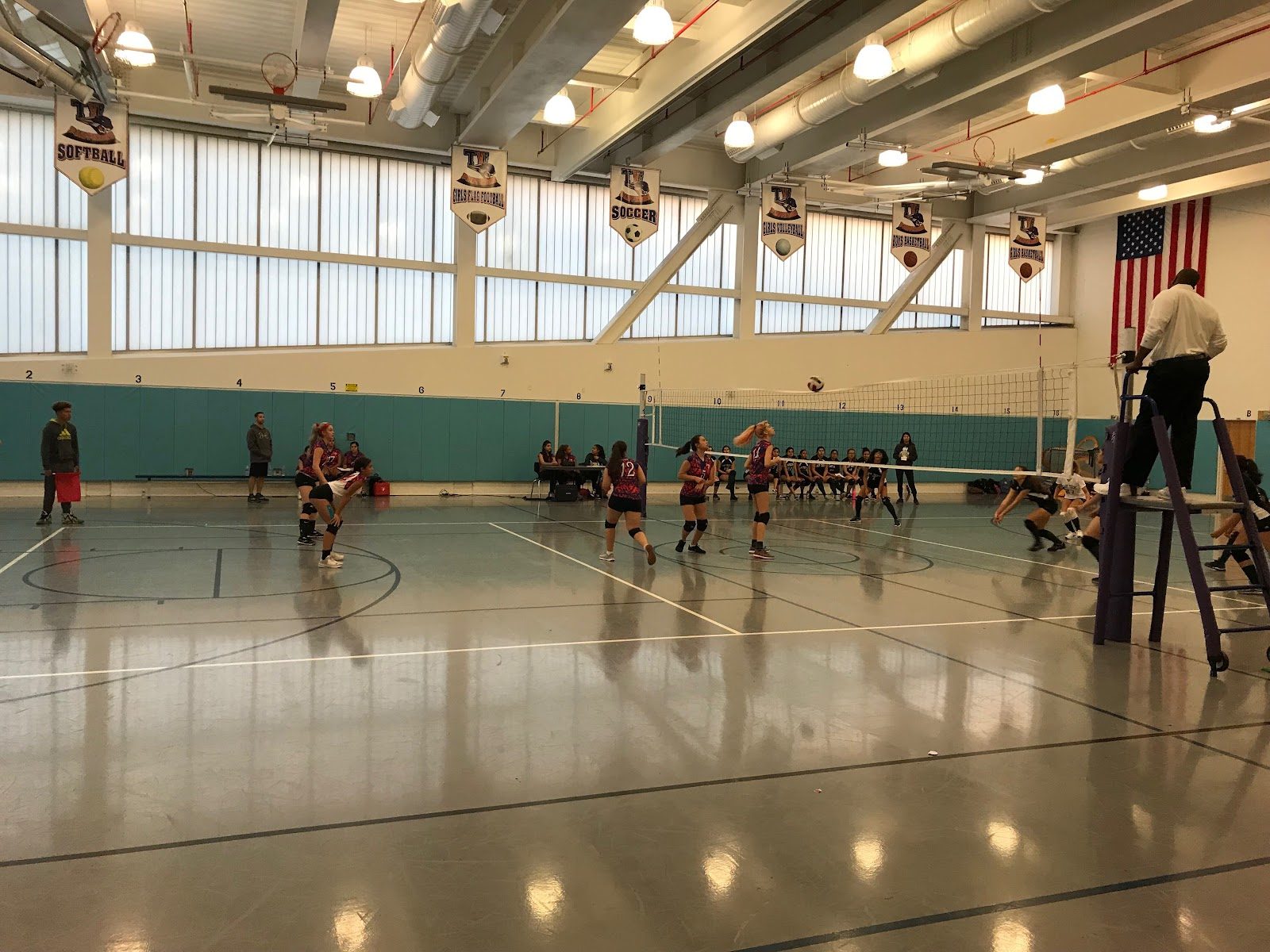
Academy for Careers in Television & Film
Long Island City, New York · United States
A waterfront Queens campus where students edit and shoot films against the Manhattan skyline, backed by a million-dollar production arsenal.
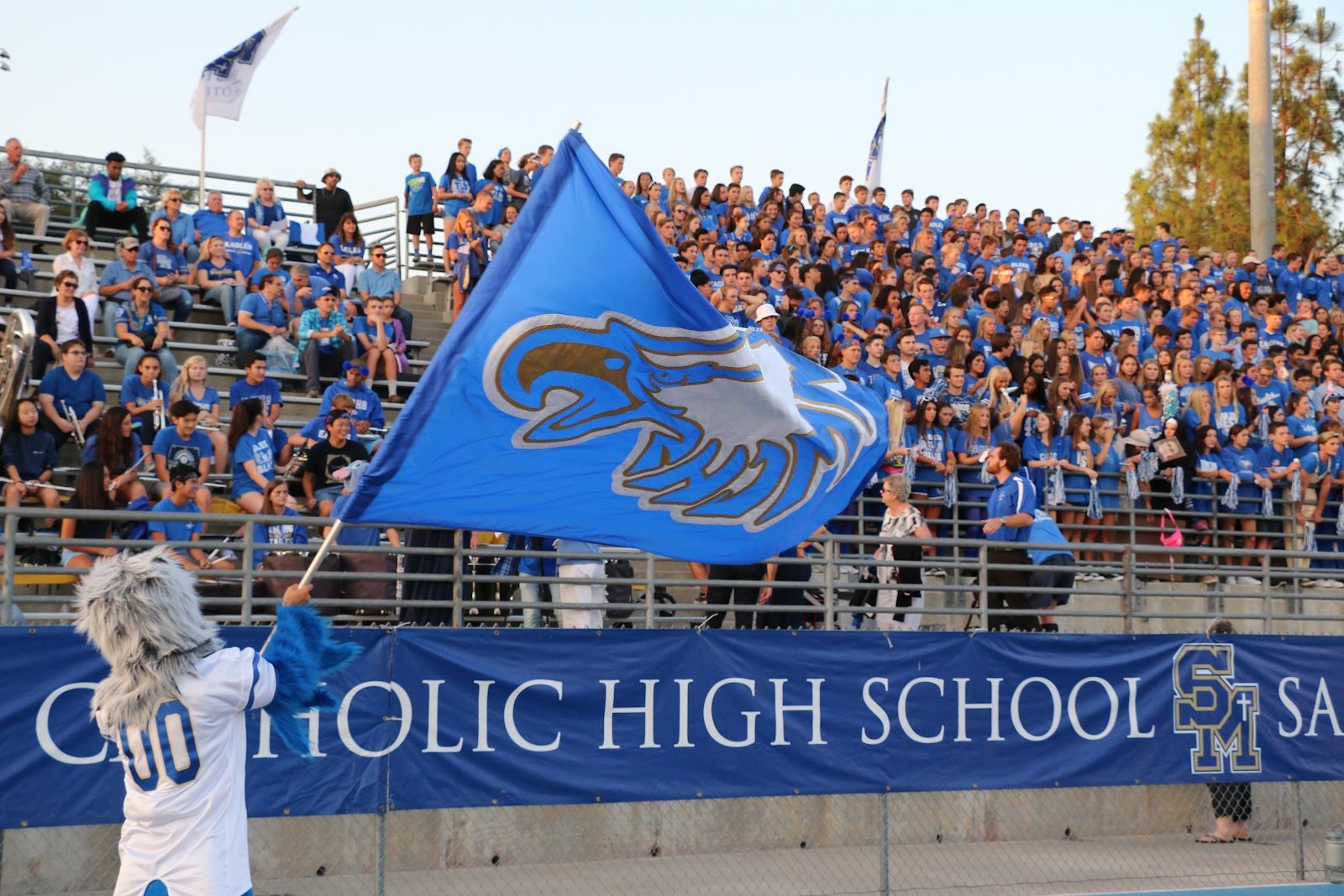
Santa Margarita Catholic High School
Rancho Santa Margarita · United States
In the Saddleback foothills, Orange County's only Catholic IB Diploma track meets a decade of CIF Commissioner's Cups.
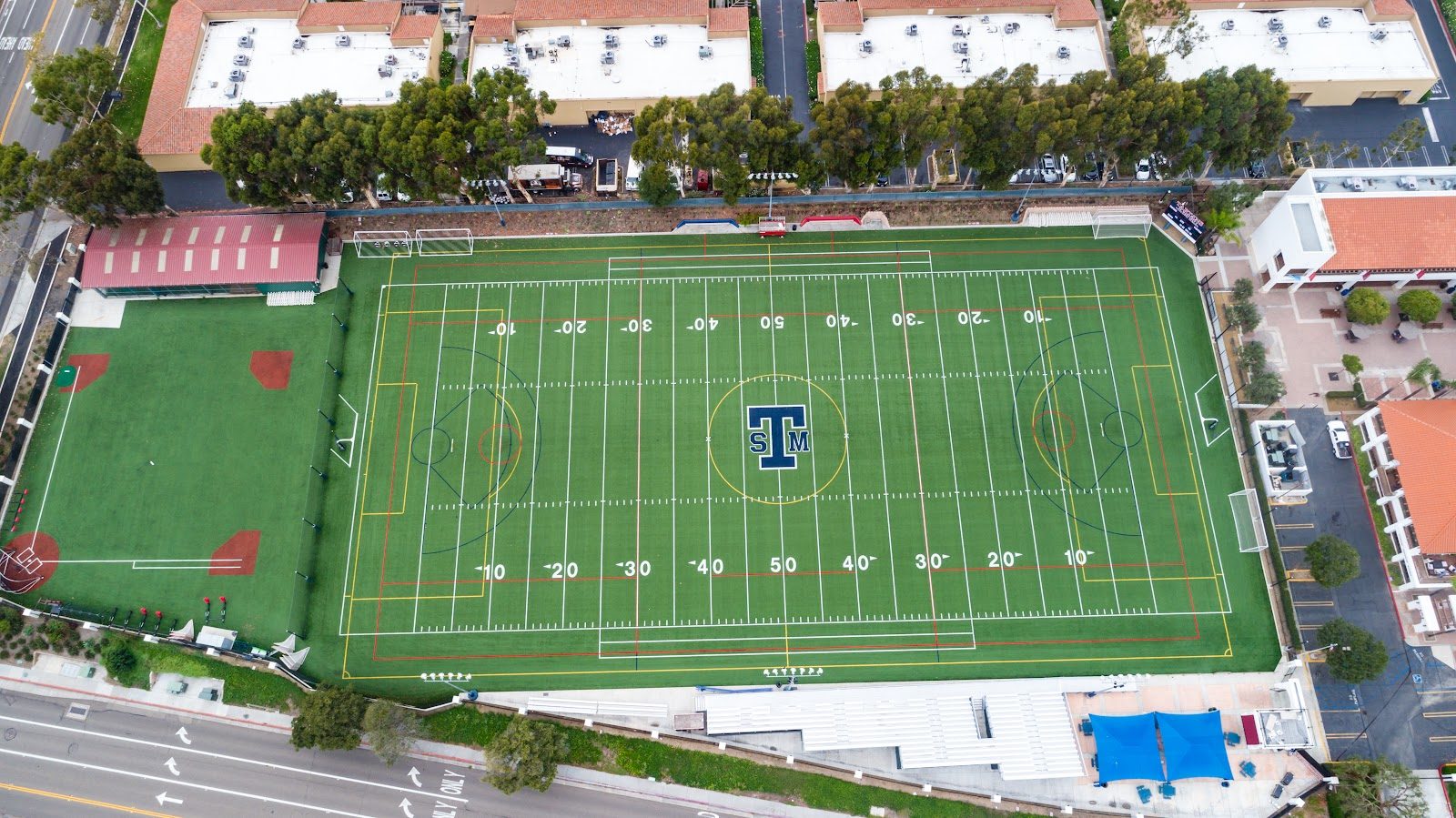
St. Margaret's Episcopal School
San Juan Capistrano · United States
Named for Scotland's patron saint of education, this mission-town day school builds Tartan identity into STEAM and service.
Same country and curriculum — closest matches within ±10 points either way