
District 2
British International School Ho Chi Minh City
medium confidence· 4/6 cats · 1.75 avg sourcesThree Thao Dien campuses carry students from England's National Curriculum through IGCSE into the IB Diploma.
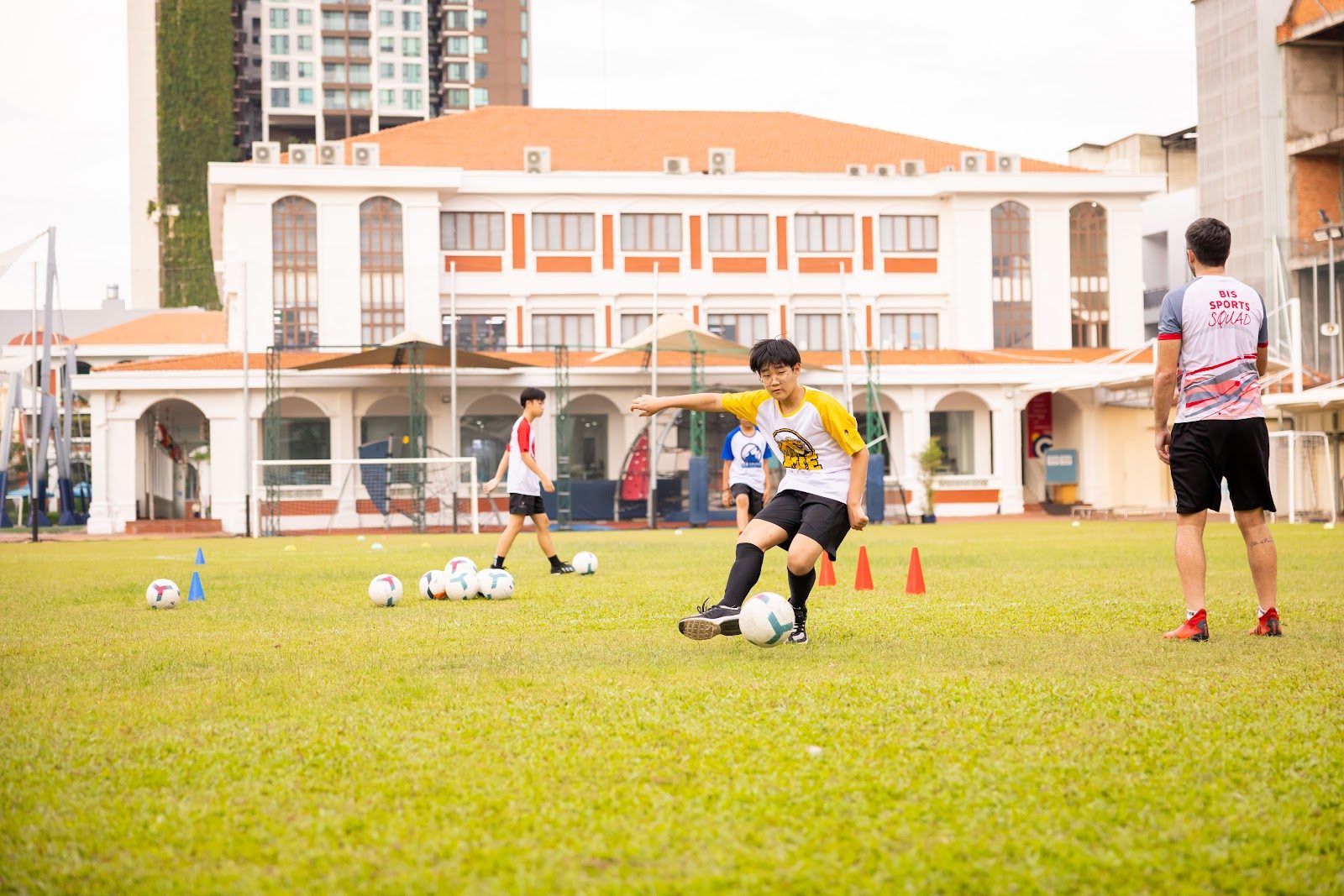
Photo © BIS HCMC, Secondary Campus via Google Maps
Type
Day
Ages
2–18
Curriculum
British · IB
Qualifications
IGCSE · A-Level · IB Diploma
Ratio
—
The Verdict
Editor's commitment
Right for
Families who want English-medium schooling from age 2 to 18, moving from a British curriculum into the IB Diploma.
Wrong for
Parents seeking boarding, a religious ethos, or a single-curriculum school: BIS HCMC is day-only, non-religious, British and IB.
Watch out for
Three Thao Dien campuses and Nord Anglia branding bring scale; the school does not publish hard results in the source quoted here.
Ranking breakdown
British International School Ho Chi Minh City · #167 of 1591
Composite score 76.3. 8 weighted criteria.
By criterion
Academic Outcomes
Weight 20%
#43
of 1529 scored
University Placement
Weight 16%
#24
of 1529 scored
Prestige & Heritage
Weight 12%
#462
of 1529 scored
Alumni Network
Weight 12%
#702
of 1529 scored
Facilities
Weight 12%
#83
of 1529 scored
Transparency & Communications
Weight 8%
#22
of 1529 scored
Peer & Industry Review
Weight 10%
#52
of 1529 scored
Admissions Selectivity & Demand
Weight 8%
#1419
of 1529 scored
Peer & Industry Review
How British International School Ho Chi Minh City is regarded in the sector
82
Strong · high confidence
British International School Ho Chi Minh City is widely treated as the benchmark British-curriculum school in the city, with the Good Schools Guide calling it an "exceptional school with a warm, friendly community feel" that "shines out in the local area for its support for students". WhichSchoolAdvisor's separate reviews of its junior, secondary and early years campuses reinforce this standing, noting the group has been rated an "outstanding school" in successive British Schools Overseas inspections, most recently maintaining over a decade of consecutive Outstanding ratings. The Good Schools Guide also records strong recent university placement, with 2025 leavers heading to Stanford, Cornell, Oxford, Cambridge and Imperial College London. As the largest and longest-established international school in Vietnam, founded in 1997, it is consistently cited alongside Saigon South International School as one of Ho Chi Minh City's most well-regarded options, though coverage is spread across its multiple campus listings rather than one unified review.
Editors' overview
British International School Ho Chi Minh City sits at the top end of the city’s market: a large, English-medium, non-religious day school that runs a clean academic line from the British curriculum into IGCSE and the IB Diploma. The core attraction is straightforward. It offers continuity from age 2 to 18 across three Thao Dien campuses, with the scale, staffing and systems of Nord Anglia behind it. Parents looking for a full-service international school, not a boutique operation, will find a mature institution founded in 1997, with established processes and a broad age range under one umbrella. The school’s own published outcomes are strong: an average IB Diploma score of 36.5 in 2026 against a global 30.9, and 97% of IGCSE students in 2025 securing at least five A*–C grades.
What marks BIS HCMC out is not novelty but delivery. This is a school built for families who want academic traction without improvisation. More than 90% of teachers hold British qualifications, and the school trades heavily on British pedagogical culture, even within an international setting. That matters in Ho Chi Minh City, where “British” can mean anything from branding to substance. Here, the route is clear: England’s National Curriculum, then IGCSE, then IB Diploma. The published university destinations add weight, but the more important point is structural: BIS HCMC has the staffing depth, curriculum continuity and pastoral apparatus to support ambitious students over the long term. Its BSO, IB World School, COBIS and CIS accreditations reinforce that institutional seriousness.
The school belongs on a shortlist for parents who want a polished academic machine with broad co-curricular provision, strong pastoral infrastructure and an international peer group, all in English. It is less compelling for families seeking a small, idiosyncratic school or a looser, progressive model. BIS HCMC is expensive, branded and highly systematised. For many families, that is the point. The students who thrive here are those who benefit from structure, pace and visible expectations: children who can make use of high-functioning routines, specialist teaching and a campus environment geared towards measurable attainment as well as wellbeing. For internationally mobile families, or for parents targeting selective universities without sacrificing day-to-day pastoral stability, BIS HCMC earns serious consideration.
Academic Performance
BIS HCMC’s published results place it in the top tier of Vietnam’s international schools and in strong territory against regional British-pattern peers. The school puts forward a clear examination profile: IGCSE outcomes with a high proportion of students securing the standard benchmark across multiple subjects, and IB Diploma averages that sit well above world norms. The standout figure is the upper end of the IB range: 18 students scoring in the low-to-mid 40s in one recent cohort, with a perfect 45 recorded in the following year. Those are serious numbers, not decorative marketing flourishes. They indicate a school with real depth at the top, not one relying on a single outlier candidate to burnish the headline.
Relative to peers, BIS HCMC reads as a high-output academic operation: strong enough to compete with the best-known premium schools in the city, and robust enough to hold its ground in a wider Southeast Asian comparison. The school also publishes a substantial share of graduates progressing to top-ranked universities, which supports the examination story, though university destinations are always a less precise measure than exam data. The limitation is transparency at cohort level. BIS HCMC publishes headline outcomes and selected destination data, but not the fuller analytical breakdowns that allow parents to judge score distribution, subject-level strength, or value added across the year group. Even so, the public record is convincing. This is a results-driven school with genuine academic heft.
Facilities
The estate spans three Thao Dien campuses, and that split matters. It gives BIS HCMC room to separate younger children from older students, which is a practical advantage over single-site city schools forced to compress everything into one block. The school also pushes campus tours and “learning spaces” hard, which fits the model: this is a full-scale premium operation, not a constrained urban campus making do. Parents can expect the core international-school set — specialist teaching rooms, sports provision, performance space and age-appropriate early years environments — delivered at a polished, corporate standard. The strongest facility story sits in the staffing wrapped around the buildings: a pastoral team, counsellors and a school nurse, plus access to specialist teachers rather than a thin generalist model. More than 90% of teachers hold British qualifications, which adds substance to the school’s claims about delivery inside those spaces.
Against peers in Ho Chi Minh City, BIS HCMC sits in the upper bracket for breadth and operational finish. It does not trade on architectural spectacle in the way some newer Gulf or East Asian campuses do, and the school does not publish the kind of granular facilities inventory that would let parents inspect every lab, theatre or pitch in detail. That opacity is a weakness. Even so, the combination of three campuses, extensive co-curricular activity and heavyweight external collaborations with Apple, MIT and Juilliard points to a serious, well-resourced platform. In this market, that places BIS HCMC ahead of smaller operators with thinner specialist provision and closer to the city’s *best-equipped mainstream international schools*.
BIS HCMC’s published results place it in the top tier of Vietnam’s international schools and in strong territory against regional British-pattern peers
Prestige
BIS HCMC carries real prestige in Ho Chi Minh City’s international market, but it is a specific kind of prestige: institutional, academic and corporate rather than old-world or exclusive-club. The school benefits from scale, name recognition and a long-established place in the expatriate and affluent local parent market. Nord Anglia adds international cachet and a polished operating model; parents know the school is part of a global operator, not an isolated local venture. Prestige here rests less on mystique than on visible performance. The public exam profile matters, and so does the school’s claim to top domestic standing in the IB. A cohort producing 18 high IB scorers in a single year and sending 70% of graduates to top-ranked universities gives the brand serious status among families who equate prestige with selective outcomes.
That said, this is not prestige built on scarcity, eccentric tradition or intellectual romance. It is premium, systematised prestige: expensive, highly managed and aimed at parents who want a recognised route to competitive universities. The school’s standing also draws strength from teacher profile and inspection language, which reinforce a picture of high-functioning competence rather than educational experimentation. For many families, that is the strongest form of prestige available: a school that signals ambition, social capital and dependable execution in equal measure. For parents who value intimacy, independence of spirit or a less branded environment, the shine dulls. For parents who want a top-tier credential in Vietnam, it holds.
They indicate a school with real depth at the top, not one relying on a single outlier candidate to burnish the headline
Communications
BIS HCMC communicates like a high-output institution with a central admissions machine and a steady stream of parent-facing prompts. The public side is active: campus visits, open days, enquiry routes, grade comparisons, fee pages, calendars, FAQs, results pages and regular news updates are easy to find. That matters. Parents do not need to dig through a maze to work out how the school functions or where to start. The tone is polished to the point of corporate saturation, and there is a lot of promotional language to push past, but the core information architecture is competent. For a school of this scale, that counts for a lot. It also helps that the school keeps practical pathways visible across the site rather than hiding them behind enquiry forms.
Effectiveness is strongest at the front end: admissions, first contact and broad institutional messaging. The school tells parents what it wants them to notice — academic results, teacher profile, wellbeing, collaborations and university outcomes — and it does so with disciplined consistency. That creates confidence in process, even when the prose drifts into sales copy. The weaker point is analytical depth. BIS HCMC publishes headline achievements and selected claims, but not enough hard operational detail to satisfy parents who want forensic clarity on day-to-day communication, reporting rhythms, response standards or the mechanics of parent-school dialogue once a child is enrolled. In other words, communications are slick, accessible and tightly managed; they are less strong on granular disclosure. For many families, that is enough. For demanding parents, it leaves questions.
Uniqueness
What gives BIS HCMC its own shape is the combination of corporate scale and a recognisably British academic culture that has not been diluted into generic international-school language. Plenty of schools borrow the label; fewer sustain it through staffing, classroom expectations and the full age-range structure. Here, more than 90% of teachers hold British qualifications, which gives the school a consistent professional centre of gravity. That matters for students. It produces fewer jolts between phases, clearer expectations about teaching and assessment, and a steadier experience for families who move in and out of international systems. The school’s pastoral apparatus also looks heavier than the city average, with counsellors, a nurse and a dedicated wellbeing layer built into daily school life rather than tacked on as an afterthought.
The other point of difference is Nord Anglia’s machinery when it is tied to a school that already has real academic credibility. Global school groups can feel interchangeable; BIS HCMC gains more from the relationship than branding alone. Students get access to external collaborations with Apple, MIT and Juilliard, plus staff development that feeds back into classroom practice. That does not make the school quirky or educationally radical; it makes it high-capacity. For the right child, the benefit is straightforward: strong teaching, broad opportunities, and a school with enough depth to support both high achievers and students who need a more carefully managed route through a demanding programme.
The public exam profile matters, and so does the school’s claim to top domestic standing in the IB
Student Profile
The student body that fits BIS HCMC is ambitious, outward-facing and comfortable in a high-expectation environment. This school suits children who respond well to structure, specialist teaching and a pace that keeps moving. Academic confidence helps, but the better predictor is temperament: students who can handle clear standards, busy timetables and adults who expect effort, organisation and follow-through. The school’s own profile points to a cohort shaped by aspiration and mobility — families targeting selective universities, families relocating between countries, and families who want a school that can carry a child from the earliest years through to the end of secondary without a change of system. A published figure such as 70% of graduates entering top-ranked universities tells you a lot about the air students breathe here: goal-aware, competitive in a disciplined way, and accustomed to peers with serious plans.
The best fit is not the child who needs a loose, experimental setting or a great deal of anonymity. BIS HCMC is better for students who benefit from visible expectations, organised routines and a school culture where achievement is public and taken seriously. It also works for children with strong interests beyond the classroom, because a school of this scale can support both mainstream high performers and students building depth in music, sport, languages or service. The pastoral infrastructure matters for internationally mobile families and for students who need close adult oversight inside a demanding system. Children who wilt under pressure or resist standardisation will find the place hard-edged. Children who like momentum, clarity and opportunity will fit.
For parents who want a top-tier credential in Vietnam, it holds
Co-curricular strengths
Arts & sport, on a separate axis
Overall 8.52/10
Scored 0-10 from the school's own published evidence. This axis is editorial-only — it does not feed the main WTS ranking.
Sports
8.5/10
Drama
8.8/10
Dance
8/10
Music
8.8/10
Visual Arts
8.5/10
Editor first-pass · editor-reviewable · 7/30/2026
WTS 300 badge
British International School Ho Chi Minh City is one of the World's Top 300 Schools. Claim your listing to add it to your site →
Strengths
- +Rated 'outstanding in all categories' by the UK government inspection body, a distinction the school highlights on its own site.
- +2025/26 IB Diploma results averaged 36.3-36.5 points, well above the global average of roughly 30.6-30.9, with a number of students scoring 42-44.
- +2025 IGCSE cohort saw 97% of students achieve at least five A*-C grades, with 39 students recording straight A*-A results.
- +Established in 1997 and now one of the largest international schools in Vietnam, enrolling students aged 2-18 from around 55 nationalities.
- +Part of the Nord Anglia Education network, giving access to group-wide partnerships with organisations such as Juilliard, MIT and UNICEF.
Considerations
- −Fees sit at the premium end of the Ho Chi Minh City market, with published annual tuition ranging up to roughly VND 863 million (secondary years) and reported averages near VND 705 million (about USD 27,600).
- −As a for-profit school within the large Nord Anglia group, cross-school marketing language (e.g. group-wide MIT/Juilliard tie-ups) is standard across many Nord Anglia campuses rather than unique to this site.
- −Entry involves age-appropriate admission assessments rather than automatic acceptance, which may disadvantage families seeking a guaranteed, low-friction placement.
- −Campus location is concentrated in the Thao Dien/An Khanh area of District 2, which can mean a longer commute for families based elsewhere in the city.
Availability
Primary entry gate & tests
Academic Record + Assessment
Gallery
Photo © BIS HCMC, Secondary Campus via Google Maps
Photo © BIS HCMC, Secondary Campus via Google Maps
Photo © Cong duy Pham via Google Maps
Photo © Khuong Nguyen Tan via Google Maps
Photo © Macro Real estate via Google Maps
Parent reviews
Have you sent your child here?
Voice reviews carry the strongest trust badge — we transcribe them for you to tidy up before they go live. Prefer to type? A written review is fine too.
Add your voice
In 60 seconds, tell other parents: what's the best thing about British International School Ho Chi Minh City, and what surprised you when your child joined?
We ask for a Google sign-in so every review has a real face behind it — no anonymous drive-by attacks on schools, and no faked positive reviews. Your email is never shown publicly.
Send this profile to a friend
International parents rely on word-of-mouth. Share this review with someone weighing the same decision.
Schools with places
Similar schools to British International School Ho Chi Minh City with places available now.
Availability first, then country, area, curriculum, price, co-curricular
Consider also
Also worth looking at alongside British International School Ho Chi Minh City.
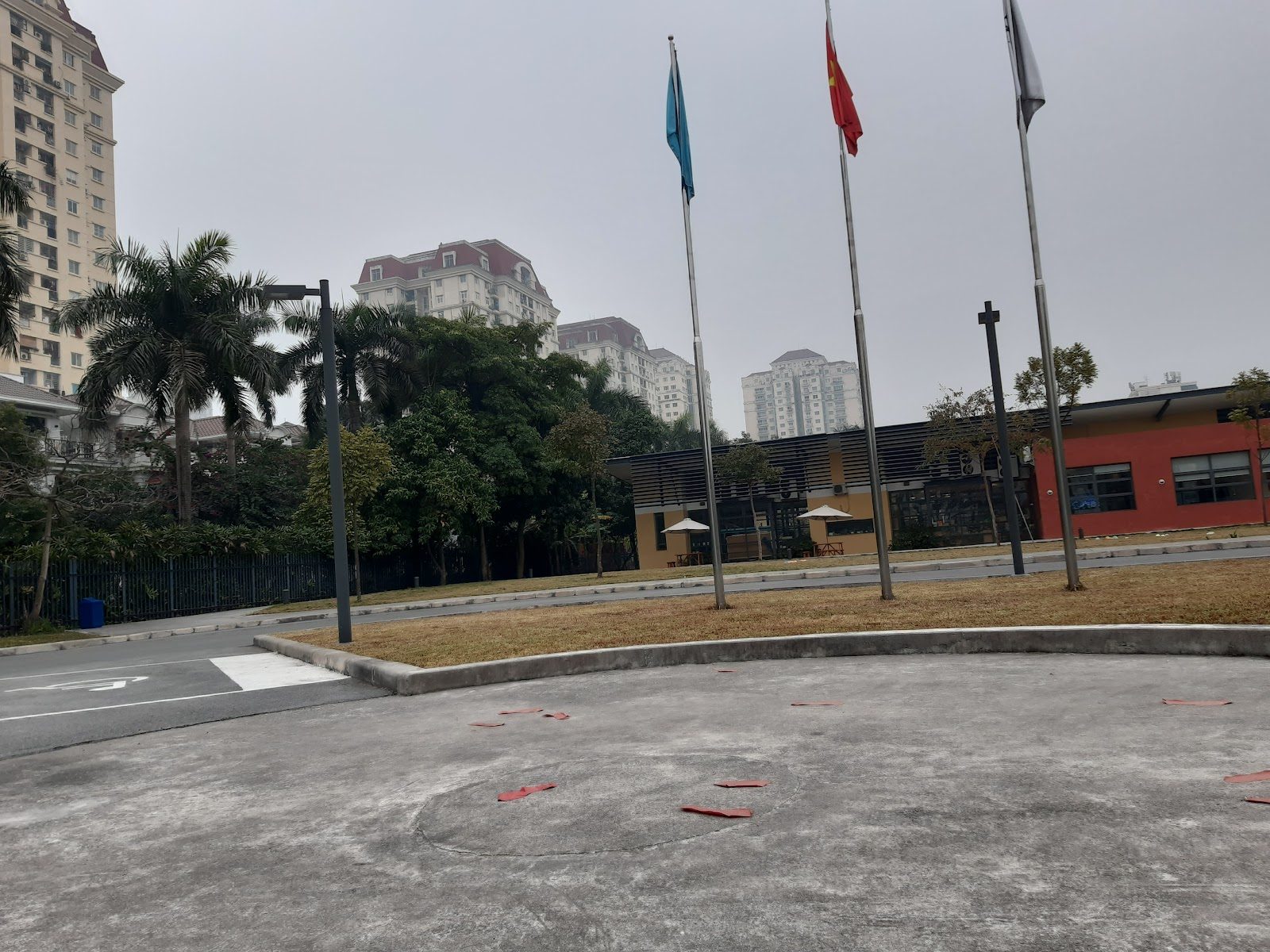
United Nations International School of Hanoi
Hanoi · Vietnam
One of only two UN-affiliated schools on earth, weaving the Sustainable Development Goals into an IB curriculum spanning 60-plus nationalities
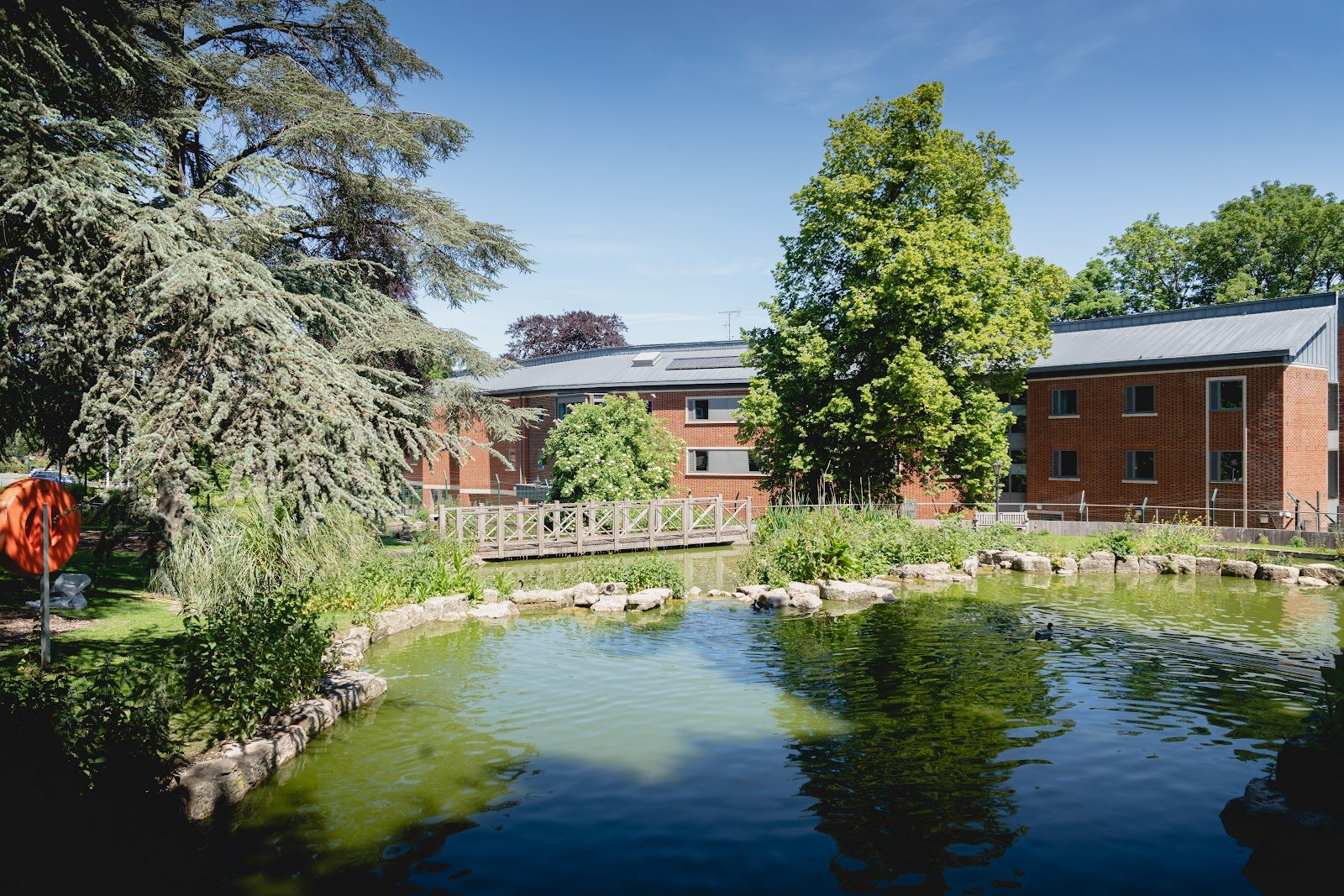
Whitgift School
Croydon · United Kingdom
A 1596 archbishop's foundation set on a 45-acre Croydon park where peacocks roam and bursaries can cover the full cost of fees.
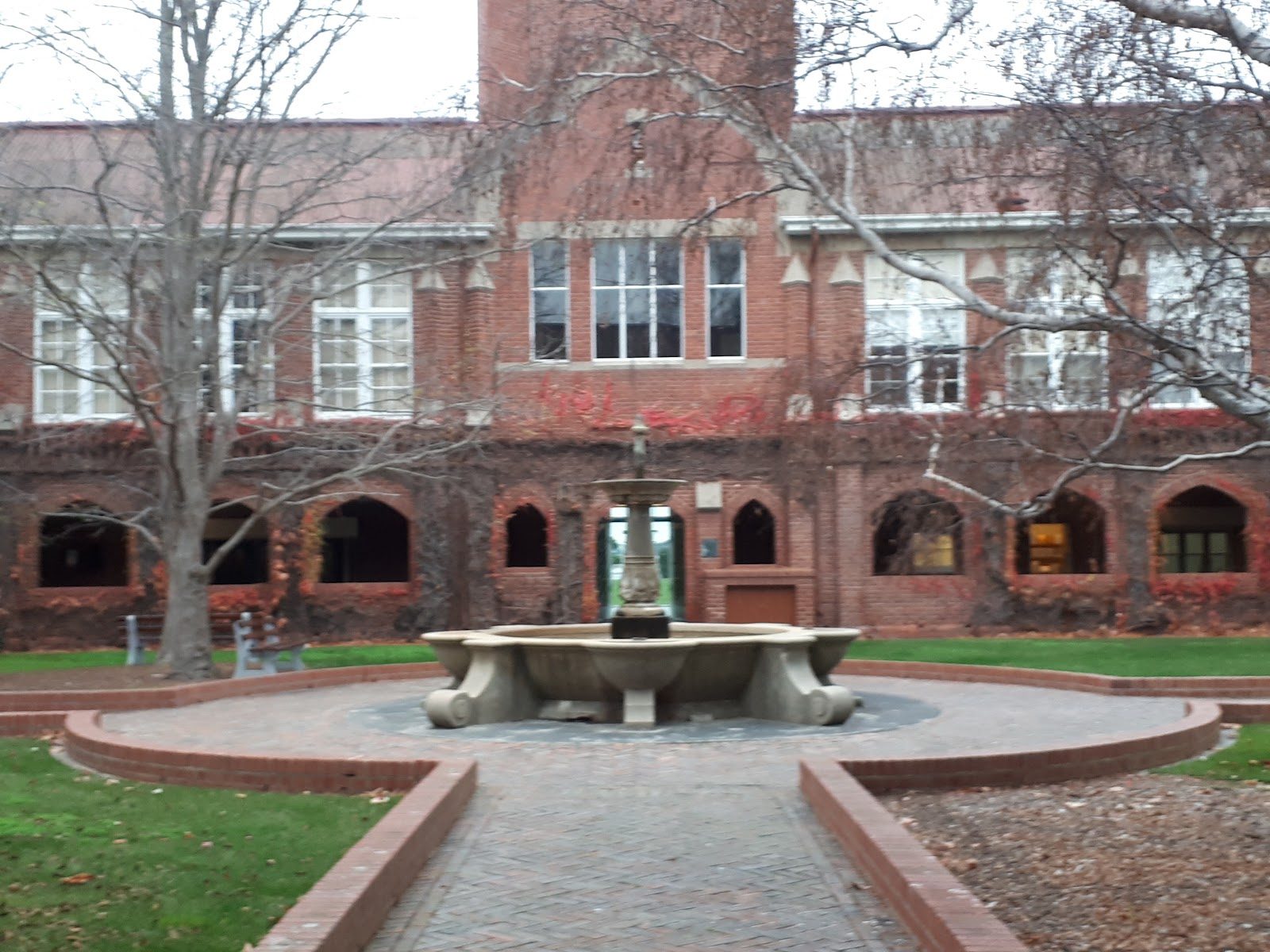
Geelong Grammar School
Corio, Victoria · Australia
Sends every Year 9 to a remote alpine campus, then blends IB and VCE with the wellbeing model it pioneered.
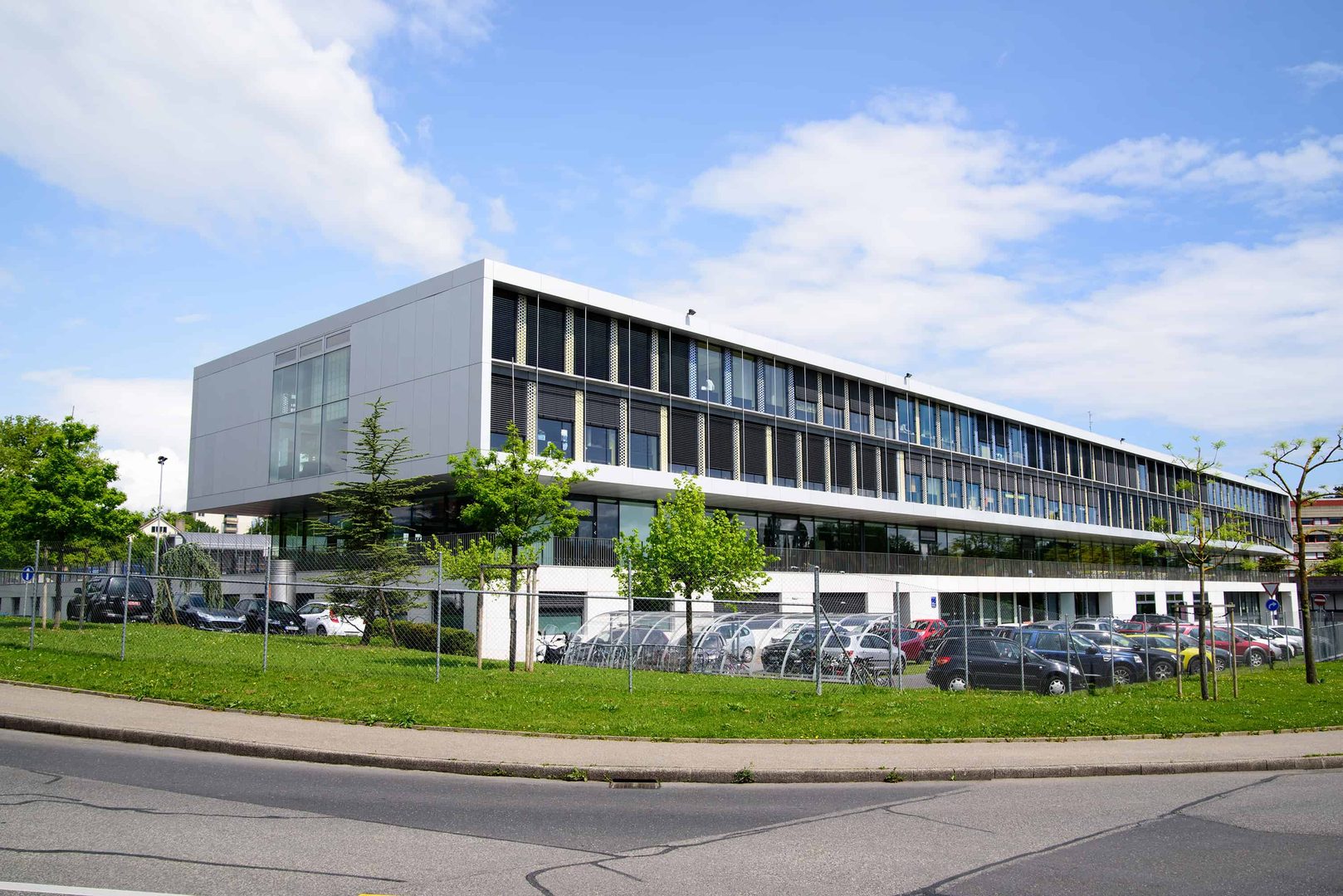
International School of Geneva
Geneva · Switzerland
Born beside the League of Nations in 1924, where its own teachers first drafted the IB diploma.
Same country and curriculum — closest matches within ±10 points either way