
Banten
Grown from a 1973 British Embassy classroom into a 45-acre Bintaro estate where English roots meet an IB finish.
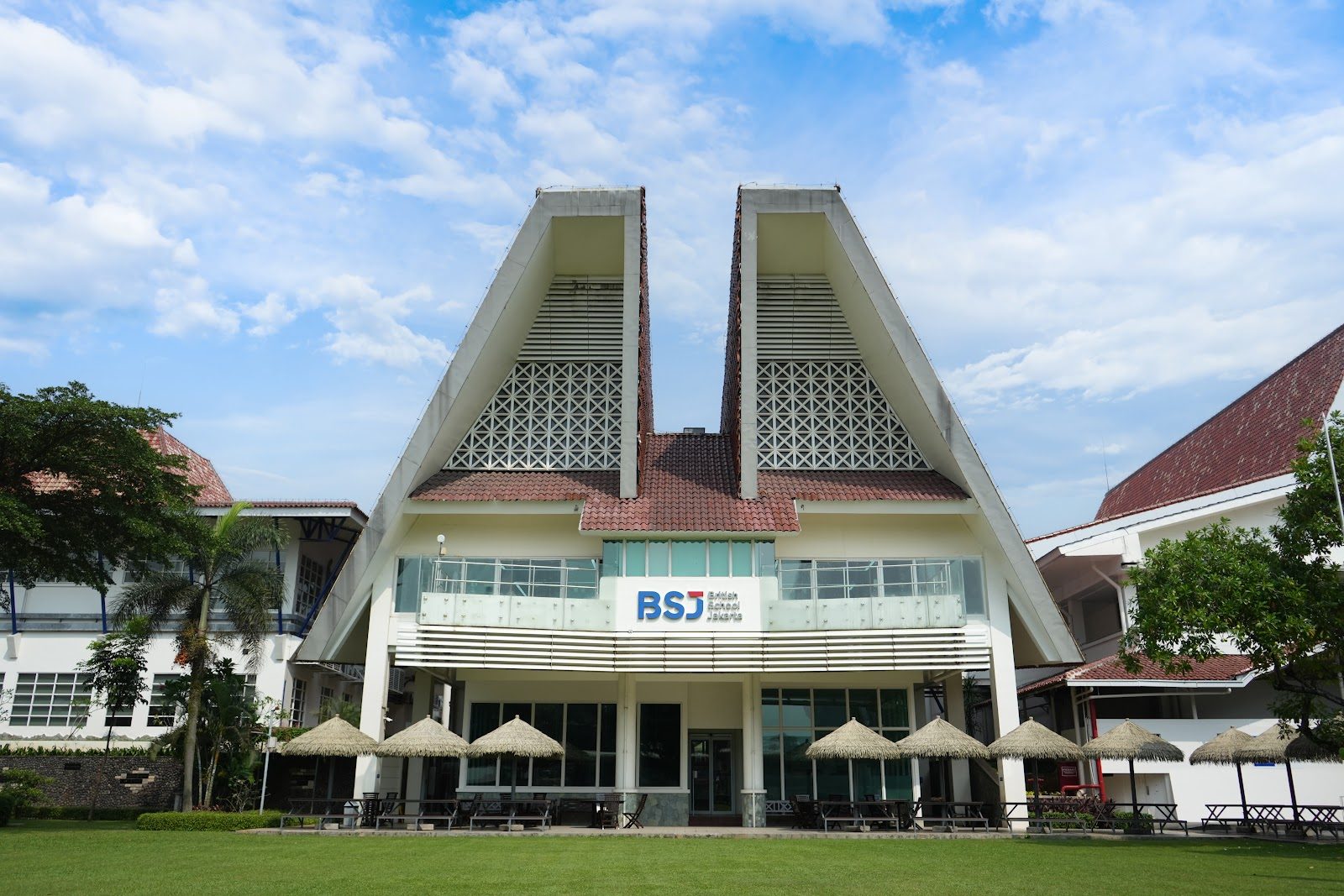
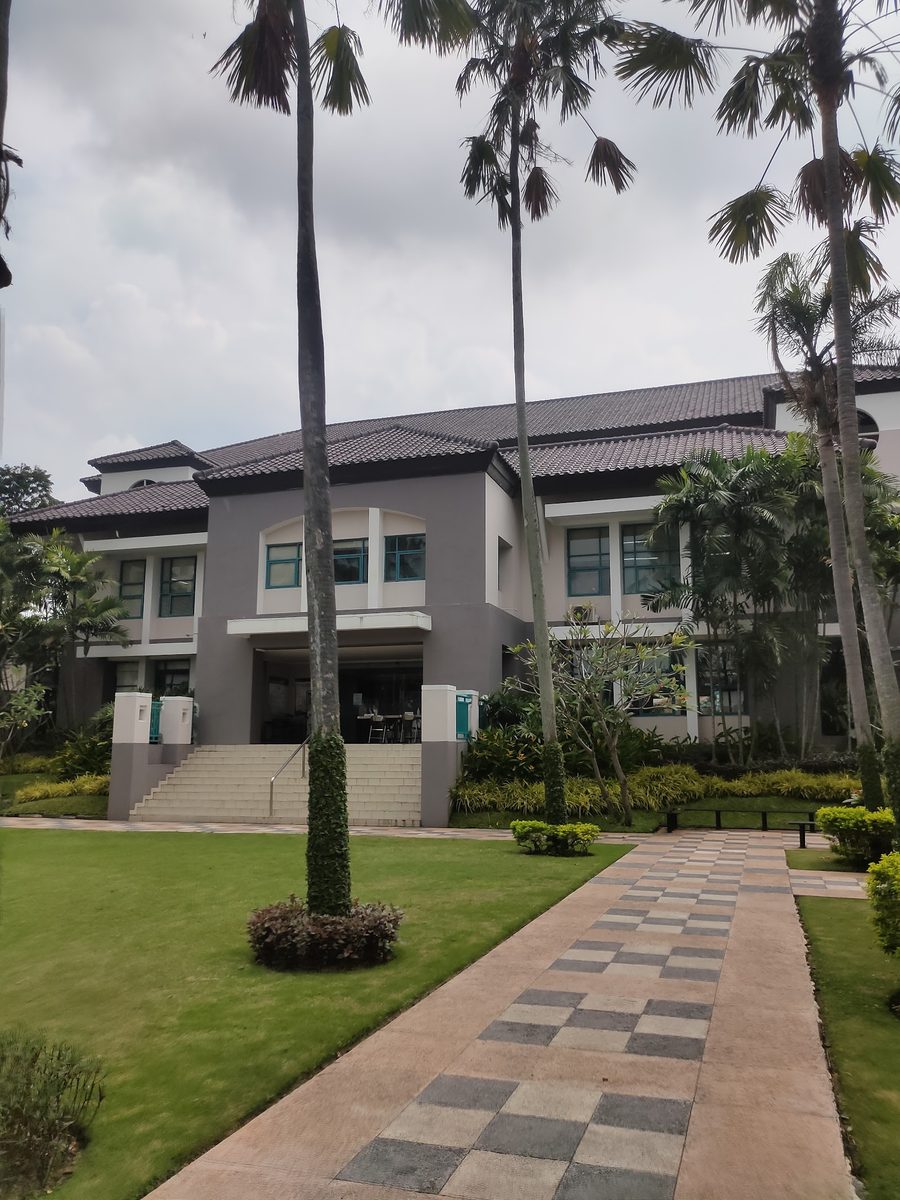
Photo © British School Jakarta via Google Maps
Type
Day
Ages
3–18
Curriculum
British · IB
Qualifications
IGCSE · IB Diploma
Ratio
—
The Verdict
Editor's commitment
Right for
Families wanting a British school with an IB finish on a 45-acre South Tangerang campus, backed by CIS, COBIS and IB World status.
Wrong for
Parents chasing boarding, religious ethos or published headline university outcomes beyond sparse named destinations such as Aberdeen and Arts University Bournemouth.
Watch out for
The average annual fee is IDR 370,350,250; for that money, BSJ needs sharper public disclosure on results and destination breadth.
Ranking breakdown
British School Jakarta · #148 of 1591
Composite score 75.9. 8 weighted criteria.
By criterion
Academic Outcomes
Weight 20%
#386
of 1529 scored
University Placement
Weight 16%
#59
of 1529 scored
Prestige & Heritage
Weight 12%
#212
of 1571 scored
Alumni Network
Weight 12%
#234
of 1530 scored
Facilities
Weight 12%
#12
of 1533 scored
Transparency & Communications
Weight 8%
#22
of 1532 scored
Peer & Industry Review
Weight 10%
#164
of 1548 scored
Admissions Selectivity & Demand
Weight 8%
#1326
of 1529 scored
Peer & Industry Review
How British School Jakarta is regarded in the sector
65
Respected · medium confidence
British School Jakarta (BSJ) is one of the longest-established British international schools in Indonesia and is regularly listed among top international schools in Jakarta in expat parent forums (e.g., ExpatWoman, InterNations Jakarta threads) and specialist directories like The Good Schools Guide International and COBIS (Council of British International Schools) membership listings. It holds accreditation from British Schools overseas inspection standards and is frequently referenced alongside JIS and ACG in 'best schools in Jakarta' comparisons, though it lacks the broader unanimous top-tier acclaim of a global-standard institution like Jakarta Intercultural School.
Evidence sources
Editors' overview
The detail that matters first is the site: British School Jakarta sits on a 45-acre estate in Bintaro, a scale that sets it apart in a crowded city market where many international schools operate on tight urban footprints. That physical room, paired with a history that runs back to a British Embassy classroom in 1973 and a relocation to the current campus in 1994, gives BSJ a sense of permanence that newer entrants cannot match. It is a day school for ages 3 to 18, taught in English, with a British curriculum feeding into the IB. That British-plus-IB structure keeps it attractive to internationally mobile families who want a familiar early framework without closing off the breadth and status of the diploma route at the end.
What puts BSJ on a shortlist is not novelty but institutional weight. The school carries BSO, CIS, COBIS, FOBISIA and IB World School accreditation, which tells parents two useful things: it is plugged into British international schooling, and it is not operating as an isolated local brand. The campus history also points to sustained capital investment, from the World Theatre in 2007 to the sports centre in 2017 and The Arena opening in 2025. That matters because schools that keep building tend to have the enrolment confidence and fee base to support a broad co-curricular life. The average annual day fee across the full age range is 370350250 IDR, which places BSJ firmly in the expensive end of the Jakarta market. Parents are paying for space, continuity and a full-service international school environment, not a stripped-back academic shop.
The school’s public case rests heavily on character, wellbeing and community, and there is enough history and infrastructure here to take that seriously without swallowing the sentiment whole. Still, BSJ does not publish the kind of aggregate outcome data that would sharpen the academic picture: no headline IB averages, no published university destination spread beyond a short recent list that includes University of Aberdeen, Arts University Bournemouth and Aston University, Birmingham. That makes the school a stronger proposition for families who value breadth, stability and campus life as much as pure scoreboard academics. The pupil who will thrive here is the one who wants a large, well-resourced, settled international environment, strong English-medium teaching, and the mix of British structure with an IB finish. The better question is who it does not suit: families chasing a hard-edged, publicly quantified results culture, or those who want a lower-cost international option, will find BSJ less convincing.
Academic Performance
BSJ does not publish the numbers that let parents judge external performance cleanly. There is no public aggregate IB Diploma average, no full score distribution, no subject breakdown, and no year-on-year trend line. That leaves a conspicuous gap at the sharp end of school comparison. In a market where stronger academic operators put headline outcomes front and centre, BSJ asks families to trust the school’s reputation, scale and longevity instead of a hard results ledger. The recent destination list is also thin: 3 named UK universities, with single-student counts attached, tells readers almost nothing about depth at the top, breadth across the cohort, or consistency from one graduating class to the next.
That does not place BSJ in the weak tier; it places it in the opaque middle ground on academic proof. The school has the structure, age range and institutional heft to support serious academic work, and the IB endpoint gives pupils a qualification with global currency. But among Jakarta’s premium international schools, the absence of published headline outcomes leaves BSJ less data-rich than parents paying top fees have every right to expect. For families who want a school measured by campus life, pastoral breadth and long-term stability, that will not be a deal-breaker. For families who rank schools by externally verified exam performance, BSJ gives too little and asks too much.
Facilities
The campus is BSJ’s clearest competitive advantage. In a city where many international schools stack sport, arts and classrooms into constrained plots, BSJ has room to do things properly. The school itself highlights a purpose-built theatre, a later sports centre and the newest arena space, and that mix matters: it supports a school day that extends beyond lessons into performance, fixtures and large-scale events without the constant compromise that smaller sites face. For parents comparing premium schools, this is not cosmetic. It means more scheduling flexibility, less pressure on shared spaces, and a broader physical platform for children whose strengths sit outside exam metrics. The estate’s 45-acre scale puts BSJ in rare territory for Greater Jakarta.
Against peer schools, the verdict is straightforward: BSJ is stronger on space and all-round physical provision than most, and that advantage is material rather than decorative. The theatre points to serious performing-arts capacity, not a hall dressed up for productions; the sports infrastructure points to a school built for regular training and competition, not occasional use. What is less clear is the detail parents increasingly expect at this fee level. The school does not publish a crisp, centralised breakdown of specialist labs, design and technology workshops, library provision or headline arts suites. So the broad picture is impressive, but the fine grain stays oddly under-explained. Even with that caveat, few Jakarta-area competitors can match BSJ for sheer physical breadth.
The other distinctive feature is the school’s settled, full-spectrum character
Prestige
BSJ carries real standing in Jakarta’s international-school market, but its prestige rests more on institutional reputation than on published academic proof. The school has had time to build durable recognition with embassy, expatriate and internationally minded local families, and that matters in a market crowded with newer operators. Membership of the Headmasters’ and Headmistresses’ Conference adds another layer of status: that badge still carries weight with parents who read British independent-school signals closely. The governance structure also reads as serious rather than improvised, with a formal board, a council of trustees and a leadership team that is publicly named. Add a campus with room for major facilities and a school history marked by repeated capital projects, and you get a school with substantial institutional heft.
That said, prestige here is not the same thing as hard-edged elite academic prestige. BSJ has social credibility, market longevity and the confidence of a school that has educated families across generations, but it does not publish the outcome data that would place it beyond dispute in the top academic bracket. The recent university list in the public domain is thin, and the named destinations do not, on their own, create a high-gloss Oxbridge-Ivy aura. My rating is therefore strong but not maximal: BSJ is a well-established premium name with durable cachet, broad recognition and the resources of a mature institution, but not a school that wins the prestige argument through transparent results alone.
It is a day school for ages 3 to 18, taught in English, with a British curriculum feeding into the IB
Communications
BSJ communicates with parents in the manner of a mature institution: formal, layered and governance-heavy. The public-facing structure is clear. Senior leaders are named with defined remits, governance is mapped through a board and a council of trustees, and the school publishes an annual report for 2025/2026 alongside policy and safeguarding pages. That matters because schools with weak parent communication tend to bury accountability; BSJ does the opposite. The FAQ on governance is also more detailed than most schools bother with, covering board composition, election cycles, remuneration and decision-making. For parents who care about who actually runs the school, that is serious, useful information rather than decorative transparency.
The limitation is tone. BSJ gives parents plenty of structure, but not much sharp, decision-grade clarity on the issues many families watch most closely: academic outcomes, comparative performance and destination depth. The communications style leans institutional and values-led, with a lot of language about community, wellbeing and mission. That builds confidence in stewardship, but it does not answer every hard question. In effect, BSJ communicates credibility and continuity better than it communicates measurable outcomes. For existing families, that balance will feel reassuring and orderly. For highly data-driven parents paying premium fees, it will feel controlled and incomplete.
Uniqueness
What sets BSJ apart is not a gimmick or a branded “method”. It is the combination of institutional memory, serious physical scale and a governance structure that reads more like a durable non-profit school than a founder-led commercial operation. The school grew out of an embassy-linked start, then built into a large standalone estate with the confidence to keep adding major facilities over decades. That gives students something many international schools in big Asian cities do not offer: a campus that can hold a full school life without feeling cramped or improvised. The theatre, sports centre and newest arena point to a school built for breadth. Children here get room to perform, train, compete and circulate, not just move from classroom to classroom.
The other distinctive feature is the school’s settled, full-spectrum character. Early years through sixth form sit inside one institution with long habits, formal governance and a visible executive team. For students, that brings continuity, clearer handover between phases and a community that has had time to develop its own rituals and expectations. There is also a practical benefit in the school’s long-standing place in Jakarta’s international market: families join a network with generational depth rather than a start-up social scene. The trade-off is that BSJ feels established rather than edgy. It offers substance over theatre in the metaphorical sense, even if it also has the literal theatre. For the right child, that means a stable, expansive school life on a scale few regional rivals can match across 3–18.
What puts BSJ on a shortlist is not novelty but institutional weight
Student Profile
The pupil who fits BSJ is not chasing a hothouse or a narrow exam factory. This is a school for children who benefit from space to range widely: sport, performance, clubs, friendships across age groups, and a school day that extends beyond the classroom without feeling bolted on. The age span from 3–18 matters here. It creates a community where younger children grow up with older role models in view, and where families value continuity over constant school-hopping. Students who settle well in structured, full-service environments will do well; so will internationally mobile children who need a school with established routines, visible leadership and a parent body used to turnover without social chaos.
The social fit is broad but not loose. BSJ suits families who want an orderly, grown-up culture rather than something aggressively competitive or fashionably progressive for its own sake. Children who enjoy a large peer group, can navigate a busy campus, and want access to strong co-curricular provision will get more from it than highly niche, intensely driven specialists who want every institutional signal pointed at league-table outcomes. It also fits parents willing to pay 370350250 IDR a year on average for institutional depth and breadth, not just grades. The child least suited to BSJ is the one who needs a small, close-grained, hard-edged academic setting with public results data driving the school’s identity.
The campus history also points to sustained capital investment, from the World Theatre in 2007 to the sports centre in 2017 and The Arena opening in 2025
Co-curricular strengths
Arts & sport, on a separate axis
Overall 8.96/10
Scored 0-10 from the school's own published evidence. This axis is editorial-only — it does not feed the main WTS ranking.
Sports
9.2/10
Drama
9/10
Dance
9/10
Music
8.8/10
Visual Arts
8.8/10
Editor first-pass · editor-reviewable · 7/30/2026
Outcomes & destinations
Where students go next
Class of 2025
Top destinations
203 placements
- University of Aberdeen· 1
- Arts University Bournemouth· 1
- Aston University, Birmingham· 1
- Bangor University· 1
- University of Bath· 1
- Birmingham City University· 1
- University of Birmingham· 1
- Bournemouth University· 1
- University of Brighton· 1
- University of Bristol· 1
- University of the West of England· 1
- Brunel University London· 1
- University of Cambridge· 1
- Cardiff University· 1
- City, University of London· 1
- City St George's, University of London· 1
- Coventry University· 1
- University of Derby· 1
- Durham University· 1
- University of East Anglia· 1
- The University of Edinburgh· 1
- University of Essex· 1
- University of Exeter· 1
- University of Glasgow· 1
- Glasgow Caledonian University· 1
- Goldsmiths, University of London· 1
- University of Hull· 1
- Imperial College London· 1
- University of Kent· 1
- King's College London· 1
- Lancaster University· 1
- Leeds Arts University· 1
- University of Leeds· 1
- University of Leicester· 1
- Liverpool John Moores University· 1
- University of Liverpool· 1
- London School of Economics and Political Science· 1
- Loughborough University· 1
- University of Manchester· 1
- MET Film School· 1
- Newcastle University· 1
- Northumbria University, Newcastle· 1
- Nottingham College· 1
- Nottingham Trent University· 1
- The University of Nottingham· 1
- Open University· 1
- University of Oxford· 1
- Oxford Brookes University· 1
- University of Plymouth· 1
- Queen Mary University of London· 1
- University of Reading· 1
- Royal Holloway, University of London· 1
- Royal Veterinary College· 1
- University of Sheffield· 1
- University of Southampton· 1
- St George's, University of London· 1
- University of St Andrews· 1
- University of Surrey· 1
- University of Sussex· 1
- Swansea University· 1
- University College London· 1
- University for the Creative Arts· 1
- University of Central Lancashire· 1
- University of the Arts London· 1
- University of Warwick· 1
- University of the West of Scotland· 1
- University of Westminster· 1
- University of York· 1
- Arizona State University· 1
- ArtCenter College of Design· 1
- Auburn University· 1
- University of Texas at Austin· 1
- Babson College· 1
- Barnard College of Columbia University· 1
- Bentley University· 1
- University of California, Berkeley· 1
- Boston University· 1
- Brown University· 1
- California College of the Arts· 1
- Carnegie Mellon· 1
- Case Western University· 1
- University of Chicago· 1
- University of Connecticut· 1
- Columbia University· 1
- Dartmouth College· 1
- University of California, Davis· 1
- De Anza College· 1
- DePaul University· 1
- Drexel University· 1
- Emerson College· 1
- Florida Institute of Technology· 1
- Fordham University· 1
- University of Georgia· 1
- Georgia Institute of Technology· 1
- Georgetown University· 1
- University of California, Irvine· 1
- John Hopkins University· 1
- Laguna College of Art and Design· 1
- University of California, Los Angeles· 1
- Loyola Marymount University· 1
- Maryland Institute College of Art· 1
- Michigan State University· 1
- University of Michigan· 1
- University of Minnesota· 1
- The New School· 1
- New York University· 1
- Northeastern University· 1
- Northwestern University· 1
- Otis College of Art and Design· 1
- Pepperdine University· 1
- Pratt Institute· 1
- Princeton University· 1
- Purdue University· 1
- Rhode Island School of Design· 1
- University of California, San Diego· 1
- University of San Francisco· 1
- Santa Monica College· 1
- Scripps College· 1
- School of the Art Institute of Chicago· 1
- The State University New York (SUNY), Binghampton· 1
- Tufts University· 1
- University of Illinois at Urbana-Champaign· 1
- University of Massachusetts, Amherst· 1
- Amherst College· 1
- University of Pennsylvania· 1
- University of Southern California· 1
- University of Virginia· 1
- School of Visual Art· 1
- University of Wisconsin, Madison· 1
- University of Washington· 1
- Wesleyan University· 1
- Yale University· 1
- University of Alberta· 1
- University of British Columbia· 1
- University of Calgary· 1
- Dalhousie University· 1
- McMaster University· 1
- Queen's University· 1
- Ryerson University· 1
- Simon Fraser University· 1
- University of Toronto· 1
- University of Western Ontario· 1
- University of Waterloo· 1
- Western University· 1
- University of Bologna· 1
- University of Bonn· 1
- Charles University· 1
- Culinary Arts Academy· 1
- Ecole Hôtelière de Lausanne· 1
- Eindhoven University of Technology· 1
- Erasmus University Rotterdam· 1
- Glion Institute of Higher Education· 1
- Han University of Applied Science· 1
- University of Groningen· 1
- Maastricht University· 1
- Hanze Minerva Art Academy· 1
- Hanze University of Applied Sciences, Groningen· 1
- IVA Business School· 1
- Jacob's University· 1
- Leiden· 1
- Nuova Accademia di Belle Arti Milano (NABA)· 1
- University of Nicosia· 1
- Parsons, Paris· 1
- Queen Mary University of London· 1
- SHL Schweizerische Hotelfachschule Luzern· 1
- Trinity College Dublin· 1
- University College Dublin· 1
- Utrecht University· 1
- Van Hall Larenstein University of Applied Sciences· 1
- Vrije Universiteit Amsterdam· 1
- Wageningen University and Research Centre· 1
- Beijing Institute of Technology· 1
- Binus University· 1
- University of Indonesia· 1
- London School of Public Relations· 1
- Universitas Pelita Harapan· 1
- Institut Teknologi Bandung· 1
- Nanyang Technical University· 1
- National University of Singapore· 1
- East China Normal University· 1
- Monash University· 1
- RCSI & UCD· 1
- Hong Kong University of Science and Technology· 1
- Seoul National University· 1
- The State University of New York (SUNY), Korea· 1
- Taylor's University· 1
- Tokyo International University· 1
- Weill Cornell Medicine· 1
- Xi'an Jiaotong· 1
- Yonsei University· 1
- Zhejiang University· 1
- Australian Music and Performing Arts Academy· 1
- Deakin University· 1
- Deakin College· 1
- Eynesbury College· 1
- The University of Queensland· 1
- University of New South Wales· 1
- New York University, Shanghai· 1
- University of Sydney· 1
- International College of Management Sydney· 1
- University of Melbourne· 1
- Monash University· 1
- University of Western Australia· 1
Reported by the school. Confirm with admissions.
WTS 300 badge
British School Jakarta is one of the World's Top 300 Schools. Claim your listing to add it to your site →
Strengths
- +Founded under British Embassy auspices in 1973, British School Jakarta has grown from a small expatriate school in Permata Hijau into one of Southeast Asia's largest British international schools.
- +In July 2023, BSJ successfully underwent a comprehensive evaluation and was reaccredited by a joint Council of International Schools (CIS), International Baccalaureate (IB), and Western Association of Schools and Colleges (WASC) team for an additional five years, extending accreditation until 2028.
- +Indonesia's Ministry of Education granted national accreditation in 2019.
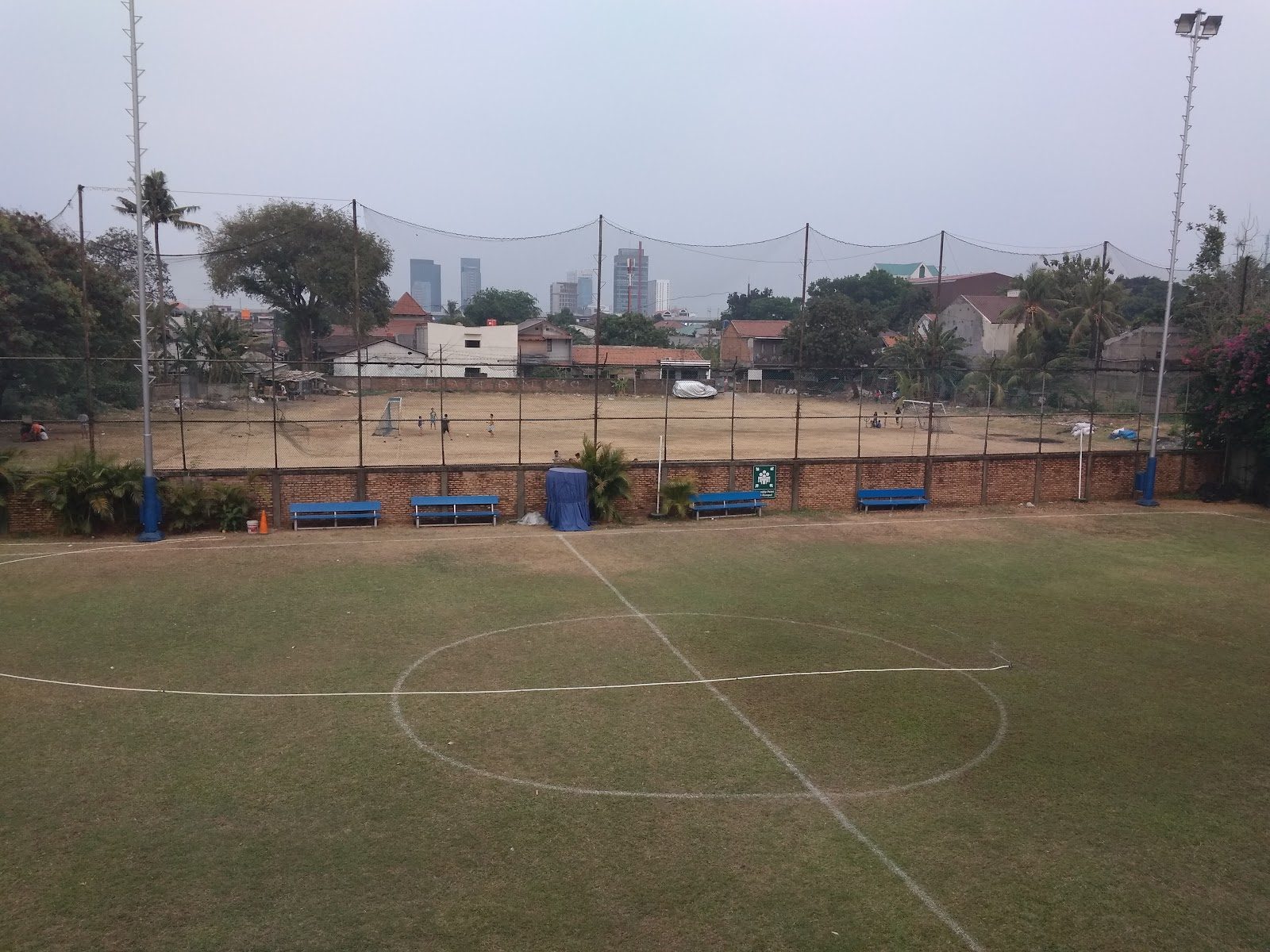
- +The 45-acre Bintaro campus is the largest of any international school in Jakarta, with facilities including a 750-seat theatre, Olympic pool, five football fields, 12 badminton courts and five tennis courts.
- +The school runs more than 260 extracurricular activities spanning sport, arts, and academic clubs, and competes regionally through FOBISIA and SEASAC.
Considerations
- −Annual tuition sits in the mid-to-upper tier for Jakarta, with primary around IDR 200-280 million and secondary/Sixth Form often IDR 280-350 million per year, before separate exam, uniform and trip charges are added.
- −A 2015 Independent Schools Inspectorate report, while positive overall, flagged inconsistencies in secondary school homework and unevenly targeted classroom support for students with SEND or English as an additional language.
- −Some more recent staff commentary cited by third-party sources points to administrative workload concerns, a factor prospective families cannot independently verify from official school channels.
- −BSJ is a COBIS member but no separate BSO inspection report is published on the school website, making it harder for families to independently verify the 'Outstanding' rating cited elsewhere.
Availability
Primary entry gate & tests
Academic Record
Gallery
Photo © Mas Aditya via Google Maps
Photo © British School Jakarta via Google Maps
Photo © Rofif Syuja' Mu'tasyim via Google Maps
Photo © Reza Ernanda via Google Maps
Photo © British School Jakarta via Google Maps
Parent reviews
Have you sent your child here?
Voice reviews carry the strongest trust badge — we transcribe them for you to tidy up before they go live. Prefer to type? A written review is fine too.
Add your voice
In 60 seconds, tell other parents: what's the best thing about British School Jakarta, and what surprised you when your child joined?
We ask for a Google sign-in so every review has a real face behind it — no anonymous drive-by attacks on schools, and no faked positive reviews. Your email is never shown publicly.
Send this profile to a friend
International parents rely on word-of-mouth. Share this review with someone weighing the same decision.
Schools with places
Similar schools to British School Jakarta with places available now.
Jakarta Intercultural School
Jakarta · Indonesia
- 2026-27
- WAITPOOLSpace-dependent
- 2027-28
- PLACES OPENRolling
Green School Bali
Abiansemal · Indonesia
- 2026-27
- WAITPOOLSpace-dependent
- 2027-28
- PLACES OPENRolling
Availability first, then country, area, curriculum, price, co-curricular
Consider also
Also worth looking at alongside British School Jakarta.
Jakarta Intercultural School
Jakarta · Indonesia
Founded in 1951 by UN diplomats' embassies, this South Jakarta campus still competes in Southeast Asia's invitation-only IASAS athletics and arts league.
Sekolah Pelita Harapan Lippo Village
Tangerang · Indonesia
The first Indonesian school to run a full IB continuum, pairing Christian formation with inquiry-led science in Tangerang's Lippo Village.

Green School Bali
Abiansemal · Indonesia
A walless bamboo campus on the Ayung River where IB study runs alongside rice cultivation and river ecology
Sekolah Ciputra Surabaya
Surabaya · Indonesia
The only school in East Java running the full IB continuum, with entrepreneurship woven in from Playgroup to Grade 12.
Same country and curriculum — closest matches within ±10 points either way