
Monmouthshire
Haberdashers’ Monmouth School
low confidence· 1/6 cats · 3.25 avg sourcesEnding 400 years as separate boys' and girls' schools, this Wye Valley foundation reopened in 2024 as one fully coeducational campus.
Type
Both
Ages
3–18
Curriculum
British
Qualifications
A-Level · GCSE
Ratio
—
The Verdict
Editor's commitment
Right for
Families wanting a 3–18 British school in Monmouth with boarding and day places, reopened in 2024 as one coeducational campus.
Wrong for
Parents set on single-sex schooling; the 1614 foundation ended that model in 2024, and the school now teaches boys and girls together.
Watch out for
Fees are expensive: £21,935 average annually for day pupils and £48,773 for boarders, with ISI and HMC status no substitute for checking delivery.
Ranking breakdown
Haberdashers’ Monmouth School · #753 of 1591
Composite score 59.0. 8 weighted criteria.
By criterion
Academic Outcomes
Weight 20%
#902
of 1529 scored
University Placement
Weight 16%
#848
of 1529 scored
Prestige & Heritage
Weight 12%
#689
of 1571 scored
Alumni Network
Weight 12%
#1371
of 1530 scored
Facilities
Weight 12%
#732
of 1533 scored
Transparency & Communications
Weight 8%
#821
of 1532 scored
Peer & Industry Review
Weight 10%
#998
of 1548 scored
Admissions Selectivity & Demand
Weight 8%
#837
of 1529 scored
Peer & Industry Review
How Haberdashers’ Monmouth School is regarded in the sector
65
Respected · medium confidence
Within the Welsh and border independent sector, Haberdashers' Monmouth is generally regarded as a solid, traditional school rather than a top academically selective one, with its rugby pedigree earning particular respect among rival heads and sporting bodies. The 2020s merger of the boys' and girls' schools drew attention in the independent education press - outlets such as the Good Schools Guide and WhichSchoolAdvisor covered it as a notable case of single-sex-to-co-ed consolidation, generally framed as a pragmatic response to demographic and financial pressures rather than a sign of decline. Its formal link to the Haberdashers' Company, shared with the far more prominent Haberdashers' Aske's schools in Elstree, lends institutional credibility, though commentators are careful to note that the Monmouth school operates with considerably less selectivity and national profile than its London counterpart. National newspaper league tables (Times, Telegraph) tend to place it mid-table among Welsh and border independents, and universities appear to view it as a dependable, broadly educated feeder rather than an Oxbridge hothouse.
- Charles Rolls — Co-founder, Rolls-Royce
- Andrew Irvine — Mountaineer, explorer
- David Broome — Show jumper, athlete
Editors' overview
Haberdashers’ Monmouth School enters a new phase with a strong editorial hook: in 2024 it ended four centuries of separate boys’ and girls’ education and reopened as one coeducational school for ages 3–18. Founded in 1614, it brings serious institutional depth, but the real point is the reset. Parents are not buying a static heritage brand here; they are buying into a school that has chosen structural change. That matters. Schools with this kind of history can drift on tradition. Monmouth has done the harder thing and reorganised itself. For families who want a British education in English, with the reach of a through-school and the oversight that comes with ISI and HMC, that puts it firmly on the shortlist. A school in transition can be a risk; it can also be a school with momentum. Here, the merger into one all-through coeducational campus is the defining fact.
What distinguishes it is the combination of place, scale of journey, and breadth of offer. Monmouth sits in the Wye Valley, and the school leans into that with sport and outdoor activity as declared strengths, alongside performing arts, fashion and textiles, and sustainability. That mix is more interesting than the standard “all-rounder” claim. It gives the school shape. A child who wants classroom achievement only has many options; a child who wants academic work tied to real physical space, performance, making, and outdoor challenge has fewer. The school also benefits from a long-established endowment and connection to the Haberdashers’ network, which gives the operation financial ballast and institutional backing. Three campuses — prep, senior and sixth form — create a clear age-stage structure while keeping one school identity. Pastoral seriousness sits at the centre of the pitch, and for a school serving both local and international families, that is not decorative language; it is operationally important.
The school will suit students who want range without chaos: children who will use sport fields, outdoor programmes, rehearsal spaces and creative workshops as readily as classrooms. It will also suit families drawn to old foundations with modern intent — those who value heritage but do not want a museum piece. Pupils who thrive in a visibly co-curricular culture, and who want a community that runs from early years to sixth form, will get the most from it. This is less compelling for the child who wants a narrowly academic hothouse with published headline metrics front and centre; the school talks far more about education in the round than raw results, and it does not publish aggregate exam data in the source text here. Still, for parents seeking substance over gloss, continuity from 3–18, and a British school that has made a consequential change rather than just talking about one, Haberdashers’ Monmouth School has a clear market position: heritage rebuilt for coeducation.
Academic Performance
Academic performance is the weak point in the public picture. The school does not publish aggregate GCSE or A-level results in the source text here, and that matters because parents cannot place it cleanly against HMC competitors without headline attainment data. There is plenty of language about “outstanding education”, intellectual growth and future success; there is no hard results table attached. That leaves a gap at the centre of any academic judgement. For a school with this history and fee-paying market position, results opacity is a real editorial issue. Strong schools do not need to hide behind generalities. They publish outcomes, subject patterns, university destinations and trends over time.
That does not make the academic offer weak; it makes it hard to verify. The school’s own emphasis sits on breadth — outdoor activity, performing arts, textiles, sustainability, pastoral care — rather than on a results-first identity. Some families will value that balance. Others will read it as a sign that Monmouth is competing as an all-round school rather than as an exam powerhouse. Relative to peers, that places it in a less assertive academic bracket until clearer data is disclosed. If published results are strong, the school should say so plainly. Until then, the academic case rests on reputation, structure and ambition rather than on headline exam metrics.
Facilities
Facilities are framed around the school’s three-part structure: prep, senior and a dedicated sixth form centre, each with its own age-appropriate setting inside one joined-up operation. That matters more than glossy architecture. For parents, the key point is functional range. The school itself puts sport and outdoor activity first among its specialities, which signals substantial playing space and access to programmes beyond the classroom. Performing arts and fashion and textiles also sit high in the offer, so rehearsal, performance and practical creative spaces are not side rooms; they are part of the school’s working identity. Sustainability rounds out the picture and points to facilities used for applied projects rather than display. Against peer independents, that reads as broad-use infrastructure rather than a campus built to impress on open day.
What the school does not do is publish the kind of hard facilities inventory that stronger competitors now give parents as standard: no theatre specifications, no studio count, no science-lab detail, no sports-centre breakdown, no clear boarding-house information in the source text here. That limits precision. Still, the combination of outdoor provision, arts capacity and dedicated sixth form space places Monmouth in the serious all-rounder bracket. It does not read as a school whose physical plant is dominated by one prestige department alone. Compared with rival HMC schools, the estate looks well-shaped for daily use and educationally coherent, but not yet forensically documented. For exacting families, that missing detail is a real gap.
Parent communication is competent at the top line and thin underneath
Prestige
Prestige here rests first on lineage and governance, then on market position. This is an old endowed school tied to the Haberdashers’ orbit, with the William Jones Endowment named by the school itself as a source of long-term financial stability. That matters. Endowment does not guarantee excellence, but it does separate a school from the more fragile, fee-dependent independents that live term to term. HMC membership adds another layer of standing: it places Monmouth in the recognised top tier of British independent schools, even if that badge alone does not make it elite. The reorganisation into one coeducational school also cuts both ways for prestige. It gives the school a more coherent public identity now; it also means families are judging a recast institution, not a settled one with an unchanged modern track record.
I rate the prestige as solid rather than glittering. In British terms, this is not a household-name boarding giant with automatic international cachet. Its reputation is stronger with families who know the independent sector, the Welsh border counties and the Haberdashers’ tradition than with those shopping by pure brand recognition. The school’s own emphasis on sport, outdoor education, performing arts, textiles and sustainability reinforces that reading: this is a broad-gauge school with substance, not a status trophy built on published academic dominance. The missing piece is hard outcomes. Without public aggregate exam data or destination patterns in the source text, Monmouth’s prestige rests on heritage, structure and institutional backing more than on undeniable academic firepower.
What makes Monmouth distinctive now is not heritage on its own but institutional reinvention
Communications
Parent communication is competent at the top line and thin underneath. The public-facing site gives a clear leadership structure, names the senior figures, and lays out the school in practical stages rather than drowning parents in slogan-heavy clutter. That helps. Families can work out who runs what, where a child sits in the wider school, and what the institution wants to talk about: pastoral care, co-curricular breadth, values, admissions, alumni and development. There is also a visible effort to frame the school as one joined-up community after the recent structural change. That coherence matters. A school that has reorganised itself needs disciplined communication, and Monmouth does the basics well enough to project administrative control rather than internal muddle.
The weakness is depth. The site carries a lot of broad institutional language and too little operational detail of the kind parents actually use to judge day-to-day responsiveness: no clear public calendar architecture, no published academic reporting rhythm, no obvious parent-communication protocol, and no hard evidence of how the school handles the practical traffic between home and school. Even the portal links signal infrastructure without showing how informative that infrastructure is in practice. For current parents, that gap matters more than polished copy. Good school communication is not a values statement; it is punctual, specific and routine. Monmouth’s public communication is orderly but generic: strong on identity, weaker on proof. That leaves an impression of competence without full transparency.
Uniqueness
What makes Monmouth distinctive now is not heritage on its own but institutional reinvention. Plenty of old schools trade on their past. This one has broken with a structure that defined it for centuries and rebuilt itself as one coeducational school across 3 linked stages. That gives students something concrete: a clearer educational arc, fewer artificial handovers, and one set of values and expectations running from the earliest years to sixth form. The school also has an identity that is more textured than the standard independent-school formula. Sport and outdoor activity sit alongside performing arts, fashion and textiles, and sustainability. That is an unusual combination. It tells parents that practical creativity, physical confidence and environmental thinking are not decorative extras bolted onto an academic core; they are part of the school’s working model.
For students, the gain is breadth with direction. A child here can move between field, stage, studio and classroom without any one domain being treated as second-tier. That matters for teenagers whose strengths do not fit a narrow exam script. The Haberdashers connection and endowment support also give the school institutional ballast, which counts during a period of change. The risk, and it is real, is that a newly unified school still has to prove that culture can catch up with structure. But for families who want a school that has chosen meaningful change rather than cosmetic refresh, Monmouth offers a rare mix of old foundation, fresh identity and genuinely broad student experience.
Founded in 1614, it brings serious institutional depth, but the real point is the reset
Student Profile
The best fit is a student who wants a busy, outward-facing school life rather than a narrow exam treadmill. Monmouth is built for children who will use the full spread of the place: games, outdoor activity, performance, making, and day-to-day participation in a community that runs from nursery to sixth form. That points to pupils with energy, adaptability and a willingness to join in. It also suits families who value pastoral seriousness and a school culture organised around conduct as much as attainment; the published values lean hard on respect, kindness, resilience, creativity and integrity, which signals expectations about how students behave, not just how they score. With an age span of 3–18 and pupils drawn from local and international backgrounds, the social mix is wider than at a small single-phase day school.
The less natural fit is the child who wants an anonymous, ultra-specialist academic hothouse or a socially detached environment where co-curricular life sits at the margins. This is a school with a strong community ask: pupils are expected to contribute, not just attend. It will also suit students comfortable inside a school still settling into its new unified identity. For the right child, that brings momentum and a sense of shared project. For a student who resists change, wants a rigidly conventional path, or has no interest in sport, the arts or outdoor education, the fit is less convincing. The strongest candidates for Monmouth are engaged, all-round, and ready to make use of a broad school rather than just pass through it.
Parents are not buying a static heritage brand here; they are buying into a school that has chosen structural change
Co-curricular strengths
Arts & sport, on a separate axis
Overall 8.8/10
Scored 0-10 from the school's own published evidence. This axis is editorial-only — it does not feed the main WTS ranking.
Sports
9.2/10
Preeminent boys' athletic force in Wales; fields historically dominant varsity rowing crews (utilizing its premium River Wye access) and rugby programs.
Drama
8.8/10
Active theatrical tracking inside the custom on-campus theatre, emphasizing technical stagecraft and contemporary acting styles.
Dance
8.5/10
Maintained strictly as a minor auxiliary component for stage movement in musical theater rather than an independent discipline.
Music
8.8/10
Deeply institutionalized music school supporting massive symphonic bands, chapel choirs, and regular community concert showcases.
Visual Arts
8.7/10
The state-of-the-art visual arts center runs advanced technical design and sculpture portfolios built for the rigorous syllabus.
Strengths
- +Founded in 1614 with over 400 years' heritage
- +Boarding and day options from ages 3–18
- +English-language British curriculum in the United Kingdom
- +Strong sport focus, especially rowing and rugby
Considerations
- −Boys-only school limits co-educational daily experience
- −Monmouth location may feel remote for some families
- −ISI and HMC listed; no broader accreditations stated
Availability
Primary entry gate & tests
Written Exams + Interview
Parent reviews
Have you sent your child here?
Voice reviews carry the strongest trust badge — we transcribe them for you to tidy up before they go live. Prefer to type? A written review is fine too.
Add your voice
In 60 seconds, tell other parents: what's the best thing about Haberdashers’ Monmouth School, and what surprised you when your child joined?
We ask for a Google sign-in so every review has a real face behind it — no anonymous drive-by attacks on schools, and no faked positive reviews. Your email is never shown publicly.
Send this profile to a friend
International parents rely on word-of-mouth. Share this review with someone weighing the same decision.
Schools with places
Similar schools to Haberdashers’ Monmouth School with places available now.
Millfield School
Street · United Kingdom
- 2026-27
- CLOSEDStandard route closed
- 2027-28
- PLACES OPEN11+ / 13+ / 16+ active
Thomas's Battersea
London · United Kingdom
- 2026-27
- CLOSEDStandard route closed
- 2027-28
- PLACES OPENRegistration open for Sept 2027 and beyond
Badminton School
Bristol · United Kingdom
- 2026-27
- CLOSEDStandard route closed
- 2027-28
- PLACES OPENCloses Oct/Nov '26
Christ's Hospital
Horsham · United Kingdom
- 2026-27
- CLOSEDStandard route closed
- 2027-28
- PLACES OPEN2027 entry assessment timetable active
Availability first, then country, area, curriculum, price, co-curricular
Consider also
Also worth looking at alongside Haberdashers’ Monmouth School.
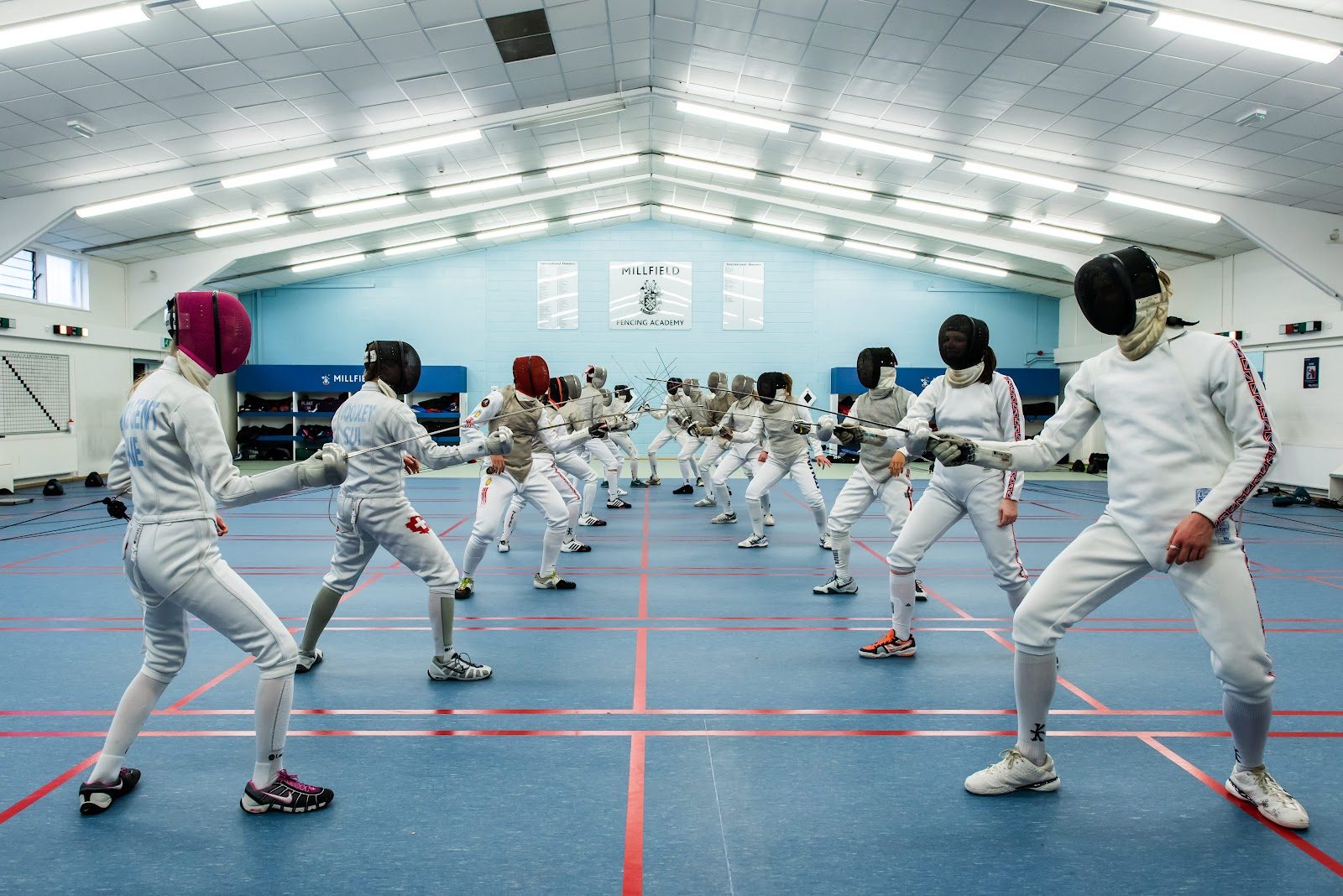
Millfield School
Street · United Kingdom
Sixty-plus sports and an Olympic-length pool anchor a 240-acre Somerset campus built for athletes and scholars alike.
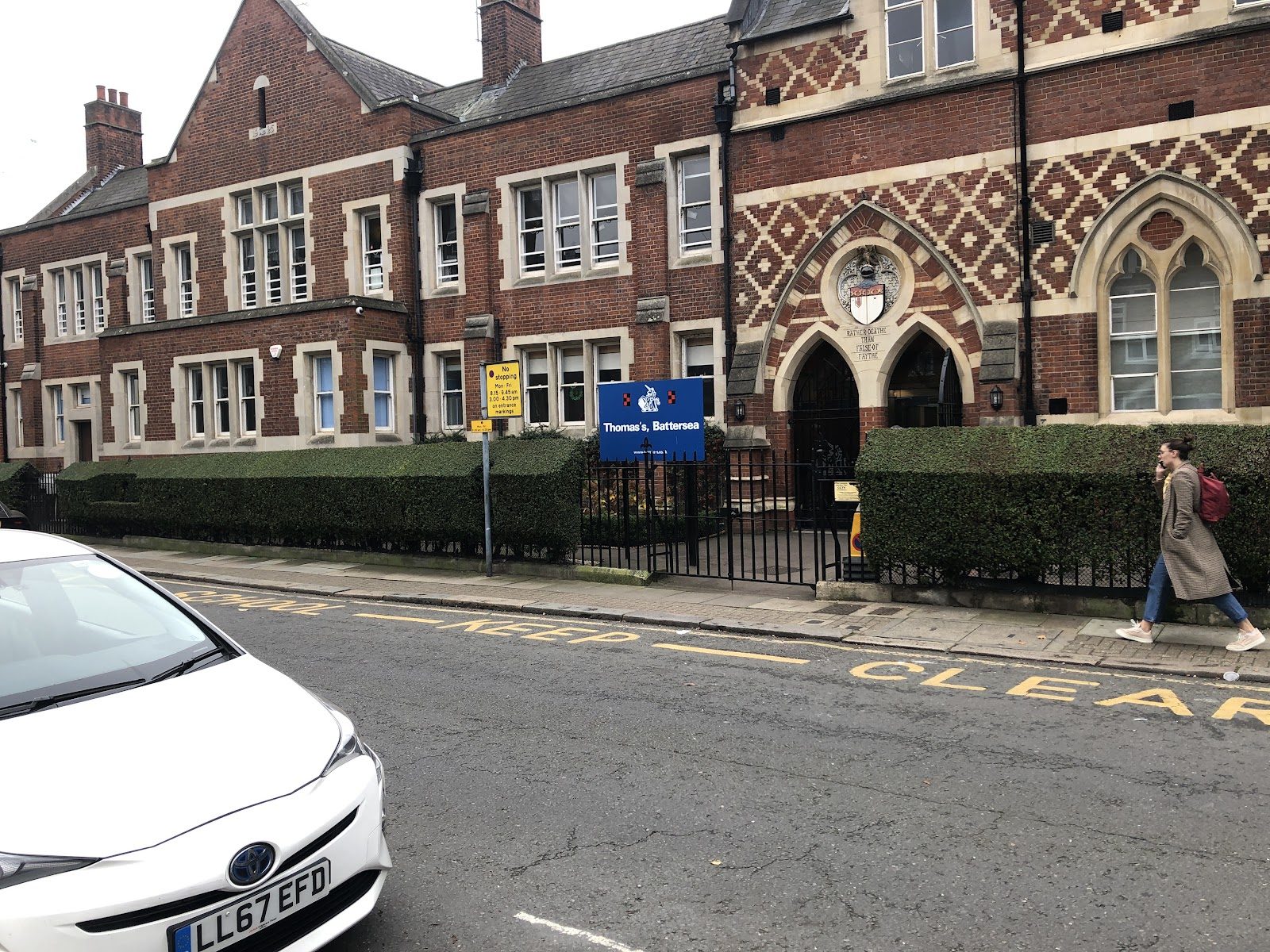
Thomas's Battersea
London · United Kingdom
In a former Victorian art school, an 'enquiry mindset' and a 'Be Kind' ethos feed London's top senior schools.
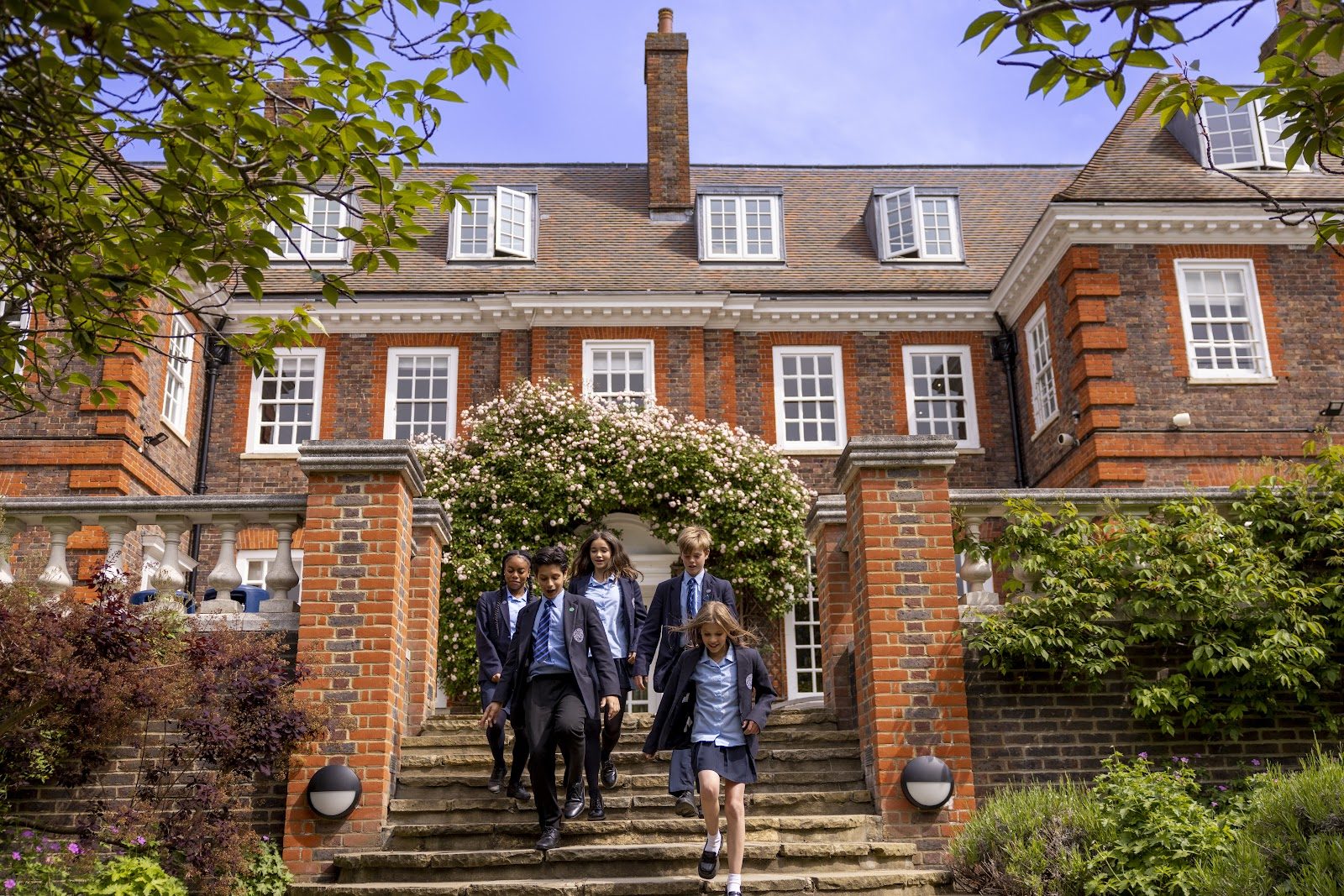
Ibstock Place School
London · United Kingdom
On the fringe of Richmond Park, a Froebel-founded day school has championed co-education since 1894.
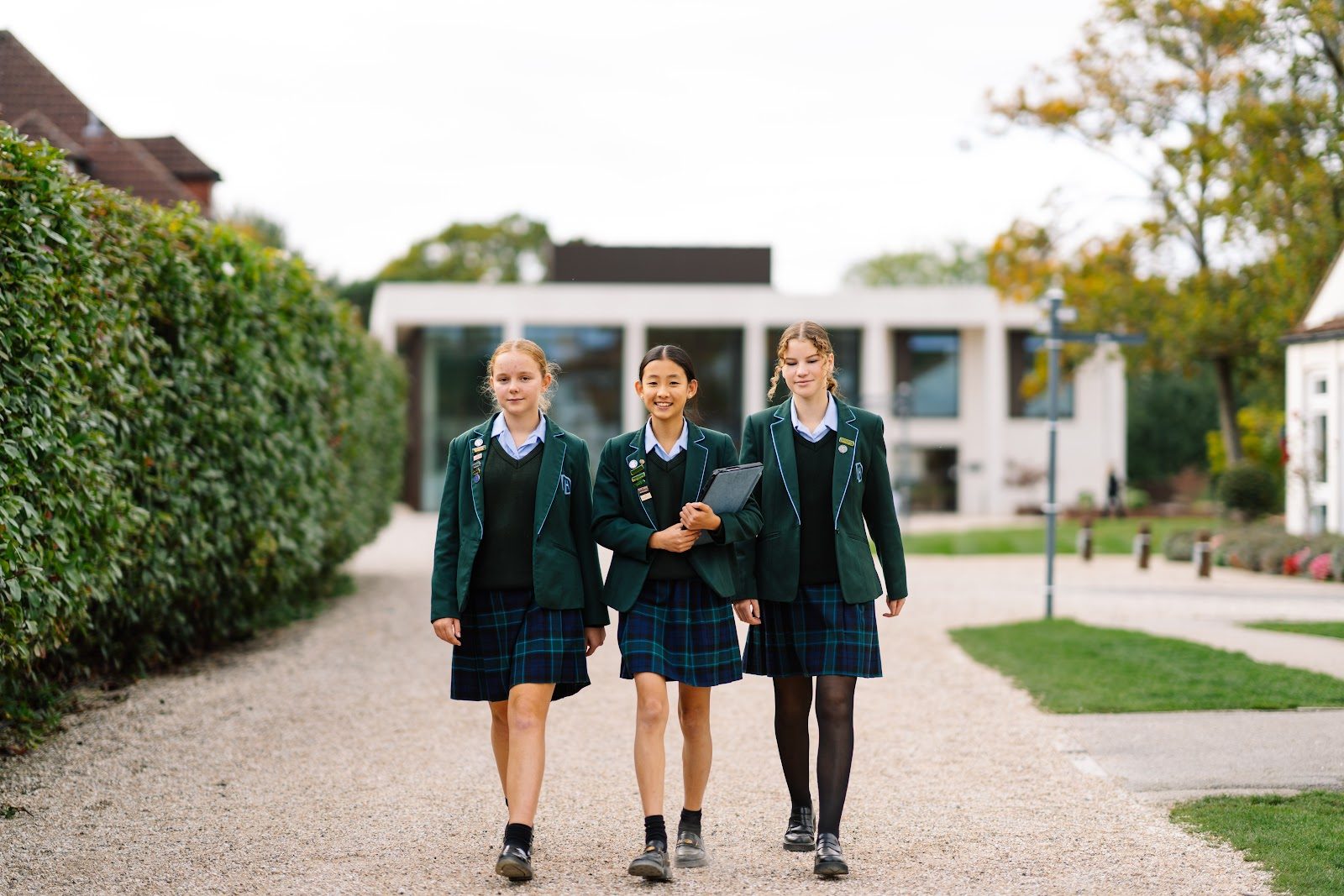
Downe House School
Cold Ash · United Kingdom
Rooted in Charles Darwin's former home, now a 110-acre Berkshire estate where science thrives and Oxbridge ambition runs deep.
Same country and curriculum — closest matches within ±10 points either way