
Connecticut
Canterbury School
low confidence· 2/6 cats · 2.67 avg sourcesOn a Litchfield County hilltop, a lay-led Catholic school founded in 1915 on the radical idea that faith and Ivy League prep could coexist.
Type
Both
Ages
14–18
Curriculum
American
Qualifications
AP
Ratio
6:1
The Verdict
Editor's commitment
Right for
Teenagers who want a small 330-student, Catholic-rooted, interfaith boarding school with a 6:1 ratio and serious college-prep intent.
Wrong for
Families wanting a large campus machine, broad age range or secular ethos; Canterbury covers only ages 14–18 and keeps 70% boarding.
Watch out for
This is expensive by any measure: average annual fees run $59,800 day and $80,900 boarding, for a school of 330 students.
Ranking breakdown
Canterbury School · #1180 of 1591
Composite score 58.8. 8 weighted criteria.
By criterion
Academic Outcomes
Weight 20%
#1192
of 1529 scored
University Placement
Weight 16%
#1164
of 1529 scored
Prestige & Heritage
Weight 12%
#1115
of 1571 scored
Alumni Network
Weight 12%
#692
of 1530 scored
Facilities
Weight 12%
#1054
of 1533 scored
Transparency & Communications
Weight 8%
#1019
of 1532 scored
Peer & Industry Review
Weight 10%
#1407
of 1548 scored
Admissions Selectivity & Demand
Weight 8%
#1205
of 1529 scored
Peer & Industry Review
How Canterbury School is regarded in the sector
59
Credible · medium confidence
Among Connecticut's boarding-school hierarchy, Canterbury is respected but distinctly second-tier next to Choate, Hotchkiss, Taft and Kent, all of which outrank it in name recognition, endowment and college-matriculation lists cited in local and national press. It is rarely, if ever, profiled by WhichSchoolAdvisor or the Good Schools Guide, whose coverage skews toward UK and internationally networked institutions, and it does not routinely appear in the Northeast prep-school rankings that trade press and admissions consultants circulate. Its historical claim -- a young John F. Kennedy's brief 1930 enrolment before transferring to Choate -- is the fact most often repeated by outside commentators rather than any contemporary academic distinction. Admissions officers at selective colleges generally know it as a solid, values-based Catholic day-boarding school producing well-prepared but not disproportionately high-achieving applicants. Within NEPSAC athletic and Catholic-school networks it retains a steady, community-oriented reputation, but independent education press treats it as a regional, not a flagship, institution.
- William F. Buckley Jr. — Author/Commentator, Founder of National Review
- Nicholas F. Brady — Former U.S. Treasury Secretary, Chairman of Dillon, Read & Co.
Editors' overview
Canterbury trades on a combination that still has bite: a Catholic foundation, an interfaith student body, and a small New England boarding-school scale that resists the bloat of larger US prep schools. Set on 150 acres in New Milford and enrolling about 330 students, it offers grades 9–12 plus postgraduates, with 70% of students boarding. The school’s central argument is clear enough: adolescents do better in a tight, residential environment where teachers know them well and adult supervision extends beyond lessons. At Canterbury, that claim has substance. The student-teacher ratio is 6:1, and 75% of faculty hold advanced degrees. For parents who want a school where staff presence on campus matters, that is a real asset, not a brochure line.
What sets Canterbury apart is not raw scale, brand prestige or published admissions theatre. It is the small-school intensity of the place, paired with a Catholic heritage that has broadened into an inclusive, interfaith culture without abandoning its moral framework. That will appeal to families who want a school with serious pastoral structure and a values-led approach, but who do not want doctrinal narrowness. Academically, Canterbury runs an American college-preparatory curriculum and frames itself as rigorous; what it does not publish here are aggregate exam outcomes, university placement data or other hard performance metrics that would let parents test that claim more precisely. That opacity matters. In a crowded US boarding market, schools asking this level of fee need to show results with more granularity.
Fees place Canterbury in the expensive end of the US independent-school market, though not at the absolute summit: the average annual day fee is $59,800, and the average annual boarding fee is $80,900. That buys a deliberately intimate school with a strong residential core, a Catholic identity handled with more openness than many faith schools manage, and a setting built for students who benefit from close adult attention. Canterbury belongs on a shortlist for families seeking a coeducational boarding school for ages 14 to 18 that is structured, watchful and community-heavy rather than sprawling or anonymous. The best fit is a student who wants challenge without social grandstanding, values strong mentorship, and will thrive in a school where character formation carries as much weight as college preparation. It is not a place for spectators; pupils need to participate, live alongside others, and accept the demands of a close-knit campus.
Academic Performance
Canterbury does not publish the hard academic data that serious comparison now requires. We have not seen aggregate AP results, average SAT or ACT scores, or a full university destinations list broken down by year and selectivity. That leaves parents with a material gap at the point where many US boarding schools make their strongest case. In a market crowded with schools that advertise score distributions, merit awards and named college outcomes, Canterbury asks families to trust the strength of its college-preparatory programme without opening the books. For an expensive school with a clear academic ambition, that is a weak spot.
What can be said with confidence is narrower. The school’s small scale, 6:1 staffing ratio and postgraduate year indicate an environment built for close academic supervision and deliberate university preparation rather than mass delivery. That matters, and it will suit students who need structure, accountability and adults who stay closely involved. But fit is not the same as proof. Relative to transparent peers in the US boarding sector, Canterbury sits in the opaque middle: credible, established and pastorally serious, yet not data-rich enough to claim a top academic tier on published evidence. Until the school discloses external examination outcomes and destination trends in a systematic way, its academic standing rests more on institutional confidence than on verifiable results.
Facilities
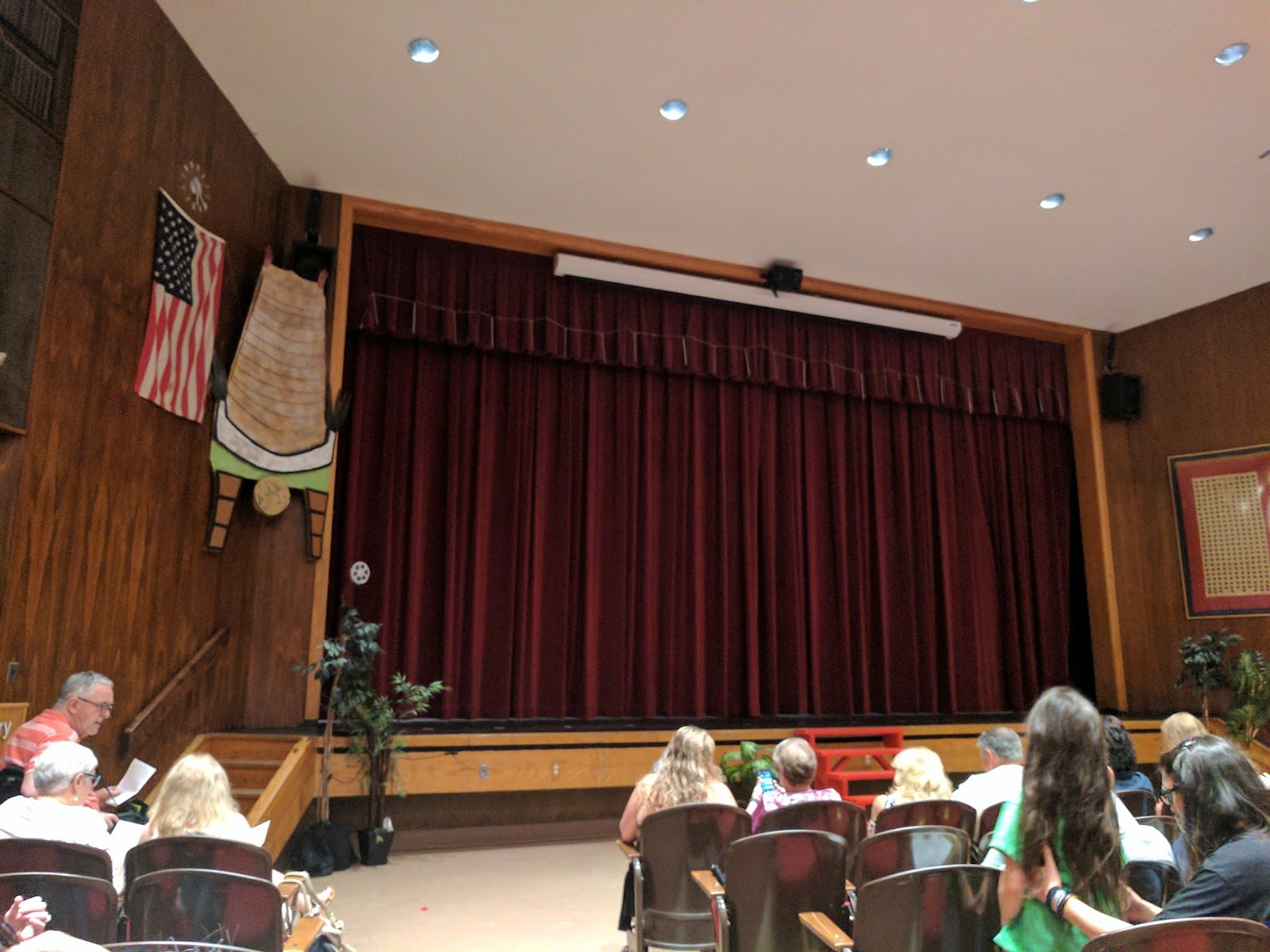
Facilities are one of Canterbury’s stronger cards, even if the school’s public case stays short on detail. The campus occupies 150 acres on a hilltop, which gives a small school room to breathe in a way many compact New England boarding peers do not. That matters for boarding life as much as for lessons: separation between academic buildings, houses, playing areas and quieter spaces helps a residential school feel ordered rather than cramped. The school also points parents toward premier facilities and a broad arts-and-athletics programme, and recent news items confirm active use of theatre, visual art, baseball and golf provision. That does not amount to a full facilities inventory, and Canterbury does not publish the kind of room-by-room, centre-by-centre detail that top competitors now provide. Parents who care about laboratories, design spaces, music practice rooms or strength-and-conditioning provision will need to ask directly.
Against peer schools, the picture is mixed but clear enough. Canterbury has the physical scale for a proper boarding-school campus and the land to support a full community life rather than a day-school timetable stretched into evenings. That puts it ahead of smaller boarding schools with tighter footprints and weaker residential flow. It sits behind better-marketed rivals that publish exhaustive information on specialist spaces and recent capital investment. So the verdict on facilities is solid rather than dazzling: ample grounds, credible co-curricular infrastructure, and a campus built for immersion, but not a publicly documented showcase estate.
The campus occupies 150 acres on a hilltop, which gives a small school room to breathe in a way many compact New England boarding peers do not
Prestige
Canterbury carries real but contained prestige: respected within the American boarding-school circuit, credible with universities, and attractive to families who value old-school residential formation over brand theatre. Its standing comes from a combination that still matters in this market — a long-established lay-Catholic identity, a genuinely small enrolment, and a boarding culture in which adult presence extends well beyond timetabled lessons. The school’s own account leans hard on mentorship, ethical formation and close faculty involvement, and that reads as more than slogan because the scale supports it. With about 330 pupils and a 6:1 student-faculty ratio, Canterbury offers the kind of high-contact education that many larger prep schools promise and fewer deliver. Prestige here rests on intimacy, supervision and social seriousness, not on flash.
That also defines its limits. Canterbury does not sit in the topmost glamour tier of US boarding schools, because it does not publish the public proof that elite status now demands. We have not seen the annual score profiles, destinations data or selective admissions outcomes that turn institutional reputation into hard comparative clout. Nor does the school project the kind of name-heavy mystique that carries a place on prestige alone. The result is a school with solid traditional standing rather than commanding market power: admired by those who know the sector, less magnetic to families shopping for maximum international cachet. That rating is fair. Canterbury offers a serious education with a clear moral centre; it does not offer undisputed elite dominance.
Canterbury does not sit in the topmost glamour tier of US boarding schools, because it does not publish the public proof that elite status now demands
Communications
Canterbury communicates in the idiom of a traditional boarding school: polished, frequent and tightly controlled. The public-facing site is easy to navigate, with clear routes into admissions, community news and the school’s statement of purpose. Parents get a steady stream of updates on campus life, student achievements, fundraising and governance, which gives the impression of an institution that keeps its constituency warm and informed rather than silent between major events. The volume of news also matters. A school of roughly 330 pupils that publishes this regularly is signalling institutional discipline. The tone, though, is carefully curated. It leans hard on values, belonging and community affirmation, and far less on hard operational detail. That makes Canterbury reassuring in mood, but not always forensically informative.
That distinction defines the school’s communications strength and its limit. Canterbury is good at expressing culture: the Catholic heritage, interfaith welcome, mentoring ethos and residential intensity all land clearly. Parents will grasp the school’s moral seriousness and the kind of adolescence it wants to shape. What they will not get, at least in public, is the sharper data that many fee-paying families now expect: systematic academic outcomes, fuller breakdowns of provision, or much evidence of radical transparency. In other words, Canterbury communicates identity better than proof. For families who choose schools on ethos and community feel, that works. For families who want dashboards, comparative metrics and hard-nosed accountability, it falls short.
Uniqueness
What makes Canterbury distinct is not religion on its own, and not boarding on its own, but the way a Catholic foundation has been recast inside an explicitly interfaith school without dissolving into bland values talk. Many faith-rooted schools either hold the line tightly or strip their identity down to ceremony and branding. Canterbury does neither. It keeps a moral framework, speaks openly about ethical citizenship and justice, and pairs that with a community that welcomes multiple beliefs and cultures. For students, that brings a form of education that is more structured than permissive and less doctrinaire than confessional. Teenagers who need adults to set standards, insist on contribution and treat character as part of schooling — not an optional extra — get a clear moral architecture around daily life.
Its other point of difference is the school’s insistence on the small boarding school model as an educational method rather than a lifestyle product. With only about 330 pupils on a large hilltop campus and 70% of them living in school, Canterbury can run on proximity, repetition and constant adult contact. Teachers are not only classroom instructors; the school expects them to act as mentors within the rhythm of residential life. That brings real benefits for adolescents who thrive under close supervision, regular accountability and a community where disengagement is hard to hide. The trade-off is equally clear: students looking for anonymity, social sprawl or a looser culture will find Canterbury intensive, watchful and demanding.
With only about 330 pupils on a large hilltop campus and 70% of them living in school, Canterbury can run on proximity, repetition and constant adult contact
Student Profile
The right student for Canterbury is one who does not want to disappear into a crowd. This is a school for adolescents who can live with scrutiny, routine and adults taking an active interest in how they work, behave and contribute. Pupils who value close adult oversight, steady expectations and a community that treats character as part of education will fit well. So will boarders who want a residential life that is structured rather than loose and socially contained rather than sprawling. The Catholic foundation, handled within an interfaith community, suits families who want a school with a moral centre but not a narrow confessional culture. With average enrolment around 330 and a student-faculty ratio of 6:1, Canterbury has little room for drift.
The weaker fit is equally clear. Students who want independence without much adult intervention, or who rely on anonymity to reset socially, will find Canterbury intense and hard to evade. It asks for participation, emotional steadiness and a willingness to live alongside difference without making a spectacle of it. Ambitious but grounded pupils will do better here than status-driven ones chasing glamour or social pecking order. This is also a better match for teenagers who benefit from mentoring and accountability than for those who resent both. In short, Canterbury suits the community-minded, the pastorally responsive and the quietly serious; it is not for spectators.
Set on 150 acres in New Milford and enrolling about 330 students, it offers grades 9–12 plus postgraduates, with 70% of students boarding
Co-curricular strengths
Arts & sport, on a separate axis
Overall 7.9/10
Scored 0-10 from the school's own published evidence. This axis is editorial-only — it does not feed the main WTS ranking.
Sports
7.6/10
Absolute athletic powerhouse in the Mid-Atlantic league; universally renowned for its historically dominant swimming, tracking, and lacrosse pipelines.
Drama
8.3/10
The modern theater complex provides a conservatory-style framework for staging high-production mainstage plays and musicals.
Dance
7.4/10
Popular choreographic development track explicitly integrated within their collaborative theater and musical networks.
Music
8.2/10
Robust private vocal and instrumental infrastructure feeding active jazz big bands and full symphonies.
Visual Arts
8/10
Sun-drenched studio spaces running advanced design pipelines, ceramics, and photography to build elite university portfolios.
Strengths
- +Boarding and day options for ages 14–18
- +Approx. 330 students; deliberately small-school scale
- +Grades 9–12 plus postgraduate year available
- +Catholic heritage within an inclusive, interfaith community
Considerations
- −Only American curriculum is offered
- −English is the sole language of instruction
- −Religious setting may not suit all families
Availability
Primary entry gate & tests
ISEE/SSAT + Interview
Gallery
Parent reviews
Have you sent your child here?
Voice reviews carry the strongest trust badge — we transcribe them for you to tidy up before they go live. Prefer to type? A written review is fine too.
Add your voice
In 60 seconds, tell other parents: what's the best thing about Canterbury School, and what surprised you when your child joined?
We ask for a Google sign-in so every review has a real face behind it — no anonymous drive-by attacks on schools, and no faked positive reviews. Your email is never shown publicly.
Send this profile to a friend
International parents rely on word-of-mouth. Share this review with someone weighing the same decision.
Schools with places
Similar schools to Canterbury School with places available now.
Greenwich Academy
Greenwich · United States
- 2026-27
- CLOSEDRegular cycle closed
- 2027-28
- OPENS SOONOpens Sept '26
Brunswick School
Greenwich · United States
- 2026-27
- CLOSEDRegular cycle
- 2027-28
- OPENS SOONOpens Sept '26
Hopkins School
New Haven · United States
- 2026-27
- CLOSEDRegular cycle
- 2027-28
- OPENS SOONOpens Sept '26
Loomis Chaffee School
Windsor · United States
- 2026-27
- WAITPOOLLate/Rolling Space Available
- 2027-28
- OPENS SOONOpens 1 Sept '26
Availability first, then country, area, curriculum, price, co-curricular
Consider also
Also worth looking at alongside Canterbury School.

Germantown Friends School
Philadelphia · United States
Rooted in an 1845 Quaker meeting in historic Germantown, where juniors design a month-long independent study of their own.
Poly Prep Country Day School
Brooklyn · United States
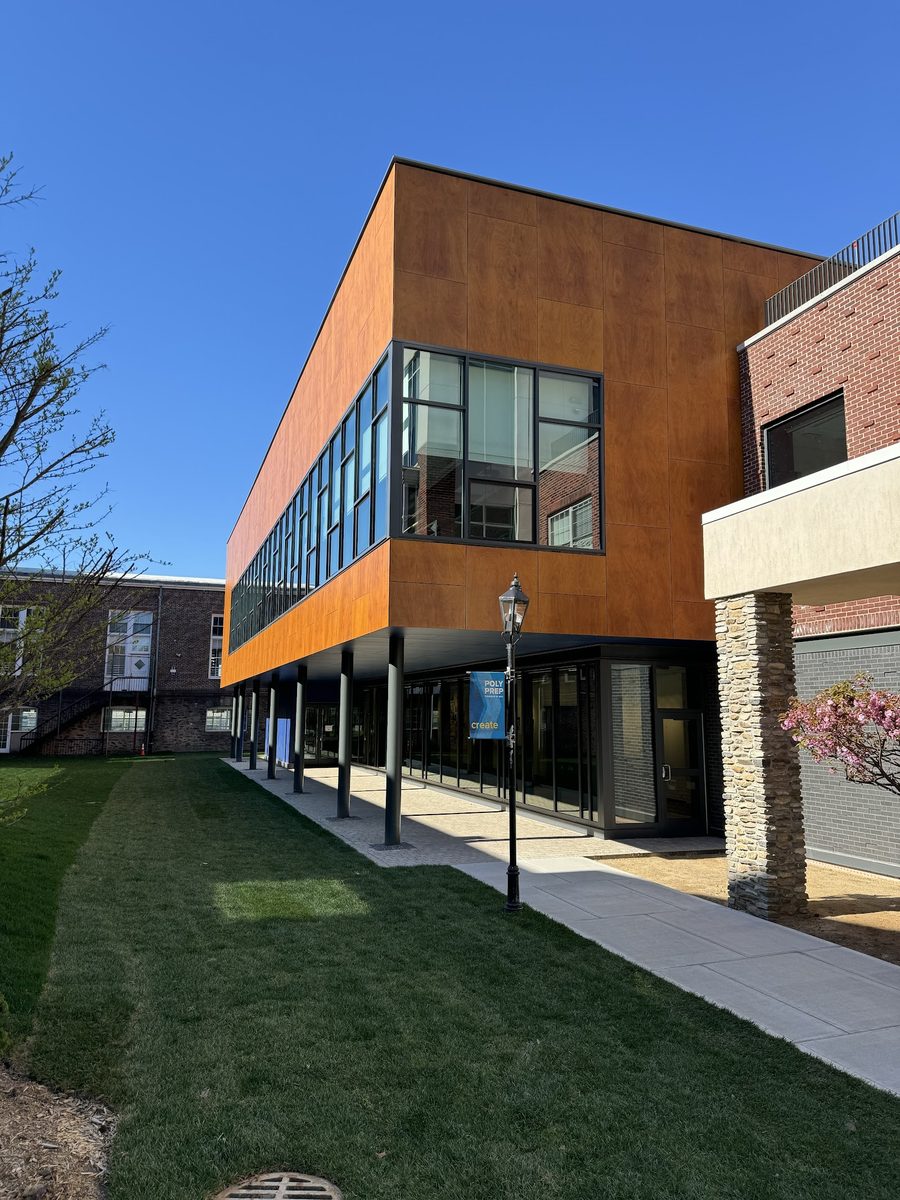
Founded in 1854 as Brooklyn's first boys' school, this day school pairs a Prospect Park mansion with a 25-acre Dyker Heights campus.

Marymount School of New York
New York City · United States
On Fifth Avenue, landmark mansions give way to Bloomberg terminals and classrooms inside the Met.
Boston University Academy
Boston · United States
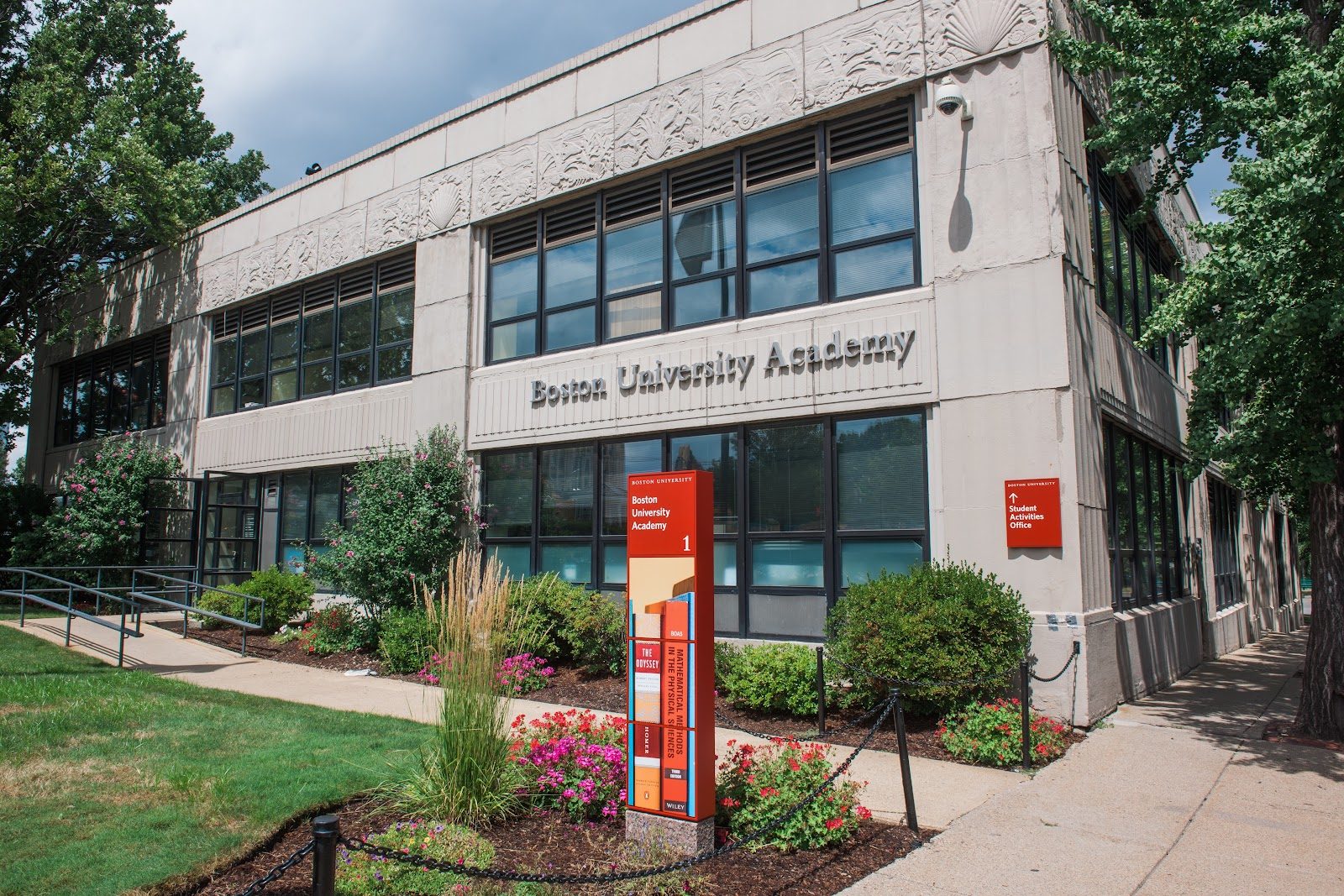
Upperclassmen trade study halls for Boston University lecture halls, banking college credit before graduation.
Same country and curriculum — closest matches within ±10 points either way