
Poland
Państwowe Liceum Sztuk Plastycznych im. Jana Matejki, Nowy Wiśnicz
New · 2026/27Type
Ages
—
Curriculum
—
Ratio
—
Ranking breakdown
Państwowe Liceum Sztuk Plastycznych im. Jana Matejki, Nowy Wiśnicz · #1456 of 1591
Composite score 50.2. 8 weighted criteria.
By criterion
Academic Outcomes
Weight 20%
No data yet
1529 of 1591 scored
University Placement
Weight 16%
No data yet
1529 of 1591 scored
Prestige & Heritage
Weight 12%
No data yet
1571 of 1591 scored
Alumni Network
Weight 12%
No data yet
1530 of 1591 scored
Facilities
Weight 12%
No data yet
1533 of 1591 scored
Transparency & Communications
Weight 8%
No data yet
1532 of 1591 scored
Peer & Industry Review
Weight 10%
#1480
of 1548 scored
Admissions Selectivity & Demand
Weight 8%
No data yet
1529 of 1591 scored
Peer & Industry Review
How Państwowe Liceum Sztuk Plastycznych im. Jana Matejki, Nowy Wiśnicz is regarded in the sector
52
Credible · medium confidence
Within Poland's small network of state fine-arts lyceums (Liceum Plastyczne) overseen by the Ministry of Culture and National Heritage, the Nowy Wisnicz school holds a respected niche position, distinguished mainly by its unusual location inside the historic Lubomirski castle and its specialization track in monument conservation, a rarer offering than the painting or graphics tracks common at sister schools in Krakow, Zakopane or Katowice. Graduates are regularly noted as pursuing further study at the major state art academies (ASP Krakow, ASP Warszawa, ASP Wroclaw), which is the standard benchmark of success for this school type rather than a marker of exceptional prestige. Independent English-language education press (WhichSchoolAdvisor, Good Schools Guide) does not cover it, as it falls outside international-school rankings; Polish coverage is largely regional and cultural-heritage focused rather than academic league-table driven. Reputation among peer institutions rests on its conservation specialty and castle setting rather than documented national rankings, competition results, or university admissions-officer commentary that could be independently verified.
Award
Elite Visual & Fine Arts 76
World's Top School · The Global Ranking
Państwowe Liceum Sztuk Plastycznych im. Jana Matejki, Nowy Wiśnicz is featured on our Global Top 76 ranking at #42. This seal is available for the school's marketing team to use on their website, prospectus and social channels.
Editors' overview
Full editorial coverage forthcoming. This institution has been included in the 2026 Visual Arts & Fine Art audit on the strength of its specialist Fine Art pathway. A long-form editorial review — covering curriculum, faculty, graduate conversion, portfolio provision and international accessibility — will be published as editorial capacity allows. The rank position, country and international-access classification shown on the ranking page have been verified against the methodology.
An Elite Visual & Fine Arts 76 school
Panstwowe Liceum Sztuk Plastycznych im. Jana Matejki in Nowy Wisnicz, Poland, sits at rank forty-two on the Elite Visual & Fine Arts 76 because it is a genuine state fine-art lyceum with an unbroken artistic pedigree: it is a fine art secondary school that has existed since 1947, and it operates inside a protected historic monument, the former Sad Grodzki court building. It is run directly by the Minister of Culture and National Heritage, with pedagogical oversight from the Centrum Edukacji Artystyczne in Warsaw, which places it firmly inside Poland's formal state art-school system rather than a private add-on programme.
The specialism is delivered through four named tracks: artistic ceramics, artistic photography, restoration of architectural elements, and artistic textile, and admission itself is gated by a practical exam in drawing, painting and spatial composition in clay plus an oral art-knowledge test. Daily teaching runs across painting and drawing, sculpture, textile, ceramics, restoration, photography and film, and basic design studios inside the school's dedicated workshop complex. Final-year pupils defend a specialization project alongside painting, drawing or sculpture work and sit a theoretical art-history exam to earn the professional title of "plastyk," a qualification recognised at level V of the Polish and European qualifications frameworks. Graduates typically progress into Akademie Sztuk Pieknych and allied university faculties in conservation, printmaking and design, multimedia, architecture, interior and fashion design, photography, animation, sculpture, ceramics and glass.
Notable alumni are still emerging in international art circles, but the school's competitive record is concrete: its pupils have taken prizes such as second place in graphics at the national Kompozycje competition and second place in drawing at the 2025 national Piotr Potworowski Biennale of Drawing and Painting. The school also runs its own nationwide junior competition, "Swiat wokol mnie," which drew 174 entries from 35 schools across Poland in its most recent edition, with winners earning direct admission bypassing the entrance exam.
International openness is limited and should be approached with clear eyes. As a Ministry of Culture institution, tuition is free, but every applicant, foreign or domestic, sits the same Polish-language drawing, painting, clay-sculpture and oral exam, and all teaching, the matura and the diploma defence are conducted in Polish with no ESL bridge programme evident. Boarding exists on-site as part of the school complex, organised into five supervised groups, with pupils resident from Sunday afternoon to Friday evening; sister state art lyceums charge modest monthly room and daily meal fees in the low hundreds of zloty. There is no dedicated overseas-visa track publicised; families would work through standard Polish student visa channels. This school suits a family relocating with a Polish-fluent or rapidly Polish-immersing teenager well ahead of the spring entrance exam window, not a drop-in English-medium applicant.
Academic Performance
The school follows the standard Polish liceum program leading to the state matura examination, combined with a specialized four to five year track in fine and applied arts. Students take core subjects including Polish, mathematics, a foreign language, and history alongside intensive coursework in drawing, painting, sculpture, art history, and a chosen artistic specialization such as ceramics, weaving, or wood and metal crafts. Graduates typically sit both the matura and a separate diploma examination in their artistic discipline, the latter assessed by an external panel and required for entry into higher art academies. Class sizes in the arts workshops are small by necessity, allowing close mentorship between teachers and pupils. As with other state plastic arts schools in Poland, the curriculum balances academic rigor with craft discipline, producing graduates prepared for either art school entrance examinations or general university study, though the school's specific pass rates and subject-level results are not independently published or verifiable online.
Facilities
The school operates from historic premises in Nowy Wiśnicz, a small town in Lesser Poland known for its castle and former Carmelite monastery complex, and school buildings of this type in the town typically combine adapted historic structures with purpose-built studio space. Facilities generally include dedicated painting and drawing studios, sculpture workshops, print and ceramics rooms, and space for textile or woodworking specializations, reflecting the practical, materials-based nature of the curriculum. As a specialized arts liceum rather than a comprehensive secondary school, it does not maintain extensive sports infrastructure comparable to general schools, with physical education handled through standard classroom and outdoor facilities rather than dedicated stadia or pools. Science provision is limited to what is required for the general matura curriculum rather than specialized laboratories. The emphasis throughout is on studio-based arts education, with equipment and kiln or workshop facilities geared toward the specific craft disciplines the school offers, though detailed inventories of current facilities are not publicly documented.
This institution has been included in the 2026 Visual Arts & Fine Art audit on the strength of its specialist Fine Art pathway
Prestige
The school belongs to a small, specialized category of Polish state secondary schools known as Liceum Sztuk Plastycznych, institutions established across the country during the postwar decades to train craftsmen and artists alongside general education. Bearing the name of Jan Matejko, Poland's foremost nineteenth-century history painter, situates the school within a lineage of national artistic reverence rather than conferring international rankings or global name recognition. Its standing is regional and sectoral: within Poland's network of plastic arts liceums it is recognized as a legitimate feeder into fine arts academies, but it does not carry the broad cultural weight of the country's oldest gymnasia or university-linked lycea. Its location in Nowy Wiśnicz, a historic but small town, reinforces a modest, localized profile rather than metropolitan prominence. Prestige here rests on craft continuity and specialist reputation among art educators rather than on wide public or media visibility, awards, or verifiable rankings.
The rank position, country and international-access classification shown on the ranking page have been verified against the methodology
Communications
As a small state school in a provincial Polish town, communication appears to follow the conventions typical of such institutions: an official school website and profile pages maintained through the regional education authority (kuratorium oswiaty), printed notices and admissions bulletins for prospective students and parents, and periodic public exhibitions of student work that serve as a primary public-facing showcase of the school's activity. Parent-teacher contact likely occurs through standard Polish school channels, including the Librus or similar electronic gradebook systems used nationally, along with scheduled parent meetings. There is no evidence of a dedicated press office, international communications strategy, or English-language outreach, consistent with a school whose audience is primarily local and regional. Public information about the school online is limited, with most available material concentrated in Polish-language education directories and regional cultural listings rather than broad media coverage or a developed institutional communications apparatus.
Uniqueness
What distinguishes this school is its dual mandate: it is simultaneously a general secondary school preparing students for the national matura and a specialized craft academy awarding an artistic diploma in a chosen plastic arts discipline, a structure unique to Poland's Liceum Sztuk Plastycznych network rather than found in mainstream secondary education. Its setting in Nowy Wiśnicz, a small historic town built around a Renaissance castle and former monastic complex, gives it an atmosphere distinct from urban art schools, embedding artistic training within a quiet, historically dense environment rather than a metropolitan arts scene. The naming after Jan Matejko ties the institution symbolically to Poland's national painting tradition. Small cohort sizes and workshop-based teaching, typical of this school category, allow for an apprenticeship-like relationship between students and specialist instructors that is rare in general secondary education, though specific enrollment figures and workshop specializations currently offered are not independently confirmed.
Class sizes in the arts workshops are small by necessity, allowing close mentorship between teachers and pupils
Student Profile
Pupils are drawn primarily from the surrounding Lesser Poland region, including Bochnia, Nowy Wiśnicz itself, and nearby towns and villages, with the school attracting teenagers who show early inclination or talent toward drawing, painting, or craft-based art rather than a purely academic profile. Admission to Polish plastic arts liceums typically requires an entrance examination or portfolio assessment in addition to standard academic criteria, meaning the student body is self-selected for artistic interest and manual skill rather than solely for academic achievement. Given the small-town location, some students likely commute from surrounding rural areas or board locally, drawing a demographic weighted toward provincial and small-town backgrounds rather than urban elites. The character of the student population is generally described, in schools of this type, as practically minded and craft-oriented, with many pursuing continued study at fine arts academies or applied arts programs after graduation, though specific demographic data for this school is not publicly available.
Science provision is limited to what is required for the general matura curriculum rather than specialized laboratories
Co-curricular strengths
Arts & sport, on a separate axis
Overall 5.7/10
Scored 0-10 from the school's own published evidence. This axis is editorial-only — it does not feed the main WTS ranking.
Sports
4.5/10
Drama
5/10
Dance
4.5/10
Music
5/10
Visual Arts
9.5/10
Parent reviews
Have you sent your child here?
Voice reviews carry the strongest trust badge — we transcribe them for you to tidy up before they go live. Prefer to type? A written review is fine too.
Add your voice
In 60 seconds, tell other parents: what's the best thing about Państwowe Liceum Sztuk Plastycznych im. Jana Matejki, Nowy Wiśnicz, and what surprised you when your child joined?
We ask for a Google sign-in so every review has a real face behind it — no anonymous drive-by attacks on schools, and no faked positive reviews. Your email is never shown publicly.
Send this profile to a friend
International parents rely on word-of-mouth. Share this review with someone weighing the same decision.
Schools with places
Similar schools to Państwowe Liceum Sztuk Plastycznych im. Jana Matejki, Nowy Wiśnicz with places available now.
Availability first, then country, area, curriculum, price, co-curricular
Consider also
Also worth looking at alongside Państwowe Liceum Sztuk Plastycznych im. Jana Matejki, Nowy Wiśnicz.
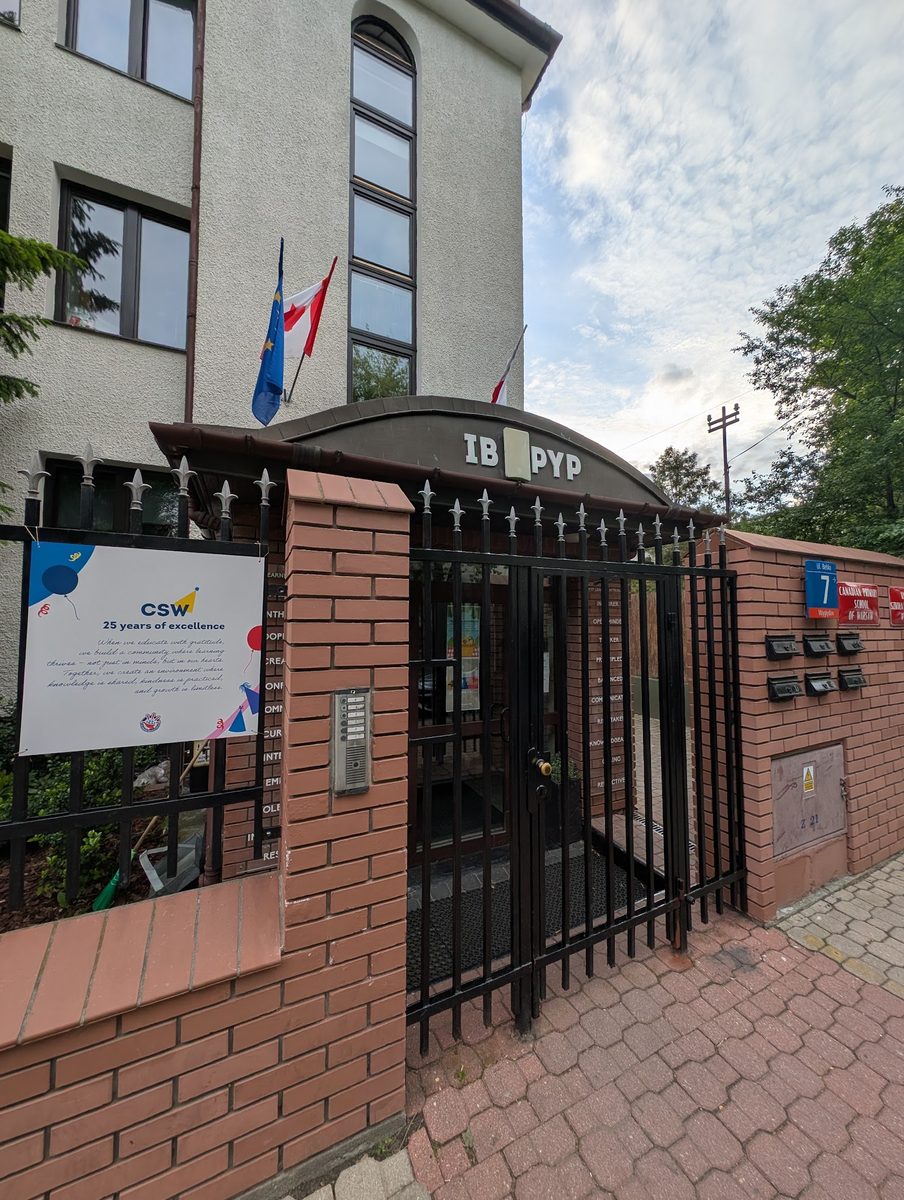
Canadian School of Warsaw
Warsaw · Poland
In Warsaw's Mokotow district, a Canadian-founded IB Primary Years school pairs Polish curriculum rigor with English-Polish-French fluency.
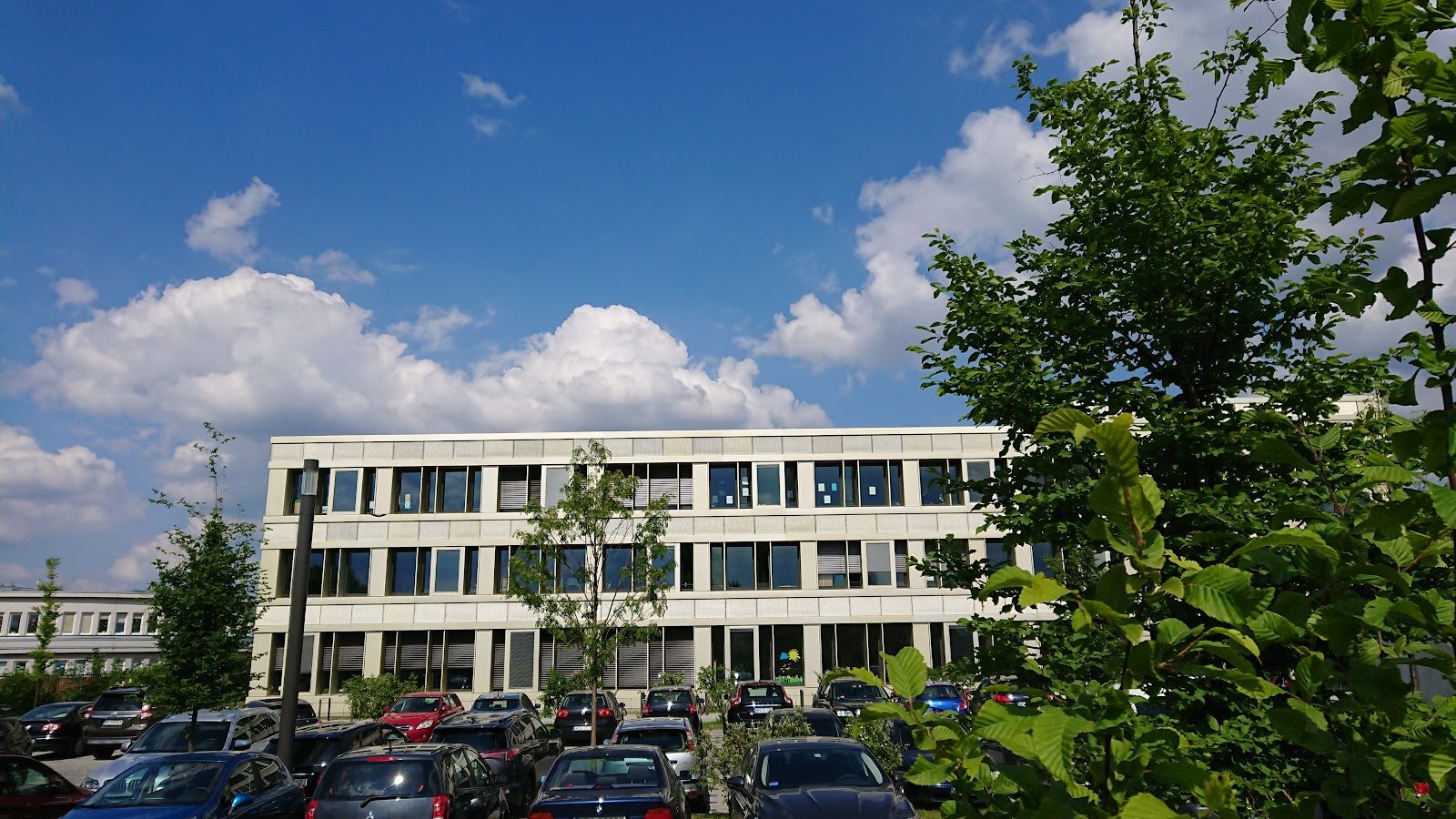
Willy Brandt German School
Warsaw · Poland
Poland's only German Auslandsschule, pairing Abitur rigor with a namesake built on Cold War reconciliation
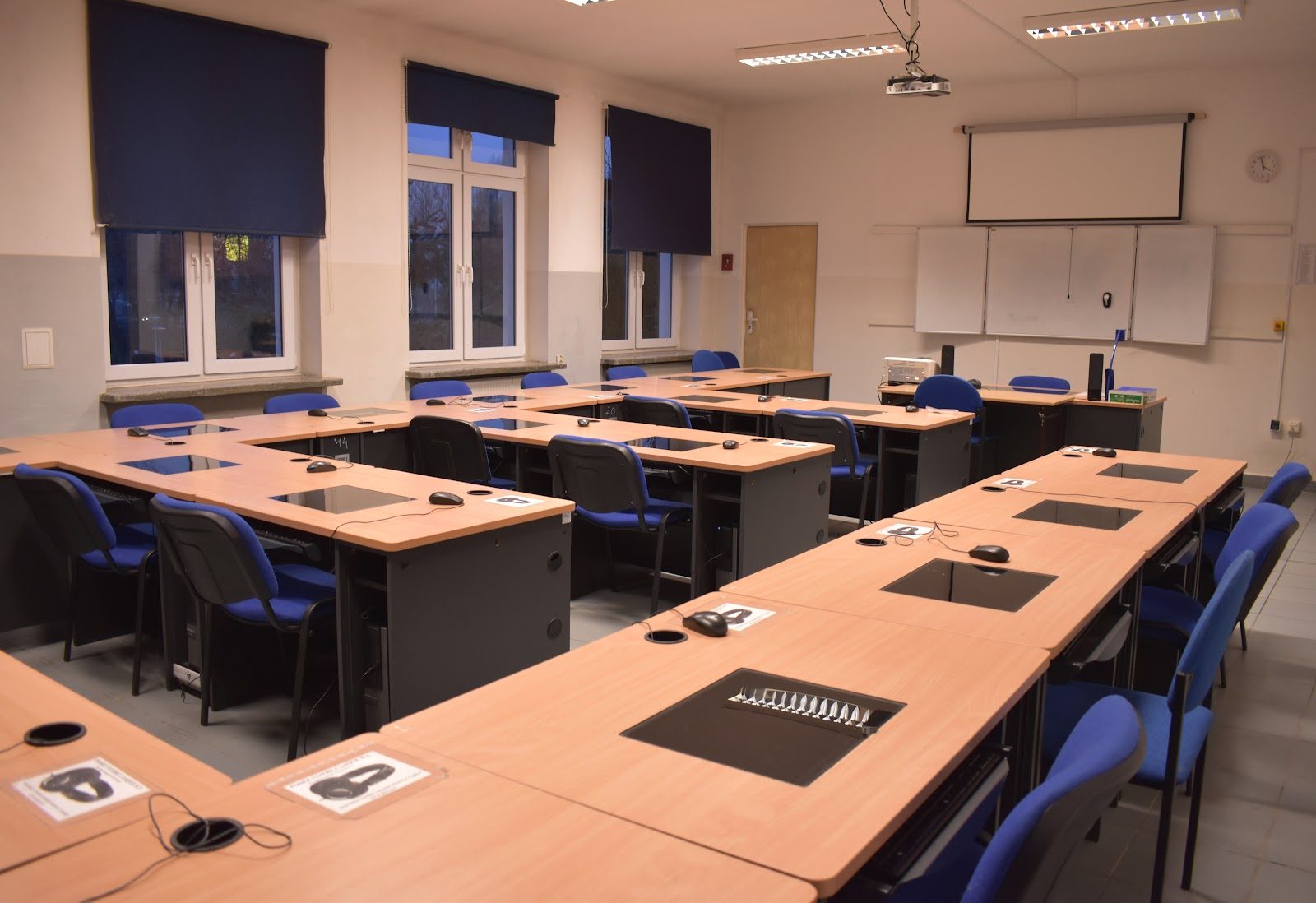
Lycée Français de Varsovie
Warsaw · Poland
Founded in 1919 as a diplomatic bridge between Paris and a newly independent Poland, its Baccalaureate classrooms still run on trilingual rigor.
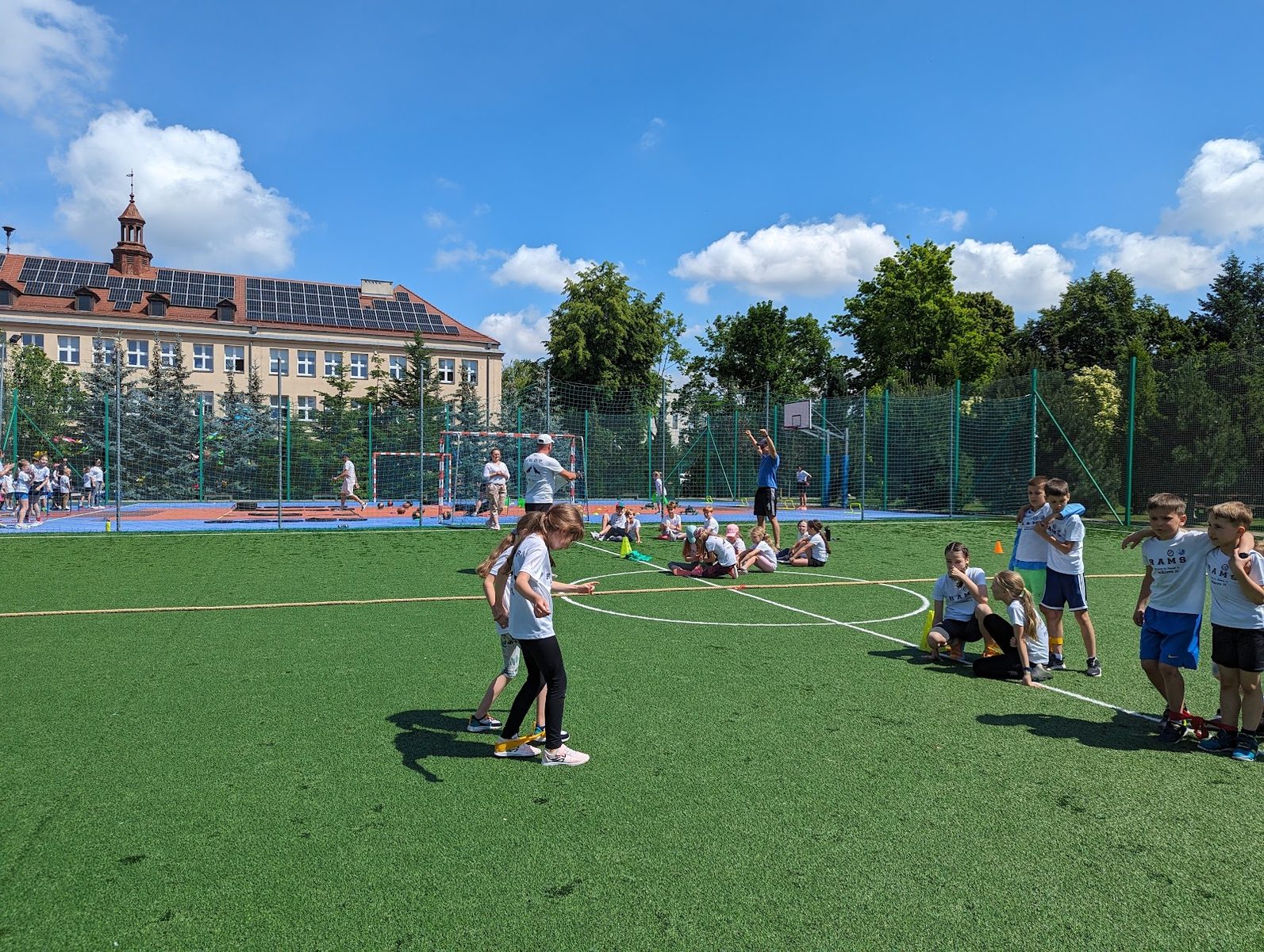
International School of Poznań
Poznań · Poland
Poznan's original IB Diploma authorization, now closing in on a full PYP-MYP-DP continuum via its own induction year for newcomers.
Same country and curriculum — closest matches within ±10 points either way