
Vermont
Burke Mountain Academy
America's first ski-racing academy, tucked at the base of a Northeast Kingdom peak, has sent dozens of graduates to the Winter Olympics since 1970.
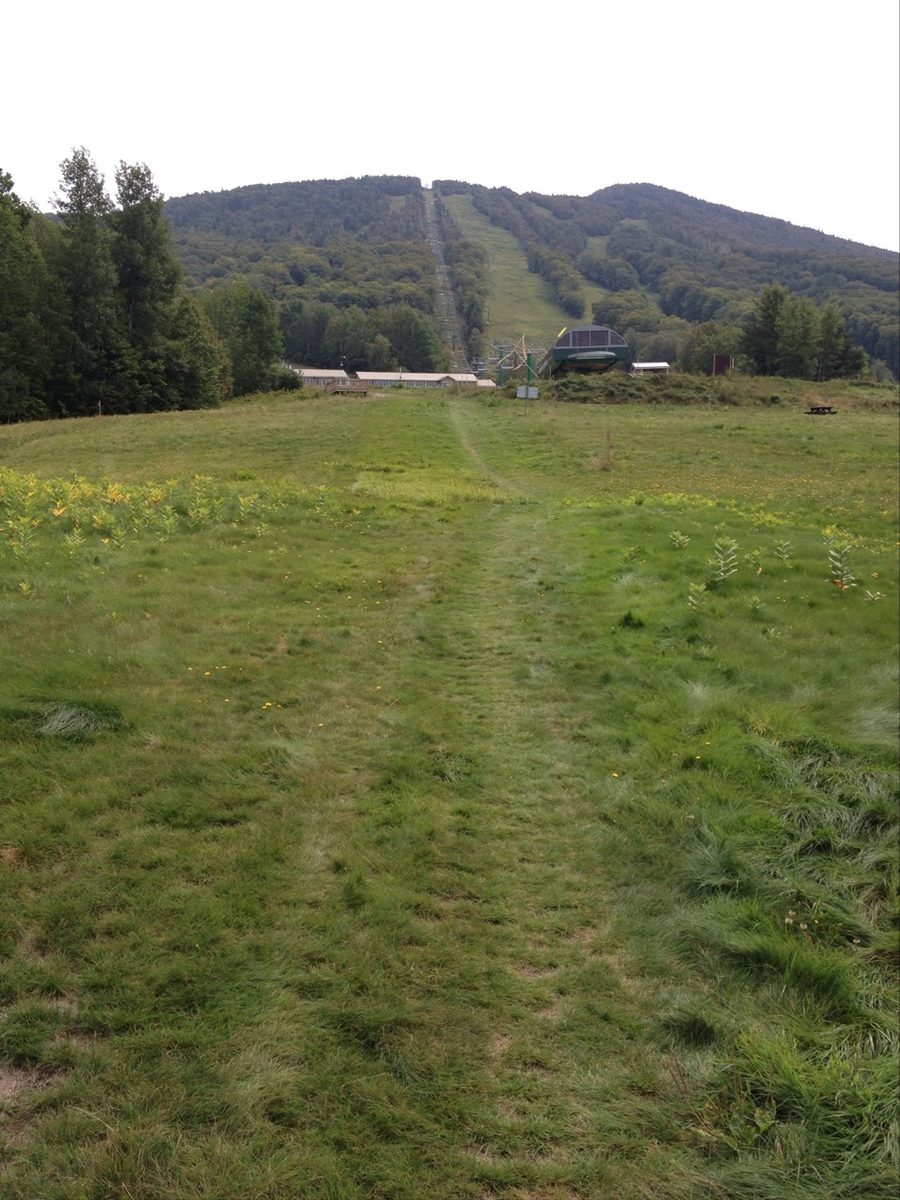
Photo © Graeme Dennis via Google Maps
Type
Boarding
Ages
13–19
Curriculum
US High School Diploma
Ratio
1:5
The Verdict
Editor's commitment
Right for
Serious ski racers aged 13–19 who want a US High School Diploma, NEASC accreditation, and a 1:5 ratio built around training.
Wrong for
Students who want a broad all-round boarding school; Burke was founded in 1970 for ski racing, and that focus drives everything.
Watch out for
Boarding averages USD 72,000 a year, and life in East Burke is narrow by design: this is a ski academy, not a conventional campus.
Ranking breakdown
Burke Mountain Academy · #1010 of 1591
Composite score 62.7. 8 weighted criteria.
By criterion
Academic Outcomes
Weight 20%
#1386
of 1529 scored
University Placement
Weight 16%
#1164
of 1529 scored
Prestige & Heritage
Weight 12%
#750
of 1529 scored
Alumni Network
Weight 12%
#854
of 1529 scored
Facilities
Weight 12%
#83
of 1529 scored
Transparency & Communications
Weight 8%
#1436
of 1529 scored
Peer & Industry Review
Weight 10%
#19
of 1529 scored
Admissions Selectivity & Demand
Weight 8%
#991
of 1529 scored
Peer & Industry Review
How Burke Mountain Academy is regarded in the sector
88
Strong · medium confidence
Burke Mountain Academy is judged less against traditional New England prep peers and more within the small US ski-academy cohort - Stratton Mountain School, Green Mountain Valley School, and Killington Mountain School - where it is consistently cited as one of the sport's original and most credible programs, founded by Warren Witherell in 1970. Its standing rests heavily on athletic outcomes: alumni and short-term attendees such as Ryan Cochran-Siegle and Mikaela Shiffrin, both linked to Olympic and World Cup success, are routinely referenced in ski-media profiles (Ski Racing Media, US Ski & Snowboard features) as evidence of coaching pedigree rather than academic league-table placement. Mainstream boarding-school guides like Good Schools Guide or WhichSchoolAdvisor give it minimal coverage since its identity is athletic-first, with academics structured around training schedules. College placement is modest-sized liberal arts colleges and ski-team programs (e.g., Middlebury, Dartmouth, University of Vermont) rather than the Ivy-heavy pipelines of nearby elite prep schools. Reputationally, it is respected niche-industry expertise rather than broad academic prestige.
Award
Elite Sport 80
World's Top School · The Global Ranking
Burke Mountain Academy is featured on our Global Top 80 ranking at #18. This seal is available for the school's marketing team to use on their website, prospectus and social channels.
- Mikaela Shiffrin — Olympic alpine ski racer, Sports
- Diann Roffe — Olympic gold medalist skier, Sports
- Erik Schlopy — Olympic alpine skier, Sports
Editors' overview
Burke Mountain Academy occupies a narrow, serious niche: a boarding school for ski racers who want their sport to dictate the shape of school, not sit beside it as an extracurricular. Founded in 1970 as America’s first ski academy, it has spent more than five decades building a model around alpine racing at the base of Burke Mountain in Vermont’s Northeast Kingdom. The headline facts matter: a 1:5 student–teacher ratio, boarding for ages 13–19, and NEASC accreditation. The school’s claim to distinction rests on output as much as identity: more than 40 alumni have raced in the Winter Olympics, and more than 165 have reached national teams or NCAA level. For families hunting a conventional all-round independent school, this is not the right shortlist. For families with a gifted ski racer, it belongs near the top.
What sets Burke apart is its single-mindedness. The school does not pretend to cater to every ambitious teenager; it is built for athletes willing to organise adolescence around gates, conditioning, travel and repetition. That clarity is one of its strengths. Burke offers a hard-edged sense of purpose, a close-knit team culture and a timetable designed around year-round ski-racing development rather than generic college-prep theatre. The academic side leads to a US High School Diploma and the school describes it as rigorous, but the central proposition is plain: this is a place where serious racers can pursue school without stepping off the high-performance track. Parents who value clarity over polish and discipline over comfort will understand the appeal immediately.
The trade-off is obvious, and families need to face it squarely. Burke is small, specialised and intensive. A child who wants broad subject choice, a large social scene, or multiple first-rate sports and arts pathways will find the model restrictive. The school’s philosophy leans hard on trust, responsibility, humility and work; that ethos suits students with competitive fire and unflashy resilience, not those who need constant external management or a wider menu of identity options. Burke’s best-fit student is an alpine racer whose talent is established, whose appetite for training is real, and whose family wants a school that treats skiing as the organising principle rather than the reward for surviving the school day.
An Elite Sport 80 school
Burke Mountain Academy is a specialist ski school in East Burke, Vermont, and sits at rank eighteen on the Elite Sport 80 because it operates the densest ski-Olympian pipeline in the world. At Milano-Cortina 2026, six alumni plus one current E-Team athlete competed for the United States and other national teams. Across the school's 55-year history, 40 Olympians and 166 US Ski Team athletes have come through — no other winter-sport academy anywhere reaches that alumni density.
The specialism is alpine ski racing, with a small enrolment (approximately 65 pupils) that concentrates coaching, training and racing resources on every athlete. The school owns its own training slope at Burke Mountain resort, and combines FIS-level ski training with an accredited US high-school diploma. Nordic and freestyle disciplines have historically been added at the margins, but alpine is the identity.
Notable alumni include Diann Roffe (Olympic gold medallist, giant slalom), Doug Lewis (Olympic bronze), Bode Miller's early junior contemporaries, current US Ski Team stars such as Nina O'Brien, Paula Moltzan and the wider American women's technical squad. Any given US Ski Team roster in the modern era contains a disproportionate share of Burke graduates.
International openness is genuine, though the natural fit is a serious ski-racing background. Burke is a co-ed boarding school with a rolling international intake — Canada, Norway, Sweden, Switzerland, Argentina, Chile and Australia all appear on recent enrolment lists. F-1 visas are handled in-house and ESL support is provided as needed. Admissions is by application plus a sport-specific evaluation: FIS points where held, coach reference and a testing week. Tuition and boarding sit around US$80,000-85,000, with need-based aid available for a small number of overseas athletes. For a family committed to a full US Ski Team or national-team ski-racing pathway from mid-teens onward, Burke is the single most obvious destination in the world.
Academic Performance
Academic performance at Burke is hard to judge by the metrics most parents expect, because the school does not publish aggregate SAT, ACT, AP or IB data, and no public exam profile sits at the centre of its case. That opacity matters. Among academically ambitious US boarding schools, transparent score reporting is a standard way to prove intellectual strength; Burke asks families to accept a different hierarchy, with ski-racing development in the foreground and academic credibility carried more by structure, staffing and college-preparatory intent than by headline numbers. The low staffing ratio — 1:5 — points to close academic supervision, and the school calls its programme rigorous, but without published external results, Burke does not rank as a data-rich academic shop window. It reads as performance-driven, specialist and selective in its priorities.
Relative to peer ski academies, that is less a flaw than the model. Burke’s benchmark is not the broad-spectrum US independent school with pages of matriculation and testing data; it is the single-sport, high-demand academy where training loads, travel and recovery shape the school week. In that lane, academic success means keeping serious athletes on a credible path to graduation and onward study while they chase elite sport. The school’s public proof of success sits far more clearly in athletic output — 40 Olympians and 165 alumni on national teams or at NCAA level — than in external examinations. Families who want hard numbers on exam performance will find the picture thin. Families who want a school built to keep a ski racer academically afloat without diluting elite training will find the proposition coherent.
Facilities
The decisive facility at Burke is not a glossy campus centrepiece but direct access to the mountain beside the school. For an alpine racer, that matters more than theatre seating, a sprawling arts wing or a parade of secondary sports pitches. The school is built around year-round ski-racing training, so the practical assets that count are slope access, training infrastructure, conditioning space and the ability to move students cleanly between academics and sport without wasting half the day in transit. That creates a hard-working, purpose-built environment rather than a showy one. Compared with mainstream US boarding schools, the facilities package is narrow. Compared with peer ski academies, the mountain-side setting is the point: the sport sits at the centre of daily life, not at the end of a bus ride.
What Burke does not advertise, at least in public, is a long inventory of spectacular specialist buildings beyond that core proposition. We have not seen the kind of published facilities detail some competitors provide on strength training, recovery provision, indoor performance analysis or expansive campus amenities. That absence does not weaken the central asset, but it does limit scrutiny. Families choosing Burke are buying into elite specialisation, not a broad independent-school plant. In that respect the school benchmarks well against other ski-racing academies and less well against full-spectrum boarding schools with deeper arts, lab and extracurricular infrastructure. The low staffing ratio of 1:5 also changes how facilities function: students need fewer grand communal spaces when the model depends on close supervision and a tight, disciplined training culture.
For families with a gifted ski racer, it belongs near the top
Prestige
Burke’s prestige is real, but narrow. In mainstream boarding-school terms, it does not trade on social cachet, ancient institutional grandeur or a famous academic brand. Its standing rests on one thing: alpine ski racing. In that world, the record carries weight. More than 40 alumni have raced in the Winter Olympics, and more than 165 have reached national teams or NCAA level. That is not decorative marketing copy; it is a hard measure of relevance in a specialist field where families care less about polish than pipeline. The school earns prestige through sporting credibility, technical seriousness and a ruthlessly focused mission.
That also defines the limit of the name. Outside ski racing circles, Burke does not hold the broad recognition of America’s better-known academic boarding schools, and it does not publish the kind of headline academic outcome data that builds wider scholastic prestige. Its reputation is therefore earned rather than inherited: powerful among coaches, racers and families who understand the sport, thinner among parents shopping for all-purpose independent-school status. We rate it highly because the school has built a durable, respected niche and has sustained it over decades. We do not rate it as universally prestigious, because its authority depends on a single-sport ecosystem and loses force the moment a family wants breadth.
Burke’s uniqueness starts with its refusal to dilute the proposition
Communications
Burke communicates with parents in the same way it runs the school: with a tight sense of purpose and little appetite for decorative fluff. The public-facing messaging is clear about mission, expectations and fit. It tells families, in plain terms, that this is a place for driven ski racers, that hard work and responsibility sit at the centre, and that the school will not bend itself into a generalist boarding experience. That candour helps. Parents do not need to decode layers of brand language to work out whether their child belongs here. The emphasis on trust, character and the Honor Code also signals a culture that expects students to manage themselves, which in turn tells parents that communication is built around accountability rather than hand-holding.
Where Burke is less strong is depth. The school gives a firm philosophical picture, but public communication is thinner on the operational detail many parents of travelling high-performance athletes will want: day-to-day academic monitoring, injury and wellbeing protocols, communication during competition periods, and how pastoral concerns move between coaches, teachers and house staff. We have not seen a richly documented parent-information architecture online. That does not mean communication is weak; it means the school asks families to buy into a high-trust, adult-minded model without publishing much of the machinery underneath it. For the right family, that reads as serious and uncluttered. For anxious or first-time boarding parents, it can feel austere and leave too much unsaid.
Uniqueness
Burke’s uniqueness starts with its refusal to dilute the proposition. This is not a boarding school with a strong ski team bolted on; it is a school built for alpine racers, with academics, routines and community arranged around the demands of the sport. That distinction matters. Plenty of schools accommodate talented athletes. Burke organises adolescent life around training, competition, recovery and accountability. The result is single-sport immersion of a rare kind, backed by a long record of producing athletes for national teams, NCAA programmes and the Winter Olympics. More than 165 alumni have reached national teams or NCAA level, and 40 have made the Olympic start gate. Those are not decorative statistics; they mark out a school with a hard-edged pipeline and a clear institutional identity.
For students, that brings advantages a generalist school cannot match. Training does not fight the school day for space; it defines it. Peers understand the grind, staff understand the travel and fatigue, and the culture rewards discipline, humility and self-management rather than performative busyness. That can be formative for a young racer with genuine ambition. It can also be narrowing. A teenager still testing identities, or wanting equal room for music, theatre or multiple sports, will hit the limits fast. Burke works best for students who already know that ski racing is not an interest but the main line of their education.
Burke Mountain Academy occupies a narrow, serious niche: a boarding school for ski racers who want their sport to dictate the shape of school, not sit beside it as an extracurricular
Student Profile
The Burke student is not a dabbler. This school suits adolescents whose sporting identity is already settled and whose appetite for repetition, fatigue management and competitive pressure is real. The culture prizes self-discipline, humility and personal responsibility; students who need constant prompting, a wide choice of extracurricular identities or a softer, more indulgent atmosphere will grate against it. The published emphasis on trust and an Honor Code points to a community that grants freedom but expects students to carry it well. With a 1:5 staffing ratio and an age range running into the late teens, Burke fits young racers who can handle adult expectations, hard training weeks and a spartan sense of purpose without romantic drama.
Socially, the best fit is a teenager who wants to live among peers organised around the same obsession. That brings solidarity, but also intensity. Conversation, status and daily routine will revolve around performance, effort and progression in alpine racing far more than around the broader rites of a conventional boarding school. Students who draw confidence from a tight tribe of equally driven athletes will thrive. Students still experimenting with who they are, or hoping school will offer equal space for arts, multiple sports or a large, varied social scene, will find the environment narrow by design and not for the faint-hearted. The right child will find focus, structure and a community that takes ambition seriously. The wrong child will feel boxed in very fast.
The headline facts matter: a 1:5 student–teacher ratio, boarding for ages 13–19, and NEASC accreditation
Co-curricular strengths
Arts & sport, on a separate axis
Overall 5.5/10
Scored 0-10 from the school's own published evidence. This axis is editorial-only — it does not feed the main WTS ranking.
Strengths
- +Specializes in alpine ski racing training fully integrated with a US high school academic schedule, with slope access immediately adjacent to campus.
- +Located next to Burke Mountain Resort in Vermont's Northeast Kingdom, allowing daily on-snow training without travel time to a hill.
- +Long-established program, founded in 1970, with a multi-decade record of alumni progressing to US Ski Team and national-level racing.
- +Very small enrollment (roughly 60-70 students) allows close coaching ratios and individualized athletic and academic attention.
- +Maintains a fully accredited US high school diploma track alongside its athletic program, so students leave with a standard transcript.
Considerations
- −Single-sport focus on competitive alpine ski racing makes it unsuitable for students without serious racing ambition or ability.
- −Remote rural location in Vermont's Northeast Kingdom is far from major airports and offers limited surrounding town infrastructure.
- −Small student body restricts breadth of course electives, extracurricular variety, and social/peer diversity relative to larger boarding schools.
- −Boarding and training fees are substantial, and the demanding ski schedule compresses time available for non-ski activities.
Parent reviews
Have you sent your child here?
Voice reviews carry the strongest trust badge — we transcribe them for you to tidy up before they go live. Prefer to type? A written review is fine too.
Add your voice
In 60 seconds, tell other parents: what's the best thing about Burke Mountain Academy, and what surprised you when your child joined?
We ask for a Google sign-in so every review has a real face behind it — no anonymous drive-by attacks on schools, and no faked positive reviews. Your email is never shown publicly.
Send this profile to a friend
International parents rely on word-of-mouth. Share this review with someone weighing the same decision.
Schools with places
Similar schools to Burke Mountain Academy with places available now.
BASIS Tucson North
Tucson · United States
- 2026-27
- PLACES OPENFall 2026 apps / open enrollment active
- 2027-28
- FUTURE CYCLEDates TBC
Friends Seminary
New York City · United States
- 2026-27
- WAITPOOLLate/held pending openings
- 2027-28
- OPENS SOONExpected Sept '26
Saint Ann's School
Brooklyn · United States
- 2026-27
- WAITPOOLLate / attrition-dependent
- 2027-28
- OPENS SOONOpens 8 Sept '26
Ethical Culture Fieldston School
New York City · United States
- 2026-27
- WAITPOOLLimited late availability
- 2027-28
- OPENS SOONOpens post-Labor Day '26
Availability first, then country, area, curriculum, price, co-curricular
Consider also
Also worth looking at alongside Burke Mountain Academy.
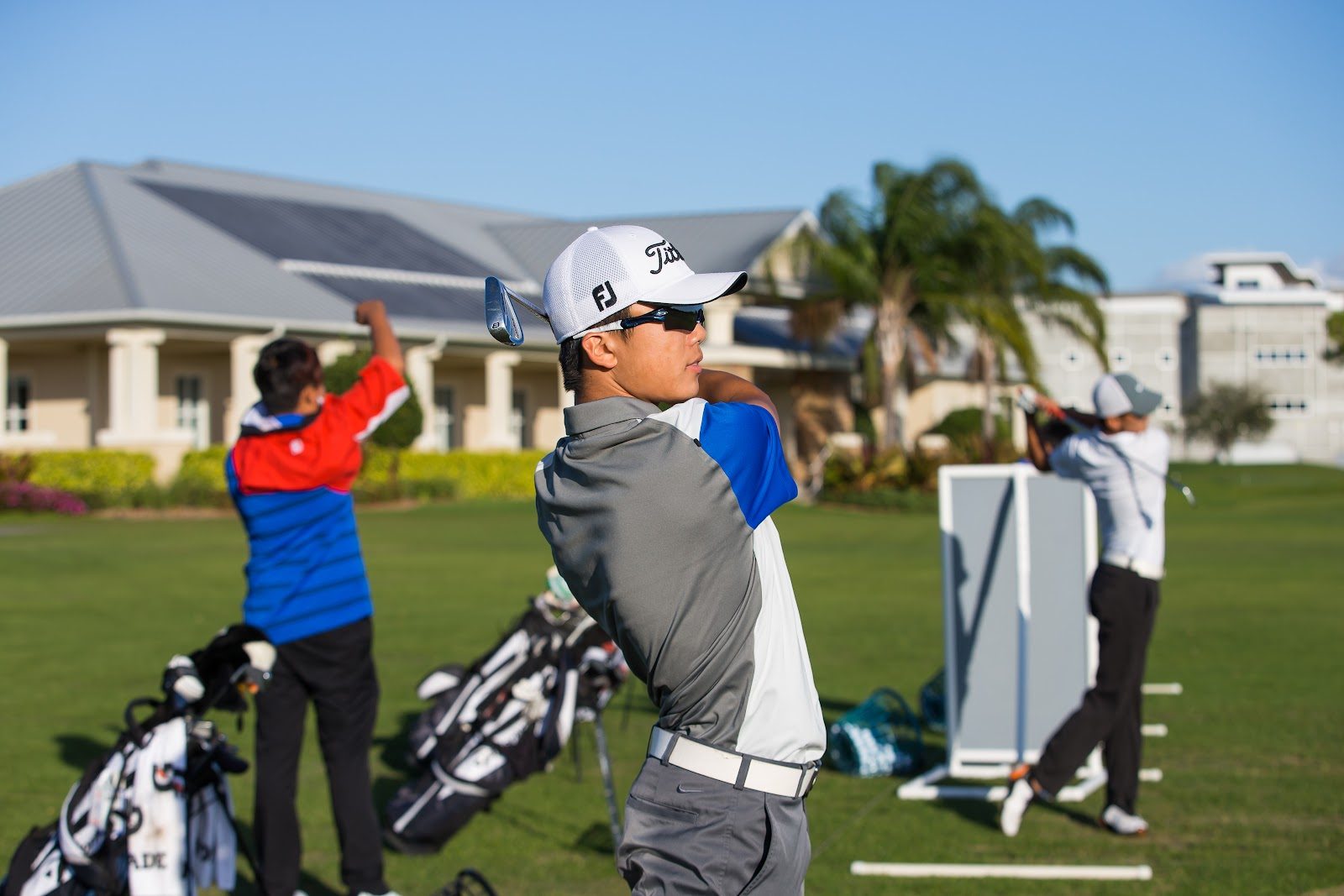
IMG Academy
Bradenton, FL · United States
From a 1978 tennis academy to 600 acres of AP classrooms, drawing student-athletes from 60-plus countries.
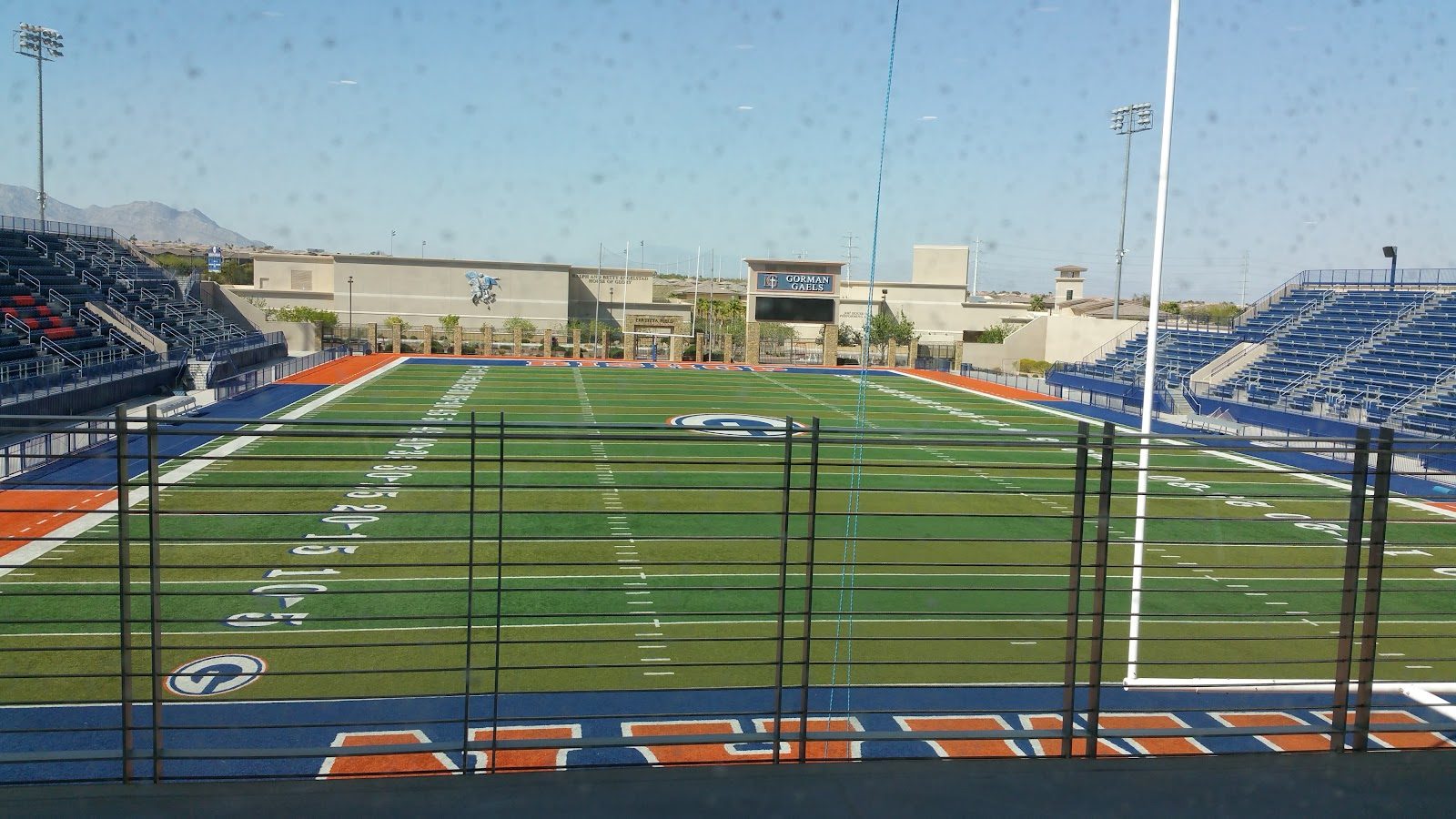
Bishop Gorman High School
Las Vegas, NV · United States
In Summerlin's desert suburbs, a Catholic college-prep whose football dynasty has claimed four national titles and 15 state crowns.
St. John Bosco High School
Bellflower, CA · United States
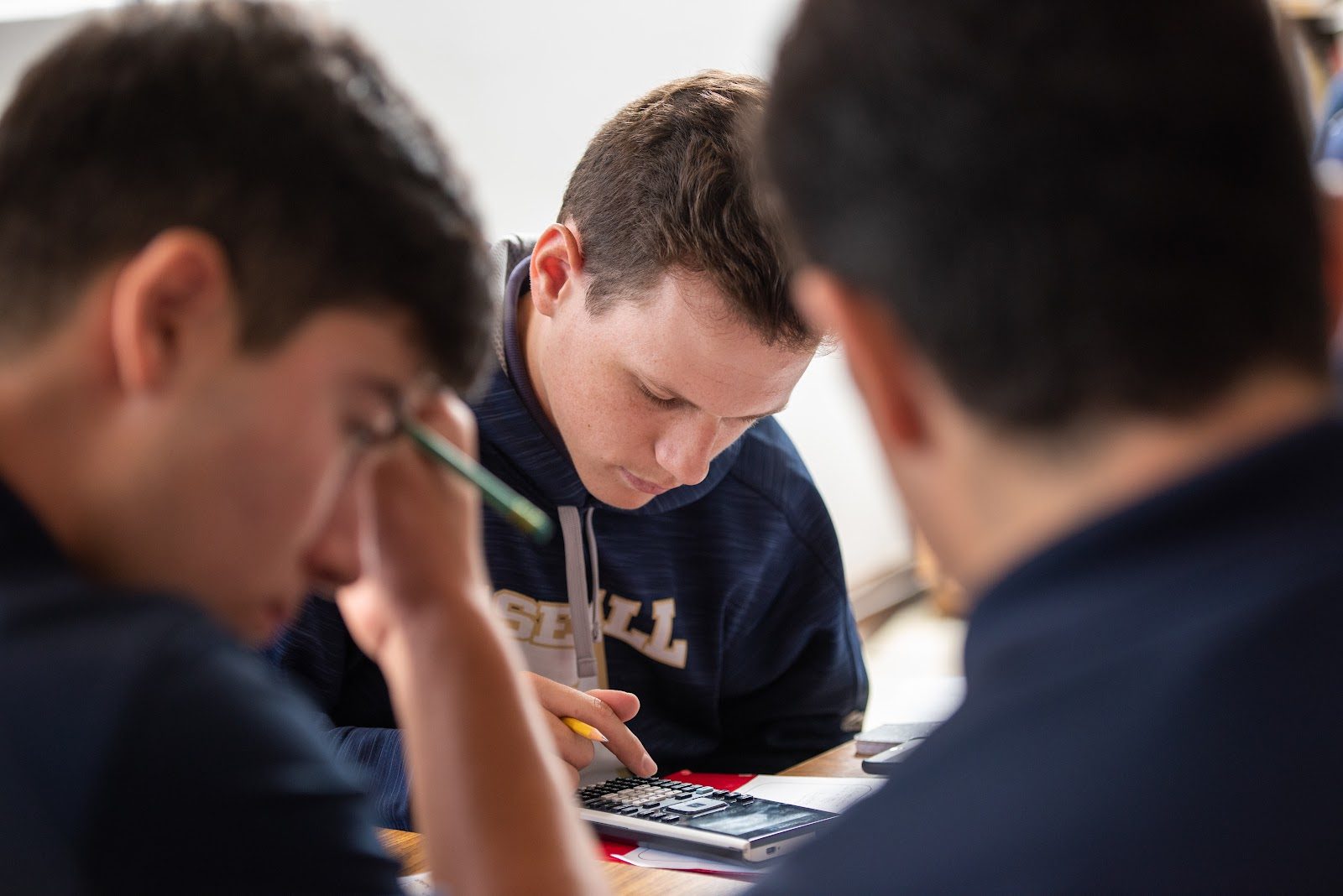
A Salesian all-boys brotherhood in Bellflower pairs three national football titles with dual-enrollment STEM pathways.
DeMatha Catholic High School
Hyattsville, MD · United States
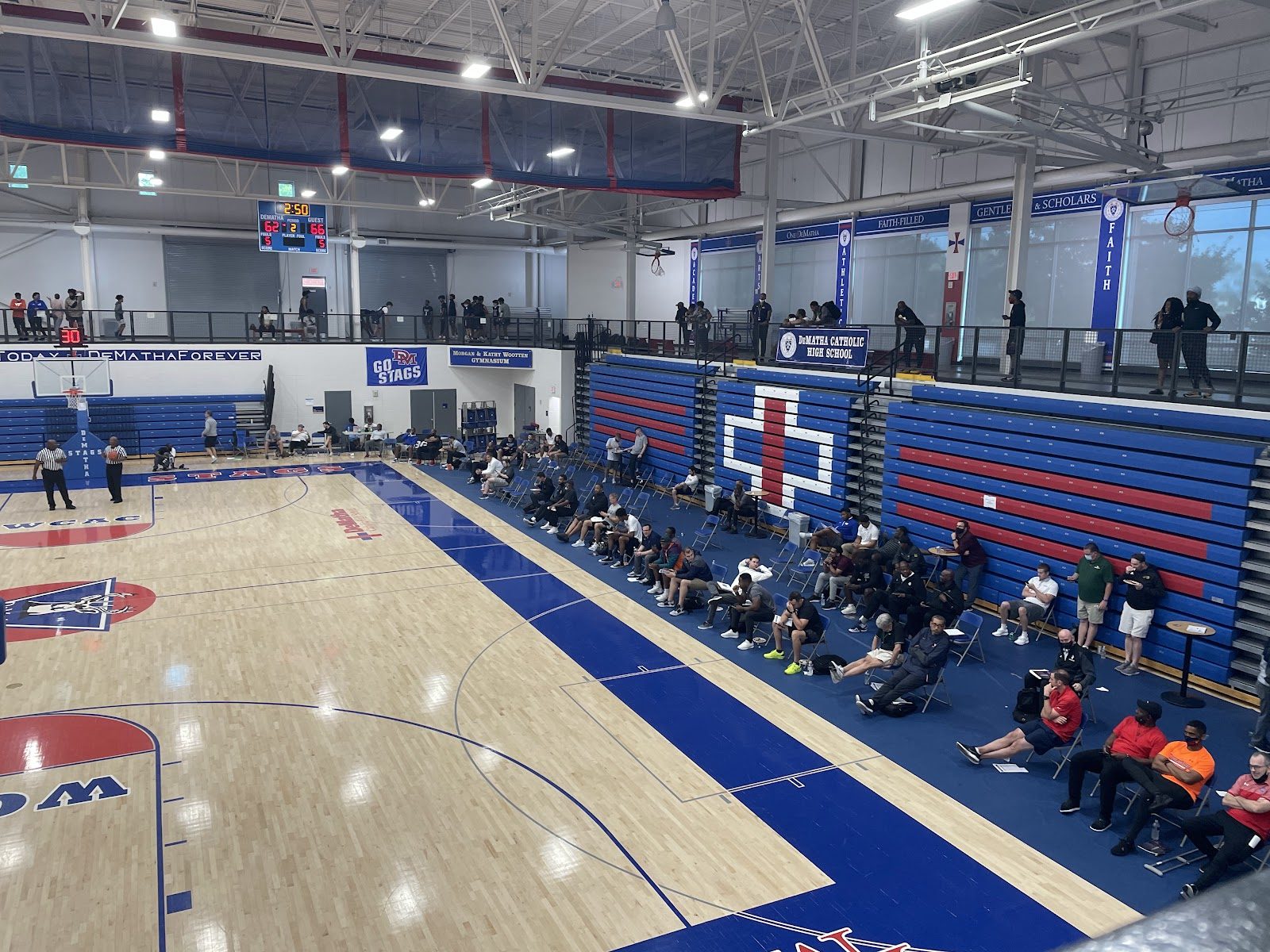
A Hyattsville boys' Catholic prep where a 1965 upset of an unbeaten NY power built a basketball dynasty alongside rigorous AP study.
Same specialism, country and curriculum — closest matches within ±10 points either way