
Massachusetts
In Back Bay brownstones, a 150-student cohort takes college-level seminars from set theory to Shakespeare
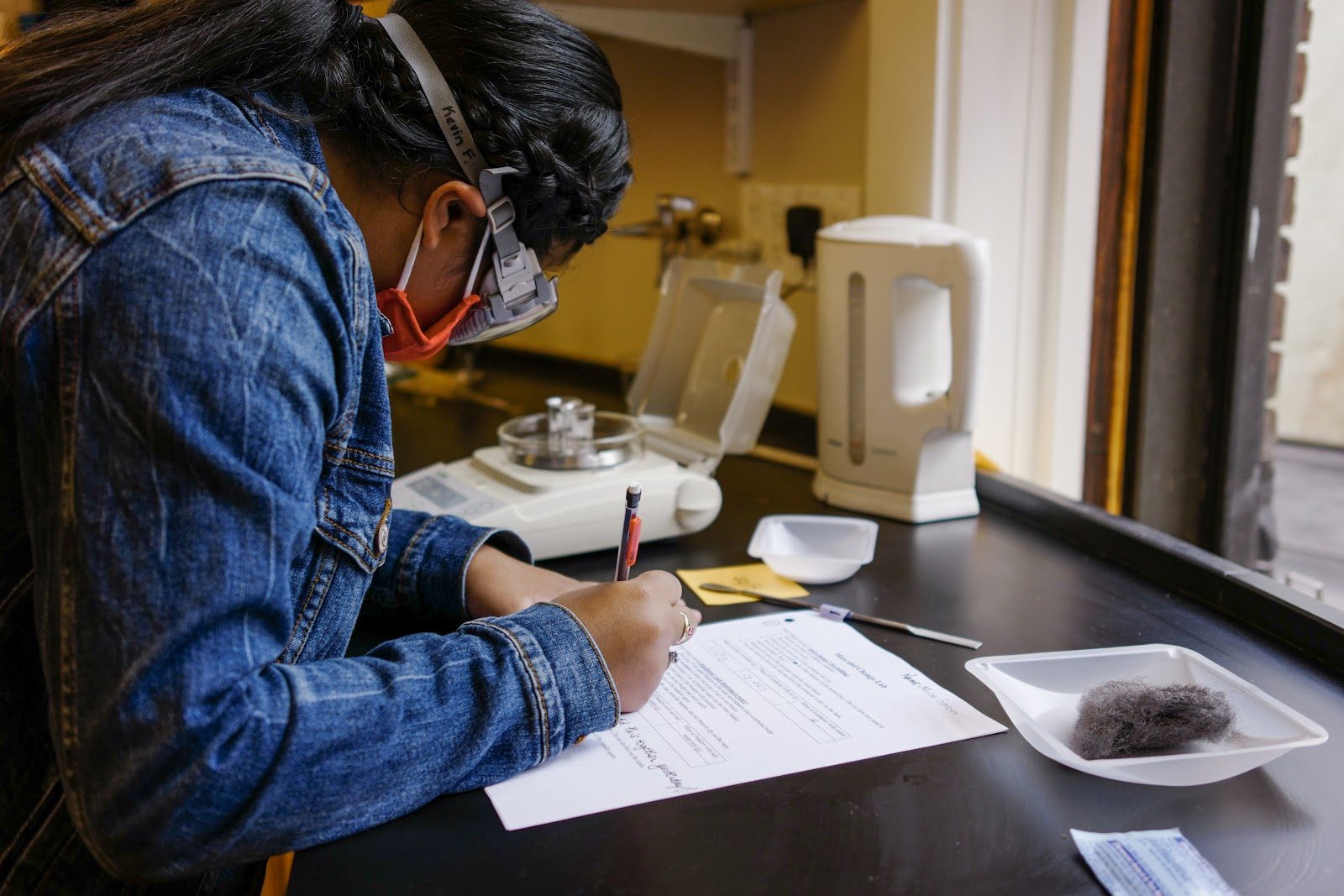
Photo © Commonwealth School via Google Maps
Type
Day
Ages
3–18
Curriculum
American
Qualifications
AP
Ratio
4:1
The Verdict
Editor's commitment
Right for
Academically adventurous teenagers who want an American grades 9–12 day school of 150–160 students with a 4:1 ratio in Back Bay.
Wrong for
Families wanting a conventional large high school, broader age range, or lower fees: the average annual day fee is $62,780.
Watch out for
NEASC and NAIS accreditation reassure, but this 1958 school is unapologetically intense: college-level seminars, weekly advising, and compulsory sport.
Ranking breakdown
Commonwealth School · #109 of 1591
Composite score 77.3. 8 weighted criteria.
By criterion
Academic Outcomes
Weight 20%
#66
of 1529 scored
University Placement
Weight 16%
#59
of 1529 scored
Prestige & Heritage
Weight 12%
#255
of 1571 scored
Alumni Network
Weight 12%
#155
of 1530 scored
Facilities
Weight 12%
#848
of 1534 scored
Transparency & Communications
Weight 8%
#117
of 1532 scored
Peer & Industry Review
Weight 10%
#205
of 1548 scored
Admissions Selectivity & Demand
Weight 8%
#113
of 1529 scored
Score history
Commonwealth School · 2026
Movement across 2024–2026. Peer average overlaid.
Overall — 2024–2026
77.3/ 100
▲ +36.1 vs 2025
year on year
Peer & Industry Review
How Commonwealth School is regarded in the sector
72
Respected · medium confidence
Commonwealth School is consistently ranked among the top private high schools in Massachusetts on Niche.com and similar education-ranking aggregators, and is known regionally for rigorous academics and strong Ivy League placement rates. It lacks the broader national/international name recognition of schools like Phillips Exeter or Andover, but maintains a solid reputation among Boston-area independent school peers and college admissions counselors.
Evidence sources
Editors' overview
Commonwealth trades on something rarer than polish: intellectual density. In a row of Back Bay brownstones two blocks from Copley Square, this non-religious Boston day school runs an American high-school programme for grades 9 to 12 with only around 160 students and a 4:1 student-to-faculty ratio. That scale shapes the whole proposition. Classes are discussion-led, writing-heavy and, by the school’s own account, often taught at college level. Weekly advising, twice-yearly all-school camp trips and compulsory participation in sport point to a school that wants students known closely, stretched hard and folded into a tight communal life. For the right child, that mix is intellectually electric. For the wrong one, it is intense to the point of claustrophobic.
What sets Commonwealth apart is not breadth on the glossy American independent-school model, but depth. The school does not sell a vast campus, a sprawling athletics machine or a buffet of superficial options. It sells argument, analysis, inquiry and writing, with arts threaded through school life and Boston itself used as an extension of the classroom for research, projects and service. That urban, seminar-style set-up gives Commonwealth a distinctive academic seriousness that many larger US day schools struggle to match. The accreditations are solid rather than decorative — NEASC and NAIS — and the $62,780 average annual day fee places it firmly in the expensive end of the market. Parents are paying for small scale, adult attention and a culture that treats bright teenagers less like children to be managed and more like young scholars.
It belongs on a shortlist for families with a child who is restlessly academic, articulate, self-motivated and happy in a small social ecosystem where there is nowhere to hide. This is a strong fit for students who relish discussion, read beyond the syllabus, like the idea of teachers as mentors and do not need Friday-night stadium culture to validate school life. It is a weak fit for teenagers who want anonymity, a broad conventional campus experience or a lighter-touch academic pace. Commonwealth’s alumni footprint is stronger than a school of this size has any right to claim, with 31 notable alumni catalogued in Wikidata across writers, scholars, musicians and the arts. That tracks with the school’s identity: *brainy, self-possessed, culturally literate* and unapologetically niche.
Academic Performance
Commonwealth’s academic case rests less on published headline data than on the kind of school it is. It runs a high-intensity high-school programme for a very small cohort, frames classes as college-level, and builds its identity around analysis, discussion, inquiry and writing. That points to a serious scholarly culture and a student body selected for academic appetite. What is missing is the hard public proof that allows clean comparison with top US independents: the school does not publish aggregate AP, SAT or ACT results in the source material here, and no university destination table is quoted either. For parents trying to benchmark raw outcomes against Boston’s most competitive day schools, that opacity is a weakness.
Even so, the underlying signals are strong. A 4:1 student-to-faculty ratio, weekly advising and a model built around seminar teaching give Commonwealth the conditions for close academic supervision and demanding classroom standards. The Stanford Challenge Success survey result flagged by the school — “off the charts” student engagement — matters too, because engagement is one of the better predictors of sustained sixth-form-equivalent performance in a discussion-heavy setting. Relative to peers, Commonwealth sits in the *high-expectation, intellectually exacting* tier of selective American independents, but without the public exam transparency that would place it securely at the very top of that group. That makes it a school with a strong academic reputation and thinner published proof than the best-known competitors.
Facilities
Commonwealth’s facilities are defined by constraint as much as privilege. There is no sprawling campus here, no grand athletics complex, no theatre block designed to impress at open day. The school occupies Back Bay brownstones and uses that footprint for what it values most: small, discussion-driven classrooms, close faculty access and a setting that feels more like an urban seminar house than a conventional American high school. For a school built around reading, writing and argument, that works. For families who equate facilities with scale, spectacle or acres of specialist space, it does not. The trade-off is plain: Commonwealth gives students an intellect-first environment rather than a broad physical plant.
Against peer schools, that places it at one end of the spectrum. Larger Boston independents offer more in-house sports provision, more extensive performing-arts infrastructure and the visual reassurance of a traditional campus. Commonwealth counters with location and intensity. Being two blocks from Copley Square folds the city into school life, and the school explicitly uses Boston’s libraries, cultural institutions and civic organisations for research, projects and service. Its arts offer is real rather than ornamental — theatre, orchestra, ceramics, chorale and printmaking all feature — and sport is present through required participation in options such as fencing, sailing and yoga. But no parent should confuse this with a facilities-led school. It is compact, resourceful and deliberately unspectacular: strong for self-directed teenagers, thin for anyone who wants every amenity under one roof.
That urban, seminar-style set-up gives Commonwealth a distinctive academic seriousness that many larger US day schools struggle to match
Prestige
Commonwealth carries real intellectual cachet in a narrow, exacting lane. This is not the kind of American private school whose status rests on acreage, stadiums or social gloss. Its prestige comes from seriousness: a tiny high school in Back Bay that has built a name around seminar teaching, difficult conversation and students who are expected to think on their feet. The scale matters here. With only around 160 students, admission itself signals selectivity, and the social identity of the school is bound up with being the place for *bookish, highly verbal, academically hungry* teenagers who want intensity rather than spectacle. In Boston’s crowded independent-school market, that is a distinct brand of prestige.
The school’s reputation also gains weight from outcomes beyond school walls. A Wikidata trail of 31 notable alumni is substantial for such a small institution and fits the pattern: writers, scholars, performers and musicians rather than a parade of generic high achievers. That gives Commonwealth a disproportionate cultural footprint. The catch is that its prestige is stronger among families, educators and universities who know the US independent-school landscape than in the broad public imagination. This is insider prestige, not mass-market fame. For the right family, that distinction is a strength: Commonwealth reads as *serious, self-confident and intellectually elite* without the overexposed brand machinery of bigger-name rivals.
The result is unusually intimate and academically unsheltered
Communications
Commonwealth’s parent communication follows the logic of the school itself: personal, direct and high-touch rather than corporate. The key structural advantage is the advising system. Each student has a named adult who meets them weekly, which gives parents a clear line into academic progress, pastoral concerns and day-to-day shifts in workload or mood. In a school with only around 160 pupils and a staffing ratio of 4:1, that kind of contact is easier to maintain than in a larger institution, and the school’s close-knit culture depends on it. The all-school camp trips, required athletics participation and heavy emphasis on mentoring also point to a place where family communication cannot be left to termly reports and mass email.
What Commonwealth does not project is glossy institutional polish. There is little sign of the over-engineered communications machinery that wealthier, larger American independents use to broadcast every success. That is not a flaw in itself; for many parents it will read as refreshingly unfussy. But it does carry a cost. Public-facing information is thin on hard outcomes, and that matters because strong one-to-one communication with current families does not replace clear external disclosure. Parents already inside the school are well placed to feel known, heard and kept in the loop. Parents trying to benchmark academic results before entry get a less transparent picture than they should. The internal communication model looks strong and intimate; the external one is selective to a fault.
Uniqueness
What marks Commonwealth out is its refusal to mimic the standard American independent-school package. It does not rely on scale, prestige architecture or a broad-brush promise of “opportunity”. Its distinction lies in compression: a high school with only around 160 students, housed in brownstones, organised around seminar-style teaching, weekly advising and a social world small enough that every strength and weakness is visible. The result is unusually intimate and academically unsheltered. Bright, verbal teenagers get something rare: classes that treat their ideas as worth serious scrutiny, teachers who know when they are coasting, and a peer group that raises the temperature of discussion. That “college and home” mix the school itself invokes is not branding fluff; it gets at the central fact that Commonwealth asks adolescents to operate with more intellectual maturity than most schools demand.
That brings real benefits, but only for the right student. A child who wants anonymity, easy status markers or a conventional big-school social scene will feel trapped fast. A child who wants argument, books, hard thinking and adults who pay close attention will get an education that is sharply individual, culturally literate and not for the faint-hearted. The city-centre setting strengthens that difference. Instead of insulating students on a closed campus, Commonwealth pushes them into contact with libraries, cultural institutions and the wider civic life around them. That gives the school an urban seriousness many competitors cannot replicate.
Commonwealth trades on something rarer than polish: intellectual density
Student Profile
Commonwealth fits a very specific kind of teenager. The natural inhabitant here is highly verbal, academically hungry and happy having their ideas tested in public. This is a school for pupils who like discussion more than display, reading more than ritual, and intellectual friction more than reassurance. The seminar style, the writing load and the school’s own insistence on analysis and inquiry all point in the same direction: students who thrive here enjoy being stretched. They do not need spoon-feeding, and they do not crumble when surrounded by sharp peers. With a 4:1 ratio and a cohort of roughly 160, there is little room for hiding, bluffing or drifting. That will suit self-motivated adolescents with range, stamina and a serious cast of mind.
The social fit is just as exacting. Commonwealth suits young people who can handle closeness: regular contact with adults, a compact peer group, shared traditions and a culture where personality is visible. Kindness matters here, but so does confidence without swagger. Students who are curious, independent and willing to contribute across academics, arts and sport will find the place energising and deeply involving. Students who want a big anonymous social field, easy status through athletics, or a looser academic tempo will not. This is a strong match for the brainy all-rounder with an inner life; a weak one for the teenager who wants school to feel casual, expansive or socially detachable.
Classes are discussion-led, writing-heavy and, by the school’s own account, often taught at college level
Co-curricular strengths
Arts & sport, on a separate axis
Overall 7.76/10
Scored 0-10 from the school's own published evidence. This axis is editorial-only — it does not feed the main WTS ranking.
Sports
7/10
Focuses heavily on inclusive fitness and urban recreation, constrained by its compact vertical building in Boston's Back Bay.
Drama
8.5/10
Intellectually rigorous dramatic tracking that pushes advanced scriptwriting and nuanced performance.
Dance
5.5/10
Offers targeted modern movement tracks within their creative arts blocks and independent physical electives.
Music
8.8/10
Staggering classical music pedigree; features highly advanced chamber music groups and music theory tutorials.
Visual Arts
9/10
World-class visual arts giant; the entire upper floor is dedicated to light-filled studios for printmaking, life drawing, and fine oils.
Editor-verified · 8/6/2026
Notable alumni · Wikidata
31notable alumni
0 historic (born pre-1930) · 6 modern (born post-1970)wikidata:2026-07-28 How we source this
WTS 300 badge
2025/26 editionCommonwealth School is one of the World's Top 300 Schools for 2025/26. Claim your listing to add it to your site →
Strengths
- +Very small class sizes with a student-to-teacher ratio of 5:1, enabling close academic mentorship and seminar-style teaching.
- +Strong, verifiable college outcomes: of the Class of 2025's 37 students, 100% were admitted to a preferred college and 27 matriculated at highly selective schools.
- +Substantial need-based financial aid program, with an average grant of $46,260 and roughly a third of students receiving aid in 2025-2026.
- +Notable alumni across law, diplomacy, and the arts, including a federal appeals judge, a former U.S. diplomat, and an award-winning novelist and filmmaker.
- +Central Back Bay location gives students easy access to Boston's academic and cultural institutions for independent projects and research.
Considerations
- −High annual tuition of roughly $60,075 for 2025-2026, before additional costs such as technology packages, transportation, or trips.
- −Very small total enrollment (around 160-163 students across grades 9-12), which limits the breadth of extracurricular and athletic offerings to a modest list of about nine interscholastic sports.
- −Single, compact urban campus with no boarding option and no dedicated large-scale athletic facilities typical of suburban independent schools.
- −Entry is limited to grades 9-12 only, so there is no lower or middle school pathway into the community, and places are scarce given the school's small size.
Availability
Primary entry gate & tests
SSAT/ISEE + Interview
Gallery
Photo © Commonwealth School via Google Maps
Photo © Commonwealth School via Google Maps
Photo © Commonwealth School via Google Maps
Photo © Commonwealth School via Google Maps
Photo © Commonwealth School via Google Maps
Photo © Commonwealth School via Google Maps
Photo © Commonwealth School via Google Maps
Photo © Commonwealth School via Google Maps
Photo © Commonwealth School via Google Maps
Parent reviews
Have you sent your child here?
Voice reviews carry the strongest trust badge — we transcribe them for you to tidy up before they go live. Prefer to type? A written review is fine too.
Add your voice
In 60 seconds, tell other parents: what's the best thing about Commonwealth School, and what surprised you when your child joined?
We ask for a Google sign-in so every review has a real face behind it — no anonymous drive-by attacks on schools, and no faked positive reviews. Your email is never shown publicly.
Send this profile to a friend
International parents rely on word-of-mouth. Share this review with someone weighing the same decision.
Schools with places
Similar schools to Commonwealth School with places available now.
Noble and Greenough School
Dedham · United States
- 2026-27
- CLOSEDRegular cycle
- 2027-28
- PLACES OPENJan 15 '27 Deadline
Middlesex School
Concord · United States
- 2026-27
- CLOSEDRegular cycle
- 2027-28
- OPENS SOONOpens 1 Sept '26
Concord Academy
Concord · United States
- 2026-27
- CLOSEDFull / No offers
- 2027-28
- OPENS SOONInstructions Avail 17 Aug '26
Buckingham Browne & Nichols School
Cambridge · United States
- 2026-27
- CLOSEDRegular cycle
- 2027-28
- PLACES OPENJan 10 '27 Deadline
Availability first, then country, area, curriculum, price, co-curricular
Consider also
Also worth looking at alongside Commonwealth School.
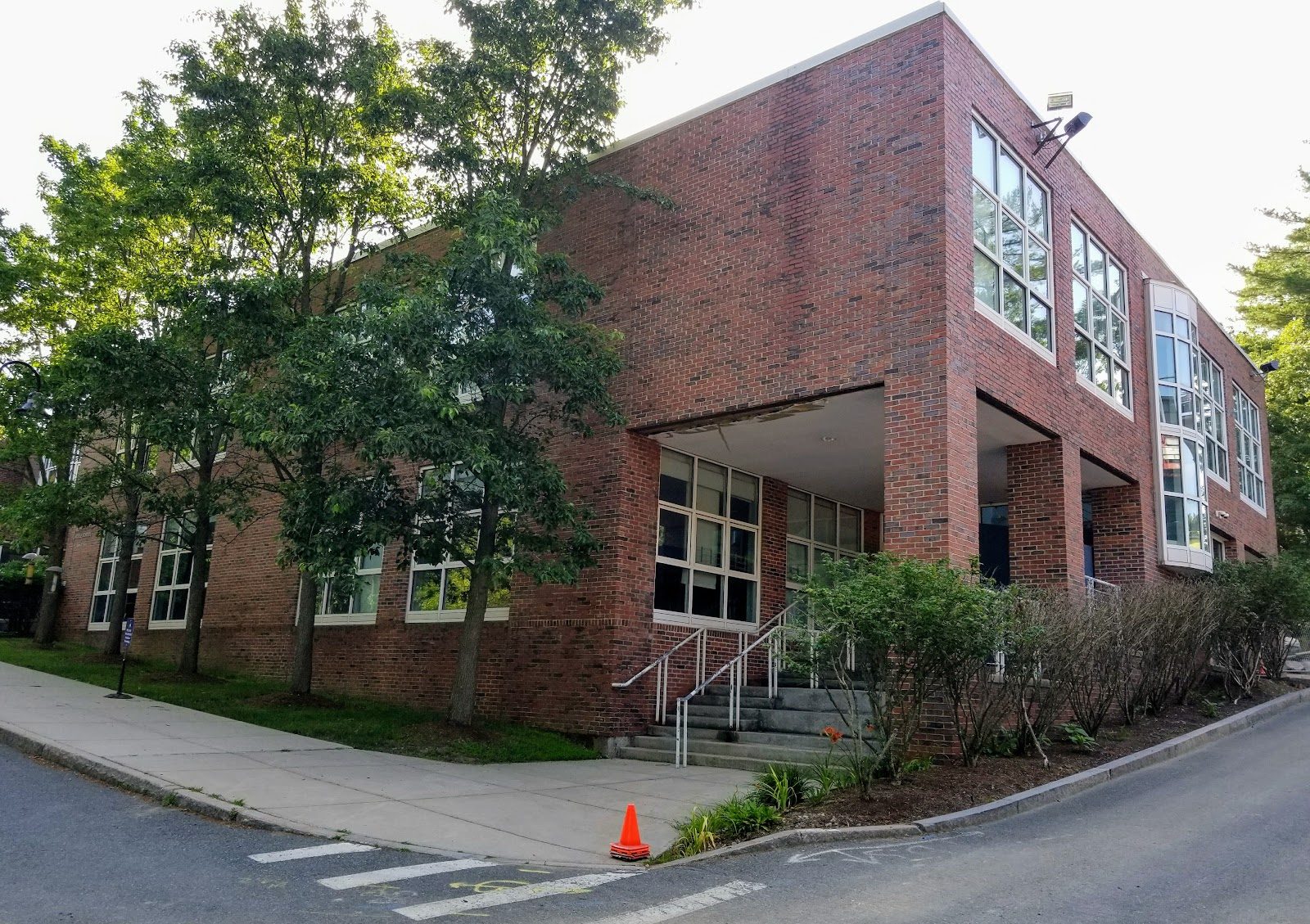
Noble and Greenough School
Dedham · United States
Founded in Boston in 1866, this Charles River campus pairs rigorous academics with hands-on EXCEL leadership training.
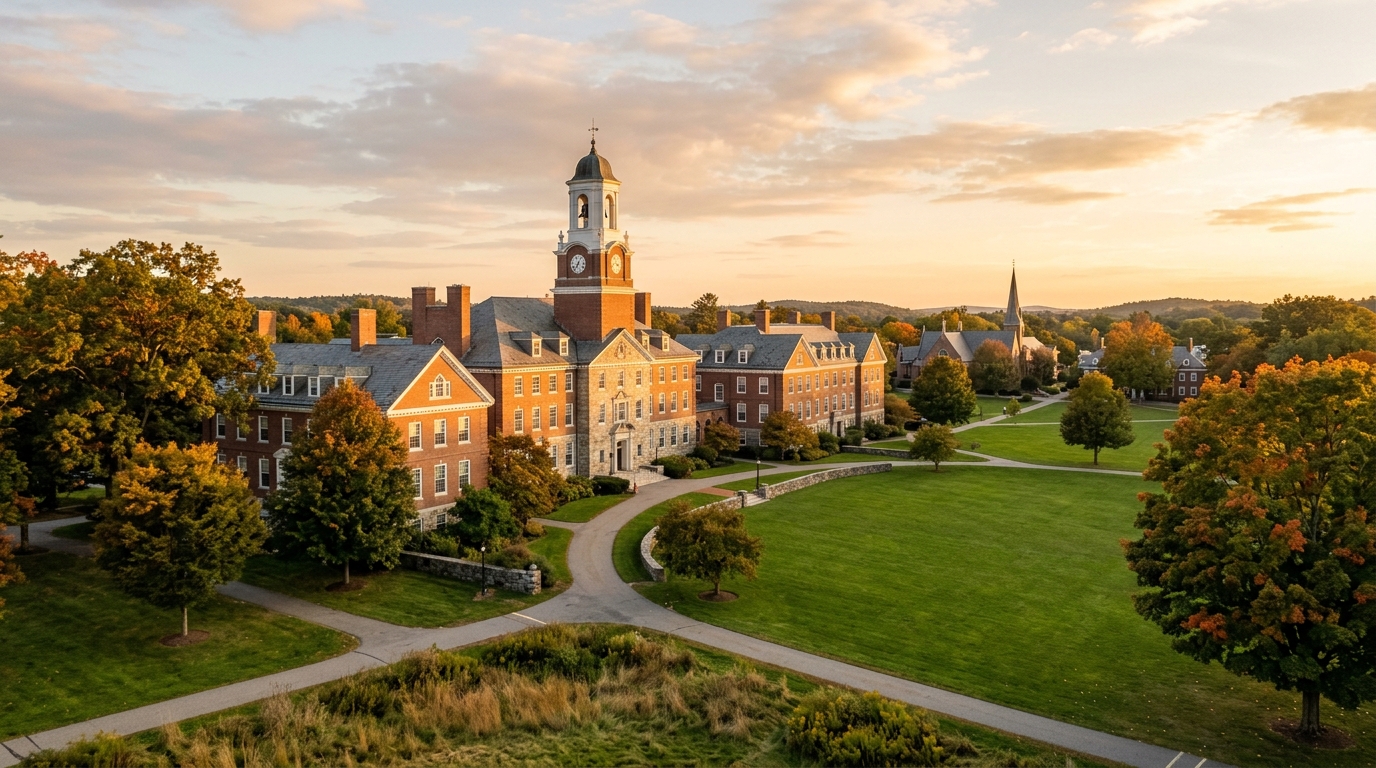
Middlesex School
Concord · United States
A secular alternative to New England's church-affiliated academies since 1901, on an Olmsted-designed campus in historic Concord.
Cate School
Carpinteria · United States
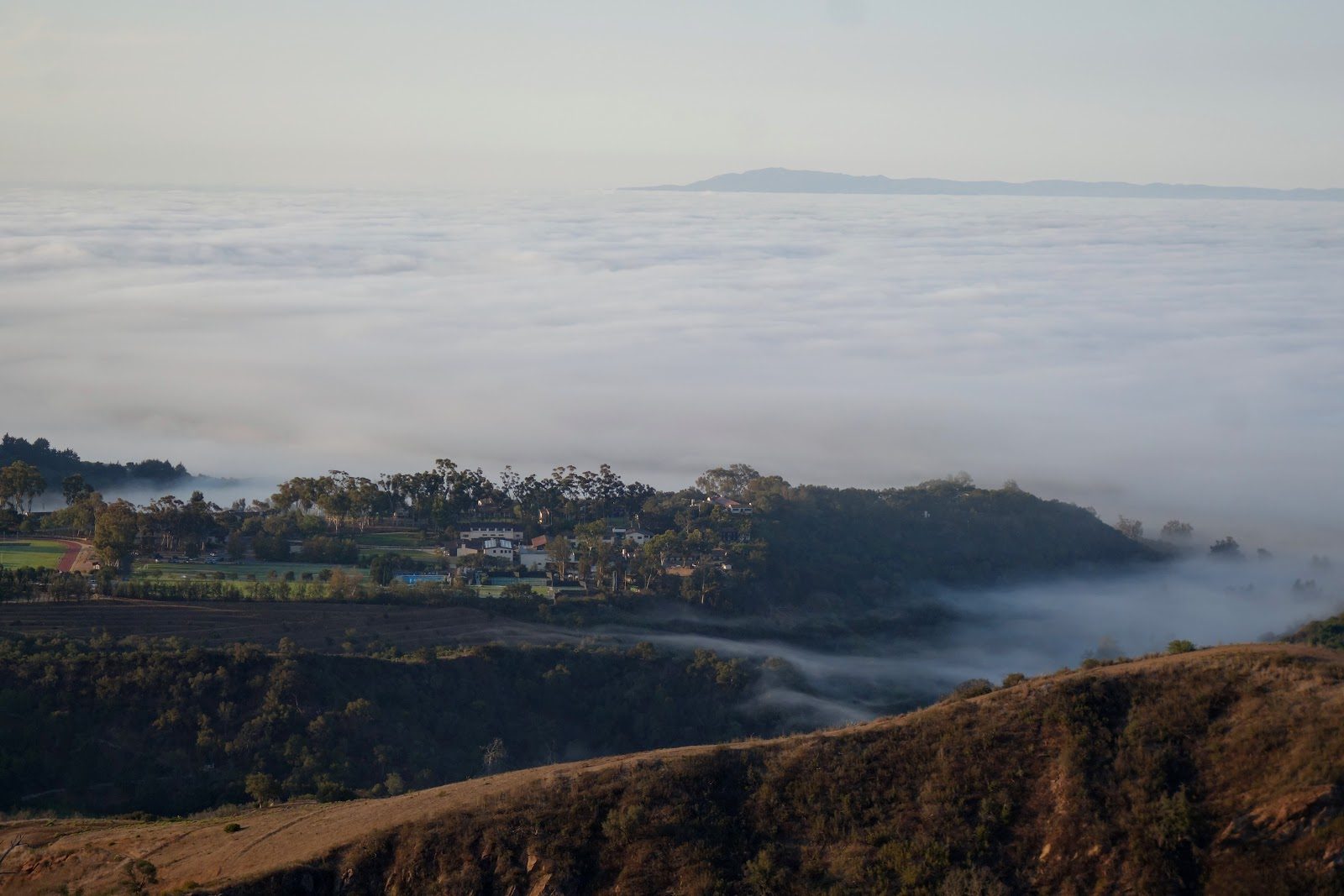
A century-old mesa-top boarding school above the Pacific, where equestrian roots meet inquiry-driven academic rigor.
Concord Academy
Concord · United States
No class rank, no academic prizes, and mandatory arts study set apart this selective day-and-boarding school in literary Concord.
Same country and curriculum — closest matches within ±10 points either way