
Kungsholmen
Kungsholmens gymnasium
low confidence· 4/6 cats · 1 avg sourcesA 1902-founded Stockholm gymnasium pairing tough entry scores with a choral-music track shared with Stockholms Musikgymnasium.
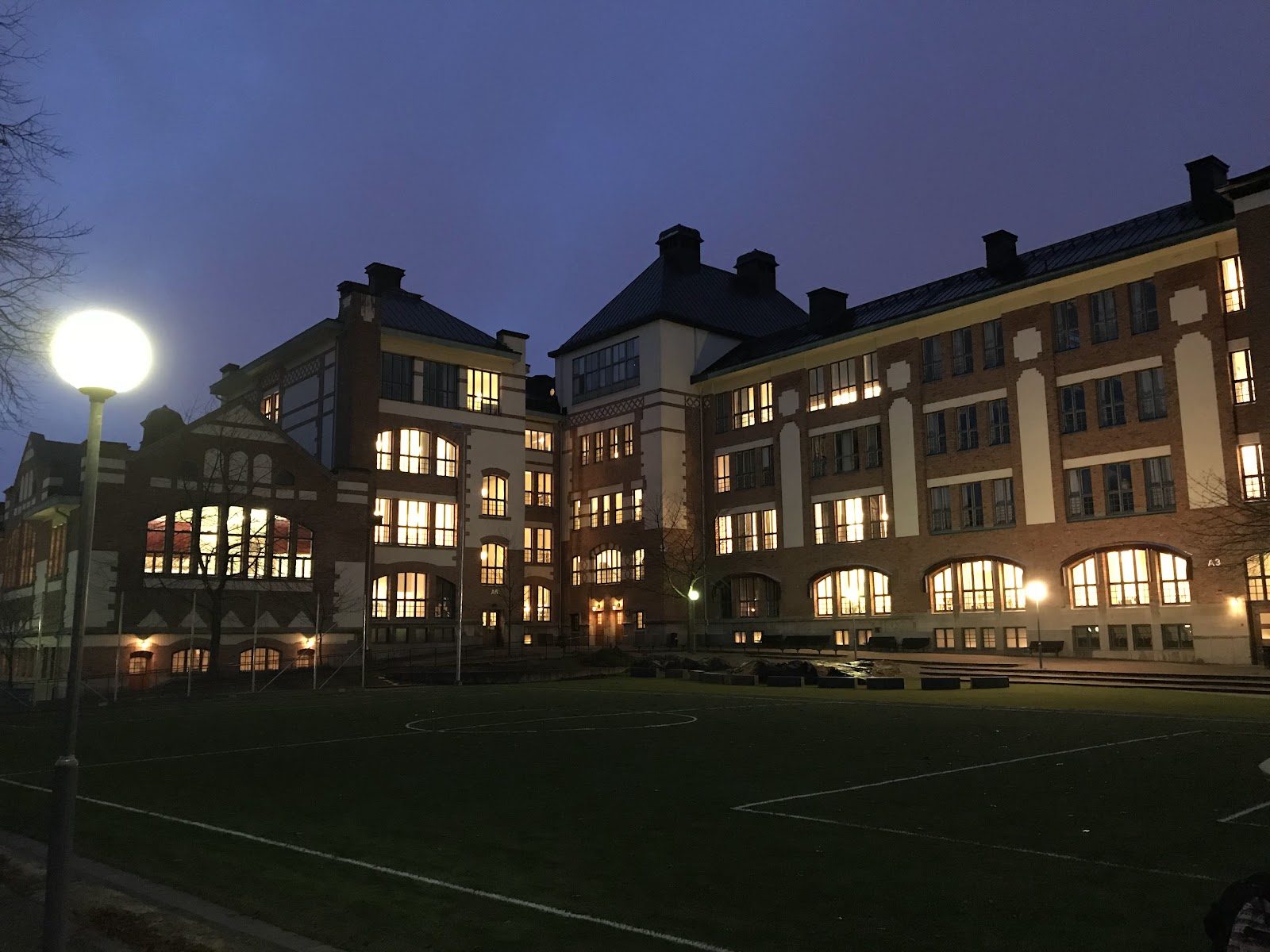
Photo © Sofia N via Google Maps
Type
Day
Ages
16–19
Curriculum
Swedish · IB
Qualifications
IB Diploma
Ratio
—
The Verdict
Editor's commitment
Right for
Sixth-formers aged 16–19 who can clear Stockholm’s toughest entry scores and want Swedish or IB routes in one non-religious day school.
Wrong for
Families needing lower-pressure admissions, earlier entry than 16, or teaching only in one language; Kungsholmens runs Swedish and English.
Watch out for
Founded in 1963 and accredited by Skolverket and the IB, it also houses Stockholms Musikgymnasium; the music track is a real commitment.
Ranking breakdown
Kungsholmens gymnasium · #1246 of 1591
Composite score 57.1. 8 weighted criteria.
By criterion
Academic Outcomes
Weight 20%
#1136
of 1529 scored
University Placement
Weight 16%
#1164
of 1529 scored
Prestige & Heritage
Weight 12%
#1289
of 1571 scored
Alumni Network
Weight 12%
#900
of 1530 scored
Facilities
Weight 12%
#1408
of 1533 scored
Transparency & Communications
Weight 8%
#1226
of 1532 scored
Peer & Industry Review
Weight 10%
#1108
of 1548 scored
Admissions Selectivity & Demand
Weight 8%
#837
of 1529 scored
Peer & Industry Review
How Kungsholmens gymnasium is regarded in the sector
68
Respected · medium confidence
Kungsholmens gymnasium (with its Stockholm International Baccalaureate/Kungsholmens IB program) is consistently ranked among Stockholm's top academic gymnasiums in Swedish media coverage (e.g., Dagens Nyheter, Skolverket statistics on admission grade thresholds, and Lärarförbundet's school rankings), reflecting a strong regional reputation for high entrance requirements and academic rigor. It is frequently cited in Swedish 'best gymnasium' listicles and parent forums as a top choice in Stockholm, particularly for its IB program, though it lacks the international-press profile (Tatler, Good Schools Guide) of globally benchmarked institutions.
Evidence sources
Editors' overview
Kungsholmens gymnasium occupies a strong niche in Stockholm’s upper-secondary market: a selective academic day school with two clear draws, the Swedish national pathway and the IB, plus a serious music strand run under the Stockholms Musikgymnasium name. It serves ages 16–19, teaches in Swedish and English, and has one advantage many schools chase but few secure: demand. High application rates and some of the toughest minimum entry scores in Stockholm County place it firmly in the city’s competitive tier. For parents, that matters. A school that can be choosy shapes a more academically driven peer group, and peer group is one of the decisive variables in sixth-form style education. *This is a school for able, self-propelling students*, not for teenagers who need coaxing or extensive pastoral hand-holding.
What sets it apart is the structure. Kungsholmens is not one generic gymnasium under a polished brand; it is a school divided into a Swedish Section, an English-speaking International Section, and a Music Section. That gives it a sharper identity than many municipal competitors. The music offer is the obvious differentiator. Families with a serious young singer or musician will clock the appeal at once: *a real musical route, not an extracurricular add-on*. At the same time, the International Section extends its reach beyond the purely local market and puts the IB alongside the Swedish curriculum in a public-sector setting. That combination creates an unusually focused proposition: academic ambition, public provision, and a specialist arts track under one roof.
Why shortlist it? Because it offers status without the private-school fee barrier, and because selective state schools in major capitals are rare assets. The school’s non-religious character also keeps the brief clean: this is an academic institution, not a values brand. Parents who want intellectual pressure, a strong cohort and a route that keeps university options open will find Kungsholmens compelling. Parents who prioritise a softer, more intimate environment, or who want broad nurturing over pace and standards, will find the fit less convincing. The defining attraction is earned entry and clear purpose. In a crowded Stockholm market, that still counts for a great deal.
Academic Performance
Publicly available exam data are thin, which limits any hard claim about where Kungsholmens sits on raw outcomes. The school does not publish aggregate IB diploma scores, pass rates, subject averages, or university destination data in the public domain we have seen. That opacity matters. In a selective school with tough entry standards and heavy demand, parents have grounds to expect sharper disclosure than this. Strong intake is not the same thing as demonstrated value added, and without cohort-wide results it is impossible to test how far the school converts selectivity into exam performance.
What can be said with confidence is comparative rather than numerical. A gymnasium drawing applicants at this level sits in Stockholm’s high-pressure academic tier, and schools in that bracket attract students already capable of strong external results. The international route adds another benchmarked examination pathway, which gives families a cleaner basis for comparison than the Swedish market alone. The music section complicates crude league-table thinking: this is not a one-dimensional exam factory, and part of its appeal lies in serving serious dual-track students balancing academic study with advanced musical training. Still, for parents focused on measurable outcomes, the central verdict is plain: *status is clear; published attainment is not*. That places Kungsholmens among the city’s sought-after academic options, but not among its most transparent.
Facilities
The decisive facilities here are the ones tied to the school’s three-part structure. The Music Section matters most. A school operating under the Stockholms Musikgymnasium name needs proper rehearsal and performance space, not a token music room, and that specialist provision is the facility advantage that separates Kungsholmens from standard municipal gymnasiums. For families weighing it against other academic state schools, that is the clearest differentiator: peers can match classrooms and labs, but far fewer can support serious pre-professional music study inside the school day. The International Section also carries practical demands of its own, with teaching spaces that need to function for a distinct cohort rather than a loose add-on. What Kungsholmens offers, then, is not a campus built around showpiece luxury but one organised around programme delivery.
That distinction matters in the Stockholm market. Elite independents tend to compete on polish, sports breadth and the visual theatre of facilities. Municipal sixth-form style schools compete on academic fit and subject infrastructure. Kungsholmens sits firmly in the second camp. If you want resort-style amenities, this is the wrong shortlist. If you want facilities that serve a selective academic school with a specialist music arm, the proposition is stronger. We have not seen published detail on standout science, design, theatre or athletics provision, and that absence keeps the picture less than fully transparent. Against close public-sector peers, the music facilities are the strongest reason to pay attention; beyond that, the estate reads as functional, purposeful and unsentimental.
That combination creates an unusually focused proposition: academic ambition, public provision, and a specialist arts track under one roof
Prestige
Kungsholmens carries real prestige in its market because entry is hard won and demand stays high. In upper-secondary education, that is the currency that counts. The school sits among the city’s status-conscious academic choices: not private, not boutique, but selective in a way families recognise at once. The minimum admission thresholds matter here. They signal a strong incoming cohort, disciplined classroom culture and a level of competition that weaker municipal schools do not command. Add the separate music arm under the Stockholms Musikgymnasium name and the school gains another layer of distinction. This is not prestige built on branding fluff. It rests on scarcity, selection and a reputation for attracting serious students.
The prestige is also specific rather than universal. Kungsholmens does not carry the social cachet of an old independent school, and it does not publish the kind of outcome data that would clinch an elite academic claim beyond dispute. That keeps it out of the very top rank of schools with both high-status intake and hard public proof of results. Even so, within the public system it has clear clout. Parents know the name, students compete to get in, and the combination of an international section with a dedicated music pathway gives it a sharper profile than many rivals. The verdict is straightforward: genuinely prestigious for a state school, more respected than glamorous, and strongest with families who value selective access over private-school theatre.
That keeps it out of the very top rank of schools with both high-status intake and hard public proof of results
Communications
Communication reads as functional rather than polished. The school has a clear public identity split across 3 sections, and that helps parents orient themselves: families can tell that different cohorts sit under one roof and are not being funnelled through a single generic message. That said, the public picture is thin where ambitious families want substance. We have not seen published aggregate exam outcomes, destination data, or the kind of performance breakdown that would let parents judge academic delivery with precision. For a school with heavy demand and hard-won entry, that is a real weakness. Good school communication is not just timetables, term dates and admissions basics; it is disclosure. On that test, Kungsholmens is more opaque than it needs to be.
The structure also creates a practical communications challenge. A school divided across Swedish, international and music strands needs clean, segmented messaging so parents know which information applies to their child and which does not. The school’s set-up gives it a stronger chance than most to communicate purpose clearly, because each section has a distinct role. Effectiveness, though, depends on depth as much as structure. At present the public-facing communication does the basics, but not the higher-order work of building confidence through evidence. The verdict is plain: coherent in identity, thin in disclosure, and short of the hard information that selective schools owe to parents.
Uniqueness
What makes Kungsholmens distinctive is not one prestige signal but the way 3 strands sit inside a single public school without dissolving into bland generalism. Many upper-secondary schools offer an international option or a music specialism as a side lane. Kungsholmens builds each into the school’s identity. The result is a student body with sharper internal definition than the municipal norm: academically driven students in the national routes, an international cohort working in English, and young musicians on a schedule that treats serious performance study as part of school rather than an after-hours hobby. That gives the place a clear-edged character and a rare seriousness of purpose. Students do not enter a generic sixth-form environment; they enter a school where peers have chosen a track with intent.
That structure brings real gains. It creates stronger peer alignment, which matters more at this stage than glossy facilities or pastoral slogans. Musicians get academic credibility alongside specialist training. International students get a public-sector setting with a defined cohort rather than token isolation. Students on the Swedish side benefit from sharing space with peers whose ambitions are visibly varied but equally demanding. The school’s uniqueness, then, lies in disciplined coexistence: academic selection, international study and conservatoire-adjacent music under one roof. For the right student, that produces a focused, high-pressure environment with less social drift and more momentum. The trade-off is plain: this is not a loose, forgiving school culture. It rewards teenagers who already know what they are doing.
What makes Kungsholmens distinctive is not one prestige signal but the way 3 strands sit inside a single public school without dissolving into bland generalism
Student Profile
The best fit is a student with direction already in place. Kungsholmens suits teenagers who can handle pace, competition and a cohort full of other high achievers without needing constant adult management. The social centre of gravity sits with students who value attainment, structure and external standards. That includes academically ambitious local families aiming for strong university options, international families who want an English-speaking section inside the public system, and young musicians prepared to treat school as both academic training and disciplined artistic work. The common thread is not background but temperament: self-propelling, goal-led, and comfortable in a high-pressure peer culture.
Who struggles here? Students who need a slow build, broad tolerance for drift, or intensive pastoral cushioning. A school with 3 distinct sections and tough admission thresholds does not revolve around remediation or hand-holding. It rewards teenagers who can navigate a segmented environment, find their cohort quickly and keep up once there. For musicians, that means genuine commitment rather than vague artistic interest. For the international intake, it means confidence joining a school with an established identity rather than expecting a bespoke expatriate bubble. For everyone, it means accepting a student culture where status attaches to competence. In editorial terms, this is not for the faint-hearted. It is strongest for students who want serious peers, clear standards and a school day with real momentum.
The school’s uniqueness, then, lies in disciplined coexistence: academic selection, international study and conservatoire-adjacent music under one roof
Co-curricular strengths
Arts & sport, on a separate axis
Overall 6.96/10
Scored 0-10 from the school's own published evidence. This axis is editorial-only — it does not feed the main WTS ranking.
Sports
7/10
Drama
6.5/10
Dance
5/10
Music
9.8/10
Visual Arts
6.5/10
Editor first-pass · editor-reviewable · 7/30/2026
Strengths
- +Offers both the Swedish National Programme and the full IB Diploma Programme, giving students a choice between systems within one campus.
- +As a Stockholm municipal school, tuition is free for Swedish national programmes, in line with the country's publicly funded upper-secondary system.
- +Located centrally on Kungsholmen, within easy reach of Stockholm's public transport network, making it accessible for day students across the city.
- +Consistently ranks among the most academically selective upper-secondary schools in Stockholm, attracting high-achieving applicants citywide.
- +Long-established institution with a well-known local reputation, giving it a stable position within Stockholm's state school system.
Considerations
- −Entry to both the National Programme and the IB track is highly competitive, requiring top compulsory-school grades that put it out of reach for average students.
- −As a day school with no boarding option, it is only practical for families able to live within commuting distance in Stockholm.
- −Swedish-medium instruction dominates the National Programme, meaning newly arrived expat students without Swedish fluency are effectively limited to the IB stream.
- −Being a large municipal school, it lacks the small-class, individualized-attention model found at some private international schools.
Availability
Primary entry gate & tests
Academic Record
Gallery
Photo © Sofia N via Google Maps
Photo © Stefan Berntsson via Google Maps
Photo © Beluga Whale via Google Maps
Photo © Beluga Whale via Google Maps
Photo © Povel Kann via Google Maps
Parent reviews
Have you sent your child here?
Voice reviews carry the strongest trust badge — we transcribe them for you to tidy up before they go live. Prefer to type? A written review is fine too.
Add your voice
In 60 seconds, tell other parents: what's the best thing about Kungsholmens gymnasium, and what surprised you when your child joined?
We ask for a Google sign-in so every review has a real face behind it — no anonymous drive-by attacks on schools, and no faked positive reviews. Your email is never shown publicly.
Send this profile to a friend
International parents rely on word-of-mouth. Share this review with someone weighing the same decision.
Schools with places
Similar schools to Kungsholmens gymnasium with places available now.
Availability first, then country, area, curriculum, price, co-curricular
Consider also
Also worth looking at alongside Kungsholmens gymnasium.

Internationella Engelska Skolan Stockholm
Stockholm · Sweden
Where up to half the school day runs in English, taught by native speakers, inside a house system built on discipline and high expectations.
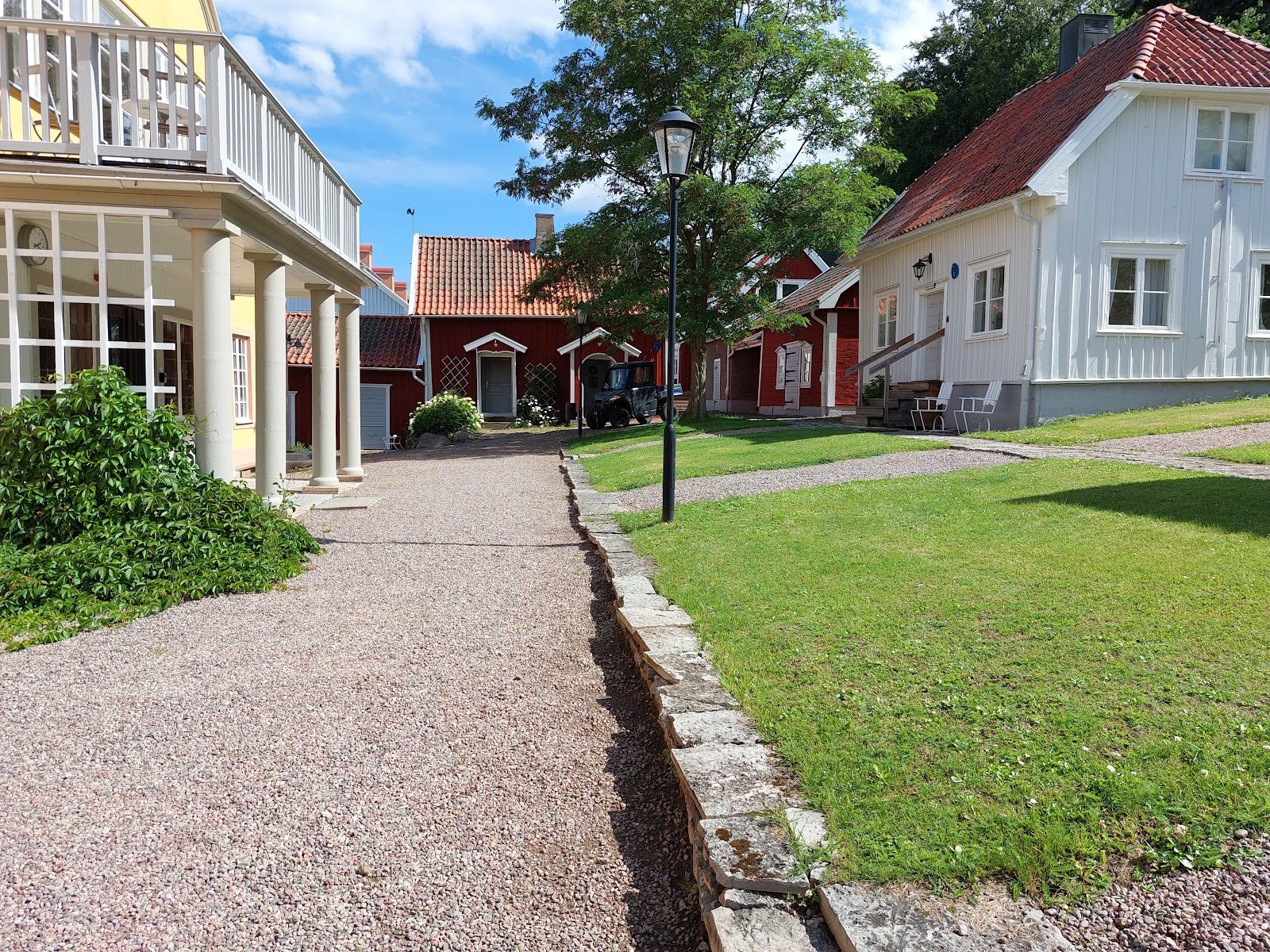
Grennaskolan Riksinternat
Gränna · Sweden
One of Sweden's three historic national boarding schools, set on Lake Vattern, pairing Swedish tracks with the IB Diploma.
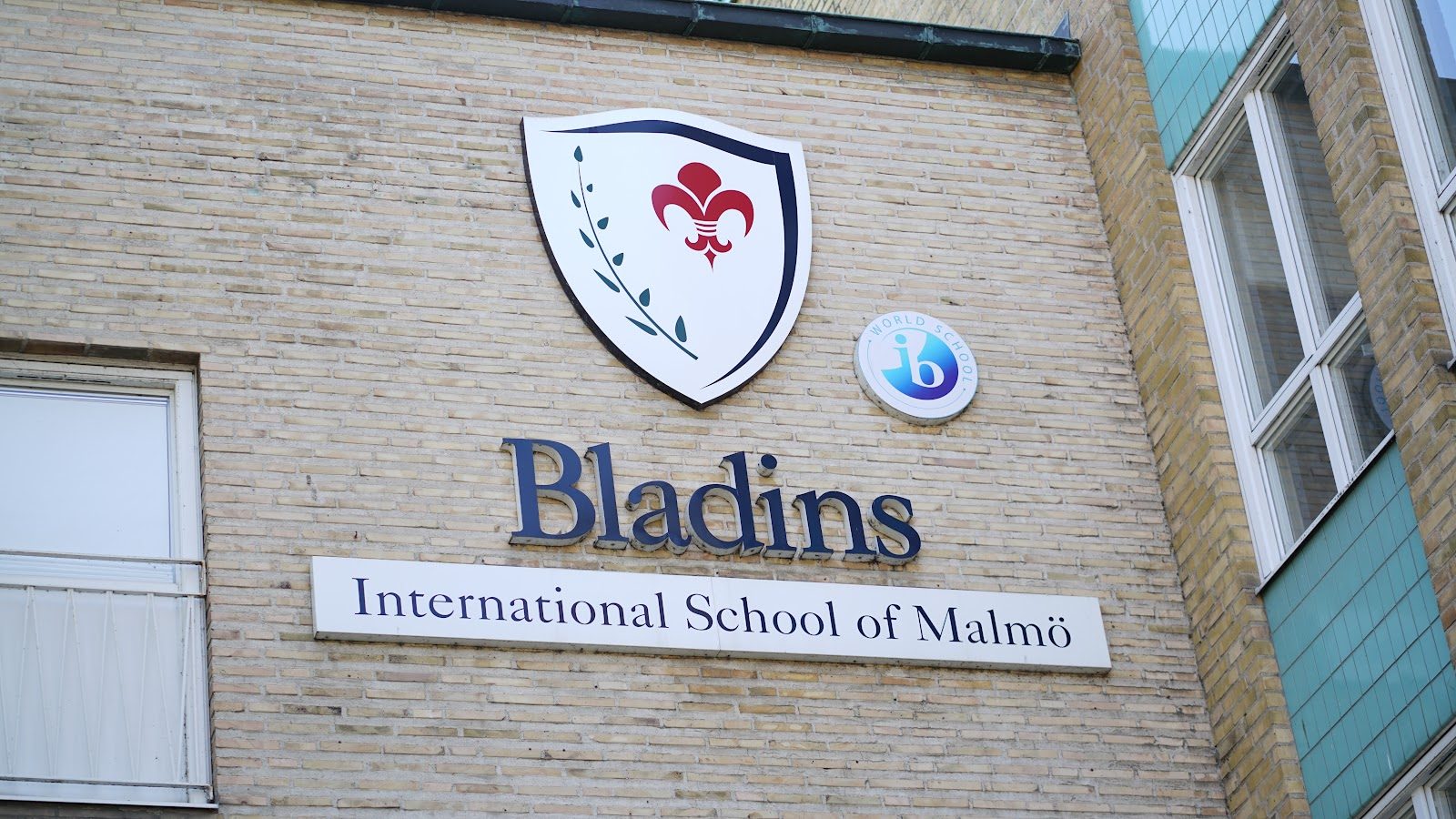
Bladins International School of Malmö
Malmö · Sweden
Traced to a 1980s Australian submarine contract, this Malmo school became Sweden's first IB Middle Years authoriser.
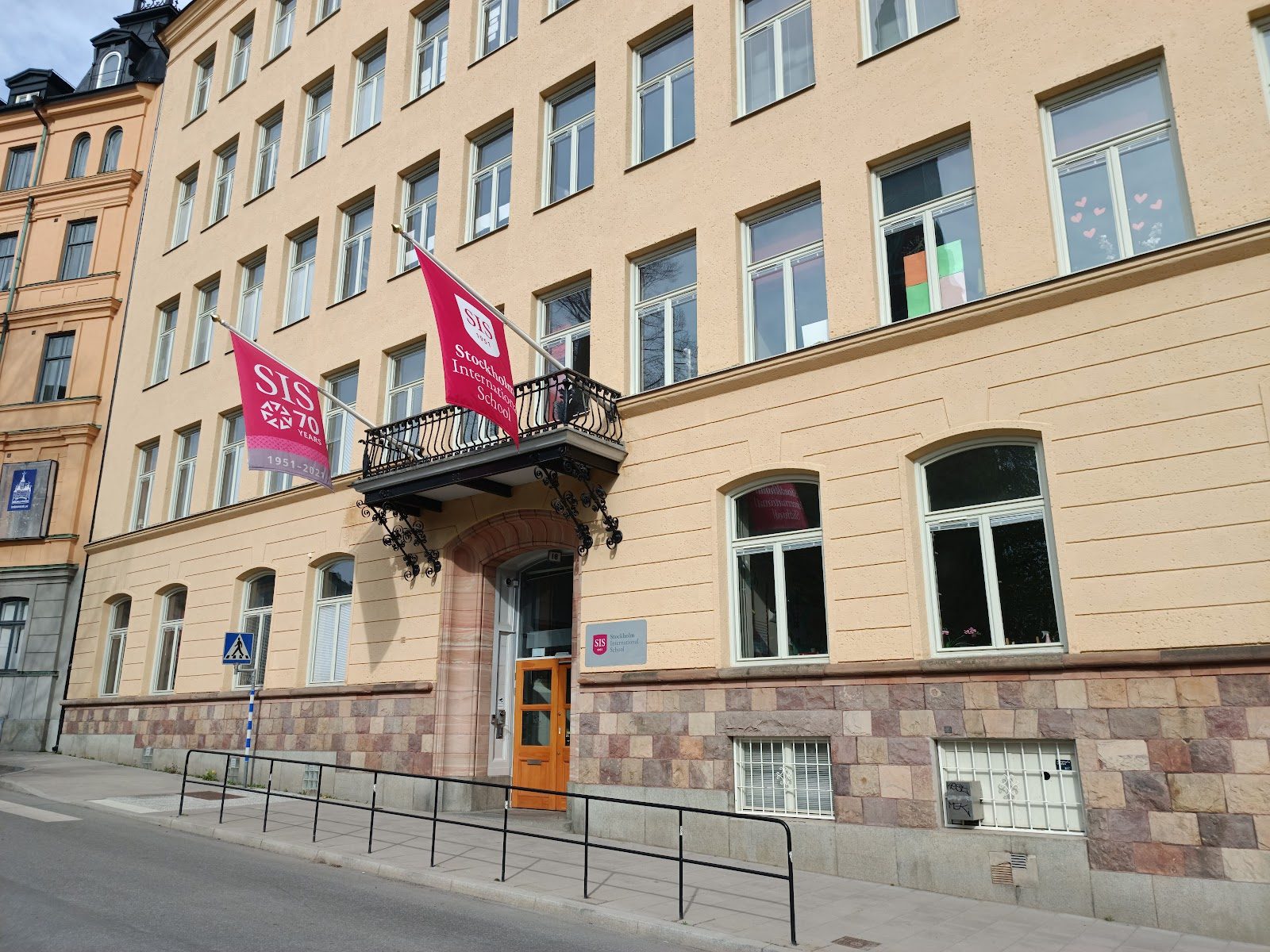
Stockholm International School
Stockholm · Sweden
Sweden's longest-running international school, teaching the full IB continuum from a historic Norra Latin campus in central Stockholm.
Same country and curriculum — closest matches within ±10 points either way