
Maryland
DeMatha Catholic High School
A Hyattsville boys' Catholic prep where a 1965 upset of an unbeaten NY power built a basketball dynasty alongside rigorous AP study.
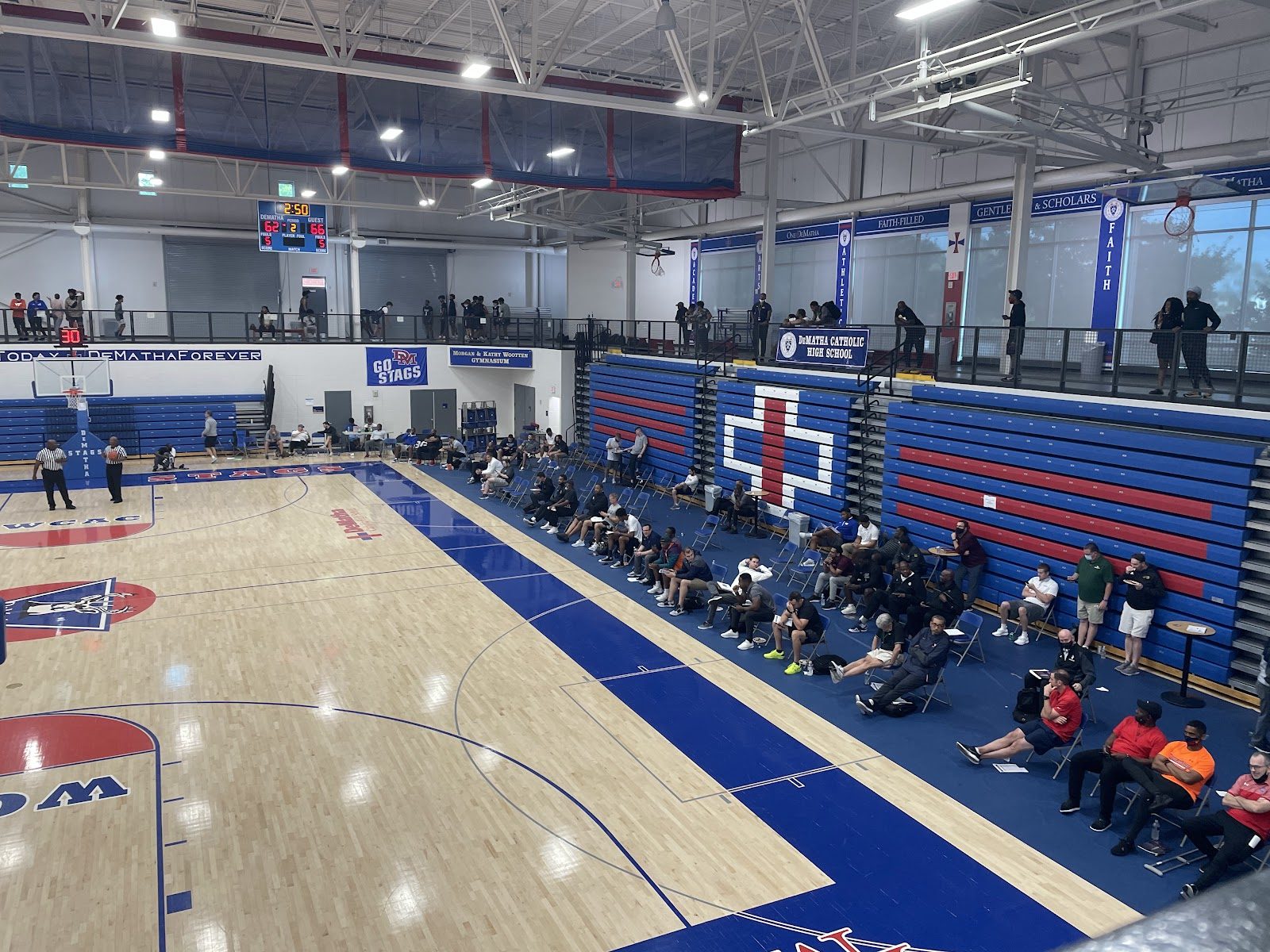
Photo © BranDREWbian via Google Maps
Type
Day
Ages
14–18
Curriculum
US High School Diploma · Advanced Placement
Ratio
1:12
The Verdict
Editor's commitment
Right for
Boys aged 14–18 who want a Catholic day school with AP, a 1:12 ratio, and a clear Trinitarian mission.
Wrong for
Families wanting co-education, boarding, or a secular ethos; DeMatha is boys-only, day-only, Catholic, and accredited by MSA-CESS.
Watch out for
Founded in 1946, DeMatha pushes faith, service, academics and athletics in one package; that integrated model leaves little room for detachment.
Ranking breakdown
DeMatha Catholic High School · #855 of 1591
Composite score 52.2. 8 weighted criteria.
By criterion
Academic Outcomes
Weight 20%
#1157
of 1529 scored
University Placement
Weight 16%
#965
of 1529 scored
Prestige & Heritage
Weight 12%
#1256
of 1571 scored
Alumni Network
Weight 12%
#1463
of 1530 scored
Facilities
Weight 12%
#666
of 1533 scored
Transparency & Communications
Weight 8%
#1523
of 1532 scored
Peer & Industry Review
Weight 10%
#249
of 1548 scored
Admissions Selectivity & Demand
Weight 8%
#991
of 1529 scored
Peer & Industry Review
How DeMatha Catholic High School is regarded in the sector
82
Strong · medium confidence
DeMatha Catholic is widely regarded within Washington-area Catholic and independent school circles as a benchmark for boys' education, anchored by its national reputation in basketball under the late Morgan Wootten, whose coaching legacy is frequently cited by rival athletic directors and sportswriters as having elevated standards for discipline and academics-athletics balance across WCAC (Washington Catholic Athletic Conference) schools. The school is a perennial fixture in Washington Post and Baltimore Sun coverage of top Catholic schools in the region, and its WCAC rivals (Gonzaga, St. John's, Bishop O'Connell) regularly reference DeMatha as the conference standard-bearer. College admissions offices, particularly Catholic University, Georgetown, and ACC/Big East basketball programs, have long recruited from DeMatha, reflecting confidence in its preparatory rigor and athletic pipeline. Niche.com and local education rankings consistently place DeMatha among the top Catholic high schools in Maryland. Independent education press coverage is modest compared to national prep boarding schools, with most third-party validation coming from regional newspapers and Catholic school association recognitions rather than international guides like Good Schools Guide or WhichSchoolAdvisor, which focus less on U.S. parochial day schools.
Award

Elite Sport 80
World's Top School · The Global Ranking
DeMatha Catholic High School is featured on our Global Top 80 ranking at #35. This seal is available for the school's marketing team to use on their website, prospectus and social channels.
- Adrian Dantley — NBA Hall of Fame player, basketball
- Victor Oladipo — NBA All-Star, basketball
- Markelle Fultz — NBA player, basketball
Editors' overview
DeMatha Catholic High School occupies a clear niche in the Washington market: a boys’ Catholic day school that treats scholarship, sport and religious formation as co-equal parts of the programme, not decorative add-ons. Founded in 1946, it has the age and institutional confidence many younger college-prep schools borrow but do not possess. The school’s own language is unusually direct: faith, community and service sit alongside academics, arts and athletics as the six pillars. That matters. Parents looking for a school with a strong internal logic, a defined moral framework and no embarrassment about Catholic identity will find one here. The 1:12 student-teacher ratio adds a practical advantage to that proposition.
What sets DeMatha apart is not only the well-known athletic reputation, though that remains a major draw, but the fact that the school refuses to cast sport as separate from intellectual discipline. This is a place for boys who benefit from structure, clear expectations and a culture that prizes hard work, healthy competition and serious belonging. The curriculum is the US High School Diploma with Advanced Placement, delivered in English, and the school states plainly that it serves students of differing abilities and interests. That breadth is a strength, but it also defines the experience: DeMatha is not a boutique academic enclave for boys who want a narrow, seminar-style existence detached from school spirit, service or religion. It is a bigger, more public-facing institution with a strong communal identity and a muscular sense of purpose.
Why shortlist it? Because few schools in this category combine a rigorous college-preparatory frame, explicit Catholic formation, extensive co-curricular life and a long-established boys’ school culture with this degree of coherence. The school’s Trinitarian tradition gives it a distinct religious inheritance rather than a generic Catholic gloss, and the emphasis on service and moral principles is woven into the mission, not bolted on for admissions copy. Accreditation by the Middle States Association of Colleges and Schools adds a baseline external check. For families who want moral seriousness, high expectations and a school that pushes boys towards adulthood rather than indulging adolescent drift, DeMatha deserves attention.
The best fit is a boy aged 14–18 who wants an all-boys environment, is comfortable with Catholic life, and will use the school’s full range of opportunities rather than resisting them. He does not need to be an athlete, but he will thrive if he respects effort, responds to accountability and wants to be part of a tight-knit brotherhood with visible traditions. Boys who want a highly informal culture, a secular ethos, or a school organised around individual preference rather than communal standards will find DeMatha constraining. Boys who want discipline with ambition and a school identity that means something will find one of the stronger options in the area.
An Elite Sport 80 school
DeMatha Catholic High School in Hyattsville, Maryland, sits at rank thirty-five on the Elite Sport 80 because it has been one of the most consistent producers of NBA and NFL professionals in the Washington DC metropolitan area for six decades. The Stags have won multiple national high-school basketball championships, produced fifteen or more NBA alumni across generations, and continue to feed NCAA D1 basketball and football recruiting classes.
The specialisms are boys' basketball (the flagship, coached historically by legendary basketball figure Morgan Wootten and now sustained at a similar elite level), American football (a Washington Catholic Athletic Conference perennial with NFL Draft picks in recent classes), boys' track and field, and boys' soccer. Girls' programmes are not run at DeMatha, which is a boys' school.
Notable alumni across codes include Adrian Dantley (NBA Hall of Fame), Danny Ferry, Kenny Carr, Markelle Fultz (2017 NBA number-one draft pick), Victor Oladipo, and — in football — a rolling roster of NFL professionals such as Ronnie Lee and current Washington and Baltimore-area players. The DeMatha basketball tradition is one of the most storied in American high-school sport.
International openness is limited. DeMatha is a Catholic day school for families resident in the Washington DC metropolitan area; there is no boarding house, so overseas admissions typically require a US-side accommodation solution and an F-1 student visa arranged through a partner exchange organisation. Tuition sits around US$22,000-24,000 with sport-oriented financial aid available. Admissions is a standard Catholic-school process plus sport-specific reference for scholarship consideration. For a family already relocating to the Washington DC metropolitan area with an elite basketball or football prospect and a viable accommodation plan, DeMatha offers an unusually deep NBA and NCAA D1 recruiting pipeline; families arriving from overseas without a DC residency plan will find the boarding academies elsewhere on this list a better structural fit.
Academic Performance
Academic performance is where the public picture thins out. DeMatha offers Advanced Placement within a college-preparatory programme, but the school does not publish aggregate AP scores, pass rates, mean scores, SAT or ACT averages, or matriculation data in the sources we have seen. That is a real limitation for parents trying to place the school precisely against Washington-area academic peers. In a market where many independent and Catholic college-prep schools use external results to prove academic depth, this level of opacity leaves DeMatha relying on mission language and institutional reputation rather than hard comparative evidence. For a school with a serious academic claim, that gap matters.
What can be said with confidence is narrower. The school states that scholarship sits at the centre of its educational model, not at the edge of an athletics-led identity, and that matters because DeMatha’s public reputation can easily be dominated by sport. The academic question, then, is not whether there is intellectual intent; there is. The question is how strongly that intent converts into examinable outcomes at the top end and across the cohort. Without published external-results data, DeMatha sits in the category of credible but unproven on academic performance relative to peers: strong enough in structure and ambition to merit consideration, but insufficiently transparent for families who want clean benchmarking before they shortlist. For data-driven parents, that is a material weakness.
Facilities
DeMatha’s facilities profile is hard to judge with precision because the school does not publish a clear public inventory of specialist spaces, labs, arts venues or athletic plant in the sources we have seen. That absence matters. At a school with such a strong public identity around co-curricular life, parents need more than mission language; they need to know what boys can actually use day to day. What is clear is the institutional priority: academics, arts and athletics sit explicitly within the school’s core framework, and the low 1:12 ratio points to access and supervision that many larger Catholic day schools struggle to match. The school also refers to technological innovations within teaching, which signals investment in classroom infrastructure, even if the detail remains frustratingly thin.
Against peers, that leaves DeMatha in a mixed position. The school has the organisational scale and cultural seriousness to support a broad working campus rather than a stripped-back parochial operation, and its athletic conference membership reinforces the expectation of substantial sports provision. But expectation is not evidence. Many rival college-prep schools now publish detailed facilities maps, performance spaces, maker environments and science resources; DeMatha does not. The result is a credible but under-documented facilities offer: stronger in inferred capacity than in public transparency. For families weighing it against better-documented competitors, that is a clear weakness until a visit confirms whether the physical estate matches the school’s hard-charging reputation.
The school’s own language is unusually direct: faith, community and service sit alongside academics, arts and athletics as the six pillars
Prestige
DeMatha carries real regional prestige, but it is a specific kind of prestige. This is not the polished, old-establishment cachet of a Washington independent school whose status rests on selective admissions statistics, glossy university placements and intergenerational social networks. Its standing is built on visibility, discipline and institutional force: a boys’ Catholic school with a strong name in the metropolitan area, a place many families know before they ever visit. The combination of a low 1:12 staffing ratio, a long-entrenched identity and membership of a demanding athletic conference gives it weight in the local market. For the right family, that reads as serious, masculine and high-accountability. For families chasing elite social signalling, it has less shine.
Why rate it this way? Because DeMatha’s prestige rests more on brand recognition and communal loyalty than on published academic proof. The school has a commanding athletic reputation and a mission with unusual clarity; both strengthen status. Its Catholic and Trinitarian framework also gives it a distinct moral identity rather than a generic college-prep gloss. But prestige has tiers, and DeMatha does not occupy the most rarefied academic tier because the school does not disclose the outcome data that would justify that claim. The result is earned esteem, not mystique: a school respected for formation, expectations and public profile, with strongest appeal to families who value character and institutional culture as much as exam metrics.
The question is how strongly that intent converts into examinable outcomes at the top end and across the cohort
Communications
DeMatha communicates with parents in the same way it runs the school: through a strong central message rather than a flood of fine-grained public detail. The public-facing communication is clear on mission, values and institutional expectations. Parents do not need to guess what the school prizes; it states scholarship, moral principles, hard work and service plainly, and that clarity has value. For families who want a school with a defined code, this is reassuringly direct. For families who judge communication by operational detail, published outcomes and exhaustive practical guidance, the picture is thinner. We have not seen the level of public disclosure that top-tier comparison shoppers now expect on academic results, facilities or other decision-critical evidence. That leaves communication strong on ethos, weaker on proof.
That balance shapes effectiveness. DeMatha communicates culture well: it tells parents what kind of young man it wants to form, how adults think about discipline, and why faith sits at the centre of school life. In a boys’ school, that matters because mixed messages corrode authority fast. The school avoids that trap. But effective parent communication also requires transparency, not only conviction. On that measure, DeMatha is less rigorous than it should be. Parents can grasp the school’s identity quickly; they cannot benchmark it with the same ease against better-documented competitors. The low staffing ratio of 1:12 strengthens the case for close day-to-day contact once enrolled, but the public communications model remains mission-led, controlled and incomplete.
Uniqueness
What makes DeMatha distinctive is the tight fit between creed, conduct and daily school life. Many schools bolt service onto a college-prep timetable and call it character education. DeMatha does not. Its Trinitarian inheritance, its explicit language of moral principles and hard work, and its insistence that faith, community and service underpin academics, arts and athletics give the place a rare internal coherence. That matters for boys. Adolescents test boundaries, resist abstraction and spot institutional bad faith quickly. A school that states its values plainly and organises itself around them gives students a clear moral architecture, not a blur of slogans. The all-boys setting sharpens that effect: expectations around discipline, responsibility and brotherhood are direct, visible and hard to evade.
The second point of difference is that DeMatha serves a broad metropolitan intake without diluting standards into vagueness. The school says it educates young men of differing abilities, interests and backgrounds, and that breadth is important. It creates a student culture with more range, more friction and more reality than a narrow enclave built for one type of high-achieving boy. Pair that with the low 1:12 staffing ratio and students get a school that can push, monitor and steady them in equal measure. For the right boy, the result is formative, demanding and deeply structured: he is asked to work, compete, serve and grow up. That package is unusually complete.
We have not seen the level of public disclosure that top-tier comparison shoppers now expect on academic results, facilities or other decision-critical evidence
Student Profile
The boy who fits DeMatha wants structure and does not need to be coaxed into belonging to something larger than himself. He can handle adult authority, accepts rules as part of the deal and has enough self-command to live inside a school where conduct, effort and service carry real weight. This is a school for boys who do well with a firm moral frame, a public sense of standards and an environment where teachers and peers will notice when they drift. The all-boys setting suits students who benefit from directness, camaraderie and competition without the social theatre that can dilute focus elsewhere. The low 1:12 ratio strengthens that fit: boys who need to be known, checked and pushed will get fewer places to hide.
The best match is not one narrow type. DeMatha states that it serves students with different abilities, interests and backgrounds, which points to a cohort broader than the brittle high-achiever monoculture found in some college-prep schools. That breadth matters. A boy can arrive as an athlete, an artist, a diligent student or a late developer and still find a route in, provided he buys into the common code. Boys who resist religious life, dislike institutional identity or want a looser, more negotiable culture will chafe. Boys who respond to clear expectations, earned brotherhood and a school that asks them to grow up fast will fit well.
What makes DeMatha distinctive is the tight fit between creed, conduct and daily school life
Co-curricular strengths
Arts & sport, on a separate axis
Overall 8.22/10
Scored 0-10 from the school's own published evidence. This axis is editorial-only — it does not feed the main WTS ranking.
Strengths
- +Long-established all-boys Catholic college-preparatory school, founded in 1946 by the Trinitarian order in Hyattsville, Maryland.
- +Nationally recognized basketball program built under legendary coach Morgan Wootten, producing NBA alumni such as Adrian Dantley and Danny Ferry.
- +Offers a broad Advanced Placement curriculum alongside the standard US high school diploma track, supporting college-bound students.
- +Located just outside Washington, D.C., giving students easy access to the cultural and educational resources of the capital region.
- +Strong track record of graduates progressing to four-year colleges, reflecting the school's college-prep orientation.
Considerations
- −Single-sex (all-boys) institution, which will not suit families seeking co-educational schooling.
- −Distinct Catholic religious identity with mandatory theology classes and chapel observance, a consideration for non-Catholic or secular families.
- −Strict uniform and discipline code that may feel rigid to families used to more relaxed international school environments.
- −As a day school with no boarding option, it is only practical for families able to commit to living within commuting distance of Hyattsville.
Parent reviews
Have you sent your child here?
Voice reviews carry the strongest trust badge — we transcribe them for you to tidy up before they go live. Prefer to type? A written review is fine too.
Add your voice
In 60 seconds, tell other parents: what's the best thing about DeMatha Catholic High School, and what surprised you when your child joined?
We ask for a Google sign-in so every review has a real face behind it — no anonymous drive-by attacks on schools, and no faked positive reviews. Your email is never shown publicly.
Send this profile to a friend
International parents rely on word-of-mouth. Share this review with someone weighing the same decision.
Schools with places
Similar schools to DeMatha Catholic High School with places available now.
Germantown Friends School
Philadelphia · United States
- 2026-27
- CLOSEDRegular cycle closed
- 2027-28
- OPENS SOONOpens Sept '26
Poly Prep Country Day School
Brooklyn · United States
- 2026-27
- CLOSEDRegular cycle closed
- 2027-28
- OPENS SOONOpens Sept '26
Marymount School of New York
New York City · United States
- 2026-27
- CLOSEDConfirmed full
- 2027-28
- PLACES OPENApplications opened 1 Aug '26
Boston University Academy
Boston · United States
- 2026-27
- CLOSEDRegular cycle closed
- 2027-28
- OPENS SOONOpens Sept '26
Availability first, then country, area, curriculum, price, co-curricular
Consider also
Also worth looking at alongside DeMatha Catholic High School.
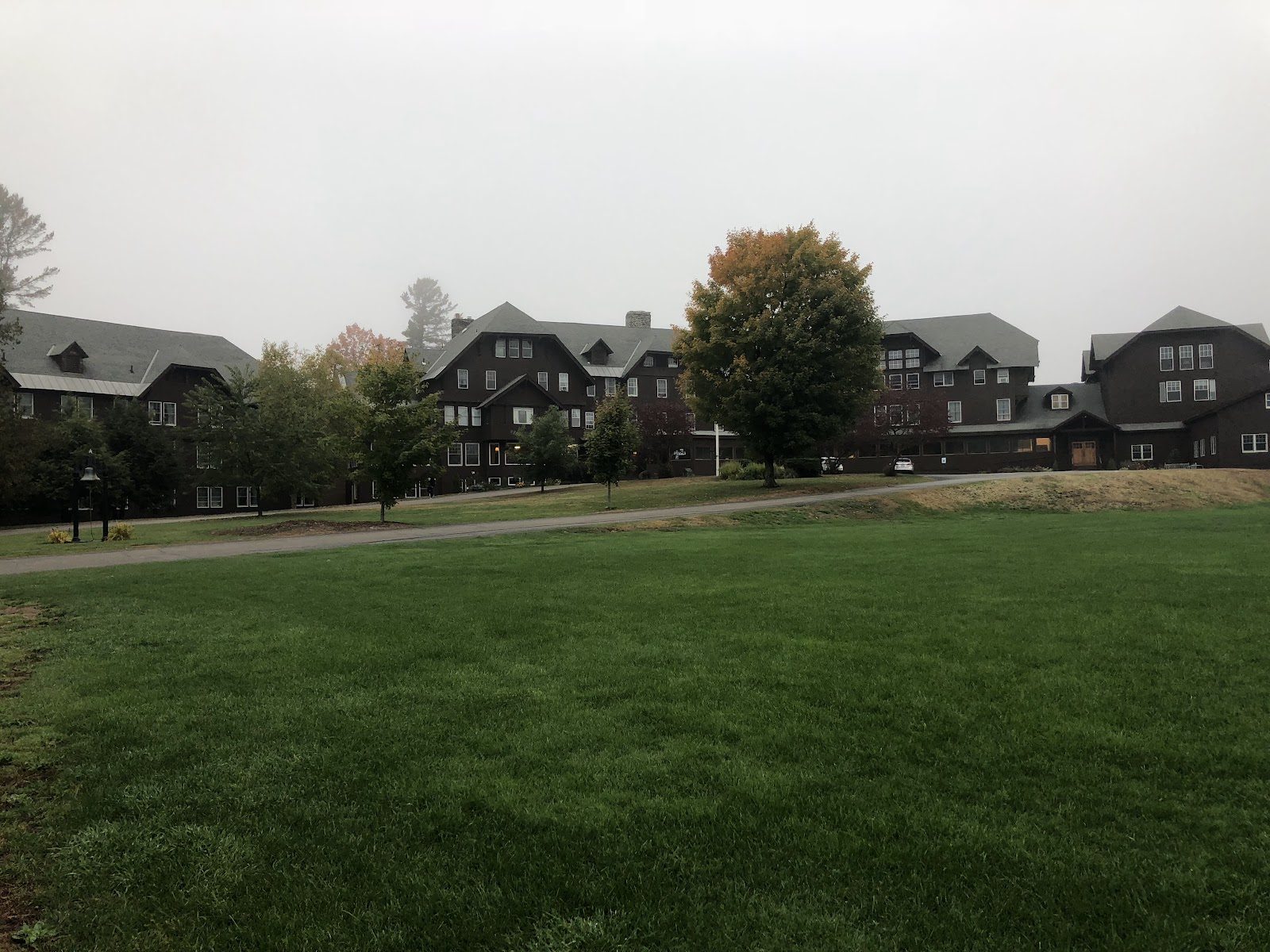
Northwood School
Lake Placid, NY · United States
In Lake Placid's Olympic village, a college-prep campus that has sent an alumnus to every Winter Games since 1964.
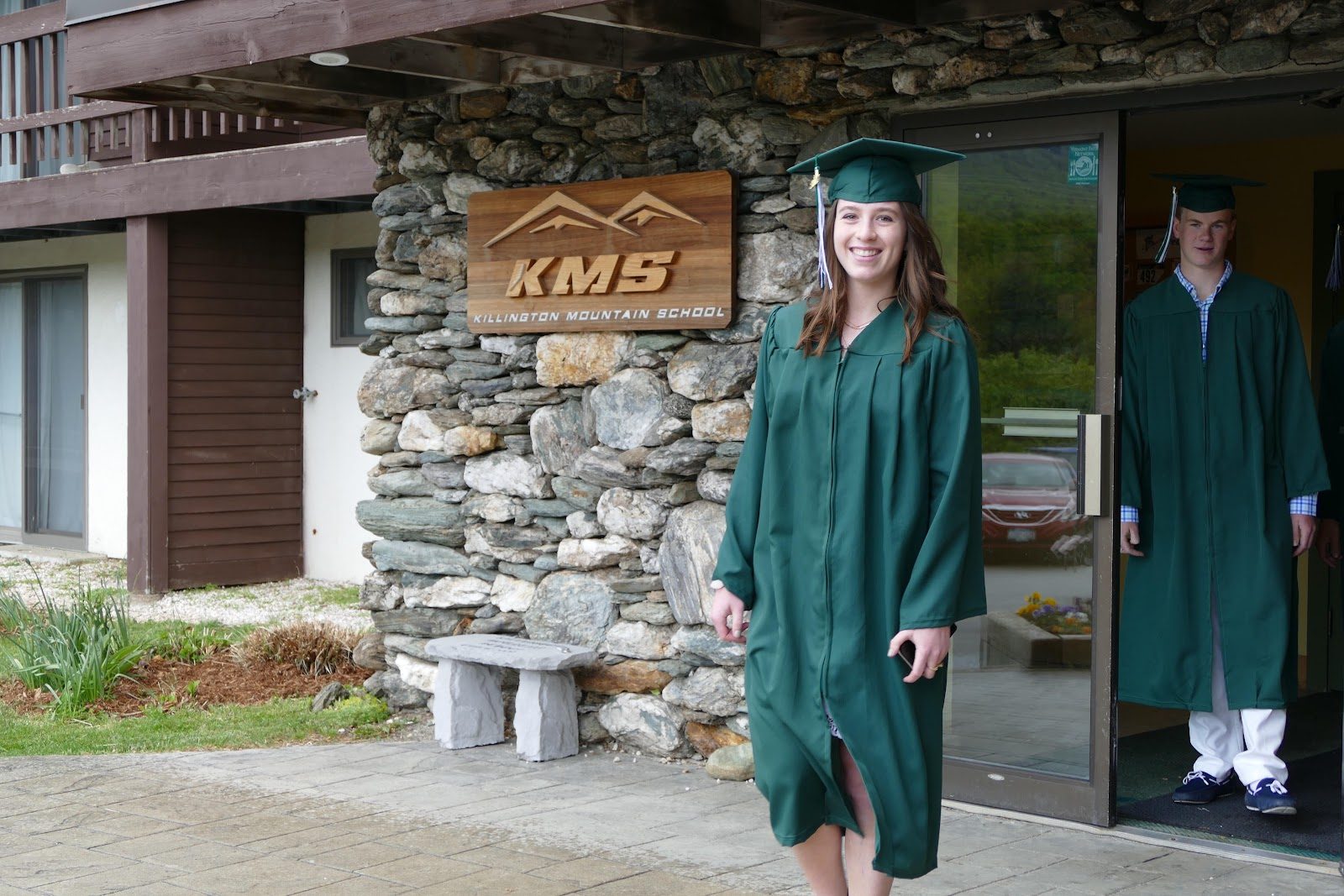
Killington Mountain School
Killington, VT · United States
America's longest-running winter-term ski academy, pairing a 5:1 classroom ratio with daily training on Killington's slopes
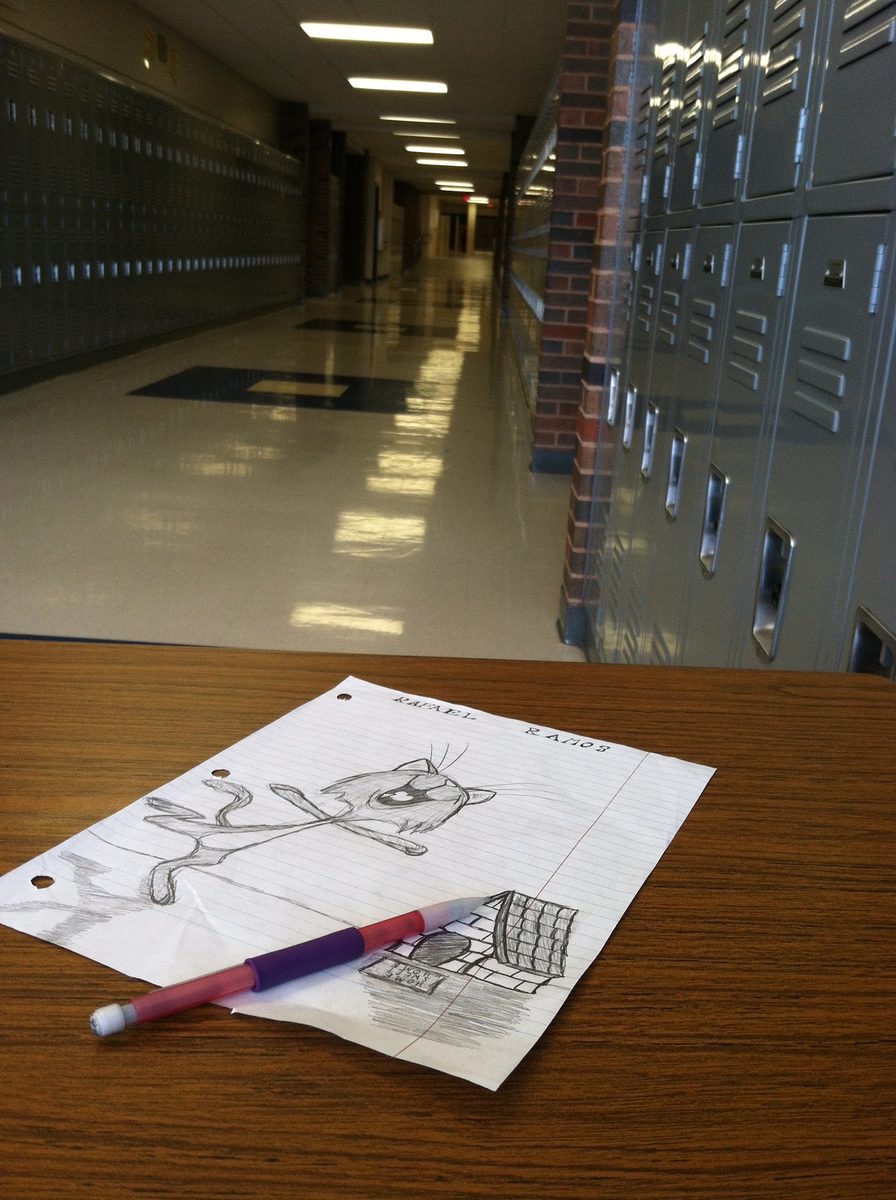
Duncanville High School
Duncanville, TX · United States
In this Dallas-suburb powerhouse, a four-decade band dynasty holds dual Sudler honors alongside a Grammy Signature choir.
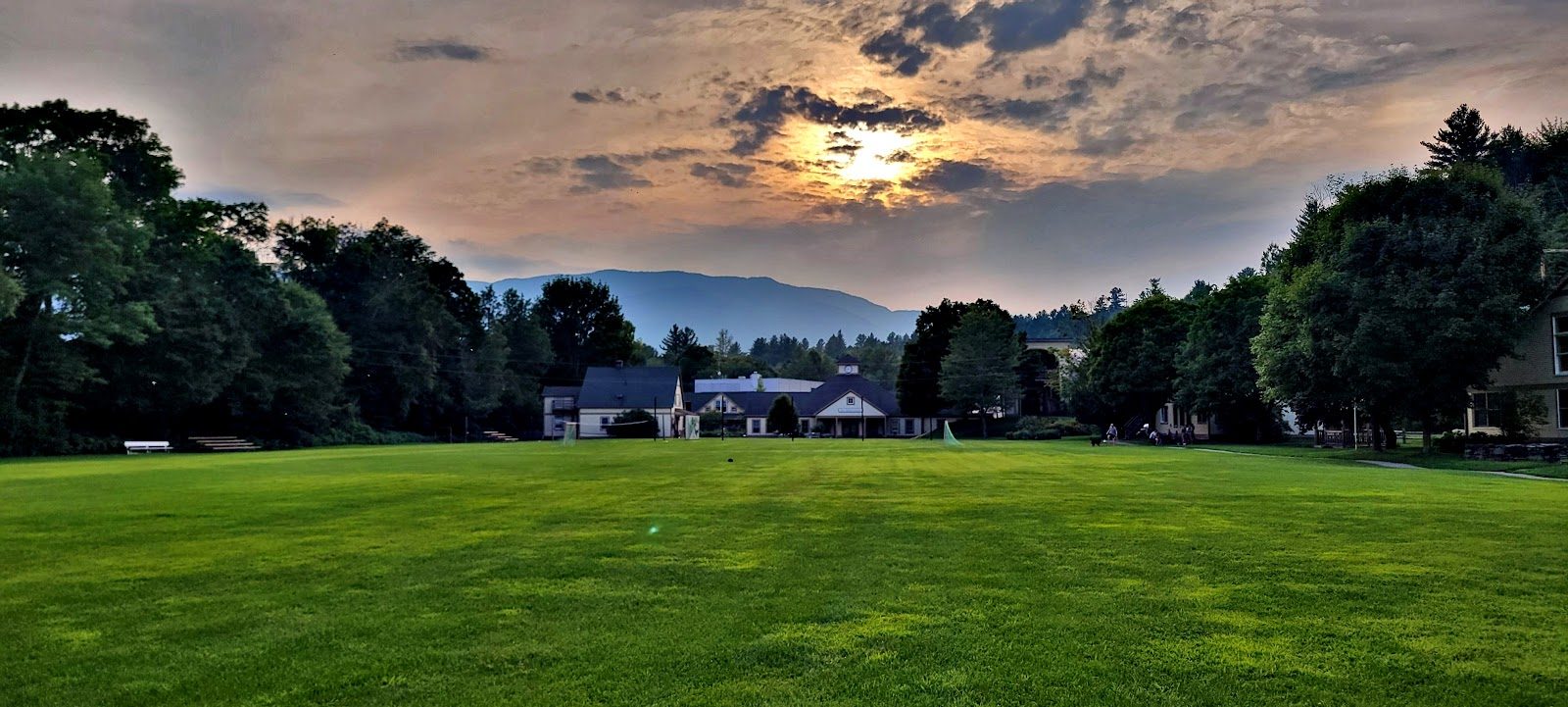
Green Mountain Valley School
Waitsfield, VT · United States
Alpine and Nordic race training at Sugarbush Resort pairs with a college-prep curriculum in Vermont's Mad River Valley
Same specialism, country and curriculum — closest matches within ±10 points either way