
South Korea
Seoul Arts High School – Fine Arts
Type
Ages
—
Curriculum
—
Ratio
—
Ranking breakdown
Seoul Arts High School – Fine Arts · #1445 of 1591
Composite score 50.7. 8 weighted criteria.
By criterion
Academic Outcomes
Weight 20%
No data yet
1529 of 1591 scored
University Placement
Weight 16%
No data yet
1529 of 1591 scored
Prestige & Heritage
Weight 12%
#1469
of 1571 scored
Alumni Network
Weight 12%
No data yet
1530 of 1591 scored
Facilities
Weight 12%
No data yet
1533 of 1591 scored
Transparency & Communications
Weight 8%
No data yet
1532 of 1591 scored
Peer & Industry Review
Weight 10%
#1414
of 1548 scored
Admissions Selectivity & Demand
Weight 8%
No data yet
1529 of 1591 scored
Peer & Industry Review
How Seoul Arts High School – Fine Arts is regarded in the sector
59
Credible · medium confidence
Within Korea's specialized-arts-school tier, Seoul Arts High School's Fine Arts department is consistently grouped with Yewon School (its middle-school feeder) and the Korea National University of Arts pre-college track as the most selective visual-arts pathway in the country, a standing reflected in national press coverage (Chosun Ilbo, JoongAng Ilbo) of its steep entrance competition and studio-based curriculum. University admissions patterns rather than promotional claims underpin its reputation: graduates routinely enter Seoul National University's College of Fine Arts and Hongik University's design and fine-arts programs, long regarded domestically as the top destinations for visual-arts talent, and a growing number progress to overseas institutions such as RISD and Parsons, reinforcing its status as a recognized feeder school. Independent Korean education outlets treat it as a benchmark rather than a marketing case study, citing its faculty's professional exhibition records and alumni presence in national art competitions. It receives limited coverage in Western school-guide platforms like WhichSchoolAdvisor or Good Schools Guide, since its reputation is almost entirely domestic and university-admissions driven rather than international-market oriented.
Award
Elite Visual & Fine Arts 76
World's Top School · The Global Ranking
Seoul Arts High School – Fine Arts is featured on our Global Top 76 ranking at #10. This seal is available for the school's marketing team to use on their website, prospectus and social channels.
Editors' overview
Full editorial coverage forthcoming. This institution has been included in the 2026 Visual Arts & Fine Art audit on the strength of its specialist Fine Art pathway. A long-form editorial review — covering curriculum, faculty, graduate conversion, portfolio provision and international accessibility — will be published as editorial capacity allows. The rank position, country and international-access classification shown on the ranking page have been verified against the methodology.
An Elite Visual & Fine Arts 76 school
Seoul Arts High School, set on the hillside campus of Pyeongchang-dong in Jongno District, Seoul, sits at rank ten on the Elite Visual & Fine Arts 76. Founded in 1953 as Ewha Arts High School and renamed within the year, it is Korea's oldest dedicated arts high school and, unlike several similarly named Seoul academies built around idol training, remains a pure fine-arts, classical-music and ballet institution with no link to the entertainment industry. That single distinction anchors the ranking: this is a conservatory-model school judged on studio output, not media profile.
The Fine Arts department admits roughly 137-138 students a year across four classes out of a wider cohort of about 360, entered through a practical exam weighted at 300 points for drawing and portfolio review alongside academic assessment. First-year students rotate through all four studio majors - Korean painting, Western painting, sculpture and design - via a shared foundation practicum before choosing a specialism in year two; the advanced track is built around drawing, art theory and major-specific studio work, with a dedicated on-campus art gallery for exhibiting student output. French is taught as the department's second language from the first year, reflecting how many art and ballet majors go on to study in France.
Notable alumni include Wook-kyung Choi (1940-1985), who studied under painters Mun Hak-jin, Jeong Chang-seop and Kim Tschang-yeul at the school before becoming a pioneering figure of Korean abstract expressionism, later honored with a major retrospective at the National Museum of Modern and Contemporary Art and inclusion in the Centre Pompidou's exhibition on women in abstraction. Painter Lee Doo-sik (1947-2013), whose vividly colored canvases entered the National Museum of Contemporary Art and museums in Beijing and Bulgaria, graduated alongside sculptor Park Chung-heum and Korean-painting artist Oh Yong-gil.
International openness is limited and honestly so: admission runs through Korea's domestic entrance exam, and while international applicants with equivalent middle-school credentials are eligible, enrollment from abroad remains small, instruction is in Korean with English taught only as a basic subject, and no dedicated overseas boarding program is documented. Tuition is reported to exceed many Korean university costs. Families should treat this as a Korean-fluency destination and begin preparation at least a year ahead of the October practical exam.
Academic Performance
Seoul Arts High School's fine arts track pairs the standard national curriculum with intensive studio instruction in drawing, painting, sculpture, and design. Students spend a significant share of the week in foundation courses building technical skill before specializing in a chosen medium during their final years. Portfolio development is treated as core academic work, assessed alongside conventional subjects, and teachers double as studio critics preparing students for competitive university entrance examinations. The school has a long-standing record of sending graduates into the fine arts and design faculties of Seoul National University, Hongik University, and other leading Korean art colleges, institutions that themselves use rigorous practical examinations. Academic depth here is therefore measured less by standardized test scores than by technical mastery, conceptual development, and a body of work capable of surviving national-level scrutiny, a model that has defined the school since its founding as a specialist arts institution.
Facilities
The campus, in Seocho-gu, Seoul, is built around dedicated studio space rather than conventional classrooms alone: painting and drawing studios, sculpture workshops, printmaking rooms, and design labs sit alongside galleries used for internal exhibitions and critiques. Because the school also houses music and dance departments, students share access to auditoriums, recital halls, and practice rooms, giving the fine arts cohort exposure to a broader performing-arts environment. Academic teaching still takes place in standard classrooms and a library serving all three arts disciplines. Sports provision is modest and secondary to the school's arts mission, reflecting the priority given to studio hours over athletic facilities. Equipment and materials are oriented toward portfolio production for university entrance exams, and exhibition spaces are used regularly to display student work, functioning as both teaching tool and public showcase of the school's output.
This institution has been included in the 2026 Visual Arts & Fine Art audit on the strength of its specialist Fine Art pathway
Prestige
Founded in 1953, Seoul Arts High School is among the oldest specialized arts secondary schools in South Korea and holds a long-established position within the country's arts education system. Its fine arts department is one of three founding disciplines alongside music and dance, and the school's decades of continuous operation have built a substantial alumni presence across Korean visual arts, design, and entertainment fields. Admission is selective and audition-based, reinforcing the school's standing as a recognized feeder into the country's most competitive art university programs. Domestically, the school is regarded as a benchmark institution for pre-professional arts training, and its name carries weight in discussions of Korean arts education history. Its prestige rests less on international rankings, which do not typically cover specialist arts secondary schools, than on its sustained role as an early training ground for generations of Korean artists and designers.
The rank position, country and international-access classification shown on the ranking page have been verified against the methodology
Communications
As a Korean public-facing specialized high school, communications run primarily through official school announcements, admissions guidance documents, and information sessions aimed at prospective students and their families ahead of the portfolio and audition-based entrance process. Parent communication follows the conventions of Korean secondary education, including regular academic reporting and studio progress reviews tied to portfolio milestones. There is no dedicated international-facing website, and outward communication is largely conducted in Korean, reflecting a student body drawn overwhelmingly from within the country. Exhibitions of student work serve as an informal public communication channel, allowing families and visitors to see studio output directly. Overall, the school's communications infrastructure is functional and domestically oriented rather than promotional, consistent with its identity as a specialist training institution rather than an internationally marketed one.
Uniqueness
What sets the fine arts track apart is its structure as one strand within a single institution dedicated entirely to arts training since the 1950s, allowing visual arts students to study alongside dedicated music and dance departments under one roof. Admission depends on practical examination and portfolio rather than academic scores alone, and the curriculum treats studio production as central rather than supplementary. This produces a student population already committed to a specific artistic path before university, distinguishing the school from general high schools with arts electives. Its longevity as a specialist institution, combined with a consistent pipeline into Korea's most selective art college examinations, gives it a distinct role in the country's arts education ecosystem: a school built specifically to identify and cultivate pre-professional artistic talent at secondary level, rather than to offer arts as one option among many.
Seoul Arts High School's fine arts track pairs the standard national curriculum with intensive studio instruction in drawing, painting, sculpture, and design
Student Profile
Students are admitted through a competitive process centered on practical examination and portfolio review, drawing talented teenagers from Seoul and across South Korea who have typically already trained privately in drawing or painting before applying. The cohort tends to be highly disciplined, accustomed to long studio hours, and oriented toward a specific professional goal: entry into a top art college and, beyond that, a career in fine art, design, or related visual fields. Backgrounds vary, though many families invest significant resources in pre-admission art tutoring given the demands of the entrance process. Socially, students share an intense, craft-focused culture shaped by shared studio space and constant peer critique. While the school also enrolls music and dance students, the fine arts cohort is distinguished by its visual-arts identity and by an ambition that is technical and portfolio-driven rather than broadly academic.
Students spend a significant share of the week in foundation courses building technical skill before specializing in a chosen medium during their final years
Co-curricular strengths
Arts & sport, on a separate axis
Overall 7.28/10
Scored 0-10 from the school's own published evidence. This axis is editorial-only — it does not feed the main WTS ranking.
Sports
3.5/10
Drama
3.5/10
Dance
9.8/10
Music
9.8/10
Visual Arts
9.8/10
Parent reviews
Have you sent your child here?
Voice reviews carry the strongest trust badge — we transcribe them for you to tidy up before they go live. Prefer to type? A written review is fine too.
Add your voice
In 60 seconds, tell other parents: what's the best thing about Seoul Arts High School – Fine Arts, and what surprised you when your child joined?
We ask for a Google sign-in so every review has a real face behind it — no anonymous drive-by attacks on schools, and no faked positive reviews. Your email is never shown publicly.
Send this profile to a friend
International parents rely on word-of-mouth. Share this review with someone weighing the same decision.
Schools with places
Similar schools to Seoul Arts High School – Fine Arts with places available now.
Chadwick International
Incheon · South Korea
- 2026-27
- CLOSEDStandard route closed
- 2027-28
- OPENS SOONInfo mid-Oct '26 / dates TBC
Korea International School
Seongnam · South Korea
- 2026-27
- WAITPOOLSpace-dependent
- 2027-28
- PLACES OPENRolling
Seoul Foreign School
Seoul · South Korea
- 2026-27
- WAITPOOLSpace-dependent
- 2027-28
- PLACES OPENRolling
North London Collegiate School Jeju
Jeju · South Korea
- 2026-27
- WAITPOOLVacancy-dependent
- 2027-28
- PLACES OPEN
Availability first, then country, area, curriculum, price, co-curricular
Consider also
Also worth looking at alongside Seoul Arts High School – Fine Arts.
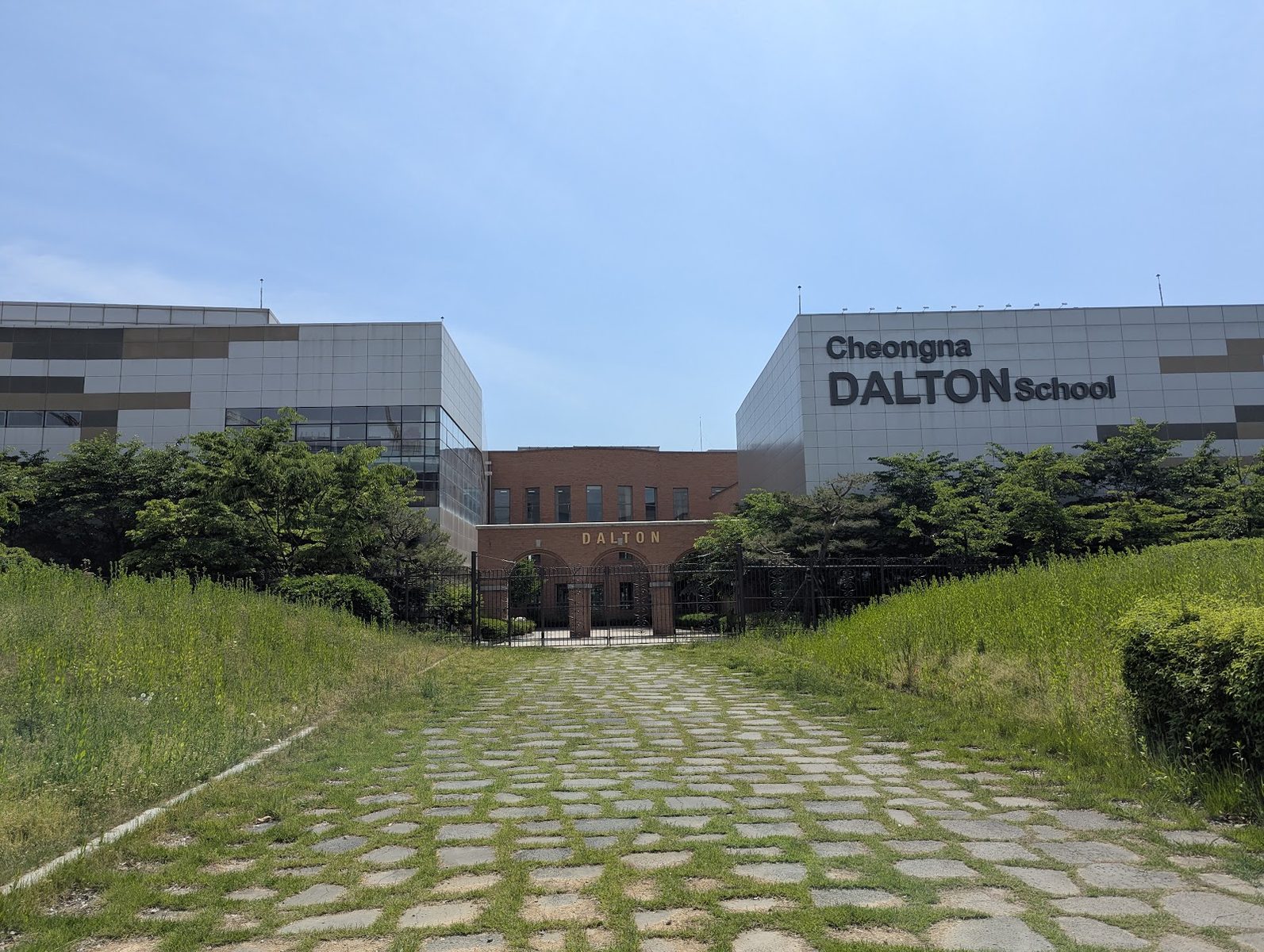
Cheongna Dalton School
Incheon · South Korea
Inside Incheon's Free Economic Zone, a Dalton Plan campus pairs House-Assignment-Laboratory pedagogy with its own equestrian field.
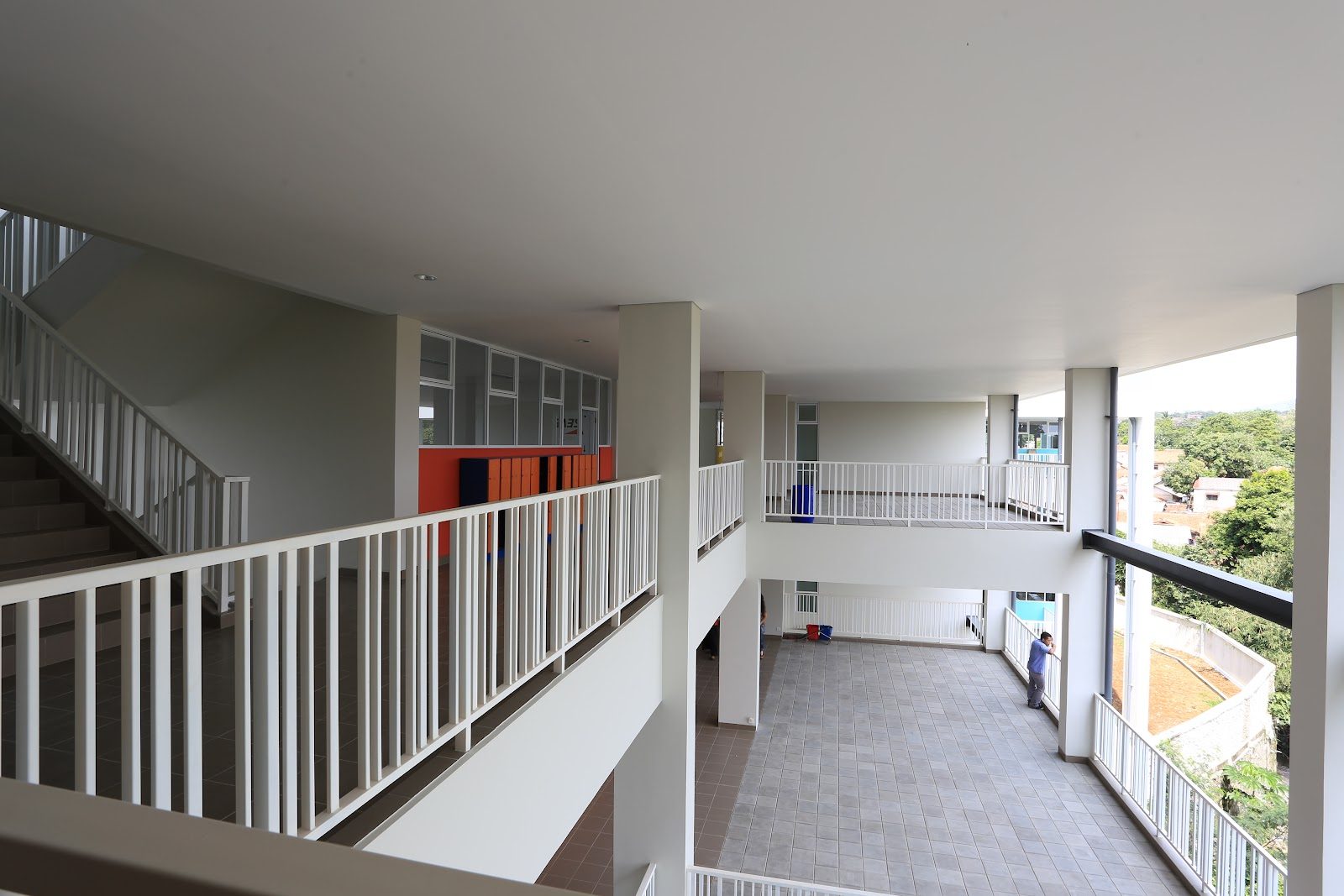
Sekolah Bogor Raya
Bogor · Indonesia
Set beside Bogor's lakeside estate, an SPK school braids the full IB continuum, Cambridge IGCSE and worship across five faiths.
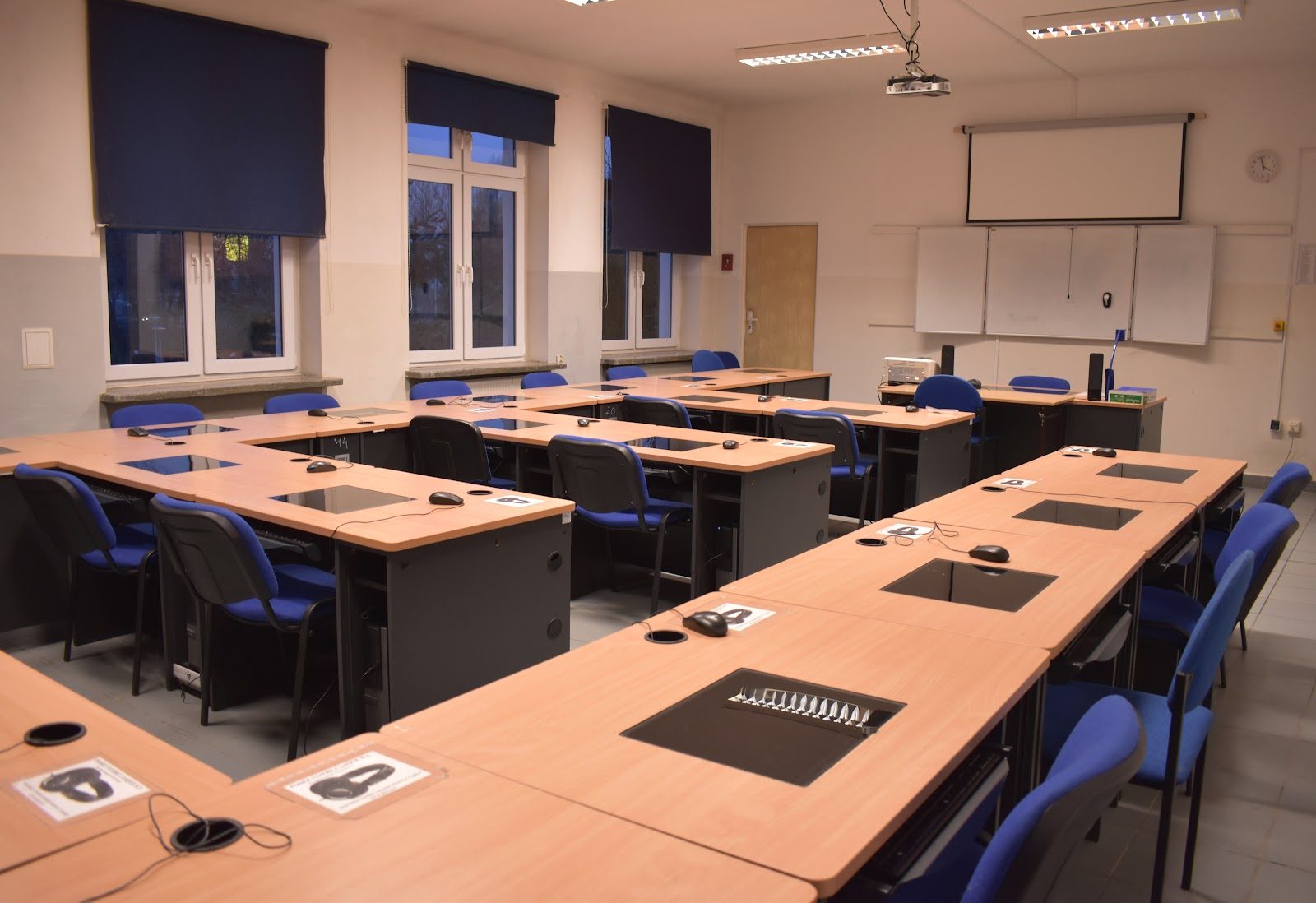
Lycée Français de Varsovie
Warsaw · Poland
Founded in 1919 as a diplomatic bridge between Paris and a newly independent Poland, its Baccalaureate classrooms still run on trilingual rigor.
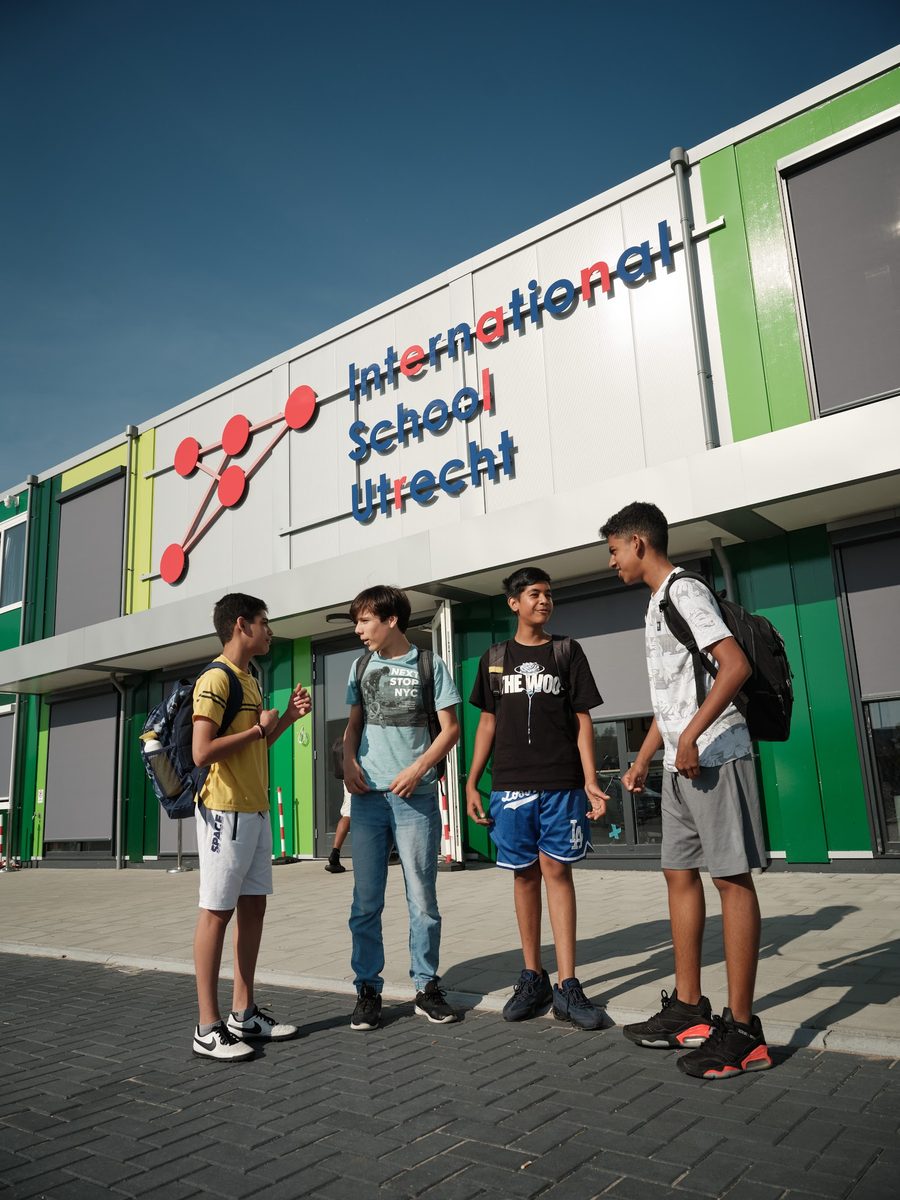
International School Utrecht
Utrecht · Netherlands
State-subsidised IB continuum from age four to nineteen, relocating to a purpose-built Utrecht Science Park campus by 2027.
Same country and curriculum — closest matches within ±10 points either way