
West Bengal
La Martiniere for Boys, Kolkata
medium confidence· 4/6 cats · 2.14 avg sourcesBorn from a French soldier of fortune's 1836 bequest, its chapel still stands ringed by Corinthian pillars in south Kolkata.
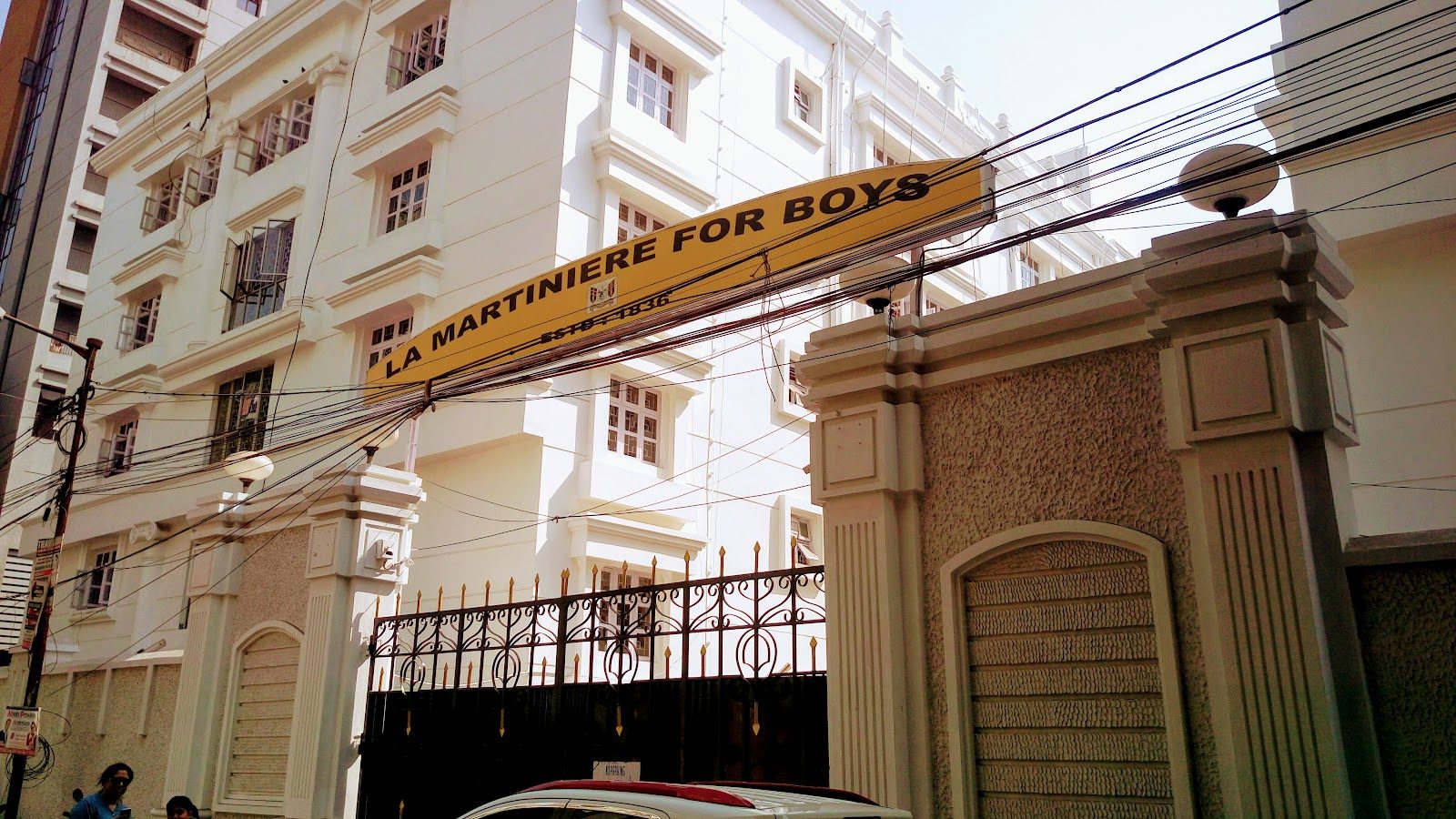
Photo © prasun kumar basu via Google Maps
Type
Day
Ages
4–18
Curriculum
Indian National
Qualifications
ICSE · ISC
Ratio
—
The Verdict
Editor's commitment
Right for
Families who want an English-medium, CISCE day school in Kolkata with Christian roots and a fee average of INR 402,791.
Wrong for
Parents seeking boarding, an international curriculum, or a secular setting; La Martiniere for Boys is day-only, Indian National and Christian.
Watch out for
The school trades on 1836 heritage and a grand south Kolkata site; that pedigree does not excuse opaque outcomes beyond CISCE affiliation.
Ranking breakdown
La Martiniere for Boys, Kolkata · #426 of 1591
Composite score 70.0. 8 weighted criteria.
By criterion
Academic Outcomes
Weight 20%
#449
of 1529 scored
University Placement
Weight 16%
#516
of 1529 scored
Prestige & Heritage
Weight 12%
#438
of 1571 scored
Alumni Network
Weight 12%
#289
of 1530 scored
Facilities
Weight 12%
#848
of 1534 scored
Transparency & Communications
Weight 8%
#685
of 1532 scored
Peer & Industry Review
Weight 10%
#640
of 1548 scored
Admissions Selectivity & Demand
Weight 8%
#308
of 1529 scored
Peer & Industry Review
How La Martiniere for Boys, Kolkata is regarded in the sector
82
Strong · medium confidence
La Martiniere for Boys, Kolkata is one of India's oldest colonial-era schools (founded 1836) and is consistently referenced in Indian and international 'best schools in India' lists, with a notable alumni network including figures profiled in national press (e.g., Times of India, The Telegraph India coverage of alumni reunions and heritage). It is frequently cited alongside La Martiniere Lucknow as a benchmark heritage institution in South Asian education circles, though it receives less specialist Western press (Tatler, Good Schools Guide) coverage than UK/international schools, reflecting strong regional/national but not global elite status.
Evidence sources
Editors' overview
The detail that sticks is not a slogan but a building: the chapel, still ringed by Corinthian pillars, on a campus tied to a French soldier of fortune’s 1836 bequest. That history matters because La Martiniere for Boys is not another new urban day school trading on glossy facilities and imported branding. It is an old Kolkata institution with a strong civic identity, a Christian foundation, and an English-medium education under the CISCE umbrella. For families who want a school with local standing rather than international-school theatre, that combination puts it straight onto a shortlist.
Academically, this is an Indian National curriculum school serving boys from ages 4 to 18, which tells you a great deal about the proposition. The route is continuous, the cultural setting is rooted, and the expectations are those of a long-established, academically serious day school rather than a loose, lifestyle campus. The average annual day fee across the full ladder is 402,791 INR, which places it in the expensive bracket for Kolkata day schooling, but not in the realm of expatriate-only pricing. Parents are paying for permanence, reputation and a school culture built over generations, not for novelty. The school’s age range, 4–18, also gives it a practical advantage: families can enter early and avoid repeated school moves through the senior years.
What is special here is the weight of inheritance combined with continuity. A school founded in 1836 carries rituals, expectations and alumni memory that newer schools cannot replicate. That cuts both ways. Some families will value the deeply rooted identity, formal tradition and clear sense of institutional self; others will find it old-fashioned or too tied to established norms. La Martiniere for Boys suits students who do well in a structured, high-expectation environment and who take to history, ceremony and school loyalty rather than constant reinvention. It will appeal less to children who need a deliberately progressive ethos or a broad international curriculum menu. For the right boy, though, this is a serious Kolkata school with real gravitas and a character that no amount of modern branding can fake.
Academic Performance
La Martiniere for Boys has long traded on academic reputation, but public disclosure on outcomes is thinner than a school of this stature should allow. We have not seen a published run of whole-cohort ICSE or ISC results, no subject-level score distribution, and no multi-year attainment data that would let parents judge consistency against Kolkata’s strongest CISCE competitors. That matters. In a crowded field of results-conscious boys’ schools, heritage and alumni loyalty do not substitute for numbers. The absence of aggregate exam reporting leaves families relying on reputation, internal selectivity and anecdote, which is a weak basis for comparing academic performance.
That said, the school’s standing in the city places it in the conversation with the better-established academic names rather than the mid-market pack. This is not a school associated with soft expectations or a lightweight senior phase. The long through-school structure, entrenched exam culture and durable local prestige point to a cohort accustomed to external assessment and to competition for university places. Still, without published headline results, it is impossible to rank La Martiniere for Boys precisely against its nearest peers on attainment alone. The conclusion is clear: academic seriousness is part of the school’s identity, but outcome transparency is behind the standard set by the best schools for parent-facing accountability.
Facilities
The campus gives La Martiniere for Boys a facilities advantage that newer city schools struggle to match: space, architectural presence and specialist provision built up over a long institutional life rather than inserted into a tight urban plot. The chapel is the obvious landmark, but the more practical point for parents is breadth. A school of this vintage and standing tends to offer established playing fields, assembly and performance spaces, science rooms, libraries and dedicated areas for co-curricular life that feel institutional rather than improvised. That matters in Kolkata, where many academically strong day schools operate under severe site constraints. Here, the physical plant forms part of the school’s authority. It also reinforces a tradition-heavy atmosphere: boys who like ceremony, scale and visible school identity will respond to it; families looking for a sleek, contemporary campus aesthetic will not.
Against peer boys’ schools in the city, the facilities case rests less on glossy novelty than on depth and permanence. The school does not trade on the language of innovation campuses, design labs or resort-style sports complexes that premium newcomers use to justify high fees. Instead, it offers the kind of grounds and core infrastructure that support a full-school life over time. That is a serious asset. The limitation is clear too: we have not seen the school publish the kind of detailed, parent-facing facilities inventory that top-tier schools now use to show exactly what is available and how current it is. The result is a campus with real weight but less public transparency than the strongest competitors.
In editorial terms, the school clears the threshold for basic information, then stops short of best practice
Prestige
La Martiniere for Boys carries old-money school prestige in the Kolkata context: not nouveau, not imported, and not dependent on aggressive self-promotion. Its status rests on endurance, recognisable public identity and the social weight that attaches to institutions families, employers and alumni have known for generations. That kind of prestige works differently from the brand-conscious pull of newer premium schools. It is less about polished aspiration and more about institutional authority. The school’s average annual fee of 402,791 INR reinforces that position. This is an expensive day education by local standards, but the real marker of prestige is not price alone; it is the fact that the school can charge at that level while trading on history, selectivity of reputation and a name that still carries serious cachet.
Why rate it highly? Because the school sits in a narrow band of establishments whose standing extends beyond the parent market into the city’s civic memory. That matters. A boy educated here leaves with more than exam credentials; he inherits association with a socially legible institution that people recognise without explanation. The caveat is important. This is prestige of a traditional, establishment kind, not the prestige of radical academic transparency or international breadth. Families who prize public outcomes data or a more modern educational identity will find the school less convincing on those fronts. Even so, as a marker of local status and inherited educational standing, La Martiniere for Boys remains formidable.
That history matters because La Martiniere for Boys is not another new urban day school trading on glossy facilities and imported branding
Communications
Parent communication has an old-school cast: functional, formal and driven by notice rather than narrative. The school website does the core job of public communication — admissions, fee information, contact routes and key institutional pages — but it does not read like a modern parent-information platform built for clarity at speed. We have not seen the kind of rich, routinely updated parent-facing stream that stronger contemporary schools now treat as standard: detailed academic reporting, frequent news output, clear calendar signposting, or a transparent archive of policies and operational updates. For a school charging an average annual day fee of 402,791 INR, that gap matters. Families paying at that level can expect communication that is more systematic, more searchable and *less dependent on institutional deference*.
That does not make the school opaque in every respect. Established schools with strong internal cultures often rely on direct circulars, office channels and the assumption that parents already understand the rhythm of the place. That model can work perfectly well for families embedded in the school community; it works less well for prospective parents trying to judge responsiveness and day-to-day organisation from the outside. The result is communication that feels authoritative but not especially transparent. In editorial terms, the school clears the threshold for basic information, then stops short of best practice. Parents who value tight, proactive communication and easy digital access to the life of the school will find stronger examples elsewhere.
Uniqueness
What sets La Martiniere for Boys apart is not just age or reputation but institutional texture. This is a school shaped by inheritance in the literal sense: a legacy campus, a chapel at its symbolic centre, and a culture built over generations rather than assembled by a management team. That gives boys something rare in contemporary schooling — entry into an already-formed world with its own rituals, loyalties and standards. For the right child, that produces strong belonging, a clear sense of what the school expects, and the confidence that comes from moving through a place with settled habits rather than shifting priorities. The full through-school span from 4–18 strengthens that continuity. Boys do not enter a temporary phase; they join an institution designed to carry them from early childhood to school-leaving.
That distinctiveness brings advantages and limits. The advantage is cultural solidity: school identity here has weight, and boys absorb discipline, memory and public-facing confidence from it. The setting also gives everyday school life more ceremony and more visible tradition than most urban day schools can offer, which matters for pupils who respond to structure and collective identity. The limit is just as clear. This is not a school for families hunting constant reinvention, educational fashion or a deliberately loose ethos. La Martiniere for Boys offers continuity over novelty, inheritance over experimentation. In a crowded market, that makes it unusual — and for a certain kind of student, deeply valuable.
It is an old Kolkata institution with a strong civic identity, a Christian foundation, and an English-medium education under the CISCE umbrella
Student Profile
The boys who thrive here are the ones who do not need school to flatter them. They can handle structure, absorb routine, and live comfortably inside a culture that asks for respect before self-expression. This suits families who want a son shaped by discipline, institutional pride and clear adult authority, not by constant negotiation. Socially, the fit is with boys who can navigate an established peer culture without needing a highly engineered wellbeing environment. Self-possession helps. So does resilience. In a school charging an average annual fee of 402,791 INR, parents are buying entry into a status-conscious institution with strong internal codes, and boys who read those codes well will settle faster than those who resist them.
This is a stronger match for pupils who like competition, uniforms, houses, ceremony and the idea of belonging to something older and bigger than themselves. It will also suit boys with parents who value continuity and can tolerate a measure of old-school rigidity. The weaker fit is easy to identify: highly sensitive children, boys who need a very relaxed classroom culture, or families hunting a progressive ethos with abundant hand-holding. There is prestige here, but also pressure. The boys who do best will treat that pressure as fuel rather than burden. For them, the school offers a serious social formation as much as an education.
For families who want a school with local standing rather than international-school theatre, that combination puts it straight onto a shortlist
Co-curricular strengths
Arts & sport, on a separate axis
Overall 7.16/10
Scored 0-10 from the school's own published evidence. This axis is editorial-only — it does not feed the main WTS ranking.
Sports
8.2/10
Drama
7.8/10
Dance
5.5/10
Music
7.5/10
Visual Arts
6.8/10
Editor first-pass · editor-reviewable · 7/30/2026
Strengths
- +Founded in 1836 by Major General Claude Martin, making it one of India's oldest continuously operating schools, sister to sister institutions in Lucknow and Lyon.
- +Affiliated with the Council for the Indian School Certificate Examinations, sitting the ICSE exam at Class X and the ISC exam at Class XII.
- +Notable alumni include tennis great Leander Paes, businessman Vijay Mallya, and journalist-politician Pritish Nandy, reflecting a long track record of producing high-profile graduates.
- +Central Kolkata heritage campus on Loudon Street spans roughly 6.73 acres with distinct pre-primary, junior, middle and senior blocks.
- +Large, established institution enrolling more than 3,800 students from Lower Nursery to Class XII, giving it scale and institutional continuity rare among day schools.
Considerations
- −Single-sex boys' school, so it will not suit families wanting a coeducational environment for their children.
- −Curriculum is limited to the Indian ICSE/ISC boards, with no IB, Cambridge or other internationally portable qualification on offer.
- −The school operates under Anglican Christian governance, chaired by the Bishop of Kolkata, which is a structural fact families of other faiths or secular outlooks should note.
- −A day school with a compact heritage campus serving thousands of pupils, meaning less per-student outdoor and sporting space than newer, purpose-built suburban campuses.
Availability
Primary entry gate & tests
Internal Assessment (Boys)
Gallery
Photo © SACHIN GHOSH via Google Maps
Photo © Steppies 1 via Google Maps
Photo © Steppies 1 via Google Maps
Photo © Kashyap Ray via Google Maps
Photo © Lalit Kapoor via Google Maps
Parent reviews
Have you sent your child here?
Voice reviews carry the strongest trust badge — we transcribe them for you to tidy up before they go live. Prefer to type? A written review is fine too.
Add your voice
In 60 seconds, tell other parents: what's the best thing about La Martiniere for Boys, Kolkata, and what surprised you when your child joined?
We ask for a Google sign-in so every review has a real face behind it — no anonymous drive-by attacks on schools, and no faked positive reviews. Your email is never shown publicly.
Send this profile to a friend
International parents rely on word-of-mouth. Share this review with someone weighing the same decision.
Schools with places
Similar schools to La Martiniere for Boys, Kolkata with places available now.
Oberoi International School
Mumbai · India
- 2026-27
- WAITPOOLSpace-dependent
- 2027-28
- PLACES OPENRolling
American Embassy School
New Delhi · India
- 2026-27
- WAITPOOLSpace-dependent
- 2027-28
- PLACES OPENRolling
Kodaikanal International School
Kodaikanal · India
- 2026-27
- CLOSEDStandard route closed
- 2027-28
- OPENS SOONExpected Autumn '26 Reg
UWC Mahindra College
Pune · India
- 2026-27
- CLOSEDStandard route closed
- 2027-28
- WAITPOOLVaries by National Committee
Availability first, then country, area, curriculum, price, co-curricular
Consider also
Also worth looking at alongside La Martiniere for Boys, Kolkata.
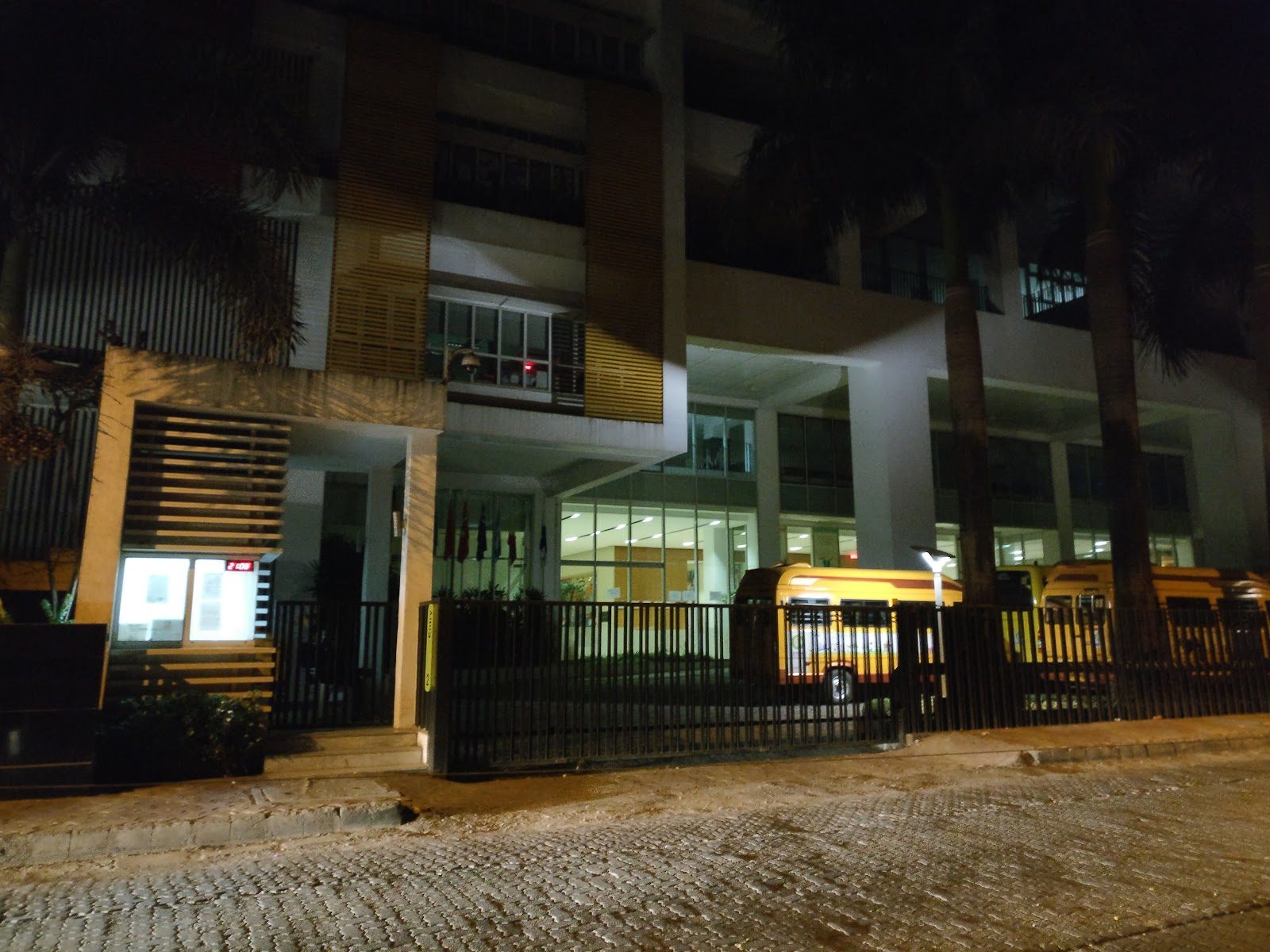
Oberoi International School
Mumbai · India
A full IB continuum from Nursery to Diploma, spread across twin Goregaon campuses inside Mumbai's Oberoi Garden City enclave.
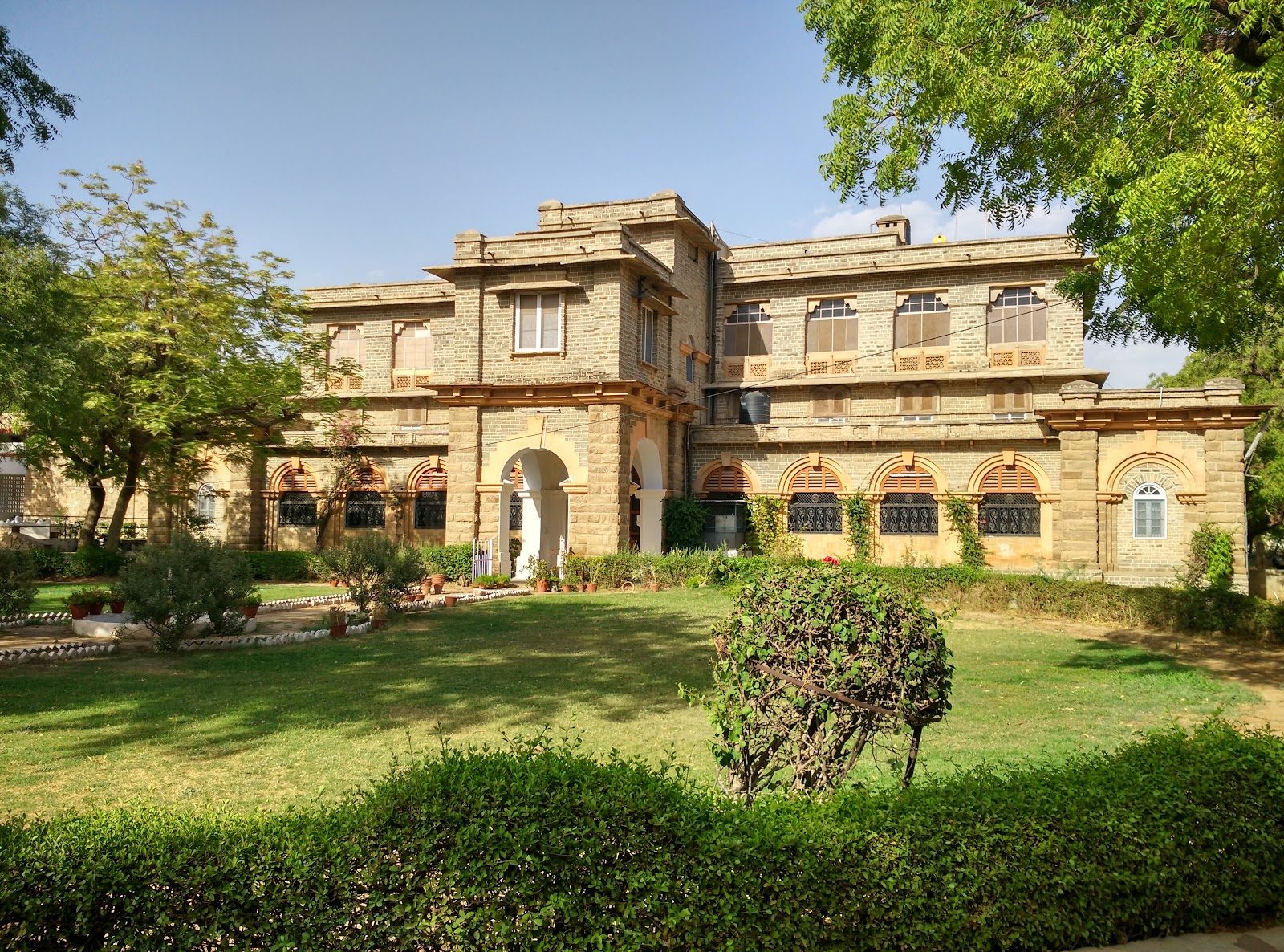
Mayo College
Ajmer · India
Historic all-boys boarding school in Ajmer offering the CBSE and Cambridge IGCSE curricula.
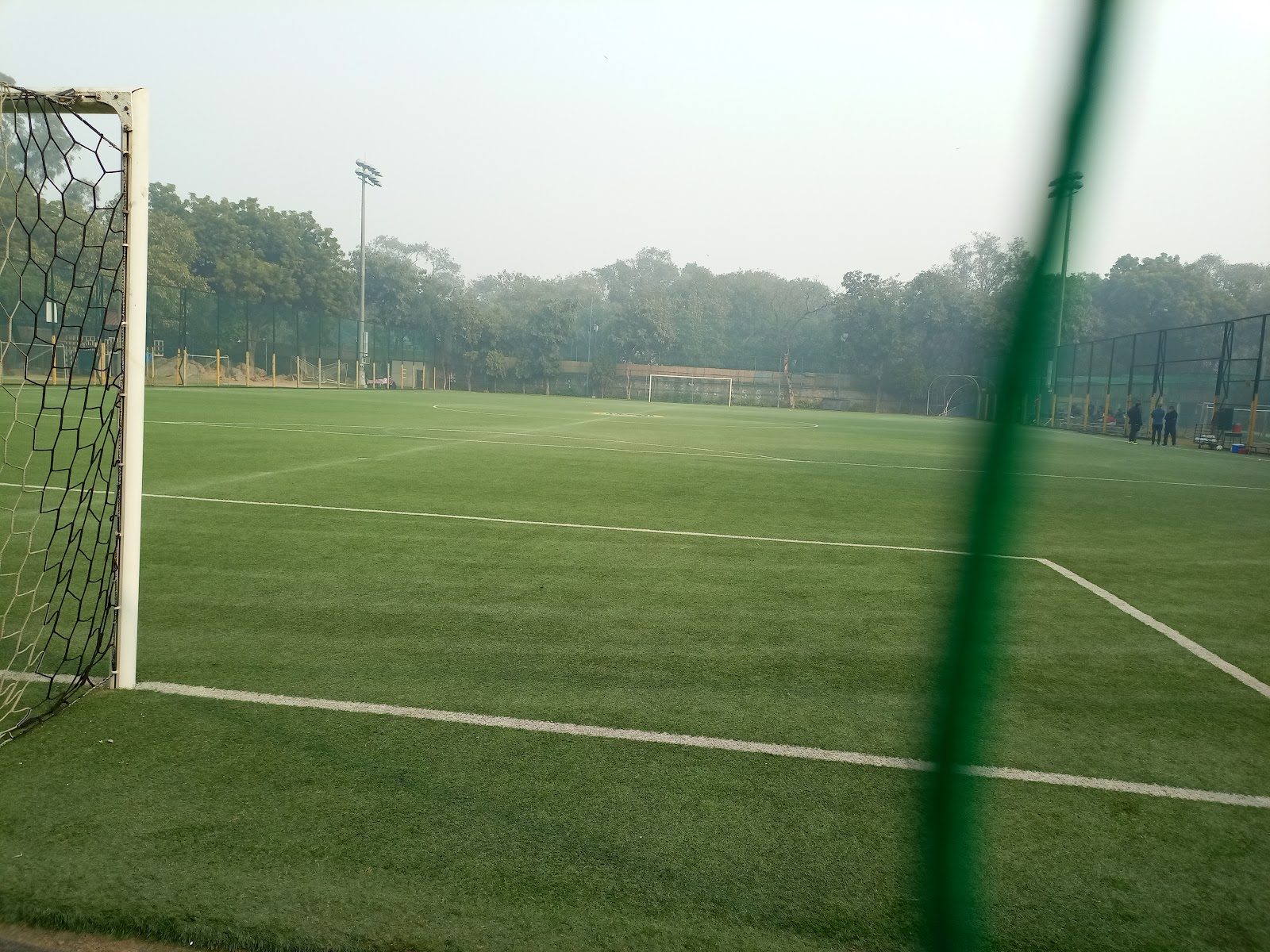
American Embassy School
New Delhi · India
Beside the U.S. Embassy in Chanakyapuri, a Joseph Stein-designed campus mixes American college prep with IB rigor for over 70 nationalities.
Kodaikanal International School
Kodaikanal · India
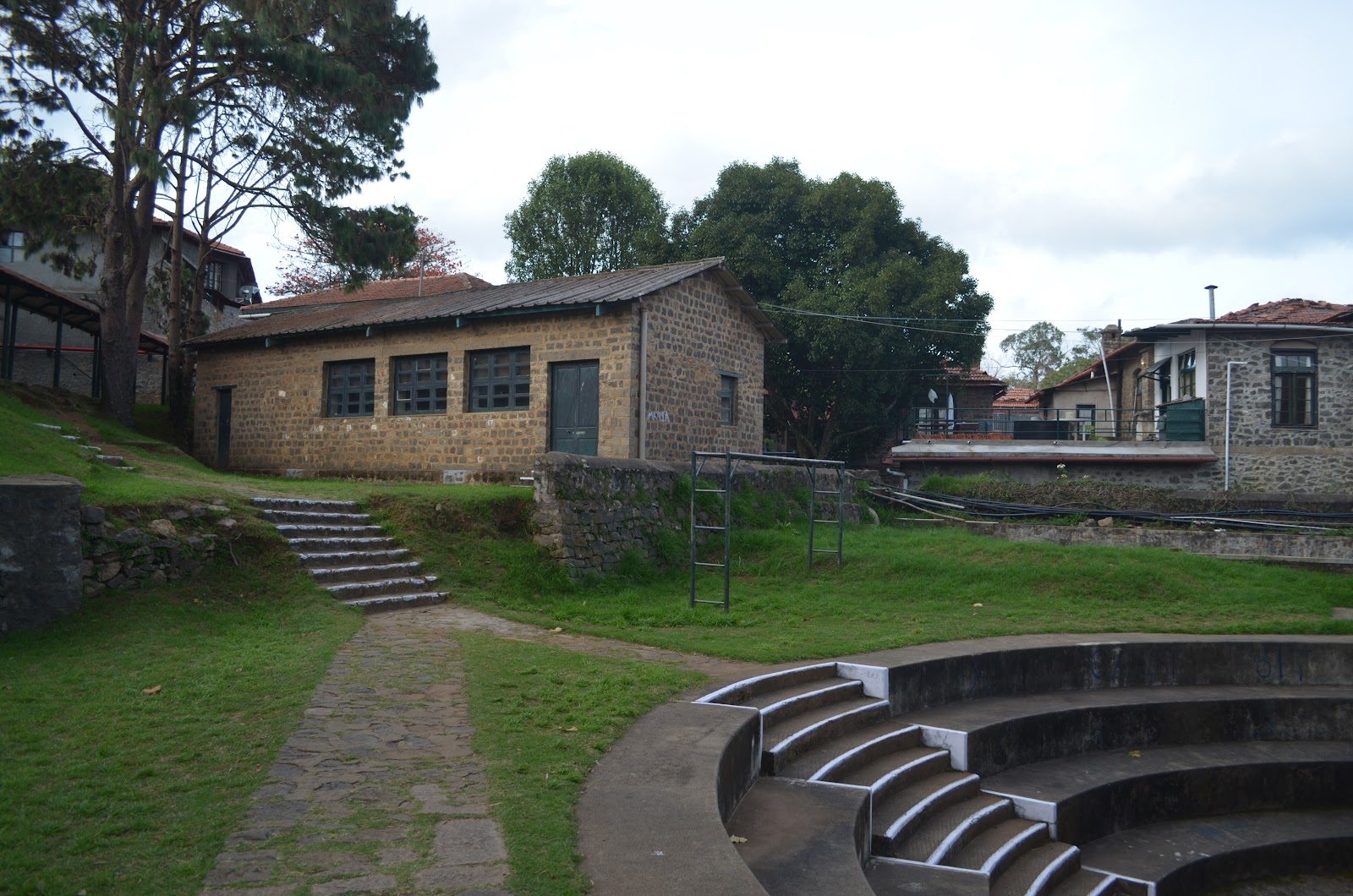
Founded in 1901 at 6,998 feet in the Palani Hills, it became India's first IB school and runs its own 135-acre wilderness campus for outdoor learning.
Same country and curriculum — closest matches within ±10 points either way