
Singapore
Opened in 1969 as Singapore's first junior college, pairing a six-year integrated pathway with its pioneering Art Elective Programme.
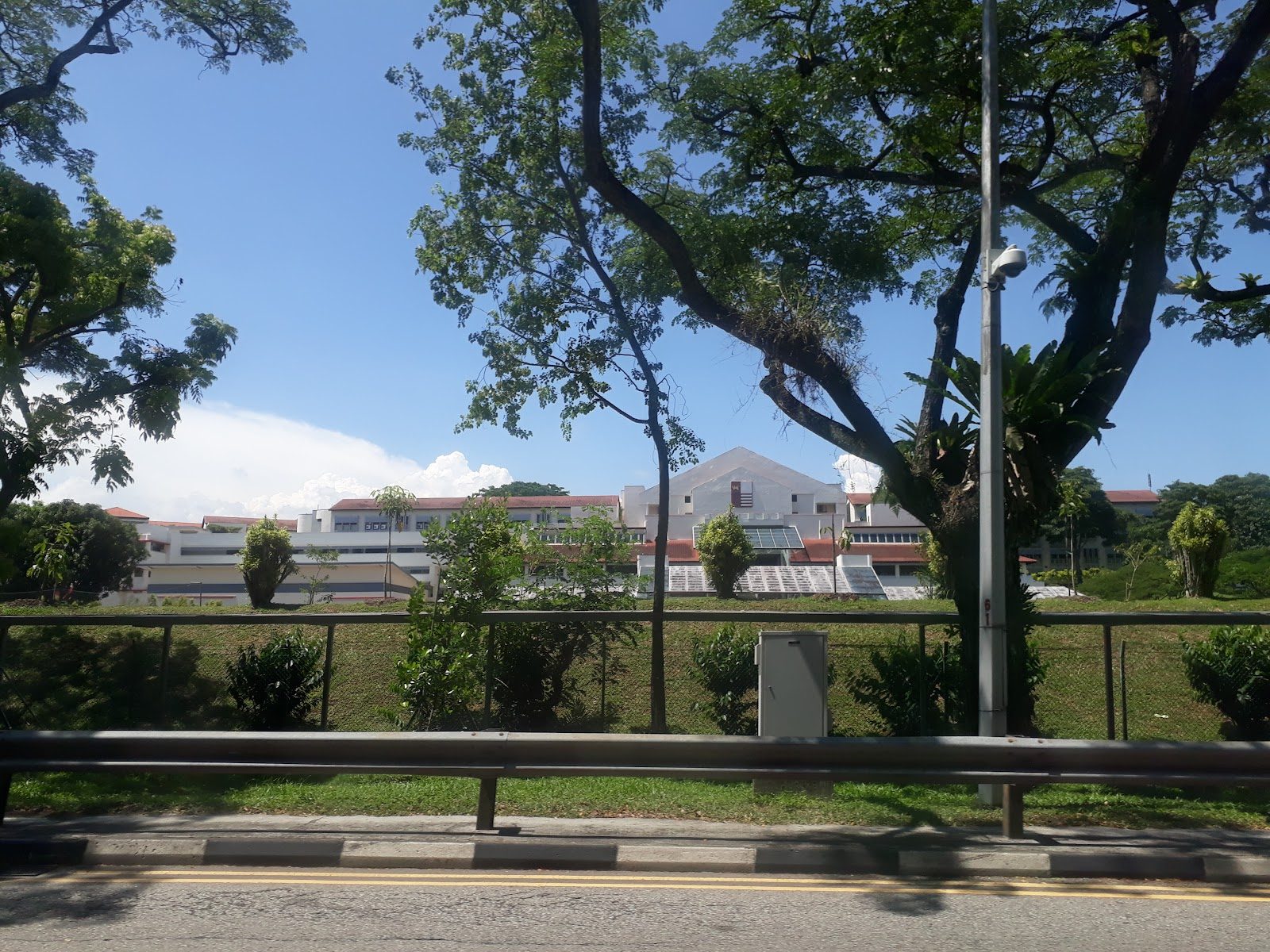
Photo © cse1217 via Google Maps
Type
Day
Ages
3–18
Curriculum
Singapore-Cambridge A-Level
Ratio
14:1
The Verdict
Editor's commitment
Right for
Families wanting Singapore’s first junior college, founded in 1969, with a six-year Integrated Programme and English-medium A-Levels.
Wrong for
Parents seeking boarding, religious formation or tiny classes: this is a non-religious day school with average class size 28.
Watch out for
The website advertises a 2026–2030 strategy and broad facilities, but publishes no aggregate A-Level results; ratio 14:1 does not mean intimate teaching.
Peer & Industry Review
How National Junior College is regarded in the sector
63
Respected · medium confidence
National Junior College holds a firmly established position among Singapore's top five junior colleges, a status confirmed by independent cut-off point rankings and reinforced by a history that predates the entire local junior college system. The National Library Board's official record notes it as "the first specialised government school to be established for the nation's top pre-university students," citing alumni including a sitting Prime Minister and Minister for Defence. Independent ranking aggregators place NJC consistently around fifth nationally on entry cut-offs, just behind Raffles Institution and Hwa Chong. However, coverage is dominated by local rankings and heritage archives rather than the specialist international-school press this guide normally relies on, since NJC is a local government school largely outside the expat admissions pipeline; peer regard among Singapore educators is solid but the school has limited third-party footprint among the international parent community specifically.
Evidence sources
Award
Elite Science & Research 58
World's Top School · The Global Ranking
National Junior College is featured on our Global Top 58 ranking at #15. This seal is available for the school's marketing team to use on their website, prospectus and social channels.
Award
Elite Computing & AI 60
World's Top School · The Global Ranking
National Junior College is featured on our Global Top 60 ranking at #27. This seal is available for the school's marketing team to use on their website, prospectus and social channels.
Award
Elite Entrepreneurship, Economics & Finance 60
World's Top School · The Global Ranking
National Junior College is featured on our Global Top 60 ranking at #21. This seal is available for the school's marketing team to use on their website, prospectus and social channels.
Editors' overview
National Junior College occupies a singular place in Singapore’s education landscape. Opened in 1969 as the country’s first junior college, it carries institutional weight that newer schools cannot copy. Its core proposition is clear: a six-year Integrated Programme alongside the Singapore-Cambridge A-Level route, all within a government day school in Bukit Timah. That matters for families who want continuity from the middle years to university entrance without the churn of repeated school transitions. The school also has a visible cultural identity beyond pure academics, with long-running attention to the arts and student leadership. The result is a school with historic first-mover status, a strong sense of continuity and serious academic intent.
What puts NJC on a shortlist is not novelty but structure. It serves ages 3–18, yet its public identity rests on the pre-university and integrated years: academically selective, civic-minded, and tied to Singapore’s established A-Level system. The published student-teacher ratio of 14:1 and average class size of 28 indicate scale with enough individual oversight to keep students closely tracked. Facilities cover the expected academic, arts and sports base, and the school’s own priorities for 2026–2030 stress citizenship, scholarship and leadership rooted in Asian values. Parents who want flamboyant branding or an international-school style experience will find NJC too grounded for that. Parents who want institutional seriousness, clear academic direction and a school that knows exactly what it is will find a compelling option.
The right student for NJC is bright, disciplined and comfortable in a demanding peer group. This is a school for pupils who want the A-Level pathway in a high-performing local environment, and for those who benefit from a longer six-year runway rather than a fragmented route through major national exams. It will also suit students with genuine commitment to the arts, public service or leadership, not just those chasing grades in isolation. Children who need heavy pastoral cushioning, constant hand-holding or a looser academic culture will find the place exacting. Students who thrive on high standards, earned prestige and purposeful ambition will feel at home.
An Elite Science & Research 58 school
National Junior College in Bukit Timah, Singapore, sits at rank fifteen because it is the country's founding junior college, and it has turned original research into a compulsory rite of passage rather than an elective add-on: its Special Programme in Inquiry and Research is a research programme compulsory for all Junior High 2 students, requiring a year-long project in Chemistry, Biology, Physics, Mathematics, Computing or Humanities that culminates in a full-length research report and a research fair. That is a rare, whole-cohort commitment to scientific inquiry inside an A-Level system built for exam throughput.
The specialism runs on the Science Training and Research (STaR) Programme, the flagship of Research@NJC, under which students conduct research together with the college's local and international science research partners, such as A*STAR and the Korea Science Academy of KAIST. Senior students can progress into the NUS-A*STAR-NJC Science Research programme, assessed by the National University of Singapore and counted as an H3 credit at A-Level, or the NTU Nanyang Research Programme, in which students undertake at least eight months of research under an NTU faculty member, culminating in a research paper and poster presentation at the annual NRP Symposium. The Young Defence Scientists Programme places students with DSTA and DSO National Laboratories, working alongside partners including CSIT, Temasek Labs, NUS, NTU and SUTD, while eight International Research Exchange Programmes across six countries send students into joint projects with schools in Japan, Australia and the United Kingdom. Work is housed in the college's Sigma Labs, built to support serious instrumentation-based science research.
This research culture converts into results: Cai Junxiang from National Junior College won a Regeneron ISEF 2024 award for developing new computer models that handle data at larger scale and identify trends more accurately, part of Singapore's record delegation performance that year. Notable science-track alumni include Tan Huay Cheem, Director and Senior Consultant Cardiologist at the National University Heart Centre and President of the Singapore Heart Foundation, reflecting the pipeline this research grounding feeds into medicine and applied science.
NJC is a day school, so boarding for overseas applicants runs through its Enhanced Boarding Programme rather than a residential norm; instruction is entirely in English under the Singapore-Cambridge A-Level system. International students pay considerably more than local citizens in monthly school fees, with places accessed via the Direct School Admission route or standard O-Level posting, and any accepted overseas applicant will need a Student's Pass processed by ICA before term starts, a process best initiated several months ahead. Families targeting NJC for a science-focused pathway should apply well before the May DSA window and confirm boarding capacity early, since foreign-student places within the boarding house are limited and sought-after.
An Elite Computing & AI 60 school
National Junior College sits in Bukit Timah, Singapore, and ranks thirty-seven on the Elite Computing & AI 60. As Singapore's first junior college, NJC anchors its computing credibility through the national informatics pipeline: in the 2021 National Olympiad in Informatics, NJC student Shen Zihan won a gold medal, competing alongside entrants from NUS High, Raffles Institution and Hwa Chong Institution in a contest run by NUS School of Computing faculty who have coached Singapore's IOI, NOI and APIO teams since 1992.
The curriculum architecture centres on H2 Computing, which covers Python programming, algorithms and data structures, computational problem-solving, object-oriented programming, database modelling, computer networks and web application development. Beyond the classroom, NJC's Science Training and Research (STaR) Programme lets students conduct projects with A*STAR and the Korea Science Academy of KAIST, while the NUS-A*STAR-NJC Science Research Programme is externally assessed by NUS and counts as an H3 credit at A-Level, with H3-STaR students working independently with A*STAR scientists over seven months before defending a thesis at viva. Honestly, NJC is not among the perennial IOI-medal factories such as NUS High or Hwa Chong, but its research-attachment infrastructure gives computing-inclined students a genuine, examinable route into university-level inquiry.
Notable alumni in computing and AI specifically are still emerging; NJC's broader alumni roster, including Prime Minister Lee Hsien Loong, skews toward politics and public service rather than technology. The clearest verified computing credential remains Shen Zihan's NOI gold medal, evidence that the school's talent pipeline can compete nationally even without a long roll of famous tech founders.
International openness is modest and structured through Singapore's system rather than a dedicated overseas-recruitment office. Foreign applicants to the Junior High years sit the AEIS or S-AEIS centralised tests, while JC-level entry is largely tied to local O-Level results via the Joint Admissions Exercise. NJC operates primarily as a day school, though its Enhanced Boarding Programme, built in 2009, does house a cohort of students including some foreign nationals. Instruction is entirely in English. Citizens pay nominal fees; Permanent Residents and international students pay substantially more, with non-ASEAN international fees running into the low thousands of Singapore dollars monthly. Families should treat NJC as a strong-but-selective local option requiring one to two years of lead time through AEIS rather than a turnkey international boarding school.
Academic Performance
National Junior College sits in Singapore’s elite academic tier. The clearest public signal is admissions selectivity: Wikipedia places it among the country’s top 5 junior colleges by minimum entry cut-off points. That is not an exam result in itself, but in Singapore it is a hard proxy for cohort strength and peer calibre. Families should read NJC as a school that recruits high attainers and expects them to hold pace in a serious, competitive environment. The six-year route also matters academically: it gives stronger students a longer runway before the final A-Level examinations, with fewer disruptive transitions than the standard path.
What NJC does not publish is aggregate A-Level performance in the form international parents usually want: no public headline pass rate, no subject-by-subject score table, no average rank points in the public domain. That opacity limits clean comparison with peers. Even so, the school’s standing in the local hierarchy is clear. It belongs in the group parents discuss when they want a high-pressure, prestige-conscious government college with strong university intent. The academic proposition is not remedial support or broad accessibility; it is stretch, selection and sustained performance among able students. For families who want hard-edged academic company and can live without glossy outcome reporting, NJC holds its ground.
Facilities
NJC’s facilities cover the core brief for a high-performing government college without drifting into lifestyle spectacle. The school itself points to science labs, arts spaces, sports halls and social areas; that is the right mix for a campus serving academically selective students with serious co-curricular demands. The mention of dedicated arts spaces matters more here than it would at many peers, because NJC’s identity has long included a stronger arts current than the standard exam-factory stereotype. Families should expect a campus built for work, rehearsal and training, not one designed to impress on an admissions tour. In Singapore terms, that puts NJC in the well-equipped but unsentimental bracket: stronger than bare-minimum state provision, less architecturally theatrical than premium international schools.
Against local peers, that profile is solid rather than exceptional. Top junior colleges in Singapore tend to offer competent science, sports and performance infrastructure as a baseline; NJC meets that standard and adds credible breadth across academic and non-academic use. What it does not publish is the level of detail that would let parents judge the estate more sharply: no room counts, no specialist equipment list, no performing arts venue specifications, no athletics inventory in the public domain. That limits scrutiny. Still, the campus reads as fit for purpose for a selective day school with an active student body, and the inclusion of social areas is a useful counterweight to what can otherwise be a hard-driving academic culture.
National Junior College occupies a singular place in Singapore’s education landscape
Prestige
National Junior College carries real domestic prestige because it occupies a rare place in Singapore’s state system: historically important, academically selective and still treated as a destination for high-attaining students rather than a fallback. The strongest public indicator is admissions hierarchy. A college placed among the country’s top 5 by minimum entry cut-off points sits in the uppermost bracket of parental and student regard. That matters in Singapore, where selectivity is read with cold clarity. NJC also benefits from institutional memory and name recognition that extend beyond a single strong cohort. Its alumni network, parent support structure and visible emphasis on scholarship, leadership and service reinforce a reputation built over decades, not manufactured by branding.
This is not prestige in the international-school sense of lavish global marketing or polished university-placement theatre. It is earned prestige, rooted in the local education establishment and sustained by a hard-edged academic culture. For the right family, that distinction matters. NJC signals intellectual seriousness, disciplined peer company and access to a school name that carries weight within Singapore. The limits are clear too. The school does not publish the kind of outcome data that would strengthen its case with forensic international parents, and its prestige is more local than global in character. Even so, within Singapore’s mainstream academic ladder, NJC remains a formidable name with genuine institutional standing.
National Junior College sits in Singapore’s elite academic tier
Communications
National Junior College’s parent communications have a clear institutional backbone. The website is orderly, current and functional, with dedicated sections for admissions, curriculum, contact, facilities, alumni and the parent support group PAACT. The school also timestamps core pages; the main About section carries a recent update date, which matters because many state-school sites lapse into neglect. That basic discipline counts for a lot. Parents can identify who the school is, what it values and where to look next without fighting through slogan-heavy clutter. PAACT also gives communication a practical channel beyond one-way announcements: workshops, talks and shared resources indicate an organised effort to keep parents inside the conversation rather than parked at the perimeter. For a selective government school with an average class size of 28 and a student-teacher ratio of 14:1, that structured, workmanlike approach fits the institution.
The limits are also clear. NJC communicates institutional priorities better than it communicates outcomes. Parents get mission, strategy and community pathways, but not the forensic academic reporting that hard-nosed families want: no aggregate A-Level data, no deep public breakdowns of performance, and little that gives outsiders a sharp read on day-to-day school life beyond curated reflections and official pages. That makes the communications competent but controlled. They do the essentials, but they do not invite much scrutiny. For existing families, that is enough. For international parents comparing multiple schools at arm’s length, it is less transparent than the strongest operators and more formal than warm.
Uniqueness
What marks NJC out is not novelty but origin and continuity. It was the country’s first junior college, and that still matters because the school has had decades to define a model others later copied or adapted. More important for students, NJC does not stop at the conventional pre-university brief: it also runs a 6-year Integrated Programme, giving able pupils a long internal runway instead of forcing another high-stakes institutional reset midway through adolescence. That structure changes the student experience. It allows stronger sequencing of academic stretch, co-curricular depth and leadership development across the middle and senior years, rather than cramming each phase into a separate school culture. For the right child, that produces a more coherent, high-trust and demanding education.
NJC also has a distinctive cultural shape within Singapore’s selective government sector. Its public identity is not built on grades alone. The school pairs scholarship and leadership with an established arts current, and that combination gives it a broader centre of gravity than the standard results machine. Students gain from that in practical ways: more room for serious artistic work without stepping outside a fiercely academic environment, and more expectation that able pupils will contribute to the institution rather than merely pass through it. The result is a school with historic authority, a long memory and a stronger sense of inherited purpose than many younger competitors.
National Junior College’s parent communications have a clear institutional backbone
Student Profile
The students who fit NJC best are academically strong, self-directed and comfortable with pressure from both teachers and peers. This is a selective local environment with an average class size of 28 and a staffing ratio of 14:1, so pupils are known, tracked and expected to keep up. The social centre of gravity sits with students who take school seriously: disciplined workers, confident classroom contributors, committed CCA participants and young people willing to carry leadership duties without theatrical fuss. The school’s own emphasis on scholarship, citizenship and service also points to a cohort shaped less by individual display than by institutional loyalty, earned competence and a high-expectation view of what school is for.
The best fit is not only the straight-line grade chaser. NJC also suits students with real commitment to the arts, public service or campus contribution, provided they can sustain strong academic performance alongside it. Children who need constant reassurance, loose structures or a softer peer culture will find the place demanding and not for the faint-hearted. Socially, it will suit pupils who can hold their own among able, ambitious classmates without needing to dominate the room. Families looking for a serious-minded, locally rooted student body with clear standards will find that here. Families wanting a more relaxed atmosphere, lighter competition or heavy pastoral cushioning should look elsewhere.
Against local peers, that profile is solid rather than exceptional
Co-curricular strengths
Arts & sport, on a separate axis
Overall 8.56/10
Scored 0-10 from the school's own published evidence. This axis is editorial-only — it does not feed the main WTS ranking.
Sports
8/10
Drama
8/10
Dance
8.8/10
Music
9/10
Visual Arts
9/10
WTS 300 badge
National Junior College is one of the World's Top 300 Schools. Claim your listing to add it to your site →
Strengths
- +National Junior College was the first government junior college established in Singapore, opening in 1969 and officially inaugurated by Prime Minister Lee Kuan Yew in 1970.
- +It sits among the most selective junior colleges nationally, with 2026 JAE cut-off aggregates of 6 (Science) and 8 (Arts), reflecting strong entry demand and academic peer group.
- +The college has produced a notable roster of alumni in public life, including former Prime Minister Lee Hsien Loong and several cabinet ministers such as Gan Kim Yong.
- +Beyond the standard two-year A-Level route, NJC operates a six-year Integrated Programme (since 2009) that lets students bypass O-Levels, offering a longer, less exam-fragmented pathway.
- +For Singapore Citizens, government school fees are heavily subsidised, with monthly fees historically set around S$33 inclusive of miscellaneous charges.
Considerations
- −Entry is almost entirely via the Singapore O-Level (JAE) aggregate score system, which is unfamiliar to most expatriate families and disadvantages students without a local secondary schooling history.
- −As a mainstream government day school it offers only the Singapore-Cambridge A-Level track, not the International Baccalaureate, limiting curriculum choice for internationally mobile families.
- −Fees for non-citizens are markedly higher than for Singapore Citizens, with Permanent Resident and international student rates running into several hundred to almost two thousand dollars a month.
- −Sitting among the most academically selective JCs in the country means a high-pressure, exam-focused culture that may not suit every learning temperament.
Availability
Primary entry gate & tests
O-Level / DSA Track (JC Only)
Gallery
Photo © Derek Q via Google Maps
Photo © chuttersnap via Google Maps
Photo © Benson Kong 龚耀鸿 via Google Maps
Photo © Benson Kong 龚耀鸿 via Google Maps
Photo © Noel Bautista via Google Maps
Photo © Benson Kong 龚耀鸿 via Google Maps
Photo © Benson Kong 龚耀鸿 via Google Maps
Photo © See Ming Jie via Google Maps
Photo © Vrind Patel via Google Maps
Parent reviews
Have you sent your child here?
Voice reviews carry the strongest trust badge — we transcribe them for you to tidy up before they go live. Prefer to type? A written review is fine too.
Add your voice
In 60 seconds, tell other parents: what's the best thing about National Junior College, and what surprised you when your child joined?
We ask for a Google sign-in so every review has a real face behind it — no anonymous drive-by attacks on schools, and no faked positive reviews. Your email is never shown publicly.
Send this profile to a friend
International parents rely on word-of-mouth. Share this review with someone weighing the same decision.
Schools with places
Similar schools to National Junior College with places available now.
Singapore American School
Singapore · Singapore
- 2026-27
- WAITPOOLGrade-specific / Waitpools
- 2027-28
- PLACES OPENRolling
Overseas Family School
Singapore · Singapore
- 2026-27
- WAITPOOLSpace-dependent
- 2027-28
- PLACES OPENRolling
Chatsworth International School
Singapore · Singapore
- 2026-27
- WAITPOOLSpace-dependent
- 2027-28
- FUTURE CYCLERolling claim not independently verified for 2027/28
Availability first, then country, area, curriculum, price, co-curricular
Consider also
Also worth looking at alongside National Junior College.
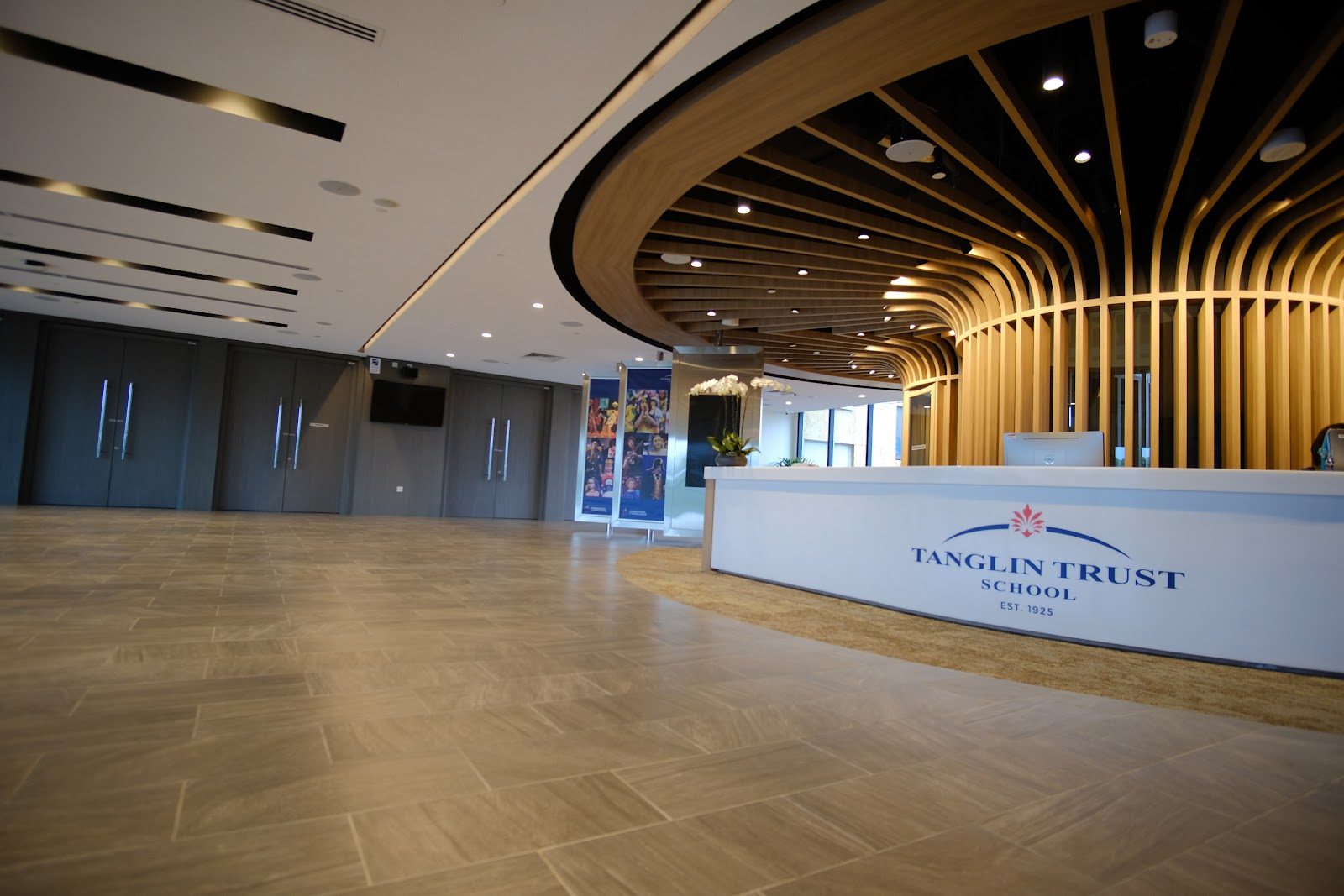
Tanglin Trust School
Singapore · Singapore
Southeast Asia's oldest British school pairs IB with A-Levels, then sends every Year 9 to the Australian bush for five weeks.

Singapore American School
Singapore · Singapore
A 36-acre Woodlands campus with a rainforest classroom and AP breadth, run on an American blueprint with IB rigor at the edges
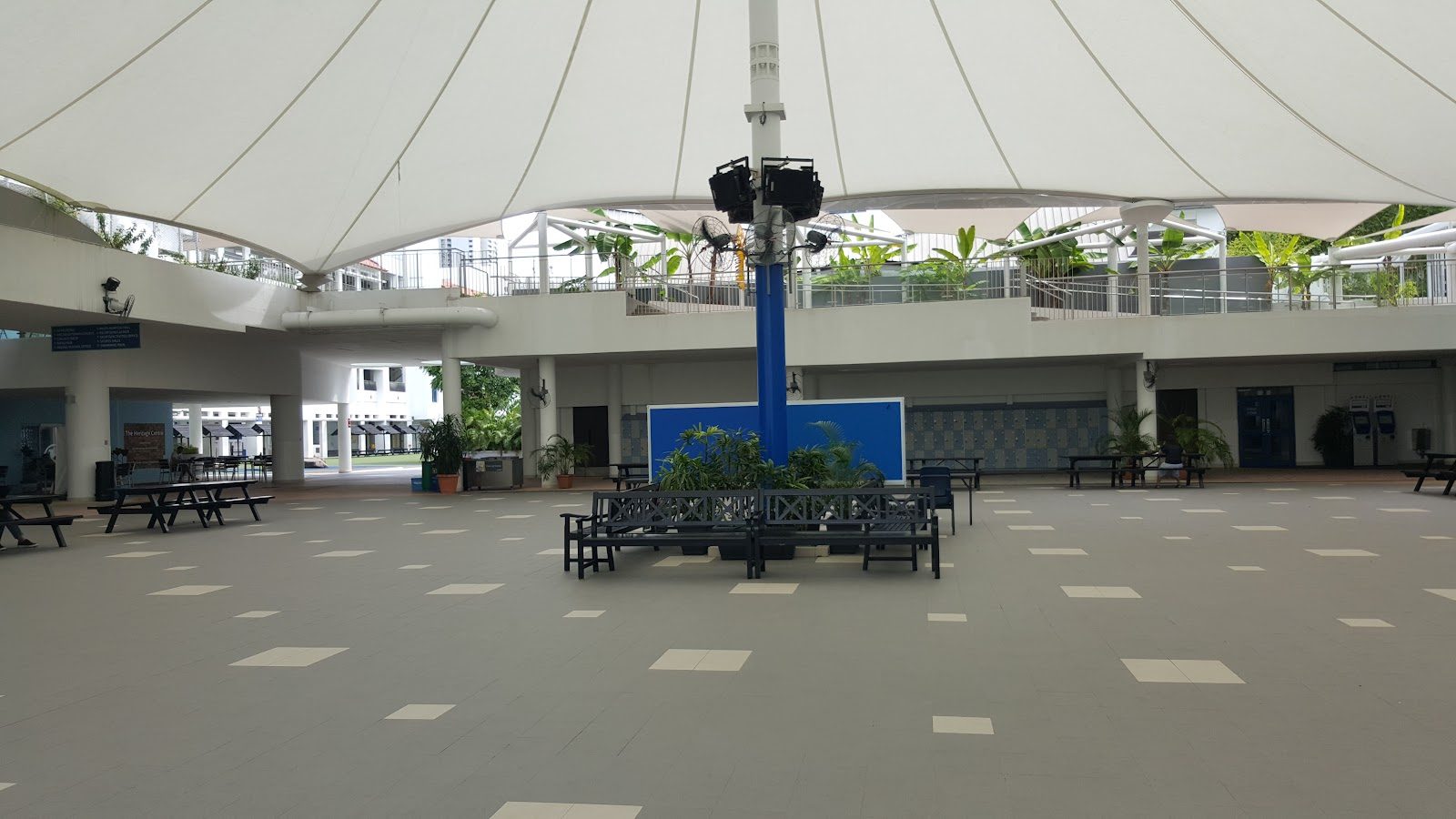
United World College of South East Asia
Singapore · Singapore
Across two Singapore campuses, service learning anchors an IB path capped by a rare Systems Transformation course for change leadership.
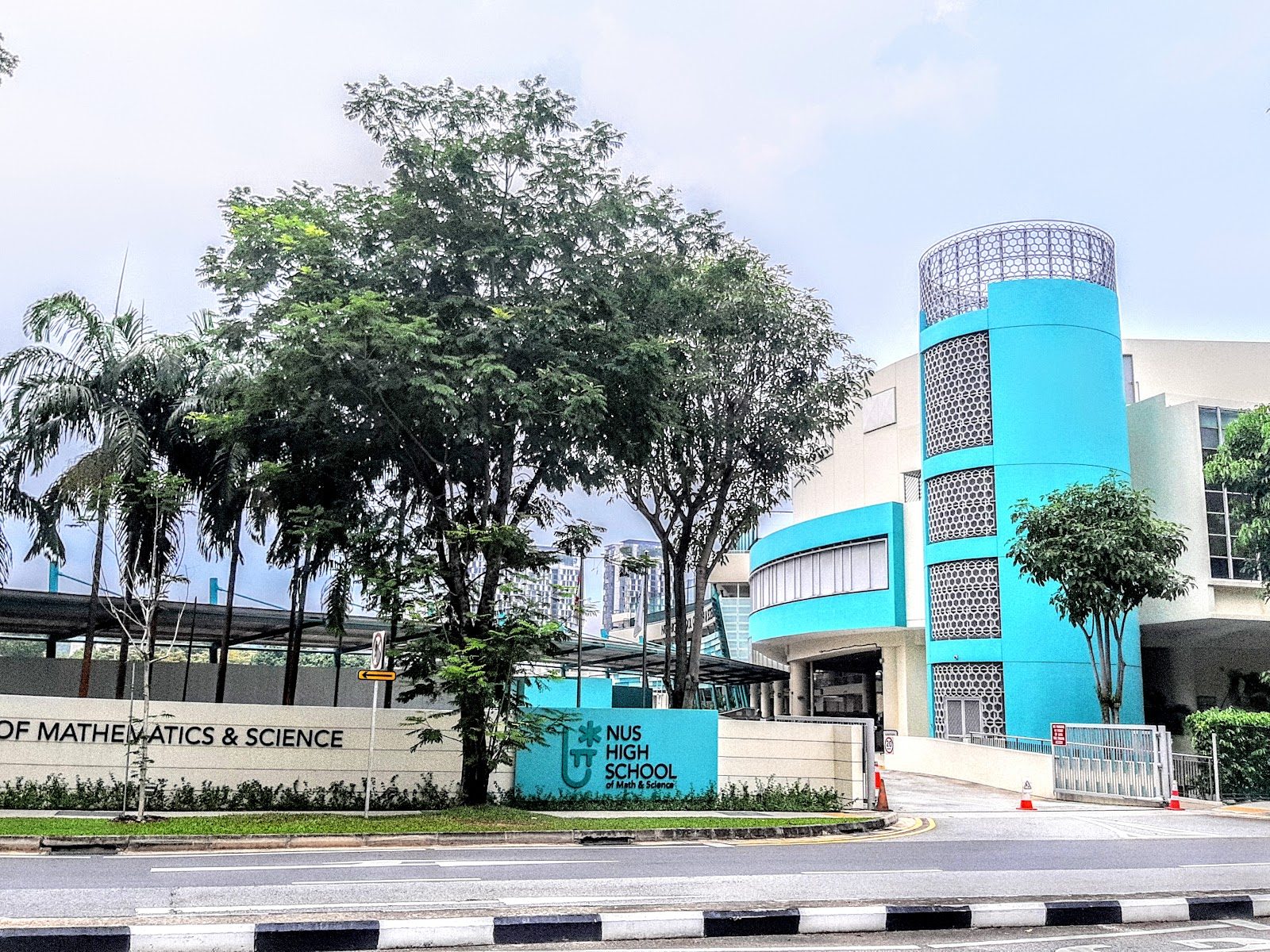
NUS High School of Math and Science
Singapore · Singapore
Six years, no O-levels, no A-levels -- just a bespoke diploma built around university-level math and science modules.
Same country and curriculum — closest matches within ±10 points either way