
Florida
The HARID Conservatory
Tuition-free, audition-only ballet conservatory where teenage dancers train full days for professional company careers
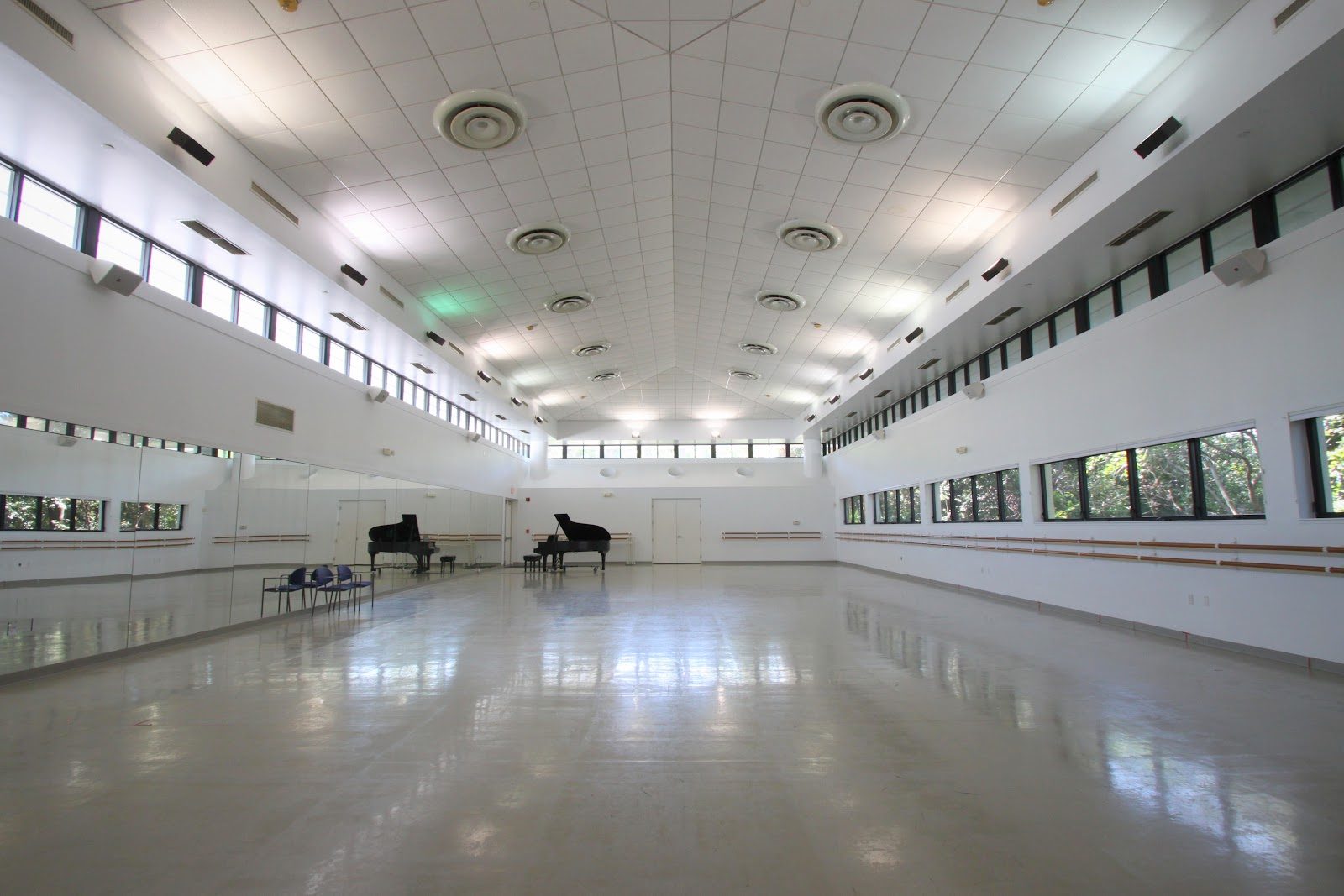
Photo © David Silverman via Google Maps
Type
Boarding + Day
Ages
14–18
Curriculum
US High School Diploma
Ratio
—
The Verdict
Editor's commitment
Right for
Serious 14–18 dancers who want full-time ballet training, a US High School Diploma, and NASD-accredited study in Boca Raton.
Wrong for
Students who want a broad sixth-form menu, mainstream school life, or anonymity; this boarding-and-day conservatory runs on audition-only selection.
Watch out for
Average class size is 10, tuition is free, and the mission is narrow: this school trains teenagers for professional company careers.
Ranking breakdown
The HARID Conservatory · #1272 of 1591
Composite score 56.4. 8 weighted criteria.
By criterion
Academic Outcomes
Weight 20%
#1505
of 1529 scored
University Placement
Weight 16%
#1525
of 1529 scored
Prestige & Heritage
Weight 12%
#734
of 1571 scored
Alumni Network
Weight 12%
#900
of 1530 scored
Facilities
Weight 12%
#193
of 1533 scored
Transparency & Communications
Weight 8%
#1326
of 1532 scored
Peer & Industry Review
Weight 10%
#17
of 1548 scored
Admissions Selectivity & Demand
Weight 8%
#11
of 1529 scored
Peer & Industry Review
How The HARID Conservatory is regarded in the sector
86
Strong · medium confidence
HARID's standing is defined less by mainstream league tables than by its niche position in pre-professional ballet training. As a small, tuition-free conservatory serving roughly 40-50 students, it is not tracked by UK-oriented guides such as WhichSchoolAdvisor or the Good Schools Guide, and it does not appear in US News-style academic rankings, since its curriculum is subordinate to daily ballet technique training. Its reputation circulates instead within dance-industry circles: alongside peers like the Kirov Academy of Ballet, Ellison Ballet, and the Rock School, HARID is regarded as one of a handful of serious American pre-professional pipelines, judged by placement of graduates into company apprenticeships and by student results at competitions such as Youth America Grand Prix and Prix de Lausanne. Coverage is largely confined to dance-press and alumni profiles rather than education journalism or national newspaper features. This makes peer regard strong but narrow-vertical: highly credible among ballet directors and conservatory faculty, but essentially invisible to general secondary-school comparison frameworks.
Award
Elite Dance 50
World's Top School · The Global Ranking
The HARID Conservatory is featured on our Global Top 50 ranking at #25. This seal is available for the school's marketing team to use on their website, prospectus and social channels.
- Sara Mearns — Principal Dancer, New York City Ballet
- Isabella Boylston — Principal Dancer, American Ballet Theatre
- Devon Teuscher — Principal Dancer, American Ballet Theatre
Editors' overview
The HARID Conservatory occupies a narrow slice of the market and does not pretend otherwise. This is a tuition-free, audition-only ballet school for teenagers who want a professional dance career and are ready to organise their education around that goal. The offer is stark and unusual: a US high school diploma alongside full-day conservatory ballet training, in English, with boarding and day options for ages 14 to 18. Average class size sits at 10, which matters here; ballet training at this level depends on correction, repetition and scrutiny, not scale. NASD accreditation gives the school proper sector standing, but the real differentiator is focus. HARID is not a broad liberal arts boarding school with a strong dance department. It is a specialist conservatory with academics built to support the art form.
That specialism is exactly why it belongs on a shortlist for the right family. Few schools ask teenagers to commit this early and this completely. HARID does. For a serious dancer, that intensity is the point: serious vocational training, daily technical discipline, professional-grade correction and a peer group that has made the same choice. The tuition-free model also shifts its market position. This is not a luxury boarding school selling lifestyle; it is a merit-gated institution built around talent, potential and stamina. Parents weighing elite pre-professional pathways will notice the difference at once. The school’s age range, 14–18, reinforces that this is a late-secondary decision for students already on a defined trajectory, not children trying ballet for the first time.
The student who will want HARID is not just talented. They are single-minded, resilient and comfortable with a day shaped by physical demands, artistic judgement and exacting standards. They need to want ballet as a profession, not as an impressive extracurricular. They also need to accept the trade-off. A specialist conservatory narrows the school experience by design: less breadth, more immersion; fewer casual options, more consequence. For families who want expansive subject choice, conventional school rhythms and sport-filled campus life, HARID is the wrong fit. For families seeking a direct route into the profession and a school built around the hard fact of elite dance training, it stands out fast and clearly.
A Global Elite 50 Dance school
The HARID Conservatory sits in Band 21-31 of our Global Elite 50 Dance Schools 2026, with A- confidence, because it meets the standard for inclusion within the Global Elite 50 — public evidence supports its elite professional-conversion status, but does not currently allow a definitive one-place distinction against its band peers.
The Global Elite 50 Dance Schools methodology is deliberately aggressive: half of the 100 available points are directly tied to professional conversion between 2016 and 2026 — main-company contracts, elite junior-company positions, apprenticeships and second companies. Beautiful campuses, historic alumni and impressive facilities cannot compensate for weak contemporary professional conversion, and are not scored independently.
Its evidence-confidence grade is deliberately separate from the ranking position: a lower grade reflects less public disclosure, not weaker performance. Where the school moves substantially better cohort data into the public domain in future audit cycles, the position — but not the underlying professional-conversion reality — may be revised.
Its unusually transparent public alumni record allowed us to reconstruct 84 graduates across 2016-2026. Around two-thirds can be positively identified as moving immediately into qualifying professional or professional-transition destinations. Its transparency strengthens our confidence in the result; it does not artificially increase its ranking.
International openness is a defining feature. Boarding or residential arrangements are standard, and overseas dancers apply on a rolling international audition + video pre-screen basis without residency, federation or citizenship gates. Student visas are handled by the school or its host-family partner. This is one of the internationally-open pipelines on the Global Elite 50 Dance Schools list that a relocating family can consider directly. Prospective families are advised to begin overseas application conversations early in the calendar year, with detailed audition and boarding logistics arranged 12-18 months ahead of the intended entry point. Prospective families are advised to begin overseas application conversations early in the calendar year, with detailed audition and boarding logistics arranged 12-18 months ahead of the intended entry point.
Academic Performance
HARID does not publish the exam data that would let parents judge academic performance against strong college-preparatory schools. We have not seen aggregate SAT or ACT results, AP participation or score profiles, grade distributions, university matriculation lists, or any year-on-year external benchmarking. That makes academic comparison frustratingly opaque. For a specialist conservatory, that omission matters less than it would at a conventional academic boarding school, but it still limits scrutiny. Families are being asked to trust a highly specialised model without the public outcome data that would test its academic ceiling.
Relative to peers, HARID sits in a different lane from broad independent schools that advertise long subject menus and polished exam statistics. Its academic programme exists alongside an all-consuming professional training schedule, and that trade-off needs no euphemism. The relevant comparator group is not the standard US college-prep market; it is elite performing-arts schools where academic provision must be credible, efficient and compatible with heavy rehearsal loads. HARID’s very small classes — 10 on average — support that structure, and the school’s conservatory focus gives it a clear vocational logic. Still, without published external results, no serious editor can place it among academically top-performing schools. On academics alone, HARID remains an outcomes-light proposition; on vocational intent, the picture is much stronger.
Facilities
For HARID, the core facilities are not sprawling in the way families see at big American boarding schools with theatres, boathouses and acres of athletics. The critical estate sits where it should: studios, performance and rehearsal space, and the academic rooms needed to keep a demanding school day functioning around a conservatory schedule. That is the right hierarchy for a ballet school. Parents should care less about breadth and more about whether dancers have enough studio access, proper sprung floors, disciplined rehearsal conditions and the infrastructure for injury-conscious training. On that measure, specialist peers live or die by the quality and availability of dance spaces. HARID’s public identity rests on that single-track vocational purpose, not on a luxury campus arms race.
Against peer pre-professional ballet schools, that focus reads as serious and credible. Against mainstream independent schools, the offer is plainly narrower. Families will not find the facilities list of a full-spectrum college-prep boarding school with multiple sports complexes, maker labs and expansive arts centres serving every discipline. They are choosing functional specialism over variety. That trade-off is neither flaw nor flourish; it is the whole proposition. The school’s small classes — 10 on average — also matter to facilities in practice, because specialist spaces do not need to absorb mass participation to stay effective. What HARID does not publish is a detailed public inventory of its technical assets, so scrutiny stops short of the standard set by schools that document every studio, theatre and support space.
The HARID Conservatory occupies a narrow slice of the market and does not pretend otherwise
Prestige
HARID carries real prestige, but it is specialist prestige, not the broad social prestige of an old-name boarding school or a headline-grabbing academic powerhouse. In ballet circles, a place at an audition-only conservatory that charges no tuition has weight. Scarcity matters. So does the fact that students organise their secondary education around professional training rather than fit dance around school. That creates a reputation for seriousness, selection and attrition. Families in the dance world will recognise the signal at once: this is a school for teenagers already inside a high-stakes vocational pipeline. Outside that world, the name carries less automatic recognition, and parents need to understand that distinction.
That is why the school rates strongly for prestige within its niche and only modestly beyond it. HARID’s authority rests on the demands of the training, the narrowness of the intake, and the refusal to operate as a conventional all-round independent school. The average class size of 10 also reinforces the image of intensive correction and professional scrutiny, which matters in a conservatory context. What it does not offer is the kind of public academic outcome data or mass-market brand visibility that drives wider prestige in international education. In plain terms: for a serious young dancer, HARID has genuine cachet; for families chasing a famous all-purpose school name, it does not.
Still, without published external results, no serious editor can place it among academically top-performing schools
Communications
HARID’s parent communication sits in a difficult category: the school is training adolescents for an exacting profession, so families need clear, disciplined contact about health, scheduling, performances, travel, supervision and academic continuity. That raises the bar. The public-facing communication does the essentials cleanly enough. The website explains the school’s core purpose, admissions route and residential structure without brochure fog, and the school does not bury the central fact that this is a serious vocational commitment. That directness counts in its favour. A family can understand the institution’s terms quickly. What is thinner is the deeper layer of operational transparency. We have not seen much publicly available detail on parent portals, reporting rhythms, academic progress updates, pastoral communication lines, or how families are briefed when training demands collide with ordinary school expectations.
That leaves the verdict at competent but narrow. HARID communicates its mission with bracing clarity; it communicates the lived mechanics of school life less fully in public than the best boarding and specialist schools do. For some parents, that will be enough: they are buying into a conservatory culture, not a concierge relationship. For others, the lack of visible detail will feel too opaque, because elite dance training brings injury risk, fatigue, performance pressure and intense timetable management. In a school of this kind, communication needs to be tight, unsentimental and routine, not warm words after the fact. HARID earns credit for candour about what it is. It earns less for published evidence of how it keeps parents closely informed once a child is inside the machine.
Uniqueness
HARID is unusual because it strips the proposition down to one thing and builds the entire school around it. This is not a conventional secondary school with a conservatory attached, nor a broad arts school trying to serve every discipline. It is a single-purpose institution for dancers who have already chosen their lane. The combination of tuition-free entry and audition-only selection changes the social and educational dynamic at once: admission turns on talent, readiness and work capacity, not family spending power. That gives students a peer group shaped by the same hard filter and the same professional aim. For the right teenager, that is rarely diluted focus. For the wrong one, it is far too narrow.
What students gain is intensity, clarity and early immersion in the norms of a profession that does not reward vagueness. Days are organised around the demands of classical ballet, and that creates habits that many general schools cannot reproduce: physical discipline, receptiveness to correction, stamina under scrutiny and a working understanding that progress depends on repetition, not praise. The school’s age band matters here too. At 14–18, students enter at the point where serious vocational decisions start to carry real consequence. HARID gives them a direct, uncompromising route into that world, with academic study kept in place rather than abandoned. That is its distinction: professional formation during the school years, not dance as enrichment after lessons.
Average class size sits at 10, which matters here; ballet training at this level depends on correction, repetition and scrutiny, not scale
Student Profile
The student who fits HARID has already moved past “I love dance” and into “I am building a profession.” This is a place for teenagers with advanced classical technique, strong physical literacy and the stamina to accept constant correction without drama. They need drive, pain tolerance, self-management and a clean relationship with discipline. Vanity will not get them far here. Nor will the child who wants school to feel expansive, social-first or forgiving. HARID suits the dancer who can live with repetition, scrutiny and a timetable dominated by one pursuit. The age range — 14–18 — also sharpens the point: this is for students making a serious late-secondary commitment, not dabbling in an elite extracurricular. The average class size of 10 reinforces that reality. There is nowhere to hide in a room that small.
The right student is also academically competent enough to keep schoolwork in order while training absorbs the centre of the day. That does not require a polymath; it requires focus, organisation and the ability to switch gears fast. Socially, the best fit is a young person comfortable in an environment shaped by ambition and comparison, where peers are not casual hobbyists but direct competitors for roles, contracts and progression. That can be electrifying for the right dancer and crushing for the wrong one. Students who thrive here will be single-purpose, thick-skinned and not remotely romantic about the work. Families looking for breadth, softness or a conventional adolescent school experience need to look elsewhere.
NASD accreditation gives the school proper sector standing, but the real differentiator is focus
Co-curricular strengths
Arts & sport, on a separate axis
Overall 5.04/10
Scored 0-10 from the school's own published evidence. This axis is editorial-only — it does not feed the main WTS ranking.
Sports
4/10
Drama
4/10
Dance
9.2/10
Music
4/10
Visual Arts
4/10
Strengths
- +Pre-professional ballet training is offered alongside an accredited academic program, allowing serious dancers to complete a US high school diploma without sacrificing daily studio hours.
- +Dance training has historically been tuition-free or heavily subsidised through the Adolph and Ruth Duchin Foundation, reducing the direct cost barrier for admitted students.
- +Boarding facilities allow students from outside South Florida to relocate for full-time training, making the school genuinely international in reach.
- +Small student body means low student-to-faculty ratios in both studio and classroom settings.
- +Graduates have gone on to dance with recognised regional and national ballet companies, reflecting a credible pre-professional pipeline.
Considerations
- −Curriculum is almost entirely built around ballet training; it is not a fit for students seeking a broad academic, arts-mixed, or non-dance pathway.
- −Admission is audition-based and highly selective on physical and technical criteria, not academic profile alone, which excludes many otherwise strong students.
- −Very small school size limits extracurricular variety, elective breadth, and social diversity compared with a conventional international school.
- −The intense daily training schedule leaves little room for students who want a lighter academic-arts balance or a fallback if they are not selected for company placement.
Gallery
Photo © David Silverman via Google Maps
Photo © David Silverman via Google Maps
Photo © David Silverman via Google Maps
Photo © David Silverman via Google Maps
Photo © David Silverman via Google Maps
Photo © David Silverman via Google Maps
Photo © David Silverman via Google Maps
Parent reviews
Have you sent your child here?
Voice reviews carry the strongest trust badge — we transcribe them for you to tidy up before they go live. Prefer to type? A written review is fine too.
Add your voice
In 60 seconds, tell other parents: what's the best thing about The HARID Conservatory, and what surprised you when your child joined?
We ask for a Google sign-in so every review has a real face behind it — no anonymous drive-by attacks on schools, and no faked positive reviews. Your email is never shown publicly.
Send this profile to a friend
International parents rely on word-of-mouth. Share this review with someone weighing the same decision.
Schools with places
Similar schools to The HARID Conservatory with places available now.
Pine Crest School
Fort Lauderdale · United States
- 2026-27
- CLOSEDRegular cycle closed
- 2027-28
- OPENS SOONOpens Sept '26
Ransom Everglades School
Miami · United States
- 2026-27
- CLOSEDRegular cycle closed
- 2027-28
- OPENS SOONOpens Sept '26
Availability first, then country, area, curriculum, price, co-curricular
Consider also
Also worth looking at alongside The HARID Conservatory.
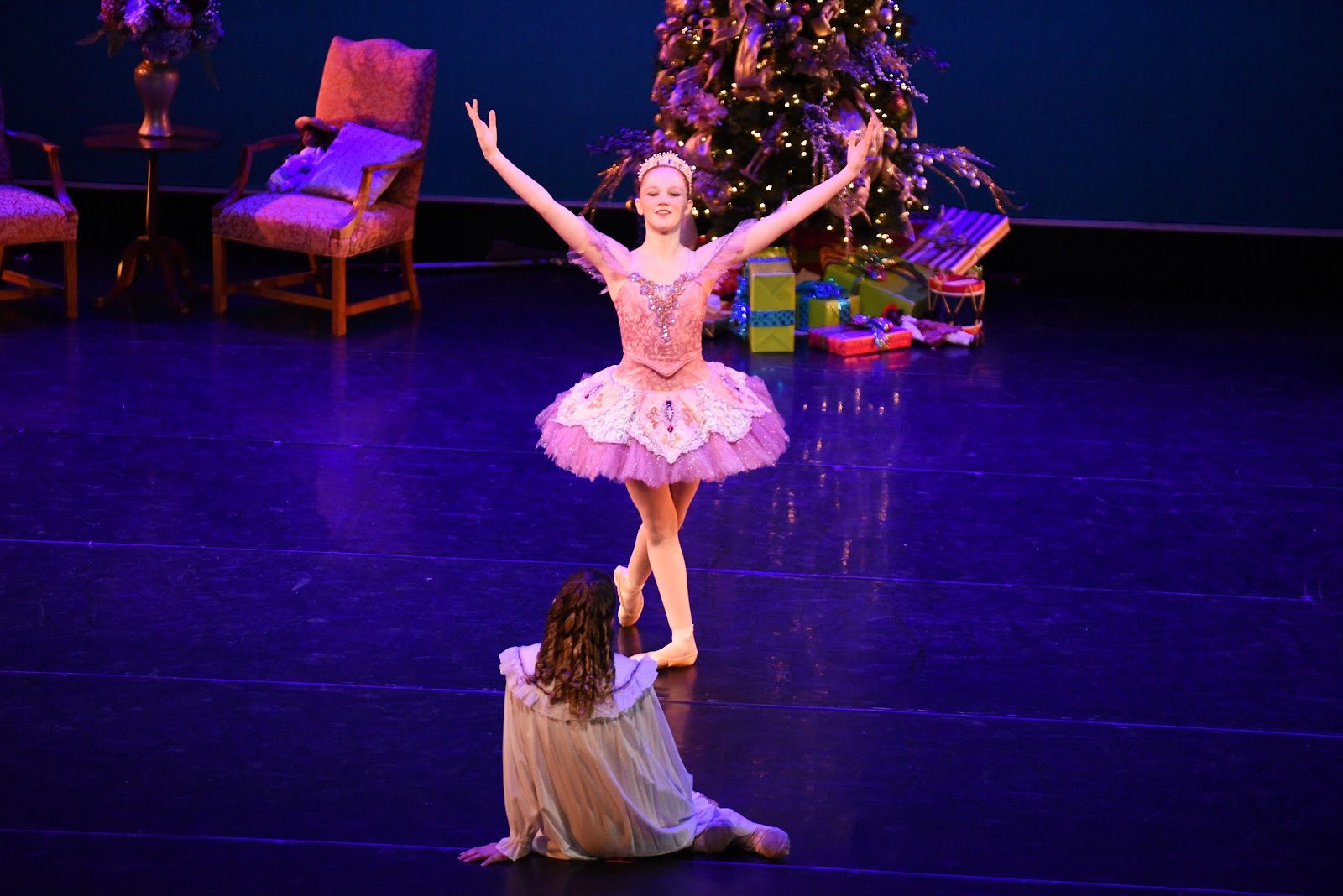
UNCSA School of Dance, High School
Winston-Salem, NC · United States
At the nation's first public arts conservatory, teenage dancers train daily alongside college company members bound for professional stages.
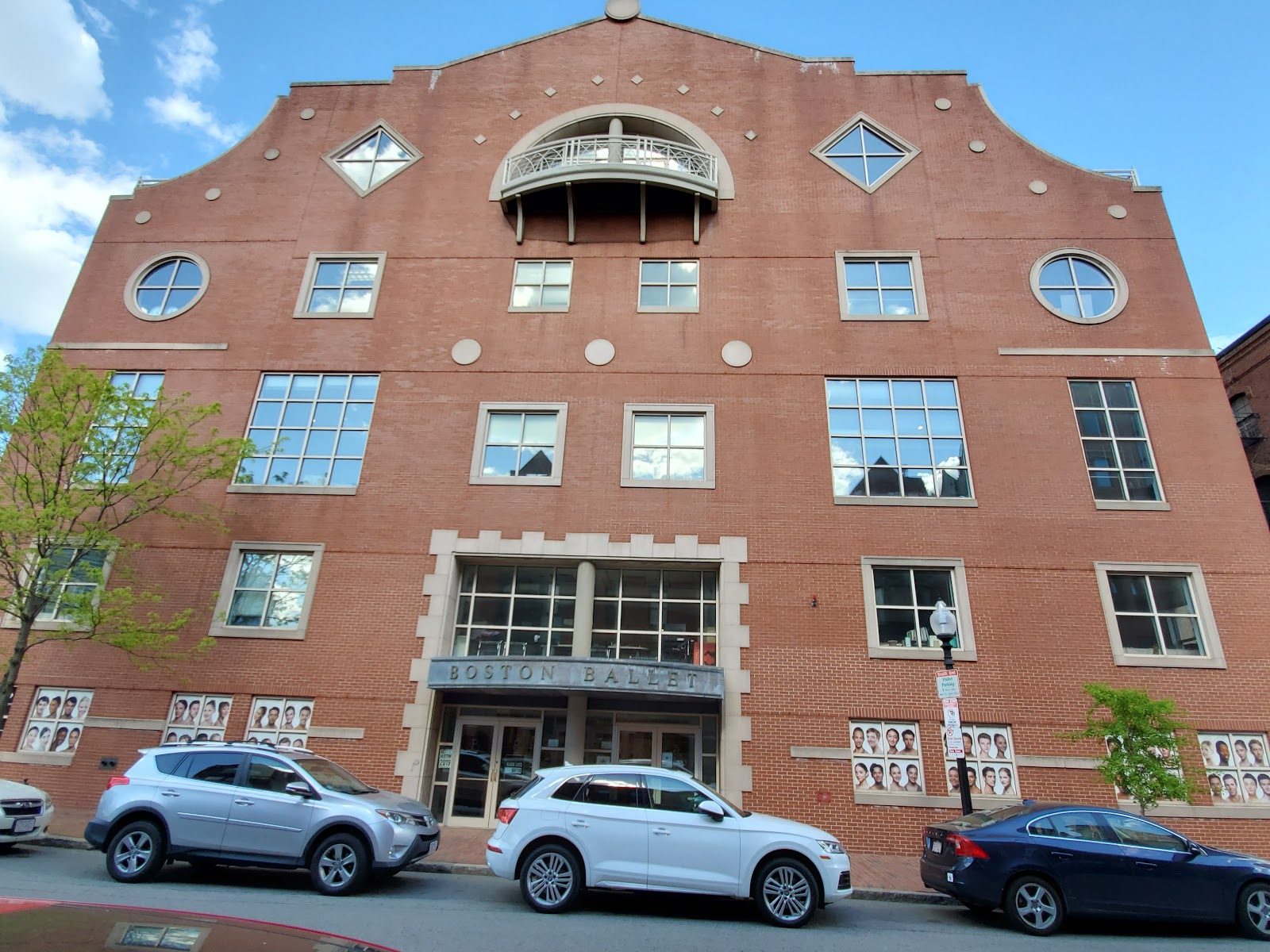
Boston Ballet School Professional Division (Walnut Hill Partnership)
Boston / Natick, MA · United States
A Natick boarding campus where company-level pointe work shares the daily timetable with a full college-prep diploma

Houston Ballet Academy
Houston, TX · United States
Inside America's largest professional dance facility, Vaganova-rooted training pipelines students straight into Houston Ballet's company.
Miami City Ballet School
Miami Beach, FL · United States
Where Balanchine technique meets professional stagecraft, training young dancers inside a working ballet company on Miami Beach
Same specialism, country and curriculum — closest matches within ±10 points either way