
Baden-Württemberg
Heidelberg International School
medium confidence· 4/6 cats · 2.8 avg sourcesA historic Heidelberg villa now hosts the Primary Years, Middle Years and Diploma Programmes for the Rhine-Neckar region.
Photo © H.I.S. Heidelberg International School gGmbH via Google Maps
Type
Day
Ages
3–18
Curriculum
IB
Ratio
—
The Verdict
Editor's commitment
Right for
International families in Heidelberg wanting an English-medium IB World School for ages 3–18, with PYP, MYP and Diploma under one roof.
Wrong for
Parents who want scale, anonymity or broad subject depth; this is a single-stream school of 250–300 students.
Watch out for
The average annual fee is €21,020, and recent destinations list Toronto, Concordia and Dalhousie Agricultural Campus, not a deep university spread.
Ranking breakdown
Heidelberg International School · # of 1591
Composite score 55.1. 8 weighted criteria.
By criterion
Academic Outcomes
Weight 20%
#1298
of 1529 scored
University Placement
Weight 16%
#1300
of 1529 scored
Prestige & Heritage
Weight 12%
#1306
of 1571 scored
Alumni Network
Weight 12%
#920
of 1530 scored
Facilities
Weight 12%
#1238
of 1534 scored
Transparency & Communications
Weight 8%
#1241
of 1532 scored
Peer & Industry Review
Weight 10%
#1108
of 1548 scored
Admissions Selectivity & Demand
Weight 8%
#1156
of 1529 scored
Score history
Heidelberg International School · 2026
Movement across 2024–2026. Peer average overlaid.
Overall — 2024–2026
55.1/ 100
▲ +25.9 vs 2025
year on year
Peer & Industry Review
How Heidelberg International School is regarded in the sector
64
Respected · medium confidence
I could not identify at least two independent third-party sources (e.g., Tatler, Good Schools Guide, specialist education press, government inspectorate reports, or established expat forums) that substantively discuss Heidelberg International School's reputation. Without verifiable independent coverage, no reliable score can be assigned.
Editors' overview
Heidelberg International School trades on a setting few international schools can match: a historic Heidelberg villa, not a purpose-built campus on the edge of town. That gives it a distinctive feel, but the real point is scale and programme. This is a single-stream IB World School for ages 3–18, with the full IB sequence — PYP, MYP and Diploma Programme — taught in English, and a roll of 250–300 students. Class size sits at 23, which is workable rather than intimate. Parents looking for a vast campus, deep bench strength in every sport and endless subject permutations will find the limits of a small school quickly. Parents looking for a coherent, genuinely international school community in the Rhine-Neckar region will find a sharper proposition.
Its market position is clear. H.I.S. serves international families who want continuity across the full school journey without changing systems at 11 or 16, and who value an English-medium education in Germany with German taught at all levels and Spanish in grades 6 to 10. The school states that IB exam results run above the world average and has highlighted record-breaking Diploma results for the class of 2026; what it does not publish here is the aggregate score or full destination spread, so parents need to ask for hard numbers. The disclosed recent destinations — University of Toronto, Concordia University and Dalhousie Agricultural Campus — point to a globally mobile cohort rather than a school built around a narrow UK admissions pipeline. At an average annual day fee of €21,020 across the full age range, it sits in the expensive bracket for Heidelberg, but not at the level of the most inflated international-school markets.
Why shortlist it? Because it offers something hard to replicate: a full-through IB education in a small, secular day school with a clear international brief and enough scale to feel like a real school rather than a boutique outpost. The fit is strongest for students who thrive in discussion-led, writing-heavy, enquiry-based learning and who can handle the demands of the IB without the anonymity of a big campus. This is not the place for a child who wants to disappear into the crowd, nor for families who measure school quality by acreage and spectacle. It is a good match for academically serious, internationally minded students who want close adult attention, stable peer groups and a school day that still feels personal rather than industrial.
Academic Performance
Academic performance is a selling point here, but the school’s public disclosure stops short of what serious parents need. H.I.S. states that Diploma results sit above the world average and has promoted record-breaking results for the current graduating class. That places the school in the credible tier of small IB schools rather than the elite, data-rich tier that publishes full score distributions, subject highs, pass rates and multi-year trends. The missing detail matters. Without aggregate Diploma scores, top subject marks or a three- to five-year results profile, it is impossible to judge whether strong outcomes reflect a consistently high-performing sixth form or one exceptional cohort.
Relative to peers, the school’s advantage is educational continuity: students move through a single all-through IB pathway instead of switching systems before external exams. In a small school, that can sharpen academic oversight and make underperformance harder to hide. It also narrows the margin for weakness in subject breadth, staffing depth and sixth-form critical mass. The published university destinations are modest in number — 1 each to Toronto, Concordia and Dalhousie Agricultural Campus — and do not yet read like a broad, high-powered destinations list. That does not discredit the academic offer, but it does keep H.I.S. out of the top-flight bracket until it publishes harder outcomes data and a fuller picture of where graduates go.
Facilities
The school’s most important facility is not a sports hall or a design lab; it is the scale and setting of the site itself. H.I.S. operates from a historic villa rather than a sprawling modern campus, and that shapes the daily experience. Parents get a school that feels personal, contained and easy to navigate, with younger and older pupils sharing one coherent environment instead of being split across distant blocks. The published practical offer is modest but useful: hot lunch, after-school care for primary pupils and after-school activities. The school day also runs on a full timetable, with opening at 08:15 and dismissal at 15:10, which matters for working families. What is missing from public view is just as important: no clear showcase of specialist science suites, performing arts spaces, major sports infrastructure, libraries, maker facilities or sixth-form social/study areas. For a school charging an average of €21,020, that opacity is a weakness.
Against peer international schools, this reads as a small-scale, humanly run campus rather than a facilities-led proposition. In the Rhine-Neckar market, that will suit families who care more about atmosphere and oversight than acreage. It will not satisfy parents who expect the full hardware of a larger international school: extensive indoor sport, standout theatres, broad technical workshops or the kind of premium specialist spaces that justify high fees on sight. The villa setting gives H.I.S. character; it does not give it the physical reach of a big, capital-intensive campus.
That gives it a distinctive feel, but the real point is scale and programme
Prestige
Prestige here is real but localised. Heidelberg International School carries weight in the Rhine-Neckar expatriate and internationally minded professional community, helped by visible ties to major employers such as BASF, SAP, Roche, John Deere and Heidelberg Materials. That matters: schools with strong corporate links draw mobile families who need dependable admissions, recognised qualifications and smooth transitions in and out. The school also benefits from rarity. In this region, a full-through IB pathway in one institution is a scarce asset, and scarcity confers status. The setting adds texture too. A historic villa gives the school a memorable identity that many efficient, anonymous international campuses lack.
That said, this is not prestige on the level of Europe’s headline-grabbing international schools. The school is small, single-stream and lightly scaled, with 250–300 students rather than the broad social and academic ecosystem that drives institutional clout. Its public outcomes story lacks the hard data and global university track record that turn regional respect into top-tier international prestige. The disclosed destinations are thin, and the school’s own rhetoric about strong Diploma results needs fuller substantiation. So the rating sits in the middle-upper range: credible, well-regarded and trusted by serious international families, but not a school whose name alone opens doors. Parents buy coherence, continuity and community here, not cachet for its own sake.
Parents looking for a coherent, genuinely international school community in the Rhine-Neckar region will find a sharper proposition
Communications
Parent communication looks organised, direct and serviceable rather than polished into a high-gloss admissions performance. The website does the practical work cleanly: clear admissions contact details, named leadership, a parents’ portal, events listings and an online application route. That matters at a school of 250–300 pupils, where families expect easy access to the people in charge and quick answers on day-to-day logistics. The school also publishes a substantial FAQ that tackles the questions international parents actually ask: recognition in Germany, fee reduction, mid-year entry and onward moves. That is a mark of functional transparency. The named leadership team helps too. Parents can see who runs each phase, which makes accountability easier and cuts through the vague corporate messaging that clutters many international-school sites.
The weakness is depth. The school talks confidently about student wellbeing, strong results and a caring community, but it does not publish the hard outcome data or fuller school-life detail that would strengthen trust with hard-nosed parents. There is news flow, including coverage of Diploma results and press mentions, yet the public-facing communication still leans more on values and announcements than on systematic disclosure. For existing families, the portal and compact scale will do a lot of the work; in a school this size, communication can stay personal without becoming bureaucratic. For prospective parents doing due diligence, the message is clear but incomplete. The school explains itself well. It does not disclose enough.
Uniqueness
What marks Heidelberg International School out is not raw scale or institutional muscle; it is the combination of a historic villa setting, a single-stream structure and a full-through international education in one place. That creates a school with unusual social coherence. Children do not move into a different culture at the next phase, and families do not need to renegotiate a new system halfway through childhood. In a community of 250–300 students, people know one another, and that changes the texture of school life. Pupils get visibility, continuity and adult attention. They also lose the protective anonymity of a larger campus. For the right child, that is a strength: progress, effort and conduct are harder to miss, and belonging does not need to be manufactured.
The other point of difference is the school’s place in the Rhine-Neckar professional ecosystem. Its named cooperation partners include multinational employers that matter in the region, which helps explain the school’s internationally mobile intake and its practical focus on transitions. That matters for students. They grow up among classmates whose families arrive, depart and relocate with regularity, so adaptability is not an abstract value but part of daily life. German recognition of key school-leaving milestones adds another layer of usefulness: families get an international pathway that still connects cleanly to the local system. The trade-off is clear. This is a high-trust, close-quarters school, not a big-stage institution with huge breadth and spectacle. For students who value continuity over scale, that distinction is the whole point.
Academic performance is a selling point here, but the school’s public disclosure stops short of what serious parents need
Student Profile
The best fit is a child who thrives in a small, visible school community and does not need the camouflage of a big cohort. This is a single-stream school with a roll of 250–300, so pupils are known, tracked and expected to participate. That suits students who are comfortable speaking up in class, working across age groups in a compact community and building steady relationships with teachers and peers over time. It also suits internationally mobile families: the school’s own messaging puts weight on transition, flexibility and adjustment, and its corporate links point to a parent body with relocations, contracts and cross-border moves built into family life. Children who find change unsettling but benefit from close adult oversight can do well here; children who want constant reinvention or a wide social menu will find the pool narrow.
The academic and social temperament matters. H.I.S. fits students who can handle an enquiry-led, discussion-heavy education and who will engage with the school’s strong emphasis on respect, resilience and wellbeing without needing a more hard-edged or competitive culture to motivate them. German is taught throughout the school, with Spanish added in the middle years, so it also suits families who want an international education without cutting ties to the local context. The published class size of 23 sets the tone: this is not intimate tutoring, but it is close enough that effort, gaps in organisation and social difficulties are hard to hide. For self-directed, internationally minded pupils, that can be exactly the point.
Its public outcomes story lacks the hard data and global university track record that turn regional respect into top-tier international prestige
Co-curricular strengths
Arts & sport, on a separate axis
Overall 6.5/10
Scored 0-10 from the school's own published evidence. This axis is editorial-only — it does not feed the main WTS ranking.
Sports
6.5/10
Football club and Basketball team, showing active sports participation.
Drama
6.5/10
Drama productions, which is stronger than a bare club listing because it evidences recurring staged performance, but provides no specialist staff, theatre or named department.
Dance
5.5/10
Music
7.5/10
Choir ensemble and String orchestra, indicating multiple structured music ensembles.
Visual Arts
6.5/10
A Visual arts club, which confirms provision, but there is no detail on exhibitions, specialist studios, staff or broader programme depth.
Editor first-pass · editor-reviewable · 7/27/2026
Outcomes & destinations
Where students go next
Top destinations
94 placements
- University of Toronto· 1
- Concordia University· 1
- Dalhousie Agricultural Campus· 1
- Simon Fraser University· 1
- University of British Columbia· 1
- University of Victoria· 1
- Technische Universität München· 1
- Frankfurt School of Finance & Management· 1
- Fachhochschule Aachen· 1
- Hochschule Fresenius· 1
- Julius-Maximilians-Universität Würzburg· 1
- Karlshochschule International University· 1
- Karlsruher Institut für Technologie· 1
- Kaiserslautern University of Technology· 1
- Munich Business School· 1
- RWTH Aachen University· 1
- SRH Hochschule Heidelberg· 1
- Schiller International University· 1
- Technische Universität Darmstadt· 1
- Universität Augsburg· 1
- Universität Heidelberg· 1
- Universität Bonn· 1
- Trinity College Dublin· 1
- Amsterdam School of the Arts· 1
- Amsterdam University· 1
- Erasmus University Rotterdam· 1
- Fontys University of Applied Sciences· 1
- Leiden University· 1
- Maastricht University School of Business and Economics· 1
- Hanze University of Applied Sciences· 1
- Maastricht University· 1
- NHL Stenden· 1
- The Hague University of Applied Sciences· 1
- University of Groningen· 1
- University of Tilburg· 1
- University of Twente· 1
- University College of Groningen· 1
- University College of Rotterdam· 1
- University College of Utrecht· 1
- TU Delft· 1
- Vrije Universiteit Amsterdam School of Business & Economics· 1
- Stockholm School of Economics· 1
- Bath Spa University· 1
- Buckingham New University· 1
- Birkbeck University· 1
- Edge Hill University· 1
- Edinburgh Napier University· 1
- Goldsmiths University· 1
- Harper Adams University· 1
- Keble College Oxford University· 1
- Kingston University· 1
- King’s College· 1
- Kent University· 1
- London Interdisciplinary School· 1
- London Metropolitan University· 1
- London South Bank University· 1
- Loughborough University· 2
- Manchester Metropolitan University· 1
- Royal Holloway, University of London· 2
- Robert Gordon· 1
- St. Andrews· 1
- University of Aberdeen· 1
- University of Bath· 1
- University of Birmingham· 1
- University of Cardiff· 1
- University of Lincoln· 1
- University of Reading· 1
- University of York· 1
- Royal Agricultural University· 1
- University College London· 1
- Queen Mary University· 1
- Brigham Young University· 1
- Elon University· 1
- Kennesaw State University· 1
- Michigan State University· 1
- North Carolina State University· 1
- Northeastern University· 1
- New York University· 1
- Parsons School of Design· 1
- Pepperdine University· 1
- Point Loma Nazarene· 1
- Purdue University· 1
- Santa Clary University· 1
- Temple University· 1
- University of California- Irvine· 1
- University of Kansas· 1
- University of Massachusetts Amherst· 1
- University of Minnesota· 1
- University of NC at Chapel Hill· 1
- University of NC at Wilmington· 1
- University of Washington· 1
- Jagiellonian University Medical College (Krakow)· 1
Reported by the school. Confirm with admissions.
Strengths
- +Full IB continuum: PYP, MYP and Diploma Programme
- +English instruction, with German taught at all levels
- +Students aged 4–18 on one campus
- +Exam results consistently above world average
Considerations
- −Single-stream school limits year-group breadth
- −Only 250–300 students overall
- −Spanish offered only in grades 6–10
Availability
Primary entry gate & tests
Academic Record
Gallery
Photo © Dave Lang via Google Maps
Photo © Bernd Schwőbel via Google Maps
Photo © Bernd Schwőbel via Google Maps
Photo © Dr. Harsha vardhan reddy via Google Maps
Parent reviews
Have you sent your child here?
Voice reviews carry the strongest trust badge — we transcribe them for you to tidy up before they go live. Prefer to type? A written review is fine too.
Add your voice
In 60 seconds, tell other parents: what's the best thing about Heidelberg International School, and what surprised you when your child joined?
We ask for a Google sign-in so every review has a real face behind it — no anonymous drive-by attacks on schools, and no faked positive reviews. Your email is never shown publicly.
Send this profile to a friend
International parents rely on word-of-mouth. Share this review with someone weighing the same decision.
Schools with places
Similar schools to Heidelberg International School with places available now.
International School of Stuttgart
Stuttgart · Germany
- 2026-27
- WAITPOOLSpace-dependent
- 2027-28
- PLACES OPENRolling
Schule Schloss Salem
Salem · Germany
- 2026-27
- WAITPOOLVacancy-dependent
- 2027-28
- WAITPOOLVacancy-dependent / Rolling
Availability first, then country, area, curriculum, price, co-curricular
Consider also
Also worth looking at alongside Heidelberg International School.

Leipzig International School
Leipzig · Germany
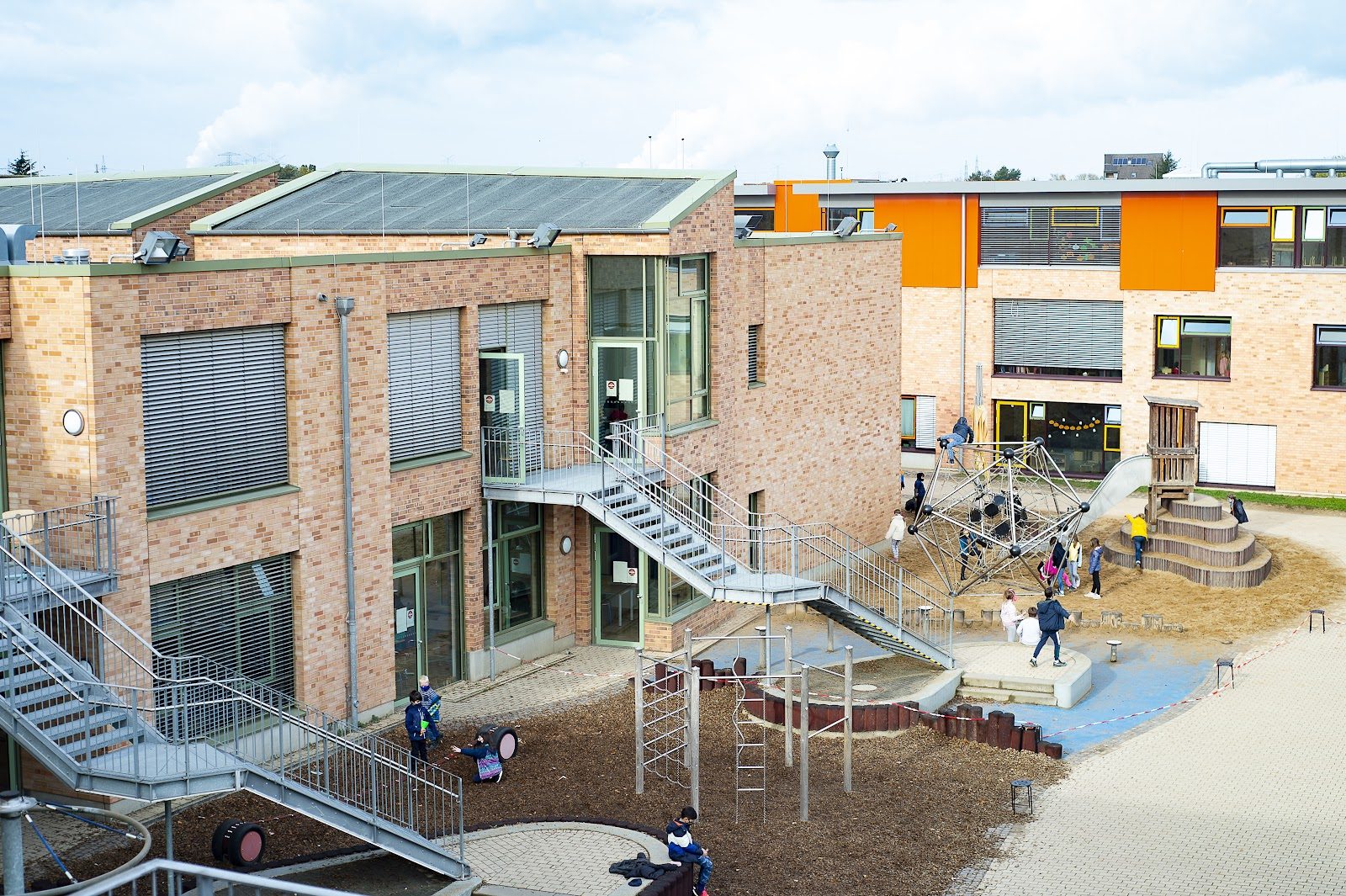
Central Germany's first international campus channels 77 nationalities into an IB pathway anchored by student-led Model UN and house-day traditions.
International School Cologne Bonn
Cologne · Germany
Germany's first British boarding school pairs IGCSE grounding with an IB finish in the heart of the Rhineland.
Berlin Metropolitan School
Berlin · Germany
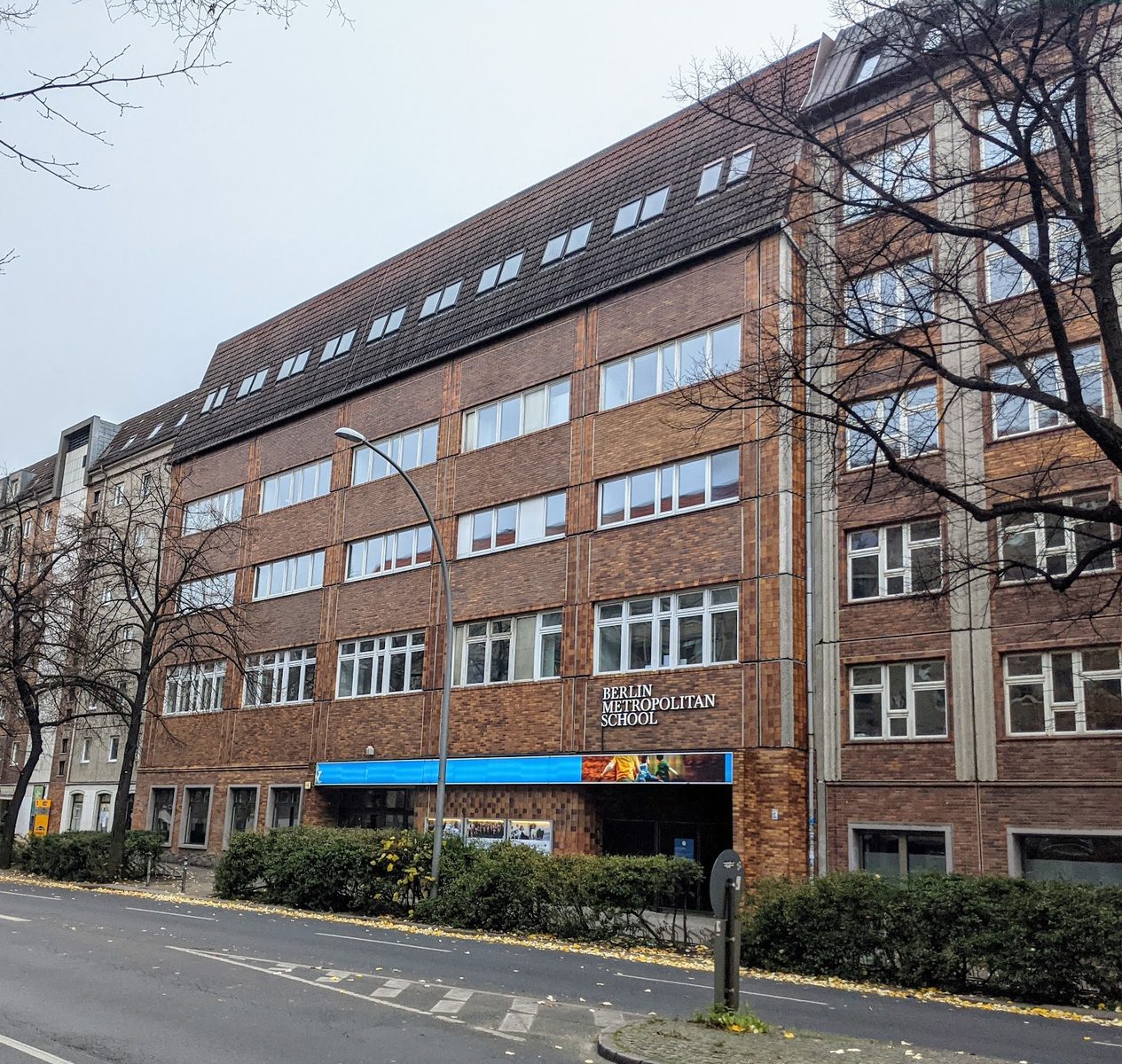
In Mitte, former GDR prefab blocks now house Berlin's oldest international IB campus, blending Cold War bones with global curriculum.
International School of Bremen
Bremen · Germany
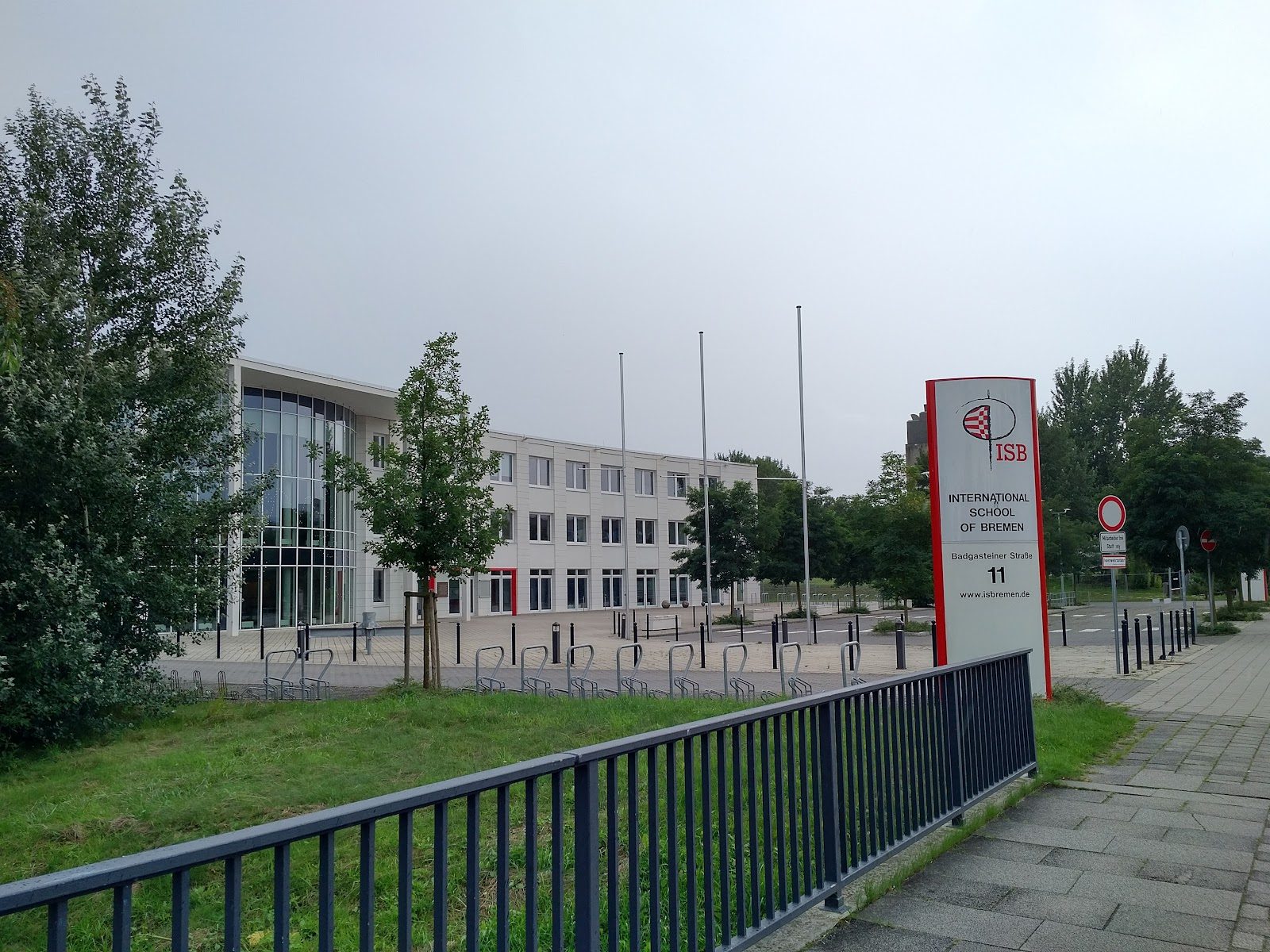
On Bremen University's campus, Germany's only MINT-EC STEM-network school pairs IB rigor with hands-on science and engineering.
Same country and curriculum — closest matches within ±10 points either way