
Western Cape
Reddam House Constantia
low confidence· 6/6 cats · 0 avg sourcesSet against the Constantia winelands, this day school pairs IEB rigor with Cambridge flexibility and a 100 percent matric pass rate.
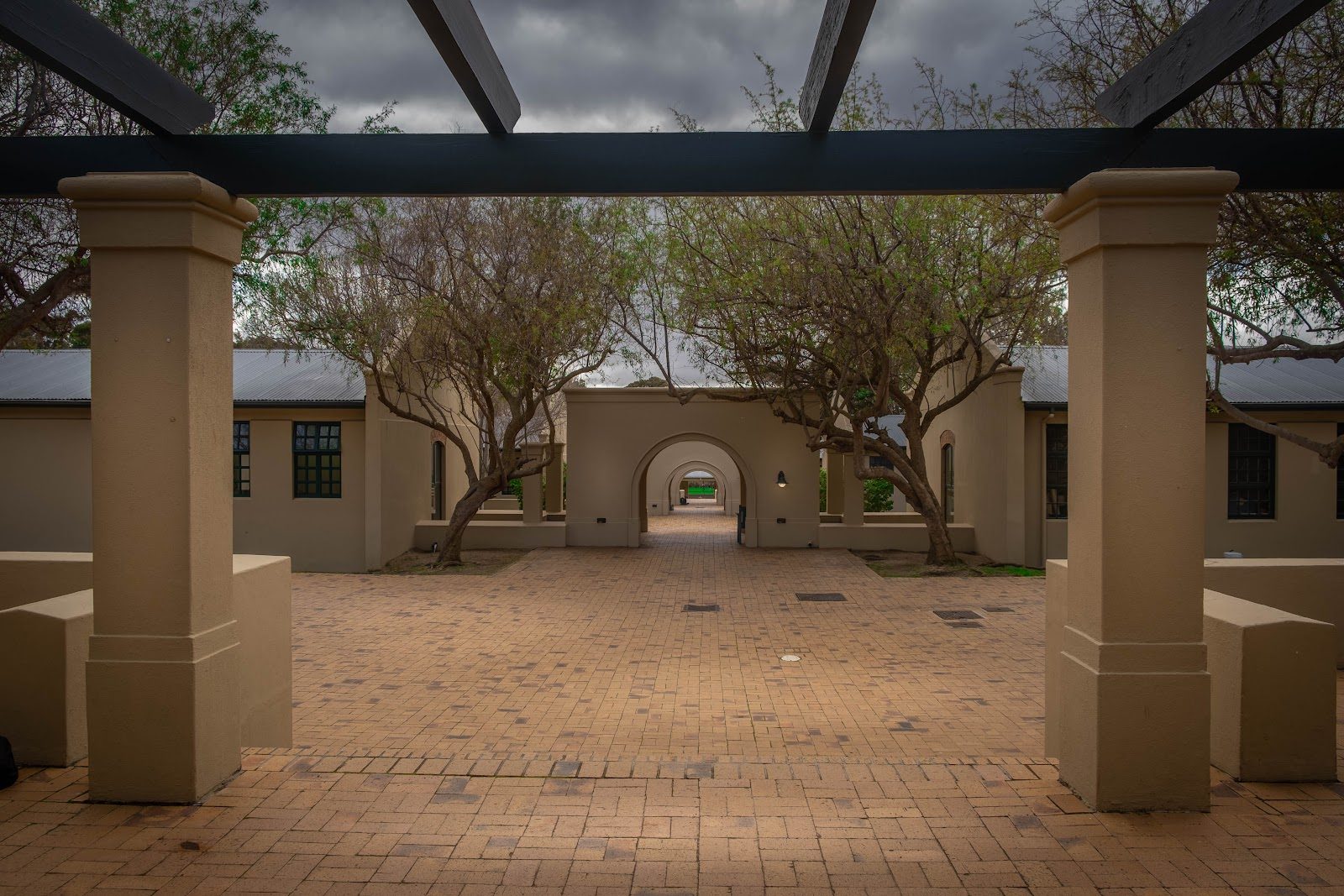
Photo © Lionel Botha via Google Maps
Type
Day
Ages
5–18
Curriculum
IEB · Cambridge (IGCSE, A-Level)
Ratio
—
The Verdict
Editor's commitment
Right for
Cape Town families wanting an English-medium day school founded in 1997, with IEB rigour and a real Cambridge IGCSE and A-Level option.
Wrong for
Parents after boarding, religious formation or a single-curriculum school: Constantia is non-religious, day-only, and runs IEB alongside Cambridge ages 5–18.
Watch out for
The Constantia winelands setting and Inspired branding sell polish; the substance that matters is the dual-track academics and the published 100 percent matric pass rate.
Ranking breakdown
Reddam House Constantia · #477 of 1591
Composite score 69.2. 8 weighted criteria.
By criterion
Academic Outcomes
Weight 20%
#586
of 1529 scored
University Placement
Weight 16%
#584
of 1529 scored
Prestige & Heritage
Weight 12%
#608
of 1571 scored
Alumni Network
Weight 12%
#394
of 1530 scored
Facilities
Weight 12%
#569
of 1533 scored
Transparency & Communications
Weight 8%
#652
of 1532 scored
Peer & Industry Review
Weight 10%
#645
of 1548 scored
Admissions Selectivity & Demand
Weight 8%
#438
of 1529 scored
Peer & Industry Review
How Reddam House Constantia is regarded in the sector
60
Respected · low confidence
Reddam House Constantia is part of the Reddam/Inspired Education private school network, which is referenced in South African private education directories and expat-parent forums (e.g., ExpatArrivals, ExpatCapeTown discussions) as a well-regarded, academically strong option in the Southern Suburbs of Cape Town, often noted for sporting and academic results in local press (e.g., IOL, News24 school results roundups). However, independent third-party coverage is largely limited to local news mentions and directory listings rather than sustained specialist press (Tatler, Good Schools Guide) or Sunday Times School of the Year recognition, suggesting solid regional respect but not top-tier national or international benchmarking status.
Evidence sources
Editors' overview
Set against the Constantia winelands, Reddam House Constantia trades on place as much as programme: a Cape Town day school founded in 1997, non-religious, co-educational and English-medium, serving ages 5 to 18. The educational proposition is sharper than the branding. This is not a single-track school. It offers both the South African IEB route and Cambridge qualifications, including IGCSE and A Level, which gives families a real choice between a strong local university-prep pathway and a more international senior option. That dual structure is the point of interest here. Parents who want academic seriousness without locking a child into one examination system from the start will put it on a shortlist. The published 100 percent matric pass rate strengthens that case, even if the school does not publish the deeper outcome data that serious comparison also needs, such as subject distributions, bachelor pass rates or university destination breakdowns.
As part of the Inspired group, Reddam House Constantia sits in the premium chain-school segment, with all the advantages and limitations that brings. The advantages are obvious: scale, confidence, polished operations and a broad co-curricular expectation that reaches beyond exam preparation into sport and the creative arts. The limitation is just as clear: the group language is full of generic claims about excellence, vibrancy and contemporary education, and parents need more than that. What matters is that this campus covers the full school journey from primary through to senior years, remains a day school rather than a boarding proposition, and caters to a family looking for a high-pressure but flexible academic environment rather than a narrowly traditional one. It is a strong fit for able, busy students who want options open at 16 and 18, and who will use a school’s sporting and arts offer rather than treat it as decorative.
The child who thrives here is ambitious, organised and comfortable in a school that expects visible engagement. A student who wants only a quiet, stripped-back academic life has better fits elsewhere. Reddam House Constantia suits children who can handle a full-programme school—less monastic than an old-line academic institution, less loose than a progressive alternative, and more internationally minded than many local schools without abandoning South African academic credibility. For Cape Town families who want that balance, plus the practical convenience of a day-school model for ages 5–18, this is a serious contender.
Academic Performance
The headline result is clear enough: a published 100 per cent matric pass rate puts Reddam House Constantia in the top-performing bracket on the basic completion measure that South African parents scan first. That is a strong floor, not a full academic picture. The school does not publish the comparative detail that separates a merely solid pass record from a genuinely high-octane one: no public breakdown of subject-level distinctions, no bachelor-pass profile, no cohort averages, and no university destination data. For the Cambridge route, we have not seen aggregate IGCSE or A Level outcomes. That omission matters. In a dual-pathway school, parents need to know not just that pupils pass, but how far up the distribution they land and whether one route outperforms the other.
Relative to peers, that places the school in a credible but opaque position. It has enough published success to justify academic confidence, but not enough disclosure to claim elite status on results alone. The stronger comparator set is other premium Cape Town day schools and high-fee independents that publish richer outcome data, prize tallies or destination lists. Against that group, Reddam House Constantia holds ground on the blunt matric measure and loses ground on transparency. The implication is straightforward: families can treat it as an academically serious option, but not as a school that invites hard-nosed external scrutiny of its exam performance.
Facilities
The school’s physical proposition is broad rather than distinctive. The group states that its schools cater for between 600 and 2000 pupils, and that scale usually brings the standard premium-independent toolkit: dedicated sports provision, performing-arts space and specialist teaching rooms rather than a stripped-back academic plant. The important point for parents is not architectural grandeur but range. Reddam’s own emphasis on sport and the creative arts indicates a campus built for a full-programme school day, not a narrow exam factory. That matters in this fee bracket, where families expect children to rehearse, train and circulate across multiple activities without leaving site. Against peer independents in the southern suburbs, that puts Reddam in the well-equipped mainstream rather than the category-defining top tier.
What we do not get is the detail that would lift facilities from credible to exceptional. There is no published inventory of theatres, labs, pools, pitches, design spaces or specialist centres, and no hard case for unusually strong provision in music, rowing, science or elite sport. That gap limits any claim to facilities-led distinction. The Constantia setting carries obvious visual appeal, but beautiful surroundings are not the same thing as standout infrastructure. Compared with Cape Town’s strongest premium competitors, Reddam clears the baseline for breadth and day-to-day usefulness; it does not publish enough to prove a best-in-class campus.
As part of the Inspired group, Reddam House Constantia sits in the premium chain-school segment, with all the advantages and limitations that brings
Prestige
Reddam House Constantia carries real market prestige, but it is a specific kind of prestige. This is not the old South African version built on centuries of tradition, famous alumni and inherited social cachet. Its status rests on a premium-fee setting, a polished group-school operation and an academic offer that gives families more than one route through the senior years. For many parents, that mix has strong appeal: the school reads as aspirational, polished and mobile, with enough institutional confidence to attract families who want both local credibility and international exit options. The published 100 per cent matric pass rate supports that standing, even if it does not, on its own, settle the question of academic rank.
The ceiling on prestige is transparency. Top-tier schools defend their reputation with hard public evidence: detailed exam distributions, destination lists, major scholarships, selective university admits, distinguished alumni. Reddam House Constantia does not put that case into the public domain. That leaves its prestige substantial but controlled: powerful in the parent market, weaker in the realm of independently testable distinction. Membership of a global group with more than 125 schools adds brand heft and operational confidence, but group scale is not the same thing as singular institutional renown. The verdict is clear: this is a high-status premium school with strong name recognition and solid academic credibility, not an untouchable local grande dame nor a results-transparent academic powerhouse.
Against that group, Reddam House Constantia holds ground on the blunt matric measure and loses ground on transparency
Communications
Parent communication carries the same strengths and weaknesses as the wider Reddam operation: polished, centralised and easy to access, but heavy on brand language and light on the detail that seasoned parents want. The group site does the broad institutional job efficiently. It gives clear enquiry routes, prominent contact points and a straightforward statement of what the schools value — sport, creative arts, individual development and academic ambition inside a network of more than 125 schools serving over 95,000 pupils. That scale matters. Big operators rarely neglect the mechanics of communication, and parents can expect a school office that knows how to process interest, keep channels open and move families through admissions without chaos.
The weaker point is substance. The public-facing communication leans too hard on premium-school rhetoric: “excellence”, “vibrancy”, “fresh” and “contemporary” recur, while the practical evidence behind those claims stays thin. We do not see the kind of granular public communication that builds deep trust — detailed exam breakdowns, destination data, a sharper account of day-to-day school life, or a clearer picture of what distinguishes this campus from others in the same group. That makes the school market-confident rather than fully transparent. For parents already inclined towards the brand, that will be enough. For families making a hard comparison across serious independents, the communication is slick but controlled, and it leaves important questions for direct conversation rather than answering them upfront.
Uniqueness
What marks Reddam House Constantia out is not a single trophy feature but the way it combines premium-chain polish with a school-level identity that is less old-establishment and more deliberately modern. In the South African market, many strong independents ask families to buy into one academic track and one institutional culture from the start. Reddam gives more room to manoeuvre. That matters for students whose strengths sharpen late, whose university plans shift, or whose parents want a school that does not force an irrevocable choice too early. The result is a less doctrinaire experience: pupils can move through a school that values academic performance, sport and the creative arts without being trapped inside a single idea of what success must look like.
The other point of difference is group scale. Reddam belongs to a network of 125 schools educating more than 95,000 students, and that brings a level of operational confidence, brand consistency and parental reassurance that standalone schools cannot match. For students, the gain is practical rather than romantic: a school that understands how to run a full-throttle programme, hire specialist staff and maintain expectations across the whole week. The trade-off is clear too. Big-group schools can feel highly managed and less idiosyncratic than founder-led institutions with a sharper local personality. Families choosing Reddam are buying breadth, flexibility and structure, not eccentric charm.
Reddam House Constantia carries real market prestige, but it is a specific kind of prestige
Student Profile
The best fit is a student who wants a busy, outward-facing school life rather than a narrow academic corridor. This is a place for children who will throw themselves into lessons, fixtures, performances and the daily business of being visible. The school’s own language puts sport and the creative and performing arts near the centre of the offer, and that shapes the pupil culture. Expect classmates who are energetic, polished and comfortable with a timetable that asks for more than quiet competence. A child who likes structure, responds to clear expectations and is happy in a high-output environment will settle faster here than one who wants anonymity or a low-noise school day.
It also suits families who value optionality. The student profile is not one-dimensional; it leaves room for the academically ambitious child, the all-rounder and the pupil whose strengths mature later in the senior years. That breadth is one of the school’s stronger points. The less comfortable fit is the teenager who resists organised participation or wants a spare, bookish atmosphere with little emphasis on performance beyond the classroom. In a group that educates more than 95,000 pupils across 125 schools, the culture has scale and confidence. Some children thrive on that well-drilled momentum. Others will find it impersonal.
Reddam House Constantia does not put that case into the public domain
Co-curricular strengths
Arts & sport, on a separate axis
Overall 9.26/10
Scored 0-10 from the school's own published evidence. This axis is editorial-only — it does not feed the main WTS ranking.
Sports
9.3/10
Drama
9.2/10
Dance
9.4/10
Music
9.2/10
Visual Arts
9.2/10
Strengths
- +Achieved a 100% IEB pass rate in 2025, with 303 subject distinctions and 31 students achieving A-aggregates, indicating consistently strong exam outcomes.
- +One of the top-performing IEB schools in the country, it consistently has the best results of the Western Cape's three Reddam House schools.
- +Part of the Inspired Education Group, giving students access to a worldwide network of affiliated schools and, per the group, College students are guaranteed entry to any of our premium boarding schools across the world should families relocate.
- +The Constantia campus covers 32 acres with dedicated art, drama, dance, and music studios; computer and science laboratories; a spacious assembly hall; and expansive sports fields.
- +Early Learning uses a Reggio Emilia-inspired approach, and from Grade 1 through Grade 12 students follow the IEB curriculum, allowing one continuous school journey from toddlerhood to matric.
Considerations
- −Fees are substantial: College fees range from ZAR 189,170 (Grade 8) to ZAR 194,840 (Grades 9-12) for 2026, placing it among Cape Town's pricier day schools.
- −No dedicated SENCO, but school says it supports plenty of children with dyslexia, ADHD and other mild learning differences, meaning families needing specialist in-house support should verify provision directly.
- −No specific English as an additional language (EAL) support, due to limited demand, we are told, which may matter to relocating expat families whose children are not yet fluent in English.
- −Reddam House Constantia is a day school only, so families wanting on-site boarding must look elsewhere or transfer within the wider group network.
Availability
Primary entry gate & tests
Academic Record + Interview
Gallery
Photo © Grant Le Roux via Google Maps
Photo © Michael Edward Manning via Google Maps
Photo © Ian Pells via Google Maps
Photo © Ian Pells via Google Maps
Photo © Ian Pells via Google Maps
Photo © Ian Pells via Google Maps
Photo © Ian Pells via Google Maps
Photo © Ian Pells via Google Maps
Photo © Lionel Botha via Google Maps
Parent reviews
Have you sent your child here?
Voice reviews carry the strongest trust badge — we transcribe them for you to tidy up before they go live. Prefer to type? A written review is fine too.
Add your voice
In 60 seconds, tell other parents: what's the best thing about Reddam House Constantia, and what surprised you when your child joined?
We ask for a Google sign-in so every review has a real face behind it — no anonymous drive-by attacks on schools, and no faked positive reviews. Your email is never shown publicly.
Send this profile to a friend
International parents rely on word-of-mouth. Share this review with someone weighing the same decision.
Schools with places
Similar schools to Reddam House Constantia with places available now.
Availability first, then country, area, curriculum, price, co-curricular
Consider also
Also worth looking at alongside Reddam House Constantia.
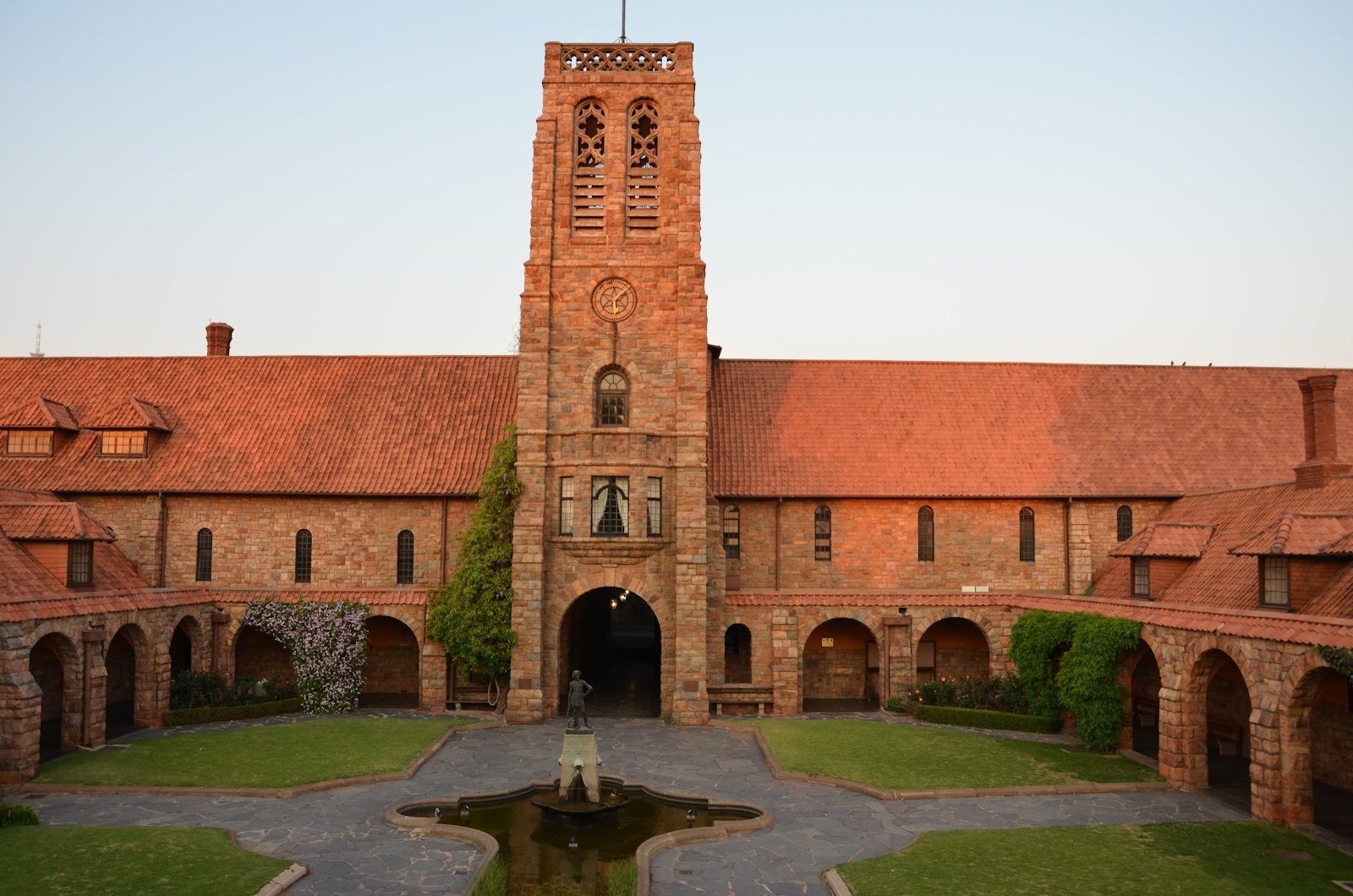
St John's College
Johannesburg · South Africa
Founded twelve years after the Witwatersrand gold rush, this Anglican boarding college blends Herbert Baker quadrangles with a four-house pastoral tradition
Roedean School South Africa
Johannesburg · South Africa
Founded in 1903 by two Cambridge-educated pioneers, this all-girls boarding school still occupies its original Herbert Baker campus in Parktown.

St Andrew's College
Makhanda · South Africa
On the Eastern Cape frontier since 1855, house tradition and shared classes with a sister school shape a distinct boarding life.
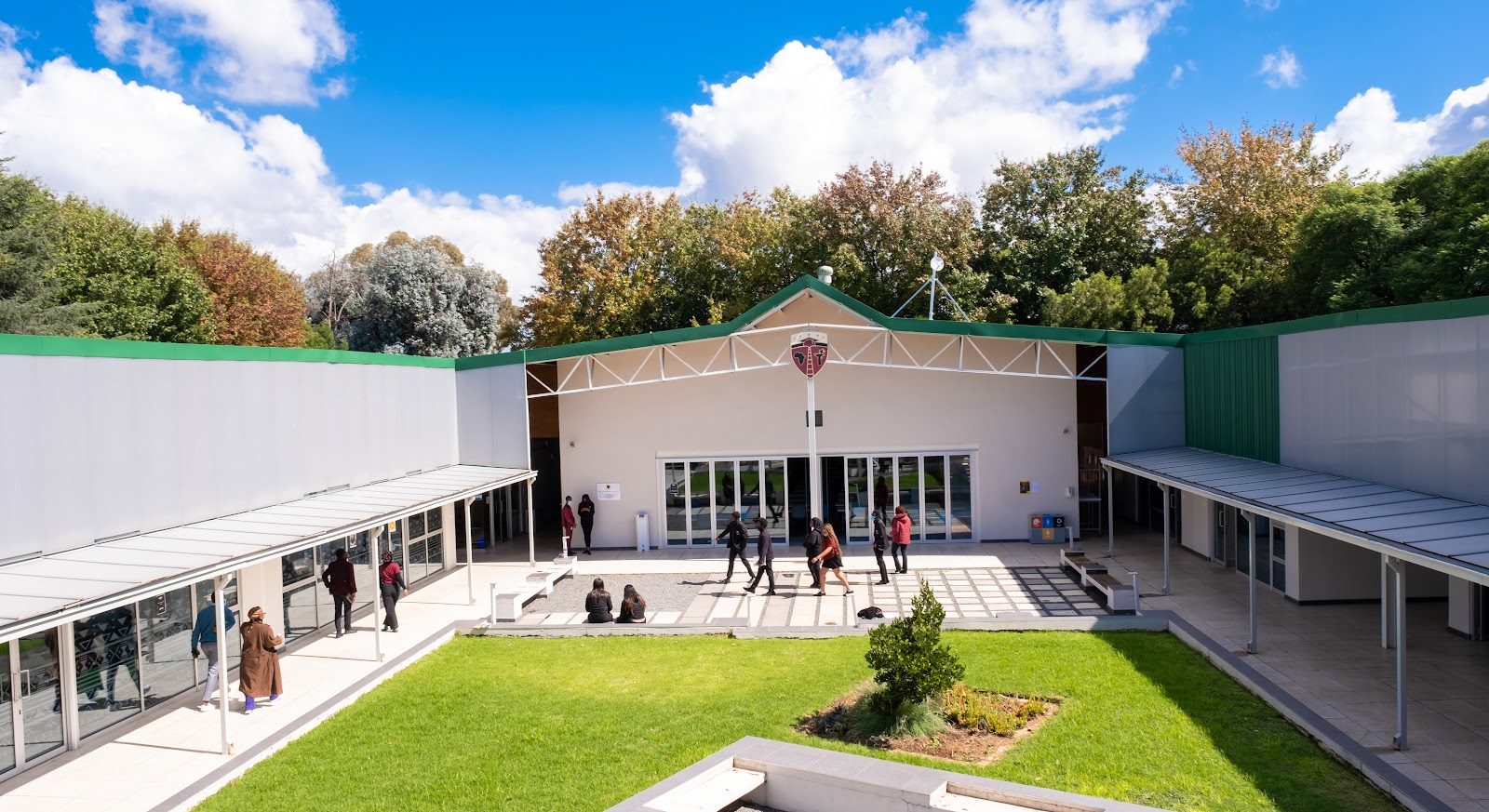
African Leadership Academy
Johannesburg · South Africa
A Johannesburg boarding campus where teens from 47 African nations run real ventures under a pan-African, entrepreneurship-driven curriculum.
Same country and curriculum — closest matches within ±10 points either way